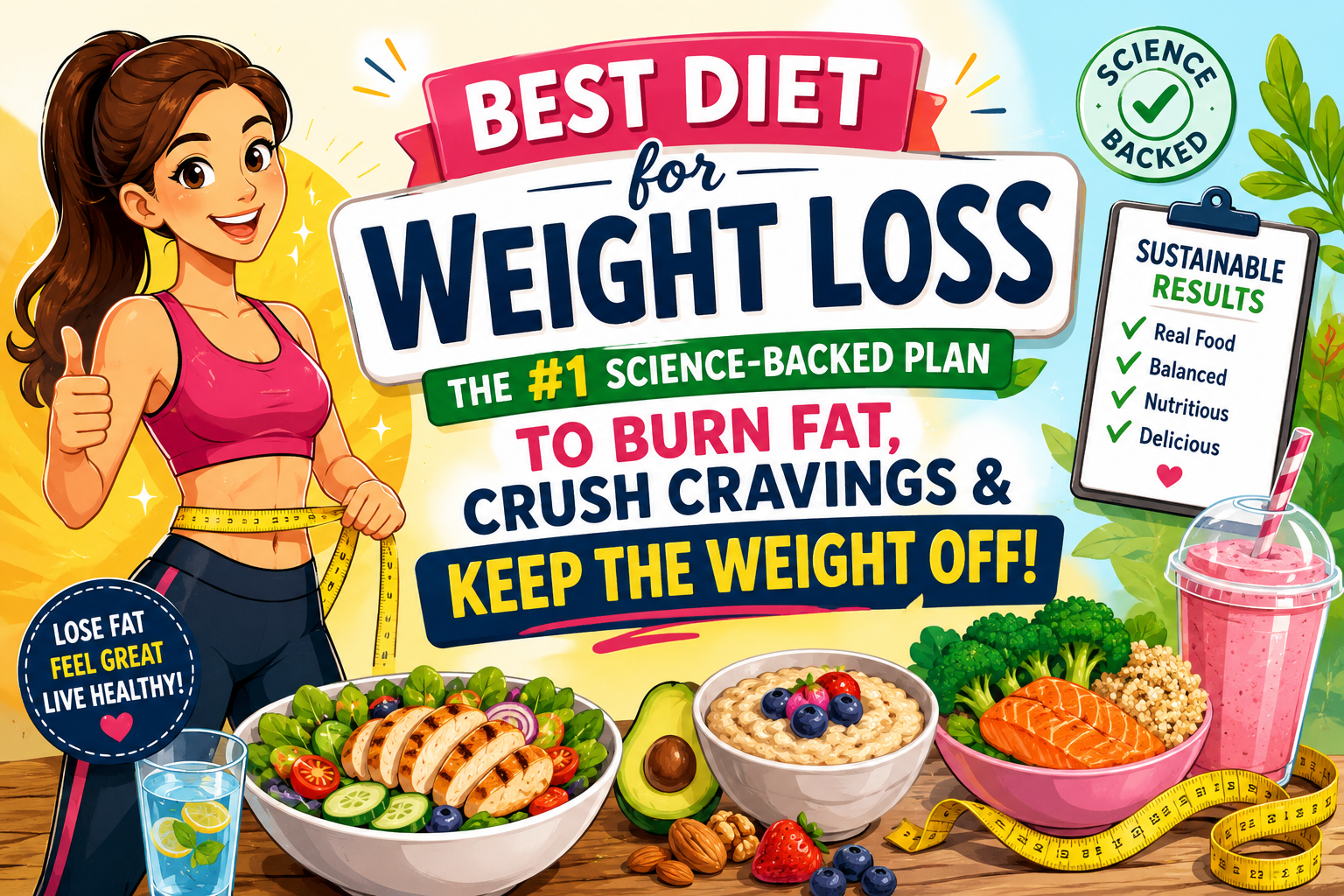
Best Diet for Weight Loss: The #1 Science-Backed Plan to Burn Fat, Crush Cravings & Keep the Weight Off
Losing weight is one of the most common health goals worldwide, yet many people struggle to find a plan that actually works long term. Every year, countless new diets promise rapid results, from extreme low-carb eating to juice cleanses and restrictive fasting programs. While these approaches may produce short-term weight loss, they often fail because they are difficult to maintain and can leave people feeling constantly hungry, tired, and frustrated.
The truth is that the Best Diet for Weight Loss isn’t about eliminating entire food groups or following unrealistic rules. Instead, it is a science-backed eating pattern that helps you create a sustainable calorie deficit while providing your body with the nutrients it needs to stay healthy and energized. A successful diet should reduce cravings, preserve muscle mass, improve metabolism, and fit comfortably into your lifestyle.
In this comprehensive guide, you’ll discover what makes a diet effective for long-term fat loss, how to build a practical weight loss meal plan, why protein-rich foods play such an important role, and how to choose a sustainable weight loss diet instead of chasing temporary fixes. You’ll also learn whether it’s possible to find a safe diet to lose weight fast without sacrificing your health.
By the end of this article, you’ll have a clear roadmap for making smarter food choices that support lasting weight management and overall well-being.
What Is the Best Diet for Weight Loss?
The Best Diet for Weight Loss is one that creates a moderate calorie deficit while providing balanced nutrition, supporting muscle maintenance, and remaining sustainable over the long term. Research consistently shows that there is no single “magic” diet that works for everyone. Instead, the most effective eating plan is one that you can realistically follow for months and years rather than just a few weeks.
An effective diet emphasizes whole foods, vegetables, fruits, lean proteins, healthy fats, whole grains, and minimally processed ingredients. It also encourages mindful eating, proper portion sizes, and regular physical activity. Rather than focusing solely on the number on the scale, the best diet improves body composition, energy levels, metabolic health, and overall quality of life.
The goal should never be starvation. Sustainable fat loss comes from building healthy habits that become part of your daily routine rather than relying on temporary restrictions.
Why Most Diets Fail
Many diets fail because they rely on extreme restrictions that are difficult to maintain. Cutting out entire food groups, drastically reducing calories, or depending on expensive supplements may lead to rapid initial weight loss, but these methods often increase hunger, reduce energy, and make long-term adherence nearly impossible.
Several psychological and biological factors also contribute to diet failure. When calorie intake becomes too low, the body responds by slowing metabolism and increasing hunger hormones. This makes it harder to continue losing weight and easier to regain it once normal eating resumes.
Common reasons diets fail include:
- Unrealistic calorie restriction
- Lack of meal planning
- Ignoring hunger and fullness cues
- Poor sleep habits
- Emotional eating
- Inconsistent physical activity
- Expecting immediate results
Successful weight management focuses on consistency rather than perfection. Small, sustainable improvements generally produce better long-term outcomes than dramatic short-term changes.
The Science Behind Healthy Fat Loss
Weight loss occurs when your body consistently burns more calories than it consumes, creating what is known as a calorie deficit. While this principle is straightforward, the quality of your diet significantly affects how easy it is to maintain that deficit.
Foods rich in protein and fiber increase satiety, helping you feel fuller for longer periods. Whole foods also tend to require more chewing and digestion, which naturally slows eating and improves satisfaction after meals. Additionally, preserving lean muscle through adequate protein intake and regular resistance exercise helps maintain metabolic rate during weight loss.
Scientific research also highlights the importance of sleep, stress management, hydration, and physical activity. Poor sleep and chronic stress can increase hunger hormones such as ghrelin while reducing leptin, making cravings more frequent and intense.
Rather than searching for shortcuts, successful fat loss combines balanced nutrition, regular exercise, quality sleep, and healthy daily habits into one sustainable lifestyle.
Key Principles of a Sustainable Weight Loss Diet
A sustainable weight loss diet prioritizes long-term health instead of rapid but temporary results. Instead of eliminating favorite foods forever, it encourages moderation and balanced eating that can realistically continue throughout life.
Core principles include:
1. Prioritize Whole Foods
Whole foods contain more nutrients, fiber, and water than highly processed alternatives. Vegetables, fruits, legumes, lean meats, fish, eggs, nuts, seeds, and whole grains provide essential vitamins and minerals while helping control hunger naturally.
2. Eat Enough Protein
Protein supports muscle preservation, increases fullness, and slightly boosts calorie burning through digestion. Including protein-rich foods such as chicken breast, Greek yogurt, fish, beans, tofu, lentils, eggs, and cottage cheese in every meal can significantly improve weight-loss success.
3. Include Healthy Fats
Healthy fats from avocados, olive oil, nuts, and seeds help regulate hormones and improve satisfaction after meals. Although fats are calorie-dense, moderate portions contribute to a balanced and enjoyable diet.
4. Choose High-Fiber Carbohydrates
Fiber slows digestion and supports healthy blood sugar levels. Excellent choices include oats, quinoa, brown rice, sweet potatoes, beans, fruits, and vegetables.
Replacing refined carbohydrates with high-fiber alternatives often leads to improved appetite control and better long-term weight management.
5. Practice Portion Control
Even healthy foods contain calories. Learning appropriate portion sizes allows you to enjoy a wide variety of foods without overeating.
Helpful strategies include:
- Using smaller plates
- Eating slowly
- Avoiding distractions while eating
- Measuring portions occasionally
- Stopping when comfortably full
These simple habits make calorie control easier without constant food tracking.
Why Protein-Rich Foods Are Essential for Fat Loss
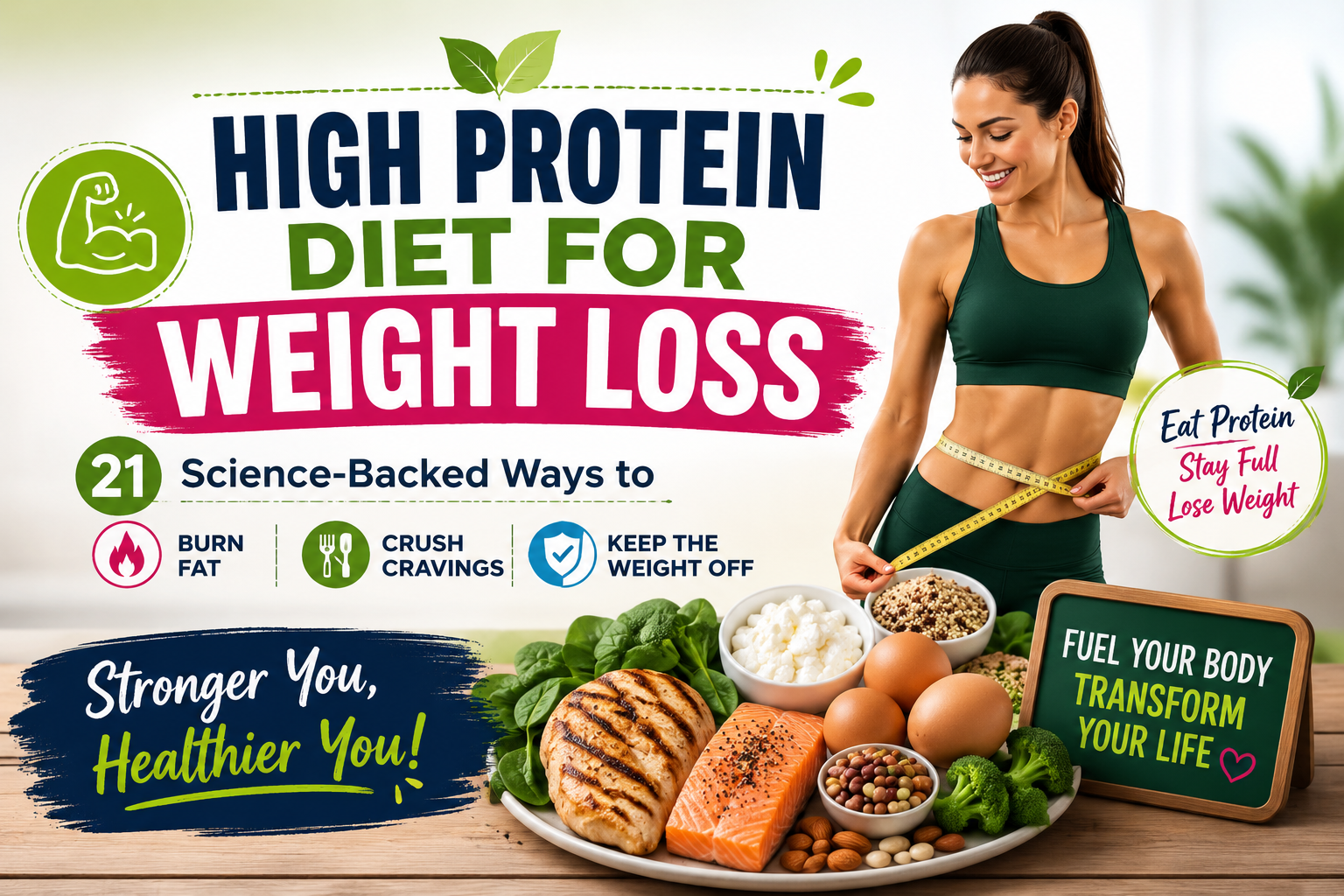
Among all nutrients, protein has perhaps the greatest impact on successful weight loss. High-protein meals reduce appetite, improve satiety, preserve lean muscle, and increase the thermic effect of food, meaning your body burns more calories digesting protein than carbohydrates or fats.
Excellent protein-rich foods include:
| Food | Protein (Approx.) |
| Chicken breast | 31g per 100g |
| Salmon | 25g per 100g |
| Greek yogurt | 20g per cup |
| Eggs | 6g each |
| Cottage cheese | 28g per cup |
| Lentils | 18g per cooked cup |
| Tofu | 20g per cup |
| Black beans | 15g per cooked cup |
Including one of these foods in each meal can improve fullness and make calorie reduction much easier.
Building the Perfect Weight Loss Meal Plan
A practical weight loss meal plan focuses on balance rather than restriction. Each meal should combine lean protein, fiber-rich carbohydrates, healthy fats, and plenty of vegetables to support satiety, stable energy, and consistent fat loss.
A simple plate method works well for most people:
- Half the plate with non-starchy vegetables
- One-quarter with lean protein
- One-quarter with whole grains or starchy vegetables
- A small serving of healthy fats
This balanced approach naturally supports portion control while ensuring you receive essential nutrients. It also makes meal planning easier because you can mix and match ingredients based on your preferences, budget, and cultural food choices without sacrificing progress.
Foods to Eat More Often for Healthy Weight Loss
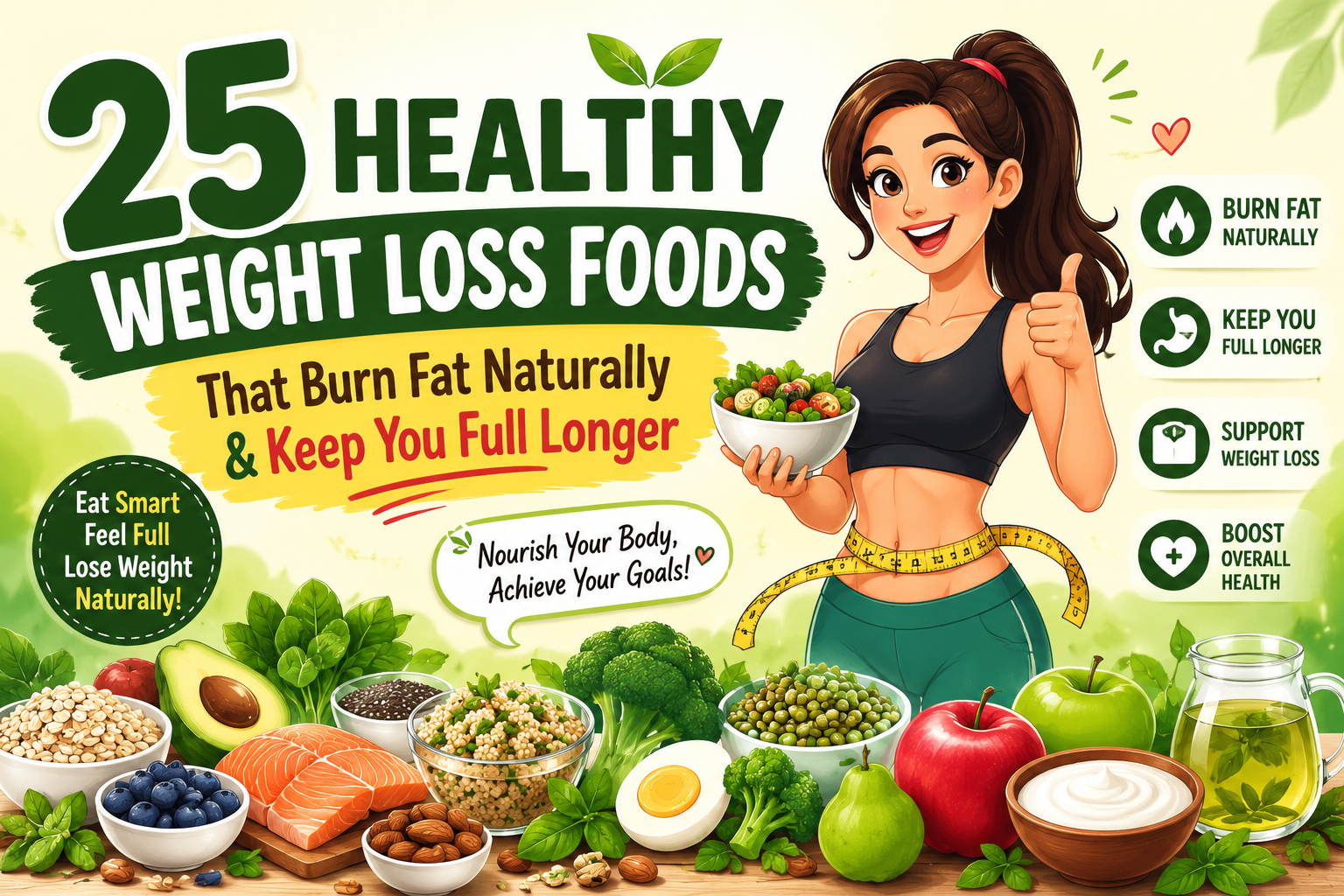
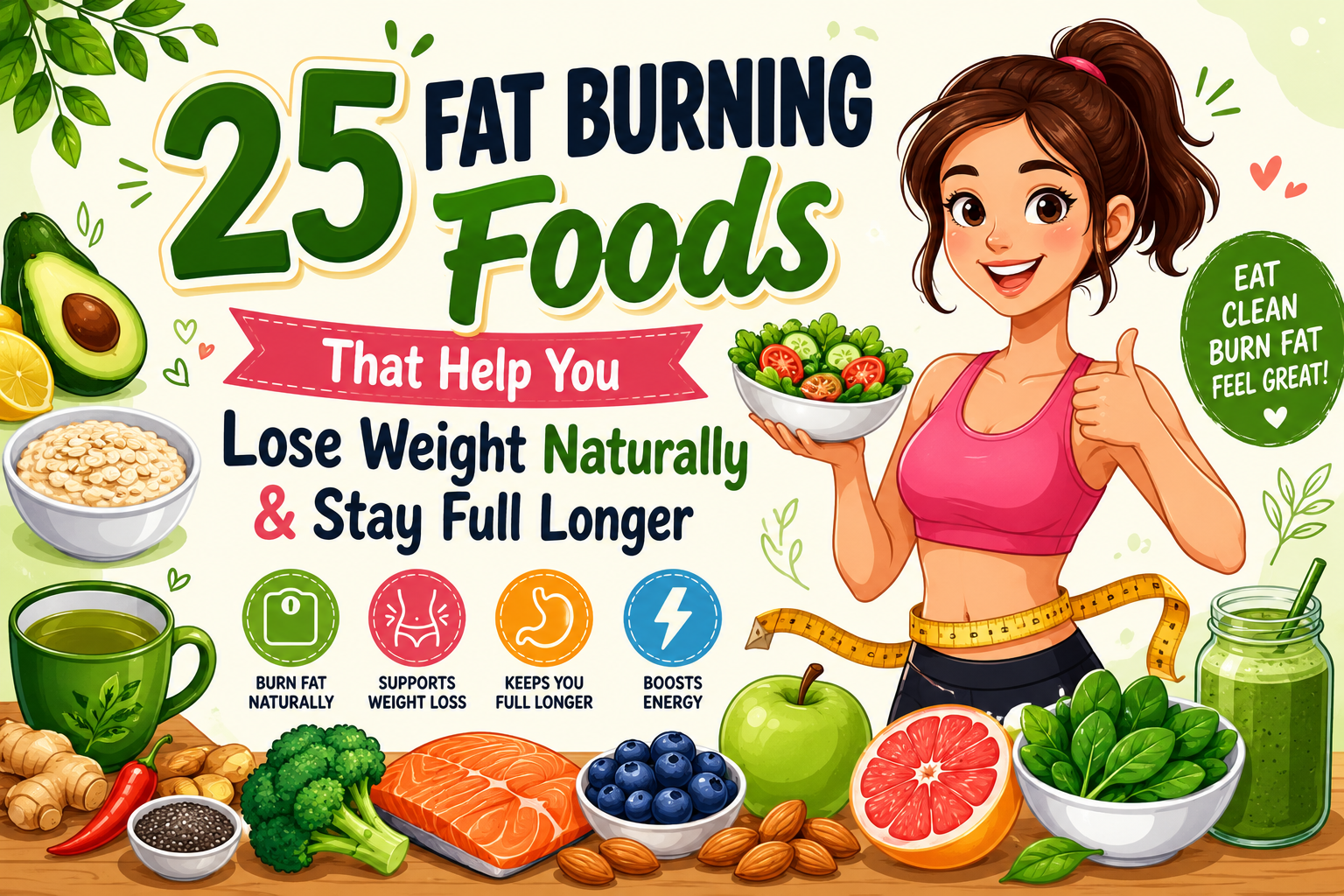
Choosing nutrient-dense foods is one of the simplest ways to improve your diet without feeling deprived. These foods are naturally filling, provide essential vitamins and minerals, and help maintain a calorie deficit by keeping hunger under control. Rather than focusing on individual “superfoods,” build your meals around a variety of whole foods that work together to support fat loss and overall health.
Lean Protein Sources
Protein should be the foundation of most meals because it promotes fullness, preserves muscle during weight loss, and supports recovery after exercise.
Excellent choices include:
- Skinless chicken breast
- Turkey
- Fish such as salmon, tuna, and cod
- Eggs
- Greek yogurt
- Cottage cheese
- Tofu
- Tempeh
- Lentils
- Chickpeas
- Black beans
- Edamame
Aim to include a serving of protein at every meal and snack whenever possible.
High-Fiber Vegetables
Vegetables provide fiber, antioxidants, vitamins, and minerals while being naturally low in calories. They increase meal volume, helping you feel satisfied without significantly increasing calorie intake.
Top vegetables include:
- Broccoli
- Spinach
- Kale
- Bell peppers
- Cauliflower
- Brussels sprouts
- Zucchini
- Cucumbers
- Tomatoes
- Green beans
- Mushrooms
- Asparagus
Eating a colorful variety ensures you receive a wide range of nutrients that support long-term health.
Healthy Carbohydrates
Carbohydrates are not the enemy of weight loss. The key is choosing minimally processed, fiber-rich options that provide sustained energy rather than rapid spikes in blood sugar.
Healthy carbohydrate choices include:
- Oats
- Brown rice
- Quinoa
- Sweet potatoes
- Whole-grain bread
- Whole-wheat pasta
- Beans
- Lentils
- Fruits
These foods provide long-lasting energy while supporting digestive health.
Healthy Fats
Healthy fats contribute to hormone production, nutrient absorption, brain function, and satiety. Since they are calorie-dense, moderation is important, but eliminating them completely is unnecessary and often counterproductive.
Healthy fat sources include:
- Avocados
- Olive oil
- Almonds
- Walnuts
- Pistachios
- Chia seeds
- Flaxseeds
- Pumpkin seeds
- Natural peanut butter
Adding small portions of these foods helps meals become more satisfying and enjoyable.
Foods to Limit for Better Weight Loss Results
No single food causes weight gain on its own, but regularly consuming highly processed, calorie-dense foods can make it much harder to maintain a calorie deficit. Limiting—not necessarily eliminating—these foods creates room for more nutritious options while still allowing flexibility for occasional treats.
Common foods to reduce include:
| Food | Why Limit It? | Better Alternative |
| Sugary drinks | High calories with little fullness | Water or sparkling water |
| Candy | Added sugar and low nutrition | Fresh fruit |
| Pastries | Refined flour and sugar | Oatmeal with berries |
| Potato chips | High calories, low satiety | Air-popped popcorn |
| Fried foods | High in calories and unhealthy fats | Baked or grilled options |
| Fast food | Large portions and excess sodium | Homemade meals |
| Processed meats | Often high in sodium and saturated fat | Lean poultry or fish |
| Ice cream | High sugar and calories | Greek yogurt with fruit |
Enjoying these foods occasionally is perfectly compatible with a healthy lifestyle. The overall pattern of your diet matters far more than a single meal or snack.
Sample One-Day Weight Loss Meal Plan
A balanced weight loss meal plan doesn’t need to be complicated. The example below combines lean protein, healthy fats, fiber-rich carbohydrates, and plenty of vegetables to support satiety and consistent energy throughout the day.
| Meal | Example | ||
| Breakfast | Greek yogurt with berries, oats, and chia seeds | ||
| Morning Snack | Apple with almond butter | ||
| Lunch | Grilled chicken breast, quinoa, broccoli, and mixed salad | ||
| Afternoon Snack | Cottage cheese with cucumber slices | ||
| Dinner | Baked salmon, roasted sweet potato, and steamed green beans | ||
| Evening Snack (Optional) | Herbal tea with a handful of walnuts |
This meal plan is flexible. You can substitute foods based on dietary preferences, cultural traditions, or availability while maintaining a similar nutritional balance.
Is There a Safe Diet to Lose Weight Fast?
Many people search for a diet to lose weight fast, especially before important events or vacations. While rapid weight loss is possible, it often involves losing water and muscle in addition to body fat. Extremely restrictive diets can also increase nutrient deficiencies, fatigue, irritability, and the likelihood of regaining weight once normal eating resumes.
A safer and more effective goal for most adults is gradual weight loss achieved through balanced nutrition and regular physical activity. Consistency is more important than speed because it allows healthy habits to become part of your lifestyle. Sustainable changes also make it easier to maintain your results over the long term instead of cycling between weight loss and regain.
If you have obesity or a medical condition that affects your weight, consult a qualified healthcare professional or registered dietitian before starting a rapid weight-loss program.
Best Eating Habits That Support Long-Term Weight Loss
Healthy eating habits often matter just as much as food choices. Small behavioral changes can significantly improve your ability to manage hunger, reduce overeating, and maintain healthy body weight.
Helpful habits include:
- Eat slowly and chew thoroughly.
- Drink water before meals.
- Avoid skipping breakfast if it leads to overeating later.
- Plan meals ahead of time.
- Keep healthy snacks available.
- Read nutrition labels.
- Limit distracted eating while watching television or using your phone.
- Practice mindful eating by paying attention to hunger and fullness signals.
- Prepare meals at home more often.
- Maintain a consistent eating schedule.
Developing these habits gradually makes healthy eating feel natural rather than restrictive.
Exercise: The Perfect Partner to Your Diet
Even the Best Diet for Weight Loss works better when combined with regular physical activity. Exercise increases calorie expenditure, supports cardiovascular health, preserves muscle mass, and improves mood. While diet has the greatest influence on weight loss, exercise plays a crucial role in maintaining results over time.
A balanced weekly routine may include:
- Strength training: 2–3 sessions to build or preserve muscle.
- Cardiovascular exercise: 150–300 minutes of moderate-intensity activity, such as brisk walking, cycling, or swimming.
- Flexibility and mobility: Stretching or yoga several times per week.
- Daily movement: Take the stairs, walk during breaks, or stand more often to reduce sedentary time.
Combining nutrition with consistent activity creates a healthier, more sustainable approach than relying on either strategy alone.
Common Weight Loss Diet Mistakes
Even with the best intentions, certain habits can slow progress or make weight loss harder than necessary. Recognizing these common mistakes allows you to adjust your approach before frustration sets in.
1. Skipping Meals
Skipping meals may seem like an easy way to reduce calories, but it often leads to intense hunger and overeating later in the day. Regular, balanced meals help stabilize appetite and energy levels.
2. Eating Too Little Protein
Without enough protein, you may lose muscle mass during weight loss, feel less satisfied after meals, and struggle with frequent cravings. Including protein in every meal supports better body composition and appetite control.
3. Drinking Your Calories
Sugary beverages, specialty coffees, energy drinks, and alcohol can add hundreds of calories without providing much fullness. Replacing them with water, unsweetened tea, or black coffee can make a meaningful difference.
4. Ignoring Portion Sizes
Healthy foods can still contribute excess calories if portions become too large. Paying attention to serving sizes and using smaller plates can help prevent unintentional overeating.
5. Expecting Instant Results
Healthy weight loss is a gradual process. Daily fluctuations are normal due to changes in water balance and digestion. Focus on long-term trends rather than day-to-day changes on the scale.
Expert Tips to Make Your Diet Sustainable
Long-term success comes from building habits you can maintain for years, not weeks. The following evidence-based strategies can help you stay consistent even during busy or stressful periods.
- Set realistic and measurable goals.
- Track your progress beyond the scale, such as energy levels or fitness improvements.
- Prioritize sleep, aiming for 7–9 hours each night.
- Manage stress through exercise, meditation, or hobbies.
- Prepare meals and snacks in advance.
- Allow flexibility for celebrations and favorite foods.
- Stay hydrated throughout the day.
- Seek support from friends, family, or healthcare professionals when needed.
Remember that occasional setbacks are normal. What matters most is returning to healthy habits rather than striving for perfection.
Frequently Asked Questions
1. Which diet is considered the healthiest for weight loss?
A balanced eating pattern that includes lean protein, vegetables, fruits, whole grains, legumes, and healthy fats is widely considered one of the healthiest approaches to weight loss. The best plan is one you can follow consistently while meeting your nutritional needs and maintaining a moderate calorie deficit.
2. Can I lose weight without exercising?
Yes, weight loss is possible through dietary changes alone because creating a calorie deficit is the primary driver of fat loss. However, combining healthy eating with regular physical activity helps preserve muscle mass, improves cardiovascular health, boosts fitness, and makes maintaining weight loss easier over time.
3. How many meals should I eat each day?
There is no ideal number of meals for everyone. Some people prefer three balanced meals, while others enjoy smaller meals and snacks. The key is choosing an eating pattern that helps you control hunger, meet nutritional needs, and avoid overeating.
4. Are low-carb diets better than low-fat diets?
Research suggests that both low-carb and low-fat diets can support weight loss when they create a calorie deficit. The better choice depends on your food preferences, medical history, and ability to maintain the eating pattern over the long term.
5. Why is protein important during weight loss?
Protein helps preserve lean muscle while reducing body fat, increases feelings of fullness, and has a higher thermic effect than carbohydrates or fats. Including protein-rich foods at each meal can make it easier to control appetite and support long-term weight management.
Key Takeaways
- The Best Diet for Weight Loss is balanced, sustainable, and science-backed.
- A moderate calorie deficit is essential for healthy fat loss.
- Prioritize protein-rich foods to improve fullness and preserve muscle.
- Fill half your plate with vegetables at most meals.
- Choose whole grains instead of refined carbohydrates whenever possible.
- Healthy fats support hormone balance and increase meal satisfaction.
- Consistency matters more than perfection or quick fixes.
- Regular exercise enhances weight-loss results and supports maintenance.
- Quality sleep and stress management play important roles in appetite regulation.
- Long-term lifestyle habits produce more lasting results than restrictive diets.
Conclusion
Achieving and maintaining a healthy weight doesn’t require extreme diets, expensive supplements, or eliminating entire food groups. The Best Diet for Weight Loss is one that you can realistically follow over the long term while providing your body with the nutrients it needs to thrive. By focusing on whole foods, lean proteins, fiber-rich carbohydrates, healthy fats, and mindful eating, you can reduce cravings, improve energy, and create sustainable fat loss without feeling deprived.
Remember that successful weight management is built on consistent daily habits rather than short-term perfection. Small improvements—such as planning meals, staying active, drinking enough water, sleeping well, and choosing nutritious foods more often—can produce significant results over time. Be patient with your progress and celebrate every healthy choice you make along the way.
At PureWellLife, our mission is to provide practical, evidence-informed wellness guidance that empowers you to build healthier habits for life. Explore our other nutrition and weight-loss resources to continue your journey toward better health, greater confidence, and lasting well-being.