Healthy grocery shopping is one of the easiest ways to improve your diet, maintain a healthy weight, and reduce the risk of chronic diseases. However, supermarket shelves are filled with thousands of products that use attractive packaging, health claims, and marketing buzzwords to grab your attention. Labels such as “natural,” “low-fat,” “high-protein,” and “organic” may sound healthy, but they do not always tell the complete story.
Learning how to read food labels helps you make informed decisions rather than relying on advertising. Understanding nutrition facts, ingredient lists, serving sizes, and daily values allows you to compare products objectively and choose foods that truly support your health goals.
Whether you’re shopping for yourself, your family, or following a special diet, this comprehensive guide will teach you everything you need to know about Healthy Grocery Shopping including how to identify healthier products, avoid misleading claims, and build a nutritious shopping cart without overspending.
What Is Healthy Grocery Shopping?
Healthy grocery shopping means selecting foods that provide the nutrients your body needs while limiting ingredients that may contribute to poor health when consumed in excess. Instead of focusing only on price, appearance, or brand popularity, healthy shoppers evaluate nutritional quality, ingredient transparency, and portion sizes before making a purchase.
Reading food labels is one of the most valuable skills for making healthier choices. It helps you compare products, identify hidden sugars and unhealthy fats, monitor sodium intake, and choose foods with more fiber, vitamins, and minerals. Healthy grocery shopping is not about buying only expensive organic foods—it is about making informed decisions that fit your nutritional needs, lifestyle, and budget.
Why Reading Food Labels Matters
Food labels are designed to provide essential information about what is inside a package. They help consumers understand the nutritional value of a product and make comparisons between similar items. Unfortunately, many shoppers focus only on eye-catching marketing claims instead of examining the Nutrition Facts panel and ingredient list.
Reading labels regularly can help you:
- Reduce excess sugar intake
- Lower sodium consumption
- Avoid unhealthy trans fats
- Increase fiber intake
- Choose products with fewer artificial additives
- Manage calorie intake
- Support weight management
- Improve heart health
- Control blood sugar levels
- Make informed purchasing decisions
By understanding what each section of a food label means, you can confidently choose products that align with your health goals rather than being influenced by clever packaging.
Understanding the Nutrition Facts Label
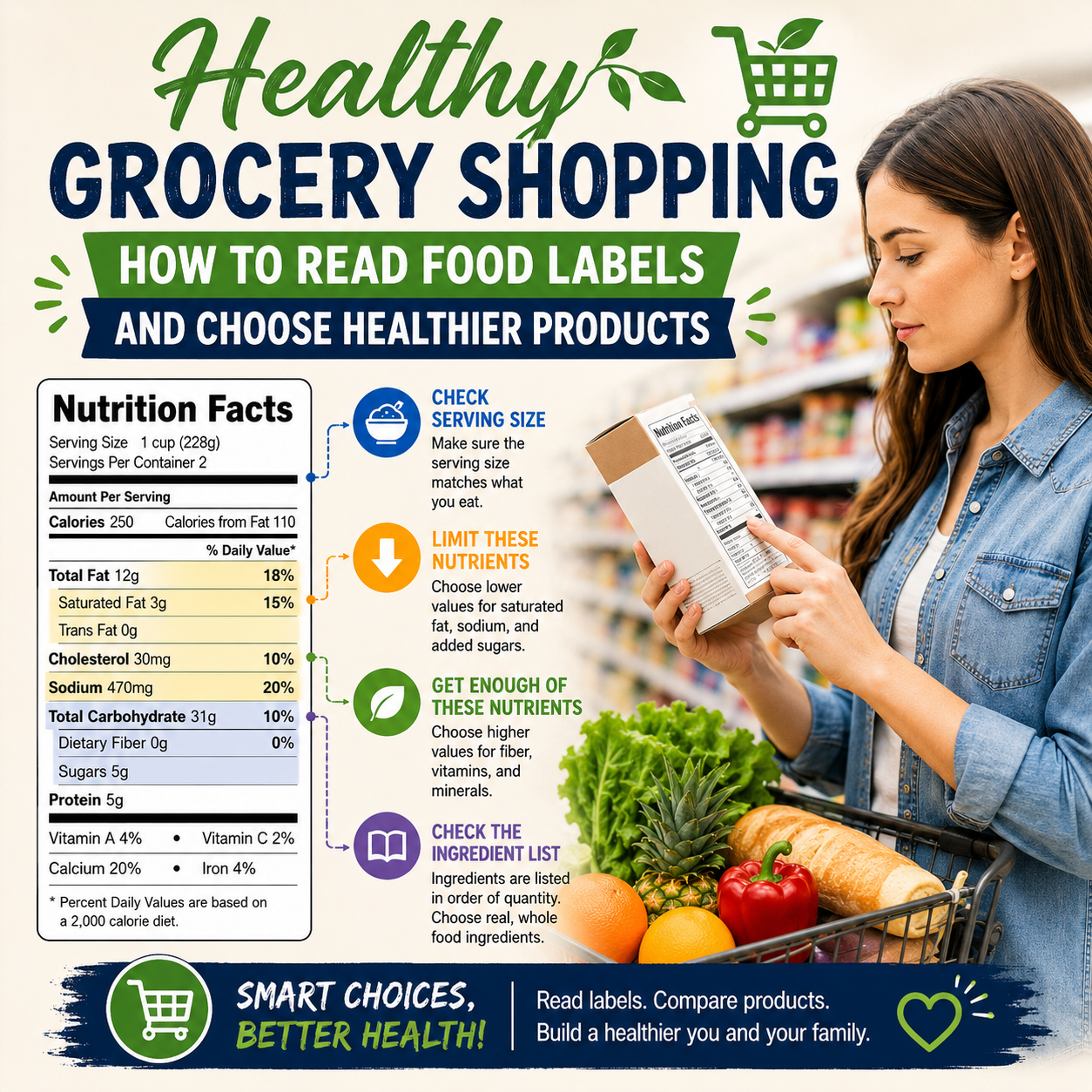
The Nutrition Facts label provides standardized information about the nutrients contained in a serving of food. Learning how to interpret this information allows you to evaluate whether a product supports a balanced diet.
A typical Nutrition Facts label includes:
| Label Section | Purpose |
| Serving Size | Shows the recommended amount per serving |
| Calories | Indicates the energy provided |
| Total Fat | Includes healthy and unhealthy fats |
| Saturated Fat | Helps assess heart health impact |
| Trans Fat | Should be as close to zero as possible |
| Cholesterol | Important for certain health conditions |
| Sodium | Indicates salt content |
| Total Carbohydrates | Includes fiber and sugars |
| Dietary Fiber | Supports digestive health |
| Total Sugars | Shows naturally occurring and added sugars |
| Added Sugars | Indicates sugar added during processing |
| Protein | Supports muscles and body repair |
| Vitamins & Minerals | Important micronutrients |
| Daily Value (%DV) | Shows nutrient contribution to daily needs |
Understanding each section enables you to compare products quickly and make healthier choices.
How to Read Serving Size Correctly
One of the most common mistakes shoppers make is ignoring serving size. The nutritional information on a package applies only to the listed serving, not necessarily the entire package.
For example, a snack bag may appear to contain 200 calories, but if it includes two servings, eating the whole bag means consuming 400 calories. The same principle applies to sugar, sodium, and fat.
Always compare:
- Number of servings per container
- Serving size in grams or cups
- Your actual portion consumed
Checking serving size first gives context to every other value on the Nutrition Facts label and prevents underestimating your intake.
Calories: What They Really Mean
Calories measure the amount of energy a food provides. While calorie counting can be useful, it should not be the only factor in choosing foods. Two products with the same calorie content may have vastly different nutritional quality.
For example, 200 calories from nuts provide healthy fats, protein, fiber, and essential minerals. In contrast, 200 calories from sugary candy offer little nutritional value and can contribute to blood sugar spikes.
Instead of focusing solely on calories, consider the overall nutrient density of a food. Choosing foods rich in vitamins, minerals, protein, and fiber helps you stay full longer and supports long-term health.
Understanding Daily Value (%DV)
The Daily Value (%DV) indicates how much a nutrient in one serving contributes to a typical 2,000-calorie daily diet. It helps you determine whether a food is low or high in a particular nutrient.
As a general guideline:
- 5% DV or less is considered low.
- 20% DV or more is considered high.
Aim for higher Daily Values in nutrients such as:
- Fiber
- Calcium
- Iron
- Potassium
- Vitamin D
Choose lower Daily Values for:
- Saturated fat
- Sodium
- Added sugars
Using %DV makes it easier to compare products and prioritize nutrient-rich options.
How to Read Ingredient Lists
The ingredient list reveals exactly what a product contains, with ingredients listed in descending order by weight. This means the first few ingredients make up the largest portion of the product.
When reviewing ingredient lists, look for:
- Whole foods listed first
- Short ingredient lists
- Recognizable ingredients
- Whole grains instead of refined grains
- Natural protein sources
- Healthy oils such as olive or avocado oil
Be cautious of products where sugar, refined flour, or unhealthy oils appear among the first ingredients. A shorter, simpler ingredient list often indicates a less processed product.
Identifying Hidden Sugars
Many packaged foods contain added sugars under different names, making them difficult to identify. Excessive sugar intake is linked to obesity, type 2 diabetes, heart disease, and tooth decay.
Common names for added sugars include:
- High-fructose corn syrup
- Cane sugar
- Brown sugar
- Dextrose
- Maltose
- Glucose
- Fructose
- Sucrose
- Honey
- Agave nectar
- Molasses
- Rice syrup
- Corn syrup
- Fruit juice concentrate
Reading the ingredient list alongside the “Added Sugars” section on the Nutrition Facts label helps you identify products with excessive sweeteners.
Understanding Healthy and Unhealthy Fats
Fat is an essential nutrient that supports brain function, hormone production, vitamin absorption, and healthy cells. However, not all fats have the same effect on your health. Learning to distinguish between healthy and unhealthy fats is an important step in healthy grocery shopping and reading food labels effectively.
When comparing products, look beyond the total fat content. Instead, examine the types of fat listed on the Nutrition Facts label. Foods rich in unsaturated fats can support heart health, while excessive saturated and trans fats may increase the risk of cardiovascular disease when consumed regularly.
Healthy Fats to Choose
These fats can be part of a balanced diet:
- Monounsaturated fats
- Polyunsaturated fats
- Omega-3 fatty acids
- Omega-6 fatty acids (in moderation)
Common food sources include:
- Avocados
- Olive oil
- Nuts
- Seeds
- Fatty fish like salmon and sardines
- Natural peanut butter
Fats to Limit
Limit foods high in:
- Saturated fat
- Trans fat
- Hydrogenated oils
- Partially hydrogenated oils
These are commonly found in:
- Fried foods
- Commercial baked goods
- Processed snacks
- Some frozen meals
- Packaged desserts
Healthy Fat Comparison
| Healthy Choices | Foods to Limit |
| Olive oil | Shortening |
| Avocados | Processed pastries |
| Almonds | Packaged cookies |
| Walnuts | Deep-fried snacks |
| Salmon | Processed meats |
Choosing products with healthier fat profiles contributes to better heart health and overall nutrition.
Sodium and Salt: What to Watch For
Sodium is necessary for normal body functions, but consuming too much can contribute to high blood pressure, heart disease, and kidney problems. Many packaged foods contain surprisingly high amounts of sodium, even when they don’t taste particularly salty.
When shopping, compare sodium levels between similar products. Soups, sauces, frozen meals, canned vegetables, breads, and processed meats are often major contributors to sodium intake.
Tips for Lower Sodium Shopping
- Compare brands before buying.
- Choose “No Salt Added” versions when available.
- Rinse canned beans and vegetables.
- Select fresh foods more often.
- Avoid heavily processed convenience foods.
General Sodium Guide
| Sodium per Serving | Interpretation |
| Under 140 mg | Low sodium |
| 140–400 mg | Moderate |
| Over 400 mg | High sodium |
Reading labels carefully helps reduce sodium intake without sacrificing flavor.
Choosing Whole Grain Products
Whole grains retain all parts of the grain kernel, providing more fiber, vitamins, and minerals than refined grains. Many products advertise themselves as “made with whole grains,” but that claim doesn’t always mean whole grains are the primary ingredient.
Always check the ingredient list. The first ingredient should ideally be:
- Whole wheat
- Whole oats
- Brown rice
- Whole rye
- Whole barley
- Whole grain corn
Avoid products where the first ingredient is:
- Enriched wheat flour
- Refined flour
- White flour
- Wheat flour (without “whole”)
Whole Grain Benefits
Choosing whole grains can help:
- Improve digestion
- Support heart health
- Maintain healthy blood sugar
- Increase satiety
- Reduce overeating
- Support healthy weight management
Whole grain products are a cornerstone of a nutritious grocery cart.
Decoding Front-of-Pack Marketing Claims
Food packaging is designed to attract attention, but marketing claims don’t always reflect the nutritional quality of a product. Understanding common label terms helps you avoid being misled.
Common Marketing Claims
“Natural”
This term does not necessarily mean a product is healthier, less processed, or free from added sugars.
“Low Fat”
Some low-fat foods compensate for reduced fat by adding more sugar or starch to improve taste.
“Sugar-Free”
Sugar-free products may still contain artificial sweeteners or sugar alcohols, which some people prefer to limit.
“Made with Whole Grains”
This doesn’t guarantee the product is mostly whole grain. Always verify the ingredient list.
“Organic”
Organic products are produced according to specific farming standards, but organic foods can still be high in calories, sugar, or saturated fat.
“High Protein”
A high-protein claim doesn’t automatically make a product nutritious. Consider added sugars, sodium, and overall ingredient quality.
Marketing Claims vs Reality
| Claim | What You Should Check |
| Natural | Ingredient list |
| Low Fat | Added sugar content |
| High Protein | Total nutrition profile |
| Organic | Calories and nutrients |
| Whole Grain | First ingredient |
| Gluten-Free | Nutritional value |
Never rely solely on the front of the package. The Nutrition Facts panel provides a much clearer picture.
Comparing Products Like a Nutrition Expert
One of the smartest grocery shopping habits is comparing similar products before making a purchase. Two products may appear almost identical, but their nutritional quality can differ significantly.
When comparing products, evaluate:
- Serving size
- Calories
- Added sugars
- Sodium
- Saturated fat
- Fiber
- Protein
- Ingredient quality
Example Comparison
| Nutrient | Cereal A | Cereal B |
| Calories | 180 | 170 |
| Fiber | 2 g | 8 g |
| Added Sugar | 15 g | 4 g |
| Protein | 3 g | 7 g |
| Sodium | 260 mg | 130 mg |
Although the calorie difference is small, Cereal B provides significantly more fiber and protein while containing less sugar and sodium, making it the healthier choice.
Healthy Grocery Shopping Checklist
Using a checklist can help you make consistent, healthier decisions every time you shop.
Before You Go Shopping
- Plan meals for the week.
- Create a shopping list.
- Eat before shopping to avoid impulse purchases.
- Set a realistic grocery budget.
- Check your pantry to avoid duplicate purchases.
While Shopping
- Read every Nutrition Facts label.
- Compare similar products.
- Choose whole foods whenever possible.
- Buy seasonal fruits and vegetables.
- Select lean protein sources.
- Choose whole grains.
- Limit sugary drinks.
- Purchase healthy snacks.
- Watch portion sizes.
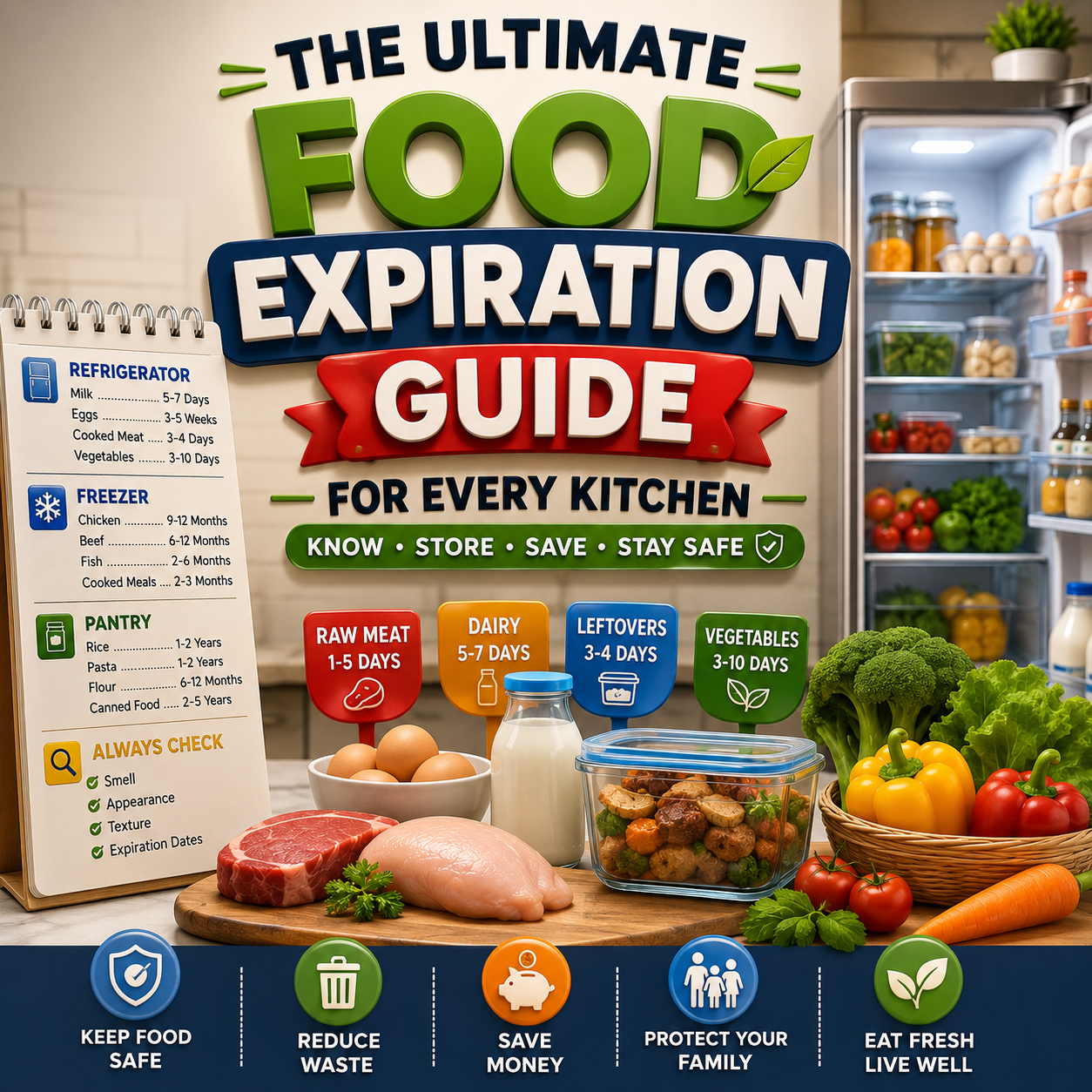
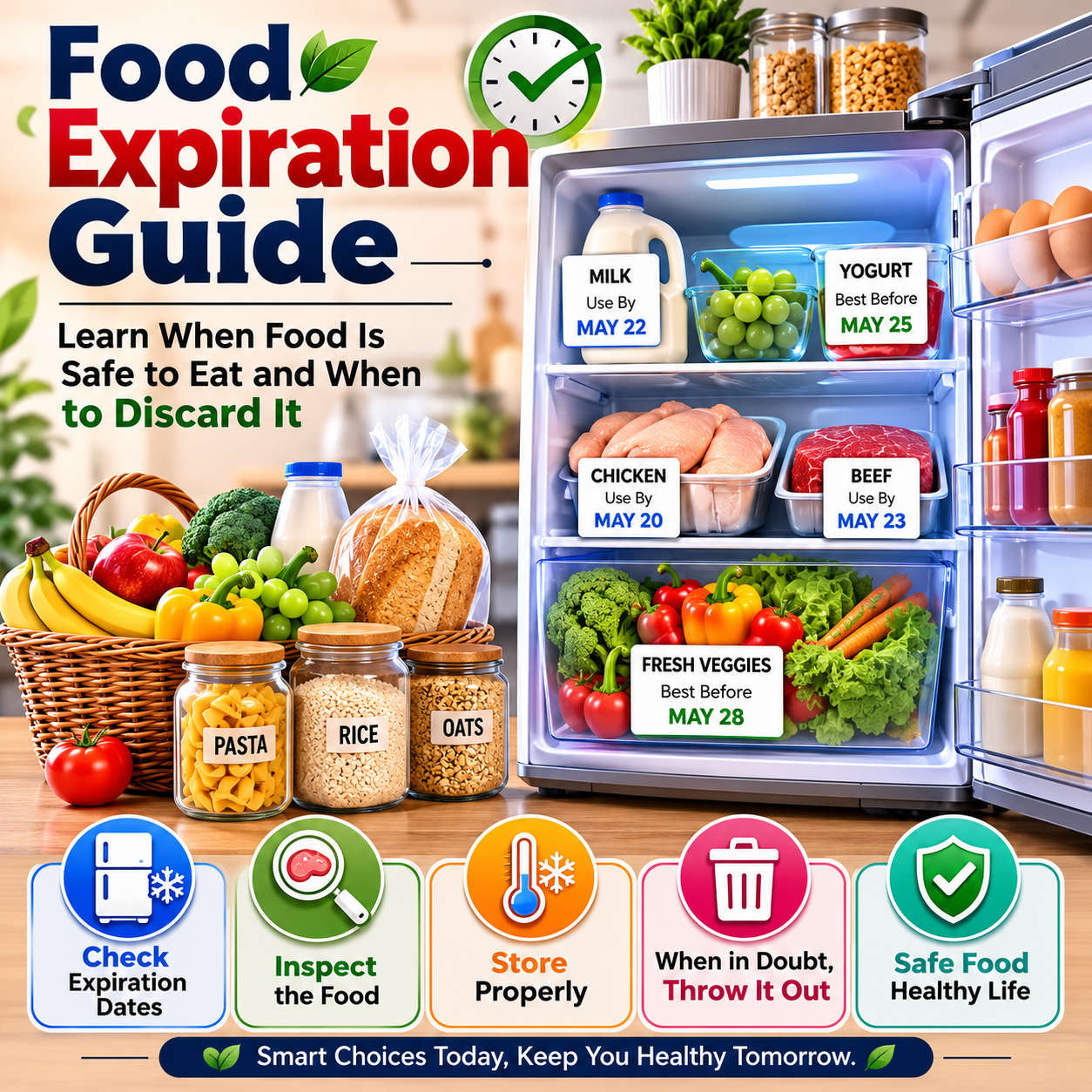
- Check expiration dates.
Before Buying Packaged Foods
Ask yourself:
- Does it contain excessive added sugar?
- Is sodium reasonable?
- Are healthy ingredients listed first?
- Is the serving size realistic?
- Does it provide fiber or protein?
- Is it minimally processed?
These simple questions can dramatically improve the nutritional quality of your grocery cart.
Common Food Label Mistakes
Even experienced shoppers sometimes misunderstand food labels. Avoiding these common mistakes can help you make better choices.
1. Ignoring Serving Size
Many people assume the entire package equals one serving, leading to underestimating calorie and nutrient intake.
2. Trusting Marketing Claims
Words like “natural,” “light,” or “healthy” should never replace reading the Nutrition Facts label.
3. Overlooking Added Sugars
Sugars can appear under many different names. Always check both the ingredient list and the added sugars section.
4. Forgetting Sodium
Foods that don’t taste salty may still contain large amounts of sodium.
5. Looking Only at Calories
Calories matter, but nutrient quality is equally important. A food rich in fiber, protein, vitamins, and minerals is generally a better choice than one with empty calories.
6. Ignoring Ingredient Order
The first ingredients listed make up most of the product. If sugar or refined flour appears first, consider a healthier alternative.
7. Assuming Organic Means Healthy
Organic cookies are still cookies. Always review the Nutrition Facts panel, regardless of organic certification.
8. Not Comparing Brands
Taking a few extra moments to compare products often leads to healthier choices without increasing your grocery bill.
Smart Grocery Shopping Tips from Nutrition Experts
Nutrition professionals recommend building your shopping habits around nutrient-dense foods rather than restrictive diets. A practical approach makes healthy eating more sustainable over the long term.
Expert Recommendations
- Spend most of your time shopping around the outer aisles where fresh produce, dairy, seafood, and lean meats are typically located.
- Fill at least half of your cart with fruits and vegetables.
- Prioritize foods high in fiber and protein to support fullness.
- Keep healthy pantry staples like beans, oats, brown rice, lentils, and canned tuna on hand.
- Buy frozen fruits and vegetables without added sauces or sugars for convenience and reduced food waste.
- Limit ultra-processed foods and choose minimally processed alternatives whenever possible.
- Read labels even on products you’ve purchased before, as manufacturers sometimes change ingredients or nutrition information.
Building these habits over time can make healthy grocery shopping easier, more affordable, and more effective for supporting long-term wellness.
Frequently Asked Questions (FAQs)
1. Why are food labels important?
Food labels provide essential information about calories, nutrients, ingredients, serving sizes, and daily values. Understanding these details helps consumers compare products objectively and make healthier choices that align with their nutritional needs and health goals.
2. How do I identify healthier packaged foods?
Choose products with whole-food ingredients, higher fiber, adequate protein, lower added sugar, lower sodium, and minimal processing. Reading both the Nutrition Facts panel and ingredient list provides a more accurate picture than relying on front-of-package claims.
3. What is the healthiest way to grocery shop?
Plan meals, create a shopping list, prioritize fresh produce, lean proteins, whole grains, legumes, and healthy fats. Compare labels, avoid impulse purchases, and choose minimally processed foods whenever possible.
4. What foods should I limit while grocery shopping?
Limit sugary beverages, highly processed snacks, processed meats, foods high in sodium, products containing trans fats, and desserts with excessive added sugars. Moderation is key rather than complete elimination.
5. Are frozen fruits and vegetables healthy?
Yes. Frozen fruits and vegetables are often harvested at peak ripeness and retain most of their nutrients. Choose products without added sauces, butter, salt, or sugar for the healthiest option.
6. How much added sugar is acceptable?
Health organizations generally recommend limiting added sugars as part of an overall balanced diet. Comparing products and choosing those with lower added sugar helps reduce unnecessary calorie intake while supporting long-term health.
7. Why should I compare brands?
Different brands of similar products can vary significantly in sodium, sugar, fiber, and protein content. Comparing labels allows you to choose the option with better nutritional value while often staying within the same budget.
8. Can healthy grocery shopping save money?
Absolutely. Planning meals, buying seasonal produce, comparing unit prices, purchasing store brands, reducing food waste, and choosing nutrient-dense staple foods can improve both your diet and your grocery budget.
9. What are minimally processed foods?
Minimally processed foods have undergone little processing and retain most of their natural nutrients. Examples include plain yogurt, frozen vegetables without sauces, oats, brown rice, beans, fresh fruits, and unsalted nuts.
10. How often should I read food labels?
Read food labels every time you purchase a packaged food, even if you’ve bought it before. Manufacturers occasionally change ingredients, serving sizes, or nutritional content, making it worthwhile to review labels regularly.
Key Takeaways
- Read the Nutrition Facts label before purchasing packaged foods.
- Check serving size first to understand all nutrient values.
- Compare similar products instead of relying on marketing claims.
- Choose foods with higher fiber and protein.
- Limit added sugars, sodium, and saturated fats.
- Select products made with whole-food ingredients.
- Prioritize whole grains over refined grains.
- Shop with a meal plan and grocery list to reduce impulse buying.
- Focus on nutrient density rather than calories alone.
- Consistent label reading leads to healthier long-term eating habits.
Conclusion
Healthy grocery shopping is more than filling your cart with foods that appear nutritious—it is about making informed decisions based on reliable nutrition information. By learning how to read Nutrition Facts labels, understand serving sizes, evaluate ingredient lists, and compare products, you can confidently choose foods that support your health and wellness goals.
Small habits, such as checking for added sugars, limiting sodium, selecting whole grains, and choosing healthier fats, can make a meaningful difference over time. Rather than being influenced by colorful packaging or marketing claims, let nutrition facts guide your purchasing decisions.
Remember that healthy eating does not require perfection. Every smarter choice you make contributes to better nutrition, improved energy, and long-term well-being. Start applying these label-reading skills during your next grocery trip, and you’ll build healthier shopping habits that benefit both your body and your budget.
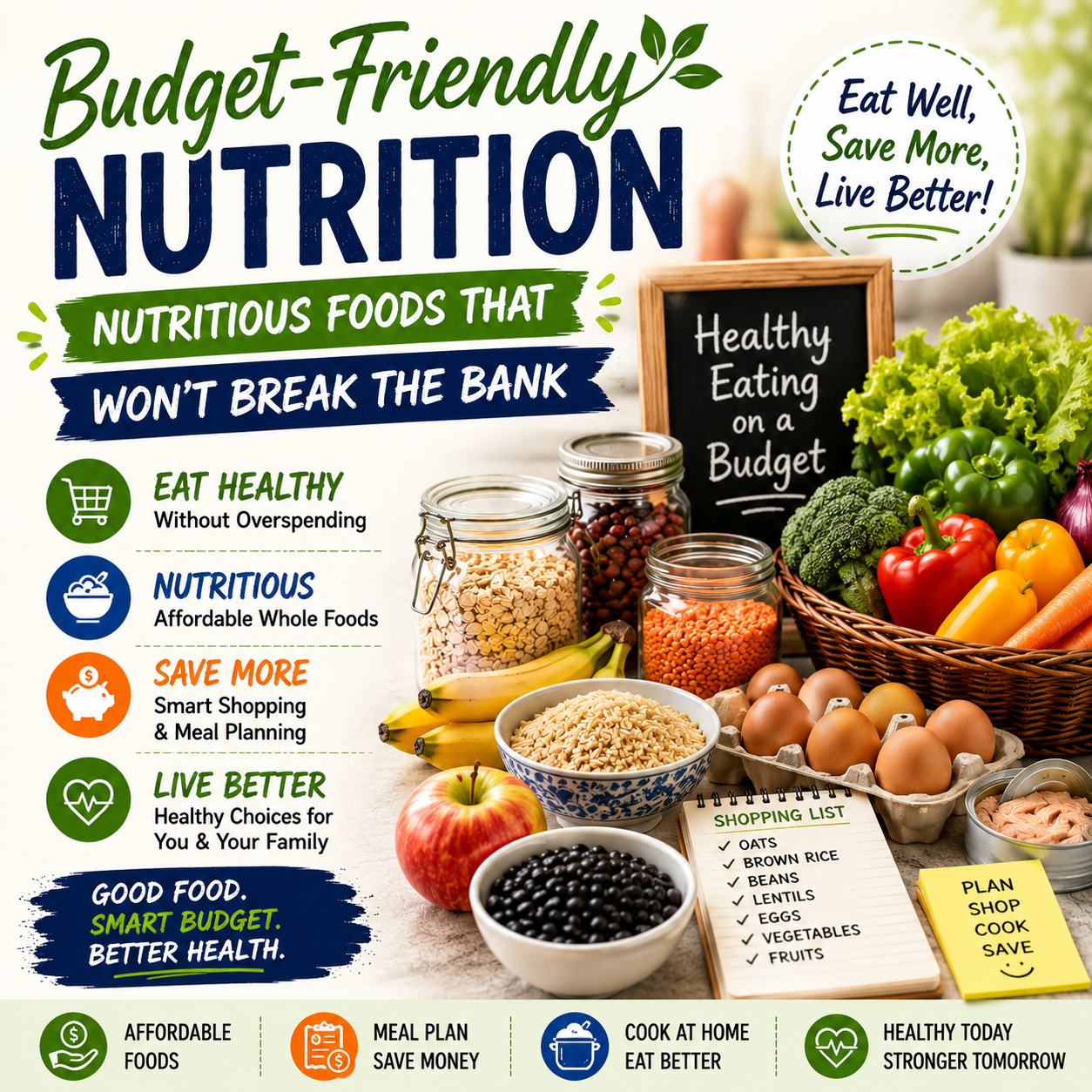
Read Our Latest Blog:Budget-Friendly Nutrition: Nutritious Foods That Won’t Break the Bank