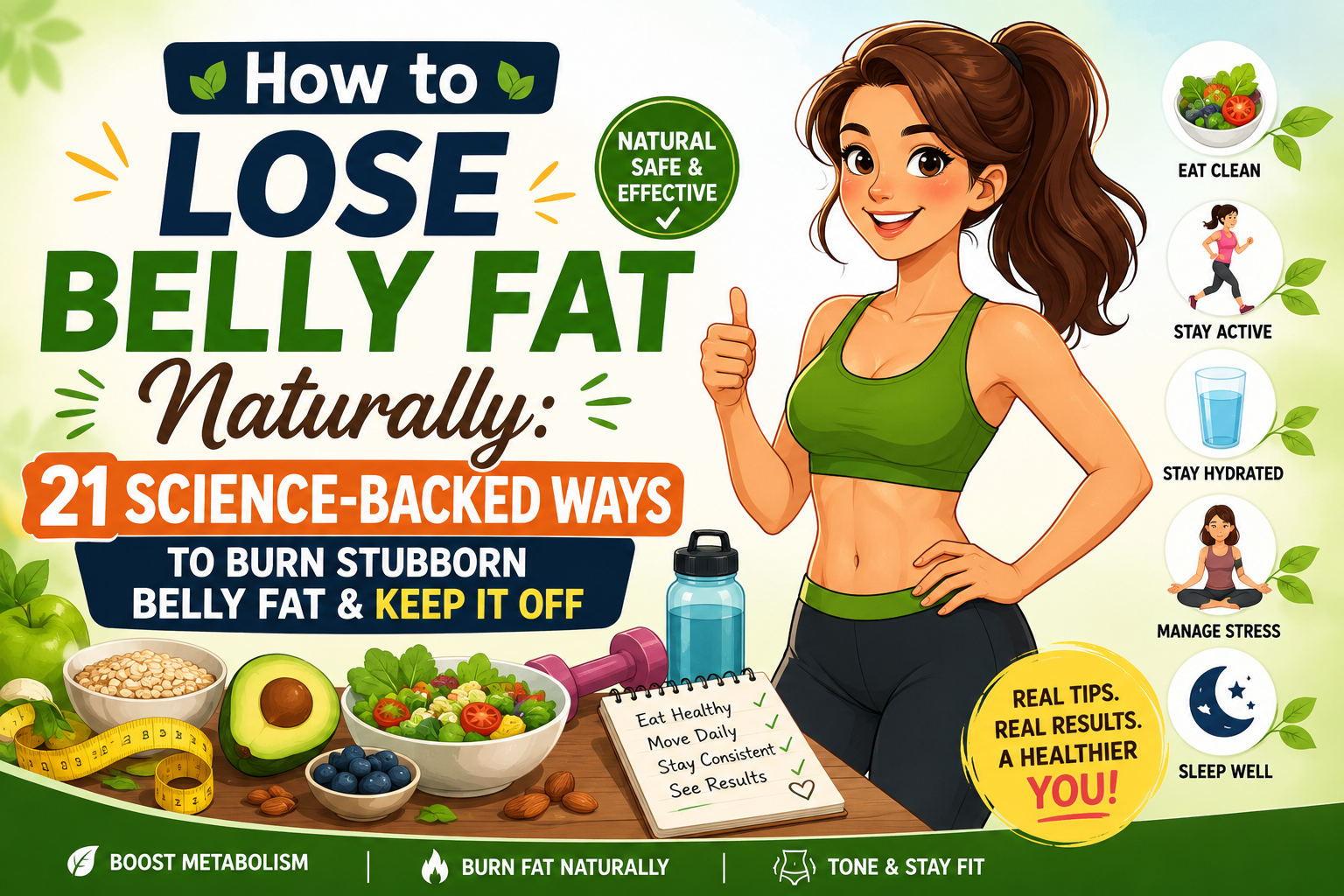
How to Lose Belly Fat Naturally: 21 Science-Backed Ways to Burn Stubborn Belly Fat & Keep It Off
Belly fat is one of the most common health concerns worldwide. While many people want a flatter stomach for appearance, excess abdominal fat is also linked to higher risks of heart disease, type 2 diabetes, fatty liver disease, metabolic syndrome, and other chronic health conditions. Unfortunately, the internet is filled with miracle diets, detox teas, fat-burning supplements, and unrealistic promises that often lead to disappointment instead of lasting results.
The good news is that learning how to lose belly fat naturally doesn’t require expensive products or extreme dieting. Scientific research consistently shows that sustainable lifestyle changes—including healthy eating, regular physical activity, quality sleep, stress management, and good daily habits—are the most effective ways to reduce stubborn belly fat over time.
This comprehensive guide explains 21 science-backed ways to burn stubborn belly fat and keep it off naturally. You’ll also discover the best foods to lose belly fat, common mistakes that slow fat loss, and practical strategies you can start using today. Whether you’re just beginning your weight-loss journey or trying to overcome a plateau, these evidence-based tips from PureWellLife are designed to help you build healthier habits that support long-term success rather than quick fixes.
What Is Belly Fat?
Belly fat refers to the fat stored around the abdomen, but not all belly fat is the same. There are two primary types: subcutaneous fat, which lies just beneath the skin, and visceral fat, which surrounds internal organs such as the liver, pancreas, and intestines. While subcutaneous fat is generally less harmful, excess visceral fat is associated with inflammation, insulin resistance, hormonal imbalances, and an increased risk of chronic diseases.
Understanding this difference is important because many people focus only on appearance, while the greater concern is health. Reducing visceral fat through healthy lifestyle changes can improve metabolic health, lower disease risk, and enhance overall well-being. This is why learning how to burn belly fat naturally is about much more than achieving a slimmer waistline.
Why Is Belly Fat Dangerous?
Excess belly fat is more than a cosmetic issue—it is considered an active tissue that produces hormones and inflammatory compounds capable of affecting nearly every organ in the body. High levels of visceral fat are linked to cardiovascular disease, high blood pressure, type 2 diabetes, certain cancers, sleep apnea, and reduced life expectancy.
Research also shows that abdominal obesity can negatively affect mobility, energy levels, hormone balance, and mental health. The encouraging news is that even modest weight loss of 5–10% of your body weight can significantly reduce visceral fat and improve health markers. Rather than chasing rapid weight loss, focusing on sustainable habits is the safest and most effective approach to reduce belly fat naturally.
How to Lose Belly Fat Naturally: 21 Science-Backed Ways
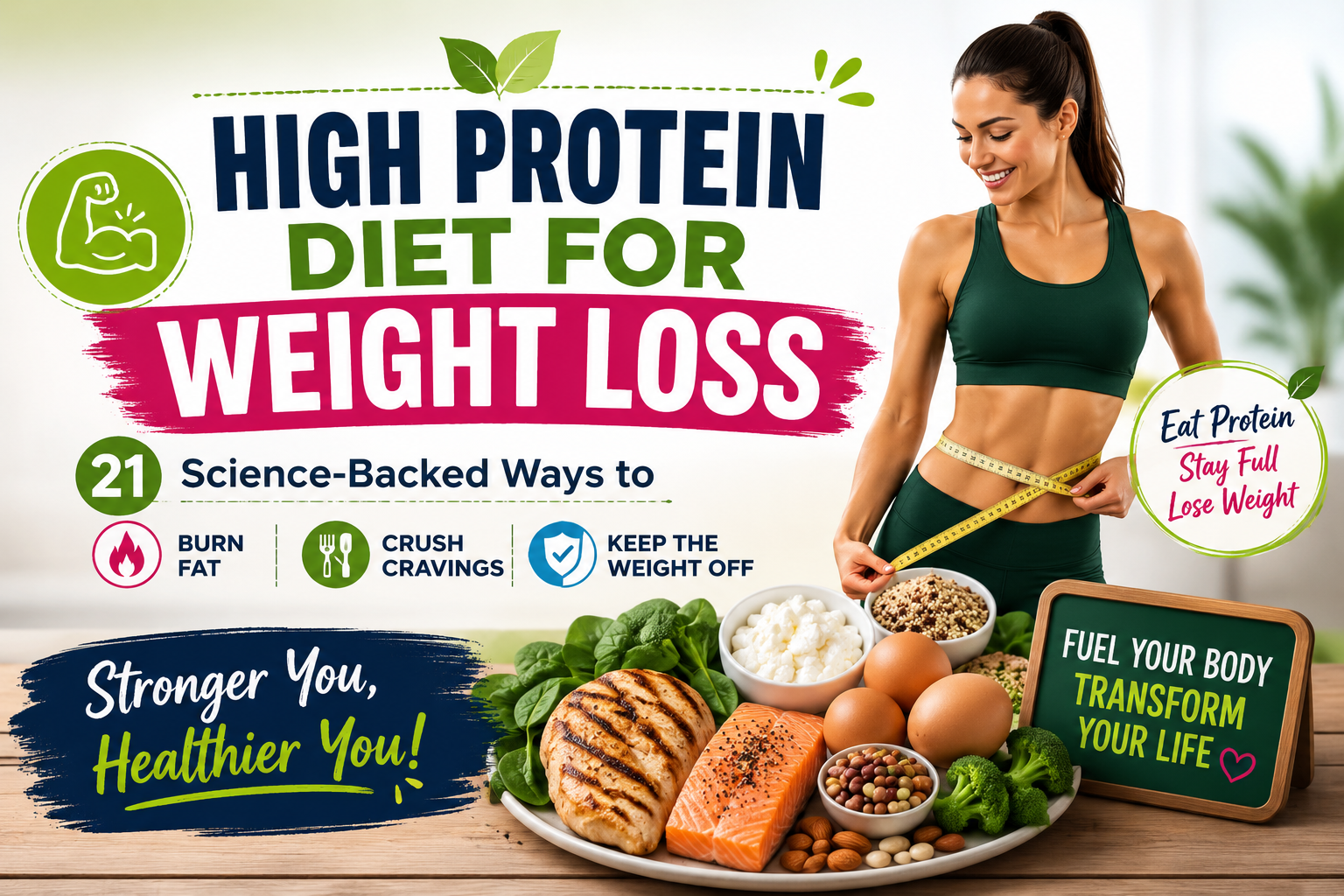
1. Eat More Protein at Every Meal
Protein is one of the most effective nutrients for healthy weight management because it helps increase satiety, preserve lean muscle mass, and slightly boost the number of calories your body burns during digestion. High-protein meals can also reduce cravings, making it easier to maintain a healthy calorie intake without feeling deprived.
Excellent protein sources include:
- Eggs
- Greek yogurt
- Fish
- Chicken breast
- Turkey
- Lentils
- Beans
- Tofu
- Cottage cheese
- Lean beef
Aim to include a quality protein source with every meal. Doing so can naturally reduce hunger, improve metabolism, and support long-term natural belly fat reduction without relying on restrictive diets.
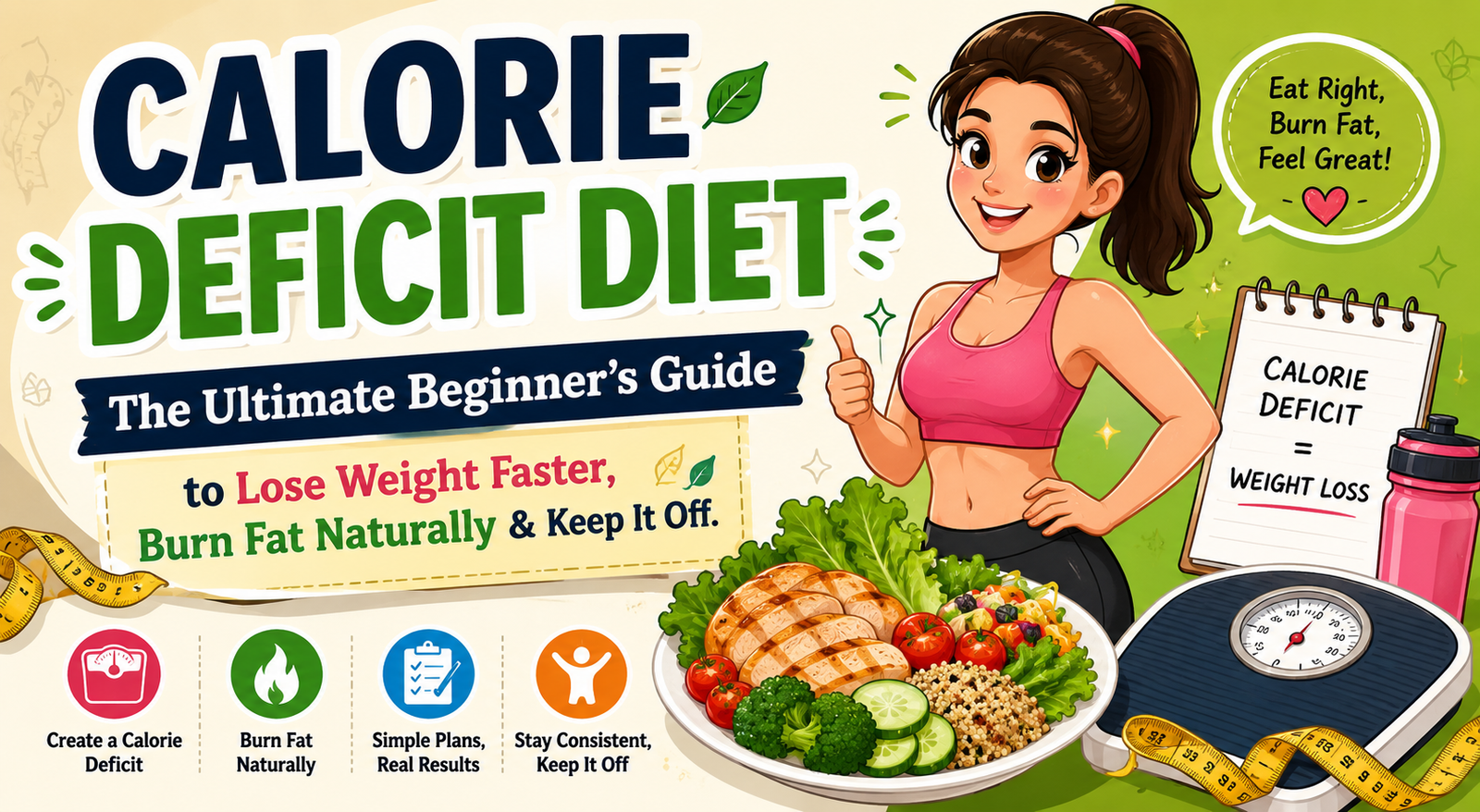
2. Create a Sustainable Calorie Deficit
One of the fundamental principles of fat loss is consuming fewer calories than your body uses over time. This is known as a calorie deficit. However, creating too large of a deficit can slow metabolism, reduce muscle mass, increase fatigue, and make it difficult to maintain healthy habits.
Instead of following crash diets, aim for a moderate calorie deficit by eating nutrient-dense foods, controlling portion sizes, and increasing physical activity. This balanced approach supports gradual fat loss while preserving muscle and energy levels. Sustainable weight loss is far more likely to last than rapid, restrictive approaches.
3. Reduce Added Sugar
Added sugars are one of the biggest contributors to excess calorie intake and weight gain. Sugary beverages, desserts, candies, flavored coffees, and processed snacks provide calories with little nutritional value and often lead to blood sugar spikes followed by increased hunger.
To naturally reduce belly fat, focus on replacing sugary foods with healthier alternatives such as fresh fruit, plain yogurt, nuts, or homemade snacks. Reading nutrition labels can also help identify hidden sugars in packaged foods. Cutting back on added sugar supports better blood sugar control, reduces calorie intake, and promotes overall metabolic health.
4. Increase Your Fiber Intake
Dietary fiber is essential for digestive health and plays a major role in weight management. Soluble fiber, in particular, absorbs water and forms a gel-like substance in the digestive tract, slowing digestion and helping you feel full for longer periods.
Foods rich in fiber include:
- Oats
- Apples
- Pears
- Berries
- Beans
- Lentils
- Chickpeas
- Chia seeds
- Flaxseeds
- Vegetables
Including more fiber-rich foods in your daily meals can naturally reduce hunger, improve digestion, stabilize blood sugar, and support healthy belly fat reduction over time.
5. Choose Whole Foods Over Processed Foods
Whole foods are naturally rich in vitamins, minerals, antioxidants, and fiber while generally being lower in added sugars, unhealthy fats, and excess sodium. Building meals around minimally processed foods can improve nutrition and make it easier to maintain a healthy weight.
Examples of whole foods include:
- Fresh vegetables
- Fruits
- Whole grains
- Beans
- Lean meats
- Fish
- Eggs
- Nuts
- Seeds
Processed foods often encourage overeating because they are highly palatable and calorie-dense. Replacing them with whole foods is one of the simplest long-term strategies for anyone learning how to lose belly fat naturally.
6. Drink More Water Throughout the Day
Staying properly hydrated supports digestion, metabolism, physical performance, and appetite regulation. Although drinking water alone does not directly burn belly fat, it can help reduce unnecessary calorie intake by replacing sugary beverages and promoting fullness before meals.
Practical hydration tips include:
- Drink a glass of water before meals.
- Carry a reusable water bottle.
- Flavor water naturally with lemon, cucumber, or mint.
- Increase fluid intake during hot weather or exercise.
Proper hydration complements healthy eating and regular exercise, making it easier to stay consistent with long-term weight management goals.
7. Exercise Regularly With a Combination of Cardio and Strength Training
Regular exercise is one of the most effective ways to reduce overall body fat, including abdominal fat. While no workout can target belly fat alone, combining cardiovascular exercise with resistance training creates a powerful foundation for healthy weight loss.
Cardio activities such as brisk walking, jogging, cycling, swimming, and dancing help burn calories and improve cardiovascular health. Strength training builds muscle, which increases resting metabolic rate and supports long-term fat loss. Experts generally recommend at least 150 minutes of moderate-intensity physical activity each week, along with muscle-strengthening exercises on two or more days.
When paired with a balanced diet, consistent exercise can significantly improve body composition, boost energy, and help you maintain results over time.
8. Build Muscle with Regular Strength Training
Strength training is one of the most effective long-term strategies for reducing body fat and maintaining a healthy metabolism. Unlike cardio alone, resistance exercises help preserve and build lean muscle mass while you’re losing weight. Muscle tissue burns more calories than fat tissue, even when you’re resting, making it an important factor in sustainable fat loss.
You don’t need an expensive gym membership to get started. Bodyweight exercises, resistance bands, dumbbells, or weight machines can all be effective. Focus on compound movements such as squats, lunges, push-ups, rows, and deadlifts that work multiple muscle groups simultaneously. Aim for two to four strength-training sessions each week while gradually increasing resistance as you become stronger.
9. Prioritize Quality Sleep Every Night
Sleep is often overlooked when discussing how to lose belly fat naturally, yet it plays a critical role in hormone regulation, appetite control, and recovery. Poor sleep can increase levels of the hunger hormone ghrelin while reducing leptin, the hormone responsible for making you feel full. As a result, inadequate sleep often leads to increased cravings, overeating, and reduced motivation to exercise.
Healthy sleep habits include:
- Sleeping 7–9 hours each night.
- Going to bed at the same time daily.
- Limiting screen exposure before bedtime.
- Keeping your bedroom cool, quiet, and dark.
- Avoiding caffeine late in the day.
Better sleep improves energy, supports recovery from exercise, and contributes to healthier eating decisions throughout the day.
10. Manage Stress Effectively
Chronic stress can make belly fat more difficult to lose because it increases cortisol levels. Elevated cortisol may encourage fat storage around the abdominal area while also increasing cravings for sugary and high-calorie comfort foods.
Fortunately, stress management doesn’t have to be complicated. Small daily habits can make a significant difference over time.
Effective stress-reduction techniques include:
- Deep breathing exercises
- Meditation
- Yoga
- Walking outdoors
- Journaling
- Reading
- Spending time with loved ones
- Practicing gratitude
Managing stress supports overall health while making it easier to maintain healthy eating and exercise routines.
11. Eliminate Sugary Drinks
Sugary beverages are among the largest sources of empty calories in many diets. Soft drinks, sweetened coffee drinks, sports drinks, energy drinks, and packaged fruit juices can contain large amounts of added sugar without providing lasting fullness.
Replacing sugary beverages with healthier options can reduce daily calorie intake without requiring major dietary changes.
Better beverage choices include:
- Water
- Sparkling water
- Unsweetened tea
- Black coffee
- Herbal tea
- Lemon-infused water
Making this simple switch consistently can contribute significantly to natural belly fat reduction over time.
12. Include Healthy Fats in Your Diet
Many people mistakenly believe all fats cause weight gain. In reality, healthy unsaturated fats can improve satiety, support hormone production, and contribute to better heart health. When eaten in appropriate portions, healthy fats can actually make it easier to control hunger.
Nutritious fat sources include:
- Avocados
- Olive oil
- Almonds
- Walnuts
- Chia seeds
- Flaxseeds
- Salmon
- Sardines
Rather than avoiding fat entirely, focus on replacing saturated and trans fats with healthier alternatives.
13. Practice Portion Control
Even nutritious foods can contribute to weight gain when consumed in excessive amounts. Portion awareness helps maintain a calorie deficit without eliminating favorite foods or following overly restrictive diets.
Helpful portion-control strategies include:
- Using smaller plates
- Eating slowly
- Measuring high-calorie foods occasionally
- Avoiding eating directly from packages
- Waiting before taking second servings
Mindful portion control encourages long-term consistency and reduces the likelihood of overeating.
14. Increase Daily Physical Activity
Exercise sessions are valuable, but daily movement outside structured workouts also contributes significantly to calorie expenditure. This everyday movement is commonly referred to as Non-Exercise Activity Thermogenesis (NEAT).
Simple ways to increase daily movement include:
- Walking after meals
- Taking the stairs
- Parking farther away
- Standing while working
- Gardening
- House cleaning
- Playing with children
- Walking during phone calls
These small activities add up over weeks and months, supporting gradual fat loss and improved cardiovascular health.
15. Limit Alcohol Consumption
Alcohol can slow progress toward weight-loss goals because it provides extra calories while lowering inhibitions around food choices. Many alcoholic beverages are also high in sugar and often accompany high-calorie snacks.
Reducing alcohol intake may help:
- Lower calorie consumption
- Improve sleep quality
- Enhance workout recovery
- Improve liver health
- Reduce abdominal fat accumulation
Moderation is key for those who choose to drink.
16. Practice Mindful Eating
Mindful eating encourages paying full attention to meals rather than eating while distracted by television, smartphones, or work. This practice helps people recognize hunger and fullness cues more effectively.
Ways to eat more mindfully include:
- Eating slowly
- Chewing thoroughly
- Avoiding distractions
- Appreciating flavors and textures
- Stopping when comfortably full
Over time, mindful eating can reduce emotional eating and improve overall dietary quality.
17. Stay Consistent Instead of Seeking Perfection
Long-term success comes from consistency rather than perfection. Missing one workout or enjoying an occasional treat will not ruin your progress. Problems usually arise when temporary setbacks become permanent habits.
Focus on maintaining healthy routines most of the time rather than striving for unrealistic perfection. Sustainable lifestyle changes consistently outperform short-term crash diets.
18. Track Your Progress Beyond the Scale
Body weight alone doesn’t tell the full story. As you build muscle and lose fat, your weight may remain stable even while your body composition improves.
Useful ways to monitor progress include:
- Measuring waist circumference
- Taking monthly progress photos
- Monitoring energy levels
- Tracking exercise performance
- Recording healthy habits
- Noticing how clothes fit
Looking at multiple indicators provides a more accurate picture of your overall progress.
19. Build Healthy Habits Gradually
Trying to change every aspect of your lifestyle overnight often leads to burnout. Instead, focus on introducing one healthy habit at a time until it becomes automatic.
Examples include:
- Drinking more water
- Walking daily
- Eating vegetables with lunch
- Preparing healthy breakfasts
- Sleeping earlier
- Reducing sugary snacks
Small improvements accumulate into significant long-term results.
20. Be Patient with the Process
Healthy fat loss is gradual. Although advertisements often promise rapid transformations, sustainable weight loss typically occurs at a moderate pace. Losing weight too quickly may increase the likelihood of muscle loss, nutritional deficiencies, and weight regain.
Celebrate non-scale victories such as improved stamina, better sleep, increased confidence, and healthier food choices. Patience helps build habits that last for years rather than weeks.
21. Focus on Lifelong Health Instead of Quick Fixes
The ultimate goal should not simply be achieving a smaller waistline but improving overall health, longevity, and quality of life. Healthy eating, regular exercise, stress management, and adequate sleep work together to reduce disease risk while supporting long-term weight maintenance.
Rather than searching for shortcuts, invest in sustainable habits that you can maintain permanently. This mindset shift often produces the greatest long-term success.
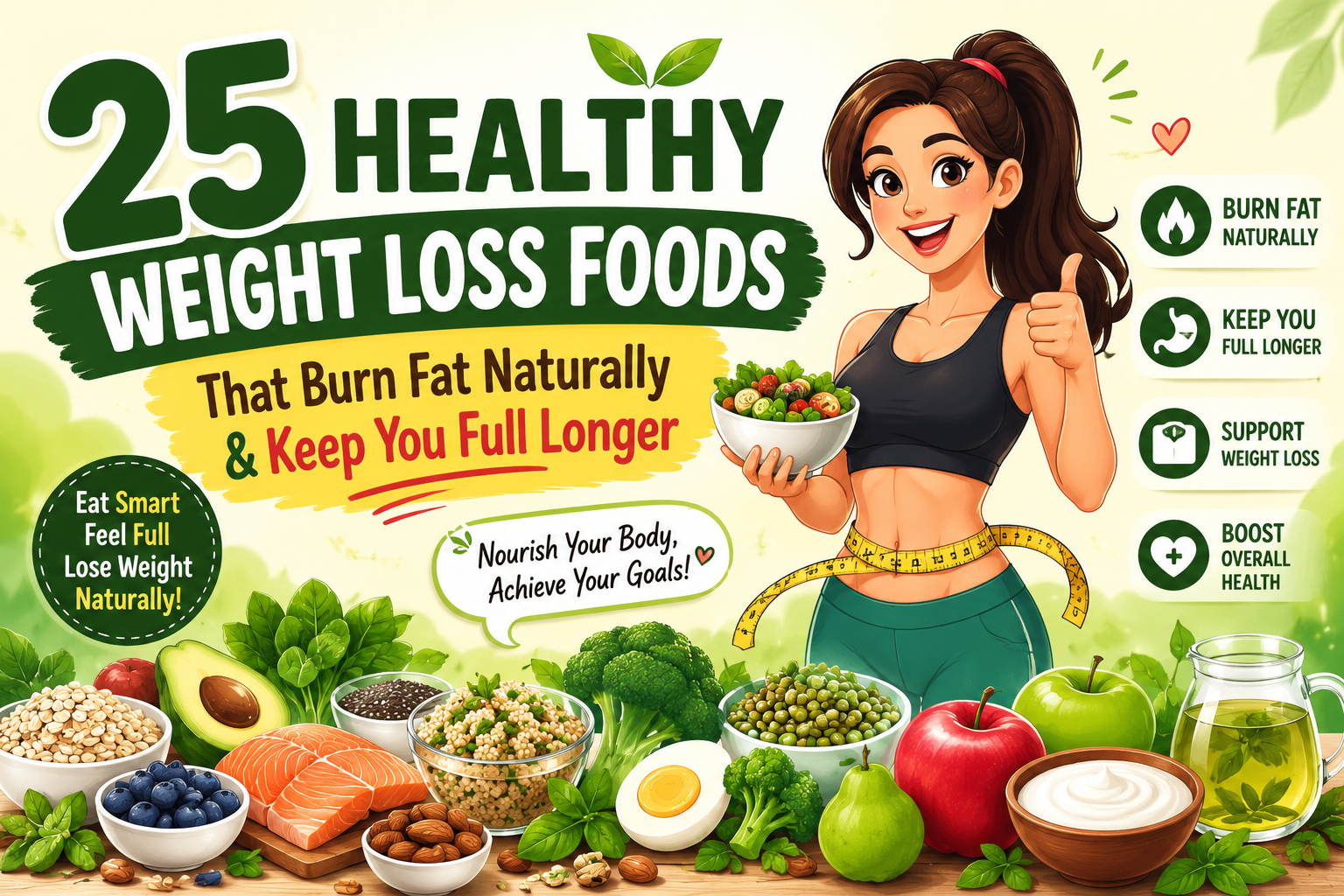
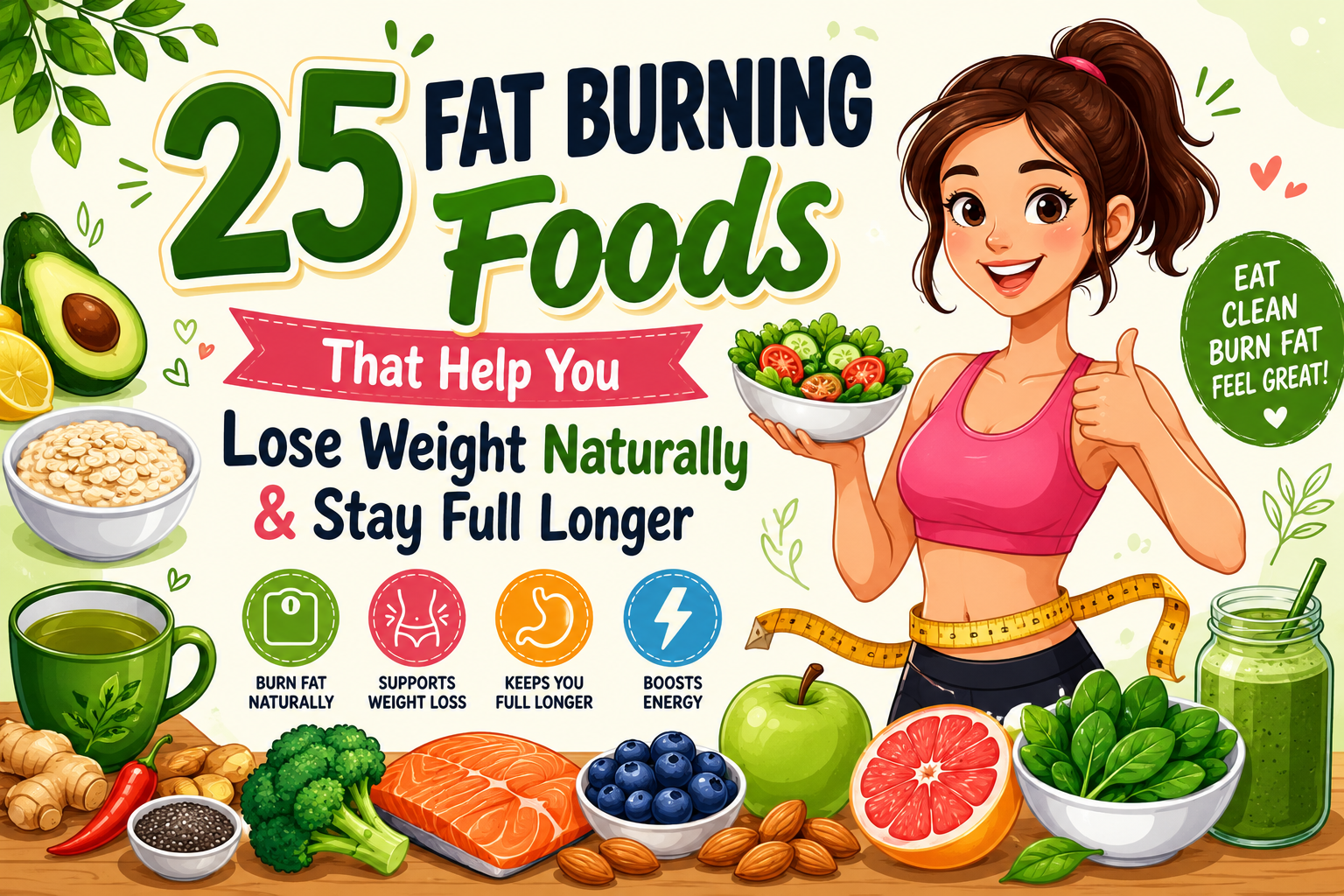
Best Foods to Lose Belly Fat
Although no single food specifically burns belly fat, certain nutrient-rich foods can support healthy weight management by improving satiety, stabilizing blood sugar, and providing essential nutrients. Building your diet around these foods creates a sustainable foundation for how to burn belly fat naturally while promoting overall health.
| Food | Main Benefit | Why It Helps |
| Eggs | High protein | Keeps you full longer |
| Greek yogurt | Protein & probiotics | Supports gut health and satiety |
| Salmon | Omega-3 fats | Promotes heart health and reduces inflammation |
| Oats | Soluble fiber | Improves fullness and digestion |
| Apples | Fiber | Helps reduce unnecessary snacking |
| Berries | Antioxidants | Lower in calories and naturally sweet |
| Lentils | Protein & fiber | Excellent for appetite control |
| Chickpeas | Complex carbohydrates | Sustained energy release |
| Broccoli | Low calorie | High nutrient density |
| Spinach | Vitamins & minerals | Supports overall health |
| Avocados | Healthy fats | Promotes satiety |
| Chia seeds | Fiber & omega-3 | Supports digestion |
| Almonds | Healthy fats & protein | Great snack option |
| Green tea | Natural compounds | May slightly support metabolism alongside a healthy lifestyle |
| Beans | Plant protein | Helps maintain fullness |
Comparison Table: Healthy Choices vs Unhealthy Choices
Making smarter food swaps is one of the easiest ways to reduce belly fat naturally without feeling deprived. Small substitutions repeated consistently can significantly improve calorie intake and nutritional quality while supporting sustainable fat loss.
| Instead of | Choose | |
| Soda | Water or sparkling water | |
| Candy | Fresh fruit | |
| Potato chips | Air-popped popcorn | |
| White bread | Whole-grain bread | |
| Sugary cereal | Oatmeal | |
| Ice cream | Greek yogurt with berries | |
| Fried chicken | Grilled chicken | |
| French fries | Roasted sweet potatoes | |
| Pastries | Mixed nuts | |
| Sweetened coffee | Black coffee or unsweetened coffee |
Common Mistakes That Slow Belly Fat Loss
Many people unknowingly make mistakes that delay progress despite their best intentions. Recognizing these habits can help you stay focused on strategies that are supported by scientific evidence rather than marketing claims or temporary trends.
Some of the most common mistakes include:
- Expecting overnight results.
- Skipping meals regularly.
- Following crash diets.
- Relying on detox products.
- Ignoring sleep quality.
- Managing stress poorly.
- Drinking too many sugary beverages.
- Exercising without improving nutrition.
Avoiding these common pitfalls increases the likelihood of achieving sustainable, long-term results while improving overall health.
Frequently Asked Questions (FAQs)
1. Can I lose only belly fat?
No. Spot reduction is a common myth. Your body loses fat from multiple areas based on genetics and overall body composition. A healthy diet, regular exercise, and consistent lifestyle habits reduce total body fat, which eventually leads to a smaller waistline.
2. Which exercise burns the most belly fat?
No single exercise burns belly fat specifically. A combination of brisk walking, running, cycling, swimming, high-intensity interval training (HIIT), and strength training helps burn calories, improve fitness, and reduce overall body fat more effectively than abdominal exercises alone.
3. Is walking enough to reduce belly fat?
Walking is an excellent low-impact exercise that supports weight management and cardiovascular health. Walking regularly, especially when combined with strength training and healthy eating, can contribute to gradual belly fat loss and improved overall fitness.
4. Should I skip meals to lose belly fat?
Skipping meals is generally not recommended because it may increase hunger later in the day and lead to overeating. Eating balanced meals that include protein, fiber, and healthy fats helps control appetite and supports sustainable weight management.
5. Do detox diets remove belly fat?
There is no scientific evidence that detox diets specifically remove belly fat. Most rapid weight loss from detox plans is temporary water loss. Sustainable fat reduction comes from long-term healthy eating, regular exercise, and consistent lifestyle habits.
Key Takeaways
- Belly fat includes both subcutaneous and visceral fat, with visceral fat posing greater health risks.
- Spot reduction is a myth; overall fat loss reduces belly fat over time.
- Prioritize protein, fiber, whole foods, and healthy fats.
- Reduce added sugars and sugary beverages.
- Combine cardio with strength training for best results.
- Sleep 7–9 hours nightly to support hormone balance.
- Manage stress to reduce emotional eating and support healthy habits.
- Increase daily movement in addition to structured workouts.
- Track progress using multiple measures, not just the scale.
- Focus on sustainable habits instead of quick fixes.
Conclusion
Learning how to lose belly fat naturally is not about finding a miracle solution or following restrictive diets. Lasting success comes from building sustainable habits that support both your physical and mental well-being. Eating a balanced diet rich in protein, fiber, fruits, vegetables, and whole grains, staying physically active, getting enough sleep, managing stress, and remaining consistent are all evidence-based strategies that help reduce overall body fat—including stubborn abdominal fat.
Remember that progress takes time. Small, consistent improvements often produce better long-term results than dramatic changes that are difficult to maintain. Instead of chasing rapid transformations, focus on creating a healthier lifestyle that you can enjoy for years to come.
At PureWellLife, our goal is to provide practical, science-backed health information that empowers you to make informed decisions. If you found this guide helpful, explore our other evidence-based articles on nutrition, healthy living, and weight management. Share this article with friends or family who may benefit, and start implementing one new healthy habit today—your future self will thank you.