
Providing nutritious meals for an entire family can feel challenging when grocery prices continue to rise. Many people believe that eating healthy requires expensive organic products, specialty ingredients, or premium meal plans. Fortunately, that’s a common misconception. There are countless Low-Cost Healthy Foods for Families that deliver excellent nutrition while helping families stay within their grocery budget.
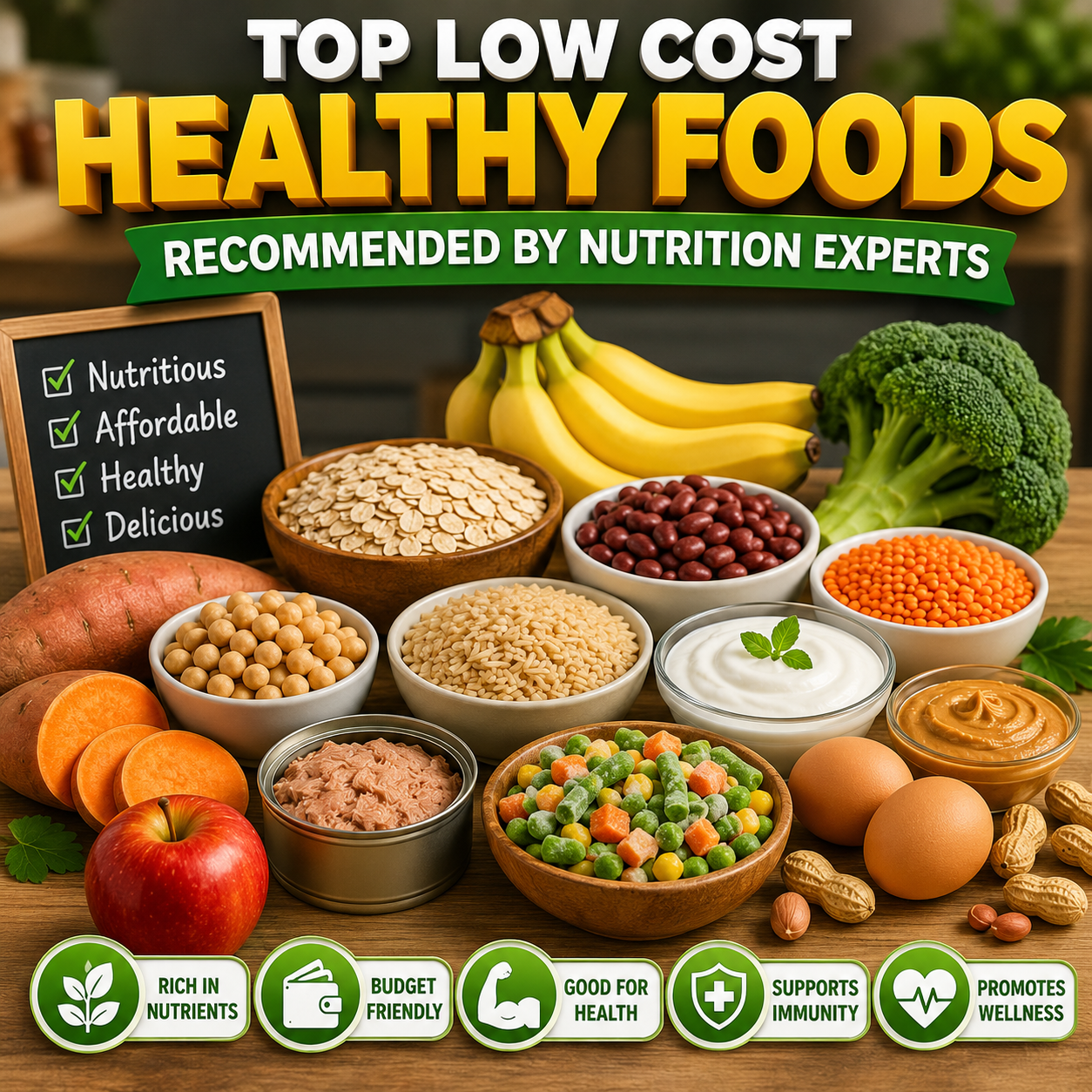
Affordable staples such as oats, eggs, beans, lentils, brown rice, frozen vegetables, seasonal fruits, yogurt, and canned fish provide essential vitamins, minerals, protein, and fiber without increasing household expenses. With proper meal planning and smart grocery shopping, families can prepare delicious meals that support overall health while reducing food waste and unnecessary spending.
This comprehensive guide explores the best low-cost healthy foods for families, explains why they are valuable, and shares practical shopping strategies, meal ideas, storage tips, and budgeting techniques. Whether you’re feeding young children, teenagers, or multiple generations under one roof, this article will help you build nutritious meals that are affordable, satisfying, and easy to prepare.
What Are Low-Cost Healthy Foods?
Low-cost healthy foods are affordable ingredients that provide high nutritional value without significantly increasing grocery expenses. These foods are rich in essential nutrients such as protein, fiber, vitamins, minerals, and healthy fats while remaining accessible for families with limited food budgets. They often include pantry staples, frozen produce, legumes, whole grains, dairy products, and economical protein sources that can be used in a variety of recipes.
Choosing low-cost healthy foods allows families to enjoy balanced meals without relying on highly processed convenience products. When combined thoughtfully, these ingredients provide all the nutrients needed to support growth, energy, immune health, and overall well-being. Building meals around affordable staples also encourages home cooking, which is often healthier and more economical than dining out.
Why Affordable Nutrition Matters
Good nutrition plays an essential role in maintaining health throughout every stage of life. Children require balanced meals for healthy growth and learning, adults need nutritious foods to maintain energy and productivity, and older adults benefit from nutrient-rich diets that support healthy aging. Fortunately, achieving these goals does not require purchasing expensive “superfoods” or premium grocery items.
Affordable nutrition helps families reduce financial stress while encouraging healthier eating habits. Preparing meals from inexpensive whole foods lowers the intake of added sugars, unhealthy fats, and excess sodium commonly found in processed foods. Over time, these healthier eating habits may also contribute to reducing healthcare costs by lowering the risk of chronic conditions such as obesity, type 2 diabetes, and heart disease.
Benefits of Choosing Low-Cost Healthy Foods
Selecting budget-friendly nutritious foods offers numerous financial and health advantages. Families who prioritize affordable whole foods often discover that healthy eating becomes easier to maintain over the long term. Instead of focusing on expensive ingredients, they learn to maximize value by choosing nutrient-dense foods that stretch across multiple meals.
Some of the biggest benefits include:
- Lower monthly grocery bills
- Improved overall nutrition
- Reduced food waste
- Better meal variety
- Increased fiber intake
- More home-cooked meals
- Better weight management
- Higher intake of vitamins and minerals
- Sustainable long-term eating habits
- Greater flexibility when planning meals
These advantages make affordable nutrition a practical strategy for households of every size and income level.
Best Low-Cost Healthy Foods for Families
Choosing the right ingredients is the foundation of healthy, budget-friendly eating. The following foods consistently provide excellent nutrition while remaining affordable in most grocery stores.
Eggs
Eggs remain one of the most economical and nutritious foods available. They contain high-quality protein, vitamin D, vitamin B12, choline, and healthy fats. Because eggs are versatile, they can be served at breakfast, lunch, dinner, or as snacks. Scrambled eggs, omelets, egg muffins, and boiled eggs are inexpensive meal options suitable for every family member.
Oats
Oats are among the least expensive whole grains and provide soluble fiber, complex carbohydrates, and important minerals. They support heart health, improve digestion, and help maintain steady energy throughout the day. Oats can be used for breakfast, baking, homemade granola, smoothies, and healthy snack bars.
Lentils
Lentils are rich in protein, fiber, iron, potassium, and folate while costing significantly less than many animal-based protein sources. They cook quickly, require no soaking, and work well in soups, curries, casseroles, salads, and stews. Their long shelf life also makes them an excellent pantry staple.
Beans
Black beans, kidney beans, navy beans, pinto beans, and chickpeas provide affordable plant protein alongside fiber and essential nutrients. They can replace or supplement meat in many recipes, making them ideal for families trying to lower grocery costs without reducing nutritional quality.
Brown Rice
Brown rice serves as an inexpensive source of whole grains, fiber, magnesium, and B vitamins. It pairs well with vegetables, lean proteins, legumes, and healthy sauces, making it one of the most versatile ingredients for family meals.
Frozen Vegetables
Frozen vegetables are often less expensive than fresh produce while maintaining excellent nutritional quality. Because they last much longer, they help reduce food waste and provide convenient access to vegetables throughout the year. Popular choices include broccoli, peas, carrots, spinach, and mixed vegetable blends.
Seasonal Fruits
Buying fruits that are currently in season usually results in lower prices and better flavor. Apples, bananas, oranges, watermelon, berries, pears, and grapes vary in cost depending on the season, making it worthwhile to adjust grocery purchases throughout the year.
Greek Yogurt
Plain Greek yogurt provides high-quality protein, calcium, probiotics, and vitamin B12. It works well as a breakfast food, snack, smoothie ingredient, or healthier substitute for sour cream and mayonnaise in many recipes.
Cottage Cheese
Cottage cheese is another affordable dairy product that supplies protein, calcium, and phosphorus. It pairs well with fruits, vegetables, whole-grain toast, or salads and can also be incorporated into casseroles and baked dishes.
Canned Tuna
Canned tuna offers a convenient, affordable source of lean protein and omega-3 fatty acids. Its long shelf life makes it a valuable pantry staple for sandwiches, salads, pasta dishes, and wraps.
Affordable Protein Sources
Protein is one of the most important nutrients for growing children and active adults, but it doesn’t have to be expensive. Families can meet their protein needs by choosing economical options instead of relying solely on premium meat products.
| Food | Protein (Approx.) | Budget Benefit |
| Eggs | 6 g each | Very affordable |
| Lentils | 18 g per cup | High fiber + protein |
| Black Beans | 15 g per cup | Excellent value |
| Chicken Thighs | 25 g per serving | Less expensive than breast |
| Greek Yogurt | 17 g per cup | Great snack |
| Cottage Cheese | 25 g per cup | High protein |
| Peanut Butter | 8 g per serving | Budget-friendly |
| Tofu | 20 g per serving | Affordable plant protein |
These protein sources help families create balanced meals while keeping grocery spending under control.
Budget-Friendly Whole Grains
Whole grains provide complex carbohydrates, fiber, and essential nutrients that support long-lasting energy. They are often inexpensive, especially when purchased in larger packages.
Excellent whole grains include:
- Brown rice
- Oats
- Whole-wheat pasta
- Whole-grain bread
- Barley
- Popcorn
- Quinoa (when purchased in bulk)
- Whole-wheat tortillas
Combining whole grains with legumes creates complete protein profiles while improving meal satisfaction and nutritional quality.
Low-Cost Fruits and Vegetables
Fruits and vegetables are essential for a balanced family diet because they provide vitamins, minerals, antioxidants, and dietary fiber. Fortunately, healthy produce does not have to be expensive. Shopping seasonally, choosing frozen options, and purchasing local produce can significantly lower grocery costs while maintaining excellent nutritional quality. Frozen fruits and vegetables are often picked at peak ripeness and retain most of their nutrients, making them a practical and budget-friendly choice.
Best Budget-Friendly Fruits
These fruits are typically affordable, nutritious, and versatile enough for snacks, breakfasts, desserts, and lunchboxes.
| Fruit | Key Nutrients | Budget Tip |
| Bananas | Potassium, Vitamin B6 | Buy slightly green for longer shelf life |
| Apples | Fiber, Vitamin C | Purchase by the bag for better value |
| Oranges | Vitamin C | Buy during citrus season |
| Watermelon | Hydration, Vitamin A | Purchase whole instead of pre-cut |
| Pears | Fiber | Choose seasonal varieties |
| Frozen Berries | Antioxidants | Great for smoothies and oatmeal |
Best Budget-Friendly Vegetables
Vegetables are the foundation of healthy family meals and can be added to soups, stir-fries, casseroles, salads, and pasta dishes.
| Vegetable | Main Benefits |
| Carrots | Rich in beta-carotene |
| Cabbage | Affordable and long-lasting |
| Broccoli | High in fiber and vitamin C |
| Spinach | Excellent source of iron and folate |
| Sweet Potatoes | Rich in vitamin A and fiber |
| Frozen Mixed Vegetables | Convenient and economical |
Including a variety of colorful fruits and vegetables throughout the week helps families meet their nutritional needs without increasing grocery expenses.
Healthy Dairy Options on a Budget
Dairy products provide calcium, protein, vitamin D, and other important nutrients that support bone health and growth. Choosing plain, minimally processed dairy products is often more economical and healthier than flavored alternatives with added sugar.
Affordable dairy options include:
- Plain Greek yogurt
- Cottage cheese
- Low-fat milk
- Plain yogurt
- Block cheese (often cheaper than shredded)
- Fortified soy milk (for dairy-free households)
Buying larger containers instead of single-serving packages usually provides better value and reduces packaging waste.
Smart Grocery Shopping Tips for Families
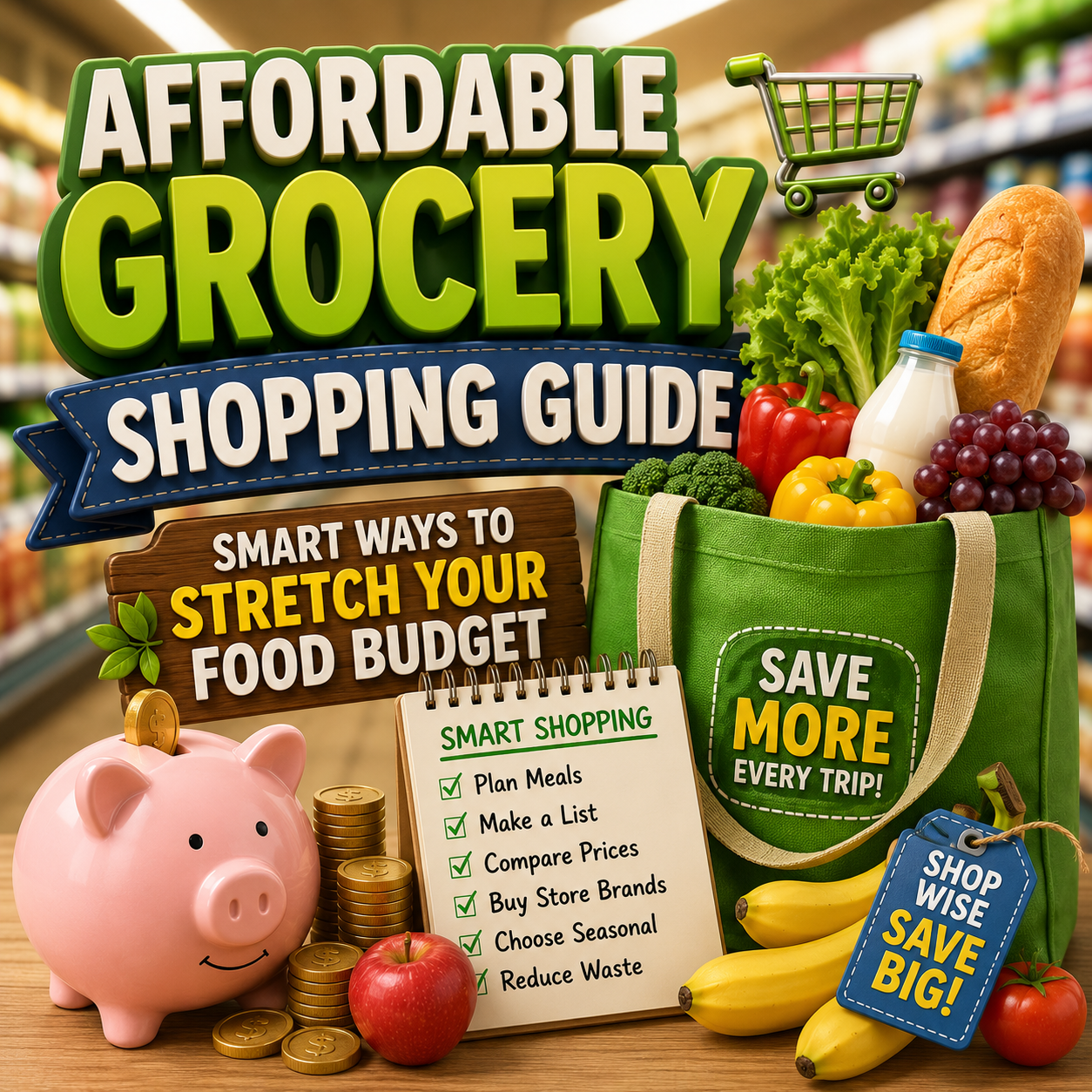
Smart shopping habits can make a noticeable difference in a family’s monthly food budget. Planning ahead, comparing prices, and making intentional purchasing decisions help maximize every grocery dollar while reducing waste.
1. Plan Meals Before Shopping
Creating a weekly meal plan ensures that every ingredient has a purpose. It also helps prevent impulse purchases and reduces the likelihood of ordering expensive takeout meals.
2. Make a Grocery List
A detailed shopping list keeps spending focused on essential items and minimizes unnecessary purchases.
3. Compare Unit Prices
Looking at the price per ounce, kilogram, or liter helps identify the best value, even if the package price appears higher.
4. Buy Store Brands
Many store-brand products have similar nutritional quality to national brands but cost considerably less.
5. Purchase Seasonal Produce
Seasonal fruits and vegetables are often fresher, tastier, and significantly less expensive than out-of-season options.
6. Buy Frozen When Appropriate
Frozen produce reduces spoilage and provides year-round access to nutritious fruits and vegetables.
7. Shop After Eating
Shopping while hungry often leads to impulse purchases, especially of snacks and convenience foods.
Pantry Staples Every Family Should Have
Keeping a well-stocked pantry allows families to prepare healthy meals quickly without frequent trips to the grocery store. Shelf-stable ingredients are cost-effective, versatile, and can be combined in countless ways.
Essential pantry staples include:
- Brown rice
- Oats
- Whole-wheat pasta
- Dried lentils
- Dried beans
- Chickpeas
- Peanut butter
- Canned tomatoes
- Canned tuna
- Tomato paste
- Olive oil
- Garlic powder
- Onion powder
- Black pepper
- Herbs and spices
- Low-sodium broth
These ingredients form the foundation of soups, casseroles, stir-fries, pasta dishes, grain bowls, and many other family-friendly recipes.
Easy Low-Cost Healthy Meal Ideas
Simple recipes using affordable ingredients make healthy eating easier to maintain over the long term. These meal ideas require minimal preparation while delivering balanced nutrition.
Breakfast
- Overnight oats with banana and peanut butter
- Greek yogurt with oats and berries
- Vegetable omelet with whole-grain toast
- Oatmeal topped with apples and cinnamon
- Cottage cheese with fresh fruit
These breakfasts provide protein, fiber, and slow-digesting carbohydrates to help maintain energy throughout the morning.
Lunch
- Lentil soup with whole-grain bread
- Tuna salad sandwiches
- Black bean burrito bowls
- Chickpea salad wraps
- Leftover roasted chicken with brown rice
Packing homemade lunches saves money and allows families to control ingredient quality and portion sizes.
Dinner
- Chicken and vegetable stir-fry
- Lentil curry with brown rice
- Turkey chili with beans
- Whole-wheat pasta with tomato sauce and vegetables
- Baked chicken thighs with roasted vegetables
- Tofu vegetable stir-fry
Preparing larger dinner portions also creates leftovers for lunches later in the week, reducing both cooking time and food waste.
Healthy Budget-Friendly Snacks
Healthy snacks help maintain energy between meals and reduce the temptation to purchase processed convenience foods. Homemade snacks are usually less expensive and more nutritious than packaged alternatives.
Affordable snack ideas include:
- Hard-boiled eggs
- Apple slices with peanut butter
- Homemade popcorn
- Carrot sticks with hummus
- Cottage cheese and fruit
- Greek yogurt
- Roasted chickpeas
- Homemade trail mix
- Banana with peanut butter
- Whole-grain crackers with cheese
Preparing snacks ahead of time makes healthy choices more convenient for busy families.
Weekly Budget Meal Planning
Meal planning is one of the most effective ways to reduce grocery costs while ensuring balanced nutrition. Planning meals around weekly grocery store sales, seasonal produce, and pantry staples allows families to maximize value and minimize waste.
Sample Weekly Plan
| Day | Breakfast | Lunch | Dinner |
| Monday | Oatmeal with banana | Lentil soup | Chicken stir-fry |
| Tuesday | Greek yogurt | Tuna sandwich | Turkey chili |
| Wednesday | Vegetable omelet | Chickpea salad | Lentil curry |
| Thursday | Overnight oats | Leftover chili | Whole-wheat pasta |
| Friday | Cottage cheese | Burrito bowl | Baked chicken |
| Saturday | Peanut butter toast | Vegetable soup | Rice and beans |
| Sunday | Fruit smoothie | Chicken wraps | Homemade vegetable casserole |
Planning meals in advance helps families purchase only what they need while reducing food waste and unnecessary spending.
Common Grocery Shopping Mistakes
Even careful shoppers sometimes make mistakes that increase grocery expenses. Recognizing these habits can help families save money and improve meal planning.
Buying Too Much Fresh Produce
Purchasing more produce than your family can consume often leads to spoilage. Buying frozen vegetables or smaller quantities of fresh produce can reduce waste.
Shopping Without a Plan
Entering the grocery store without a meal plan often results in impulse purchases and duplicate ingredients.
Ignoring Store Sales
Weekly sales and digital coupons can provide significant savings on pantry staples, frozen foods, and household essentials.
Purchasing Convenience Foods
Pre-cut vegetables, pre-packaged meals, and individually wrapped snacks usually cost much more than preparing similar foods at home.
Throwing Away Leftovers
Repurposing leftovers into soups, wraps, casseroles, and salads reduces waste while saving both time and money.
Expert Tips for Affordable Family Nutrition
Nutrition professionals consistently recommend simple habits that help families eat healthier while controlling grocery costs.
Some of the best expert recommendations include:
- Plan meals around weekly sales.
- Buy pantry staples in bulk.
- Freeze leftovers before they spoil.
- Cook larger batches for multiple meals.
- Include at least one meatless dinner each week.
- Use seasonal produce whenever possible.
- Compare prices across grocery stores.
- Limit sugary drinks and highly processed snacks.
- Keep healthy pantry staples stocked.
- Prepare meals at home more often than eating out.
These practical strategies support long-term healthy eating habits while helping families stay within their grocery budget.
Frequently Asked Questions (FAQs)
1. What are the cheapest healthy foods to buy?
Some of the cheapest healthy foods include oats, eggs, dried beans, lentils, brown rice, frozen vegetables, bananas, carrots, cabbage, peanut butter, and canned tuna. These nutrient-dense ingredients are affordable, versatile, and easy to include in family meals while supporting a balanced diet.
2. Can families eat healthy on a tight grocery budget?
Yes. Families can maintain a healthy diet by planning meals, buying seasonal produce, choosing affordable protein sources, preparing meals at home, purchasing store-brand products, and reducing food waste. Consistent planning makes nutritious eating achievable on most budgets.
3. Why are whole foods better than processed foods?
Whole foods generally contain more fiber, vitamins, minerals, and beneficial nutrients while containing less added sugar, sodium, and unhealthy fats. They also tend to be more filling, helping families stay satisfied while spending less on snacks and convenience foods.
4. Are frozen vegetables as nutritious as fresh vegetables?
Yes. Frozen vegetables are often frozen shortly after harvesting, preserving their nutritional value. They are an economical option, reduce spoilage, and allow families to enjoy a variety of vegetables throughout the year.
5. How can I save money on groceries every week?
Meal planning, shopping with a list, comparing unit prices, purchasing store brands, buying in bulk when practical, freezing leftovers, and avoiding impulse purchases are among the most effective ways to reduce weekly grocery costs.
6. What are the best affordable protein sources?
Eggs, beans, lentils, chickpeas, peanut butter, tofu, chicken thighs, canned tuna, Greek yogurt, and cottage cheese provide high-quality protein at relatively low prices. These foods support muscle health, growth, and overall nutrition.
7. How important is meal planning?
Meal planning helps families organize grocery shopping, reduce food waste, save time, and prepare healthier meals. It also minimizes the temptation to order expensive takeout or purchase unnecessary convenience foods.
8. Should I buy fresh or frozen produce?
Both options can be healthy. Fresh produce is ideal when it’s in season, while frozen fruits and vegetables often provide better value, longer shelf life, and comparable nutritional quality.
9. How can children learn healthy eating habits?
Children benefit from helping with meal planning, grocery shopping, and simple cooking tasks. Offering balanced meals with fruits, vegetables, whole grains, and protein while modeling healthy eating habits encourages lifelong positive choices.
10. Can affordable foods still provide balanced nutrition?
Absolutely. A combination of whole grains, legumes, vegetables, fruits, dairy products, and lean protein sources supplies essential nutrients without requiring expensive specialty foods. Balanced nutrition depends on food variety and portion balance rather than cost.
Key Takeaways
- Healthy eating does not have to be expensive.
- Low-cost whole foods provide excellent nutritional value.
- Meal planning reduces grocery bills and food waste.
- Eggs, beans, lentils, oats, and brown rice are affordable staples.
- Frozen fruits and vegetables are nutritious and budget-friendly.
- Buying seasonal produce helps lower costs.
- Home-cooked meals are often healthier and more economical than takeout.
- Smart grocery shopping habits maximize every food budget.
- Pantry staples simplify healthy meal preparation.
- Small, consistent habits lead to long-term savings and better nutrition.
Conclusion
Choosing low-cost healthy foods for families is one of the most effective ways to improve nutrition while managing household expenses. Affordable staples such as oats, eggs, beans, lentils, brown rice, frozen vegetables, seasonal fruits, Greek yogurt, and canned fish provide essential nutrients that support overall health without stretching your grocery budget.
By planning meals, shopping strategically, cooking more meals at home, and minimizing food waste, families can enjoy delicious, balanced meals every day while keeping costs under control. Healthy eating is not determined by how much you spend but by the quality, variety, and balance of the foods you choose.
Adopting these simple strategies can create lasting healthy habits, reduce financial stress, and make nutritious eating more sustainable for the entire family.
Read Our Latest Blog:Cheap High-Protein Healthy Meals for Budget-Conscious Families