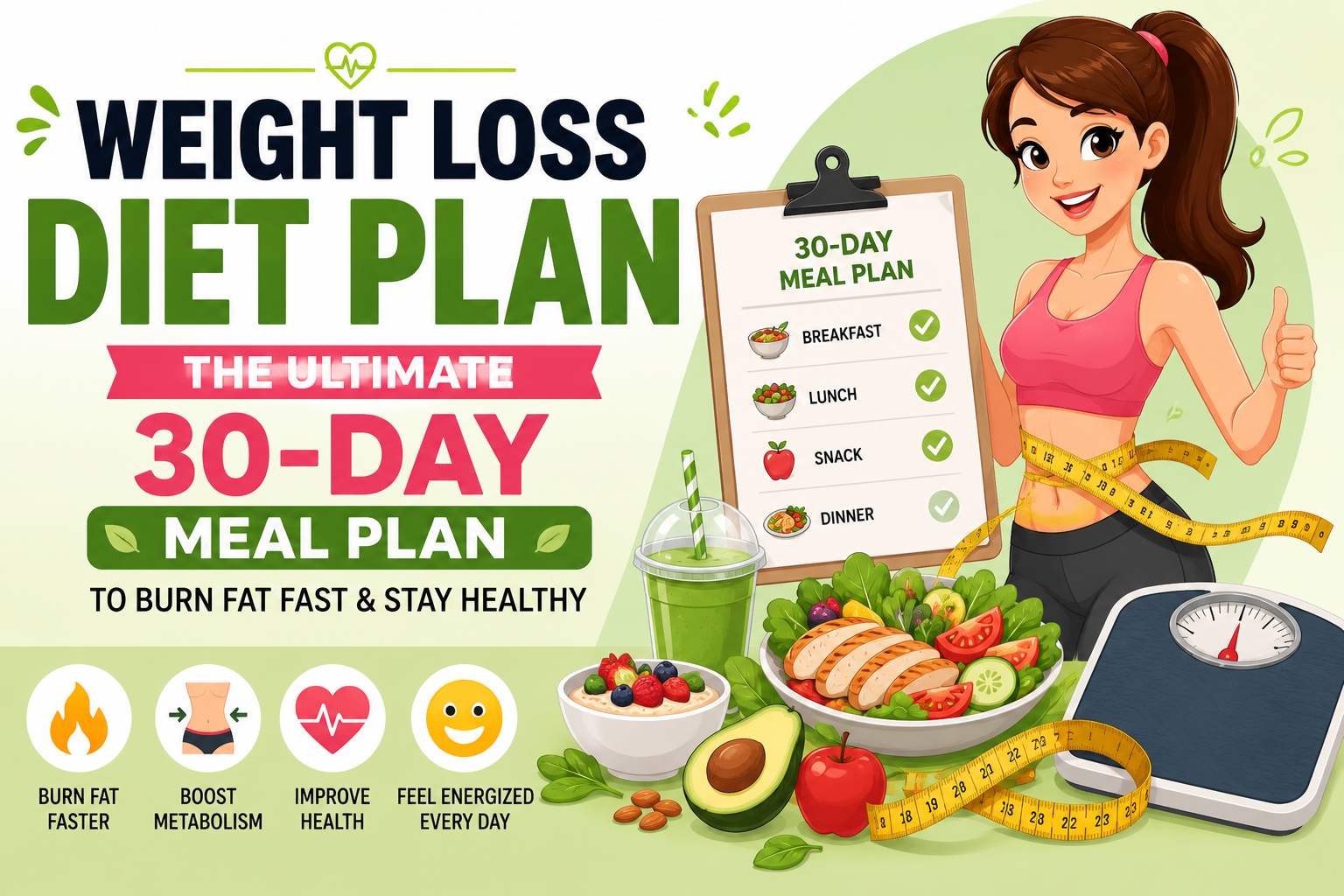
Weight Loss Diet Plan: The Ultimate 30-Day Meal Plan to Burn Fat Fast & Stay Healthy
Losing weight is about much more than eating less. A successful Weight Loss Diet Plan combines balanced nutrition, portion control, regular physical activity, quality sleep, and healthy lifestyle habits. Many people struggle because they follow restrictive diets that promise quick results but are difficult to maintain. Sustainable weight loss comes from creating healthy habits that fit into your daily routine.
A well-designed 30-Day Weight Loss Diet Plan helps you develop consistency instead of relying on short-term motivation. By choosing nutrient-rich foods, staying hydrated, and eating balanced meals, you can reduce excess body fat while maintaining muscle, energy, and overall health. Healthy eating should never leave you feeling deprived or exhausted.
This comprehensive guide explains how to build a practical Diet Plan for Weight Loss, what foods to prioritize, which foods to limit, and how to create meals that support long-term success. Whether your goal is to lose a few pounds or make a complete lifestyle change, this Healthy Weight Loss Meal Plan provides science-backed strategies that anyone can follow.
What Is a Weight Loss Diet Plan?
A Weight Loss Diet Plan is a structured eating strategy designed to help reduce body fat while providing the nutrients your body needs to function properly. Unlike crash diets, a healthy plan focuses on creating a moderate calorie deficit through balanced meals rather than extreme food restrictions. The goal is to lose weight steadily while preserving muscle mass, supporting metabolism, and improving overall well-being.
A successful diet plan includes lean proteins, whole grains, fruits, vegetables, healthy fats, and adequate hydration. It also encourages mindful eating, portion control, and consistency. Instead of eliminating entire food groups, it teaches sustainable habits that can be maintained long after your weight loss goal has been reached.
Why Does a 30-Day Weight Loss Diet Plan Work?
A 30-Day Weight Loss Diet Plan provides enough time to establish healthier eating habits without feeling overwhelming. Research suggests that repeating healthy behaviors consistently can improve long-term adherence. While dramatic transformations are unrealistic in just one month, many people experience noticeable improvements in energy levels, digestion, eating habits, and body composition.
Thirty days also allows you to evaluate what works for your lifestyle. During this period, you can learn better portion sizes, discover healthier food alternatives, reduce sugar intake, and become more aware of emotional eating patterns. The result is a foundation for sustainable weight management rather than temporary dieting.
The Science Behind Healthy Weight Loss
Healthy weight loss occurs when your body consistently uses more energy than it consumes, creating a calorie deficit. However, calories alone do not determine success. Food quality, protein intake, fiber, hydration, sleep, and physical activity all influence metabolism, hunger hormones, and body composition.
Protein helps preserve lean muscle while increasing feelings of fullness. Fiber slows digestion, stabilizes blood sugar, and reduces cravings. Healthy fats support hormone production, while complex carbohydrates provide sustained energy. Combining these nutrients helps you feel satisfied, making it easier to maintain your diet without constant hunger. Rather than focusing only on the scale, healthy weight loss emphasizes improved health markers, strength, and long-term consistency.
Essential Nutrition Principles for Weight Loss
Prioritize Protein
Protein is one of the most important nutrients for weight management because it supports muscle maintenance and increases satiety. Include quality protein sources such as eggs, chicken breast, fish, Greek yogurt, beans, lentils, tofu, and cottage cheese in each meal. Adequate protein intake can also slightly increase calorie burning through digestion compared to fats and carbohydrates.
Increase Fiber Intake
Fiber-rich foods help control appetite and improve digestive health. Vegetables, fruits, legumes, oats, whole grains, and seeds provide fiber that keeps you full longer. Most adults consume less fiber than recommended, making this one of the easiest improvements for better health and successful weight management.
Choose Healthy Fats
Healthy fats from avocados, nuts, seeds, olive oil, and fatty fish support heart health and hormone balance. While fats are calorie-dense, moderate portions help improve meal satisfaction and reduce overeating later in the day.
Stay Hydrated
Drinking enough water supports metabolism, digestion, and appetite regulation. Sometimes thirst is mistaken for hunger, leading to unnecessary snacking. Drinking water before meals may also help reduce calorie intake naturally.
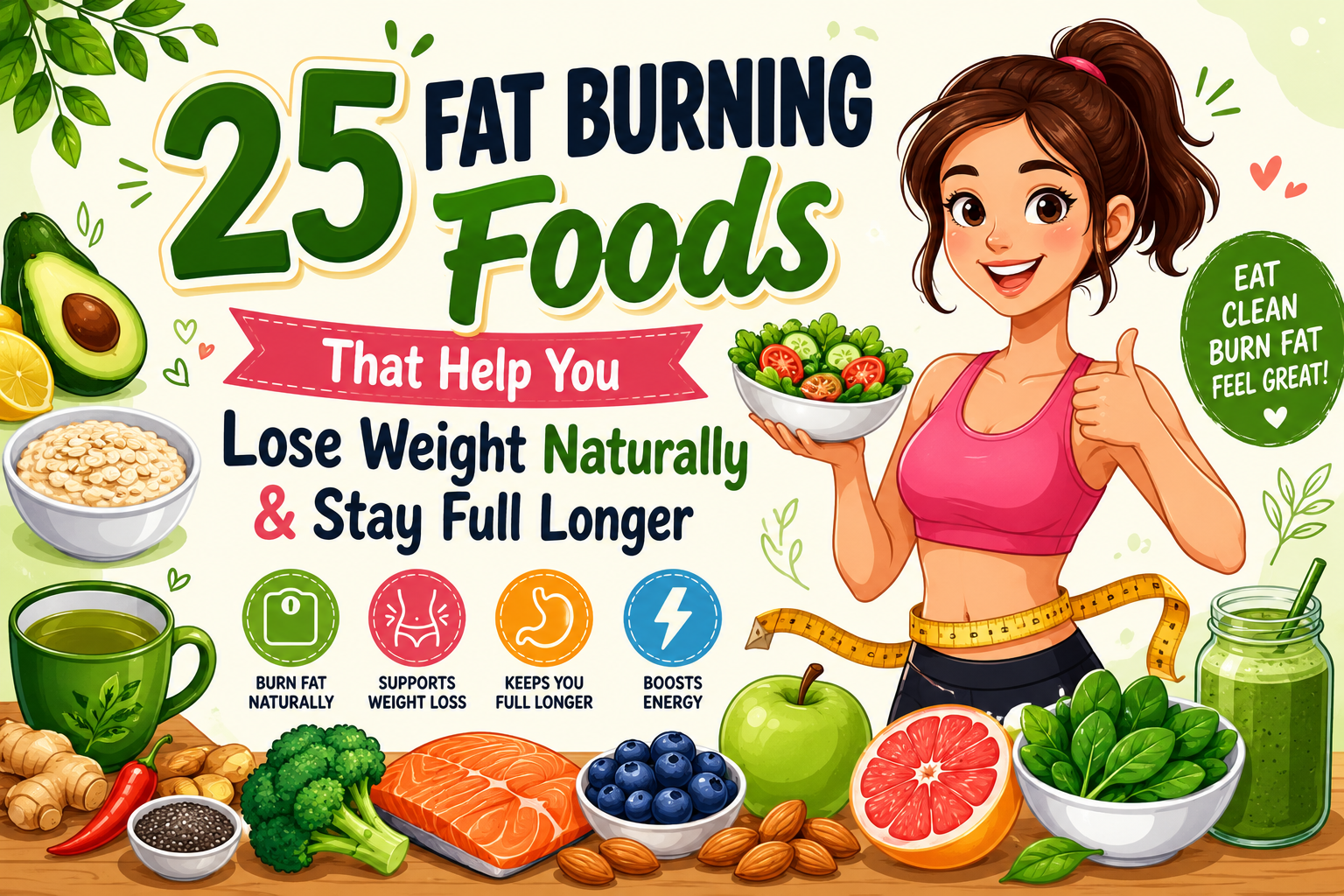
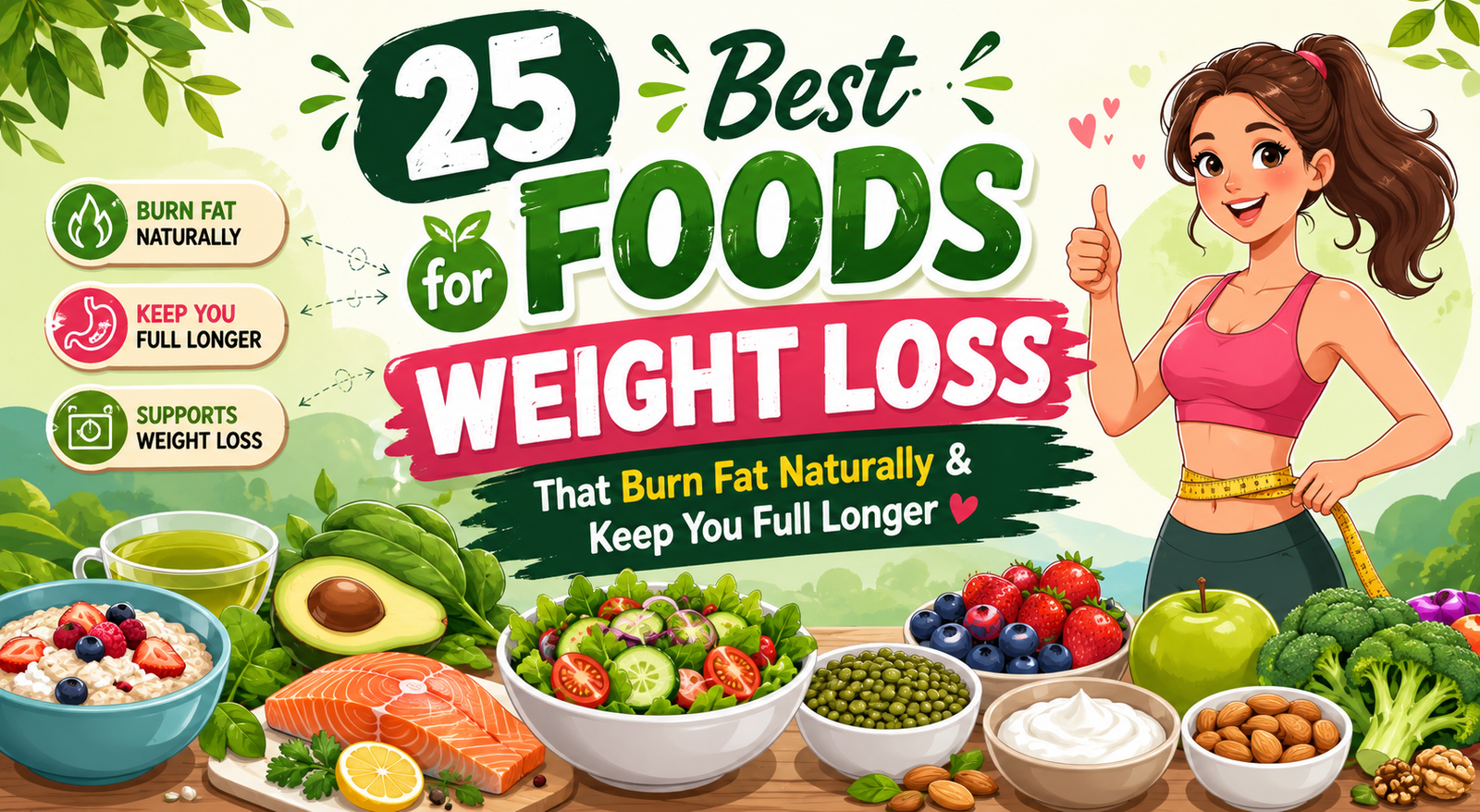
Best Foods to Include in a Healthy Weight Loss Meal Plan
A nutritious Healthy Weight Loss Meal Plan should focus on whole, minimally processed foods that provide essential nutrients without excessive calories. Eating a variety of colorful foods ensures your body receives vitamins, minerals, antioxidants, and fiber needed for overall health.
Lean Proteins
- Chicken breast
- Turkey
- Fish
- Eggs
- Greek yogurt
- Cottage cheese
- Tofu
- Lentils
- Beans
These foods promote fullness, preserve muscle mass, and support healthy metabolism.
Whole Grains
- Brown rice
- Oats
- Quinoa
- Whole wheat bread
- Barley
Whole grains digest more slowly than refined grains, providing longer-lasting energy and improved blood sugar control.
Fruits
- Apples
- Berries
- Oranges
- Grapefruit
- Pears
- Kiwi
Fruits naturally satisfy sweet cravings while supplying vitamins, minerals, antioxidants, and dietary fiber.
Vegetables
- Spinach
- Broccoli
- Cauliflower
- Kale
- Carrots
- Bell peppers
- Cucumbers
- Tomatoes
Vegetables are nutrient-dense, low in calories, and rich in fiber, making them essential components of any effective diet plan.
Healthy Fats
- Almonds
- Walnuts
- Chia seeds
- Flaxseeds
- Avocados
- Olive oil
These healthy fat sources improve meal satisfaction and contribute to overall health when eaten in moderation.
Foods to Limit During Your Weight Loss Journey
Limiting certain foods does not mean you can never enjoy them again. Instead, moderation helps reduce excess calorie intake while supporting healthier eating habits. Highly processed foods often contain added sugars, unhealthy fats, and excess sodium, making it easier to overconsume calories without feeling satisfied.
Foods to limit include:
- Sugary soft drinks
- Candy
- Pastries
- White bread
- Deep-fried foods
- Processed meats
- Fast food
- Sugary breakfast cereals
- Ice cream
- Packaged snacks
- Alcohol in excess
Replacing these foods with healthier alternatives most of the time creates a sustainable calorie deficit without eliminating occasional treats.
Sample 30-Day Weight Loss Diet Plan (Week 1)
The first week focuses on replacing processed foods with balanced meals rich in protein, fiber, and healthy fats. The goal is to establish consistency rather than perfection and build eating habits that can continue throughout the month.
| Meal | Example |
| Breakfast | Oatmeal with berries and almonds |
| Snack | Greek yogurt with chia seeds |
| Lunch | Grilled chicken salad with olive oil dressing |
| Snack | Apple and peanut butter |
| Dinner | Baked salmon, quinoa, and steamed broccoli |
| Drinks | Water, herbal tea, black coffee (unsweetened) |
This meal pattern helps stabilize blood sugar, reduce cravings, and provide sustained energy throughout the day.
Sample 30-Day Weight Loss Diet Plan (Weeks 2–4)
The remaining three weeks build on the healthy habits established during Week 1. Instead of drastically changing your meals every day, rotate nutritious foods to prevent boredom while ensuring a balanced intake of protein, healthy fats, complex carbohydrates, vitamins, and minerals. Consistency is more important than perfection. If you occasionally enjoy a treat, simply return to your plan at the next meal rather than giving up entirely.
Week 2: Build Consistency
During the second week, focus on meal timing, hydration, and mindful eating. Eat slowly, pay attention to hunger cues, and avoid distractions like television or smartphones during meals. This helps improve digestion and prevents overeating.
| Meal | Example |
| Breakfast | Vegetable omelet with whole-grain toast |
| Snack | Mixed berries with Greek yogurt |
| Lunch | Turkey and avocado whole-grain wrap with salad |
| Snack | Handful of almonds and a pear |
| Dinner | Grilled fish, brown rice, and roasted vegetables |
| Drinks | Water, lemon water, or unsweetened green tea |
By the end of Week 2, many people notice improved energy levels, reduced cravings, and better digestion as their body adjusts to healthier eating patterns.
Week 3: Increase Variety and Nutrition
Week 3 is the perfect time to introduce more colorful fruits and vegetables, experiment with healthy recipes, and ensure every meal contains protein and fiber. Variety helps prevent nutrient deficiencies and keeps your meals enjoyable.
| Meal | Example |
| Breakfast | Overnight oats with chia seeds and blueberries |
| Snack | Cottage cheese with cucumber slices |
| Lunch | Lentil soup with mixed green salad |
| Snack | Orange and a handful of walnuts |
| Dinner | Grilled chicken breast with sweet potato and steamed green beans |
| Drinks | Water or herbal tea |
Adding different vegetables and lean protein sources improves nutritional balance while supporting your Healthy Weight Loss Meal Plan.
Week 4: Prepare for Long-Term Success
The final week focuses on maintaining healthy habits beyond the 30-day program. Rather than viewing the plan as temporary, start thinking about sustainable lifestyle changes that you can continue for months and years.
| Meal | Example |
| Breakfast | Smoothie with spinach, banana, Greek yogurt, and flaxseed |
| Snack | Apple with natural peanut butter |
| Lunch | Quinoa bowl with grilled chicken and roasted vegetables |
| Snack | Boiled eggs with carrot sticks |
| Dinner | Baked salmon with asparagus and brown rice |
| Drinks | Water throughout the day |
Completing four weeks of balanced eating can improve confidence and make healthy choices feel more natural, increasing your chances of maintaining your results.
How to Plan Healthy Meals for Weight Loss
Meal planning removes much of the guesswork from healthy eating and reduces the temptation to choose convenient but less nutritious foods. Preparing meals in advance also saves time, reduces food waste, and helps you stay within your calorie goals throughout the week.
A simple meal-planning strategy includes:
- Choose lean protein for every meal.
- Fill half your plate with vegetables.
- Include a serving of whole grains or other complex carbohydrates.
- Add a small portion of healthy fats.
- Prepare healthy snacks ahead of time.
- Drink plenty of water throughout the day.
Keeping your kitchen stocked with nutritious ingredients makes it much easier to stick to your Diet Plan for Weight Loss, even on busy days.
Healthy Snack Ideas That Support Fat Loss
Healthy snacks can help control hunger between meals, maintain stable energy levels, and prevent overeating later in the day. The key is choosing snacks that combine protein, fiber, or healthy fats instead of highly processed options loaded with sugar and refined carbohydrates.
Some nutritious snack ideas include:
- Greek yogurt with fresh berries
- Apple slices with peanut butter
- Cottage cheese with tomatoes
- Mixed nuts (small portion)
- Boiled eggs
- Carrot and cucumber sticks with hummus
- Roasted chickpeas
- Air-popped popcorn
- Chia pudding
- Fresh fruit with a handful of seeds
Choosing satisfying snacks helps you stay consistent with your Weight Loss Diet Plan without feeling deprived.
Common Weight Loss Mistakes to Avoid
Many people unknowingly slow their progress by making common dieting mistakes. Recognizing these habits early can improve your results and help you build a healthier relationship with food.
Skipping Meals
Skipping meals often leads to excessive hunger later in the day, increasing the likelihood of overeating or choosing unhealthy foods. Eating balanced meals regularly supports stable energy levels and better appetite control.
Following Extremely Low-Calorie Diets
Crash diets may produce rapid weight loss initially, but they are often difficult to maintain and may increase the risk of muscle loss, nutrient deficiencies, and weight re gain. A moderate calorie deficit is generally more sustainable and healthier over the long term.
Ignoring Portion Sizes
Even healthy foods contain calories. Large portions of nuts, oils, granola, or dried fruit can significantly increase daily calorie intake. Using smaller plates, measuring portions occasionally, and eating mindfully can help prevent accidental overeating.
Drinking Sugary Beverages
Many drinks contain hidden calories that add up quickly. Soft drinks, sweetened coffee beverages, energy drinks, and fruit-flavored beverages can contribute excess sugar without providing lasting fullness. Water, sparkling water, and unsweetened tea are healthier alternatives.
Not Eating Enough Protein
Protein supports muscle maintenance during weight loss and helps keep you feeling full. Insufficient protein intake can increase hunger and make it harder to maintain lean body mass while losing fat.
Lifestyle Habits That Improve Weight Loss Results
A healthy diet works best when combined with positive lifestyle habits. Weight management is influenced by sleep, stress, physical activity, and daily routines as much as food choices.
Exercise Regularly
Aim for at least 150 minutes of moderate-intensity physical activity each week, along with strength training exercises at least twice weekly. Resistance training helps preserve muscle while increasing calorie expenditure.
Get Enough Sleep
Adults generally benefit from seven to nine hours of quality sleep each night. Poor sleep can disrupt hormones that regulate hunger and fullness, making healthy eating more challenging.
Manage Stress
Chronic stress may increase cravings for high-calorie comfort foods. Stress-management techniques such as walking, meditation, breathing exercises, journaling, or spending time outdoors can support healthier eating habits.
Stay Physically Active Throughout the Day
Beyond structured exercise, daily movement also contributes to calorie expenditure. Taking the stairs, walking after meals, stretching regularly, gardening, or standing more often can all support your overall weight loss goals.
Tips for Staying Motivated During Your Weight Loss Journey
Maintaining motivation is often one of the biggest challenges when trying to lose weight. Instead of focusing solely on the number on the scale, celebrate small victories such as increased energy, healthier food choices, improved fitness, or better sleep. These achievements reinforce positive habits and make the journey more rewarding.
Helpful motivation tips include:
- Set realistic, measurable goals.
- Track your meals and progress.
- Prepare healthy foods in advance.
- Find an exercise you genuinely enjoy.
- Celebrate non-scale victories.
- Ask friends or family for support.
- Be patient and consistent.
- Learn from setbacks instead of giving up.
Remember that sustainable weight loss is a gradual process. Small, consistent improvements usually lead to better long-term results than extreme dieting.
Frequently Asked Questions (FAQs)
1. What should I eat every day on a Weight Loss Diet Plan?
A balanced diet should include lean protein, vegetables, fruits, whole grains, healthy fats, and plenty of water. Try to include protein and fiber with every meal to stay fuller for longer. Limit highly processed foods, sugary drinks, and excessive added sugars while maintaining a moderate calorie intake that suits your personal needs.
2. Is breakfast necessary for weight loss?
Breakfast is not mandatory for everyone, but many people find that eating a nutritious breakfast helps control hunger throughout the day. If you enjoy breakfast, choose protein-rich and fiber-rich foods such as oatmeal, eggs, Greek yogurt, or fruit instead of sugary cereals or pastries.
3. Can vegetarians follow this meal plan?
Yes. Vegetarians can replace meat with protein-rich foods such as lentils, beans, chickpeas, tofu, tempeh, edamame, dairy products, and eggs if included in their diet. A well-planned vegetarian eating pattern can support healthy and sustainable weight loss.
4. How often should I exercise during a weight loss program?
Aim for at least 150 minutes of moderate-intensity exercise each week along with two or more strength-training sessions. Activities such as brisk walking, cycling, swimming, and resistance training complement a healthy diet and improve overall fitness.
5. Should I count calories?
Calorie tracking can help some people understand portion sizes and eating habits, but it is not necessary for everyone. Focusing on balanced meals, mindful eating, and nutritious whole foods often works well for long-term weight management.
Key Takeaways
- A Weight Loss Diet Plan should focus on long-term healthy habits rather than quick fixes.
- A 30-Day Weight Loss Diet Plan helps establish sustainable eating patterns.
- Prioritize lean protein, vegetables, fruits, whole grains, and healthy fats.
- Stay hydrated and limit sugary drinks.
- Meal planning reduces unhealthy food choices.
- Regular physical activity complements healthy eating.
- Quality sleep and stress management support weight loss.
- Avoid crash diets and unrealistic expectations.
- Small, consistent changes often lead to lasting results.
- Sustainable lifestyle habits are the foundation of successful weight management.
Conclusion
A successful Weight Loss Diet Plan is not about perfection or eliminating your favorite foods—it is about creating healthier habits that you can maintain for life. By following a balanced 30-Day Weight Loss Diet Plan, choosing nutrient-dense foods, practicing portion control, staying physically active, and prioritizing sleep and hydration, you can support gradual fat loss while improving your overall health.
Remember that every individual’s journey is different. Progress may vary depending on age, activity level, medical history, and lifestyle, but consistency almost always delivers better results than extreme dieting. Instead of chasing quick fixes, focus on building routines that help you feel healthier, stronger, and more energetic every day.
At PureWellLife, we believe that sustainable wellness starts with informed choices. Explore our growing collection of evidence-based nutrition, fitness, and healthy living articles to continue your journey toward better health. Start today with one positive habit, stay consistent, and let every healthy choice bring you closer to your long-term goals.