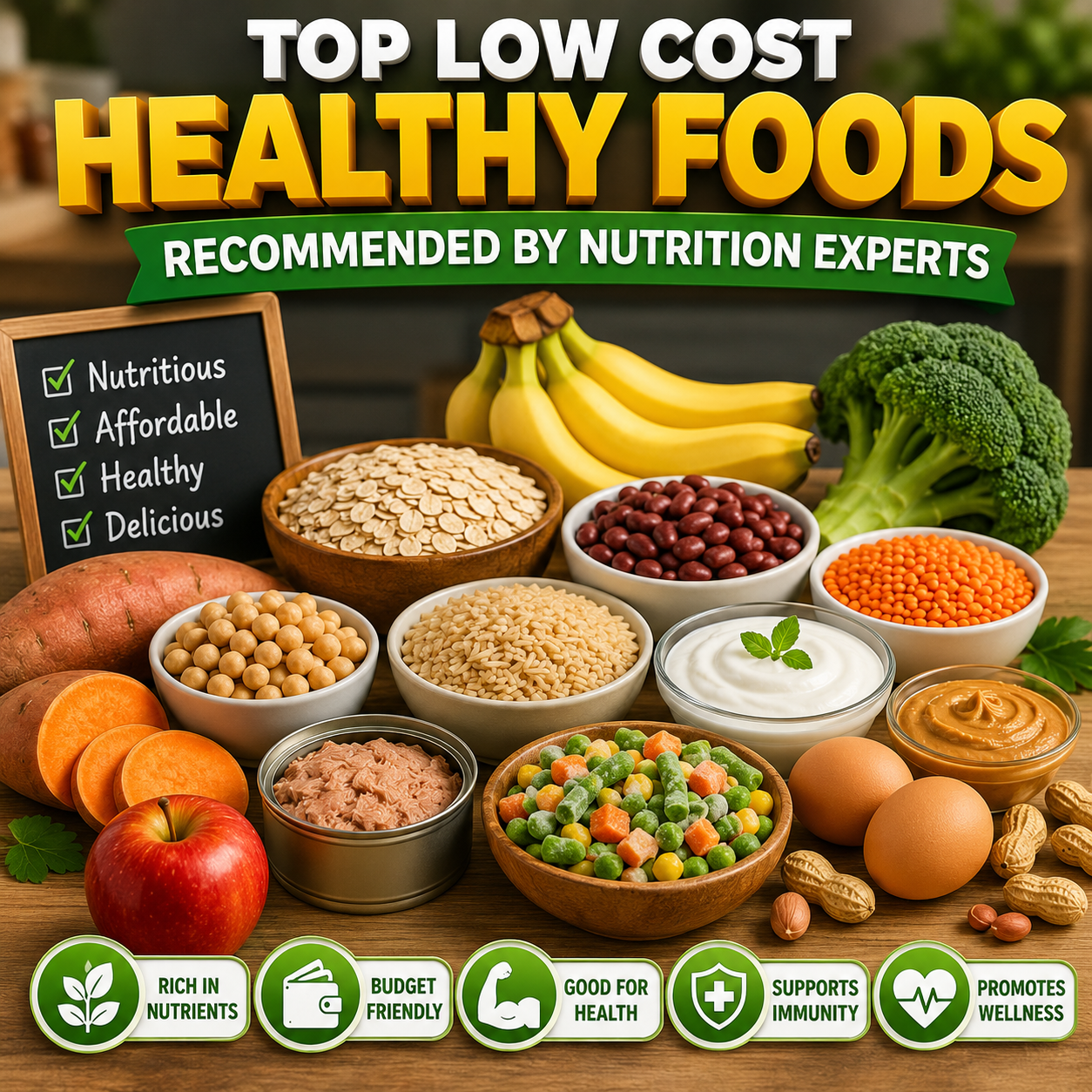
Eating healthy does not have to be expensive. Many people believe that nutritious foods always cost more than processed or fast foods, but that is one of the biggest misconceptions about healthy eating. Nutrition experts consistently recommend affordable whole foods because they provide essential nutrients without putting pressure on your grocery budget. Whether you are a student, a busy parent, a working professional, or someone simply trying to save money, choosing the right Top low cost healthy foods can significantly improve your overall health.
The good news is that supermarkets and local grocery stores are filled with inexpensive foods packed with vitamins, minerals, fiber, protein, and healthy fats. Items such as oats, beans, lentils, eggs, seasonal vegetables, and brown rice offer excellent nutrition at a fraction of the cost of highly processed convenience foods. Smart shopping, proper meal planning, and selecting nutrient-dense ingredients allow you to maintain a balanced diet while spending less.
In this comprehensive guide, you’ll discover the top low cost healthy foods recommended by nutrition experts, learn why they are beneficial, understand how to include them in your daily meals, and find practical tips for maximizing nutrition without overspending.
Why Affordable Healthy Foods Matter
Many people postpone improving their diet because they assume healthy eating requires expensive organic products or specialty superfoods. Nutrition experts disagree with this belief. A healthy diet is built around nutrient-dense whole foods that are widely available and affordable. Choosing inexpensive staples allows families and individuals to maintain consistent eating habits without financial stress.
Affordable healthy foods also reduce dependence on processed meals, which are often high in sodium, added sugar, and unhealthy fats. Over time, regularly eating wholesome foods supports heart health, digestive function, immune strength, weight management, and long-term wellness. Investing in budget-friendly nutrition today can also help lower healthcare costs in the future by reducing the risk of chronic diseases.
What Makes a Food Healthy and Budget-Friendly?
Nutrition experts evaluate foods based on the amount of nutrition they provide relative to their cost. Foods rich in protein, fiber, vitamins, minerals, and healthy fats while remaining inexpensive offer exceptional value. These foods typically require minimal processing, have a longer shelf life, and can be used in many recipes.
Characteristics of budget-friendly healthy foods include:
- High nutrient density
- Rich in dietary fiber
- Good source of protein
- Low in added sugars
- Low in saturated fats
- Easy to store
- Versatile for multiple recipes
- Available year-round
- Cost-effective per serving
By focusing on these characteristics, shoppers can build nutritious meals without exceeding their grocery budget.
Top Low Cost Healthy Foods Recommended by Nutrition Experts
1. Oats
Oats consistently rank among the healthiest and most affordable foods available. They provide complex carbohydrates, soluble fiber known as beta-glucan, protein, iron, magnesium, and B vitamins. Nutrition experts recommend oats because they help lower cholesterol, improve digestion, stabilize blood sugar, and keep you feeling full for longer periods.
Oats are also incredibly versatile. They can be prepared as oatmeal, overnight oats, smoothies, homemade granola, pancakes, muffins, or healthy snack bars. Buying plain rolled or steel-cut oats in bulk further reduces the cost per serving while avoiding the added sugars often found in flavored varieties.
Nutritional Benefits
| Nutrient | Benefit |
| Fiber | Supports digestion |
| Protein | Helps muscle repair |
| Iron | Promotes healthy blood |
| Magnesium | Supports heart health |
| Beta-glucan | Helps reduce cholesterol |
2. Lentils
Lentils are among the most economical sources of plant-based protein. They contain protein, dietary fiber, folate, potassium, iron, and numerous antioxidants that support overall health. Because lentils cook relatively quickly compared to other dried legumes, they are an excellent option for busy households.
Nutrition experts recommend eating lentils several times each week because they help stabilize blood sugar, improve digestive health, support heart function, and provide lasting energy. They also work well in soups, curries, salads, rice bowls, tacos, and casseroles, making them one of the most versatile pantry staples.
Why Nutrition Experts Recommend Lentils
- High-quality plant protein
- Rich in iron
- Excellent source of fiber
- Supports gut health
- Keeps you full longer
- Extremely affordable
- Long shelf life
3. Beans
Beans are another nutritional powerhouse that delivers exceptional value for money. Black beans, kidney beans, navy beans, chickpeas, and pinto beans are inexpensive yet rich in protein, fiber, magnesium, potassium, folate, and antioxidants. Regular consumption has been associated with improved heart health, healthier cholesterol levels, and better blood sugar management.
Dried beans are generally the most economical option, although canned beans are convenient and still affordable when rinsed to reduce sodium. Beans can be used in salads, burritos, soups, stews, chili, pasta dishes, and homemade veggie burgers, allowing endless meal possibilities without increasing food costs.
4. Eggs
Eggs are one of the most complete and affordable sources of high-quality protein. They contain all nine essential amino acids, along with vitamin D, vitamin B12, choline, selenium, and healthy fats. Nutrition experts often recommend eggs because they provide exceptional nutrition for a relatively low price.
Eating eggs for breakfast or incorporating them into lunches and dinners can help increase satiety, support muscle maintenance, and provide sustained energy throughout the day. Hard-boiled eggs also make convenient snacks that are easy to prepare in advance for busy schedules.
Health Benefits of Eggs
- Complete protein source
- Supports brain health
- Rich in vitamin D
- Helps maintain muscle mass
- Keeps you feeling satisfied
- Budget-friendly meal ingredient
5. Brown Rice
Brown rice is an affordable whole grain that provides more fiber, vitamins, and minerals than refined white rice. It contains manganese, magnesium, selenium, phosphorus, and B vitamins, making it an excellent foundation for balanced meals.
Nutrition experts recommend pairing brown rice with beans, vegetables, lean proteins, or eggs to create inexpensive yet nutritionally complete meals. Buying larger bags significantly reduces the cost per serving while ensuring a pantry staple is always available for quick meal preparation.
Brown Rice Compared to White Rice
| Feature | Brown Rice | White Rice |
| Fiber | Higher | Lower |
| Vitamins | More | Less |
| Minerals | More | Less |
| Satiety | Better | Moderate |
| Processing | Minimal | Highly Refined |
6. Sweet Potatoes
Sweet potatoes provide outstanding nutritional value while remaining one of the most affordable vegetables in many grocery stores. They are naturally rich in vitamin A, vitamin C, potassium, manganese, fiber, and antioxidants such as beta-carotene, which supports eye health and immune function.
Their natural sweetness makes them appealing to both children and adults. They can be baked, roasted, mashed, air-fried, or added to soups and stews. Nutrition experts appreciate sweet potatoes because they provide slow-digesting carbohydrates that help maintain steady energy levels throughout the day while supporting overall health.
7. Bananas
Bananas are one of the most affordable and widely available fruits in the world. They are naturally rich in potassium, vitamin B6, vitamin C, fiber, and carbohydrates that provide quick and sustained energy. Nutrition experts often recommend bananas because they are convenient, require no preparation, and are suitable for people of all ages.
Bananas are an excellent option for breakfast, pre-workout snacks, smoothies, oatmeal, yogurt bowls, or healthy desserts. Their natural sweetness also makes them a healthier alternative to sugary snacks. Buying bananas when they are slightly green can extend their shelf life, while ripe bananas can be frozen for smoothies or used in homemade banana bread to reduce food waste.
Nutritional Highlights
| Nutrient | Health Benefit |
| Potassium | Supports heart and muscle function |
| Vitamin B6 | Helps brain development and metabolism |
| Fiber | Improves digestion |
| Vitamin C | Supports immune health |
| Natural Carbohydrates | Provides lasting energy |
8. Frozen Vegetables
Frozen vegetables are often just as nutritious as fresh vegetables because they are typically frozen shortly after harvest, preserving most of their vitamins and minerals. They are affordable, convenient, and available throughout the year, making them an excellent choice for budget-conscious shoppers.
Nutrition experts recommend keeping frozen vegetables on hand because they reduce food waste and save preparation time. Popular options include broccoli, spinach, peas, carrots, mixed vegetables, and green beans. These vegetables can be added to soups, stir-fries, casseroles, pasta dishes, omelets, or grain bowls for a quick nutritional boost.
Benefits of Frozen Vegetables
- Affordable year-round
- Long shelf life
- Minimal food waste
- Easy meal preparation
- Rich in vitamins and minerals
- Available in a variety of options
9. Canned Tuna
Canned tuna is an inexpensive source of lean protein and omega-3 fatty acids. It is also rich in selenium, vitamin D, and vitamin B12, making it a practical pantry staple for healthy eating on a budget.
Nutrition experts recommend choosing tuna packed in water rather than oil to reduce unnecessary calories. Tuna can be used in sandwiches, salads, wraps, pasta, rice bowls, and casseroles. It provides a convenient way to increase protein intake without spending a lot on fresh seafood.
Why Choose Canned Tuna?
- High-quality protein
- Supports heart health
- Rich in omega-3 fatty acids
- Convenient pantry staple
- Quick meal option
- Budget-friendly seafood choice
10. Plain Yogurt
Plain yogurt is an affordable dairy product packed with protein, calcium, probiotics, and essential vitamins. Nutrition experts recommend plain yogurt instead of flavored varieties because it contains significantly less added sugar while providing the same nutritional benefits.
Probiotics in yogurt help support digestive health and maintain a balanced gut microbiome. Plain yogurt can be enjoyed with fresh fruit, oats, nuts, seeds, or used as a healthy substitute for sour cream and mayonnaise in recipes.
Key Nutrients
- Protein
- Calcium
- Vitamin B12
- Phosphorus
- Probiotics
- Potassium
11. Peanut Butter
Natural peanut butter is one of the most economical sources of healthy fats and plant-based protein. It contains monounsaturated fats, vitamin E, magnesium, niacin, and antioxidants that contribute to heart health and overall wellness.
Nutrition experts recommend selecting peanut butter with minimal ingredients—ideally just peanuts and a small amount of salt. It pairs well with whole-grain bread, bananas, apples, oatmeal, smoothies, and homemade energy bites.
Benefits
- Healthy fats
- Good source of protein
- Keeps you full longer
- Affordable pantry staple
- Easy snack ingredient
12. Cabbage
Cabbage is one of the least expensive vegetables available while offering an impressive nutritional profile. It provides vitamin C, vitamin K, fiber, folate, and beneficial plant compounds with antioxidant properties.
Its long shelf life makes cabbage an economical choice for families. It can be eaten raw in salads, cooked in stir-fries, soups, stews, or roasted as a healthy side dish.
13. Carrots
Carrots are inexpensive root vegetables rich in beta-carotene, fiber, potassium, and antioxidants. Nutrition experts recommend carrots because they support eye health, immune function, and healthy skin while adding natural sweetness to meals.
Carrots can be eaten raw, roasted, steamed, blended into soups, or added to salads and casseroles. Their versatility and long storage life make them a valuable addition to any budget-friendly shopping list.
14. Apples
Apples are another affordable fruit recommended by nutrition professionals. They provide dietary fiber, vitamin C, antioxidants, and water, making them filling and hydrating.
Eating apples regularly may support heart health, digestive health, and healthy weight management. Pairing apple slices with peanut butter or plain yogurt creates a balanced snack rich in fiber and protein.
How to Build Healthy Meals on a Budget
Creating nutritious meals doesn’t require expensive ingredients. The key is combining affordable foods from different food groups to create balanced, satisfying meals.
A healthy budget-friendly plate should include:
- Lean protein
- Whole grains
- Vegetables
- Fruits
- Healthy fats
Sample Budget Meal Plan
| Meal | Example |
| Breakfast | Oatmeal with banana and peanut butter |
| Morning Snack | Apple and yogurt |
| Lunch | Brown rice, beans, and mixed vegetables |
| Afternoon Snack | Hard-boiled eggs |
| Dinner | Lentil soup with cabbage and carrots |
| Dessert | Plain yogurt with frozen berries |
This meal plan provides protein, fiber, vitamins, minerals, and healthy fats while remaining affordable for most households.
Budget Shopping Tips from Nutrition Experts
Shopping strategically can dramatically reduce grocery expenses without sacrificing nutrition. Experts recommend planning meals in advance, purchasing pantry staples in bulk, and prioritizing seasonal produce.
Best Shopping Tips
- Make a weekly meal plan.
- Create and follow a shopping list.
- Compare unit prices.
- Buy store brands.
- Purchase seasonal fruits and vegetables.
- Choose frozen produce when appropriate.
- Cook meals at home.
- Avoid shopping while hungry.
- Buy dried beans instead of canned when possible.
- Reduce food waste by using leftovers creatively.
These simple habits help maximize nutrition while minimizing unnecessary spending.
Foods That Offer the Best Nutrition Per Dollar
Some foods provide exceptional nutritional value relative to their cost. Nutrition experts frequently recommend these options because they deliver a high amount of essential nutrients without significantly increasing grocery expenses.
| Food | Main Nutrients | Cost Rating |
| Oats | Fiber, protein | ★★★★★ |
| Lentils | Protein, iron | ★★★★★ |
| Eggs | Protein, vitamin D | ★★★★★ |
| Brown Rice | Whole grains | ★★★★★ |
| Beans | Protein, fiber | ★★★★★ |
| Bananas | Potassium | ★★★★★ |
| Sweet Potatoes | Vitamin A | ★★★★☆ |
| Frozen Vegetables | Vitamins | ★★★★☆ |
| Yogurt | Calcium, probiotics | ★★★★☆ |
| Peanut Butter | Healthy fats | ★★★★☆ |
These foods form the foundation of a healthy, affordable diet and can be mixed and matched to create countless nutritious meals.
Common Budget Eating Mistakes
Trying to save money on groceries can sometimes lead to choices that reduce nutritional quality. Nutrition experts encourage avoiding these common mistakes to maintain both health and affordability.
1. Buying Highly Processed Foods
Cheap processed foods may seem economical, but they are often high in added sugars, sodium, and unhealthy fats while offering little nutritional value.
2. Skipping Fruits and Vegetables
Some shoppers avoid produce to save money. Instead, choose seasonal or frozen options, which are often more affordable while still providing essential nutrients.
3. Ignoring Meal Planning
Without a plan, it’s easier to make impulse purchases, leading to higher grocery bills and increased food waste.
4. Throwing Away Leftovers
Leftovers can become lunches, soups, wraps, or grain bowls, helping stretch your grocery budget further.
5. Purchasing Sugary Drinks
Replacing soft drinks with water saves money and significantly reduces sugar intake.
Frequently Asked Questions (FAQs)
1. What is the cheapest healthy food available?
Oats, rice, beans, lentils, eggs, and seasonal vegetables are among the cheapest healthy foods available. They provide essential nutrients while costing significantly less than processed convenience foods. Buying these staples in bulk further reduces the cost per serving.
2. Which food gives the most nutrition for the money?
Beans, lentils, oats, eggs, sweet potatoes, and frozen vegetables offer some of the highest nutritional value per dollar. These foods are rich in protein, fiber, vitamins, and minerals while remaining affordable for most households.
3. Can I lose weight by eating inexpensive healthy foods?
Yes. Weight loss depends on maintaining a calorie deficit while consuming nutrient-dense foods. Affordable options like vegetables, fruits, lean proteins, beans, and whole grains help keep you satisfied while supporting healthy weight management.
4. Are store-brand healthy foods worth buying?
Store-brand products often provide the same nutritional quality as name-brand products at a lower price. Reading nutrition labels ensures you choose products with minimal added sugars, sodium, and unhealthy fats.
5. Is buying food in bulk a good idea?
Buying shelf-stable foods such as oats, rice, lentils, beans, and frozen vegetables in bulk usually reduces the cost per serving. However, only buy quantities that you can use before they expire to avoid food waste.
6. What healthy snacks are inexpensive?
Affordable healthy snacks include bananas, apples, carrots, yogurt, hard-boiled eggs, roasted chickpeas, popcorn, peanut butter with fruit, and homemade trail mix. These snacks are nutritious, filling, and easy to prepare.
7. How can families save money on healthy groceries?
Families can save by planning weekly meals, preparing food at home, purchasing seasonal produce, comparing prices, buying store brands, using coupons, freezing leftovers, and reducing food waste through proper storage.
8. Are canned beans healthy?
Yes. Canned beans retain most of their nutrients and are a convenient, affordable source of protein and fiber. Choose low-sodium varieties or rinse regular canned beans under water to reduce sodium content.
9. How often should I include whole grains in my diet?
Whole grains such as oats, brown rice, and whole-wheat products can be included daily as part of a balanced diet. They provide fiber, vitamins, minerals, and sustained energy that support overall health.
10. What is the easiest way to start eating healthier?
Begin with small, sustainable changes. Replace sugary drinks with water, include a fruit or vegetable at each meal, cook at home more often, and stock your pantry with affordable nutritious staples like oats, beans, eggs, and brown rice.
Key Takeaways
- Healthy eating does not have to be expensive.
- Whole foods provide better nutrition than most processed foods.
- Oats, lentils, beans, and eggs offer exceptional value.
- Seasonal and frozen produce help lower grocery costs.
- Meal planning reduces overspending and food waste.
- Buying in bulk can save money on pantry staples.
- Protein and fiber-rich foods keep you fuller for longer.
- Cooking at home improves nutrition and saves money.
- Smart grocery shopping supports long-term healthy habits.
- Small dietary changes can lead to significant health improvements.
Conclusion
Eating nutritious meals on a budget is both practical and achievable. As nutrition experts consistently emphasize, the foundation of a healthy diet is not expensive superfoods or specialty products but simple, wholesome ingredients that are affordable and widely available. Staples such as oats, lentils, beans, eggs, brown rice, seasonal fruits, vegetables, yogurt, and peanut butter provide outstanding nutrition while helping you stay within your grocery budget.
By planning meals, shopping wisely, buying seasonal produce, reducing food waste, and preparing meals at home, you can enjoy balanced, satisfying, and nutrient-rich meals without overspending. Healthy eating is a long-term investment in your well-being, and every smart food choice contributes to better energy, improved health, and a stronger future.
Read Our Latest Blog:Affordable Grocery Shopping Guide: Smart Ways to Stretch Your Food Budget