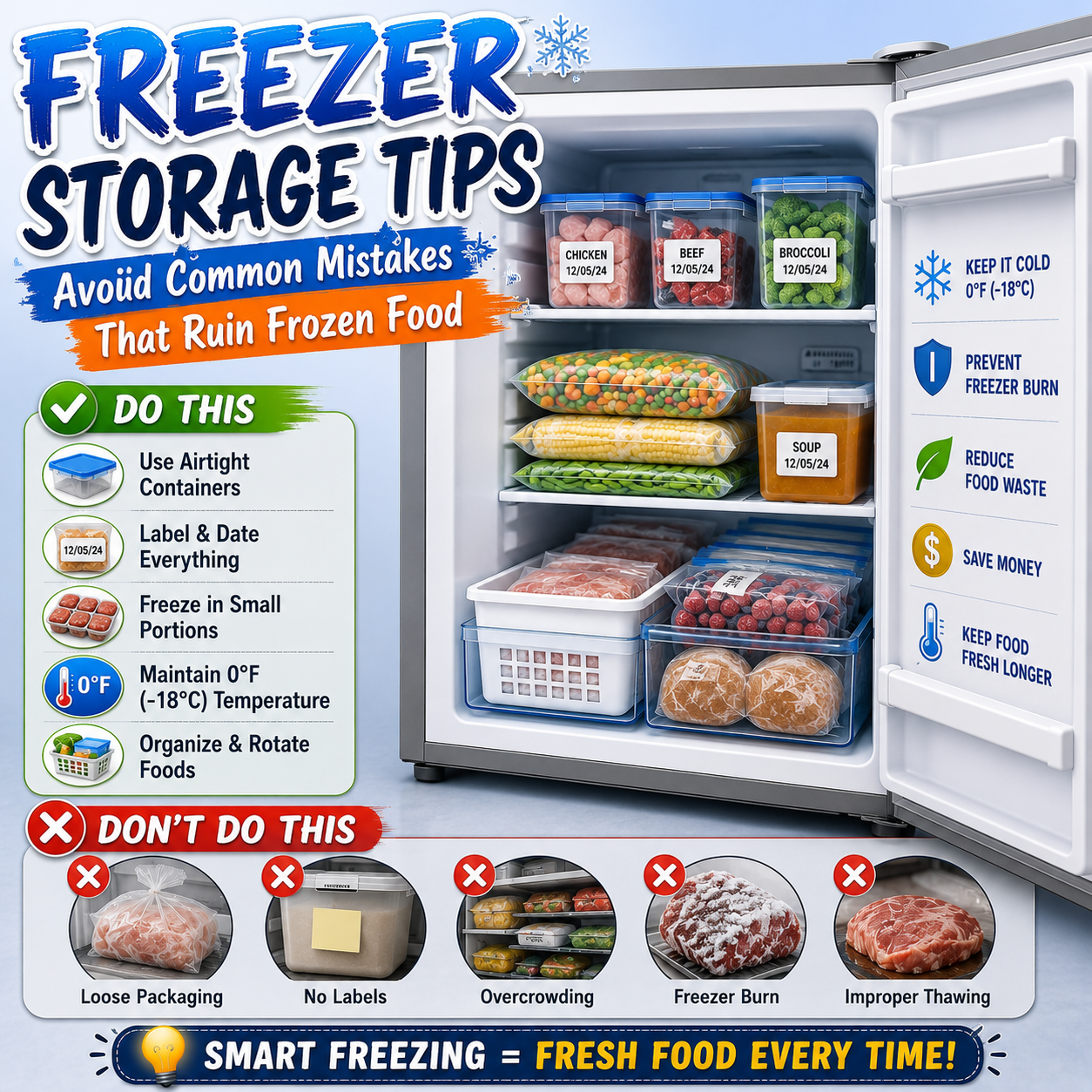
Freezing food is one of the easiest and most effective ways to extend shelf life, reduce food waste, and save money. However, simply placing food in the freezer isn’t enough to preserve its quality. Improper packaging, incorrect freezer temperatures, overloading the freezer, and poor labeling can all lead to freezer burn, loss of flavor, texture changes, and unnecessary waste.
This comprehensive guide on Freezer Storage Tips: Avoid Common Mistakes That Ruin Frozen Food explains how to freeze food correctly, organize your freezer efficiently, and avoid the mistakes that shorten the life of frozen foods. Whether you’re freezing leftovers, meal-prep containers, meat, seafood, vegetables, fruits, or baked goods, following proper freezer storage practices helps maintain both food safety and quality.
You’ll also discover recommended freezer storage times, packaging techniques, thawing methods, freezer organization tips, and expert advice to keep your frozen foods tasting their best while reducing grocery expenses.
What Is Freezer Storage?
Freezer storage is the practice of preserving food at freezing temperatures to slow bacterial growth and maintain food quality for extended periods. While freezing doesn’t kill most bacteria, it places them in an inactive state, making proper handling before and after freezing essential for food safety.
Effective freezer storage involves more than simply placing food in a freezer. Proper packaging, airtight containers, moisture control, labeling, and maintaining a consistent freezer temperature all play an important role in preserving taste, texture, and nutritional value.
Understanding correct freezing methods helps households reduce food waste, save money, and always have ingredients available for convenient meal preparation.
Why Proper Freezer Storage Matters
Proper freezer storage protects both food safety and food quality. Foods stored incorrectly may develop freezer burn, lose moisture, absorb odors from other foods, or become difficult to identify after long storage periods.
Maintaining organized freezer storage also improves meal planning because frozen ingredients remain easy to locate and rotate. Labeling containers with dates helps ensure older foods are used first, reducing unnecessary waste.
Correct freezing methods preserve vitamins, minerals, and flavor while helping families make better use of leftovers and bulk grocery purchases.
Benefits of Freezing Food Correctly
Using proper freezer storage techniques offers several practical advantages beyond simply extending shelf life.
Key Benefits
- Reduces food waste
- Saves grocery money
- Preserves food quality
- Extends shelf life
- Supports meal preparation
- Keeps seasonal produce available year-round
- Makes bulk shopping more economical
- Improves kitchen organization
- Reduces emergency grocery trips
When foods are frozen properly, they retain much of their original taste, texture, and nutritional value, making home-cooked meals easier and more affordable.
Best Freezer Temperature for Food Safety
Maintaining the correct freezer temperature is essential for preserving food safely. Food should always be stored at 0°F (-18°C) or below. At this temperature, bacterial growth is effectively stopped, allowing food to remain safe for extended periods, although quality gradually declines over time.
Avoid frequently opening the freezer door, as temperature fluctuations can shorten food quality and increase the risk of freezer burn. Consider using an appliance thermometer to confirm that your freezer consistently maintains the recommended temperature.
Ideal Freezer Conditions
| Factor | Recommendation |
| Temperature | 0°F (-18°C) or lower |
| Air Circulation | Keep vents unobstructed |
| Door Opening | Minimize frequent opening |
| Organization | Label and rotate foods |
| Storage Containers | Airtight and moisture-resistant |
Foods That Freeze Well
Many everyday foods freeze exceptionally well when packaged correctly. These foods maintain their quality for months, making them excellent choices for meal prep and bulk shopping.
Meat and Poultry
- Chicken
- Turkey
- Beef
- Pork
- Ground meat
Seafood
- Fish fillets
- Shrimp
- Scallops
- Salmon
Fruits
- Blueberries
- Strawberries
- Mango
- Pineapple
- Bananas (peeled)
Vegetables
- Broccoli
- Peas
- Corn
- Carrots
- Spinach (blanched)
Cooked Foods
- Soup
- Chili
- Pasta sauce
- Cooked rice
- Stews
- Casseroles
Foods That Don’t Freeze Well
Although freezing preserves many foods successfully, some items lose texture or quality after thawing because of their high water content or delicate structure.
Foods That Freeze Poorly
- Lettuce
- Cucumbers
- Watermelon
- Raw potatoes
- Cream-based sauces
- Mayonnaise
- Yogurt with fruit pieces
- Soft cheeses
- Fried foods
These foods often become watery, mushy, or separate after thawing. Whenever possible, prepare them fresh instead of freezing.
Common Freezer Storage Mistakes
Many households unknowingly reduce food quality by making simple freezer storage mistakes. Understanding these errors can help extend the life of frozen foods and prevent unnecessary waste.
1. Freezing Food While Still Hot
Placing hot food directly into the freezer raises the freezer’s internal temperature and may partially thaw nearby foods. Allow cooked foods to cool before freezing, but don’t leave them at room temperature for extended periods.
2. Not Removing Excess Air
Air trapped inside storage bags causes freezer burn by allowing moisture to escape from the food. Use freezer-safe bags, vacuum sealers, or airtight containers to minimize air exposure.
3. Forgetting Labels
Unlabeled containers quickly become mystery meals. Always write the food name and freezing date on each package so you can rotate older items first.
4. Using the Wrong Containers
Thin plastic bags and unsuitable containers allow moisture loss and odor transfer. Invest in freezer-safe containers specifically designed for long-term storage.
5. Overloading the Freezer
Packing your freezer too tightly can block cold air circulation, making it difficult to maintain a consistent temperature. Foods may freeze more slowly, which can affect texture and quality.
Leave small gaps between containers so cold air can circulate efficiently. If you’re freezing large amounts of fresh food, do it in smaller batches instead of all at once.
6. Refreezing Thawed Food Improperly
Refreezing food that has completely thawed at room temperature is not recommended because bacteria may multiply during thawing.
However, food thawed safely in the refrigerator can usually be refrozen, although its quality may decline due to moisture loss.
7. Ignoring Recommended Storage Times
Frozen food remains safe indefinitely if kept continuously frozen at 0°F (-18°C), but its quality gradually decreases. Following recommended storage times helps preserve taste, texture, and nutritional value.
Older frozen foods may develop freezer burn, become dry, or lose their original flavor.
8. Poor Freezer Organization
A cluttered freezer makes it difficult to find foods before they exceed their best quality period. Organize foods into categories such as meats, vegetables, fruits, prepared meals, and baked goods.
Using baskets, bins, and labels makes meal planning easier while reducing food waste.
Best Packaging Methods for Freezing Food
Proper packaging protects food from moisture loss, freezer burn, and odor absorption. Choosing the right materials can significantly extend the quality of frozen foods.
Recommended Freezer Packaging
- Freezer-safe zip bags
- Vacuum-sealed bags
- Airtight plastic containers
- Glass freezer-safe containers
- Heavy-duty aluminum foil
- Plastic freezer wrap
Always remove as much air as possible before sealing containers. Less air means less freezer burn.
Packaging Tips for Different Foods
| Food | Best Packaging Method |
| Meat | Vacuum-sealed bags |
| Chicken | Heavy-duty freezer bags |
| Fish | Vacuum-sealed packaging |
| Soup | Airtight containers |
| Vegetables | Freezer bags after blanching |
| Fruit | Single-layer freeze, then freezer bags |
| Bread | Plastic freezer wrap |
| Leftovers | Meal-sized airtight containers |
How to Organize Your Freezer Efficiently
An organized freezer saves time, reduces waste, and helps maintain food quality. When food is easy to find, you’re more likely to use older items before freezing new ones.
Organize by Categories
- Meat and poultry
- Seafood
- Fruits
- Vegetables
- Prepared meals
- Bread
- Desserts
- Snacks
Keeping similar foods together makes inventory management much easier.
Use the FIFO Method
FIFO stands for First In, First Out.
Place newly frozen food behind older items so the oldest food gets used first. This simple system reduces waste and ensures better food quality.
Label Everything
Every freezer container should include:
- Food name
- Date frozen
- Portion size (optional)
- Cooking instructions (optional)
Permanent markers and freezer labels work best because they resist moisture.
Recommended Freezer Storage Times
Although frozen foods remain safe indefinitely when stored correctly, these recommended times provide the best quality.
| Food | Best Quality Storage Time |
| Chicken | 9–12 months |
| Ground Meat | 3–4 months |
| Beef Steaks | 6–12 months |
| Pork Chops | 4–6 months |
| Fish | 3–8 months |
| Shrimp | 6–12 months |
| Vegetables | 8–12 months |
| Fruit | 8–12 months |
| Bread | 2–3 months |
| Soup | 2–3 months |
| Cooked Rice | 1 month |
| Leftovers | 3–4 months |
Safe Ways to Thaw Frozen Food
Proper thawing is just as important as proper freezing. Incorrect thawing can allow bacteria to multiply rapidly, increasing the risk of foodborne illness.
1. Refrigerator Thawing (Best Method)
This is the safest method because food stays at a safe temperature throughout the thawing process.
Ideal for:
- Meat
- Poultry
- Seafood
- Prepared meals
2. Cold Water Thawing
Place food in a leak-proof bag and submerge it in cold water.
- Change the water every 30 minutes.
- Cook immediately after thawing.
This method is much faster than refrigerator thawing.
3. Microwave Thawing
Use your microwave’s defrost setting for quick thawing.
Food thawed this way should be cooked immediately because parts of it may begin cooking during defrosting.
Never Thaw Food
Avoid thawing food:
- On the kitchen counter
- In hot water
- Outdoors
- In direct sunlight
These methods allow harmful bacteria to grow quickly.
How to Prevent Freezer Burn
Freezer burn occurs when moisture escapes from frozen food because of exposure to air. Although freezer-burned food is generally safe to eat, it often has dry, tough areas and reduced flavor.
Prevent Freezer Burn By
- Removing excess air from packaging.
- Using airtight freezer-safe containers.
- Wrapping food tightly.
- Keeping freezer temperature consistent.
- Avoiding repeated thawing and refreezing.
- Using food within recommended storage times.
Expert Freezer Storage Tips
Professional food safety experts recommend adopting a few simple habits that dramatically improve frozen food quality.
Freeze Food in Meal-Sized Portions
Smaller portions freeze faster, thaw more evenly, and reduce waste because only the needed amount is removed.
Cool Cooked Food Before Freezing
Allow hot foods to cool slightly before freezing, but refrigerate or freeze them within two hours of cooking to maintain food safety.
Freeze Flat Whenever Possible
Liquids such as soups, sauces, and chili freeze more efficiently when stored flat in freezer bags. Flat packages also save valuable freezer space.
Blanch Vegetables Before Freezing
Briefly boiling vegetables followed by an ice bath helps preserve color, texture, nutrients, and flavor during long-term freezer storage.
Freezer Storage Do’s and Don’ts
| Do | Don’t |
| Label every package | Freeze unlabeled food |
| Maintain 0°F (-18°C) | Allow temperature fluctuations |
| Remove excess air | Leave air inside bags |
| Freeze meal-sized portions | Freeze oversized containers |
| Rotate older foods first | Forget food at the back |
| Use freezer-safe containers | Use thin storage bags |
| Organize by category | Overcrowd the freezer |
| Follow storage times | Keep food indefinitely for quality |
Frequently Asked Questions (FAQs)
1. Why is proper freezer storage important?
Proper freezer storage helps preserve food quality, reduce waste, and maintain food safety. Correct packaging, labeling, and temperature control prevent freezer burn, preserve flavor, and extend shelf life. Organized freezer storage also makes meal planning easier and helps families save money by reducing spoiled food.
2. What is freezer burn, and can it be prevented?
Freezer burn occurs when frozen food loses moisture because of exposure to air. It causes dry, discolored patches and affects texture and flavor. Prevent freezer burn by using airtight packaging, removing excess air, vacuum sealing when possible, and keeping the freezer at 0°F (-18°C).
3. How often should I clean my freezer?
Clean your freezer every three to six months or whenever spills occur. Remove expired foods, wipe shelves with warm soapy water, and reorganize items. Regular cleaning improves airflow, prevents odors, and makes it easier to find foods before their quality declines.
4. Should I cool food before freezing?
Yes. Allow cooked food to cool slightly before freezing, but refrigerate or freeze it within two hours of cooking. Avoid placing large quantities of hot food directly into the freezer because it raises the internal temperature and may partially thaw nearby foods.
5. Can I freeze leftovers?
Yes. Most leftovers freeze well when stored in airtight containers. Divide meals into portion-sized containers, label them with the freezing date, and consume them within 3–4 months for the best quality. Properly frozen leftovers make convenient, quick meals.
6. What’s the safest way to thaw frozen food?
The safest method is thawing food in the refrigerator. Cold water thawing and microwave thawing are also safe when food is cooked immediately afterward. Never thaw food at room temperature because harmful bacteria can multiply rapidly.
7. How can I maximize freezer space?
Use stackable containers, freeze liquids flat in freezer bags, organize foods into labeled bins, and avoid keeping unnecessary packaging. Regularly reviewing freezer contents also prevents overcrowding and improves air circulation for efficient freezing.
8. Do frozen fruits and vegetables stay nutritious?
Yes. Frozen produce retains most nutrients because it is typically frozen soon after harvesting. Frozen fruits and vegetables are convenient, affordable, and available year-round, making them an excellent addition to a healthy diet.
9. Can frozen food expire?
Frozen food stored continuously at 0°F (-18°C) remains safe indefinitely. However, quality gradually decreases over time. Following recommended storage times helps preserve taste, texture, and nutritional value.
10. How do labels help freezer organization?
Labels identify the food, freezing date, and portion size, making inventory management much easier. Proper labeling reduces food waste, improves meal planning, and ensures older foods are used before newer items through the First In, First Out (FIFO) method.
Key Takeaways
- Maintain your freezer at 0°F (-18°C) for optimal food safety.
- Use airtight, freezer-safe packaging to prevent freezer burn.
- Label all frozen foods with names and dates.
- Organize foods by category and follow the FIFO system.
- Freeze foods in meal-sized portions for easier thawing.
- Avoid overloading the freezer to maintain proper airflow.
- Follow recommended storage times for the best quality.
- Thaw foods safely in the refrigerator, cold water, or microwave.
- Clean and organize your freezer regularly.
- Smart freezer storage reduces food waste and grocery costs.
Conclusion
Proper freezer storage is one of the simplest ways to preserve food quality, minimize waste, and save money on groceries. By maintaining the correct freezer temperature, choosing appropriate packaging, labeling foods clearly, and organizing your freezer efficiently, you can significantly extend the freshness of meats, vegetables, fruits, leftovers, and meal-prep dishes.
Avoiding common mistakes—such as freezing hot food, trapping excess air in packaging, overloading the freezer, or thawing foods incorrectly—helps protect both food safety and flavor. Consistently following these best practices also makes meal planning easier and reduces the likelihood of forgotten or spoiled frozen items.
Whether you’re stocking up during sales, preparing meals in advance, or storing seasonal produce, effective freezer storage ensures you always have safe, high-quality ingredients ready to use. Small improvements in how you freeze and organize food can lead to long-term savings,
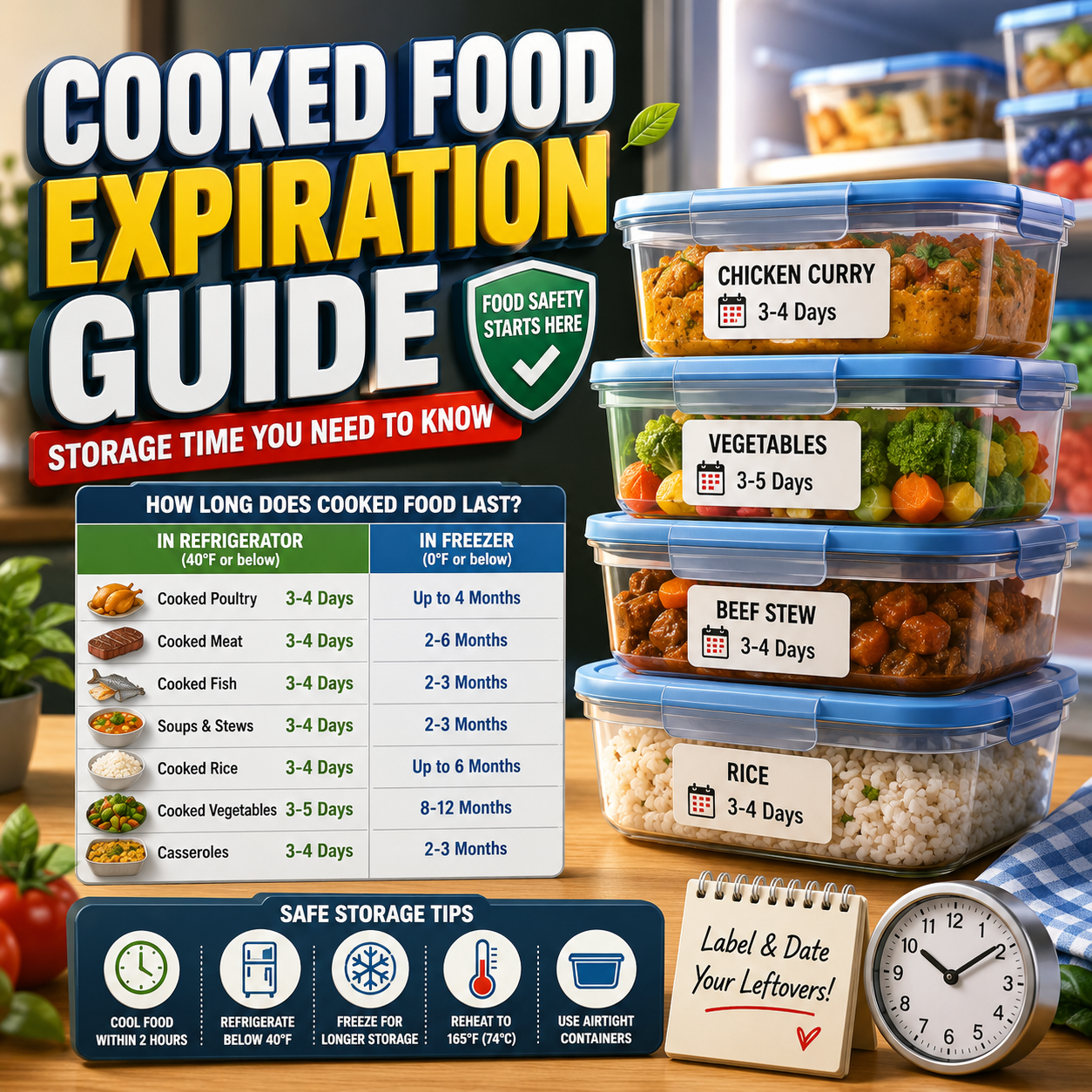
Read Our Latest Blog:Cooked Food Expiration Guide: Safe Storage Times You Need to Know