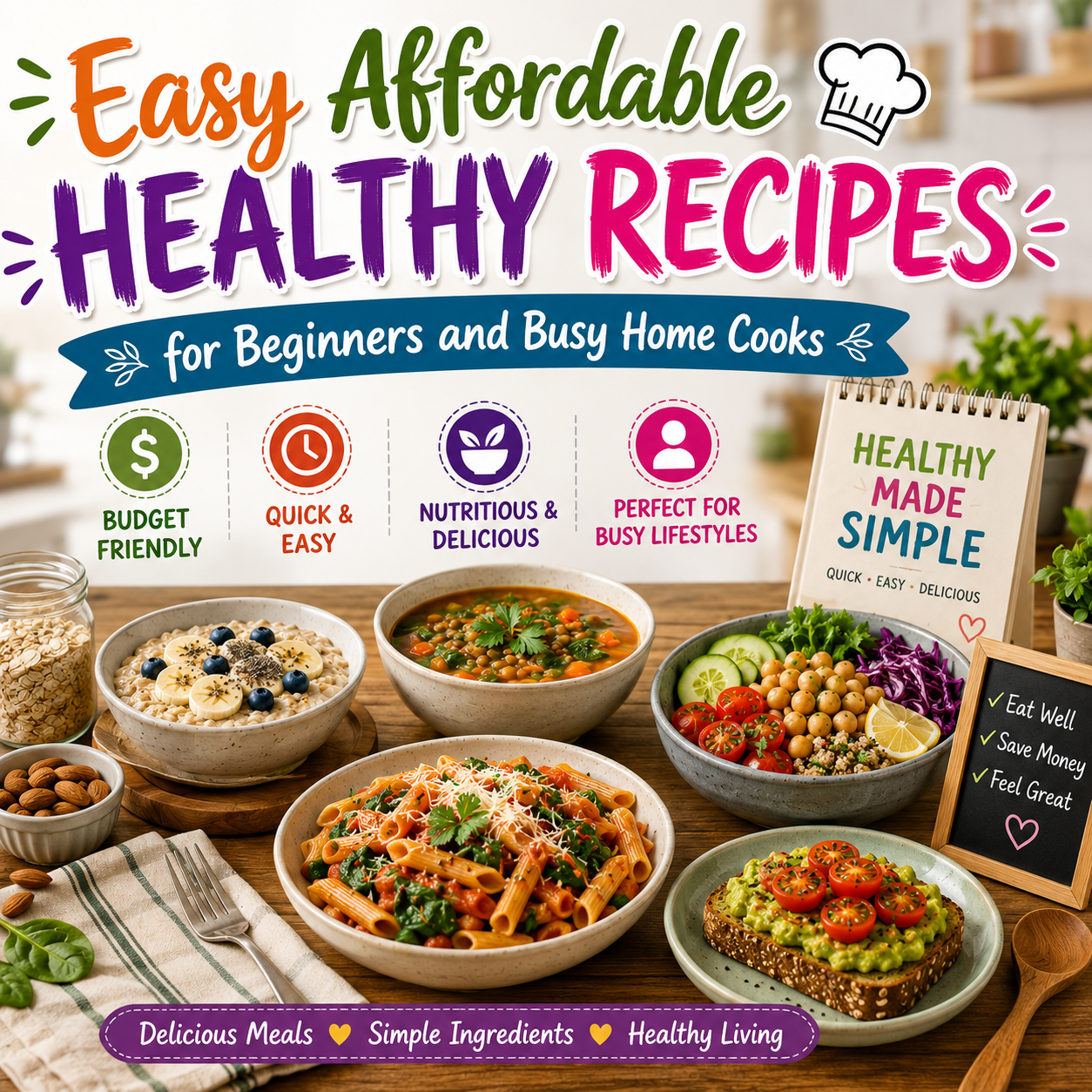
Eating healthy doesn’t have to be expensive or time-consuming. Many people assume nutritious meals require costly ingredients, complicated recipes, or hours in the kitchen. In reality, with the right planning and a few pantry staples, anyone can prepare delicious meals that are both affordable and packed with nutrition.
This guide to Easy Affordable Healthy Recipes for Beginners and Busy Home Cooks is designed to help you cook wholesome meals without stretching your budget or spending your entire evening in the kitchen. Whether you’re a student, working professional, parent, or someone learning to cook for the first time,Easy Affordable Healthy Recipes and practical cooking tips will simplify healthy eating.
You’ll discover budget-friendly breakfast, lunch, dinner, snacks, and meal-prep ideas, along with shopping tips, ingredient substitutions, cooking techniques, and common mistakes to avoid. By the end of this guide, you’ll have the confidence to prepare satisfying meals that support both your health and your wallet.
What Are Affordable Healthy Recipes?
Affordable healthy recipes are meals prepared using inexpensive, nutrient-dense ingredients that are simple to cook and suitable for everyday eating. Rather than relying on expensive specialty foods or processed convenience meals, these recipes focus on whole grains, seasonal vegetables, lean proteins, legumes, eggs, beans, and other budget-friendly staples.
Healthy cooking doesn’t require gourmet skills. Even beginner cooks can prepare balanced meals by combining affordable ingredients in creative ways. These recipes emphasize proper nutrition, portion control, and efficient cooking techniques while helping reduce grocery costs and food waste.
Choosing affordable healthy recipes also supports long-term wellness by encouraging home cooking, reducing reliance on fast food, and making healthy eating more sustainable for individuals and families.
Why Cooking at Home Saves Money
Preparing meals at home is one of the most effective ways to reduce monthly food expenses. Restaurant meals, takeout, and food delivery services often cost significantly more than homemade alternatives. Cooking at home allows you to control ingredient quality, portion sizes, and nutritional content while avoiding unnecessary additives and excess calories.
Another advantage is flexibility. You can reuse leftover ingredients in multiple meals, reducing waste and maximizing your grocery budget. Home cooking also gives you the freedom to adapt recipes based on seasonal produce and supermarket discounts.
Benefits of Home Cooking
- Lower grocery costs
- Better nutrition
- More control over ingredients
- Reduced food waste
- Larger meal portions
- Easier meal planning
- Healthier eating habits
- Improved cooking skills
Essential Pantry Staples for Affordable Healthy Cooking
Keeping your pantry stocked with versatile ingredients makes preparing healthy meals faster, easier, and more affordable. These staples form the foundation of countless recipes and help reduce last-minute grocery trips.
A well-organized pantry also encourages meal planning because you already have many essential ingredients available. Buying pantry staples in bulk, when appropriate, can further reduce food costs over time.
Must-Have Pantry Staples
| Pantry Item | Why It’s Useful |
| Brown Rice | Affordable whole grain |
| Oats | Fiber-rich breakfast |
| Whole Wheat Pasta | Budget-friendly carbohydrate |
| Lentils | High-protein plant food |
| Black Beans | Protein and fiber |
| Chickpeas | Versatile for salads and curries |
| Canned Tomatoes | Base for many recipes |
| Peanut Butter | Healthy fats and protein |
| Olive Oil | Healthy cooking fat |
| Herbs & Spices | Flavor without extra calories |
Affordable Kitchen Equipment Every Beginner Needs
You don’t need an expensive kitchen to prepare healthy meals. A few basic tools are enough to cook hundreds of simple recipes efficiently. Investing in quality essentials can save both time and money while making cooking more enjoyable.
Basic Kitchen Equipment Checklist
- Chef’s knife
- Cutting board
- Non-stick skillet
- Saucepan
- Stockpot
- Baking sheet
- Mixing bowls
- Measuring cups and spoons
- Food storage containers
- Wooden spoon
- Colander
These affordable tools can handle everything from soups and stir-fries to roasted vegetables and one-pot meals.
Smart Grocery Shopping for Healthy Recipes
Buying nutritious ingredients doesn’t mean spending more. Smart grocery shopping starts before you even enter the store. Planning meals, creating a shopping list, checking pantry inventory, and comparing prices all help reduce unnecessary spending.
Choose seasonal fruits and vegetables whenever possible, buy store-brand pantry staples, and compare unit prices rather than package prices. Frozen vegetables are another excellent budget-friendly option because they last longer and often cost less than fresh produce.
Budget Grocery Shopping Tips
- Plan meals before shopping.
- Shop with a grocery list.
- Compare unit prices.
- Buy seasonal produce.
- Choose store brands.
- Buy pantry staples in bulk.
- Limit processed convenience foods.
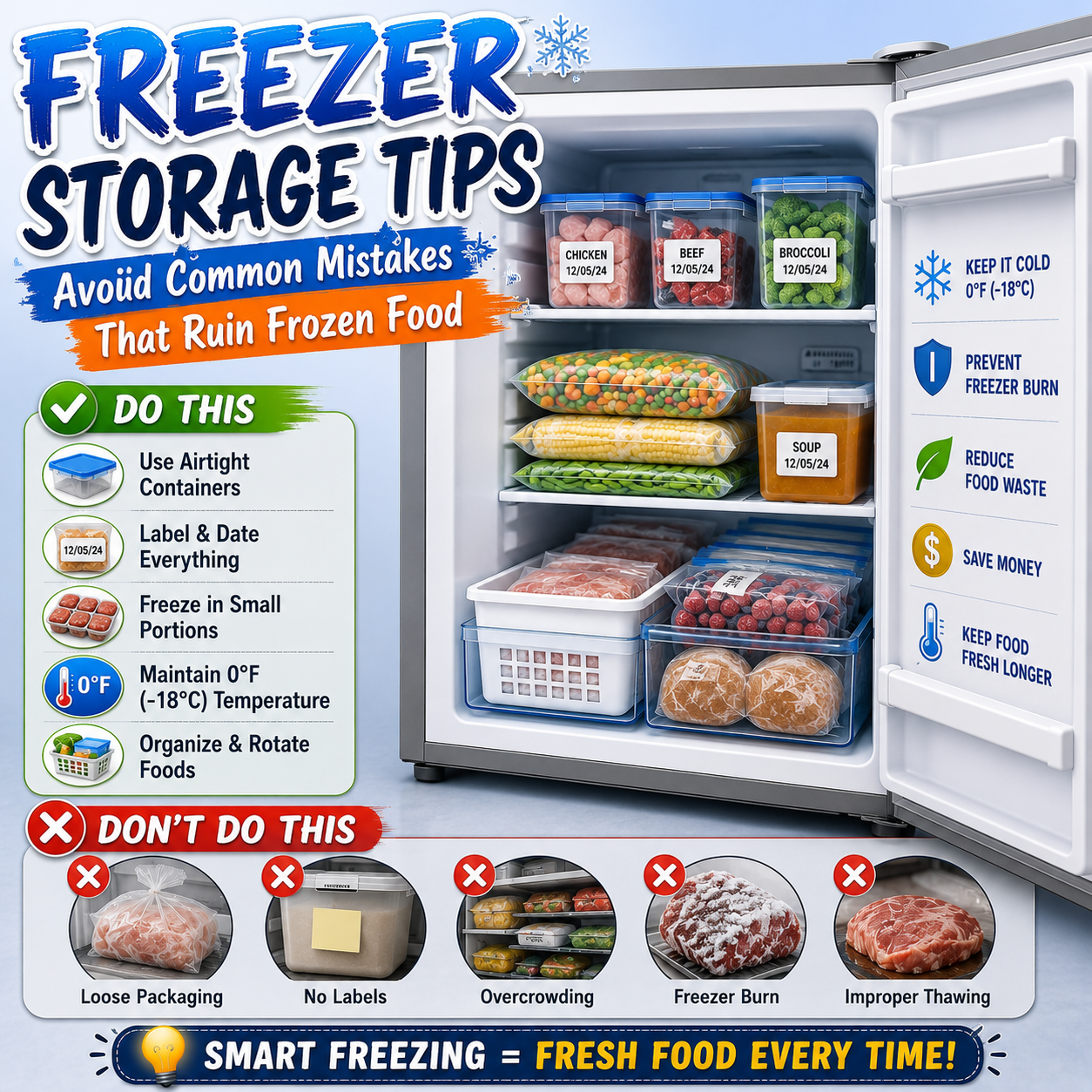
- Freeze leftovers.
Easy Healthy Breakfast Recipes
Breakfast provides the energy needed to start the day, but it doesn’t have to be expensive or complicated. The following recipes use affordable ingredients that are quick to prepare, making them perfect for busy mornings.
Overnight Oats with Fruit
Overnight oats require only a few minutes of preparation the night before. Combine rolled oats, milk or yogurt, chia seeds (optional), and fresh or frozen fruit in a container. Refrigerate overnight, and breakfast is ready the next morning.
Ingredients
- ½ cup rolled oats
- ½ cup milk
- ¼ cup yogurt
- Banana or berries
- Cinnamon
Benefits
- High in fiber
- Budget-friendly
- Meal-prep friendly
- Rich in whole grains
Vegetable Egg Scramble
Eggs are among the most affordable sources of high-quality protein. Pairing them with seasonal vegetables creates a nutritious breakfast in less than ten minutes.
Ingredients
- 2 eggs
- Spinach
- Tomato
- Onion
- Olive oil
- Black pepper
Benefits
- High protein
- Quick preparation
- Low cost
- Nutrient-rich
Peanut Butter Banana Toast
Whole-grain toast topped with peanut butter and banana slices provides healthy carbohydrates, protein, and potassium. It’s filling, inexpensive, and ideal for busy mornings.
Budget-Friendly Lunch Ideas
Preparing lunch at home saves money while helping you maintain healthier eating habits throughout the day.
Lentil Vegetable Soup
Lentils are one of the most economical protein sources available. Combined with vegetables, herbs, and broth, they create a hearty meal that can be prepared in large batches for meal prep.
Ingredients
- Lentils
- Carrots
- Celery
- Onion
- Garlic
- Vegetable broth
- Herbs
Benefits
- High in fiber
- Excellent plant protein
- Freezer-friendly
- Extremely affordable
Chickpea Salad Bowl
Chickpeas combined with cucumbers, tomatoes, onions, olive oil, and lemon juice make a refreshing, protein-rich lunch requiring minimal cooking.
Brown Rice & Vegetable Stir-Fry
Brown rice, frozen vegetables, soy sauce, garlic, and scrambled eggs or tofu create a balanced lunch that’s inexpensive, filling, and ready in under 20 minutes.
Easy Healthy Dinner Recipes
Preparing dinner at home is one of the best ways to save money while maintaining a nutritious diet. Healthy dinners don’t have to involve expensive ingredients or complicated cooking techniques. By using affordable staples such as whole grains, seasonal vegetables, beans, eggs, chicken, and canned fish, you can create satisfying meals in under 30 minutes. These recipes are beginner-friendly, require minimal equipment, and can easily be doubled for meal prep or leftovers.
One-Pot Chicken and Vegetable Rice
This one-pot recipe combines lean protein, whole grains, and colorful vegetables into a complete meal that’s both filling and budget-friendly. Cooking everything in one pot also reduces cleanup time, making it perfect for busy evenings.
Ingredients
- 1 cup brown rice
- 2 chicken breasts (cubed)
- 1 cup mixed vegetables (fresh or frozen)
- 2 cups low-sodium chicken broth
- 1 tablespoon olive oil
- 2 cloves garlic
- Salt and pepper
- Italian seasoning
Instructions
- Heat olive oil in a large pot.
- Cook garlic and chicken until lightly browned.
- Add rice, vegetables, and broth.
- Cover and simmer for 25–30 minutes.
- Season to taste and serve hot.
Why You’ll Love It
- One-pan cleanup
- High in protein
- Rich in fiber
- Meal-prep friendly
- Budget-conscious
Black Bean and Sweet Potato Chili
This hearty vegetarian chili is packed with plant-based protein, fiber, and vitamins. Sweet potatoes add natural sweetness, while black beans provide satisfying texture and nutrition.
Ingredients
- 2 sweet potatoes
- 2 cans black beans
- 1 can diced tomatoes
- Onion
- Garlic
- Chili powder
- Paprika
- Cumin
- Vegetable broth
Benefits
- High fiber
- Plant-based protein
- Affordable ingredients
- Great for freezing
- Beginner friendly
Whole Wheat Pasta with Tomato and Spinach
Whole wheat pasta offers more fiber than regular pasta, while tomatoes and spinach contribute vitamins, antioxidants, and flavor. This quick dinner comes together in about 20 minutes.
Ingredients
- Whole wheat pasta
- Garlic
- Olive oil
- Canned tomatoes
- Fresh spinach
- Parmesan cheese (optional)
Healthy Benefits
- Whole grains
- Low-cost ingredients
- Rich in vitamins
- Fast preparation
Vegetable Fried Rice
Vegetable fried rice is an excellent way to use leftover rice while reducing food waste. Frozen vegetables work perfectly, making this recipe convenient and economical.
Ingredients
- Cooked brown rice
- Mixed vegetables
- Eggs
- Soy sauce
- Garlic
- Sesame oil (optional)
Cooking Tips
- Use cold rice for better texture.
- Add eggs for extra protein.
- Include leftover vegetables.
- Limit soy sauce to reduce sodium.
Healthy Budget-Friendly Snacks
Healthy snacks help maintain energy between meals without increasing your grocery bill. Choosing whole foods instead of packaged snacks saves money while providing better nutrition.
Affordable Healthy Snack Ideas
| Snack | Benefits |
| Apple & Peanut Butter | Fiber + Healthy Fats |
| Greek Yogurt | High Protein |
| Homemade Popcorn | Whole Grain |
| Carrot Sticks & Hummus | Fiber & Protein |
| Mixed Nuts | Healthy Fats |
| Cottage Cheese | Calcium |
| Banana | Potassium |
| Hard-Boiled Eggs | Complete Protein |
| Oat Energy Bites | Budget Friendly |
| Roasted Chickpeas | Crunchy Protein |
Preparing snacks at home allows you to control ingredients, portion sizes, and costs while avoiding excess sugar, sodium, and preservatives commonly found in processed snacks.
Meal Prep for Busy Home Cooks
Meal prepping is one of the most effective ways to eat healthy consistently while saving time and money. Spending just one or two hours each week preparing ingredients or complete meals can eliminate the stress of deciding what to cook every day.
Start by selecting two or three recipes that use similar ingredients. Batch-cook grains, proteins, and vegetables, then portion them into reusable containers for quick lunches and dinners throughout the week.
Meal Prep Checklist
- Plan weekly meals
- Prepare grocery list
- Wash vegetables
- Cook grains
- Prepare proteins
- Portion meals
- Label containers
- Refrigerate or freeze
Meal Prep Benefits
- Saves time
- Reduces food waste
- Controls portions
- Encourages healthy eating
- Reduces takeout spending
7-Day Affordable Healthy Meal Plan
This sample meal plan demonstrates how inexpensive ingredients can create balanced, nutritious meals throughout the week.
| Day | Breakfast | Lunch | Dinner |
| Monday | Overnight Oats | Lentil Soup | Chicken & Rice |
| Tuesday | Egg Scramble | Chickpea Salad | Vegetable Pasta |
| Wednesday | Banana Toast | Rice Bowl | Bean Chili |
| Thursday | Yogurt & Fruit | Leftovers | Stir-Fry |
| Friday | Oatmeal | Tuna Sandwich | Fried Rice |
| Saturday | Smoothie | Pasta Salad | Baked Chicken |
| Sunday | Eggs & Toast | Soup | Vegetable Curry |
This plan minimizes food waste by reusing ingredients across multiple meals while keeping grocery costs manageable.
Best Budget-Friendly Ingredients to Keep on Hand
Stocking versatile ingredients ensures you can prepare healthy meals without frequent shopping trips. These items are affordable, nutritious, and suitable for countless recipes.
Pantry Essentials
- Brown rice
- Whole wheat pasta
- Oats
- Lentils
- Beans
- Chickpeas
- Canned tomatoes
- Peanut butter
- Olive oil
- Herbs and spices
Refrigerator Essentials
- Eggs
- Greek yogurt
- Milk
- Seasonal vegetables
- Fresh fruit
- Cheese (optional)
Freezer Essentials
- Frozen vegetables
- Frozen berries
- Chicken breasts
- Ground turkey
- Whole grain bread
Cooking Tips for Beginners
Learning a few basic cooking techniques makes preparing healthy meals much easier and more enjoyable. Focus on mastering simple recipes before trying more advanced dishes.
Beginner Cooking Tips
- Read the entire recipe before starting.
- Measure ingredients accurately.
- Prepare ingredients before cooking.
- Taste food while cooking.
- Avoid overcrowding the pan.
- Cook proteins to safe temperatures.
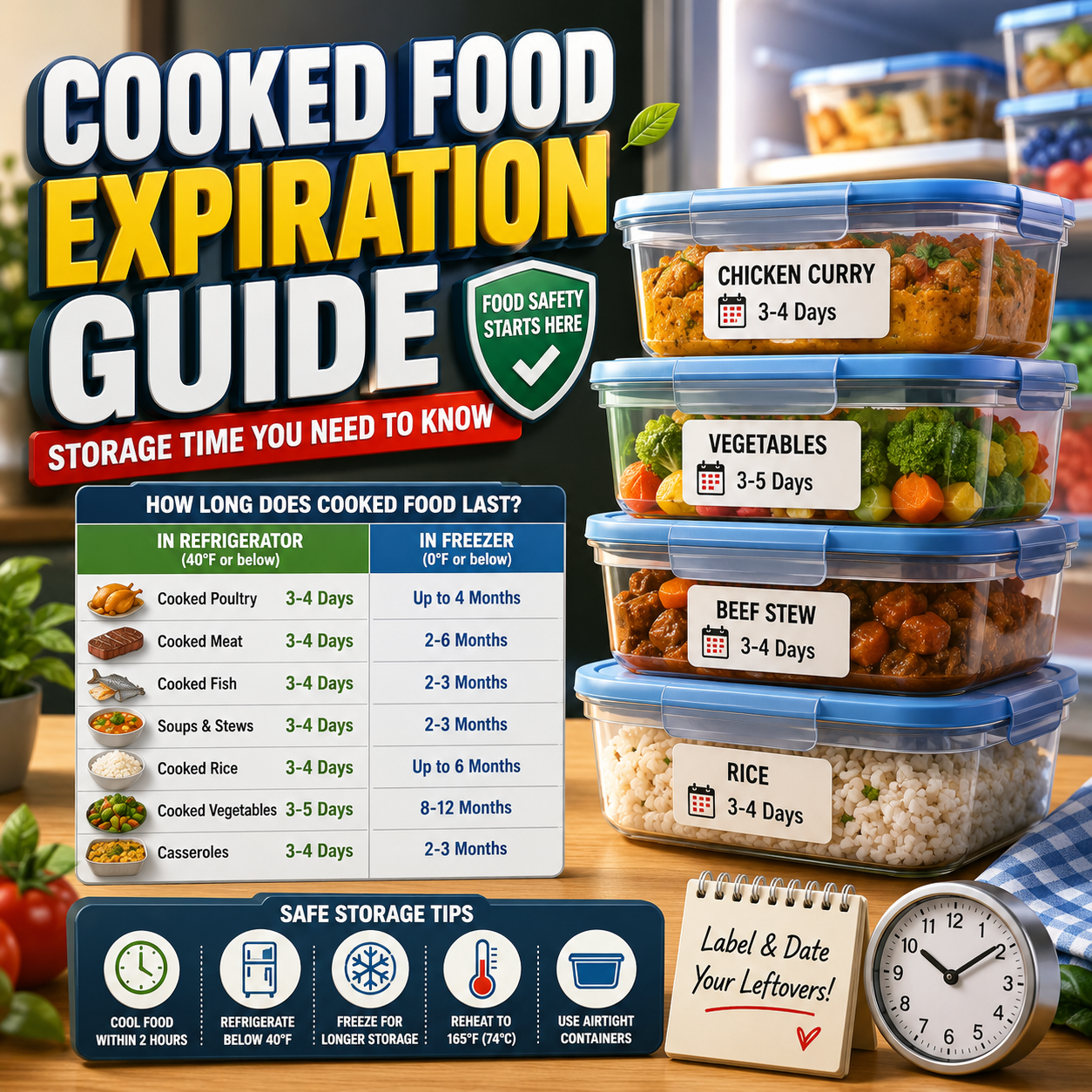
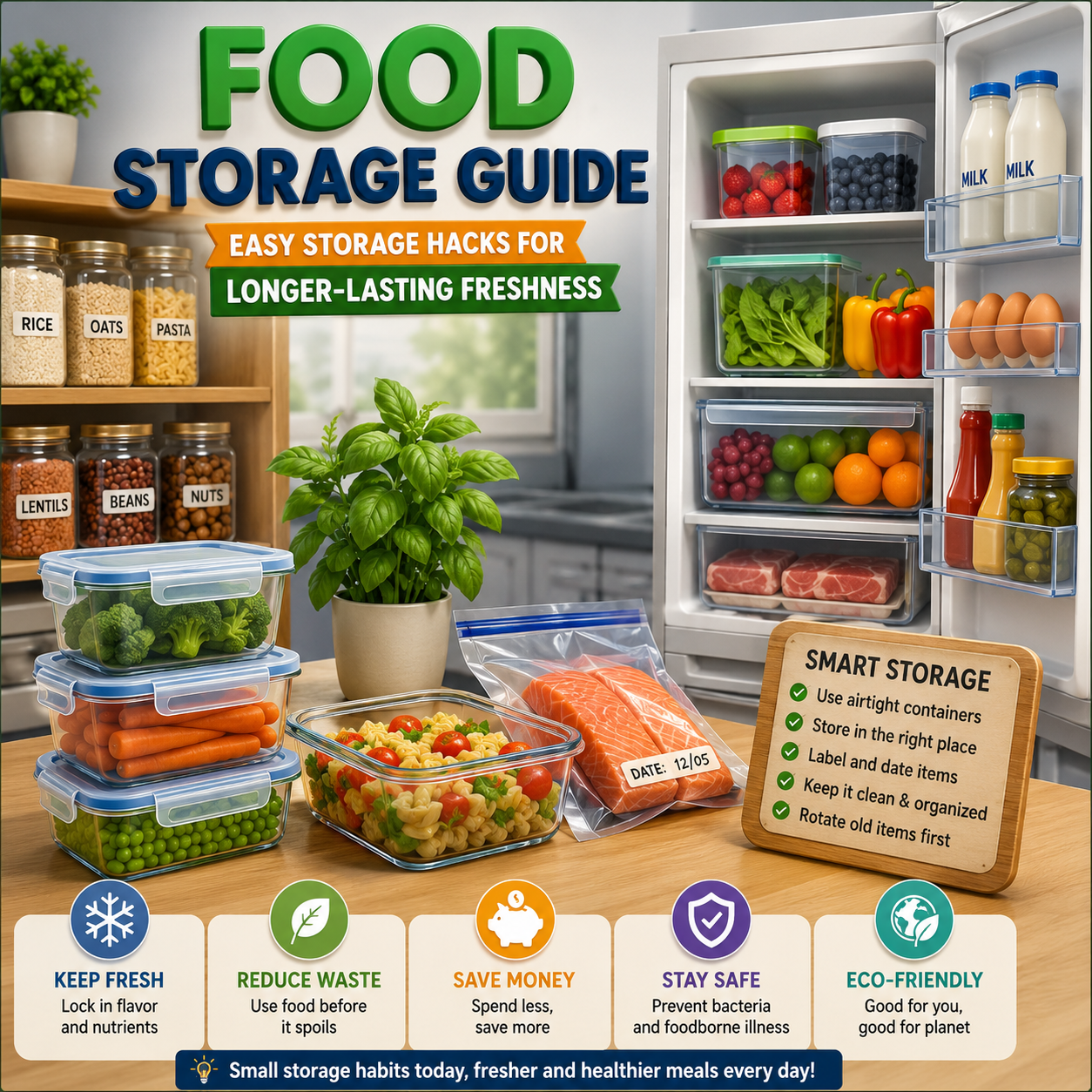
- Store leftovers properly.
- Practice knife safety.
Confidence grows with experience, and even simple recipes can become family favorites.
Common Mistakes to Avoid
Many beginner cooks accidentally increase food costs or reduce meal quality through avoidable mistakes. Recognizing these habits helps improve cooking efficiency and save money.
1. Buying Too Many Specialty Ingredients
Choose recipes that share common ingredients rather than purchasing expensive items you’ll rarely use.
2. Not Planning Meals
Shopping without a meal plan often results in unnecessary purchases and wasted food.
3. Overcooking Vegetables
Cooking vegetables too long can reduce texture and flavor. Aim for tender-crisp whenever possible.
4. Ignoring Leftovers
Transform leftovers into soups, wraps, salads, or stir-fries instead of throwing them away.
5. Depending on Convenience Foods
Pre-packaged meals are convenient but usually cost significantly more than homemade alternatives.
Homemade vs. Store-Bought Meals
| Feature | Homemade | Store-Bought |
| Cost | Lower | Higher |
| Nutrition | Better Control | Often Higher Sodium |
| Ingredients | Fresh | Processed |
| Portion Size | Adjustable | Fixed |
| Food Waste | Lower | Moderate |
| Customization | Unlimited | Limited |
Expert Tips to Stretch Your Food Budget
- Buy store-brand pantry staples.
- Purchase fruits and vegetables in season.
- Use frozen produce to reduce waste.
- Batch-cook soups and casseroles.
- Repurpose leftovers into new meals.
- Compare unit prices instead of package prices.
- Limit sugary drinks and packaged snacks.
- Cook with inexpensive protein sources like eggs, beans, and lentils.
These habits can help you save money while maintaining a balanced and nutritious diet.
Frequently Asked Questions (FAQs)
1. What is the easiest healthy meal to cook?
Simple meals such as vegetable omelets, overnight oats, chicken and rice, lentil soup, or vegetable stir-fries are ideal for beginners. These recipes require minimal ingredients, basic cooking skills, and little preparation time while providing balanced nutrition.
2. Can I eat healthy on a limited budget?
Absolutely. Whole foods like oats, beans, lentils, eggs, rice, seasonal vegetables, and frozen fruits provide excellent nutrition at a relatively low cost. Meal planning and shopping with a list help maximize savings while supporting healthy eating habits.
3. What are the best pantry staples for healthy cooking?
Healthy pantry staples include brown rice, oats, lentils, canned beans, canned tomatoes, whole wheat pasta, peanut butter, olive oil, herbs, spices, and low-sodium broth. These ingredients have long shelf lives and can be used in many affordable recipes.
4. How often should I meal prep?
Many people find that preparing meals once or twice a week works well. A Sunday meal prep session can provide lunches and dinners for several days, reducing cooking time and making healthy eating easier throughout the week.
5. Are homemade meals healthier than restaurant meals?
Homemade meals often contain less sodium, sugar, and unhealthy fats than restaurant or takeout meals. Cooking at home also allows you to control ingredient quality, portion sizes, and cooking methods while reducing overall food expenses.
6. Which vegetables are the most affordable?
Carrots, cabbage, onions, potatoes, sweet potatoes, broccoli, frozen mixed vegetables, spinach, and seasonal produce are among the most economical and nutritious choices. Buying vegetables in season can further reduce costs.
7. What are some healthy snacks for busy people?
Affordable healthy snacks include yogurt, fruit, roasted chickpeas, hard-boiled eggs, popcorn, mixed nuts, vegetables with hummus, and peanut butter on whole-grain toast. These snacks provide lasting energy and are easy to prepare in advance.
8. How do I reduce food waste while cooking?
Plan meals, check your pantry before shopping, store food correctly, freeze leftovers, and use older ingredients first. Repurposing leftovers into soups, wraps, or salads also helps reduce waste and stretch your grocery budget.
9. What cooking method is the healthiest?
Steaming, baking, grilling, roasting, stir-frying with minimal oil, and pressure cooking are among the healthiest cooking methods. These techniques help preserve nutrients while limiting added fats and calories.
10. Why should I cook at home more often?
Cooking at home is generally more affordable, healthier, and more customizable than eating out. It helps improve cooking skills, supports better nutrition, reduces food waste, and makes it easier to maintain a balanced diet over time.
Key Takeaways
- Choose simple recipes with affordable, whole-food ingredients.
- Keep pantry staples stocked for quick meal preparation.
- Plan meals in advance to reduce grocery costs and food waste.
- Buy seasonal produce and frozen vegetables to save money.
- Prepare meals at home more often than eating out.
- Batch cook and meal prep to save time during busy weeks.
- Include lean proteins, whole grains, and vegetables in every meal.
- Avoid relying on expensive processed convenience foods.
- Store leftovers safely and use them creatively.
- Small, consistent cooking habits lead to healthier eating and long-term savings.
Conclusion
Healthy eating doesn’t have to be complicated, expensive, or time-consuming. With a few affordable pantry staples, simple recipes, and smart meal-planning habits, beginners and busy home cooks can prepare delicious meals that support both their health and their budget.
The recipes and strategies in this guide show that nutritious home cooking is achievable for everyone, regardless of cooking experience. From overnight oats and vegetable omelets to hearty soups, stir-fries, and one-pot dinners, these meals require minimal ingredients while delivering maximum flavor and nutrition.
Consistency is the key to long-term success. Start with a handful of easy recipes, gradually build your cooking confidence, and experiment with seasonal ingredients to keep meals interesting. Preparing food at home not only saves money but also gives you complete control over the quality and nutritional value of every meal.
Read Our Latest Blog:Affordable Grocery Shopping Guide: Smart Ways to Stretch Your Food Budget