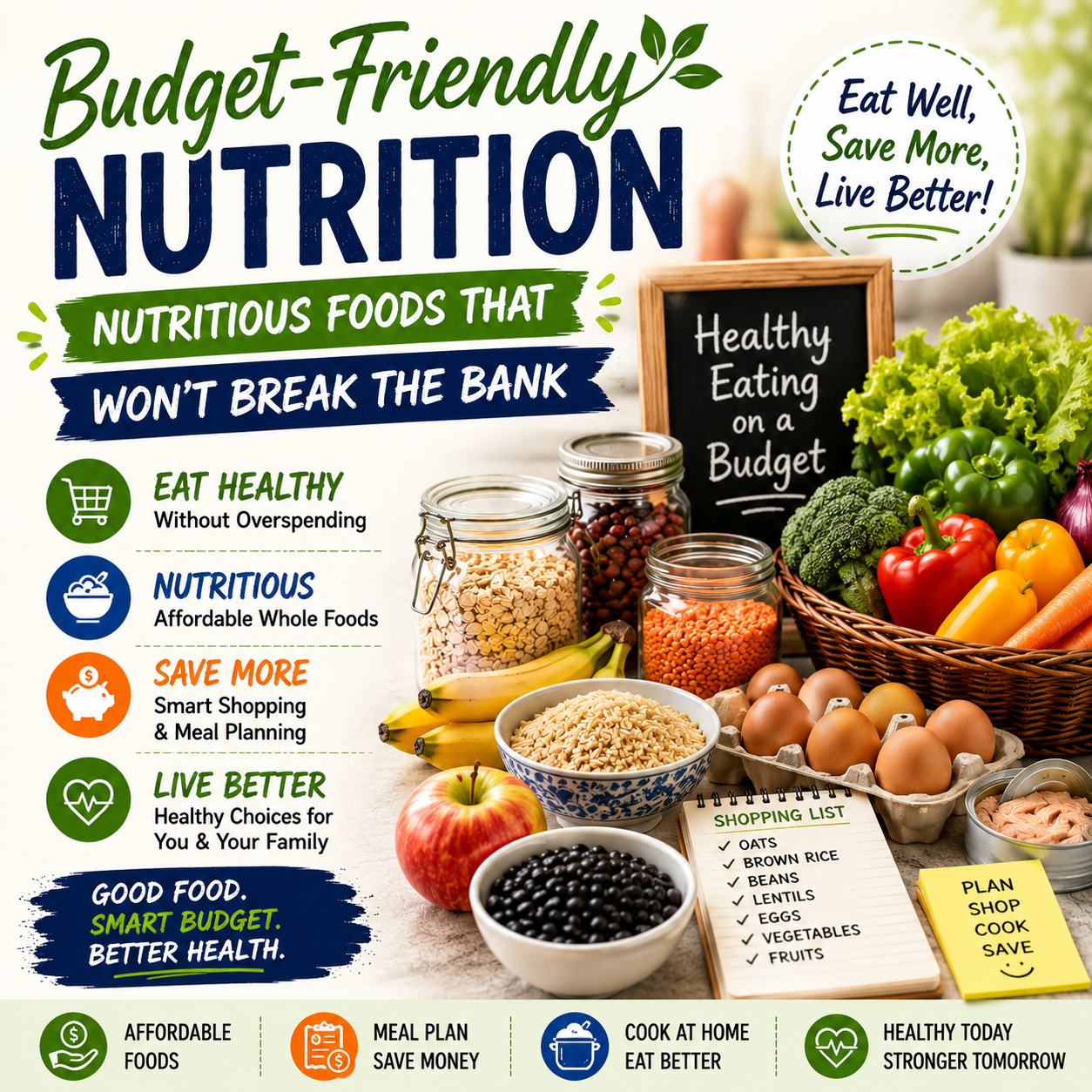
Eating healthy is often perceived as expensive, but the truth is that nutritious eating doesn’t have to strain your budget. With thoughtful planning, smart shopping habits, and a focus on nutrient-dense foods, anyone can enjoy a balanced diet without spending a fortune. Budget-Friendly Nutrition is about making informed choices that maximize both your health and your grocery budget.
Many affordable foods—including beans, oats, eggs, seasonal fruits, frozen vegetables, brown rice, and lentils—offer exceptional nutritional value. By choosing whole foods over heavily processed convenience products, planning meals ahead of time, and reducing food waste, you can build healthy eating habits that are both sustainable and economical.
This guide explores practical strategies for healthy eating on a budget, the best inexpensive nutritious foods to buy, meal planning tips, grocery shopping advice, and simple ways to save money while nourishing yourself and your family.
What Is Budget-Friendly Nutrition?
Budget-friendly nutrition means choosing foods that provide the highest nutritional value at the lowest reasonable cost. Rather than focusing on expensive health products or specialty diets, it emphasizes whole, minimally processed foods that deliver essential nutrients without exceeding your grocery budget.
This approach involves planning meals, buying versatile ingredients, reducing food waste, and selecting affordable staples that can be used in multiple recipes. Budget-friendly nutrition proves that eating well is less about spending more and more about making smart, informed choices.
Why Affordable Healthy Eating Matters
Healthy eating supports energy levels, immune function, heart health, digestion, and long-term disease prevention. However, many people assume nutritious foods are only accessible to those with larger grocery budgets. In reality, affordable healthy eating is achievable through strategic planning and smart purchasing decisions.
Choosing nutrient-rich foods instead of highly processed snacks often provides better value because these foods are more filling and supply essential vitamins, minerals, fiber, and protein. Over time, investing in healthier eating habits may also help reduce healthcare costs by lowering the risk of chronic illnesses.
Benefits of Eating Healthy on a Budget
Following a budget-friendly nutrition plan offers advantages that go beyond saving money.
Financial Benefits
Healthy budgeting helps reduce unnecessary grocery expenses while making every dollar count. Purchasing staple foods in bulk, planning meals, and avoiding impulse purchases all contribute to significant savings over time.
Health Benefits
Affordable whole foods often contain more fiber, vitamins, and minerals than processed convenience foods. Regularly consuming nutritious meals supports healthy weight management, cardiovascular health, and better digestive function.
Environmental Benefits
Planning meals and reducing food waste benefits both your wallet and the environment. Using leftovers creatively, freezing extra portions, and buying only what you need helps minimize waste.
Lifestyle Benefits
Budget-friendly meal planning reduces daily stress by eliminating last-minute food decisions. It also encourages home cooking, which often leads to healthier eating habits and stronger family connections around meals.
Best Budget-Friendly Nutritious Foods
Many of the healthiest foods available are also among the most affordable. The key is choosing foods that provide high nutritional value for their cost.
| Food | Main Nutrients | Budget Benefit |
| Oats | Fiber, Iron | Low cost breakfast |
| Brown Rice | Complex carbohydrates | Long shelf life |
| Lentils | Protein, Fiber | Very inexpensive |
| Beans | Protein, Fiber | Excellent meat alternative |
| Eggs | High-quality protein | Affordable complete protein |
| Sweet Potatoes | Vitamin A, Fiber | Inexpensive and filling |
| Frozen Vegetables | Vitamins, Minerals | Less waste than fresh |
| Bananas | Potassium | Low-cost fruit |
| Peanut Butter | Healthy fats, Protein | Budget-friendly snack |
| Plain Yogurt | Protein, Calcium | Versatile ingredient |
These foods can form the foundation of hundreds of nutritious meals while helping keep grocery expenses under control.
Smart Grocery Shopping Tips
Shopping strategically is one of the easiest ways to lower grocery costs without sacrificing nutrition. A little preparation before heading to the store can prevent impulse purchases and help you stick to your budget.
Always Shop with a List
A shopping list keeps you focused on essential items and reduces the temptation to buy unnecessary products. Organize your list by grocery store sections to save time and avoid missing key ingredients.
Compare Unit Prices
Instead of comparing package prices, compare the cost per ounce, pound, or liter. Larger packages often offer better value, especially for pantry staples that have a long shelf life.
Buy Store Brands
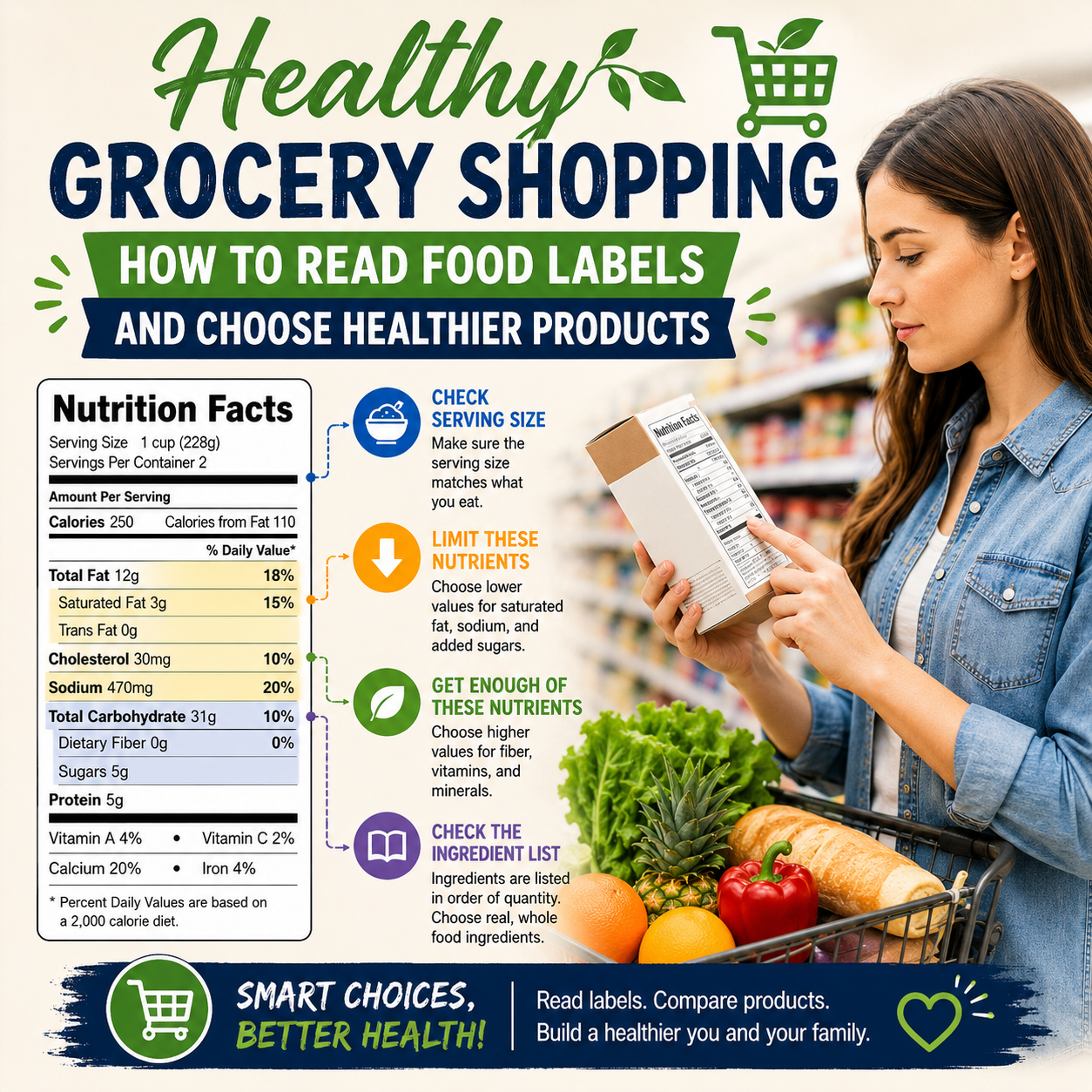
Many store-brand products offer the same nutritional quality as national brands at a lower price. Comparing ingredient lists and Nutrition Facts labels can help you make confident choices.
Avoid Shopping When Hungry
Shopping on an empty stomach increases the likelihood of impulse purchases, especially high-calorie snacks and convenience foods. Eating a balanced meal or snack beforehand helps you make more thoughtful decisions.
Meal Planning for Maximum Savings
Meal planning is one of the most effective ways to save money while maintaining a nutritious diet. By deciding your meals in advance, you can buy only the ingredients you need, reduce food waste, and simplify cooking throughout the week.
Steps to Create a Budget Meal Plan
- Check your pantry and refrigerator first.
- Plan meals around foods already available.
- Review weekly grocery sales.
- Choose recipes with overlapping ingredients.
- Prepare larger portions for leftovers.
- Freeze extra meals for busy days.
Meal planning also reduces the temptation to order takeout, which can quickly increase monthly food expenses.
Pantry Staples That Save Money
A well-stocked pantry makes it easier to prepare nutritious meals using affordable ingredients. These staples have long shelf lives and work well in a variety of recipes.
Essential Budget Pantry Staples
- Brown rice
- Whole wheat pasta
- Oats
- Lentils
- Dried beans
- Canned beans
- Canned tomatoes
- Peanut butter
- Olive oil
- Herbs and spices
- Whole grain crackers
- Popcorn kernels
- Canned tuna
- Low-sodium broth
Keeping these items on hand allows you to create balanced meals without frequent grocery trips.
Affordable Protein Sources
Protein is essential for muscle maintenance, immune function, and overall health, but it doesn’t have to come from expensive cuts of meat. There are many economical protein options that fit a healthy budget.
Excellent affordable protein choices include:
- Eggs
- Lentils
- Chickpeas
- Black beans
- Kidney beans
- Plain Greek yogurt
- Cottage cheese
- Canned tuna
- Sardines
- Tofu
- Peanut butter
- Dry roasted peanuts
Including a variety of these protein sources throughout the week helps create balanced meals while keeping grocery costs manageable.
Seasonal and Frozen Produce: Save Money Without Sacrificing Nutrition
Fresh fruits and vegetables are an essential part of a healthy diet, but buying them out of season can quickly increase your grocery bill. Choosing seasonal produce allows you to enjoy better flavor, higher quality, and lower prices because these foods are harvested at their natural peak. Local farmers’ markets and grocery store promotions often offer significant discounts on seasonal fruits and vegetables.
Frozen produce is another excellent option for budget-friendly nutrition. Fruits and vegetables are typically frozen shortly after harvest, helping preserve most of their vitamins and minerals. They also last much longer than fresh produce, reducing food waste and making healthy eating more convenient.
Benefits of Buying Seasonal Produce
- Lower prices during harvest season
- Better taste and freshness
- Higher nutritional quality
- Supports local farmers
- Greater variety throughout the year
Why Frozen Produce Is a Smart Choice
- Available year-round
- Often less expensive than fresh
- Long shelf life
- Minimal food waste
- Easy to prepare for quick meals
Fresh vs. Frozen Produce
| Feature | Fresh Produce | Frozen Produce |
| Price | Varies by season | Usually affordable year-round |
| Shelf Life | Short | Several months |
| Nutrition | Excellent | Excellent when plain |
| Convenience | Requires quicker use | Ready to cook |
| Waste | Higher if unused | Very low |
Buying a combination of fresh seasonal and frozen produce is one of the smartest ways to maintain a healthy diet while staying within your grocery budget.
Healthy Budget Meal Ideas for Every Day
Preparing meals at home is one of the most effective ways to save money and improve nutrition. Simple recipes made with affordable ingredients can be delicious, filling, and balanced.
Affordable Breakfast Ideas
Healthy breakfasts don’t need expensive ingredients. Combining fiber, protein, and healthy fats keeps you energized throughout the morning.
Examples include:
- Oatmeal with banana and peanut butter
- Greek yogurt with oats and berries
- Whole-grain toast with eggs
- Overnight oats
- Homemade fruit smoothies
Budget-Friendly Lunch Ideas
Packing lunch instead of eating out can save hundreds of dollars each month.
Healthy options include:
- Lentil soup
- Brown rice with vegetables and beans
- Chickpea salad
- Tuna sandwiches on whole-grain bread
- Leftover homemade meals
Affordable Dinner Ideas
Nutritious dinners can be prepared using inexpensive pantry staples and seasonal vegetables.
Examples include:
- Vegetable stir-fry with brown rice
- Bean chili
- Whole-wheat pasta with vegetables
- Chicken and vegetable soup
- Baked sweet potatoes with black beans
- Vegetable omelet with whole-grain toast
Healthy Budget Snacks
Nutritious snacks help maintain energy between meals without increasing grocery costs.
Good choices include:
- Apples
- Bananas
- Popcorn
- Carrot sticks
- Homemade trail mix
- Plain yogurt
- Roasted chickpeas
- Peanut butter with celery
Foods That Give You the Best Nutrition for Your Money
Some foods provide exceptional nutritional value relative to their cost. These foods should become regular staples in a budget-friendly meal plan.
Top Budget Superfoods
Oats
Oats are rich in soluble fiber, support heart health, and provide long-lasting energy. They are inexpensive, versatile, and suitable for breakfast, baking, or smoothies.
Lentils
Lentils are among the most economical sources of plant protein. They are also high in fiber, iron, folate, and complex carbohydrates.
Eggs
Eggs offer complete protein along with vitamins B12, D, and choline at an affordable price. They can be prepared in countless ways for any meal.
Beans
Beans are filling, nutrient-rich, and inexpensive. They pair well with rice, soups, salads, tacos, and casseroles.
Sweet Potatoes
Sweet potatoes are packed with vitamin A, potassium, and fiber. They are inexpensive, versatile, and naturally sweet.
Bananas
Bananas are one of the least expensive fruits available and provide potassium, vitamin B6, and natural carbohydrates for energy.
Frozen Mixed Vegetables
Frozen vegetables are convenient, affordable, and perfect for soups, casseroles, pasta dishes, and stir-fries.
Smart Budget Cooking Tips
Cooking efficiently not only saves money but also reduces food waste and makes healthy eating easier throughout the week.
Cook in Large Batches
Preparing larger portions allows you to freeze leftovers for future meals. Batch cooking saves both time and money while reducing reliance on takeout.
Use Leftovers Creatively
Transform leftover foods into entirely new meals.
Examples include:
- Roast chicken → Chicken soup
- Brown rice → Fried rice
- Vegetables → Omelets
- Beans → Burritos
- Cooked potatoes → Breakfast hash
This approach minimizes waste and stretches your grocery budget.
Reduce Food Waste
Food waste is one of the biggest hidden expenses in household budgets.
Ways to reduce waste:
- Store produce correctly.
- Freeze extra portions.
- Rotate older foods to the front.
- Label freezer containers with dates.
- Plan meals before shopping.
Buy in Bulk Wisely
Buying larger quantities often reduces the cost per serving, but only purchase bulk foods you know you’ll use before they expire.
Excellent bulk purchases include:
- Brown rice
- Oats
- Beans
- Lentils
- Whole wheat pasta
- Nuts
- Seeds
Common Budget Nutrition Mistakes
Saving money should never come at the expense of nutritional quality. Avoiding these common mistakes can help you maintain both your health and your grocery budget.
Buying Highly Processed Bargain Foods
Cheap processed foods often contain high amounts of added sugar, sodium, and unhealthy fats. While they may seem economical, they typically provide fewer nutrients and may leave you feeling less satisfied.
Ignoring Meal Planning
Without a plan, shoppers are more likely to make impulse purchases, forget ingredients, and waste food. Meal planning helps control spending and ensures balanced meals throughout the week.
Throwing Away Leftovers
Discarding leftovers wastes both food and money. Proper storage and creative reuse can turn leftovers into entirely new meals while reducing grocery expenses.
Shopping Without Comparing Prices
Different brands and package sizes can vary significantly in price. Comparing unit prices helps identify the best value rather than simply choosing the lowest shelf price.
Buying Too Much Fresh Produce
Purchasing more fresh produce than you can use often results in spoilage. Balance fresh items with frozen fruits and vegetables to minimize waste.
Overlooking Store Brands
Store-brand products frequently match the nutritional quality of national brands while costing considerably less. Always compare ingredients and Nutrition Facts labels rather than relying solely on brand recognition.
Expert Tips for Long-Term Budget-Friendly Nutrition
Nutrition professionals recommend building sustainable habits instead of following restrictive eating plans. Small, consistent changes can produce significant financial and health benefits over time.
Expert Recommendations
- Prioritize nutrient-dense whole foods.
- Drink more water instead of sugary beverages.
- Cook at home most days of the week.
- Include beans or lentils in meals several times weekly.
- Buy fruits and vegetables that are in season.
- Keep healthy pantry staples stocked.
- Use frozen produce to reduce spoilage.
- Plan one or two meatless meals each week.
- Track grocery spending monthly to identify savings opportunities.
- Focus on long-term habits rather than short-term diets.
These practical strategies help you create a nutritious eating pattern that is affordable, sustainable, and easy to maintain.
Frequently Asked Questions (FAQs)
1. What is the healthiest budget-friendly food?
Foods such as oats, beans, lentils, eggs, brown rice, frozen vegetables, bananas, and sweet potatoes are among the healthiest and most affordable options. They provide essential nutrients, fiber, and protein while fitting comfortably into most grocery budgets.
2. How can I reduce grocery expenses without sacrificing nutrition?
Plan meals ahead of time, compare prices, choose store brands, buy seasonal produce, cook at home, purchase pantry staples in bulk, and avoid highly processed convenience foods. These habits help lower costs while maintaining a balanced and nutritious diet.
3. Is buying in bulk always cheaper?
Buying in bulk is cost-effective for foods with long shelf lives such as rice, oats, beans, lentils, pasta, and nuts. However, avoid purchasing large quantities of perishable items unless you know they will be used before spoiling.
4. Should I buy fresh or frozen vegetables?
Both are nutritious choices. Fresh vegetables are ideal when in season, while frozen vegetables provide excellent nutritional value, reduce food waste, and are available year-round at consistent prices.
5. Are store-brand foods healthy?
Many store-brand products have nutritional profiles comparable to name-brand products. Always compare the ingredient list and Nutrition Facts label instead of assuming a higher-priced brand is healthier.
6. How important is meal preparation?
Meal preparation saves time, reduces food waste, limits impulse purchases, and helps ensure healthy meals are available throughout the week. Preparing meals in advance also decreases reliance on expensive takeout.
7. What foods should I always keep in my pantry?
Maintain a supply of oats, brown rice, lentils, beans, canned tomatoes, whole wheat pasta, peanut butter, canned tuna, herbs, spices, olive oil, and frozen vegetables. These versatile staples make healthy meals easier and more affordable.
8. How can students eat healthy on a budget?
Students can save money by cooking simple meals, buying staple ingredients in bulk, sharing grocery costs with roommates, preparing lunches at home, and choosing affordable protein sources like eggs, beans, and peanut butter.
9. Does healthy eating help save money long term?
Yes. Healthy eating can reduce reliance on expensive convenience foods and may contribute to better long-term health, potentially lowering healthcare expenses associated with poor dietary habits.
10. What is the biggest mistake people make when trying to eat cheaply?
The biggest mistake is choosing inexpensive processed foods instead of affordable whole foods. While processed snacks may seem cheaper initially, nutrient-dense foods provide greater satiety, better nutrition, and often better value over time.
Key Takeaways
- Budget-friendly nutrition focuses on maximizing nutrition while minimizing grocery costs.
- Whole foods are often healthier and more economical than heavily processed products.
- Meal planning helps reduce food waste and unnecessary spending.
- Seasonal and frozen produce offer excellent nutritional value at affordable prices.
- Affordable proteins such as beans, eggs, lentils, and canned fish support a balanced diet.
- Shopping with a list reduces impulse purchases and keeps spending under control.
- Buying pantry staples in bulk can lower the cost per serving.
- Home cooking is one of the most effective ways to improve nutrition and save money.
- Comparing unit prices helps identify the best value at the grocery store.
- Small, consistent shopping and cooking habits can improve both your health and your finances.
Conclusion
Eating well does not require an expensive grocery budget. With thoughtful planning, smart shopping habits, and a focus on affordable nutrient-dense foods, budget-friendly nutrition can become a sustainable part of your everyday lifestyle. Choosing staples such as oats, beans, lentils, eggs, whole grains, seasonal produce, and frozen vegetables allows you to prepare balanced meals that nourish your body while protecting your wallet.
Simple practices like meal planning, comparing prices, buying store brands, cooking at home, and reducing food waste can make a significant difference over time. Rather than chasing expensive superfoods or trendy diets, prioritize wholesome ingredients that deliver lasting health benefits.
Healthy eating is about making informed choices consistently—not spending more money. Every small improvement in your grocery shopping and meal preparation habits brings you closer to better nutrition, greater financial savings, and improved overall well-being.
Read Our Latest Blog:How Long Can You Keep Cooked Food? Safe Refrigerator & Freezing Guidelines