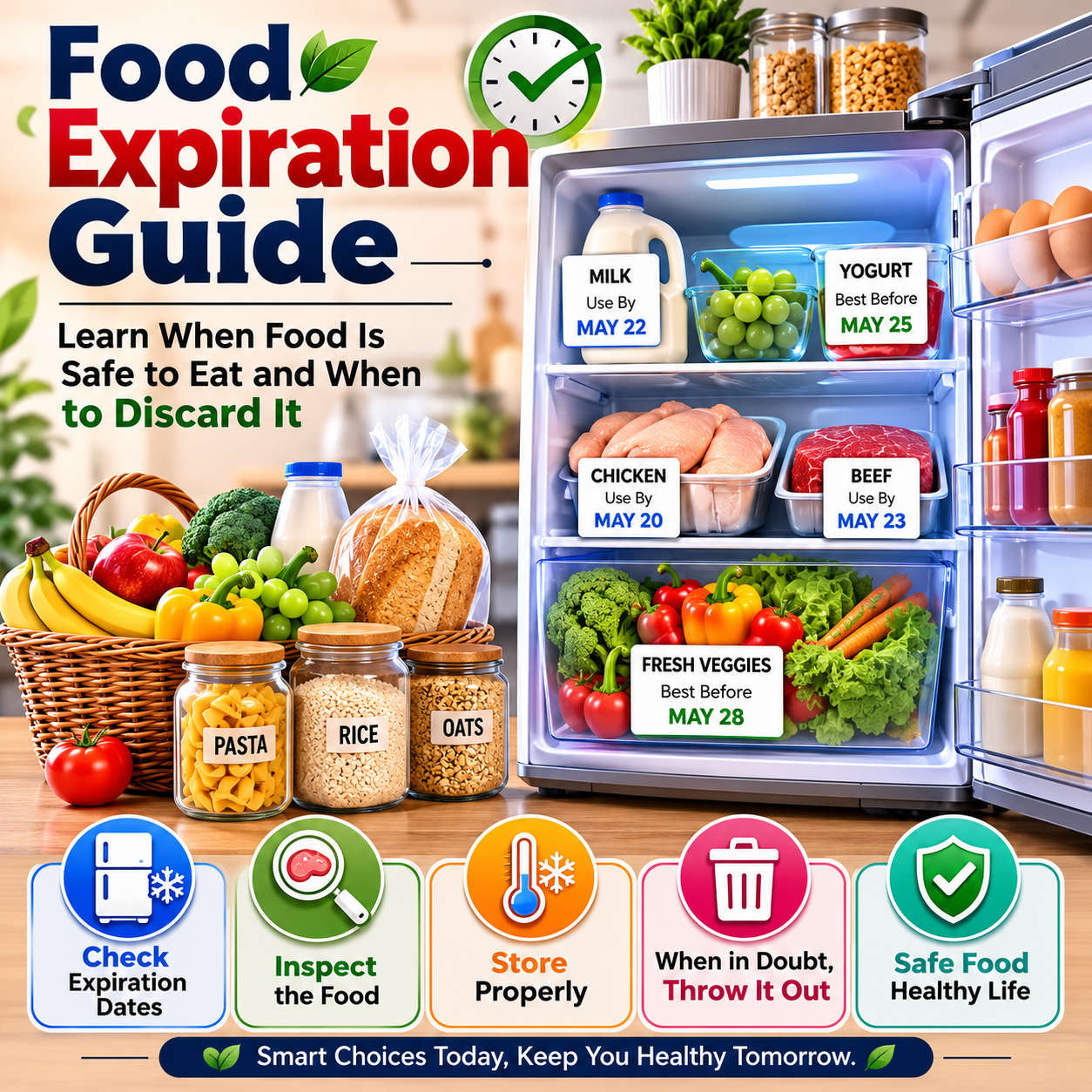
Have you ever opened your refrigerator, found a carton of yogurt or a package of chicken, and wondered whether it was still safe to eat? You’re not alone. Millions of people throw away perfectly good food because they misunderstand expiration labels, while others unknowingly consume spoiled food that can lead to foodborne illness. Knowing the difference between “Best Before,” “Use By,” and “Sell By” dates is one of the most important skills for reducing food waste and protecting your health.
This Food Expiration Guide explains how dates work, how long different foods remain safe under proper storage conditions, and how to recognize signs of spoilage. You’ll also learn practical storage techniques that extend freshness, reduce waste, and save money without compromising safety. Whether you’re stocking your pantry, organizing your refrigerator, or planning weekly meals, this guide will help you make informed decisions about when food is still safe to enjoy and when it should be discarded.
By the end of this article, you’ll understand the science behind food expiration, common myths, recommended storage practices, and expert tips for keeping your kitchen safer and your groceries fresher for longer.
What Is a Food Safety?
A practical resource that helps consumers determine how long foods remain safe and maintain their best quality under proper storage conditions. It explains the meaning of different date labels, identifies common signs of spoilage, and provides recommended storage times for refrigerated, frozen, and pantry foods. Rather than relying solely on printed dates, a reliable guide encourages people to consider storage conditions, packaging, and the food’s appearance, smell, and texture before deciding whether to keep or discard it.
Understanding food expiration is essential because date labels do not always indicate food safety. Many products remain safe after their “Best Before” date if stored correctly, while highly perishable foods may become unsafe before their printed date if left at unsafe temperatures. Learning how to interpret these labels helps reduce unnecessary food waste while protecting your family from foodborne illnesses.
Why Understanding Food Safety Matters
Understanding food safetyis about much more than avoiding waste—it is a key part of maintaining good health, preventing foodborne illnesses, and managing household expenses. Every year, large amounts of edible food are discarded simply because consumers misunderstand date labels. At the same time, spoiled foods are sometimes consumed because people rely only on appearance instead of proper food safety practices.
A good understanding of food expiration allows you to:
- Reduce unnecessary food waste
- Save money on groceries
- Prevent food poisoning
- Improve meal planning
- Keep your kitchen organized
- Store food correctly for maximum freshness
- Make informed purchasing decisions
When combined with safe storage habits, this knowledge helps households enjoy fresher food while reducing environmental impact and grocery costs.
Understanding Different Food Date Labels
Food packaging often includes several different date labels, each serving a unique purpose. Knowing what these labels actually mean helps you avoid throwing away safe food while ensuring that highly perishable products are consumed before they become unsafe.
Best Before Date
A Best Before date primarily indicates quality rather than safety. Foods consumed after this date may gradually lose flavor, texture, aroma, or nutritional value, but they are often still safe to eat if they have been stored properly and show no signs of spoilage.
Examples include:
- Breakfast cereals
- Pasta
- Rice
- Crackers
- Peanut butter
- Canned vegetables
Always inspect the packaging and food itself before consuming products that are past their Best Before date.
Use By Date
A Use By date is the most important food safety label. It is commonly found on highly perishable foods that can support the rapid growth of harmful bacteria. Once the Use By date has passed, these foods should generally not be consumed, even if they appear normal.
Common examples include:
- Fresh poultry
- Raw meat
- Fresh seafood
- Milk
- Ready-to-eat salads
- Soft cheeses
Following Use By dates significantly reduces the risk of foodborne illness, especially when foods have been continuously refrigerated.
Sell By Date
The Sell By date is primarily intended for retailers rather than consumers. It tells stores how long to display a product for sale to ensure customers receive adequate shelf life after purchase. In many cases, foods remain perfectly safe for days or even weeks beyond the Sell By date when stored correctly.
Products commonly displaying Sell By dates include:
- Milk
- Yogurt
- Eggs
- Bread
- Cheese
Consumers should focus on proper storage and signs of freshness instead of automatically discarding products immediately after the Sell By date.
Freeze By Date
A Freeze By date recommends when a product should ideally be frozen to preserve its best quality. Freezing food before this date helps maintain flavor, texture, and nutritional value. While freezing significantly slows bacterial growth, it does not improve food that has already begun to spoil.
If you do not plan to use fresh meat, poultry, seafood, or prepared meals before the Freeze By date, placing them in the freezer can extend their usable life for several months while maintaining food quality.
Why Foods Expire
Food naturally deteriorates over time due to biological, chemical, and environmental processes. Even under ideal storage conditions, microorganisms, enzymes, oxygen, moisture, and temperature changes gradually reduce food quality and safety. Understanding why foods expire helps consumers store groceries more effectively and minimize waste.
The primary reasons food expires include:
1. Bacterial Growth
Bacteria multiply rapidly when food is stored in the temperature danger zone, generally between 5°C and 60°C (41°F–140°F). Some bacteria simply spoil food, while others can produce toxins that cause foodborne illnesses without changing the food’s appearance or smell.
2. Mold and Yeast
Molds and yeasts thrive in moist environments. They cause discoloration, unpleasant odors, texture changes, and visible growth. While some molds are harmless in specific foods like certain cheeses, mold on bread, fruits, leftovers, or cooked foods usually indicates the food should be discarded.
3. Oxidation
Exposure to oxygen causes fats and oils to become rancid over time. Oxidation also leads to color changes, nutrient loss, and stale flavors in foods such as nuts, cooking oils, cereals, and snack products. Proper airtight storage slows this process.
4. Enzyme Activity
Many fruits and vegetables continue natural enzymatic activity even after harvesting. These enzymes gradually soften produce, change color, and reduce freshness. Refrigeration slows these natural processes, helping fruits and vegetables stay fresh for longer periods.
Factors That Affect Food Shelf Life
Food does not spoil at the same rate in every home. The shelf life printed on packaging assumes the food has been transported, stored, and handled correctly from production to consumption. Even a high-quality product can spoil quickly if exposed to heat, moisture, air, or improper handling. Understanding these factors helps you keep food safe for longer and reduce unnecessary waste.
The most important factors influencing food shelf life include:
Temperature
Temperature is one of the biggest factors affecting food safety. Harmful bacteria multiply rapidly when food remains in the temperature danger zone (5°C–60°C or 41°F–140°F). Refrigerators should be kept at 4°C (40°F) or below, while freezers should remain at −18°C (0°F) or lower. Leaving cooked food at room temperature for more than two hours can significantly increase the risk of foodborne illness.
Moisture
Moisture encourages the growth of mold, yeast, and bacteria. Dry foods such as flour, rice, pasta, and cereals stay fresh much longer when stored in airtight containers in a cool, dry place. Excess humidity can cause clumping, spoilage, and insect infestation.
Air Exposure
Oxygen causes oxidation, which affects flavor, color, and nutritional quality. Foods rich in healthy fats—such as nuts, seeds, oils, and whole grains—can become rancid when exposed to air for extended periods. Resealing packages properly or using airtight containers helps preserve freshness.
Light
Direct sunlight and strong indoor lighting can degrade vitamins and accelerate spoilage. Oils, spices, and beverages maintain better quality when stored in dark cupboards or opaque containers.
Packaging
Damaged, swollen, leaking, or dented packaging increases the risk of contamination. Once a package has been opened, the shelf life usually becomes much shorter than the printed date suggests.
Handling Practices
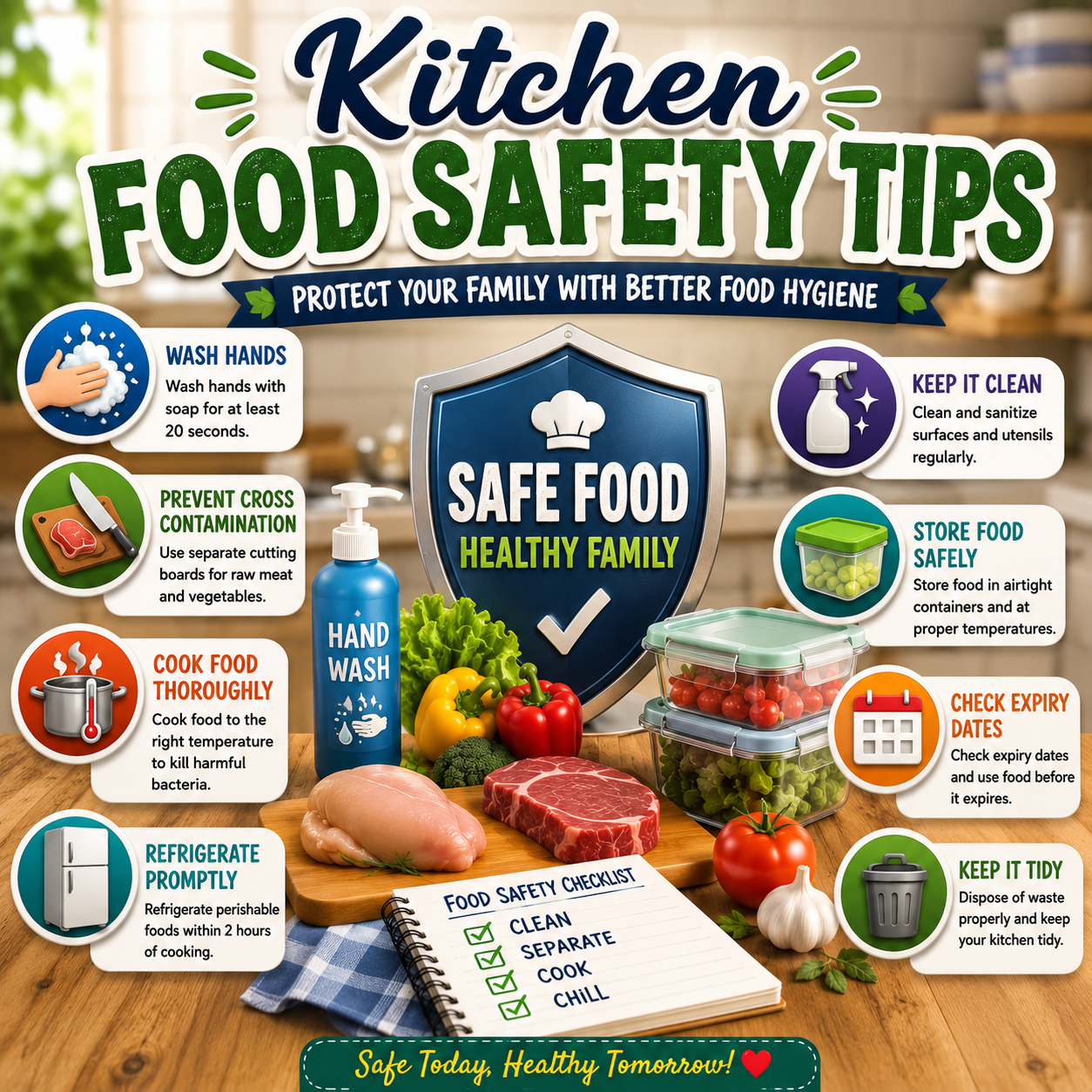
Using clean utensils, washing hands before handling food, and avoiding cross-contamination between raw and cooked foods all contribute to longer-lasting, safer food.
Common Signs That Food Has Spoiled
Expiration dates provide guidance, but your senses and proper food safety practices are equally important. While some harmful bacteria cannot be detected by sight or smell, obvious changes often indicate that food should be discarded immediately.
Watch for these common warning signs:
Unpleasant Odor
Fresh food generally has a mild, natural aroma. Sour, rotten, ammonia-like, or unusually strong odors often signal bacterial growth.
Color Changes
Unexpected discoloration can indicate spoilage.
Examples include:
- Green or grey meat
- Darkened lettuce
- Brown dairy products
- Black or fuzzy mold
Some natural color changes are harmless, but dramatic changes should not be ignored.
Slimy Texture
A slippery or sticky surface on meat, poultry, fish, vegetables, or cooked leftovers usually indicates bacterial activity.
Mold Growth
Visible mold is a clear sign that many foods should be discarded. Although hard cheeses may sometimes be safely trimmed, mold on bread, leftovers, fruits, cooked meals, yogurt, or soft cheeses generally means the entire item should be thrown away.
Swollen or Damaged Cans
Bulging cans may indicate dangerous bacterial growth, including toxins produced by Clostridium botulinum. Never taste food from swollen, leaking, or severely damaged cans.
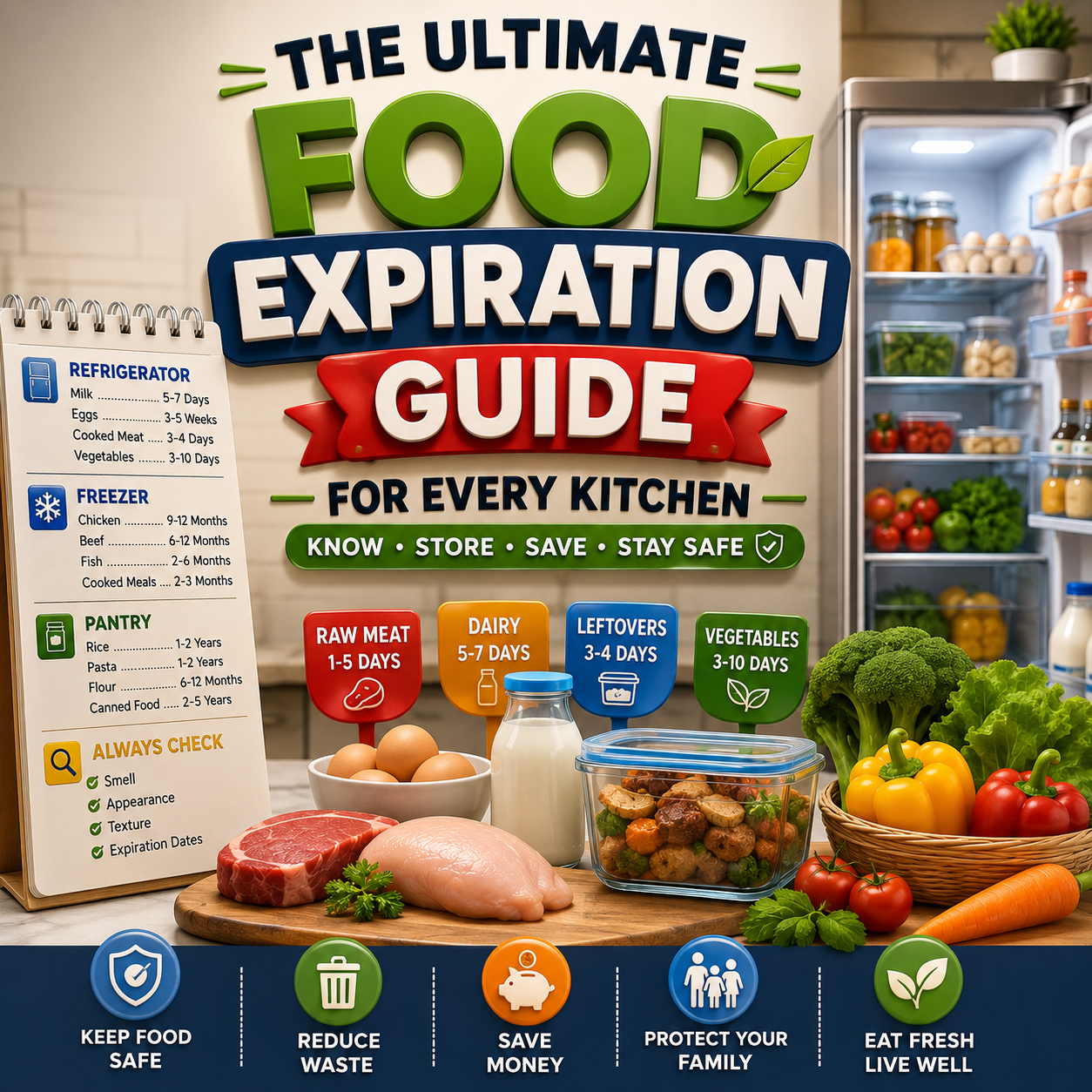
Refrigerator Food Storage Guide
Proper refrigeration slows bacterial growth but does not stop it completely. Organizing your refrigerator correctly also helps maintain food quality and reduces cross-contamination.
| Food Item | Refrigerator Shelf Life |
| Fresh chicken | 1–2 days |
| Fresh beef | 3–5 days |
| Fish | 1–2 days |
| Cooked leftovers | 3–4 days |
| Milk | About 1 week after opening (if stored properly) |
| Yogurt | 1–2 weeks |
| Eggs | 3–5 weeks |
| Hard cheese | 3–4 weeks after opening |
| Fresh berries | 3–5 days |
| Leafy greens | 5–7 days |
Refrigerator Storage Tips
- Keep the refrigerator at 4°C (40°F) or below.
- Store raw meat on the lowest shelf.
- Use sealed containers for leftovers.
- Avoid overcrowding shelves to allow air circulation.
- Label leftovers with the preparation date.
- Clean spills immediately to prevent bacterial spread.
Freezer Food Storage Guide
Freezing significantly extends food shelf life by slowing microbial growth. Although frozen food remains safe indefinitely if kept continuously frozen, its quality gradually declines over time.
| Food Item | Recommended Freezer Storage |
| Chicken | Up to 9 months |
| Beef | 6–12 months |
| Fish | 2–6 months |
| Ground meat | 3–4 months |
| Bread | Up to 3 months |
| Cooked meals | 2–6 months |
| Vegetables | 8–12 months |
| Fruits | 8–12 months |
Best Freezing Practices
- Freeze food before its Use By date.
- Remove excess air from freezer bags.
- Divide large portions into smaller packages.
- Label every package with the freezing date.
- Thaw frozen food safely in the refrigerator, cold water, or a microwave—not on the kitchen counter.
Pantry Food Storage Guide
Many pantry staples have long shelf lives when stored correctly. Heat, humidity, pests, and light are the biggest threats to dry goods.
| Pantry Item | Typical Shelf Life |
| White rice | 1–2 years |
| Brown rice | 6–12 months |
| Pasta | 1–2 years |
| Flour | 6–12 months |
| Sugar | Indefinite when dry |
| Salt | Indefinite |
| Canned vegetables | 2–5 years |
| Peanut butter | 6–9 months after opening |
| Honey | Indefinite |
Pantry Storage Tips
- Store food in airtight containers.
- Keep shelves cool, dry, and clean.
- Rotate older products to the front using the First In, First Out (FIFO) method.
- Check regularly for insects or moisture damage.
- Avoid storing food near ovens or direct sunlight.
Foods That Often Last Longer Than Expected
Many foods remain perfectly safe beyond their Best Before date when stored properly. These products may experience minor quality changes but often remain edible.
Examples include:
- Dry pasta
- White rice
- Rolled oats
- Breakfast cereals
- Crackers
- Peanut butter
- Vinegar
- Honey
- Salt
- Sugar
- Dried beans
- Frozen vegetables
Always inspect packaging for damage and check for unusual odors, mold, or signs of spoilage before consuming.
Foods You Should Never Eat After the Use By Date
Some foods become unsafe quickly because they support rapid bacterial growth. These products should generally be discarded once the Use By date has passed or if they have been stored improperly.
These include:
- Raw poultry
- Ground meat
- Fresh seafood
- Ready-to-eat deli meats
- Soft cheeses
- Fresh milk
- Prepared salads
- Refrigerated ready meals
- Raw shellfish
- Fresh meat products
Even if these foods look or smell normal, harmful bacteria may still be present.
Common Food Expiration Myths
Many misconceptions about food expiration lead to unnecessary waste or unsafe eating habits. Understanding the facts helps you make better decisions in the kitchen.
Myth 1: All Expiration Dates Mean Food Is Unsafe
This is false. Many labels, especially Best Before dates, indicate quality rather than safety. Foods may still be safe if stored correctly and show no signs of spoilage.
Myth 2: Smelling Food Is Always Enough
Not always. Dangerous bacteria such as Salmonella, Listeria, and E. coli may not produce noticeable odors or visible changes. Safe storage practices are just as important as using your senses.
Myth 3: Freezing Kills All Bacteria
Freezing slows bacterial growth but does not eliminate all microorganisms. Bacteria can become active again once food is thawed, making proper thawing and cooking essential.
Myth 4: Mold Can Simply Be Scraped Off Any Food
This is only true for a few hard foods, such as certain hard cheeses. Soft foods, bread, cooked meals, fruits, and leftovers with mold should generally be discarded because mold roots may extend beneath the visible surface.
Myth 5: Canned Food Lasts Forever
Commercially canned foods have long shelf lives, but damaged, swollen, leaking, or rusted cans should never be consumed due to the risk of dangerous bacterial contamination.
Practical Food Safety Tips to Reduce Food Waste
Reducing food waste begins with better planning and storage habits. Small daily practices can help households save money while keeping food safe to eat.
Follow these practical tips:
- Plan meals before grocery shopping.
- Buy only what you realistically expect to use.
- Store foods at the correct temperatures.
- Label leftovers with preparation dates.
- Use older foods before newer purchases.
- Freeze foods you won’t use in time.
- Keep refrigerators clean and organized.
- Avoid leaving perishable food out for extended periods.
- Understand the meaning of date labels before discarding food.
- Inspect food carefully for spoilage before deciding to throw it away.
By combining proper storage, careful handling, and an understanding of expiration labels, you can protect your family’s health while significantly reducing household food waste.
Frequently Asked Questions (FAQs)
1. Do expiration dates guarantee food safety?
No. Some dates indicate quality rather than safety. Always consider the type of date label, storage conditions, and visible signs of spoilage before deciding whether food is safe to consume.
2. Is it safe to eat yogurt after the Best Before date?
If yogurt has been continuously refrigerated, the packaging is intact, and there are no signs of mold, unusual odor, or separation beyond normal whey, it may still be safe shortly after the Best Before date. Always inspect it carefully before eating.
3. Can eggs still be eaten after the Sell By date?
In many cases, yes. Eggs stored continuously in the refrigerator often remain safe for several weeks beyond the Sell By date. A freshness test in water can help assess quality, but refrigeration remains the most important factor.
4. Should leftovers be refrigerated immediately?
Yes. Refrigerate leftovers within two hours of cooking (or within one hour if the temperature is above 32°C/90°F). Prompt refrigeration helps reduce bacterial growth and keeps food safer to eat.
5. Does reheating spoiled food make it safe?
No. Some bacteria produce toxins that are not destroyed by reheating. If food has spoiled or has been stored improperly, it should be discarded instead of reheated.
6. Why should raw meat be stored on the bottom shelf?
Keeping raw meat on the lowest refrigerator shelf prevents juices from dripping onto ready-to-eat foods, reducing the risk of cross-contamination and foodborne illness.
7. Can frozen food spoil?
Although freezing keeps food safe for extended periods, quality gradually declines over time. Improper thawing, repeated freezing and thawing, or freezer burn can affect taste and texture.
8. How often should I clean my refrigerator?
Clean your refrigerator every few weeks and immediately after spills occur. Regular cleaning reduces odors, prevents bacterial buildup, and helps keep food fresher for longer.
9. What foods should never be tasted to check freshness?
Never taste raw meat, poultry, seafood, spoiled leftovers, swollen canned food, moldy products, or foods with unusual odors. If you suspect spoilage, throw the food away instead of sampling it.
10. What is the easiest way to reduce food waste?
Practice meal planning, store foods correctly, label leftovers with dates, rotate older items to the front using the FIFO method, and freeze foods before they spoil. These habits help reduce waste and save money.
Key Takeaways
- Understand the difference between Best Before, Use By, Sell By, and Freeze By dates.
- Use Use By dates as the primary guide for food safety.
- Store refrigerated foods at 4°C (40°F) or below.
- Keep freezers at −18°C (0°F) or colder.
- Check food for spoilage signs such as mold, foul odors, and slimy textures.
- Freeze foods before their recommended use date if you won’t consume them in time.
- Follow the First In, First Out (FIFO) method to reduce waste.
- Avoid cross-contamination by separating raw and cooked foods.
- Discard swollen, leaking, or badly damaged canned foods.
- Good storage habits help protect your health, reduce waste, and lower grocery costs.
Conclusion
Understanding food expiration dates is one of the simplest yet most effective ways to improve food safety at home. While printed dates provide helpful guidance, they should always be considered alongside proper storage practices, the condition of the food, and reliable food safety principles. Learning the difference between Best Before, Use By, Sell By, and Freeze By dates helps you make smarter decisions, reduce unnecessary waste, and avoid the risks associated with spoiled food.
Safe food handling begins with proper refrigeration, careful meal planning, good kitchen hygiene, and regular inspection of your pantry and refrigerator. These everyday habits not only protect your family from foodborne illnesses but also help you save money by reducing unnecessary food waste.
By following the recommendations you can confidently determine when food is still safe to eat and when it is time to discard it. Make food safety a daily habit, organize your kitchen effectively, and apply these practical tips whenever you shop, cook, store, or serve food.
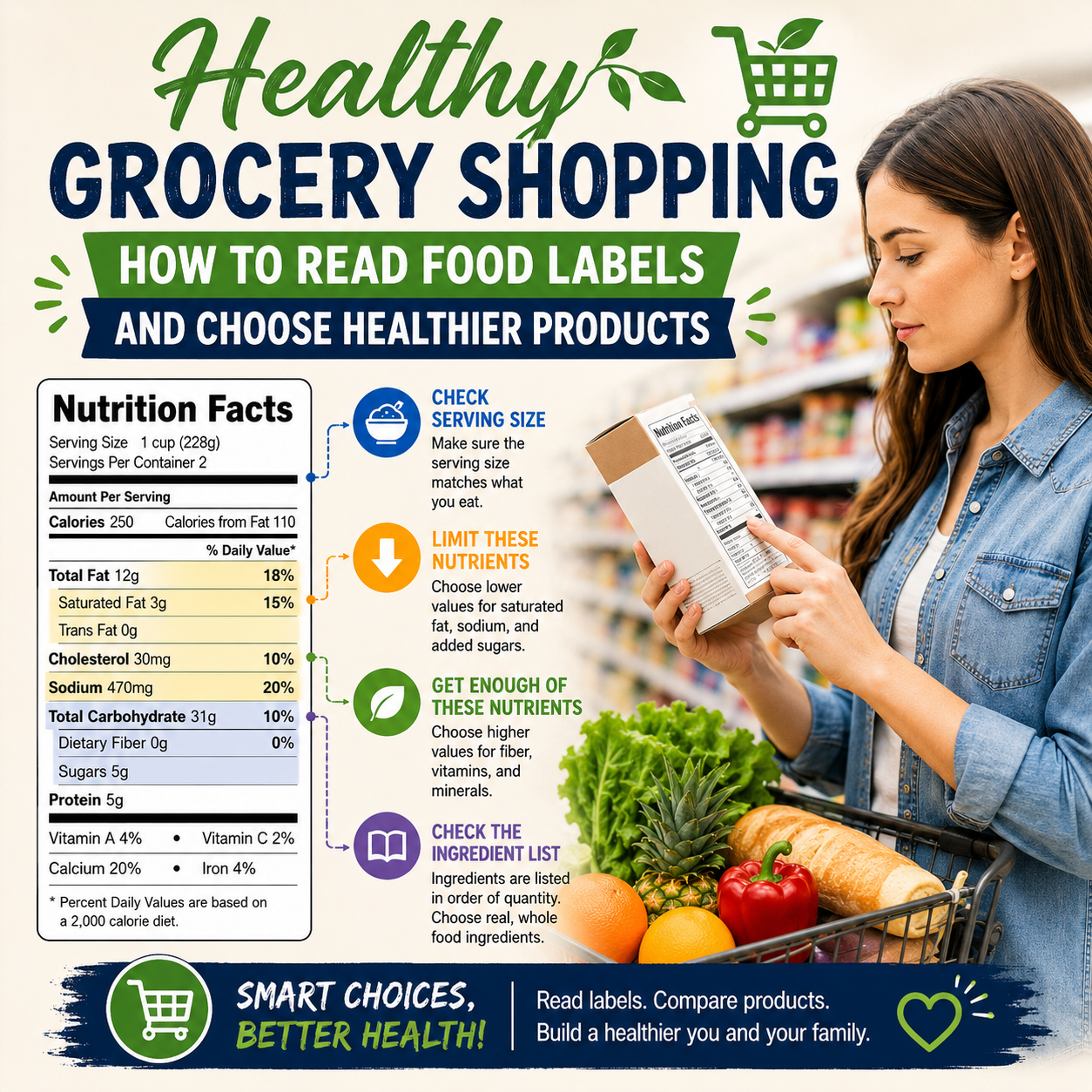
Read Our Latest Blog:Healthy Grocery Shopping: How to Read Food Labels and Choose Healthier Products