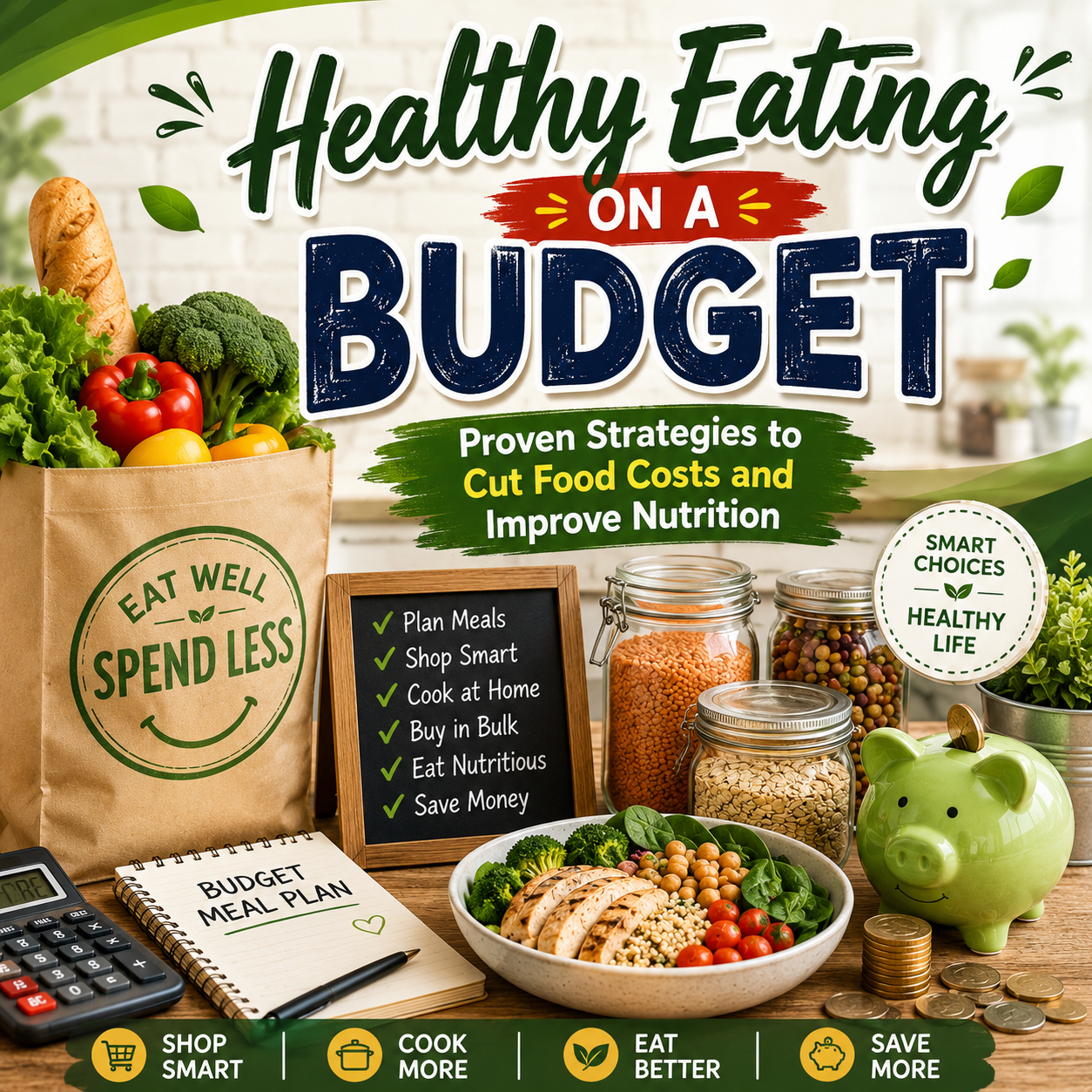
Eating healthy doesn’t have to mean spending more money. Many people believe nutritious foods are always expensive, but with the right strategies, you can enjoy balanced meals while keeping grocery costs under control. Healthy eating on a budget is about making informed choices, planning ahead, reducing food waste, and prioritizing nutrient-dense foods that provide excellent value for every dollar spent.
Whether you’re feeding a family, living alone, or trying to improve your overall health, budgeting for nutritious meals is easier than you might think. Small adjustments—such as meal planning, buying seasonal produce, cooking at home, and shopping with a list—can significantly lower your grocery bill while improving your diet.
This comprehensive guide explains practical, science-backed methods to cut food costs without sacrificing nutrition. You’ll discover affordable healthy foods, smart grocery shopping tips, meal planning strategies, food storage techniques, and common mistakes to avoid. By the end of this guide, you’ll have actionable steps to build healthier eating habits that benefit both your wallet and your well-being.
What Does Healthy Eating on a Budget Mean?
Healthy eating on a budget means choosing foods that provide the greatest nutritional value while staying within your financial limits. It focuses on purchasing wholesome ingredients that support overall health without overspending. Instead of relying on expensive “health foods” or trendy products, this approach emphasizes practical, affordable staples such as whole grains, beans, lentils, eggs, seasonal vegetables, fruits, and lean proteins.
A budget-friendly healthy diet also involves planning meals, avoiding impulse purchases, comparing prices, and minimizing food waste. These habits help stretch your grocery budget further while ensuring your meals contain essential vitamins, minerals, protein, fiber, and healthy fats. The goal isn’t simply to spend less—it’s to spend smarter by maximizing both nutrition and value.
Why Budget-Friendly Healthy Eating Matters
Many households struggle with rising food prices, making it challenging to maintain nutritious eating habits. However, consistently choosing affordable, nutrient-rich foods can improve long-term health while reducing unnecessary spending. A healthy diet lowers the risk of chronic diseases such as heart disease, obesity, and type 2 diabetes, potentially saving money on healthcare costs over time.
Budget-friendly healthy eating also supports sustainable habits. Cooking at home, buying only what you need, and using leftovers effectively reduce food waste and environmental impact. These practices benefit your finances and contribute to a more responsible food system. Over time, small savings on groceries can add up to significant annual savings without compromising dietary quality.
Common Myths About Affordable Healthy Eating
Many people avoid healthy eating because they believe it requires expensive organic products, specialty foods, or premium grocery stores. In reality, nutritious eating is accessible on nearly any budget when you understand how to shop strategically.
Myth vs. Reality
| Myth | Reality |
| Healthy food is always expensive. | Many nutritious staples are inexpensive. |
| Organic foods are necessary. | Conventional produce is still highly nutritious. |
| Fresh produce is always better. | Frozen vegetables often retain excellent nutrition. |
| Healthy meals take hours to prepare. | Many balanced meals can be made in under 30 minutes. |
| Budget meals lack variety. | Affordable ingredients allow countless meal combinations. |
Understanding these misconceptions helps shoppers make informed purchasing decisions instead of relying on marketing claims or social media trends.
Benefits of Eating Healthy While Spending Less
Choosing nutritious foods within a budget provides benefits that extend beyond saving money. It supports physical health, mental well-being, and financial stability simultaneously. Instead of spending more on highly processed convenience foods, investing in affordable whole foods offers better long-term value.
Some major benefits include:
- Better overall nutrition
- Improved energy levels
- Healthier weight management
- Lower grocery expenses
- Reduced food waste
- Better meal planning habits
- Improved cooking skills
- Less dependence on fast food
- Greater financial flexibility
- Sustainable eating habits
These advantages demonstrate that healthy eating and financial responsibility can work together rather than competing against one another.
Create a Realistic Grocery Budget
A successful grocery budget starts with understanding your current spending habits. Review recent grocery receipts or bank statements to determine how much you typically spend each month. Once you have a baseline, establish a realistic budget that aligns with your household size, income, and nutritional needs.
Divide your grocery budget into categories such as fruits and vegetables, proteins, grains, dairy, pantry staples, and occasional treats. Tracking expenses during each shopping trip helps identify areas where overspending occurs. Budgeting apps, digital coupons, and store loyalty programs can further reduce costs without sacrificing food quality.
Budgeting Checklist
- Review monthly grocery expenses.
- Set a weekly spending limit.
- Compare store prices.
- Use digital coupons.
- Avoid impulse purchases.
- Shop with cash if helpful.
- Stick to your shopping list.
- Track spending after every trip.
Plan Meals Before Shopping
Meal planning is one of the most effective strategies for reducing grocery costs while improving nutrition. Instead of deciding what to eat each day, create a weekly menu before shopping. Planning meals around sales, seasonal produce, and pantry items helps prevent unnecessary purchases and reduces food waste.
Begin by checking what ingredients you already have at home. Build meals around these items before adding new ingredients to your shopping list. Choosing recipes that share common ingredients also saves money by reducing the number of unique items you need to buy. Preparing larger batches of soups, stews, casseroles, or grain bowls can provide multiple meals throughout the week.
Steps for Effective Meal Planning
- Check pantry inventory.
- Review grocery store sales.
- Choose 5–7 simple meals.
- Create a shopping list.
- Prepare ingredients in advance.
- Store leftovers safely.
- Freeze extra portions for busy days.
Make a Smart Grocery Shopping List
A carefully prepared shopping list helps you stay focused, avoid impulse buying, and purchase only what you truly need. Before heading to the store, organize your list by department—produce, dairy, grains, proteins, frozen foods, and pantry staples. This not only saves time but also reduces the temptation to buy unnecessary items.
When creating your list, prioritize nutrient-dense foods that offer the best value per serving. Compare unit prices rather than package prices to identify better deals. Generic or store-brand products often provide the same nutritional quality as national brands at a lower cost. Sticking to your list consistently can significantly reduce overspending while ensuring you have all the ingredients needed for healthy meals throughout the week.
Smart Grocery List Essentials
| Category | Affordable Healthy Choices |
| Whole Grains | Brown rice, oats, whole wheat pasta |
| Proteins | Eggs, beans, lentils, canned tuna |
| Dairy | Plain yogurt, milk, cottage cheese |
| Fruits | Apples, bananas, oranges |
| Vegetables | Carrots, cabbage, spinach, potatoes |
| Healthy Fats | Peanut butter, sunflower seeds, olive oil |
| Pantry | Canned tomatoes, herbs, spices |
Buy Seasonal Fruits and Vegetables
Seasonal fruits and vegetables are often fresher, more flavorful, and significantly less expensive than out-of-season produce. Because they are harvested at peak supply, retailers typically offer them at lower prices. Incorporating seasonal produce into your meal plan allows you to enjoy a variety of nutrients while staying within your grocery budget.
Local farmers’ markets, community-supported agriculture (CSA) programs, and supermarket promotions are excellent places to find affordable seasonal produce. If certain fruits or vegetables are especially inexpensive during their peak season, consider buying extra and freezing them for later use. This strategy helps you enjoy nutritious produce year-round without paying premium prices during off-seasons.
Benefits of Seasonal Produce
- Lower prices due to higher availability
- Better taste and freshness
- Higher nutrient retention
- Supports local farmers
- Encourages dietary variety
- Reduces transportation costs and environmental impact
Choose Frozen and Canned Produce Wisely
Frozen and canned fruits and vegetables are practical, budget-friendly alternatives to fresh produce. They are often picked and processed at peak ripeness, helping preserve important nutrients. Frozen vegetables, in particular, can be stored for months, reducing food waste and ensuring you always have healthy ingredients available.
When selecting canned products, choose options labeled “no added sugar” for fruits and “low sodium” or “no salt added” for vegetables whenever possible. Rinsing canned beans and vegetables under running water can further reduce sodium content. Frozen berries, peas, spinach, broccoli, and mixed vegetables are affordable staples that make it easy to prepare balanced meals without worrying about spoilage.
Buy Whole Foods Instead of Processed Foods
Whole foods are among the most cost-effective choices for maintaining a nutritious diet. Unlike heavily processed foods, whole foods are minimally altered and retain more of their natural nutrients, including fiber, vitamins, and minerals. Foods such as oats, brown rice, dried beans, lentils, potatoes, fresh vegetables, fruits, and eggs often cost less per serving than packaged convenience meals while providing greater nutritional value.
Processed foods may seem inexpensive initially, but they frequently contain added sugars, unhealthy fats, excess sodium, and artificial ingredients that contribute little to overall health. Additionally, convenience foods usually come in smaller portions, making them more expensive over time. Preparing meals from whole ingredients allows you to control portion sizes, reduce unnecessary additives, and stretch your grocery budget further.
Whole Foods vs. Processed Foods
| Whole Foods | Processed Foods |
| Higher nutrient density | Often high in sugar and sodium |
| More fiber | Lower fiber content |
| Better value per serving | Higher cost per meal |
| Supports long-term health | Often calorie-dense with fewer nutrients |
| Less packaging waste | More packaging and additives |
Choosing whole foods consistently creates healthier eating habits while helping reduce monthly grocery expenses.
Cook More Meals at Home
Preparing meals at home is one of the most effective ways to save money while improving the quality of your diet. Restaurant meals, takeout, and food delivery services often cost several times more than homemade meals. Home cooking also gives you complete control over ingredients, cooking methods, and portion sizes.
Batch cooking is especially useful for busy households. Preparing soups, stews, chili, casseroles, roasted vegetables, or cooked grains in large quantities provides ready-to-eat meals throughout the week. Freezing extra portions prevents waste and reduces the temptation to order expensive takeout after a busy day.
Tips for Home Cooking Success
- Cook larger portions and freeze leftovers.
- Prepare lunches the night before.
- Use simple recipes with affordable ingredients.
- Experiment with herbs and spices instead of expensive sauces.
- Learn a few versatile recipes you can customize.
Consistently cooking at home can save hundreds or even thousands of dollars annually while supporting healthier eating habits.
Reduce Food Waste to Save More Money
Reducing food waste is an essential part of healthy eating on a budget. Many households throw away perfectly edible food because of poor planning, improper storage, or misunderstanding expiration labels. Every item wasted represents money that could have been saved.
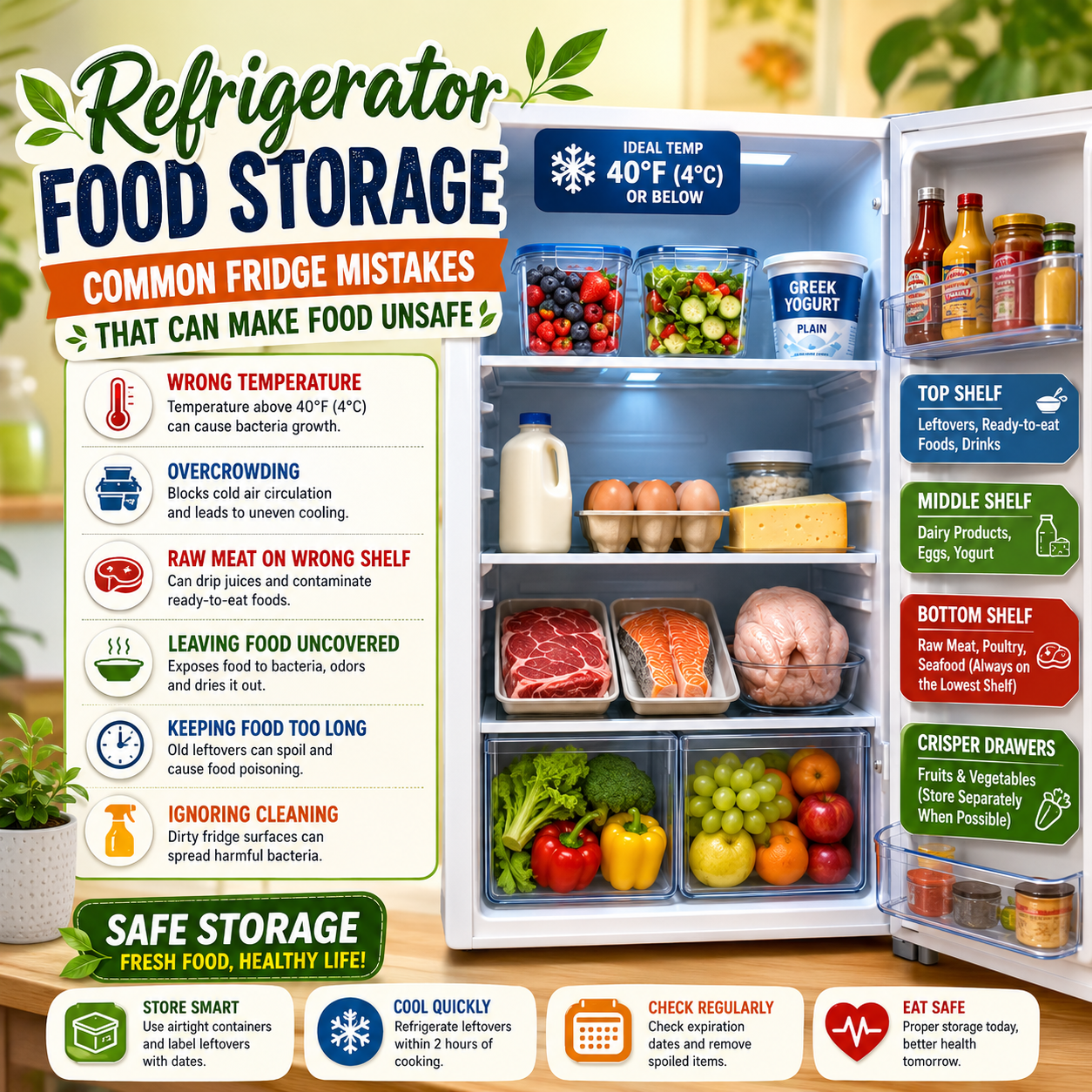
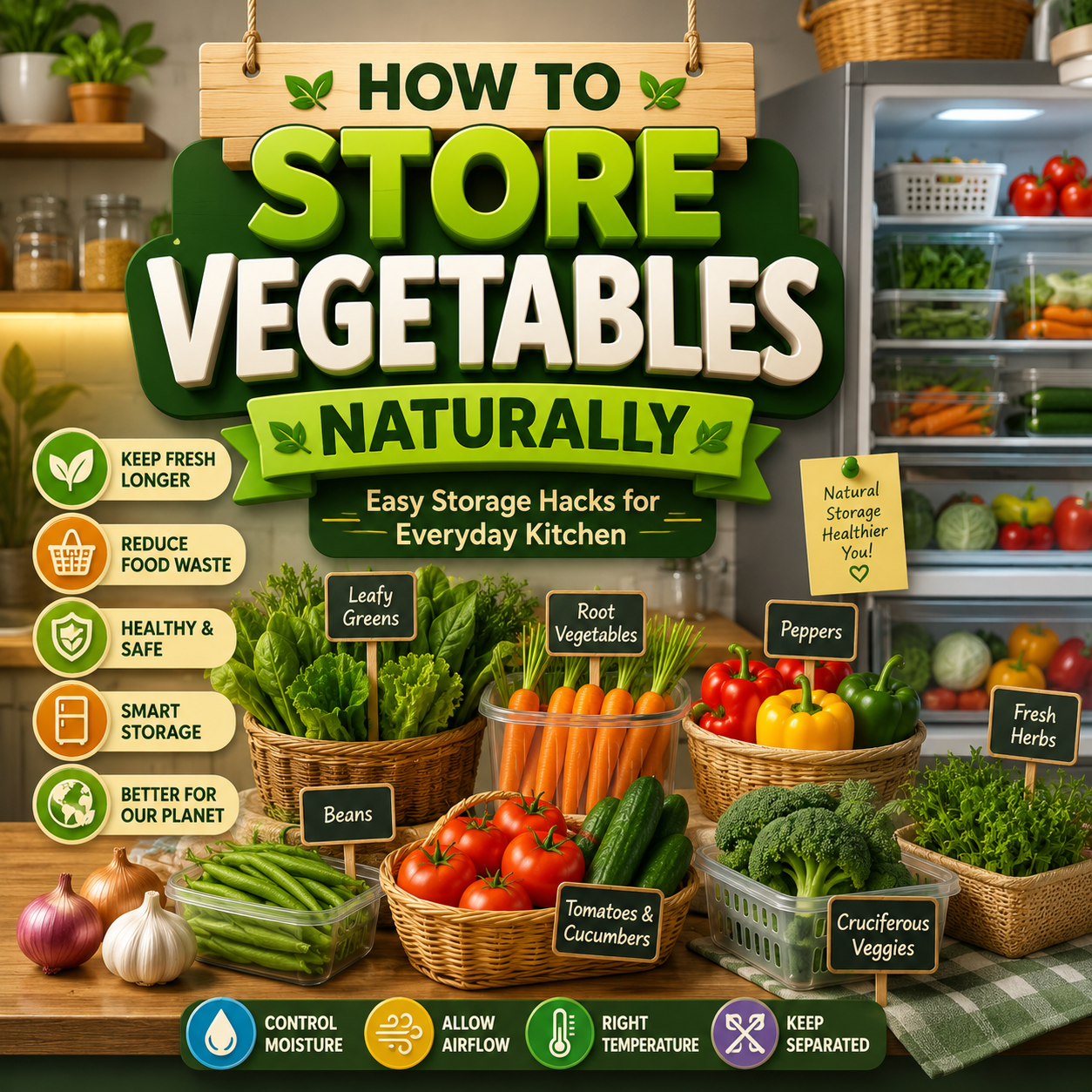
Store fruits, vegetables, dairy products, and leftovers properly to maximize freshness. Rotate older foods to the front of the refrigerator so they are used first. Repurpose leftover vegetables into soups, stir-fries, omelets, or casseroles. Overripe bananas can be frozen for smoothies or used in homemade banana bread.
Easy Ways to Reduce Food Waste
- Plan meals before shopping.
- Buy only what you need.
- Freeze leftovers promptly.
- Label food with purchase dates.
- Store produce correctly.
- Use leftovers creatively.
- Understand “Best Before” and “Use By” labels.
- Compost unavoidable food scraps.
Small reductions in food waste can significantly lower grocery costs over the course of a year.
Affordable Protein Sources
Protein is an essential nutrient for muscle maintenance, immune function, and overall health, but it doesn’t have to come from expensive meats. Many affordable protein-rich foods provide excellent nutrition while fitting into a limited grocery budget.
Budget-Friendly Protein Options
| Food | Benefits |
| Eggs | High-quality complete protein |
| Lentils | Rich in protein and fiber |
| Black beans | Affordable and versatile |
| Chickpeas | Excellent for salads and curries |
| Peanut butter | Healthy fats and protein |
| Greek yogurt | High protein and calcium |
| Cottage cheese | Budget-friendly dairy protein |
| Canned tuna | Lean protein with omega-3 fats |
| Tofu | Plant-based complete protein |
| Frozen chicken | Often cheaper than fresh cuts |
Combining plant-based proteins with whole grains creates balanced meals that are filling, nutritious, and economical.
Healthy Carbohydrates That Cost Less
Carbohydrates provide the body with its primary source of energy, but choosing the right types is essential. Whole-grain carbohydrates are generally inexpensive and offer more fiber, vitamins, and minerals than refined grains. They also promote better digestion and help maintain steady energy levels throughout the day.
Affordable healthy carbohydrate choices include oats, brown rice, whole wheat pasta, potatoes, sweet potatoes, barley, and whole-grain bread. Buying these foods in bulk often reduces the cost per serving even further. Pairing whole grains with vegetables and lean proteins creates balanced meals that are both satisfying and budget-friendly.
Best Budget Carbohydrates
- Oatmeal
- Brown rice
- Whole wheat pasta
- Potatoes
- Sweet potatoes
- Corn
- Barley
- Whole-grain tortillas
- Whole wheat bread
- Popcorn (air-popped)
These foods serve as versatile meal bases and can be incorporated into breakfast, lunch, dinner, or snacks.
Budget-Friendly Healthy Fats
Healthy fats are essential for brain function, heart health, hormone production, and the absorption of fat-soluble vitamins. Fortunately, many nutritious fat sources are affordable and have a long shelf life, making them ideal for budget-conscious households.
Foods such as peanut butter, sunflower seeds, flaxseeds, chia seeds, avocados (when on sale), and olive oil provide healthy unsaturated fats that support overall wellness. Buying larger containers of olive oil or nuts during sales and storing them properly can reduce long-term costs.
Affordable Healthy Fat Sources
| Food | Main Nutrients |
| Peanut butter | Healthy fats, protein |
| Olive oil | Monounsaturated fats |
| Sunflower seeds | Vitamin E |
| Flaxseeds | Omega-3 fatty acids |
| Chia seeds | Fiber and omega-3s |
| Walnuts | Healthy fats and antioxidants |
| Pumpkin seeds | Magnesium and protein |
Including moderate amounts of these foods in your diet contributes to satiety and supports long-term health.
Smart Beverage Choices
Beverages can quietly consume a significant portion of a grocery budget. Sugary sodas, energy drinks, specialty coffees, and bottled beverages are often expensive while offering little nutritional value. Replacing these drinks with healthier, lower-cost alternatives is an easy way to save money.
Water should remain your primary beverage. Herbal teas, homemade infused water, and low-fat milk are also nutritious choices. Brewing coffee at home instead of purchasing it daily from cafés can save hundreds of dollars annually. Limiting sugary drinks also supports healthier weight management and reduces added sugar intake.
Budget-Friendly Drinks
- Water
- Homemade lemon water
- Unsweetened tea
- Homemade iced tea
- Low-fat milk
- Plain coffee brewed at home
- Sparkling water without added sugar
Making simple beverage swaps can improve both your health and your monthly food budget.
Healthy Snack Ideas on a Budget
Healthy snacks help maintain energy levels between meals and prevent overeating later in the day. Affordable snacks can be just as satisfying as expensive packaged options, especially when made from whole ingredients.
Simple snack combinations such as apple slices with peanut butter, homemade popcorn, yogurt with fruit, roasted chickpeas, carrot sticks with hummus, boiled eggs, and trail mix made from bulk nuts and seeds provide protein, fiber, and healthy fats. Preparing snacks at home also allows you to control ingredients and portion sizes while reducing packaging waste.
Budget-Friendly Snack Ideas
- Apple with peanut butter
- Banana and plain yogurt
- Air-popped popcorn
- Roasted chickpeas
- Carrot sticks with hummus
- Hard-boiled eggs
- Cottage cheese with fruit
- Oatmeal energy bites
- Mixed nuts (portion-controlled)
- Homemade smoothies
Keeping healthy snacks readily available makes it easier to avoid expensive convenience foods.
Sample 7-Day Budget-Friendly Healthy Meal Plan
| Day | Breakfast | Lunch | Dinner |
| Monday | Oatmeal with banana | Lentil soup | Brown rice with vegetables and chicken |
| Tuesday | Yogurt with fruit | Bean salad | Whole wheat pasta with vegetables |
| Wednesday | Peanut butter toast | Leftover stir-fry | Baked potatoes with beans |
| Thursday | Scrambled eggs | Tuna sandwich | Vegetable curry with rice |
| Friday | Overnight oats | Chickpea salad | Homemade vegetable soup |
| Saturday | Fruit smoothie | Egg wrap | Grilled chicken with roasted vegetables |
| Sunday | Whole wheat pancakes | Leftover soup | Lentil stew with whole grain bread |
This meal plan demonstrates that balanced nutrition can be achieved using affordable, widely available ingredients while minimizing food waste.
Common Grocery Shopping Mistakes That Increase Food Costs
Many people unknowingly spend more than necessary during grocery shopping because of poor planning or marketing influences. Identifying these common mistakes can help you make smarter purchasing decisions and stay within your budget.
Mistakes to Avoid
- Shopping while hungry.
- Buying without a grocery list.
- Choosing convenience foods regularly.
- Ignoring unit prices.
- Purchasing too much fresh produce.
- Falling for marketing promotions.
- Buying in bulk when food may spoil.
- Throwing away leftovers.
- Overlooking store-brand products.
- Forgetting to compare prices between stores.
Developing mindful shopping habits can lead to substantial savings over time.
Expert Tips for Saving More While Eating Healthy
Long-term success with healthy eating on a budget comes from building consistent habits rather than relying on occasional discounts. Nutrition professionals recommend focusing on planning, flexibility, and minimizing waste to maximize both savings and dietary quality.
Expert Recommendations
- Plan meals around weekly grocery sales.
- Buy frozen produce when fresh prices are high.
- Compare unit prices instead of package prices.
- Purchase staples like rice, oats, and beans in bulk.
- Cook once and eat multiple times.
- Keep healthy pantry staples available.
- Freeze excess food before it spoils.
- Limit sugary drinks and processed snacks.
- Grow simple herbs at home.
- Review your grocery budget monthly and adjust as needed.
These practical strategies can help households maintain a nutritious diet while keeping food costs under control.
Frequently Asked Questions (FAQs)
1. What is healthy eating on a budget?
Healthy eating on a budget means choosing nutritious foods that provide the best value while staying within your financial limits. It involves planning meals, purchasing whole foods, minimizing food waste, and preparing meals at home. This approach supports better health while helping households manage grocery expenses more effectively.
2. Can healthy eating really save money?
Yes. Preparing meals at home, buying seasonal produce, choosing affordable protein sources, and reducing food waste can significantly lower grocery bills. Over time, healthier eating habits may also reduce healthcare costs associated with poor nutrition and chronic diseases.
3. What foods should always be on a budget shopping list?
A budget-friendly shopping list should include oats, brown rice, beans, lentils, eggs, seasonal fruits, frozen vegetables, potatoes, whole wheat bread, yogurt, peanut butter, canned tuna, and healthy cooking oils. These staples provide balanced nutrition at a reasonable cost.
4. Is buying food in bulk always cheaper?
Buying in bulk can reduce costs for shelf-stable foods such as rice, oats, beans, and pasta. However, purchasing perishable items in large quantities is only economical if you can use them before they spoil. Always compare unit prices before making bulk purchases.
5. Are store-brand products healthy?
In many cases, yes. Store-brand foods often contain similar ingredients and nutritional value as name-brand products while costing less. Reading nutrition labels can help you compare products and choose the healthiest option regardless of brand.
6. How can families eat healthier without increasing grocery costs?
Families can plan weekly meals, cook together, purchase versatile ingredients, prepare lunches at home, reduce food waste, and focus on nutrient-dense staple foods. These habits encourage healthier eating while keeping grocery expenses manageable.
7. What are the healthiest low-cost snacks?
Affordable healthy snacks include fresh fruit, yogurt, popcorn, boiled eggs, roasted chickpeas, peanut butter with apples, carrot sticks with hummus, and homemade trail mix. These snacks provide fiber, protein, and healthy fats while remaining budget-friendly.
8. Why should I avoid processed foods?
Processed foods often contain added sugars, sodium, unhealthy fats, and artificial ingredients while providing fewer nutrients. They can also cost more per serving than whole foods. Choosing minimally processed foods supports better health and provides greater value.
9. How important is meal preparation?
Meal preparation saves time, reduces stress, prevents impulse food purchases, and minimizes food waste. Preparing meals in advance makes it easier to maintain healthy eating habits throughout busy weeks while controlling food costs.
10. What is the biggest mistake people make when grocery shopping?
One of the biggest mistakes is shopping without a plan or shopping while hungry. These habits often lead to impulse purchases and unnecessary spending. Creating a meal plan and shopping list before visiting the store helps keep purchases focused and within budget.
Key Takeaways
- Healthy eating does not require an expensive grocery budget.
- Meal planning helps reduce waste and unnecessary spending.
- Whole foods offer better nutrition and value than processed foods.
- Seasonal and frozen produce are affordable, nutritious choices.
- Cooking at home saves money and improves meal quality.
- Affordable proteins like beans, eggs, and lentils are highly nutritious.
- Smart grocery shopping habits lower monthly food costs.
- Proper food storage extends freshness and reduces waste.
- Budget-friendly eating supports long-term health and financial well-being.
- Small, consistent changes lead to lasting healthy habits.
Conclusion
Healthy eating on a budget is achievable for individuals and families willing to adopt smart shopping and meal-planning habits. By focusing on affordable whole foods, preparing meals at home, choosing seasonal produce, minimizing food waste, and purchasing nutrient-dense ingredients, you can enjoy balanced, satisfying meals without overspending.
Remember that nutritious eating isn’t about buying the most expensive products—it’s about making informed choices that maximize both health and value. Simple habits like comparing prices, using a shopping list, cooking in batches, and storing food properly can produce meaningful savings throughout the year while improving your overall diet.
Every small improvement contributes to a healthier lifestyle and stronger financial future. Start with one or two strategies from this guide, gradually build new habits, and you’ll discover that eating well on a budget is both practical and sustainable.
Read Our Latest Blog:Freezer Storage Tips: Avoid Common Mistakes That Ruin Frozen Food