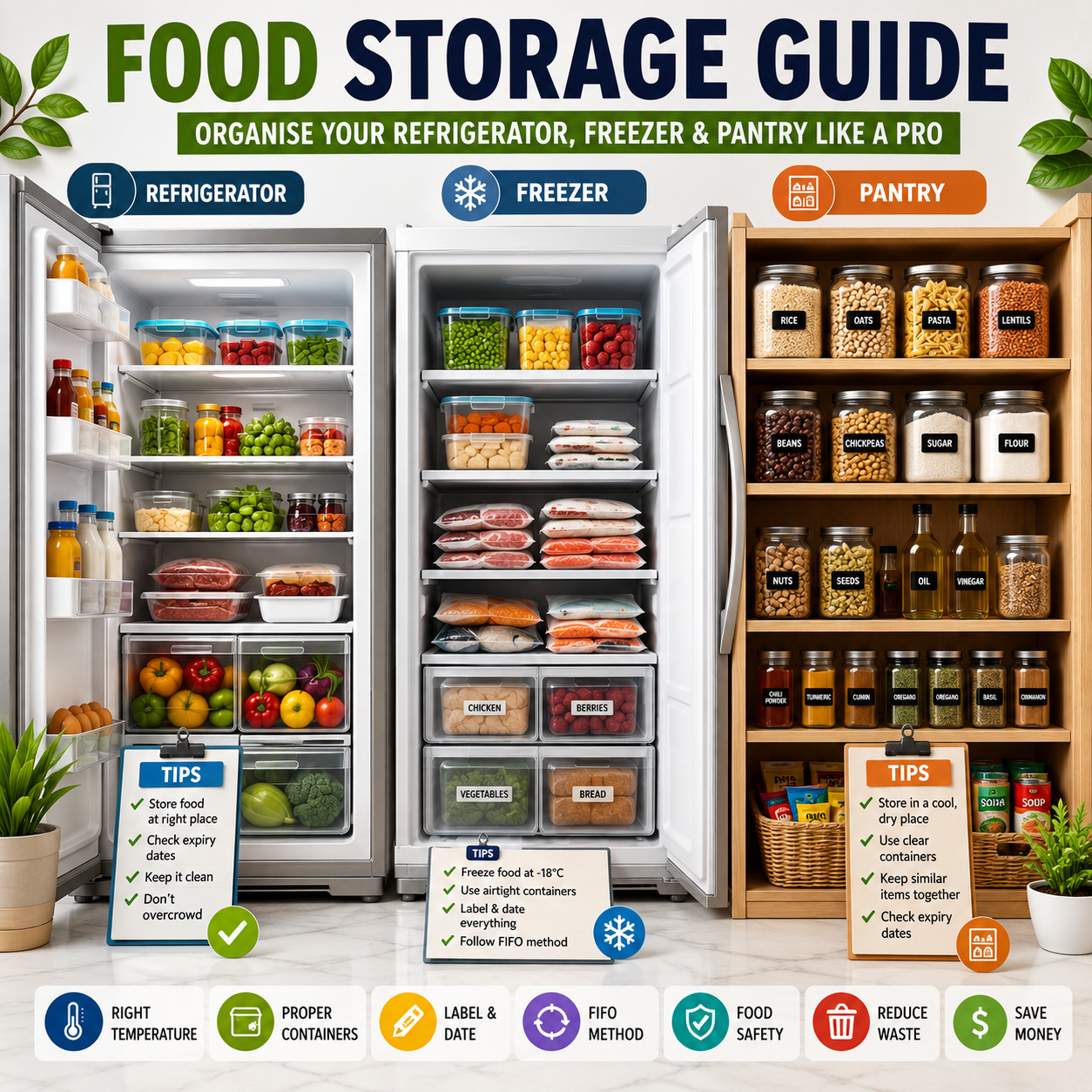
Keeping food fresh isn’t just about placing groceries wherever there’s space. Proper food storage is one of the easiest ways to reduce food waste, save money, prevent foodborne illnesses, and make everyday cooking more convenient. An organised refrigerator, freezer, and pantry allow you to quickly locate ingredients, monitor expiration dates, and maintain food quality for longer periods.
This Food storage guide will teach you how to organise every food storage area in your kitchen like a professional. You’ll discover the best refrigerator layout, freezer storage techniques, pantry organisation tips, recommended storage containers, and common mistakes that shorten food shelf life. Whether you’re preparing weekly meals, feeding a family, or simply trying to create a cleaner kitchen, these practical strategies will help you maximise storage space while keeping food safe and fresh.
By the end of this guide, you’ll understand exactly where different foods belong, how to maintain ideal storage temperatures, and how to develop smart habits that minimise waste and improve kitchen efficiency.
Why Proper Food Storage Matters
Proper food storage goes far beyond keeping your kitchen tidy. It directly impacts food safety, nutritional quality, household expenses, and environmental sustainability. When food is stored correctly, harmful bacteria grow more slowly, ingredients remain fresh longer, and meals taste better. Poor storage practices, on the other hand, often lead to spoiled produce, freezer burn, unpleasant odours, and unnecessary food waste.
A well-organised kitchen also makes meal preparation faster because everything has a designated place. You spend less time searching for ingredients, are more likely to use foods before they expire, and can better plan meals around what you already have. These habits help reduce grocery bills while supporting healthier eating patterns.
Understanding Food Storage Basics
Every food item has unique storage requirements depending on its moisture content, acidity, and susceptibility to bacteria. Refrigeration slows bacterial growth, freezing nearly stops it, and pantry storage works best for shelf-stable foods kept in cool, dry conditions. Understanding these basic principles helps you choose the correct storage method for every ingredient.
Temperature, humidity, airflow, and packaging all influence food quality. Fresh produce often benefits from controlled humidity, dairy products require consistently cold temperatures, and dry goods last longest when protected from heat, moisture, and pests. Learning these fundamentals creates the foundation for a safer and more efficient kitchen.
Benefits of Organising Your Refrigerator, Freezer, and Pantry
An organised kitchen offers advantages beyond appearance. It improves food safety, reduces stress, and simplifies everyday cooking. When everything is stored in logical locations, it’s easier to monitor inventory, avoid duplicate purchases, and rotate older products before opening new ones.
Major benefits include:
- Reduced food waste
- Longer shelf life
- Improved food safety
- Faster meal preparation
- Easier grocery planning
- Better kitchen hygiene
- Lower grocery expenses
- More available storage space
- Better visibility of ingredients
- Reduced risk of forgotten expired foods
These benefits accumulate over time, making organisation one of the simplest ways to improve both your kitchen routine and your household budget.
How to Organise Your Refrigerator Like a Pro
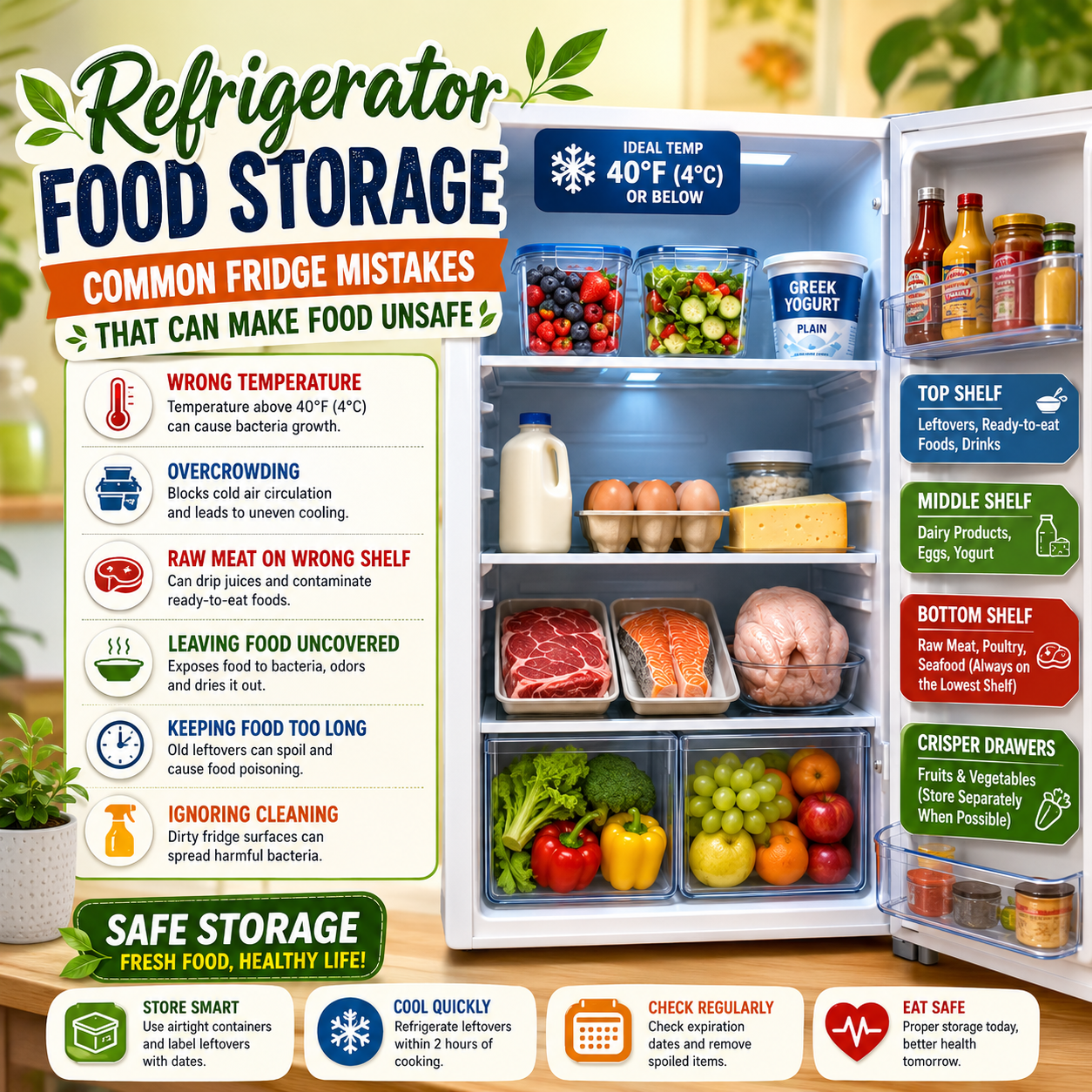
Many people treat the refrigerator as one large storage compartment, but every shelf has a different temperature. Understanding these zones helps preserve food quality and reduces the risk of bacterial contamination. Professional kitchen organisation follows food safety principles by separating raw foods from ready-to-eat items and storing products according to their ideal temperatures.
A well-organised refrigerator should prioritise cleanliness, accessibility, and safety while ensuring that frequently used ingredients remain easy to reach.
Know Your Refrigerator’s Temperature Zones
Although the refrigerator maintains an overall cold environment, temperatures vary from shelf to shelf. The top shelves generally experience the most consistent temperatures, while lower shelves remain colder. Door compartments fluctuate the most because they’re exposed to warm air each time the refrigerator opens.
Understanding these zones allows you to store foods where they’ll stay freshest for the longest time. Keeping your refrigerator at approximately 1–4°C (34–40°F) provides the safest environment for most perishable foods.
Top Shelf
The top shelf is ideal for foods that don’t require cooking before consumption. Since temperatures remain relatively stable, this area is perfect for ready-to-eat items.
Store here:
- Leftovers
- Drinks
- Yogurt
- Cheese
- Cooked meats
- Desserts
- Prepared salads
- Ready-to-eat snacks
Keeping prepared foods on the upper shelf reduces the chance of contamination from raw ingredients stored below.
Middle Shelf
The middle shelf works well for dairy products and packaged foods requiring consistent refrigeration. This section is easy to access, making it suitable for frequently used items.
Best foods include:
- Milk
- Butter
- Cottage cheese
- Cream
- Eggs (if recommended by the manufacturer)
- Packaged meals
- Tofu
- Fresh pasta
Avoid overcrowding this shelf because proper airflow helps maintain even cooling.
Bottom Shelf
The bottom shelf is typically the coldest area in most refrigerators. It is the safest location for storing raw meat, poultry, and seafood because any accidental drips are less likely to contaminate ready-to-eat foods.
Always store raw proteins:
- In sealed containers
- On trays that catch leaks
- Away from fruits and vegetables
- Below cooked foods
This simple habit significantly reduces the risk of cross-contamination.
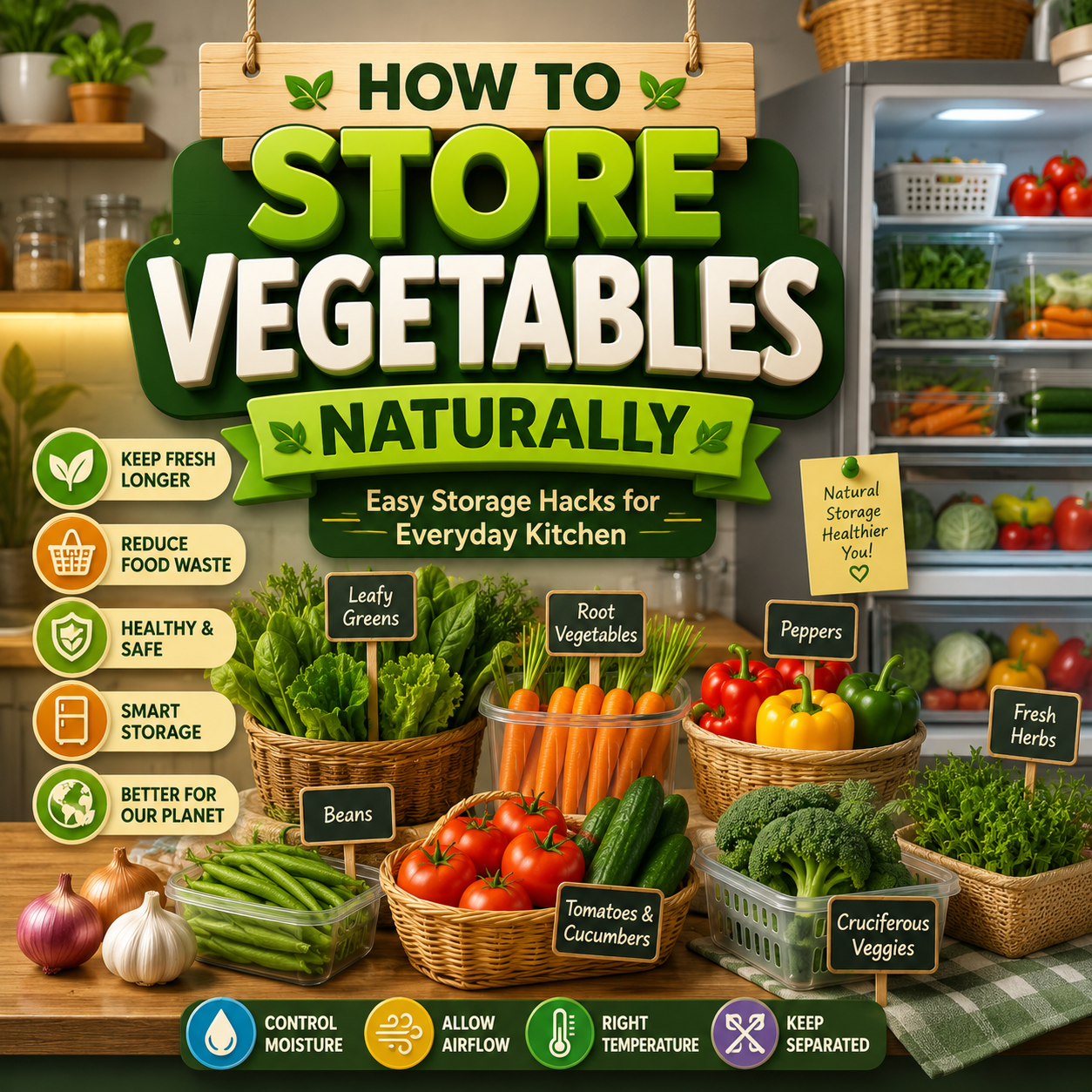
Crisper Drawers
Crisper drawers are specifically designed to maintain appropriate humidity levels for fruits and vegetables. Separating produce helps extend freshness because many fruits naturally release ethylene gas, which speeds up the ripening of nearby vegetables.
A practical arrangement includes:
High-Humidity Drawer
- Leafy greens
- Broccoli
- Carrots
- Cabbage
- Cucumbers
- Herbs
Low-Humidity Drawer
- Apples
- Pears
- Grapes
- Citrus fruits
- Peaches
- Plums
Using the drawers correctly keeps produce crisp, colourful, and flavourful for longer.
Refrigerator Door
The refrigerator door experiences the greatest temperature fluctuations due to frequent opening. Therefore, it should only hold foods that are less sensitive to slight temperature changes.
Suitable items include:
- Condiments
- Sauces
- Pickles
- Jam
- Soft drinks
- Juice bottles
- Salad dressings
Avoid storing milk, eggs, or raw meat in the door because repeated temperature changes can reduce their freshness and safety.
Best Practices for Refrigerator Organisation
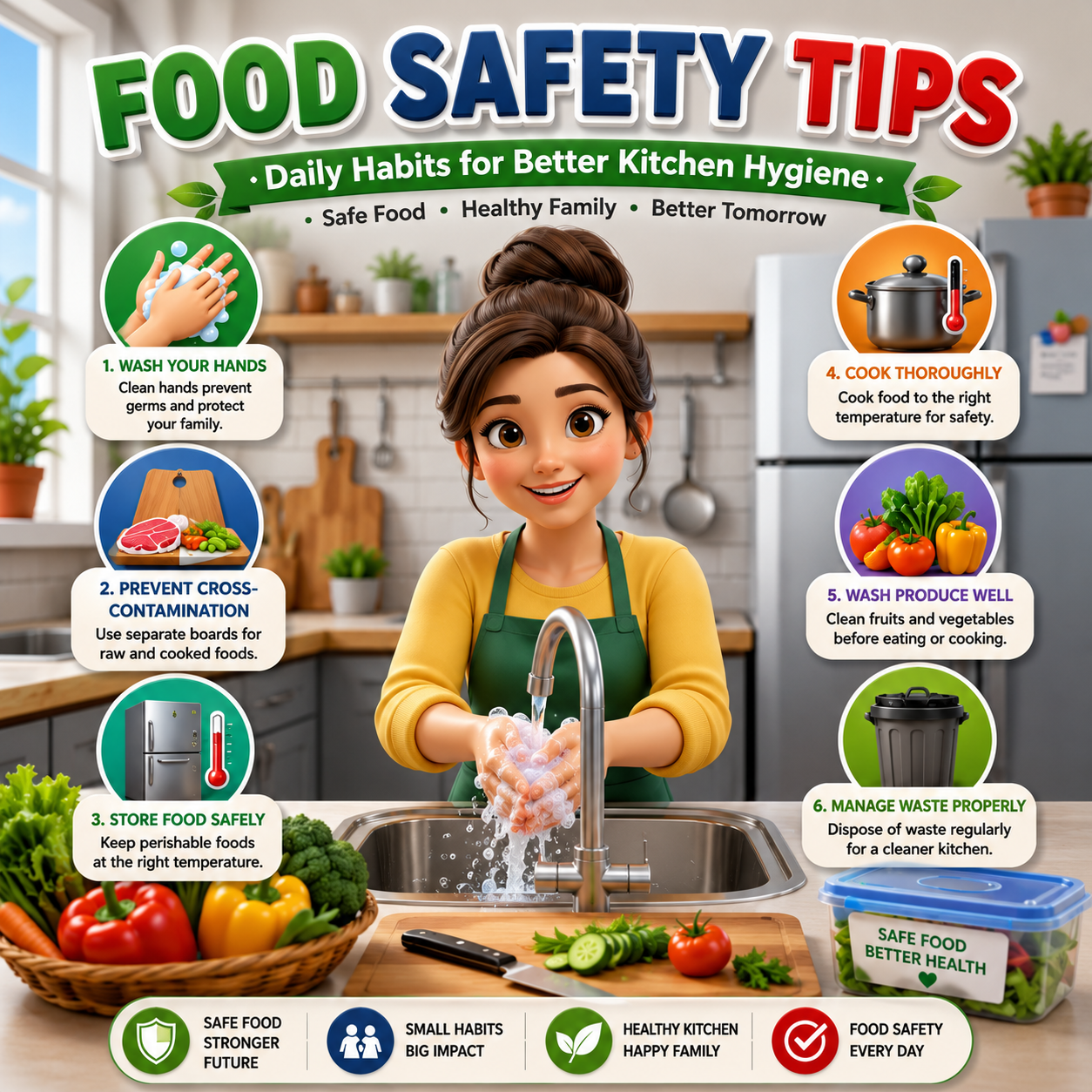
An organised refrigerator is easier to clean, safer to use, and more efficient at maintaining proper temperatures. Developing a few simple habits can dramatically improve food quality and reduce waste over time.
Follow these professional tips:
- Keep the refrigerator between 1–4°C (34–40°F).
- Leave space between food items for proper airflow.
- Store raw meat on the lowest shelf.
- Label leftovers with preparation dates.
- Use clear storage containers.
- Practise the First In, First Out (FIFO) method.
- Avoid overfilling shelves.
- Wipe spills immediately.
- Check expiration dates weekly.
- Discard spoiled food promptly.
These habits create a cleaner, safer, and more efficient refrigerator that supports healthier eating and reduces unnecessary waste.
Freezer Organisation: Preserve Food Quality Like a Pro
A well-organised freezer is more than a place to store frozen food—it is an extension of your meal planning strategy. Proper freezer organisation helps maintain food quality, reduces freezer burn, and makes it easier to find ingredients quickly. When foods are packaged correctly and stored systematically, they retain their flavour, texture, and nutritional value for much longer.
Professional kitchens rely on organised freezers because they minimise waste and improve efficiency. By grouping similar items together, labeling everything clearly, and rotating older foods to the front, you can avoid forgotten packages and unnecessary grocery purchases.
Best Temperature for Freezer Storage
The ideal freezer temperature is -18°C (0°F) or below. At this temperature, bacterial growth stops, although food quality can still decline slowly over time if items are not packaged properly.
Maintaining a consistent freezer temperature offers several benefits:
- Prevents freezer burn
- Preserves nutrients
- Extends storage life
- Reduces food waste
- Maintains food texture
- Improves food safety
Avoid opening the freezer door unnecessarily, as repeated temperature fluctuations can shorten the quality of frozen foods.
How to Organise Your Freezer
Creating designated zones makes your freezer easier to navigate and keeps similar items together. This approach also speeds up meal preparation because you know exactly where each category belongs.
A practical freezer layout includes:
Top Shelf
Store ready-to-eat frozen foods such as:
- Ice cream
- Frozen desserts
- Frozen fruit
- Smoothie packs
Middle Shelf
Reserve this area for:
- Frozen vegetables
- Bread
- Cooked meals
- Meal prep containers
- Soups
Bottom Shelf
Store raw proteins here:
- Chicken
- Beef
- Fish
- Seafood
- Minced meat
Keeping raw meats separate reduces the chance of contamination during handling.
Door Storage
The freezer door is suitable for:
- Ice packs
- Frozen herbs
- Butter
- Frequently used frozen items
Preventing Freezer Burn
Freezer burn occurs when moisture escapes from food and forms ice crystals on the surface. Although freezer-burned food is generally safe to eat, its texture and flavour often deteriorate significantly.
To prevent freezer burn:
- Remove excess air from storage bags.
- Use airtight freezer-safe containers.
- Wrap meat tightly before freezing.
- Freeze food in meal-sized portions.
- Avoid repeatedly thawing and refreezing food.
- Label foods with freezing dates.
Proper packaging is the easiest way to preserve frozen food quality.
Recommended Freezer Storage Times
The following table provides general storage guidelines for maintaining the best quality.
| Food | Recommended Freezer Storage |
| Chicken | 9–12 months |
| Beef | 6–12 months |
| Fish | 2–6 months |
| Cooked meals | 2–3 months |
| Vegetables | 8–12 months |
| Fruit | 8–12 months |
| Bread | 2–3 months |
| Soup | 2–3 months |
These are quality recommendations. Always inspect food for signs of spoilage before consuming.
Pantry Organisation Guide
An organised pantry helps you see what you already own, prevents duplicate purchases, and extends the shelf life of dry goods. A clutter-free pantry also makes cooking faster because ingredients are easy to locate and access.
Professional organisers recommend grouping foods by category and storing them in airtight containers. This not only improves appearance but also protects food from moisture, insects, and stale air.
Group Pantry Foods by Category
Categorising foods simplifies inventory management and reduces clutter.
Common pantry categories include:
- Rice and grains
- Pasta and noodles
- Flour
- Sugar
- Breakfast cereals
- Baking ingredients
- Spices
- Canned foods
- Snacks
- Tea and coffee
- Oils and vinegars
- Nuts and seeds
Assigning each category a dedicated shelf makes it easier to maintain organisation over time.
Use Clear Airtight Containers
Transferring dry goods into transparent airtight containers offers several advantages beyond aesthetics.
Benefits include:
- Keeps food fresh longer
- Prevents moisture damage
- Protects against pantry pests
- Makes ingredients easy to identify
- Saves shelf space
- Creates a cleaner appearance
Always label containers with both the product name and purchase or refill date.
Keep Frequently Used Foods Within Reach
Arrange pantry shelves according to how often you use each item.
Eye-Level Shelves
- Everyday ingredients
- Cooking oils
- Rice
- Pasta
- Breakfast foods
Upper Shelves
- Baking supplies
- Seasonal ingredients
- Special occasion foods
Lower Shelves
- Heavy appliances
- Large bags of flour
- Bulk rice
- Bottled water
This arrangement improves accessibility and reduces unnecessary bending or reaching.
Rotate Pantry Stock Using FIFO
The First In, First Out (FIFO) method ensures that older products are used before newly purchased items.
To implement FIFO:
- Place newly purchased items behind older ones.
- Check expiration dates monthly.
- Use older ingredients first.
- Donate unopened foods you won’t use before they expire.
- Maintain a simple pantry inventory.
This simple habit significantly reduces food waste and grocery expenses.
Best Food Storage Containers
Choosing the right storage container is just as important as selecting the correct storage location. Different materials are suited for different purposes, and using high-quality containers helps preserve freshness while preventing leaks and odours.
Glass Containers
Advantages:
- Durable
- Stain-resistant
- Microwave-safe (if specified)
- Doesn’t absorb odours
- Ideal for leftovers
Best for:
- Cooked meals
- Soups
- Salads
- Meal prep
BPA-Free Plastic Containers
Advantages:
- Lightweight
- Affordable
- Easy to stack
- Suitable for many foods
Best for:
- Lunches
- Snacks
- Dry ingredients
Replace containers that become cracked, warped, or heavily stained.
Silicone Storage Bags
Benefits include:
- Reusable
- Freezer-safe
- Leak-resistant
- Eco-friendly
- Space-saving
Ideal for fruits, vegetables, sandwiches, and freezer portions.
Vacuum-Sealed Bags
Vacuum sealing removes air, helping preserve food quality for extended periods.
Excellent for:
- Meat
- Fish
- Cheese
- Bulk purchases
- Long-term freezer storage
These bags are particularly effective for preventing freezer burn.
Food Storage Labels and Inventory Management
Labeling is one of the simplest yet most effective ways to stay organised. Without labels, it’s easy to forget when food was prepared or frozen, leading to unnecessary waste.
Every label should include:
- Food name
- Storage date
- Use-by date (if applicable)
Keeping a small inventory list on your refrigerator or pantry door can also help you monitor what needs to be used first.
Common Food Storage Mistakes
Even well-intentioned habits can shorten food shelf life or increase food safety risks. Recognising these mistakes helps you create a safer and more efficient kitchen.
Common mistakes include:
- Overfilling the refrigerator and blocking airflow
- Storing hot food directly in the refrigerator without cooling slightly
- Keeping raw meat above ready-to-eat foods
- Ignoring refrigerator temperature settings
- Forgetting leftovers until they spoil
- Storing potatoes and onions together
- Leaving pantry foods in opened paper bags
- Failing to label frozen foods
- Not cleaning storage areas regularly
- Refreezing thawed food repeatedly without proper handling
Avoiding these habits can significantly improve food freshness and reduce waste.
Refrigerator vs Freezer vs Pantry Comparison
| Storage Area | Best For | Ideal Temperature | Typical Storage Time |
| Refrigerator | Dairy, leftovers, fresh produce, meat | 1–4°C | Days to weeks |
| Freezer | Long-term food preservation | -18°C | Months |
| Pantry | Dry goods and shelf-stable foods | Cool, dry (10–21°C) | Weeks to years |
Choosing the correct storage location ensures better food quality, longer shelf life, and improved kitchen organisation.
Expert Tips for Long-Lasting Food Storage
Professional chefs and food safety experts recommend developing consistent storage habits rather than relying on occasional deep cleaning. Small daily actions make a significant difference over time.
Helpful expert tips include:
- Plan meals before grocery shopping to avoid overbuying.
- Store herbs upright in a small container with water and cover loosely to extend freshness.
- Freeze leftovers in single-serving portions for quick meals.
- Use clear bins to group similar items in the refrigerator and pantry.
- Keep a designated “use first” basket for foods nearing their expiration date.
- Avoid washing berries until just before eating to reduce moisture-related spoilage.
- Allow warm leftovers to cool slightly before refrigerating, then refrigerate promptly in shallow containers for faster cooling.
- Review your refrigerator, freezer, and pantry once a week to keep everything organised and reduce waste.
Frequently Asked Questions (FAQs)
1. How can I make food last longer in the refrigerator?
Store foods at the correct temperature, avoid overcrowding shelves, keep raw meat on the bottom shelf, and use airtight containers for leftovers. Rotate older foods to the front using the FIFO method and clean the refrigerator regularly. These habits improve airflow, reduce spoilage, and help maintain freshness for longer.
2. Is it safe to freeze cooked meals?
Yes. Cooked meals can be frozen safely after they have cooled slightly and are placed in shallow, airtight containers. Label each container with the preparation date and consume within two to three months for the best quality. Thaw safely in the refrigerator rather than on the countertop.
3. Can I refreeze thawed food?
If food has been thawed in the refrigerator and has remained at a safe temperature, it can often be refrozen, although the texture may decline. Food thawed at room temperature should generally not be refrozen because of the increased risk of bacterial growth. Always follow food safety guidance for the specific food.
4. Why should leftovers be labelled?
Labels help you track when food was prepared or stored. This prevents confusion, reduces food waste, and ensures leftovers are eaten while still safe. Including both the storage date and a recommended use-by date makes refrigerator organisation much easier.
5. Are glass containers better than plastic?
Glass containers resist stains, do not absorb food odours, and are durable for repeated use. BPA-free plastic containers are lighter and often more convenient for travel. Both can be excellent choices when they are food-safe and used according to the manufacturer’s instructions.
6. How often should pantry shelves be cleaned?
A monthly cleaning is recommended, with spot cleaning whenever spills occur. Remove all items, wipe shelves with a mild cleaning solution, inspect for expired products or pests, and reorganise foods by category. Regular cleaning helps keep the pantry hygienic and extends the shelf life of dry goods.
7. Should I wash produce before storing it?
Most fruits and vegetables should be washed just before use rather than before storage. Excess moisture can encourage mould and spoilage during storage. The exception is ready-to-eat packaged produce that is labelled as pre-washed. Dry produce thoroughly if you do wash it before refrigerating.
8. What foods should never go in the refrigerator?
Some foods keep better at room temperature, including whole tomatoes, potatoes, onions, garlic, winter squash, and uncut tropical fruits such as bananas and mangoes. Refrigeration may change their texture, flavour, or shelf life. Store these foods in a cool, dry, and well-ventilated place instead.
9. How can I reduce food waste at home?
Plan meals before shopping, buy only what you need, organise food using FIFO, freeze excess portions, check expiration dates weekly, and store foods in the correct locations. Small, consistent habits can dramatically reduce waste and save money over time.
10. What is the biggest food storage mistake?
One of the most common mistakes is storing foods without considering temperature zones or expiration dates. Overcrowding the refrigerator, leaving leftovers unlabelled, and storing raw meat above ready-to-eat foods also increase the risk of spoilage and cross-contamination. A well-organised system helps prevent these issues.
Key Takeaways
- Store your refrigerator between 1°C and 4°C (34°F–40°F) for optimal food safety.
- Keep your freezer at -18°C (0°F) or below.
- Store raw meat on the bottom refrigerator shelf to prevent cross-contamination.
- Separate ethylene-producing fruits from sensitive vegetables.
- Use airtight containers to preserve freshness and prevent moisture damage.
- Label leftovers and frozen foods with storage dates.
- Follow the First In, First Out (FIFO) method to minimise waste.
- Organise pantry items by category and keep frequently used foods within easy reach.
- Clean your refrigerator and pantry regularly to maintain hygiene.
- Review stored foods weekly to remove expired items and plan meals efficiently.
Conclusion
An organised refrigerator, freezer, and pantry do far more than improve the appearance of your kitchen—they play a vital role in food safety, freshness, and everyday convenience. By understanding proper storage temperatures, arranging foods according to their ideal locations, choosing suitable storage containers, and following simple habits like the First In, First Out (FIFO) method, you can extend the shelf life of your groceries while reducing unnecessary waste.
Whether you’re preparing weekly meals, shopping for a family, or simply trying to save time and money, these food storage strategies create a more efficient and stress-free kitchen. Small changes, such as labeling leftovers, separating fruits and vegetables, and cleaning storage areas regularly, can have a significant long-term impact.
Start applying these practical tips today to keep your food fresher for longer, reduce grocery expenses, and create a cleaner, healthier kitchen. Consistent organisation is the key to making the most of every ingredient you bring home.
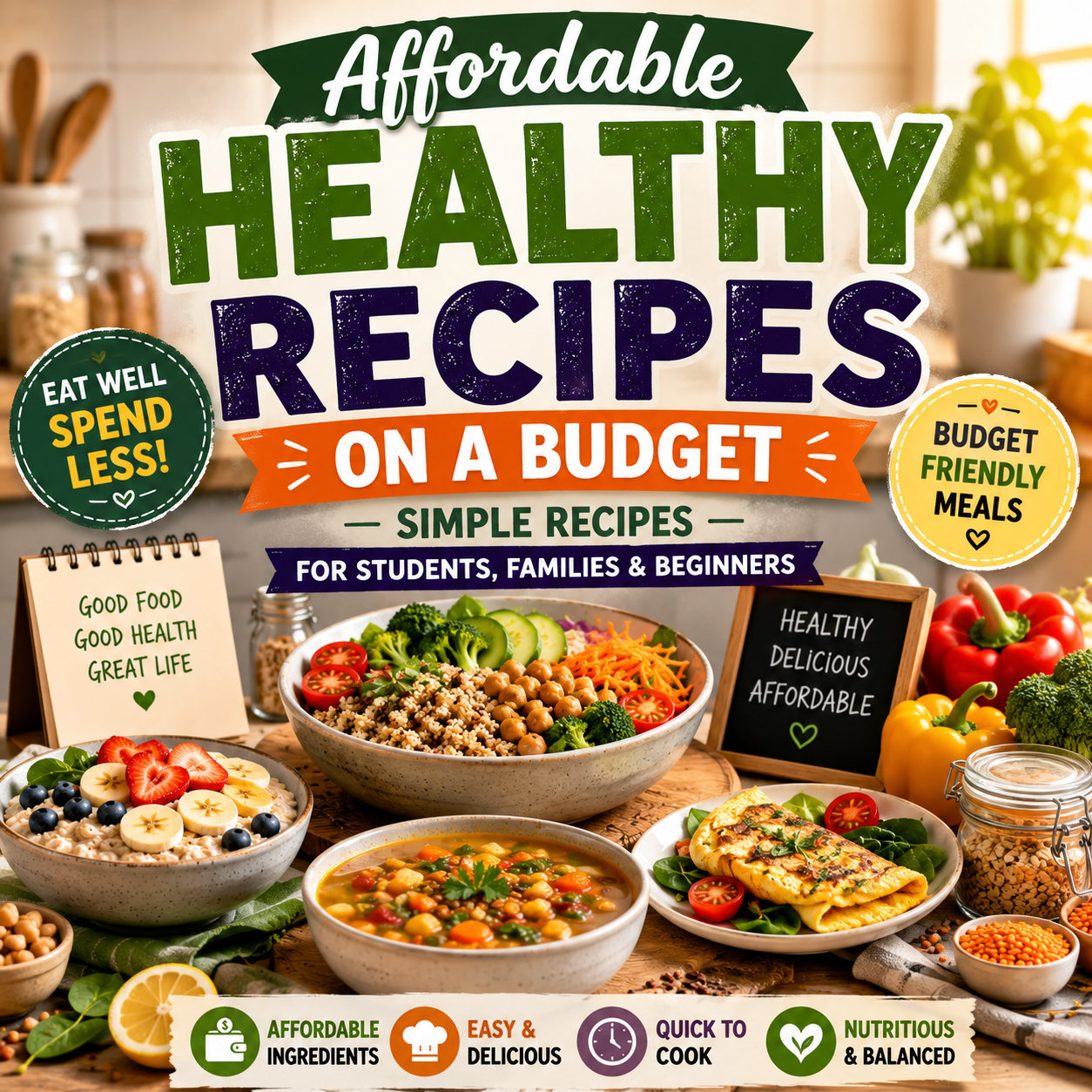
Read Our Latest Blog:Cheap Healthy Meals: Affordable Homemade Dishes Everyone Will Love