Preparing meals at home is one of the best ways to enjoy fresh, nutritious, and affordable food. However, even the healthiest ingredients can become dangerous if they are not handled, cooked, or stored properly. Every year, millions of people around the world experience foodborne illnesses caused by harmful bacteria, viruses, parasites, and toxins that contaminate food. Fortunately, many of these illnesses are preventable by following simple Food Safety Rules Understanding food safety rules every home cook should know is not only important for protecting your own health but also for safeguarding your family, guests, and especially young children, older adults, pregnant women, and people with weakened immune systems. Good food safety habits begin before cooking starts and continue through preparation, cooking, serving, and storing leftovers.
In this comprehensive guide, you’ll learn the essential food safety principles recommended by health experts, discover common kitchen mistakes to avoid, understand proper food storage techniques, and gain practical tips for preventing cross-contamination and food poisoning. By following these proven food safety rules, you can confidently prepare delicious meals while keeping everyone at your table safe.
What Is Food Safety?
Food safety refers to the practices used to prevent food from becoming contaminated and causing illness. These practices include proper food handling, storage, preparation, cooking, and serving. The primary goal of food safety is to eliminate or reduce harmful microorganisms such as bacteria, viruses, molds, and parasites that can contaminate food at any stage of the food supply chain.
For home cooks, food safety involves maintaining clean kitchen surfaces, washing hands thoroughly, cooking foods to safe internal temperatures, refrigerating perishable items promptly, and preventing cross-contamination between raw and cooked foods. These habits significantly reduce the risk of food poisoning and ensure meals remain safe to eat.
Why Food Safety Matters at Home
Many people assume food poisoning mainly occurs in restaurants, but home kitchens are also common places where foodborne illnesses begin. Improper food storage, undercooked meat, contaminated cutting boards, and poor hygiene can all allow harmful bacteria to multiply rapidly. Even a small mistake can expose family members to serious health risks.
Practicing proper food safety not only protects health but also reduces food waste, preserves food quality, and saves money. Developing safe kitchen habits creates a healthier cooking environment and helps ensure that every meal is both enjoyable and safe.
Common Causes of Foodborne Illness
Foodborne illness occurs when people consume food contaminated with harmful microorganisms or toxins. Understanding the common causes helps home cooks take preventive action before problems arise.
Some of the most common causes include:
- Undercooked poultry, meat, seafood, or eggs
- Improper refrigeration
- Cross-contamination between raw and cooked foods
- Poor hand hygiene
- Using contaminated utensils or cutting boards
- Consuming expired or spoiled food
- Leaving food at room temperature for too long
- Drinking contaminated water
Many foodborne illnesses can be prevented simply by following safe food handling practices every day.
The Four Core Principles of Food Safety
Food safety experts around the world emphasize four simple principles that form the foundation of safe cooking practices. Remembering these principles makes food safety easier to apply in everyday cooking.
1. Clean
Keeping hands, utensils, cutting boards, countertops, and kitchen towels clean is the first line of defense against harmful bacteria. Wash your hands with soap and warm water for at least 20 seconds before handling food and after touching raw meat, seafood, eggs, pets, or garbage.
Clean kitchen surfaces after every use and replace dirty dishcloths regularly. A clean kitchen greatly reduces the spread of harmful microorganisms.
2. Separate
Cross-contamination happens when bacteria from raw foods spread to ready-to-eat foods. Always use separate cutting boards for raw meat and fresh produce whenever possible. Store raw meat in sealed containers on the lowest refrigerator shelf to prevent juices from dripping onto other foods.
Separate utensils for raw and cooked foods also help reduce contamination risks.
3. Cook
Cooking food thoroughly kills many harmful bacteria and viruses. Use a food thermometer rather than relying only on color or cooking time. Different foods require different internal temperatures for safety, making accurate temperature measurement an essential kitchen practice.
Proper cooking protects against common pathogens such as Salmonella, E. coli, and Campylobacter.
4. Chill
Refrigeration slows bacterial growth but does not completely stop it. Refrigerate perishable foods within two hours of cooking, or within one hour if the surrounding temperature exceeds 32°C (90°F). Keep your refrigerator at or below 4°C (40°F) and your freezer at -18°C (0°F).
Prompt chilling helps maintain both food quality and safety.
Essential Food Safety Rules Every Home Cook Should Know
Rule 1: Always Wash Your Hands Before Cooking
Handwashing is one of the simplest yet most effective ways to prevent food contamination. Your hands come into contact with countless surfaces throughout the day, collecting germs that can easily transfer to food. Washing with soap and warm water for at least 20 seconds removes harmful microorganisms and greatly reduces the risk of spreading illness.
Remember to wash your hands before preparing food, after handling raw meat or eggs, after using the restroom, after touching pets, after coughing or sneezing, and after handling garbage. Hand sanitizer can be useful when soap and water are unavailable, but it should not replace proper handwashing during food preparation.
Rule 2: Keep Raw and Cooked Foods Separate
Raw meat, poultry, seafood, and eggs often carry bacteria that can contaminate foods that are ready to eat. This process, known as cross-contamination, is one of the leading causes of foodborne illness in home kitchens. Using separate cutting boards, knives, and plates for raw and cooked foods helps minimize this risk.
When storing groceries, place raw meats in sealed containers on the bottom shelf of the refrigerator to prevent juices from dripping onto fruits, vegetables, dairy products, or leftovers. Simple storage habits can significantly improve food safety and reduce the chance of contamination.
Rule 3: Wash Fruits and Vegetables Properly
Fresh produce may contain dirt, pesticides, or harmful microorganisms picked up during growing, harvesting, transportation, or storage. Washing fruits and vegetables under clean running water helps remove many of these contaminants before eating or cooking.
Avoid washing produce with soap or detergent, as these products are not intended for food and may leave harmful residues. Firm produce such as potatoes, cucumbers, and carrots can be gently scrubbed with a clean vegetable brush for more effective cleaning.
Rule 4: Cook Foods to Safe Internal Temperatures
Cooking food thoroughly is one of the most effective ways to destroy harmful bacteria, viruses, and parasites that can cause foodborne illness. Relying only on the color or texture of food is not always accurate because some foods may appear fully cooked before they reach a safe internal temperature. A food thermometer provides the most reliable way to confirm that food is safe to eat.
Insert the thermometer into the thickest part of the food without touching bone or the cooking pan. Allow the reading to stabilize before checking the temperature. Proper cooking not only protects your health but also improves food quality and consistency.
Safe Minimum Internal Cooking Temperatures
| Food | Safe Temperature |
| Poultry (chicken, turkey, duck) | 74°C (165°F) |
| Ground meat | 71°C (160°F) |
| Beef, lamb, pork (steaks, chops, roasts) | 63°C (145°F) with a 3-minute rest |
| Fish and seafood | 63°C (145°F) |
| Egg dishes and casseroles | 71°C (160°F) |
| Leftovers | 74°C (165°F) |
Rule 5: Refrigerate Perishable Foods Promptly
Bacteria multiply rapidly at room temperature, especially within the temperature danger zone of 4°C to 60°C (40°F to 140°F). Leaving food out for extended periods increases the risk of contamination, even if it looks and smells normal. Refrigerate cooked foods, dairy products, meat, seafood, and cut fruits within two hours of preparation, or within one hour if the surrounding temperature is very hot.
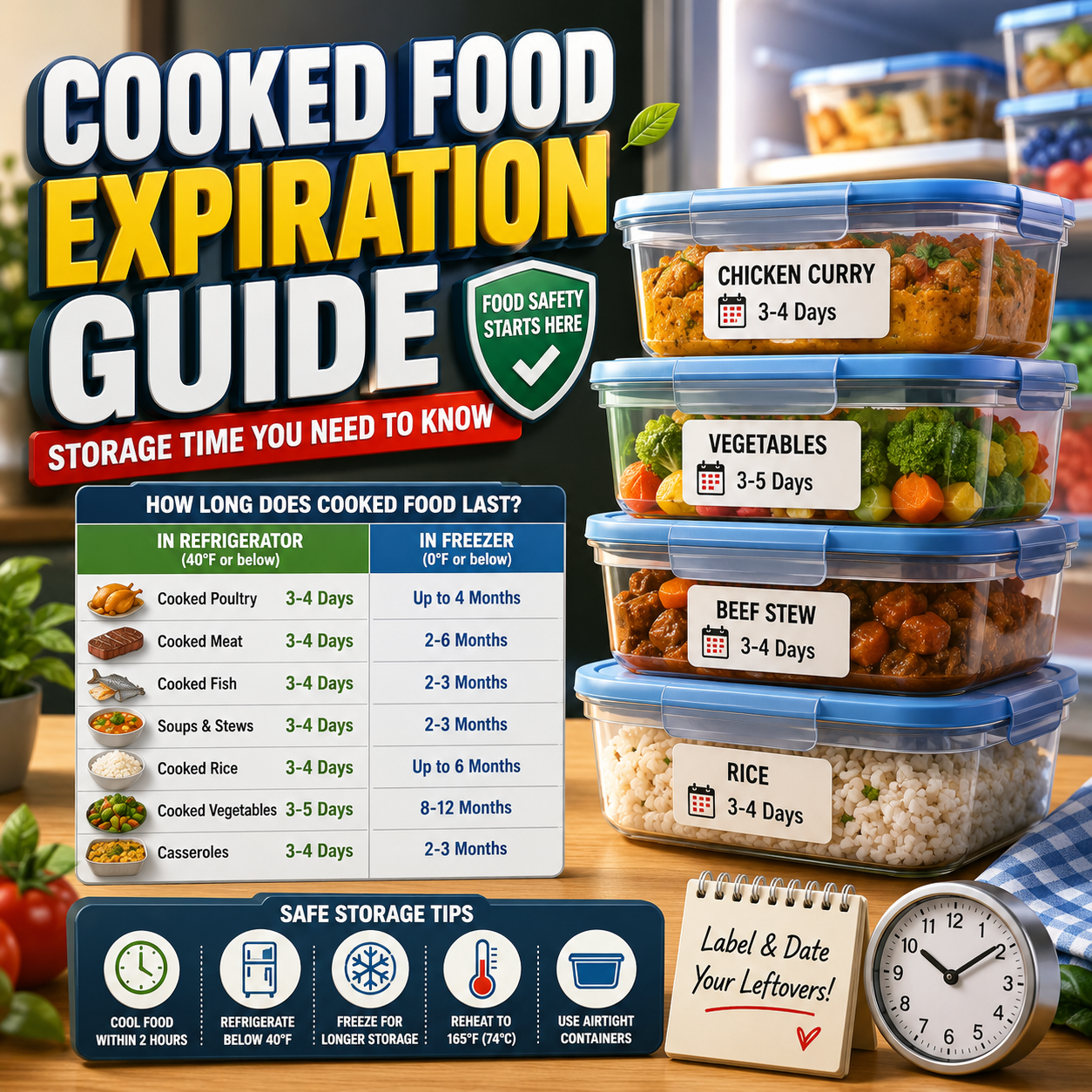
Store leftovers in shallow containers so they cool more quickly. Label containers with the storage date and consume refrigerated leftovers within three to four days for the best quality and safety.
Rule 6: Store Food Correctly
Proper food storage extends shelf life and prevents contamination. Arrange foods in the refrigerator according to their risk level. Ready-to-eat foods should be stored on the upper shelves, while raw meats belong on the bottom shelf in leak-proof containers to prevent juices from dripping onto other items.
Keep dry foods such as rice, flour, and cereals in airtight containers away from heat and moisture. Regularly check pantry and refrigerator items for expiration dates and signs of spoilage.
Refrigerator Storage Guide
| Food | Recommended Storage Time |
| Cooked leftovers | 3–4 days |
| Fresh poultry | 1–2 days |
| Fresh beef or pork | 3–5 days |
| Fresh fish | 1–2 days |
| Eggs | 3–5 weeks |
| Milk | Follow expiration date |
Rule 7: Avoid Cross-Contamination
Cross-contamination occurs when harmful microorganisms spread from one food or surface to another. It often happens when the same cutting board, knife, or plate is used for raw meat and ready-to-eat foods without proper cleaning. This simple mistake can transfer dangerous bacteria and increase the risk of food poisoning.
Use color-coded cutting boards if possible—one for raw meat, another for vegetables, and a separate one for cooked foods. Wash utensils, countertops, and hands thoroughly after handling raw ingredients to keep your kitchen safe.
Rule 8: Clean and Sanitize Kitchen Surfaces Regularly
A clean kitchen is one of the best defenses against foodborne illness. Countertops, sinks, cutting boards, refrigerator handles, and frequently touched surfaces can harbor bacteria if they are not cleaned regularly. Wash surfaces with hot, soapy water to remove food residue, then sanitize when appropriate using a food-safe disinfectant.
Dishcloths, sponges, and towels should also be cleaned or replaced often because they can quickly accumulate germs. Allow surfaces to dry completely before preparing food.
Rule 9: Check Expiration and Use-By Dates
Food packaging often includes “best before,” “use by,” or expiration dates that help indicate freshness and safety. While “best before” dates generally relate to quality, “use by” dates are more closely tied to food safety. Consuming food after its safe-use period may increase the risk of illness.
Always inspect food for unusual odors, mold, discoloration, or damaged packaging. When in doubt, throw it out. It’s better to waste a small amount of food than risk food poisoning.
Rule 10: Thaw Frozen Food Safely
Improper thawing allows bacteria to multiply on the outer layers of food while the center remains frozen. The safest methods include thawing food in the refrigerator, under cold running water, or in the microwave if it will be cooked immediately afterward.
Never thaw meat, poultry, or seafood on the kitchen counter at room temperature. This common practice can quickly bring food into the temperature danger zone and increase the risk of bacterial growth.
Safe Food Storage Guidelines
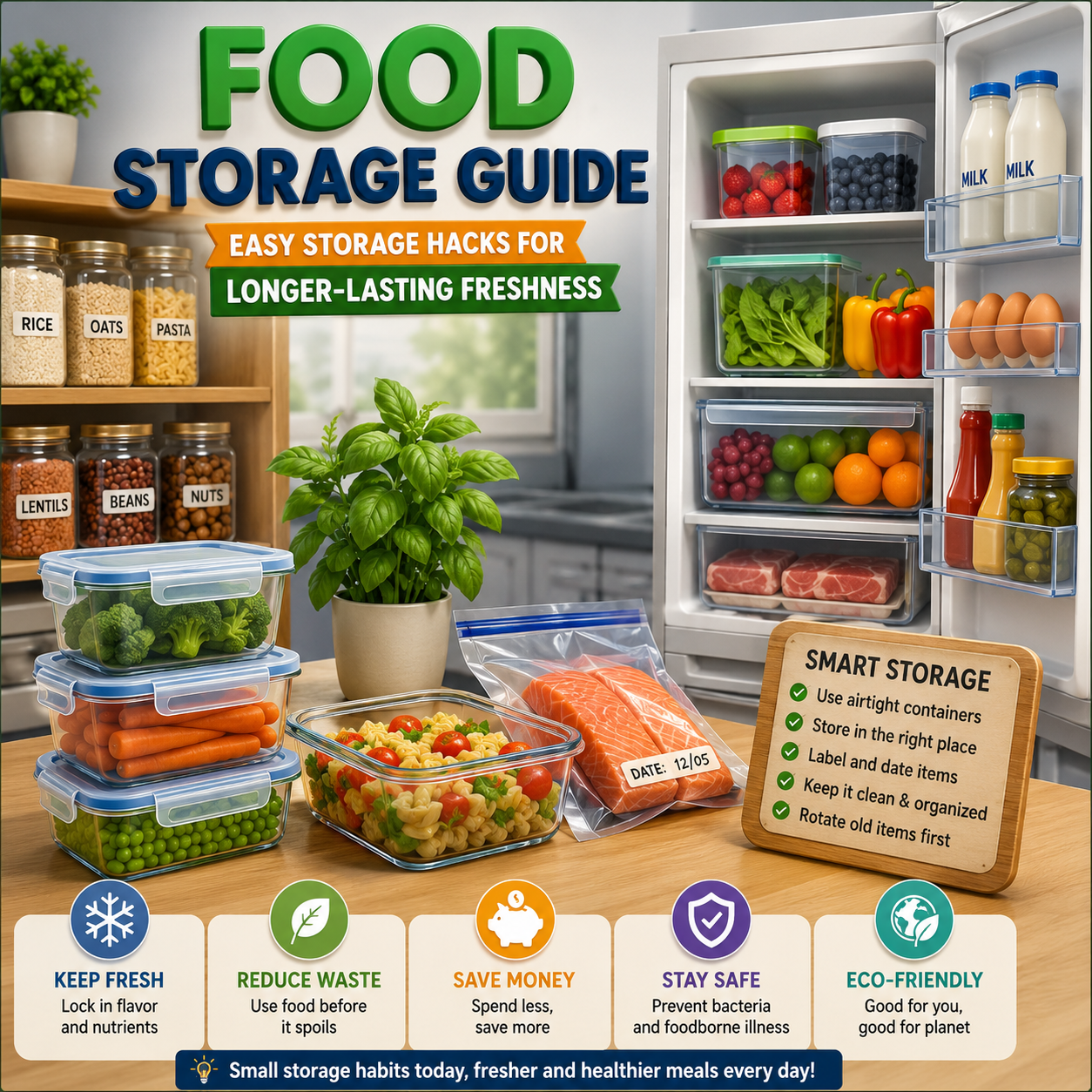
Proper food storage helps maintain freshness, preserves nutrients, and prevents harmful bacteria from multiplying. Organize your refrigerator to separate raw foods from cooked foods and avoid overcrowding, which can reduce airflow and cooling efficiency.
Food Storage Best Practices
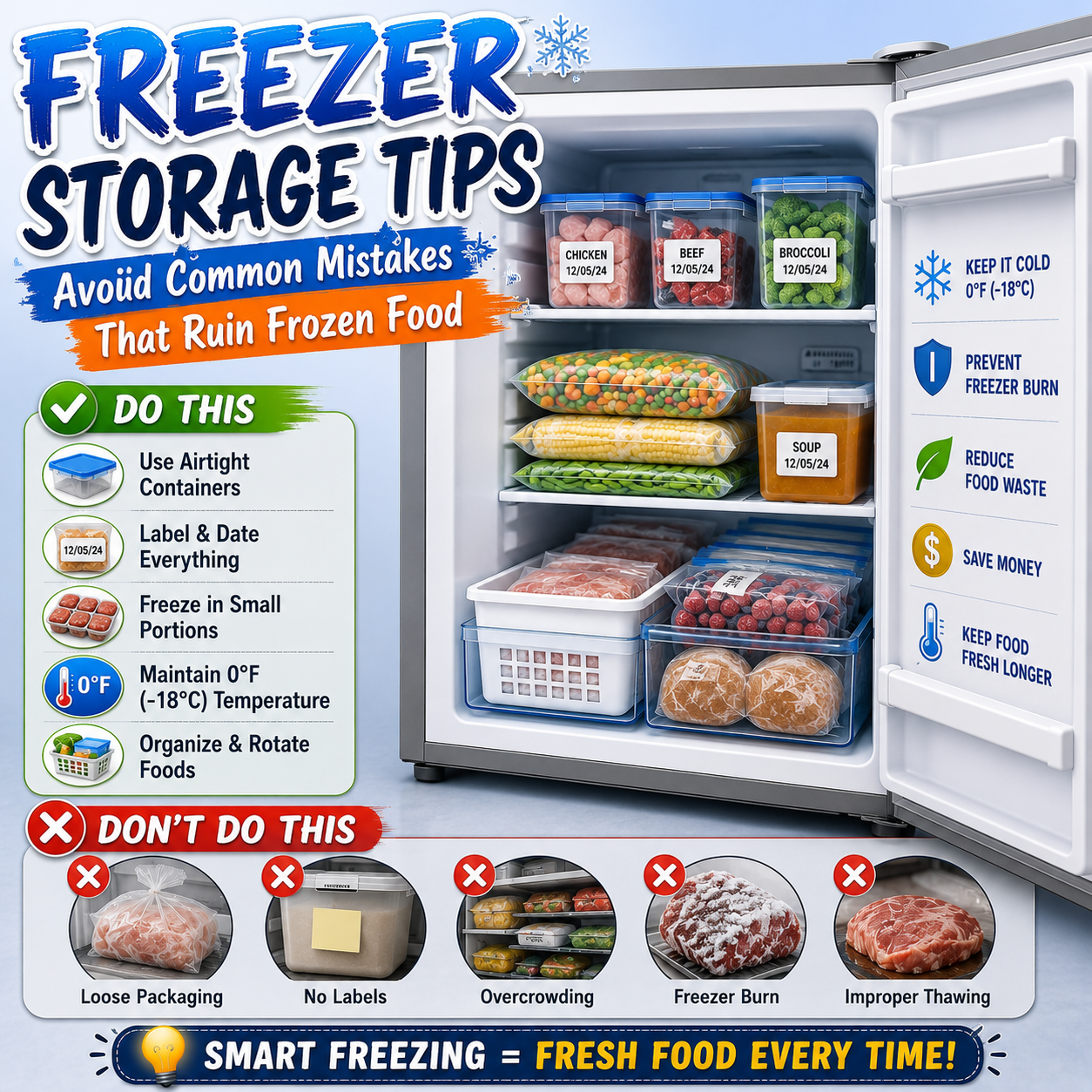
- Keep refrigerator temperature at 4°C (40°F) or below.
- Keep freezer temperature at −18°C (0°F) or below.
- Store raw meat on the lowest shelf.
- Keep foods in airtight containers.
- Label leftovers with the preparation date.
- Rotate older foods to the front using the “first in, first out” method.
- Never refreeze thawed food unless it has been cooked.
Preventing Cross-Contamination: A Step-by-Step Guide
Preventing cross-contamination requires consistent habits throughout the cooking process. Begin by washing your hands before handling food. Use separate utensils and cutting boards for raw and cooked foods. After preparing raw meat, immediately wash knives, boards, and countertops with hot, soapy water.
Keep reusable grocery bags clean, avoid placing cooked food on plates that previously held raw meat, and use clean serving utensils. These simple precautions greatly reduce the spread of harmful microorganisms.
Common Food Safety Mistakes to Avoid
Many cases of food poisoning result from avoidable mistakes made during food preparation. Being aware of these errors can help you create safer cooking habits.
Common Mistakes
- Not washing hands before cooking.
- Tasting food to check if it has spoiled.
- Leaving leftovers out overnight.
- Using the same cutting board for meat and vegetables.
- Undercooking poultry or seafood.
- Overloading the refrigerator.
- Ignoring refrigerator temperature.
- Refreezing partially thawed meat without cooking it first.
- Washing raw chicken, which can spread bacteria through water splashes.
- Forgetting to clean frequently touched kitchen surfaces.
Food Safety Checklist
Use this checklist before, during, and after cooking to help reduce the risk of foodborne illness.
Before Cooking
- ✔ Wash hands thoroughly.
- ✔ Clean countertops and utensils.
- ✔ Check food expiration dates.
- ✔ Separate raw and ready-to-eat foods.
During Cooking
- ✔ Use separate cutting boards.
- ✔ Cook foods to safe temperatures.
- ✔ Avoid tasting undercooked food.
- ✔ Wash hands after handling raw meat.
After Cooking
- ✔ Refrigerate leftovers promptly.
- ✔ Store food in airtight containers.
- ✔ Wash dishes and utensils.
- ✔ Sanitize kitchen surfaces.
- ✔ Empty trash regularly.
Food Safety Do’s and Don’ts
| Do | Don’t |
| Wash hands before cooking | Handle food with dirty hands |
| Use a food thermometer | Guess cooking temperatures |
| Refrigerate leftovers quickly | Leave food out for hours |
| Store raw meat separately | Mix raw and cooked foods |
| Clean kitchen surfaces regularly | Reuse dirty utensils |
| Wash fresh produce | Wash raw poultry |
Featured Snippet Answer
Food safety rules every home cook should know include washing hands thoroughly, preventing cross-contamination, cooking foods to safe internal temperatures, refrigerating perishable foods promptly, cleaning kitchen surfaces, storing food correctly, checking expiration dates, and practicing proper hygiene. These habits significantly reduce the risk of foodborne illness and help keep meals safe for everyone.
1. What are the most important food safety rules at home?
The most important food safety rules include washing your hands before handling food, keeping raw and cooked foods separate, cooking food to safe internal temperatures, refrigerating perishable foods promptly, cleaning kitchen surfaces regularly, and storing food correctly. Following these basic practices helps reduce the risk of foodborne illnesses and ensures that meals remain safe for your family.
2. Why is food safety important for home cooks?
Food safety protects people from foodborne illnesses caused by harmful bacteria, viruses, and parasites. Proper handling, cooking, and storage of food reduce contamination and help maintain food quality. Safe kitchen habits also minimize food waste, save money, and create a healthier home environment for everyone.
3. What causes cross-contamination in the kitchen?
Cross-contamination occurs when harmful bacteria spread from raw foods, especially meat, poultry, seafood, or eggs, to ready-to-eat foods. It often happens through shared cutting boards, knives, hands, countertops, or storage containers. Using separate equipment and cleaning surfaces properly helps prevent this problem.
4. How long can cooked food stay at room temperature?
Cooked food should not remain at room temperature for more than two hours. If the surrounding temperature is above 32°C (90°F), refrigerate food within one hour. After these limits, bacteria can multiply rapidly, increasing the risk of foodborne illness.
5. Why should I use a food thermometer?
A food thermometer confirms that food has reached a safe internal temperature capable of destroying harmful microorganisms. Color and texture alone are not reliable indicators of doneness, making a thermometer an essential kitchen tool for safe cooking.
6. How can I safely store leftovers?
Leftovers should be refrigerated within two hours of cooking, or within one hour if the weather is very hot. Store food in shallow, airtight containers to help it cool quickly and evenly. Label containers with the storage date and consume leftovers within three to four days. Proper storage prevents bacterial growth and helps maintain food quality.
7. Is washing fruits and vegetables really necessary?
Yes. Fresh produce can carry dirt, pesticides, and harmful microorganisms from farms, transportation, and handling. Washing fruits and vegetables under running water helps remove contaminants and reduces the risk of illness. Even produce with peels that are removed before eating should be washed to prevent contamination during cutting.
8. Can food poisoning occur from home-cooked meals?
Yes. Food poisoning can occur anywhere food is prepared, including home kitchens. Common causes include undercooking food, poor hand hygiene, cross-contamination, improper storage, and leaving food at unsafe temperatures. Following recommended food safety practices significantly lowers the risk.
9. What temperature should a refrigerator be set to?
A refrigerator should be maintained at or below 4°C (40°F) to slow bacterial growth and keep food safe. Using a refrigerator thermometer can help ensure the appliance is operating correctly. Freezers should be maintained at −18°C (0°F) or below.
10. What should I do if I suspect food has spoiled?
If food has an unusual odor, color, texture, mold growth, or damaged packaging, it should be discarded immediately. Never taste food to determine whether it is safe. When there is any doubt about freshness or safety, throwing the food away is the safest option.
FAQ Section
1. What are the four basic principles of food safety?
The four basic principles of food safety are Clean, Separate, Cook, and Chill. Clean refers to washing hands, utensils, and surfaces regularly. Separate means preventing cross-contamination between raw and cooked foods. Cook involves reaching safe internal temperatures to kill harmful microorganisms. Chill means refrigerating perishable foods promptly to slow bacterial growth. Together, these principles form the foundation of safe food handling.
2. How often should kitchen sponges be replaced?
Kitchen sponges can harbor large numbers of bacteria if not cleaned properly. Ideally, they should be replaced every one to two weeks depending on use. Sponges should be sanitized regularly by microwaving a damp sponge for one minute or running it through a dishwasher cycle. Replacing worn-out sponges helps maintain a cleaner kitchen environment.
3. Is it safe to eat leftovers after four days?
Most leftovers are safest when consumed within three to four days if stored properly in the refrigerator. After this period, bacterial growth may increase even if food appears normal. If leftovers have been stored longer than four days, it is generally safer to discard them rather than risk foodborne illness.
4. Why shouldn’t raw chicken be washed?
Washing raw chicken can spread bacteria such as Salmonella through water splashes onto countertops, utensils, and nearby foods. Cooking chicken to the proper internal temperature effectively destroys harmful bacteria, making washing unnecessary and potentially dangerous.
5. What foods are considered high-risk?
High-risk foods include raw or undercooked meat, poultry, seafood, eggs, unpasteurized dairy products, cooked rice, and prepared foods left at room temperature. These foods provide conditions that support bacterial growth and require careful handling, cooking, and storage.
6. How can I prevent food poisoning at home?
Preventing food poisoning involves maintaining good hygiene, washing hands frequently, separating raw and cooked foods, cooking foods thoroughly, refrigerating perishables promptly, and cleaning kitchen surfaces regularly. Consistently following these practices greatly reduces the risk of illness.
7. Can freezing kill bacteria?
Freezing does not usually kill bacteria; it simply slows or stops their growth. Once food is thawed, bacteria can become active again. This is why proper thawing, cooking, and storage remain essential even for frozen foods.
8. What is the temperature danger zone?
The temperature danger zone is the range between 4°C and 60°C (40°F and 140°F) where bacteria multiply rapidly. Food should spend as little time as possible within this range to minimize the risk of contamination and foodborne illness.
9. How long can food stay in the freezer?
Many foods remain safe indefinitely when continuously frozen at −18°C (0°F). However, quality may decline over time. For best quality, follow recommended freezer storage times for specific foods and keep items properly wrapped.
10. Are expiration dates always accurate indicators of safety?
Expiration dates are useful guidelines but should be interpreted correctly. “Best before” dates usually indicate quality rather than safety, while “use by” dates relate more closely to food safety. Always inspect food for spoilage and follow storage recommendations.
Key Takeaways
- Food safety begins with proper handwashing.
- Keep raw and cooked foods separate.
- Cook foods to recommended internal temperatures.
- Refrigerate perishable foods promptly.
- Store food correctly to prevent contamination.
- Use food thermometers for accurate cooking.
- Clean and sanitize kitchen surfaces regularly.
- Avoid common food safety mistakes.
- Follow the Clean, Separate, Cook, and Chill principles.
- Safe food handling protects the entire family.
Conclusion
Food safety is one of the most important responsibilities of every home cook. While preparing meals at home offers many benefits, it also requires careful attention to hygiene, cooking methods, food storage, and contamination prevention. Fortunately, following a few simple rules can dramatically reduce the risk of foodborne illness and create a safer kitchen environment.
The essential food safety rules every home cook should know include washing hands regularly, separating raw and cooked foods, cooking meals to safe temperatures, refrigerating perishables promptly, cleaning kitchen surfaces, checking expiration dates, and storing food correctly. These practices are easy to adopt and provide long-term benefits for both health and food quality.
By making food safety a daily habit rather than an occasional concern, you can protect your family, reduce food waste, and enjoy greater confidence in the meals you prepare. Start implementing these food safety rules today and make every meal safer, healthier, and more enjoyable for everyone at your table.
Read Our Latest Blog:5 Essential Dietary Shifts to Prep Your Immune System Before Winter