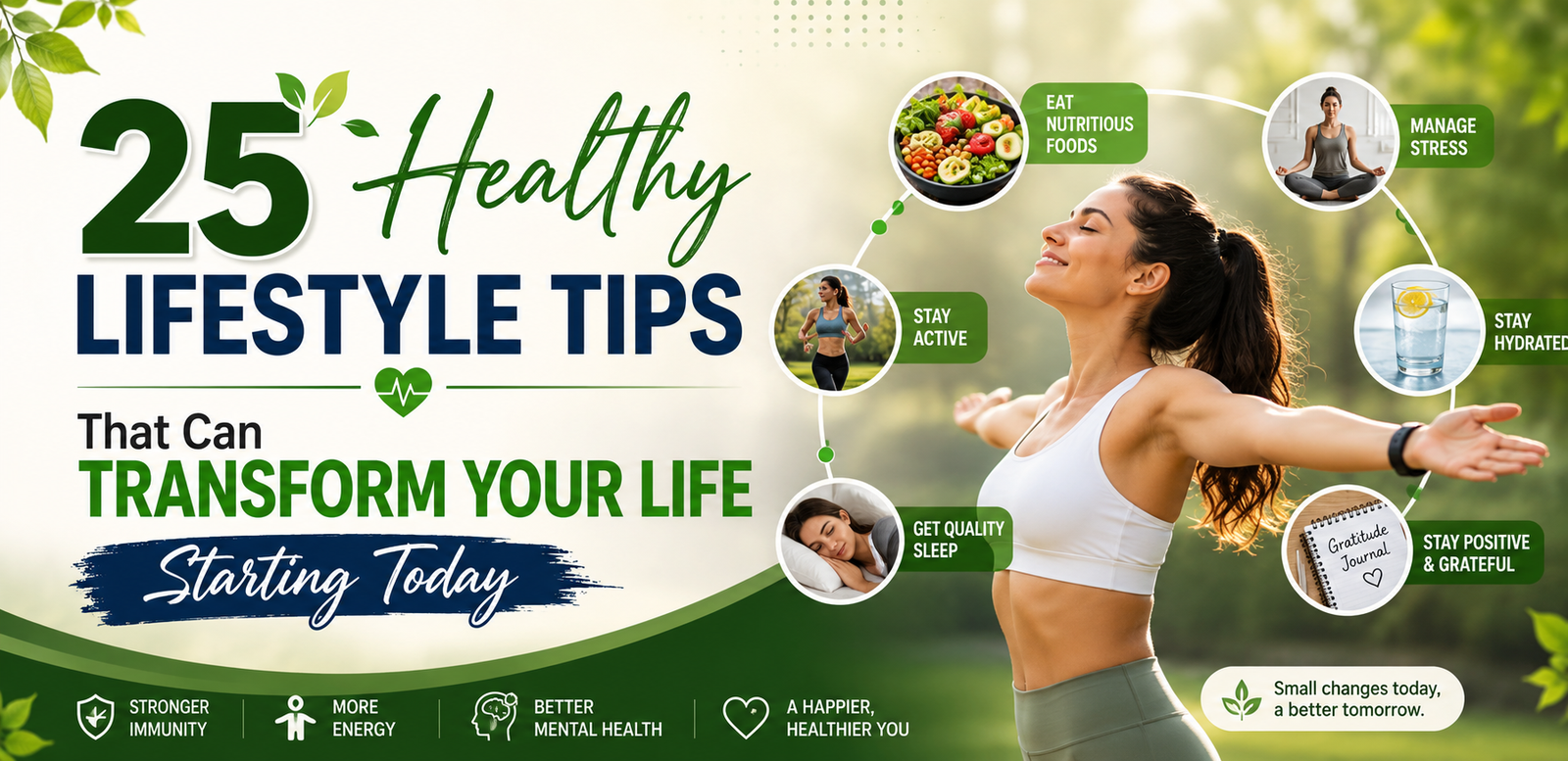
25 Healthy Lifestyle Tips That Can Transform Your Life Starting Today
Living a healthier life doesn’t require extreme diets, expensive fitness memberships, or unrealistic routines. In fact, the biggest improvements often come from small, consistent changes that become part of your everyday life. Whether your goal is to increase your energy, strengthen your immune system, maintain a healthy weight, improve your mental well-being, or simply feel your best, developing healthy habits is one of the smartest investments you can make.
Many people struggle because they try to change everything at once. They begin with enthusiasm but quickly become overwhelmed. The secret to long-term success is creating sustainable habits that fit naturally into your daily routine. Healthy living is not about perfection—it’s about making better choices more often than not.
In this guide, you’ll discover 25 Healthy Lifestyle Tips backed by science and practical experience. These daily healthy habits are simple enough for beginners yet effective enough to create lasting improvements. You’ll also learn tips for a healthy lifestyle, practical strategies on how to live a healthier life, and healthy eating habits that support your physical and mental well-being. By the end of this article, you’ll have a realistic roadmap for building a healthier, happier future—starting today.
What Is a Healthy Lifestyle?
A healthy lifestyle is a combination of daily habits that support physical, mental, and emotional well-being. It involves eating nutritious foods, staying physically active, getting enough sleep, managing stress, maintaining healthy relationships, and avoiding behaviors that increase the risk of disease. Rather than focusing on quick fixes, healthy living encourages long-term consistency. Even small improvements—such as drinking more water, walking daily, or choosing whole foods more often—can significantly improve your quality of life over time.
Why Healthy Habits Matter
Daily habits shape your long-term health more than occasional efforts. Research consistently shows that healthy lifestyle choices reduce the risk of heart disease, type 2 diabetes, obesity, certain cancers, and many chronic conditions. Beyond disease prevention, healthy habits improve energy levels, productivity, mood, concentration, sleep quality, and overall happiness. By making intentional choices every day, you build a strong foundation that supports better health for years to come.
25 Healthy Lifestyle Tips That Can Transform Your Life Starting Today
1. Start Your Day with a Nutritious Breakfast
A balanced breakfast provides the energy your body and brain need after an overnight fast. Choose meals that combine protein, healthy fats, fiber, and complex carbohydrates to help stabilize blood sugar and keep you satisfied longer. Good examples include oatmeal with nuts, Greek yogurt with berries, or whole-grain toast with eggs and avocado. Avoid relying on sugary cereals or pastries, which may lead to energy crashes later in the day.
2. Drink More Water Every Day
Proper hydration supports nearly every function in your body, including digestion, circulation, temperature regulation, and cognitive performance. Many people mistake thirst for hunger, leading to unnecessary snacking. Carry a reusable water bottle and sip water consistently throughout the day. While individual needs vary, aiming for several glasses daily and increasing intake during exercise or hot weather can help maintain optimal hydration.
3. Eat More Fruits and Vegetables
Colorful fruits and vegetables are rich in vitamins, minerals, antioxidants, and dietary fiber. These nutrients help support immune function, digestive health, and reduce the risk of chronic disease. Try filling at least half your plate with vegetables during lunch and dinner while including fresh fruit as snacks or desserts. Variety is important because different colors provide different beneficial plant compounds.
4. Prioritize Quality Sleep
Sleep is one of the most overlooked aspects of good health. Adults generally benefit from seven to nine hours of quality sleep each night. Consistent sleep helps regulate hormones, improve memory, strengthen immunity, and support heart health. Create a relaxing bedtime routine, reduce screen exposure before bed, and maintain a regular sleep schedule—even on weekends—to improve sleep quality naturally.
5. Exercise Regularly
Physical activity strengthens your heart, muscles, bones, and lungs while improving mental health. You don’t need intense workouts to experience benefits. Walking, cycling, swimming, dancing, yoga, or strength training all contribute to better overall fitness. Aim for at least 150 minutes of moderate exercise each week, combined with muscle-strengthening activities several times weekly for optimal health.
6. Practice Portion Control
Healthy eating isn’t only about what you eat—it also involves how much you eat. Oversized portions can contribute to excess calorie intake even when consuming nutritious foods. Use smaller plates, eat slowly, and pay attention to hunger and fullness cues. Learning mindful portion sizes helps maintain a healthy weight without feeling deprived.
7. Reduce Added Sugar Intake
Many processed foods and beverages contain hidden sugars that contribute to weight gain, insulin resistance, and dental problems. Reading food labels can help identify products with excessive added sugars. Instead of sugary drinks or desserts, choose naturally sweet fruits or healthier alternatives with little or no added sugar whenever possible.
8. Include Lean Protein in Every Meal
Protein supports muscle maintenance, tissue repair, hormone production, and satiety. Good protein sources include fish, poultry, eggs, beans, lentils, tofu, Greek yogurt, and lean cuts of meat. Including protein with each meal helps stabilize energy levels and reduces unnecessary snacking between meals, making healthy eating habits easier to maintain.
9. Limit Highly Processed Foods
Ultra-processed foods are often high in sodium, unhealthy fats, refined carbohydrates, and artificial additives while being low in essential nutrients. Although enjoying them occasionally is perfectly acceptable, basing your diet on minimally processed whole foods provides greater nutritional value and supports long-term health. Focus on fresh ingredients whenever possible.
10. Move Throughout the Day
Even if you exercise regularly, sitting for prolonged periods may negatively affect health. Stand up every hour, stretch, take short walks, or use the stairs whenever possible. Small movement breaks improve circulation, reduce stiffness, support metabolism, and increase overall daily energy expenditure.
11. Manage Stress in Healthy Ways
Stress is a normal part of life, but chronic stress can negatively affect your physical and mental health. Long-term stress may contribute to high blood pressure, poor sleep, digestive issues, anxiety, and a weakened immune system. Learning healthy stress management techniques is one of the most valuable daily healthy habits you can develop.
Simple practices such as deep breathing, meditation, journaling, yoga, spending time outdoors, or listening to calming music can help reduce stress levels. Regular physical activity and meaningful conversations with friends or family also provide emotional support. Remember that managing stress is not about eliminating challenges but responding to them in healthier ways.
12. Practice Mindful Eating
Mindful eating encourages you to pay full attention to your food, your hunger signals, and your body’s response to meals. Many people eat while watching television, scrolling through social media, or working, which often leads to overeating without realizing it.
Slow down during meals, chew your food thoroughly, and appreciate the flavors and textures. Eating mindfully improves digestion, increases satisfaction after meals, and helps prevent unnecessary calorie intake. Over time, this simple habit supports healthy weight management and builds a healthier relationship with food.
13. Choose Healthy Fats
Not all fats are unhealthy. Your body needs healthy fats to support brain function, hormone production, vitamin absorption, and heart health. Instead of avoiding fats entirely, focus on choosing healthier sources.
Excellent options include:
- Avocados
- Olive oil
- Nuts
- Seeds
- Fatty fish such as salmon and sardines
- Natural nut butters
Limit foods high in trans fats and reduce excessive saturated fat from highly processed foods. Replacing unhealthy fats with healthier alternatives is one of the easiest tips for a healthy lifestyle.
14. Eat More Whole Grains
Whole grains contain fiber, vitamins, minerals, and beneficial plant compounds that refined grains often lose during processing. They support digestive health, provide longer-lasting energy, and may reduce the risk of several chronic diseases.
Healthy whole-grain choices include:
- Brown rice
- Oats
- Whole wheat bread
- Whole grain pasta
- Quinoa
- Barley
- Millet
Replacing refined grains with whole grains is a practical way to improve your healthy eating habits without making drastic dietary changes.
15. Don’t Skip Regular Health Checkups
Preventive healthcare plays a vital role in maintaining long-term wellness. Routine checkups can identify potential health concerns before they become serious, allowing for earlier treatment and better outcomes.
Regular screenings may include:
- Blood pressure checks
- Blood sugar testing
- Cholesterol screening
- Dental examinations
- Vision tests
- Recommended vaccinations
- Age-appropriate cancer screenings
Consult your healthcare provider to determine which screenings are appropriate for your age, family history, and personal health needs.
16. Spend Time Outdoors
Nature offers benefits that go beyond beautiful scenery. Spending time outdoors can improve mood, reduce stress, encourage physical activity, and support mental well-being. Sunlight also helps your body produce vitamin D, which is important for bone health and immune function.
Whether it’s a morning walk, gardening, hiking, or simply sitting in a park, making time for nature can positively influence both physical and emotional health.
17. Build Strong Social Connections
Healthy relationships contribute significantly to overall well-being. Supportive friendships and family connections provide emotional comfort during difficult times and increase feelings of belonging and happiness.
Make time to:
- Call loved ones
- Meet friends regularly
- Participate in community activities
- Volunteer
- Join clubs or hobby groups
Strong social support has been associated with better mental health and even longer life expectancy.
18. Avoid Smoking and Limit Alcohol
Smoking is one of the leading preventable causes of disease and premature death worldwide. Excessive alcohol consumption can also increase the risk of liver disease, heart disease, certain cancers, and mental health issues.
If you smoke, seek professional support to quit. If you drink alcohol, do so responsibly according to your country’s health recommendations. Reducing these harmful habits is one of the most impactful ways to improve long-term health.
19. Maintain Good Posture
Many people spend hours sitting at desks or looking down at mobile devices, leading to poor posture. Over time, poor posture may contribute to neck pain, back pain, headaches, and reduced mobility.
Simple improvements include:
- Keeping your shoulders relaxed
- Sitting with your feet flat on the floor
- Positioning your computer screen at eye level
- Taking stretching breaks every hour
Good posture supports musculoskeletal health and can even improve breathing and confidence.
20. Protect Your Mental Health
Mental health deserves the same attention as physical health. Prioritize activities that help you maintain emotional balance, such as practicing gratitude, engaging in hobbies, setting realistic goals, and seeking professional support when needed.
Signs that you may benefit from speaking with a mental health professional include persistent sadness, anxiety, difficulty functioning in daily life, or overwhelming stress. Seeking help is a sign of strength, not weakness.
21. Reduce Screen Time
Digital devices have become an essential part of modern life, but excessive screen time may interfere with sleep, physical activity, posture, and mental well-being.
Try these strategies:
- Schedule screen-free periods.
- Avoid devices before bedtime.
- Spend more time on outdoor activities.
- Replace scrolling with reading or exercise.
- Set app usage limits when necessary.
Creating healthier digital habits helps improve productivity and overall wellness.
22. Learn to Read Nutrition Labels
Understanding nutrition labels allows you to make informed food choices rather than relying on marketing claims. Pay attention to serving sizes, calories, added sugars, sodium, dietary fiber, and protein.
When comparing products, choose options that are:
- Lower in added sugar
- Lower in sodium
- Higher in fiber
- Rich in whole-food ingredients
- Lower in trans fats
Reading labels consistently helps support healthier eating habits over time.
23. Prepare More Meals at Home
Cooking at home gives you greater control over ingredients, portion sizes, and cooking methods. Restaurant and takeaway meals often contain more salt, sugar, and unhealthy fats than home-cooked meals.
Simple meal planning can save time during busy weeks while encouraging healthier food choices. Batch cooking soups, grilled chicken, roasted vegetables, and whole grains makes healthy eating more convenient.
24. Keep Learning About Health
Health recommendations continue to evolve as new research emerges. Staying informed through credible sources helps you make evidence-based decisions rather than following social media trends or misinformation.
Look for information from healthcare professionals, government health agencies, universities, and respected medical organizations. Developing health literacy empowers you to make better lifestyle decisions throughout your life.
25. Stay Consistent Rather Than Perfect
Perhaps the most important tip is to focus on consistency instead of perfection. No one eats perfectly or exercises every day. Missing one workout or enjoying an occasional dessert does not undo your progress.
Healthy living is built through thousands of small choices made consistently over months and years. Celebrate small victories, learn from setbacks, and continue moving forward. Sustainable habits create lasting transformation far more effectively than short-term extremes.
Comparison Table: Healthy Habits vs. Unhealthy Habits
| Healthy Habit | Unhealthy Habit | Health Benefit |
| Drink water regularly | Sugary soft drinks | Better hydration and energy |
| Eat whole fruits | Frequent sugary desserts | More fiber and nutrients |
| Walk daily | Sitting for long hours | Better heart health |
| Cook meals at home | Frequent fast food | Improved nutrition |
| Sleep 7–9 hours | Staying up late regularly | Better recovery and immunity |
| Practice stress management | Ignoring chronic stress | Improved mental well-being |
| Eat whole grains | Refined white grains | Better digestion |
| Read nutrition labels | Buying without checking ingredients | Smarter food choices |
| Strength training | No resistance exercise | Stronger muscles and bones |
| Regular checkups | Only visiting doctors when sick | Early disease detection |
Common Mistakes That Prevent a Healthy Lifestyle
Many people struggle with healthy living not because they lack motivation, but because they adopt unrealistic expectations. Trying to change every habit overnight often leads to frustration and burnout. Sustainable progress comes from gradual improvements rather than perfection.
Some of the most common mistakes include:
- Following fad diets.
- Skipping meals.
- Drinking too little water.
- Ignoring sleep quality.
- Sitting for most of the day.
- Depending heavily on processed foods.
- Setting unrealistic fitness goals.
- Neglecting mental health.
- Giving up after small setbacks.
- Comparing your progress with others.
Recognizing these challenges allows you to build healthier routines that last.
How to Build a Sustainable Healthy Lifestyle
A lasting healthy lifestyle is created through small, manageable actions repeated consistently. Begin by choosing one or two habits to improve instead of trying to overhaul your entire routine. Once those habits become automatic, gradually introduce new ones.
Helpful strategies include:
- Set realistic goals.
- Track your daily habits.
- Prepare healthy meals in advance.
- Exercise on a consistent schedule.
- Keep healthy snacks available.
- Find activities you genuinely enjoy.
- Celebrate small milestones.
- Stay patient with your progress.
- Learn from setbacks rather than quitting.
- Focus on long-term wellness instead of quick results.
Healthy living is a lifelong journey. Consistency, patience, and flexibility are the keys to lasting success.
Frequently Asked Questions (FAQs)
1. What is a healthy lifestyle?
A healthy lifestyle involves making consistent choices that support physical, mental, and emotional well-being. It includes eating nutritious foods, exercising regularly, getting enough sleep, staying hydrated, managing stress, avoiding harmful habits, and maintaining positive social relationships. Small daily improvements can lead to significant long-term health benefits.
2. What are the best daily healthy habits?
Some of the best daily healthy habits include drinking enough water, eating fruits and vegetables, exercising, sleeping seven to nine hours, practicing good hygiene, limiting processed foods, managing stress, and spending time outdoors. Consistently following these habits helps improve energy, immunity, and overall quality of life.
3. How can I stay motivated to live a healthier life?
Set realistic goals, celebrate small successes, and focus on progress rather than perfection. Tracking your habits, finding enjoyable activities, and involving family or friends can help maintain motivation. Remember that setbacks are normal and should be viewed as learning opportunities instead of reasons to quit.
4. How important is hydration?
Hydration is essential for digestion, circulation, temperature regulation, joint health, and brain function. Drinking enough water throughout the day also helps maintain energy levels and may reduce the likelihood of confusing thirst with hunger. Individual water needs vary depending on age, activity level, and climate.
5. Can I be healthy without going to the gym?
Yes. A healthy lifestyle does not require a gym membership. Walking, cycling, dancing, gardening, yoga, home workouts, and bodyweight exercises all contribute to better health. The key is staying physically active in ways that fit your lifestyle and that you can maintain consistently.
Key Takeaways
- Healthy living is built on small, consistent daily habits.
- Eat a balanced diet rich in whole, minimally processed foods.
- Stay hydrated throughout the day.
- Exercise regularly and reduce prolonged sitting.
- Prioritize seven to nine hours of quality sleep.
- Manage stress with healthy coping strategies.
- Build strong social connections for emotional well-being.
- Schedule routine health checkups and preventive screenings.
- Focus on long-term consistency instead of perfection.
- Every healthy choice you make today supports a healthier future.
Conclusion
Living a healthier life doesn’t require perfection—it requires consistency, patience, and a willingness to make better choices each day. The 25 Healthy Lifestyle Tips shared in this guide are practical, achievable, and designed to help you build lasting habits that improve your physical, mental, and emotional well-being. Whether you begin by drinking more water, eating more whole foods, walking daily, improving your sleep, or managing stress more effectively, every positive step contributes to better long-term health.
Remember that meaningful change happens gradually. Instead of trying to transform your life overnight, focus on making one healthy choice at a time and allowing those choices to become part of your daily routine. Over weeks, months, and years, these small actions can create remarkable improvements in your energy, confidence, and overall quality of life.
At PureWellLife, our goal is to provide reliable, practical, and evidence-informed wellness advice that helps you live your healthiest life. Explore our other articles on nutrition, fitness, disease prevention, and healthy living for more expert guidance. If you found this article helpful, share it with your family and friends, and take the first step toward a healthier future—starting today.