Food safety begins long before your meal reaches the dining table. Every day, millions of people prepare meals at home without realizing that small mistakes—such as using the same cutting board for raw chicken and vegetables or storing leftovers incorrectly—can increase the risk of foodborne illnesses. Harmful bacteria like Salmonella, E. coli, Listeria, and Campylobacter can spread easily when basic kitchen hygiene is overlooked.
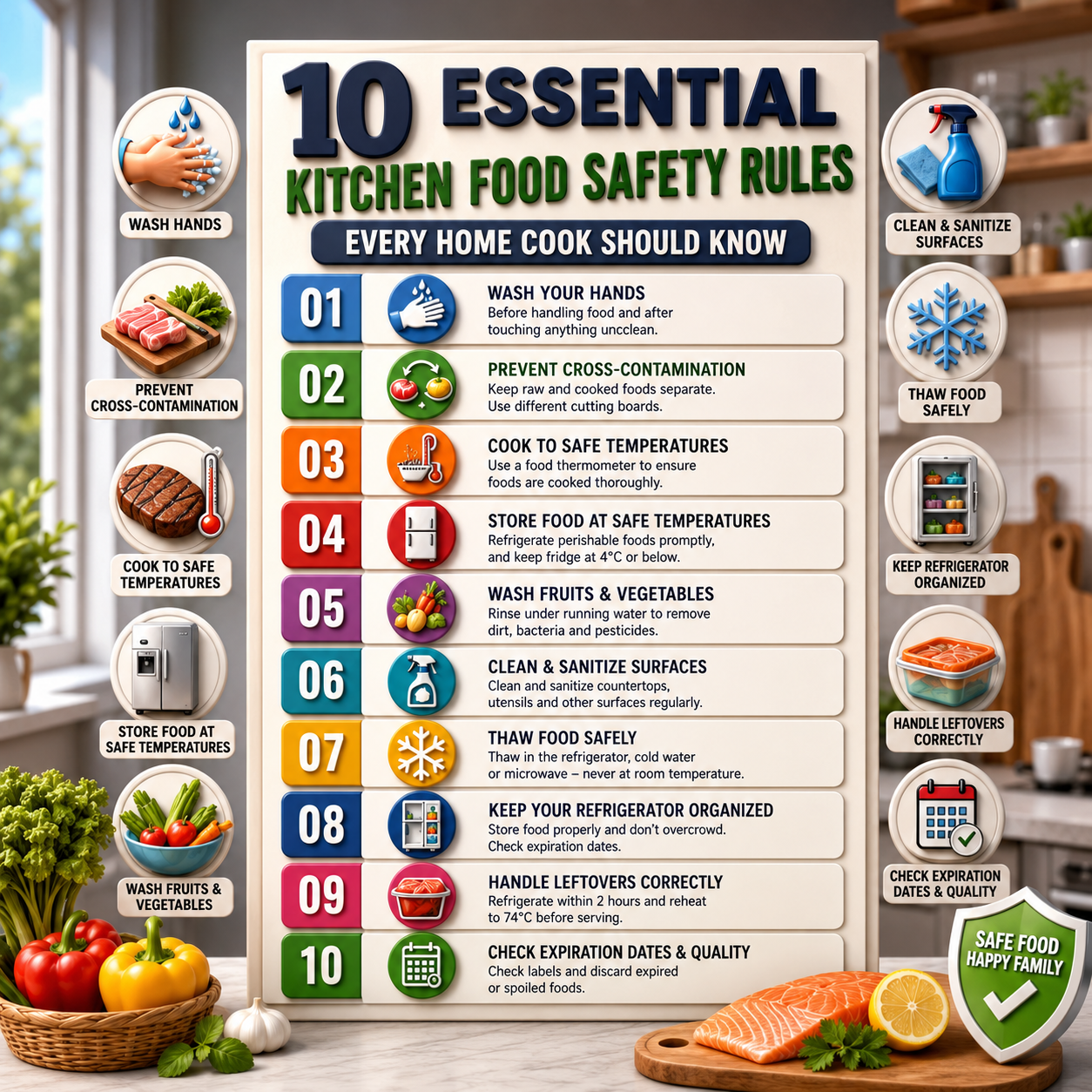
Understanding the 10 essential kitchen food safety rules home cook should know is one of the simplest ways to protect yourself and your family. These practical rules help prevent cross-contamination, reduce bacterial growth, and ensure that food is cooked, stored, and served safely. Whether you’re an experienced cook or just starting your culinary journey, following proper food safety practices can make a significant difference in the quality and safety of every meal.
In this comprehensive guide, you’ll discover the most important Kitchen Food Safety Rules learn why they matter, and gain actionable tips that can be incorporated into your daily cooking routine. By adopting these practices, you’ll not only reduce the risk of food poisoning but also create a cleaner, healthier, and more organized kitchen.
What Is Kitchen Food Safety?
Kitchen food safety refers to the practices and precautions used during food preparation, cooking, serving, and storage to prevent contamination and reduce the risk of foodborne illnesses. These practices include maintaining personal hygiene, cleaning kitchen equipment, cooking foods to recommended temperatures, storing perishables correctly, and preventing harmful bacteria from spreading between foods.
Food safety is not limited to restaurants or commercial kitchens. Home kitchens are equally important because improper food handling can expose family members to dangerous microorganisms that cause food poisoning. Developing consistent food safety habits ensures that every meal is nutritious, safe, and enjoyable while minimizing health risks.
Why Food Safety Is Important at Home
Many cases of food poisoning originate in home kitchens due to improper storage, poor hygiene, or incorrect cooking techniques. Unlike professional kitchens that follow strict food safety protocols, home cooks often overlook simple yet essential practices such as washing hands thoroughly, separating raw and cooked foods, or refrigerating leftovers promptly.
Good kitchen food safety habits help prevent illnesses caused by bacteria, viruses, and parasites. They also reduce food waste, preserve food quality, and protect vulnerable individuals such as children, older adults, pregnant women, and people with weakened immune systems. By following proper food safety rules, you can confidently prepare meals that are both delicious and safe for everyone at the table.
Rule 1: Wash Your Hands Properly Before Handling Food
Hand washing is the first and most effective defense against foodborne illness. Your hands can transfer harmful bacteria and viruses from surfaces, raw foods, pets, or other objects directly onto ingredients during food preparation. Washing your hands thoroughly with soap and running water for at least 20 seconds before cooking significantly reduces the risk of contamination.
You should also wash your hands after:
- Handling raw meat, poultry, or seafood
- Touching eggs
- Using the restroom
- Sneezing or coughing
- Touching garbage bins
- Handling pets
- Changing diapers
- Cleaning kitchen surfaces
Expert Tips
- Use warm running water and soap.
- Scrub between fingers, under fingernails, and around wrists.
- Dry hands with a clean towel or disposable paper towel.
- Avoid preparing food if your hands have open cuts unless they are covered with waterproof bandages and gloves.
Rule 2: Prevent Cross-Contamination
Cross-contamination occurs when harmful bacteria are transferred from one food or surface to another. This commonly happens when raw meat, poultry, seafood, or eggs come into contact with ready-to-eat foods such as salads, fruits, bread, or cooked meals. Preventing cross-contamination is essential for maintaining a safe kitchen environment.
Simple precautions can greatly reduce this risk. Always use separate cutting boards for raw meat and fresh produce, keep raw foods on the lowest refrigerator shelf to prevent drips, and wash utensils, knives, and countertops with hot, soapy water after handling raw ingredients. These habits help stop bacteria from spreading throughout your kitchen.
Best Practices
- Use color-coded cutting boards.
- Store raw meat in sealed containers.
- Never reuse marinades unless they have been boiled.
- Wash knives and utensils immediately after use.
- Keep cooked food away from raw food.
Rule 3: Cook Food to Safe Internal Temperatures
Cooking food thoroughly kills harmful bacteria that may be present in raw ingredients. However, relying solely on appearance or cooking time can be misleading. The safest approach is to use a food thermometer to verify that food has reached the recommended internal temperature.
Different foods require different cooking temperatures. Poultry should be cooked to 74°C (165°F), while ground meats should reach 71°C (160°F). Fish is generally safe at 63°C (145°F), and leftovers should be reheated to at least 74°C (165°F). Following these temperature guidelines helps ensure food is safe to eat without compromising quality.
Safe Cooking Temperature Table
| Food | Safe Internal Temperature |
| Chicken & Turkey | 74°C (165°F) |
| Ground Beef | 71°C (160°F) |
| Pork | 63°C (145°F) + Rest Time |
| Fish | 63°C (145°F) |
| Egg Dishes | 71°C (160°F) |
| Leftovers | 74°C (165°F) |
Rule 4: Store Food at Safe Temperatures
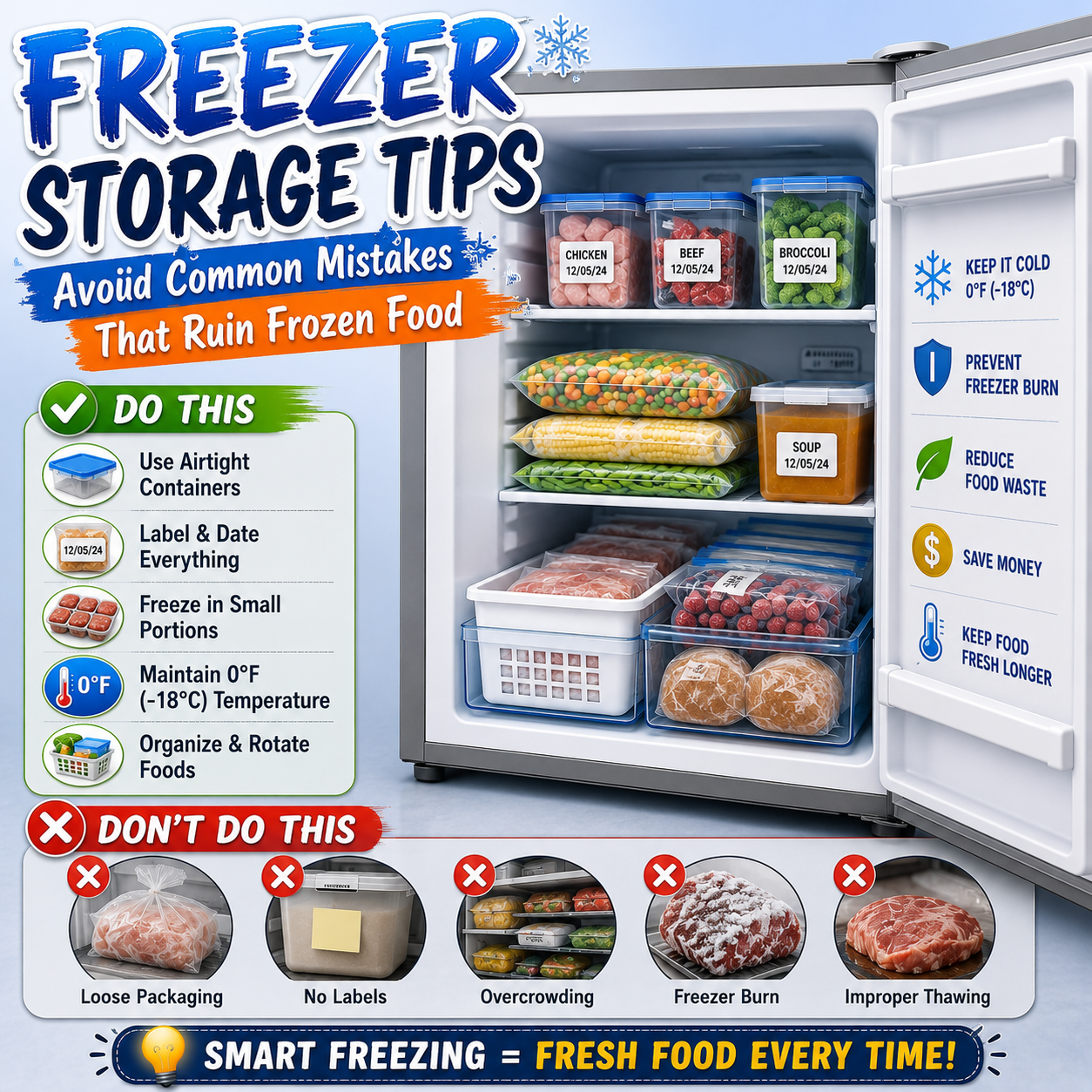
Proper food storage slows bacterial growth and keeps food fresh for longer. Perishable foods should never remain at room temperature for more than two hours, or one hour if the temperature exceeds 32°C (90°F). Refrigerators should be maintained at 4°C (40°F) or below, while freezers should remain at −18°C (0°F).
Organizing your refrigerator correctly is just as important. Store raw meat, poultry, and seafood on the bottom shelf in leak-proof containers to prevent juices from dripping onto ready-to-eat foods. Label leftovers with the date they were prepared and consume them within three to four days for optimal safety.
Storage Checklist
- Refrigerate leftovers promptly.
- Keep refrigerators below 4°C (40°F).
- Freeze food at −18°C (0°F).
- Use airtight containers.
- Follow the “first in, first out” method to reduce waste.
Rule 5: Wash Fruits and Vegetables Properly
Fresh fruits and vegetables can carry dirt, pesticide residues, and microorganisms picked up during harvesting, transportation, or handling. Washing produce under clean running water before eating, cutting, or cooking helps remove these contaminants and improves food safety.
Avoid washing produce with soap, bleach, or household detergents, as these substances are not intended for food and may leave harmful residues. For firm produce such as potatoes, cucumbers, or carrots, use a clean vegetable brush. Leafy greens should be separated and rinsed thoroughly to remove dirt trapped between leaves. Even fruits with thick peels, such as melons and oranges, should be washed before cutting to prevent bacteria from being transferred to the edible flesh.
Best Practices
- Rinse produce under running water.
- Scrub firm fruits and vegetables with a clean brush.
- Dry produce with a clean paper towel or cloth.
- Remove damaged or bruised sections before use.
- Wash produce immediately before eating or cooking, not before long-term storage.
Rule 6: Clean and Sanitize Kitchen Surfaces Regularly
A clean kitchen is the foundation of safe food preparation. While a countertop may appear spotless, invisible bacteria and viruses can remain on surfaces long after food preparation is complete. Germs from raw meat, poultry, seafood, eggs, and unwashed produce can survive on cutting boards, countertops, knives, and sinks if they are not cleaned and sanitized properly.
Cleaning removes visible dirt, grease, and food residue, whereas sanitizing reduces harmful microorganisms to safe levels. Both steps are essential for preventing cross-contamination. After preparing raw foods, wash all surfaces with hot, soapy water before applying a food-safe sanitizer. Pay special attention to high-touch areas such as refrigerator handles, faucet handles, cabinet knobs, and appliance controls, which are frequently overlooked but can harbor harmful bacteria.
Best Practices for Cleaning Your Kitchen
- Wash countertops with hot, soapy water after every meal preparation.
- Sanitize cutting boards after handling raw meat or seafood.
- Replace worn-out sponges regularly, as they can harbor bacteria.
- Wash dishcloths and kitchen towels in hot water after each use.
- Clean sink drains and garbage disposals weekly.
- Disinfect frequently touched surfaces daily.
- Allow sanitized surfaces to air dry whenever possible.
Rule 7: Thaw Frozen Food Safely
Improper thawing is one of the most common food safety mistakes made in home kitchens. Leaving frozen food on the countertop for several hours allows the outer layers to enter the “danger zone” (between 4°C and 60°C or 40°F and 140°F), where bacteria multiply rapidly while the center remains frozen.
The safest method is to thaw food in the refrigerator, where it stays at a consistently safe temperature. If you need to thaw food quickly, use the microwave’s defrost setting or place the food in a leak-proof plastic bag and submerge it in cold water, changing the water every 30 minutes. Food thawed in the microwave or cold water should be cooked immediately to prevent bacterial growth.
Safe Thawing Methods
| Method | Safe? | Best For |
| Refrigerator | ✅ Yes | All foods |
| Cold Water | ✅ Yes | Quick thawing |
| Microwave | ✅ Yes | Immediate cooking |
| Kitchen Counter | ❌ No | Unsafe |
| Hot Water | ❌ No | Unsafe |
Expert Tip
Plan meals in advance so frozen food has enough time to thaw safely in the refrigerator overnight.
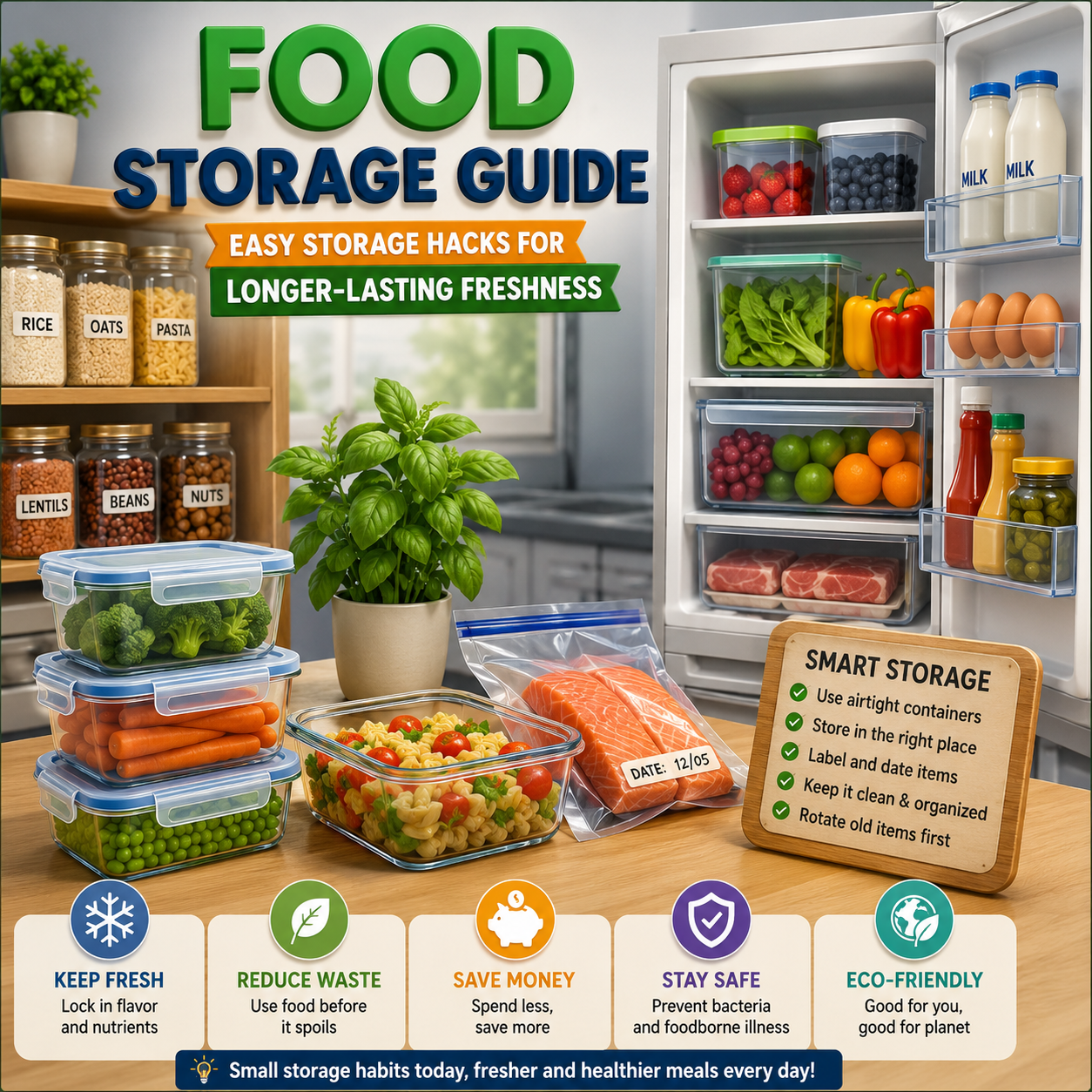
Rule 8: Keep Your Refrigerator Organized
A well-organized refrigerator is more than a convenience—it is an essential food safety practice. Incorrect storage can lead to cross-contamination, spoilage, and unnecessary food waste. Keeping foods in their appropriate locations helps maintain freshness and minimizes the risk of bacteria spreading between raw and ready-to-eat items.
Store raw meat, poultry, and seafood on the lowest shelf in leak-proof containers to prevent juices from dripping onto other foods. Dairy products should remain on interior shelves rather than the refrigerator door, where temperatures fluctuate. Fruits and vegetables should be stored in designated crisper drawers to preserve freshness. Label leftovers with preparation dates and rotate older items to the front so they are used first.
Refrigerator Organization Checklist
- Store raw meat on the bottom shelf.
- Keep dairy products in the coldest section.
- Separate fruits from vegetables when appropriate.
- Use airtight containers for leftovers.
- Avoid overcrowding to allow proper air circulation.
- Check refrigerator temperature regularly.
- Discard spoiled food promptly.
Rule 9: Handle Leftovers Correctly
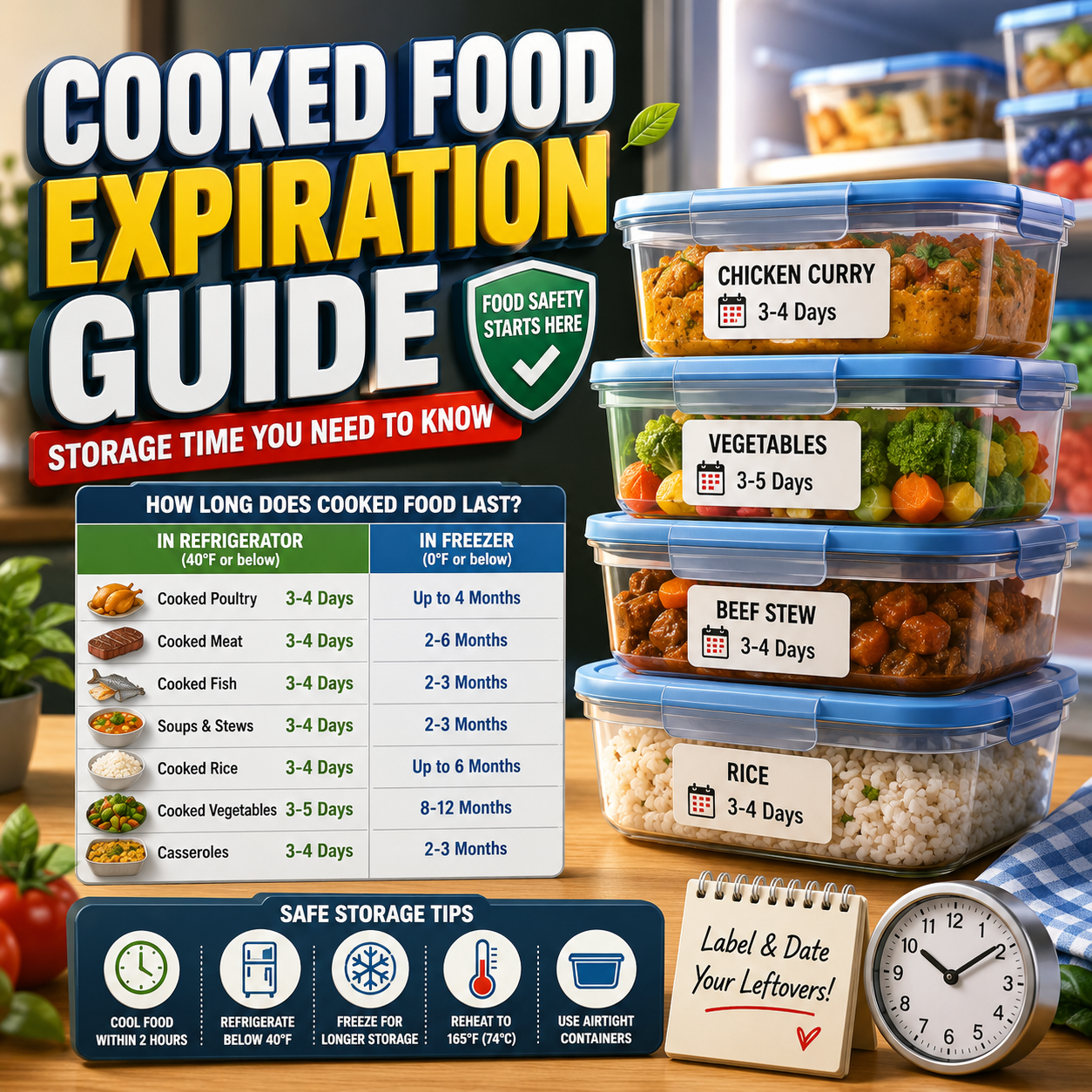
Leftovers are convenient and help reduce food waste, but they can become unsafe if not handled properly. Harmful bacteria multiply rapidly when cooked food remains at room temperature for too long. To minimize this risk, refrigerate leftovers within two hours of cooking—or within one hour if the surrounding temperature is above 32°C (90°F).
Divide large portions into shallow containers so they cool more quickly. When reheating leftovers, ensure they reach an internal temperature of at least 74°C (165°F). Avoid reheating the same leftovers multiple times, as repeated temperature changes can increase the risk of bacterial growth and reduce food quality.
Leftover Safety Tips
- Refrigerate food promptly.
- Use shallow containers.
- Label containers with preparation dates.
- Eat refrigerated leftovers within three to four days.
- Freeze leftovers if they will not be eaten soon.
- Reheat only the portion you plan to consume.
Rule 10: Check Expiration Dates and Food Quality
Reading food labels and inspecting ingredients before cooking are simple yet essential habits that help prevent foodborne illness. Expiration dates provide guidance on product quality and safety, but they should be combined with proper storage practices and visual inspection.
Do not consume food that has an unusual smell, discoloration, mold, bulging packaging, or damaged seals, even if it is within the expiration date. Likewise, food stored incorrectly may spoil before the printed date. Regularly checking pantry items, refrigerated foods, and frozen products helps keep your kitchen safe and reduces unnecessary waste.
Signs That Food Should Be Discarded
- Sour or unusual odors
- Visible mold growth
- Slimy texture
- Bulging or leaking cans
- Broken vacuum seals
- Discoloration
- Excessive freezer burn affecting quality
Common Kitchen Food Safety Mistakes
Even experienced home cooks sometimes make small mistakes that can compromise food safety. Being aware of these common errors makes them easier to avoid.
| Mistake | Why It’s Risky | Better Practice |
| Not washing hands | Spreads germs | Wash with soap for 20 seconds |
| Using one cutting board | Cross-contamination | Use separate boards |
| Guessing cooking temperature | Food may remain unsafe | Use a food thermometer |
| Leaving food out too long | Bacteria multiply rapidly | Refrigerate within two hours |
| Refreezing thawed food improperly | Reduces safety and quality | Cook before refreezing when appropriate |
| Using dirty dishcloths | Transfers bacteria | Replace or wash daily |
| Overcrowding the refrigerator | Reduces cooling efficiency | Leave space for airflow |
Expert Kitchen Food Safety Tips
Professional chefs and food safety experts rely on consistent habits rather than shortcuts. Incorporating these practices into your routine helps create a safer cooking environment and reduces the risk of foodborne illness.
- Keep a food thermometer in your kitchen.
- Wash reusable grocery bags regularly.
- Replace damaged cutting boards with deep grooves.
- Use paper towels to clean spills from raw meat juices.
- Clean refrigerator shelves monthly.
- Store dry foods in sealed containers to keep out moisture and pests.
- Wash hands before tasting food during cooking.
- Keep pets away from food preparation areas.
- Follow the “clean, separate, cook, and chill” principles consistently.
Frequently Asked Questions (FAQs)
1. What is kitchen food safety?
Kitchen food safety refers to the practices used to prevent food contamination and reduce the risk of foodborne illnesses during food preparation, cooking, serving, and storage. It includes washing hands, cleaning kitchen surfaces, cooking food to safe temperatures, storing food correctly, and preventing cross-contamination. Following these habits helps keep meals safe, nutritious, and enjoyable for everyone in your household.
2. Why is kitchen food safety important for home cooks?
Food safety is essential because harmful bacteria, viruses, and parasites can contaminate food if it is handled improperly. Poor hygiene, incorrect cooking temperatures, or improper storage may lead to food poisoning. By following basic kitchen food safety rules, home cooks can protect family members, reduce food waste, and prepare meals with greater confidence and peace of mind.
3. How often should I clean and sanitize my kitchen?
Kitchen surfaces should be cleaned after every food preparation session and sanitized after handling raw meat, poultry, seafood, or eggs. Frequently touched areas such as refrigerator handles, faucets, and cabinet knobs should also be disinfected regularly. Establishing a daily cleaning routine helps reduce bacterial growth and maintains a hygienic cooking environment.
4. What foods are most likely to cause food poisoning?
Raw or undercooked poultry, meat, seafood, eggs, and unpasteurized dairy products are among the foods most commonly associated with foodborne illness. Fresh fruits and vegetables can also become contaminated if they are not washed properly. Safe handling, thorough cooking, and proper storage greatly reduce these risks.
5. How long can leftovers stay in the refrigerator?
Most cooked leftovers remain safe for three to four days when stored in airtight containers at 4°C (40°F) or below. If you do not plan to eat them within this period, freeze them instead. Always reheat leftovers to 74°C (165°F) before serving and discard any food with an unusual smell, texture, or appearance.
6. Should fruits and vegetables always be washed?
Yes. Fresh produce should be washed under clean running water before eating, cutting, or cooking. Washing removes dirt, pesticide residues, and microorganisms that may be present on the surface. Avoid using soap or bleach because these products are not intended for food and may leave harmful residues.
7. What is the danger zone in food safety?
The food safety “danger zone” refers to temperatures between 4°C and 60°C (40°F–140°F), where bacteria multiply rapidly. Perishable foods should spend as little time as possible within this range. Refrigerate cold foods promptly and keep hot foods above 60°C (140°F) until they are served.
8. Is a food thermometer really necessary?
Yes. A food thermometer is the most reliable way to verify that food has reached a safe internal temperature. Appearance alone is not always a dependable indicator of doneness. Using a thermometer helps destroy harmful bacteria while preventing undercooked meals and unnecessary overcooking.
9. How can I prevent cross-contamination in my kitchen?
Prevent cross-contamination by using separate cutting boards for raw meat and ready-to-eat foods, washing utensils thoroughly, storing raw meat on the bottom refrigerator shelf, and cleaning countertops after preparing raw ingredients. These simple habits greatly reduce the spread of harmful bacteria during cooking.
10. What are the four basic principles of food safety?
The four basic food safety principles are Clean, Separate, Cook, and Chill. Keep hands and surfaces clean, separate raw and cooked foods, cook foods to safe internal temperatures, and refrigerate perishable foods promptly. Following these four principles forms the foundation of safe home cooking.
Key Takeaways
- Wash your hands with soap and water for at least 20 seconds before handling food.
- Prevent cross-contamination by separating raw and cooked foods.
- Cook foods to recommended internal temperatures using a food thermometer.
- Refrigerate perishable foods promptly to slow bacterial growth.
- Wash fruits and vegetables thoroughly under running water.
- Clean and sanitize kitchen surfaces after preparing raw foods.
- Thaw frozen foods safely in the refrigerator, cold water, or microwave.
- Organize your refrigerator to prevent leaks and contamination.
- Store leftovers properly and consume them within three to four days.
- Regularly inspect food for spoilage and follow expiration or use-by guidance.
Conclusion
Kitchen food safety is one of the most important responsibilities of every home cook. While many foodborne illnesses are preventable, they often result from simple mistakes such as poor hand hygiene, improper food storage, cross-contamination, or undercooking. Fortunately, adopting safe food handling habits does not require expensive equipment or professional training—it simply requires consistency and awareness.
By following these 10 essential kitchen food safety rules every home cook should know, you can significantly reduce the risk of food poisoning, improve the quality of your meals, and create a healthier cooking environment for your family. Small daily habits—such as washing your hands, using separate cutting boards, checking cooking temperatures, and refrigerating leftovers promptly—can make a lasting difference.
Remember that food safety is not a one-time task but a routine that should be practiced every day. As food safety recommendations evolve, continue learning from trusted health organizations and update your kitchen habits accordingly.
Read Our Latest Blog:25 Healthy Lifestyle Tips That Can Transform Your Life Starting Today