As temperatures begin to drop, your body faces new seasonal challenges. Winter often brings an increase in colds, flu, respiratory infections, and lower energy levels. While no single food can completely prevent illness, your daily diet plays a significant role in supporting your immune system. Preparing your body before winter arrives gives your immune defenses time to strengthen rather than reacting only after you become sick.
Many people focus on taking supplements once winter begins, but nutrition experts agree that building immunity starts with consistent healthy eating habits. A balanced diet rich in vitamins, minerals, antioxidants, healthy fats, lean proteins, and fiber helps immune cells function effectively and supports overall health. Small dietary improvements made before winter can reduce nutritional deficiencies and promote better resilience during the colder months.
This guide explores immune system before winter backed by nutritional science that can help prepare your immune system for winter. You’ll also learn why these changes matter, which foods to prioritize, and practical ways to include them in your everyday meals.
Why Nutrition Matters Before Winter
Your immune system works around the clock to protect your body against bacteria, viruses, fungi, and other harmful microorganisms. During winter, people spend more time indoors, respiratory viruses spread more easily, and sunlight exposure decreases. These seasonal changes can affect immune function directly and indirectly, especially if your diet lacks essential nutrients.
Nutrition provides the building blocks needed for immune cells, antibodies, and protective barriers like healthy skin and mucous membranes. Vitamins such as A, C, D, and E, along with minerals like zinc and selenium, contribute to immune regulation. A nutrient-rich diet also supports faster recovery if you do become ill. Preparing your diet before winter ensures your body has adequate nutrient stores to face seasonal health challenges more effectively.
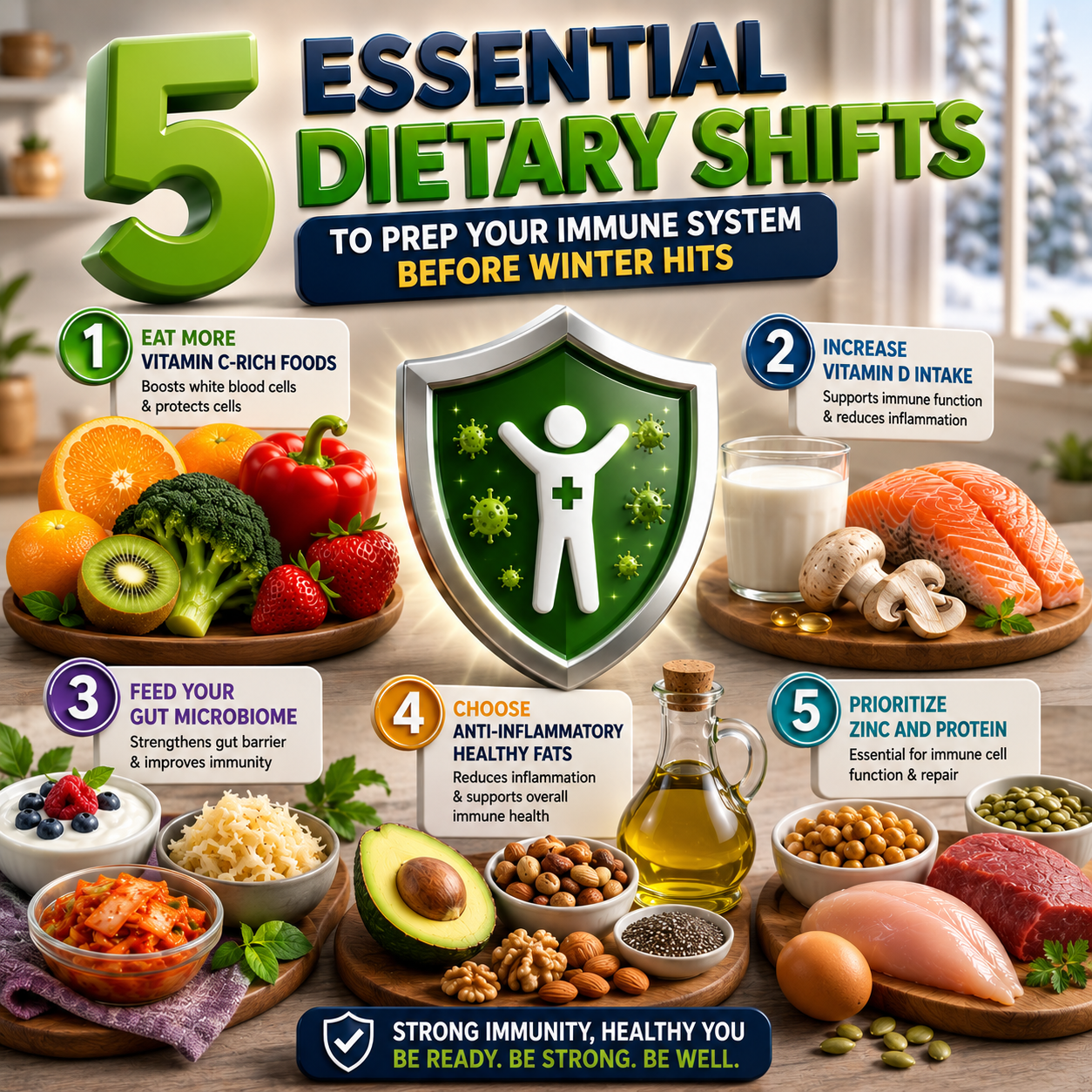
Dietary Shift #1: Eat More Vitamin C-Rich Foods
Vitamin C is one of the most well-known nutrients for immune health, and for good reason. It acts as a powerful antioxidant, helping protect immune cells from oxidative stress while supporting the production and function of white blood cells. Although vitamin C cannot completely prevent the common cold, research suggests that adequate intake may reduce the duration and severity of respiratory infections in some people.
Instead of relying solely on supplements, prioritize whole foods naturally rich in vitamin C. These foods provide additional antioxidants, fiber, and beneficial plant compounds that work together to support overall wellness. Eating a variety of colorful fruits and vegetables every day helps ensure consistent intake throughout the season.
Best Vitamin C Foods
- Oranges
- Kiwi
- Strawberries
- Guava
- Papaya
- Red bell peppers
- Broccoli
- Brussels sprouts
- Kale
- Tomatoes
Practical Tips
- Add berries to breakfast.
- Include citrus fruits as snacks.
- Add bell peppers to salads.
- Steam broccoli instead of overcooking it.
- Blend fruits into smoothies without adding sugar.
Dietary Shift #2: Increase Vitamin D Intake
Vitamin D plays a unique role in regulating both the innate and adaptive immune systems. During winter, reduced sunlight exposure often leads to lower vitamin D production in the skin. Low vitamin D levels have been associated with an increased risk of respiratory infections and reduced immune efficiency.
Because very few foods naturally contain vitamin D, it is important to include fortified foods and natural dietary sources whenever possible. Some individuals—especially older adults, people with darker skin, or those living in regions with limited winter sunlight—may also require supplementation under healthcare guidance.
Foods Rich in Vitamin D
- Salmon
- Sardines
- Mackerel
- Egg yolks
- Mushrooms exposed to UV light
- Fortified milk
- Fortified yogurt
- Fortified cereals
Lifestyle Tips
- Spend 15–30 minutes outdoors when sunlight is available.
- Include fatty fish two to three times per week.
- Pair vitamin D-rich foods with healthy fats to improve absorption.
- Discuss vitamin D testing with your healthcare provider if you’re at risk of deficiency.
Dietary Shift #3: Feed Your Gut Microbiome for Stronger Immunity
Nearly 70% of the body’s immune cells are associated with the gut, making digestive health a cornerstone of immune function. Your gut microbiome—a diverse community of trillions of beneficial bacteria—helps regulate immune responses, strengthen the intestinal barrier, and reduce harmful inflammation. When your gut is healthy, your immune system is better equipped to recognize and fight pathogens while avoiding unnecessary inflammation.
A diet rich in probiotics and prebiotics supports a balanced microbiome. Probiotic foods introduce beneficial bacteria, while prebiotic foods feed those bacteria so they can thrive. Consistently eating both types of foods before winter can help maintain digestive health and may improve your body’s natural defenses against seasonal illnesses.
Best Probiotic Foods
- Plain yogurt with live cultures
- Kefir
- Kimchi
- Sauerkraut
- Miso
- Tempeh
- Fermented pickles
Best Prebiotic Foods
- Garlic
- Onions
- Leeks
- Asparagus
- Bananas
- Oats
- Apples
- Chicory root
- Legumes
Easy Ways to Support Your Gut
- Start your morning with plain yogurt topped with berries.
- Add garlic and onions to soups and stews.
- Eat at least one serving of fermented food daily.
- Increase fiber gradually while drinking plenty of water.
- Limit highly processed foods and excessive added sugars, which may negatively affect gut bacteria.
Dietary Shift #4: Choose Anti-Inflammatory Healthy Fats
Healthy fats are essential for maintaining healthy cell membranes, including those of immune cells. They also help the body absorb fat-soluble vitamins such as A, D, E, and K, all of which contribute to immune health. Omega-3 fatty acids, in particular, have anti-inflammatory properties that help regulate immune responses and support heart and brain health.
Replacing unhealthy trans fats and excessive saturated fats with healthier alternatives can reduce chronic inflammation, allowing the immune system to function more efficiently. This dietary shift is especially beneficial during winter when overall physical activity often decreases.
Best Sources of Healthy Fats
- Salmon
- Sardines
- Mackerel
- Walnuts
- Almonds
- Chia seeds
- Flaxseeds
- Pumpkin seeds
- Avocados
- Extra virgin olive oil
Healthy Fat Tips
- Use olive oil for salad dressings and light cooking.
- Sprinkle chia or flaxseeds over oatmeal.
- Snack on a handful of unsalted nuts.
- Eat fatty fish two to three times each week.
- Replace butter with avocado or nut butter where appropriate.
Dietary Shift #5: Prioritize Zinc and High-Quality Protein
Protein provides the amino acids needed to build antibodies, enzymes, and immune cells. Zinc is equally important because it supports immune cell development, wound healing, and normal inflammatory responses. A deficiency in either nutrient can weaken immune defenses and increase susceptibility to infections.
Including a variety of lean proteins and zinc-rich foods in your meals ensures your body has the resources it needs to maintain a strong immune system throughout winter. Combining plant and animal protein sources also helps create a balanced, nutrient-rich eating pattern.
Zinc-Rich Foods
- Oysters
- Lean beef
- Chicken
- Turkey
- Pumpkin seeds
- Chickpeas
- Lentils
- Cashews
- Yogurt
High-Quality Protein Sources
- Eggs
- Fish
- Chicken
- Greek yogurt
- Cottage cheese
- Tofu
- Tempeh
- Lentils
- Beans
- Quinoa
Protein and Zinc Tips
- Include a source of protein at every meal.
- Add pumpkin seeds to salads and soups.
- Choose Greek yogurt as a high-protein snack.
- Pair legumes with whole grains for complete plant protein.
- Avoid skipping meals, especially breakfast.
Common Winter Diet Mistakes That Can Weaken Immunity
Even when trying to eat healthy, certain habits can unintentionally reduce your body’s ability to fight infections. Avoiding these common mistakes can make your immune-supporting diet even more effective.
| Mistake | Why It’s a Problem | Better Choice |
| Eating too much sugar | May increase inflammation and displace nutrient-rich foods | Choose fresh fruit instead of sugary desserts |
| Skipping meals | Can reduce overall nutrient intake | Eat balanced meals throughout the day |
| Drinking too little water | Dehydration affects normal body functions | Stay hydrated with water and herbal teas |
| Relying on supplements alone | Supplements can’t replace a balanced diet | Focus on whole foods first |
| Eating excessive processed foods | Often high in sodium, unhealthy fats, and additives | Prepare more meals at home |
Sample One-Day Winter Immunity Meal Plan
This balanced meal plan demonstrates how the five dietary shifts can fit naturally into a typical day while providing a wide range of immune-supporting nutrients.
Breakfast
- Greek yogurt with berries
- Oats topped with chia seeds
- Kiwi
- Green tea
Mid-Morning Snack
- Apple
- Handful of almonds
Lunch
- Grilled salmon
- Quinoa
- Steamed broccoli
- Mixed green salad with olive oil dressing
Afternoon Snack
- Carrot sticks
- Hummus
Dinner
- Lentil and vegetable soup
- Whole-grain bread
- Spinach salad with pumpkin seeds
Evening Snack
- Plain kefir or warm turmeric milk with minimal added sugar
Frequently Asked Questions (FAQs)
1. What are the best foods to strengthen your immune system before winter?
The best immune-supporting foods include citrus fruits, berries, broccoli, spinach, garlic, yogurt, kefir, salmon, eggs, nuts, seeds, legumes, and whole grains. These foods provide essential vitamins, minerals, antioxidants, healthy fats, and probiotics that help your immune system function effectively.
2. Can diet prevent colds and the flu?
No single food or diet can completely prevent viral infections like the common cold or influenza. However, a nutrient-rich diet supports a healthy immune system, which may reduce your risk of illness and help your body recover more quickly if you do get sick.
3. Is vitamin C enough to boost immunity?
Vitamin C is important, but it is only one part of a healthy immune-supporting diet. Your body also needs adequate vitamin D, zinc, protein, omega-3 fatty acids, probiotics, fiber, and plenty of fruits and vegetables for optimal immune function.
4. Should I take supplements before winter?
If you have a diagnosed nutrient deficiency or are unable to meet your nutritional needs through food, your healthcare provider may recommend supplements. For most healthy adults, however, a balanced diet should be the primary source of nutrients, with supplements used only when necessary.
5. How much water should I drink during winter?
Hydration is just as important in winter as it is during summer. Most adults benefit from drinking enough water to keep urine pale yellow, although individual needs vary based on activity level, climate, and overall health. Herbal teas, soups, and water-rich fruits also contribute to daily hydration.
6. Are fermented foods really good for immunity?
Yes. Fermented foods such as yogurt, kefir, kimchi, and sauerkraut contain beneficial bacteria that support a healthy gut microbiome. Since much of the immune system is closely linked to the gut, regularly consuming fermented foods may help maintain immune health.
Key Takeaways
- Prepare your immune system before winter rather than waiting until illness develops.
- Increase your intake of vitamin C-rich fruits and vegetables every day.
- Ensure adequate vitamin D through sunlight, fortified foods, or medical guidance if needed.
- Support your gut microbiome with probiotic and prebiotic foods.
- Replace unhealthy fats with omega-3-rich healthy fats from fish, nuts, and seeds.
- Include high-quality protein and zinc-rich foods in every day’s meals.
- Stay hydrated, sleep well, exercise regularly, and manage stress to complement a healthy diet.
- Focus on whole, minimally processed foods instead of relying solely on supplements.
Conclusion
Preparing your immune system before winter doesn’t require expensive supplements or restrictive diets. Instead, it starts with consistent, nutrient-dense eating habits that nourish your body from the inside out. By making these five essential dietary shifts—increasing vitamin C intake, improving vitamin D status, supporting gut health, choosing healthy fats, and prioritizing protein and zinc—you provide your immune system with the nutrients it needs to function at its best.
Remember that immunity is influenced by your overall lifestyle. A balanced diet works best alongside regular physical activity, quality sleep, stress management, good hygiene, and staying up to date with recommended vaccinations. Small, sustainable changes made today can help you stay healthier, more energetic, and better prepared throughout the winter season.
Read Latest Blog:13 Foods That Secretly Speed Up Aging—What to Eat Instead