A clean kitchen is one of the most important foundations of a healthy home. Every meal you prepare has the potential to nourish your family, but poor food hygiene can also expose loved ones to harmful bacteria, viruses, and other contaminants. Many cases of foodborne illness begin in home kitchens due to simple mistakes such as improper hand washing, unsafe food storage, undercooked meat, or cross-contamination between raw and cooked foods.
Following effective Kitchen Food Safety Tips doesn’t require expensive equipment or professional training. Instead, it involves building smart daily habits that reduce health risks while keeping food fresh, nutritious, and safe to eat. Whether you’re preparing breakfast for children, cooking dinner for your family, or storing leftovers for later, practicing proper food hygiene can significantly lower the risk of food poisoning.
In this comprehensive guide, you’ll discover practical food hygiene practices, safe food handling techniques, cleaning routines, storage recommendations, and expert-approved habits that help create a safer kitchen. By implementing these tips consistently, you’ll not only protect your family’s health but also reduce food waste, save money, and enjoy greater confidence every time you cook.
What Is Kitchen Food Safety?
Kitchen food safety refers to the collection of practices that prevent food from becoming contaminated during purchasing, storing, preparing, cooking, and serving. These practices are designed to reduce the risk of harmful microorganisms such as bacteria, viruses, parasites, and molds that can cause foodborne illnesses. Good food safety also includes maintaining a clean cooking environment, using safe food storage methods, and following proper cooking temperatures.
Maintaining food safety is essential because many harmful microorganisms cannot be seen, smelled, or tasted. Even food that appears fresh may contain dangerous pathogens if handled improperly. By adopting safe kitchen habits every day, families can enjoy healthier meals while minimizing preventable health risks.
Why Food Hygiene Matters for Every Household
Food hygiene plays a critical role in protecting individuals of all ages, especially children, older adults, pregnant women, and people with weakened immune systems. Poor hygiene in the kitchen can lead to food contamination, which may result in illnesses ranging from mild stomach discomfort to severe infections requiring medical treatment.
Beyond preventing illness, maintaining a hygienic kitchen also improves food quality, extends the shelf life of ingredients, reduces food waste, and creates a more organized cooking environment. Regular cleaning, safe storage, and careful food preparation help preserve nutrients and ensure meals remain enjoyable and safe for everyone.
Benefits of Good Kitchen Hygiene
- Reduces the risk of food poisoning
- Prevents bacterial growth
- Keeps food fresh for longer
- Minimizes cross-contamination
- Reduces household food waste
- Creates a healthier cooking environment
- Improves confidence while preparing meals
- Protects vulnerable family members
Common Causes of Food Contamination
Food contamination can occur at any stage of food preparation if proper hygiene practices are not followed. Understanding the most common sources of contamination helps households identify potential risks before they become serious health hazards.
The most frequent causes include poor hand hygiene, using the same cutting board for raw meat and vegetables, storing food at incorrect temperatures, consuming expired foods, and failing to clean kitchen utensils thoroughly. Contamination may also occur through pests, dirty dishcloths, improperly washed produce, or contaminated water used during food preparation.
Types of Food Contamination
| Type | Description | Examples |
| Biological | Harmful microorganisms | Salmonella, E. coli, Listeria |
| Chemical | Cleaning products or pesticides | Detergent residue, pesticides |
| Physical | Foreign objects | Glass, hair, plastic, metal fragments |
| Allergen | Cross-contact with allergens | Nuts, dairy, shellfish, gluten |
Recognizing these risks allows families to implement preventive measures before contamination affects meals.
Wash Your Hands Properly Before Cooking
Hand washing is one of the simplest yet most effective Kitchen Food Safety Tips for preventing the spread of germs. Hands come into contact with numerous surfaces throughout the day, collecting bacteria and viruses that can easily transfer to food during preparation. Washing hands correctly before handling ingredients significantly reduces the risk of contamination.
To wash your hands effectively, wet them with clean running water, apply soap, and scrub all surfaces—including the backs of your hands, between your fingers, and under your nails—for at least 20 seconds. Rinse thoroughly and dry with a clean towel or disposable paper towel. Repeat this process after handling raw meat, seafood, eggs, garbage, pets, or using the restroom.
Wash Your Hands Before
- Preparing food
- Eating meals
- Handling clean utensils
- Serving cooked food
- Touching ready-to-eat foods
Wash Your Hands After
- Handling raw meat
- Cracking eggs
- Taking out the garbage
- Touching pets
- Sneezing or coughing
- Using the toilet
- Changing diapers
Making proper hand washing a routine habit is one of the easiest ways to protect your family from foodborne illnesses.
Keep Kitchen Surfaces Clean and Sanitized
Kitchen countertops, sinks, cutting boards, and frequently touched surfaces can quickly become breeding grounds for bacteria if they are not cleaned regularly. Food residues, moisture, and spills provide ideal conditions for harmful microorganisms to multiply. Cleaning removes visible dirt, while sanitizing helps reduce bacteria to safer levels.
Develop a habit of wiping down preparation areas before and after cooking using warm, soapy water, followed by a food-safe disinfectant where appropriate. Pay extra attention to handles, faucets, appliance buttons, and reusable cloths, as these often harbor germs. Replace or sanitize sponges frequently because they can accumulate bacteria if left damp.
High-Touch Kitchen Areas to Clean Daily
- Countertops
- Sink and faucet
- Refrigerator handles
- Microwave handle
- Cabinet handles
- Cutting boards
- Stove knobs
- Dining table
- Trash bin lid
Maintaining clean work surfaces not only supports food safety but also creates a more pleasant and organized cooking environment.
Prevent Cross-Contamination
Cross-contamination occurs when harmful bacteria or allergens are transferred from one food or surface to another. This commonly happens when raw meat, poultry, seafood, or eggs come into contact with ready-to-eat foods such as salads, fruits, bread, or cooked dishes. Preventing cross-contamination is one of the most important aspects of maintaining a safe kitchen.
Use separate cutting boards for raw meats and fresh produce whenever possible. Wash knives, utensils, and hands immediately after handling raw ingredients before touching cooked or ready-to-eat foods. Store raw meats on the lowest refrigerator shelf in sealed containers to prevent juices from dripping onto other foods.
Best Practices to Prevent Cross-Contamination
- Use color-coded cutting boards.
- Separate raw and cooked foods.
- Wash utensils after each use.
- Never reuse marinades unless boiled.
- Store raw meat below ready-to-eat foods.
- Clean countertops after preparing raw ingredients.
- Replace worn cutting boards with deep grooves.
- Keep reusable shopping bags clean.
These simple precautions can dramatically reduce the spread of harmful bacteria and contribute to safer meal preparation.
Safe Food Storage Practices
Proper food storage is one of the most effective Kitchen Food Safety Tips for preventing foodborne illnesses and reducing unnecessary food waste. Harmful bacteria multiply rapidly when food is stored at unsafe temperatures or left uncovered. Organizing your refrigerator, pantry, and freezer correctly helps preserve freshness, maintain nutritional quality, and extend the shelf life of ingredients.
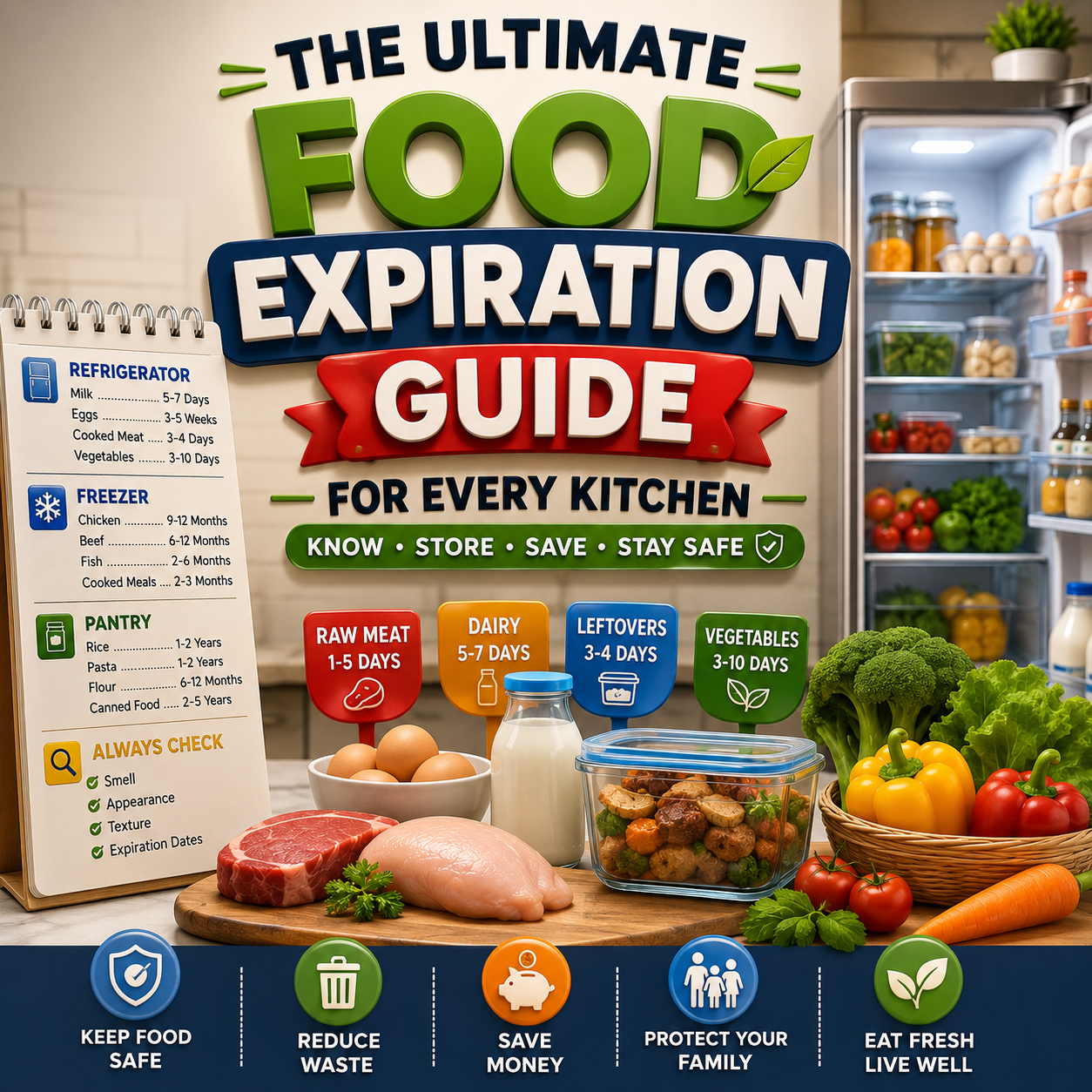
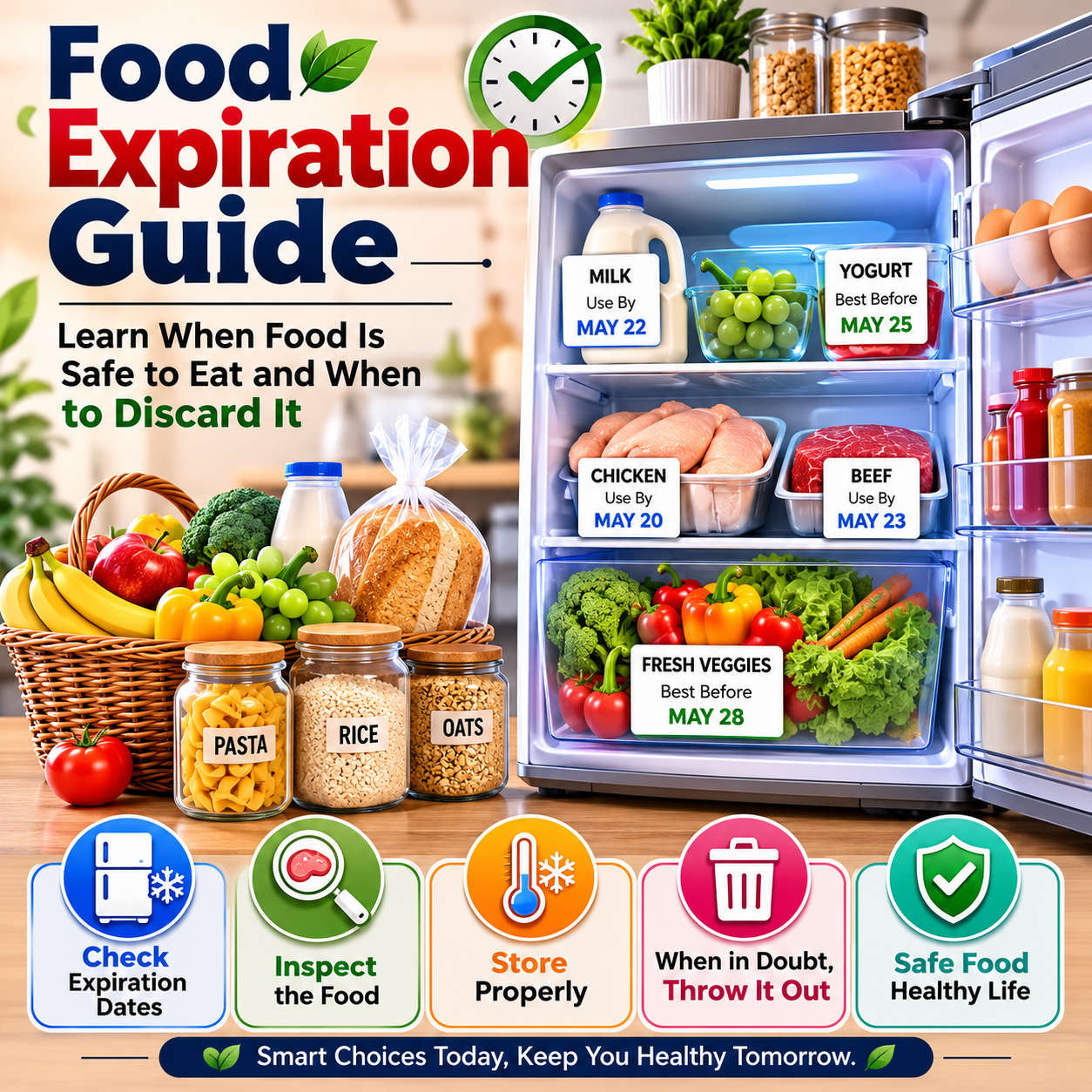
Always refrigerate perishable foods within two hours of cooking or purchasing. If the surrounding temperature is above 32°C (90°F), refrigerate food within one hour. Store leftovers in shallow, airtight containers so they cool quickly and evenly. Label containers with the storage date to help you use older foods first and minimize waste.
Best Food Storage Practices
- Refrigerate dairy products immediately after use.
- Store leftovers in airtight containers.
- Keep dry foods in sealed containers.
- Rotate older food to the front (“First In, First Out”).
- Check expiration dates regularly.
- Avoid overloading the refrigerator.
- Keep pantry shelves dry and clean.
- Separate raw and ready-to-eat foods.
Following these habits helps ensure your family’s meals remain safe and flavorful while reducing the risk of spoilage.
Refrigerator and Freezer Safety
Your refrigerator is one of the most important tools for maintaining food safety, but it only works effectively when kept at the proper temperature and organized correctly. Refrigerators should remain at or below 4°C (40°F), while freezers should be maintained at −18°C (0°F) or lower. Using an appliance thermometer helps verify these temperatures consistently.
Arrange foods strategically to prevent contamination. Raw poultry, meat, and seafood should always be stored on the bottom shelf in leak-proof containers to prevent juices from dripping onto ready-to-eat foods. Avoid overcrowding, as proper air circulation is essential for maintaining even cooling throughout the appliance.
Recommended Refrigerator Storage
| Refrigerator Area | Foods to Store |
| Top Shelf | Leftovers, drinks, ready-to-eat foods |
| Middle Shelf | Dairy products, yogurt, cheese |
| Bottom Shelf | Raw meat, poultry, seafood (sealed) |
| Vegetable Drawer | Vegetables |
| Fruit Drawer | Fruits |
| Door Shelves | Condiments, beverages, butter |
Refrigerator Safety Tips
- Keep the refrigerator door closed whenever possible.
- Clean spills immediately.
- Discard spoiled food promptly.
- Avoid storing milk in the refrigerator door.
- Defrost freezers when necessary.
- Check appliance temperatures weekly.
A well-maintained refrigerator significantly lowers the chances of bacterial growth and food spoilage.
Cook Foods to Safe Internal Temperatures
Cooking food thoroughly destroys many harmful bacteria that cause foodborne illnesses. While appearance can provide clues, it is not always a reliable indicator of doneness. Using a food thermometer is the safest way to confirm that meat, poultry, seafood, and other high-risk foods have reached safe internal temperatures.
Insert the thermometer into the thickest part of the food without touching bone or the cooking surface. Clean the thermometer after each use to prevent cross-contamination. Proper cooking temperatures not only improve food safety but also help preserve texture and flavor.
Safe Internal Cooking Temperatures
| Food | Minimum Internal Temperature |
| Poultry | 74°C (165°F) |
| Ground meat | 71°C (160°F) |
| Beef, lamb, pork steaks | 63°C (145°F) with rest time |
| Fish | 63°C (145°F) |
| Egg dishes | 71°C (160°F) |
| Leftovers | 74°C (165°F) |
Cooking foods to these recommended temperatures helps eliminate harmful microorganisms while ensuring meals are safe to enjoy.
Safe Thawing Methods
Improper thawing allows bacteria to multiply rapidly on the surface of frozen foods while the center remains frozen. Leaving frozen meat on the kitchen counter for several hours is one of the most common food safety mistakes. Instead, use safe thawing methods that keep food at controlled temperatures.
The safest way to thaw frozen foods is inside the refrigerator. For faster thawing, place sealed food under cold running water, changing the water every 30 minutes. Microwave thawing is also acceptable when the food will be cooked immediately afterward.
Kitchen Cleaning Checklist
Cleaning your kitchen consistently reduces the buildup of harmful bacteria, mold, and pests. Daily cleaning should focus on high-touch surfaces, while weekly and monthly tasks address less frequently cleaned areas that can still harbor germs.
Developing a cleaning schedule ensures that no part of the kitchen is overlooked. Regular maintenance also prolongs the life of appliances and creates a healthier environment for meal preparation.
Daily Cleaning Checklist
- Wash dishes promptly.
- Sanitize countertops.
- Wipe stove surfaces.
- Clean the sink.
- Empty trash bins.
- Sweep the floor.
- Replace dirty dishcloths.
- Store food properly.
Weekly Cleaning Checklist
- Deep-clean the refrigerator.
- Wash reusable grocery bags.
- Clean microwave interiors.
- Disinfect cabinet handles.
- Mop floors.
- Wash cutting boards thoroughly.
- Clean kitchen appliances.
- Organize pantry shelves.
Monthly Cleaning Checklist
- Inspect pantry for expired foods.
- Clean behind appliances.
- Defrost freezer if needed.
- Wash refrigerator shelves.
- Check food storage containers.
- Inspect for signs of pests.
A structured cleaning routine makes maintaining food hygiene easier and more consistent.
Common Food Safety Mistakes to Avoid
Even experienced home cooks occasionally make mistakes that increase the risk of food contamination. Recognizing these habits is the first step toward preventing foodborne illnesses. Many of these errors are easy to correct once they become part of your daily routine.
Some of the most common mistakes include tasting food to determine freshness, leaving cooked meals at room temperature for extended periods, and using the same utensils for raw and cooked foods without washing them. Small oversights can have significant health consequences, particularly for vulnerable family members.
Common Mistakes
- Skipping hand washing.
- Using expired ingredients.
- Leaving food unrefrigerated too long.
- Not reheating leftovers thoroughly.
- Washing raw poultry, which can spread bacteria through splashing.
- Ignoring refrigerator temperature.
- Reusing dirty kitchen towels.
- Overfilling the refrigerator.
- Forgetting to clean can openers and utensils.
- Using cracked food storage containers.
Avoiding these common errors greatly improves kitchen hygiene and overall food safety.
Daily Kitchen Hygiene Habits
Maintaining food safety is easier when healthy habits become part of your daily routine. Consistency is more effective than occasional deep cleaning because bacteria can multiply quickly in warm, moist environments. Small actions performed every day significantly reduce the likelihood of contamination.
Encourage every family member to participate in maintaining kitchen hygiene. Children can learn simple habits such as washing hands before meals, while adults can model proper food handling and cleaning practices. Building these routines creates a culture of food safety at home.
Healthy Daily Habits
- Wash hands before cooking.
- Keep raw and cooked foods separate.
- Refrigerate leftovers promptly.
- Use clean utensils.
- Replace dirty sponges regularly.
- Sanitize countertops after meal preparation.
- Wash fruits and vegetables thoroughly.
- Keep pets away from food preparation areas.
- Empty kitchen trash daily.
- Check refrigerator temperatures regularly.
These habits require little extra effort but provide lasting protection against foodborne illnesses.
Frequently Asked Questions (FAQs)
1. What are the four basic principles of food safety?
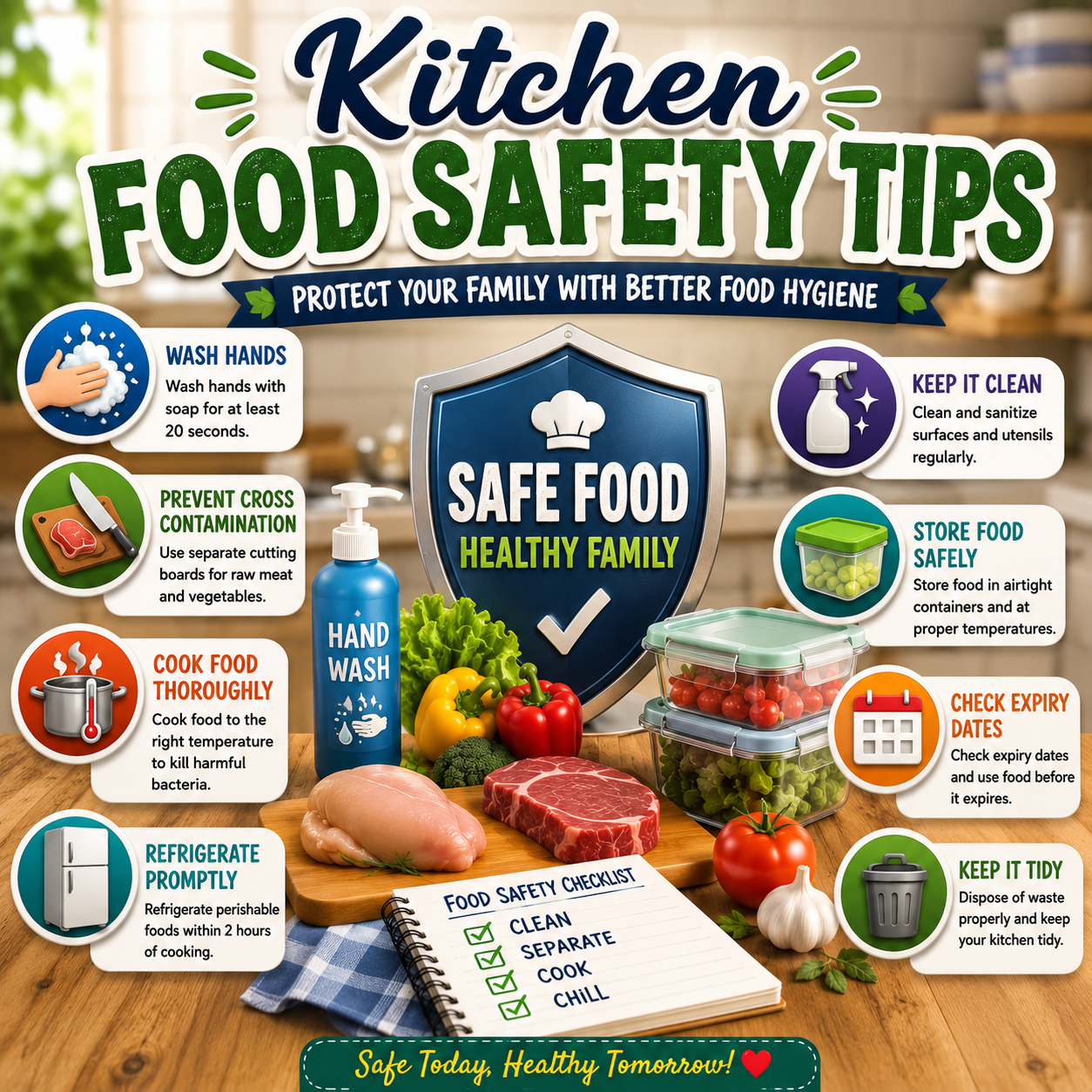
The four core principles of food safety are Clean, Separate, Cook, and Chill. Clean hands, utensils, and surfaces before handling food. Separate raw meat from ready-to-eat foods to prevent cross-contamination. Cook foods to safe internal temperatures using a food thermometer. Chill perishable foods promptly by refrigerating them within two hours of preparation or purchase.
2. Why should I use separate cutting boards?
Using separate cutting boards helps prevent cross-contamination between raw meat and foods that will not be cooked, such as fruits and salads. Color-coded cutting boards make it easier to remember which board is used for each type of food. This simple habit greatly reduces the spread of harmful bacteria in the kitchen.
3. How often should kitchen sponges be replaced?
Kitchen sponges collect moisture and food particles, making them an ideal environment for bacteria. Replace sponges every one to two weeks, or sooner if they develop odors or begin to break apart. Alternatively, sanitize reusable sponges regularly according to the manufacturer’s instructions. Clean dishcloths should also be washed frequently using hot water.
4. Is it safe to refreeze thawed food?
Food thawed in the refrigerator can generally be refrozen if it has remained at safe temperatures, although the quality may decline. Food thawed using a microwave or cold water should be cooked before refreezing. Never refreeze food that has been left at room temperature for extended periods because harmful bacteria may have multiplied.
5. Why is refrigerator temperature important?
Maintaining the correct refrigerator temperature slows bacterial growth and keeps perishable foods safe. A refrigerator should stay at or below 4°C (40°F), while a freezer should remain at −18°C (0°F) or below. Regularly checking temperatures with an appliance thermometer helps ensure food stays fresh and reduces the risk of spoilage.
6. Can I wash raw chicken before cooking?
No. Washing raw chicken is not recommended because water droplets can spread harmful bacteria onto sinks, countertops, utensils, and nearby foods. Cooking chicken to the recommended internal temperature of 74°C (165°F)safely destroys bacteria without increasing the risk of contamination through splashing.
7. How should leftovers be stored?
Store leftovers in shallow, airtight containers and refrigerate them within two hours of cooking. Shallow containers allow food to cool more quickly, reducing bacterial growth. Label containers with the storage date and consume refrigerated leftovers within three to four days, or freeze them for longer storage.
8. Why is hand washing so important?
Hands frequently come into contact with bacteria from surfaces, raw foods, pets, and other sources. Washing hands thoroughly with soap and running water for at least 20 seconds before and after food preparation removes many harmful microorganisms. Proper hand hygiene is one of the easiest and most effective ways to prevent foodborne illness.
9. How can I keep my kitchen pest-free?
Keep food in sealed containers, clean spills immediately, empty trash bins daily, and avoid leaving dirty dishes overnight. Inspect your pantry regularly for signs of insects or rodents, and repair any cracks or gaps that could allow pests to enter. Good sanitation is the best long-term strategy for pest prevention.
10. What should I do if I suspect food poisoning?
If you experience symptoms such as vomiting, diarrhea, fever, stomach cramps, or dehydration after eating, drink plenty of fluids and seek medical advice if symptoms are severe, persistent, or involve high-risk individuals such as young children, older adults, pregnant women, or people with weakened immune systems. Save any suspected food if public health authorities request testing.
Key Takeaways
- Practice proper hand washing before and after handling food.
- Prevent cross-contamination by separating raw and cooked foods.
- Store perishable foods at safe refrigerator and freezer temperatures.
- Cook foods to recommended internal temperatures using a food thermometer.
- Refrigerate leftovers promptly in shallow, airtight containers.
- Clean and sanitize kitchen surfaces, utensils, and high-touch areas regularly.
- Wash fruits and vegetables thoroughly before eating or cooking.
- Replace worn cutting boards, sponges, and dishcloths regularly.
- Follow a consistent kitchen cleaning schedule to reduce contamination risks.
- Small daily food hygiene habits make a significant difference in protecting your family’s health.
Conclusion
Maintaining a safe kitchen is not about perfection—it is about consistency. By following these Kitchen Food Safety Tips, you can dramatically reduce the risk of foodborne illness while creating a cleaner, healthier environment for your family. Simple habits such as washing your hands, preventing cross-contamination, cooking food thoroughly, storing ingredients correctly, and cleaning kitchen surfaces regularly all work together to keep meals safe and enjoyable.
Food safety should become part of your everyday routine rather than something you think about only occasionally. Every meal prepared with proper hygiene is another opportunity to protect the people you care about most. Over time, these practices become second nature, helping you reduce food waste, preserve food quality, and build confidence in your cooking.
Whether you’re preparing a quick weekday dinner or a special family celebration, making food safety a priority is one of the best investments you can make in your household’s health. Start applying these practical tips today and encourage every member of your family to participate in maintaining excellent kitchen hygiene for years to come.
Read Our Latest Blog:The Ultimate Affordable Healthy Diet Guide for Individuals and Families