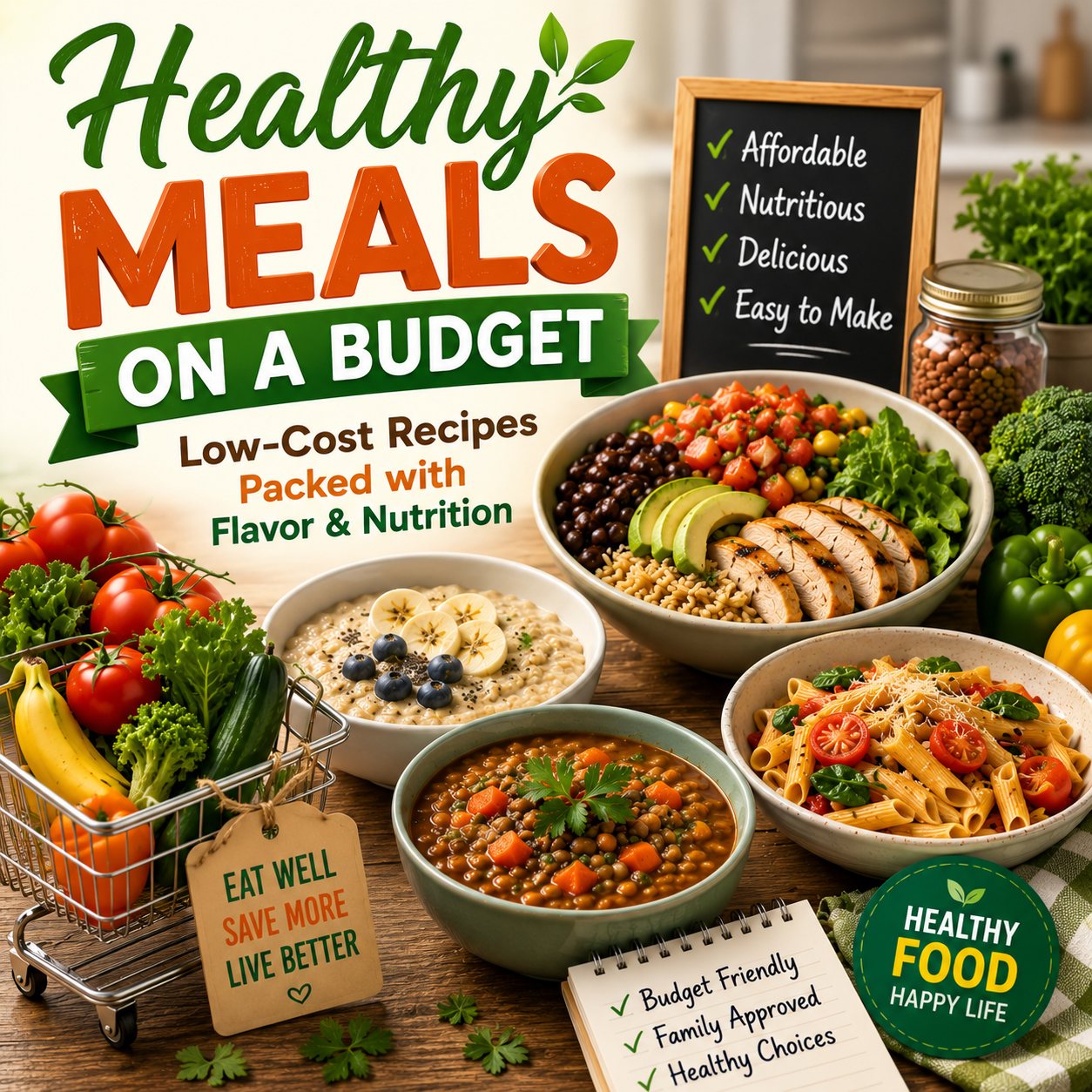
Preparing nutritious meals doesn’t have to be expensive. Many people believe that eating healthy requires specialty ingredients, premium products, or costly meal plans. In reality, some of the healthiest foods available—including beans, oats, eggs, rice, lentils, frozen vegetables, and seasonal produce—are also among the most affordable.
Creating Healthy Meals on a Budget is about combining simple ingredients into delicious recipes that provide balanced nutrition while keeping grocery costs under control. With thoughtful meal planning, smart shopping habits, and basic cooking techniques, you can enjoy flavorful breakfasts, lunches, dinners, and snacks without overspending.
This comprehensive guide explores affordable healthy recipes, budget-friendly meal ideas, essential pantry staples, meal prep strategies, and practical cooking tips that help individuals and families eat better while spending less. Whether you’re cooking for one person or feeding a large household, these ideas will help you maximize both nutrition and savings.
What Are Healthy Meals on a Budget?
Healthy meals on a budget are balanced dishes prepared with affordable, nutrient-rich ingredients that deliver excellent nutritional value without increasing grocery expenses. These meals focus on whole foods such as vegetables, fruits, whole grains, legumes, eggs, lean proteins, and healthy fats instead of expensive processed convenience foods.
Budget-friendly cooking is not about sacrificing quality or flavor. Instead, it emphasizes smart ingredient choices, simple cooking methods, and efficient meal planning. A well-balanced budget meal typically includes a source of protein, fiber-rich carbohydrates, healthy fats, and colorful vegetables to provide sustained energy and essential nutrients.
Why Budget-Friendly Healthy Meals Matter
Eating nutritious meals consistently supports heart health, healthy weight management, improved digestion, stronger immunity, and better overall well-being. Unfortunately, many households struggle with rising grocery prices and assume that healthy eating is unaffordable.
Learning how to prepare affordable healthy meals helps families reduce food expenses while improving dietary quality. Cooking at home also gives you greater control over ingredients, portion sizes, sodium, added sugars, and unhealthy fats compared to many restaurant or fast-food meals.
Budget-friendly meals encourage healthier habits that are sustainable over the long term, making nutritious eating accessible regardless of income level.
Benefits of Affordable Healthy Cooking
Preparing healthy meals at home provides numerous financial, nutritional, and lifestyle advantages.
Financial Benefits
Cooking with affordable ingredients dramatically lowers food expenses compared to dining out or relying on ready-made meals. Buying pantry staples in bulk, planning meals, and using leftovers efficiently all contribute to long-term savings.
Nutritional Benefits
Home-cooked meals generally contain more vegetables, whole grains, lean proteins, and fiber while containing less sodium, sugar, and saturated fat than many processed foods. This supports overall health and helps prevent chronic diseases.
Convenience Benefits
Batch cooking and meal preparation save time throughout the week. Preparing meals ahead makes healthy eating easier during busy schedules and reduces the temptation to order takeout.
Family Benefits
Cooking together encourages healthier eating habits among children and creates opportunities for family bonding. It also allows everyone to enjoy fresh, homemade meals at a lower cost.
Essential Budget Pantry Staples
A well-stocked pantry makes preparing healthy meals quick, affordable, and convenient. These versatile ingredients can be combined in countless ways to create nutritious breakfasts, lunches, dinners, and snacks.
Pantry Essentials
- Brown rice
- Oats
- Whole wheat pasta
- Lentils
- Dried beans
- Canned beans
- Chickpeas
- Canned tomatoes
- Peanut butter
- Olive oil
- Low-sodium broth
- Herbs and spices
- Garlic powder
- Onion powder
- Whole grain crackers
- Popcorn kernels
These pantry staples have long shelf lives and form the foundation of many inexpensive healthy recipes.
Smart Grocery Shopping for Healthy Meals
Shopping strategically helps reduce grocery bills while ensuring your kitchen is stocked with nutritious ingredients.
Plan Your Weekly Meals
Planning meals before shopping prevents unnecessary purchases and helps you buy only the ingredients you actually need. It also reduces food waste by using ingredients across multiple recipes.
Buy Seasonal Produce
Seasonal fruits and vegetables are usually fresher, tastier, and less expensive than out-of-season produce. Shopping seasonally also adds variety to your meals throughout the year.
Choose Frozen Fruits and Vegetables
Frozen produce retains most of its nutrients, lasts much longer than fresh produce, and reduces food waste. It is often one of the most economical ways to increase vegetable intake.
Compare Unit Prices
Always compare the price per ounce, pound, or kilogram rather than simply comparing package prices. Store brands frequently provide the same quality at a significantly lower cost.
Shop with a Grocery List
A shopping list reduces impulse purchases and keeps spending aligned with your meal plan. Organizing the list by grocery store sections also saves time while shopping.
Healthy Budget Breakfast Recipes
Breakfast provides the energy needed to start your day, and it doesn’t have to be expensive. These affordable breakfast ideas combine protein, fiber, and healthy carbohydrates to keep you satisfied.
1. Peanut Butter Banana Oatmeal
Ingredients
- ½ cup rolled oats
- 1 banana
- 1 tablespoon peanut butter
- Cinnamon
- Milk or water
Benefits
This breakfast provides fiber, healthy fats, potassium, and slow-digesting carbohydrates that help maintain energy throughout the morning.
2. Vegetable Egg Scramble
Ingredients
- 2 eggs
- Frozen mixed vegetables
- Onion
- Black pepper
- Whole-grain toast
Benefits
Eggs provide high-quality protein while vegetables increase fiber, vitamins, and minerals. This meal is filling, affordable, and quick to prepare.
3. Greek Yogurt Breakfast Bowl
Ingredients
- Plain Greek yogurt
- Oats
- Seasonal fruit
- Chia seeds (optional)
Benefits
Greek yogurt supplies protein and calcium, while oats and fruit contribute fiber and natural sweetness without excessive added sugar.
4. Overnight Oats
Ingredients
- Rolled oats
- Low-fat milk
- Chia seeds
- Frozen berries
- Honey (optional)
Benefits
Prepared the night before, overnight oats save time during busy mornings and provide a balanced combination of carbohydrates, protein, and fiber.
5. Whole Wheat Toast with Peanut Butter and Apple
This simple breakfast combines whole grains, healthy fats, and fresh fruit for lasting energy. It requires minimal preparation and uses inexpensive ingredients commonly found in most kitchens.
Affordable Healthy Lunch Recipes
Lunch should provide enough energy to keep you productive throughout the day while remaining affordable and easy to prepare. Homemade lunches are often healthier and far less expensive than restaurant meals or fast food. By using simple pantry staples and leftovers creatively, you can prepare balanced lunches that are rich in protein, fiber, and essential nutrients.
1. Chickpea and Vegetable Salad
Ingredients
- 1 cup canned chickpeas (drained and rinsed)
- Chopped cucumber
- Cherry tomatoes
- Red onion
- Fresh parsley
- Olive oil
- Lemon juice
- Black pepper
Benefits
This refreshing salad is packed with plant-based protein, fiber, vitamin C, and healthy fats. Chickpeas help keep you full longer, making this meal ideal for work or school lunches.
2. Brown Rice and Black Bean Bowl
Ingredients
- Cooked brown rice
- Black beans
- Corn
- Diced tomatoes
- Avocado slices
- Cilantro
- Lime juice
Benefits
This budget-friendly bowl provides complex carbohydrates, protein, and fiber while offering plenty of flavor. It can be customized with seasonal vegetables and reheats well for meal prep.
3. Tuna Whole-Grain Sandwich
Ingredients
- Whole-grain bread
- Canned tuna
- Plain Greek yogurt or light mayonnaise
- Lettuce
- Tomato
- Cucumber
Benefits
Tuna is an affordable source of lean protein and omega-3 fatty acids. Pairing it with whole-grain bread increases fiber, making this lunch satisfying and nutritious.
4. Lentil Soup
Ingredients
- Lentils
- Onion
- Carrots
- Celery
- Garlic
- Low-sodium vegetable broth
- Herbs and spices
Benefits
Lentil soup is rich in protein, iron, and fiber while being inexpensive to prepare in large batches. It freezes well, making it an excellent meal-prep option.
5. Vegetable Wrap
Ingredients
- Whole-wheat tortilla
- Hummus
- Spinach
- Bell peppers
- Carrots
- Cucumber
Benefits
This colorful wrap provides fiber, vitamins, minerals, and healthy fats while remaining light yet filling. It’s perfect for busy weekdays.
Budget-Friendly Dinner Recipes
Dinner is often the largest meal of the day, but it doesn’t have to be the most expensive. Simple recipes made with affordable ingredients can provide balanced nutrition and plenty of flavor.
1. One-Pot Chicken and Vegetable Rice
Ingredients
- Chicken breast or thighs
- Brown rice
- Mixed vegetables
- Garlic
- Onion
- Low-sodium broth
Benefits
Cooking everything in one pot reduces cleanup and allows flavors to blend beautifully. This meal provides lean protein, whole grains, and vegetables in one affordable dish.
2. Vegetable Stir-Fry
Ingredients
- Frozen mixed vegetables
- Brown rice
- Soy sauce (low sodium)
- Garlic
- Ginger
- Tofu or chicken (optional)
Benefits
Stir-fries are quick, colorful, and easy to customize with whatever vegetables are available. Frozen vegetables help lower costs without compromising nutrition.
3. Black Bean Chili
Ingredients
- Black beans
- Kidney beans
- Canned tomatoes
- Onion
- Garlic
- Chili powder
- Bell peppers
Benefits
This hearty chili is high in fiber and plant protein. It tastes even better the next day and freezes exceptionally well for future meals.
4. Whole Wheat Pasta Primavera
Ingredients
- Whole wheat pasta
- Broccoli
- Carrots
- Bell peppers
- Olive oil
- Garlic
- Parmesan cheese (optional)
Benefits
Whole wheat pasta provides more fiber than refined pasta, while vegetables add vitamins, minerals, and natural flavor.
5. Baked Sweet Potato with Beans
Ingredients
- Sweet potatoes
- Black beans
- Plain yogurt
- Green onions
- Salsa
Benefits
Sweet potatoes provide vitamin A and fiber, while beans contribute protein and complex carbohydrates for a filling, nutritious dinner.
Healthy Snacks on a Budget
Healthy snacks help maintain energy levels between meals and prevent overeating. Choosing nutrient-dense snacks made from simple ingredients is both affordable and beneficial for overall health.
Budget-Friendly Snack Ideas
- Apple slices with peanut butter
- Plain popcorn
- Homemade trail mix
- Hard-boiled eggs
- Banana with almonds
- Carrot sticks and hummus
- Cottage cheese with fruit
- Plain yogurt with berries
- Roasted chickpeas
- Whole-grain crackers with cheese
These snacks combine protein, healthy fats, and fiber to keep you satisfied throughout the day.
One-Pot Meals That Save Time and Money
One-pot recipes simplify cooking by reducing preparation time, minimizing cleanup, and making the most of affordable ingredients. They are especially useful for busy families and meal prep.
Popular One-Pot Budget Meals
- Chicken vegetable soup
- Lentil curry
- Vegetable chili
- Rice and beans
- Pasta primavera
- Minestrone soup
- Chicken and rice casserole
- Vegetable stew
Preparing one-pot meals in large quantities allows you to freeze leftovers, reducing future cooking time and food waste.
High-Protein Budget Recipes
Protein is essential for muscle repair, immune function, and long-lasting fullness. Fortunately, many protein-rich foods are inexpensive and versatile.
| Recipe | Main Protein Source | Approximate Protein |
| Lentil Soup | Lentils | 18 g |
| Black Bean Chili | Beans | 16 g |
| Egg Vegetable Scramble | Eggs | 14 g |
| Tuna Sandwich | Tuna | 22 g |
| Greek Yogurt Bowl | Greek Yogurt | 18 g |
| Chickpea Salad | Chickpeas | 15 g |
| Tofu Stir-Fry | Tofu | 20 g |
| Cottage Cheese Bowl | Cottage Cheese | 16 g |
Including a protein source in every meal supports satiety and helps maintain muscle health.
Meal Prep Strategies for Saving Money
Meal preparation is one of the most effective ways to reduce grocery expenses while maintaining a healthy diet. Preparing meals in advance minimizes food waste, prevents impulse purchases, and makes nutritious eating convenient throughout the week.
Weekly Meal Prep Tips
- Plan meals before shopping.
- Cook grains in large batches.
- Prepare proteins ahead of time.
- Wash and chop vegetables after shopping.
- Portion meals into containers.
- Freeze extra servings.
- Label containers with preparation dates.
Meal prep reduces cooking stress during busy weekdays and makes healthy choices easier.
Healthy Weekly Budget Meal Plan
| Day | Breakfast | Lunch | Dinner |
| Monday | Oatmeal with banana | Lentil soup | Chicken and rice |
| Tuesday | Greek yogurt bowl | Tuna sandwich | Vegetable stir-fry |
| Wednesday | Egg scramble | Chickpea salad | Black bean chili |
| Thursday | Overnight oats | Rice and beans | Whole wheat pasta |
| Friday | Whole-grain toast | Vegetable wrap | Sweet potato and beans |
| Saturday | Smoothie | Leftovers | Chicken vegetable soup |
| Sunday | Oatmeal | Bean salad | Vegetable casserole |
This sample plan uses affordable ingredients repeatedly, helping reduce waste and grocery costs while providing variety.
Expert Tips for Cooking Healthy Meals on a Budget
Nutrition experts recommend focusing on simple, sustainable habits rather than expensive ingredients or restrictive diets.
Practical Tips
- Build meals around inexpensive whole foods.
- Use herbs and spices to add flavor instead of relying on processed sauces.
- Buy frozen vegetables when fresh produce is expensive.
- Prepare double batches and freeze leftovers.
- Include one or two meatless meals each week.
- Shop seasonal produce for better prices and freshness.
- Compare unit prices to find the best value.
- Keep versatile pantry staples stocked at all times.
- Limit sugary drinks and highly processed snacks.
- Use leftovers creatively in soups, wraps, salads, or grain bowls.
These habits help stretch your grocery budget while keeping meals flavorful, balanced, and nutritious.
Frequently Asked Questions (FAQs)
1. What are healthy meals on a budget?
Healthy meals on a budget are balanced dishes prepared using affordable ingredients that provide excellent nutrition. They usually include whole grains, vegetables, fruits, lean proteins, and healthy fats while avoiding unnecessary processed foods. Planning meals and cooking at home makes healthy eating both practical and economical.
2. What is the cheapest healthy breakfast?
Oatmeal with banana and peanut butter, overnight oats, vegetable egg scrambles, Greek yogurt with fruit, and whole-grain toast with peanut butter are nutritious, inexpensive breakfast options that provide lasting energy.
3. Which vegetables are most affordable?
Carrots, cabbage, onions, potatoes, sweet potatoes, spinach (seasonal), broccoli (on sale), frozen mixed vegetables, and green beans are typically among the most economical vegetable choices.
4. Are canned foods healthy?
Many canned foods, including beans, tomatoes, tuna, and salmon, are nutritious. Choose low-sodium or no-salt-added varieties whenever possible and rinse canned beans before using to reduce sodium content.
5. How can I reduce food waste?
Plan meals, store food correctly, freeze leftovers, rotate older foods to the front of your refrigerator, and repurpose leftovers into soups, salads, wraps, or casseroles to minimize waste.
6. Is buying frozen fruit a good idea?
Yes. Frozen fruit is nutritious, convenient, affordable, and available throughout the year. It’s ideal for smoothies, oatmeal, yogurt bowls, and healthy desserts while reducing spoilage.
7. How often should I meal prep?
Many people find preparing meals once or twice each week effective. Batch cooking proteins, grains, and vegetables makes assembling healthy meals faster during busy days.
8. Are homemade meals healthier than takeout?
In most cases, yes. Homemade meals allow better control over ingredients, cooking methods, and portion sizes while reducing excess sodium, sugar, and unhealthy fats commonly found in restaurant foods.
9. What’s the easiest way to start eating healthy on a budget?
Begin by planning your weekly meals, shopping with a list, buying whole foods, cooking at home more often, and gradually replacing processed snacks with affordable healthy alternatives like fruit, yogurt, popcorn, or nuts.
10. Can healthy eating really save money?
Yes. Buying affordable staple foods, preparing meals at home, reducing waste, and limiting restaurant visits can lower monthly food expenses while improving overall nutrition and long-term health.
Key Takeaways
- Healthy eating does not have to be expensive.
- Whole foods often provide the best nutrition for the lowest cost.
- Meal planning reduces grocery spending and food waste.
- Pantry staples create dozens of affordable recipes.
- Frozen fruits and vegetables are nutritious and economical.
- Batch cooking saves both time and money.
- Home-cooked meals are generally healthier than takeout.
- Affordable proteins like beans, eggs, and lentils support balanced nutrition.
- Smart grocery shopping helps maximize every dollar spent.
- Consistent healthy habits lead to better long-term health and financial savings.
Conclusion
Preparing healthy meals on a budget is one of the most effective ways to improve your nutrition while managing household expenses. By focusing on affordable ingredients such as whole grains, beans, lentils, eggs, seasonal produce, frozen vegetables, and lean proteins, you can create delicious meals that nourish your body without stretching your grocery budget.
Simple habits like planning meals, shopping with a list, comparing prices, buying pantry staples in bulk, and cooking at home consistently make healthy eating both practical and sustainable. These strategies not only reduce food costs but also minimize waste and encourage healthier lifestyle choices for individuals and families alike.
Remember that healthy eating isn’t about buying expensive “superfoods” or following restrictive diets. It’s about making smart decisions with the foods available to you and building balanced meals that fit your budget. Even small changes can lead to meaningful improvements in your health and finances over time.
Read Our Latest Blog:The Ultimate Food Expiration Guide for Every Kitchen