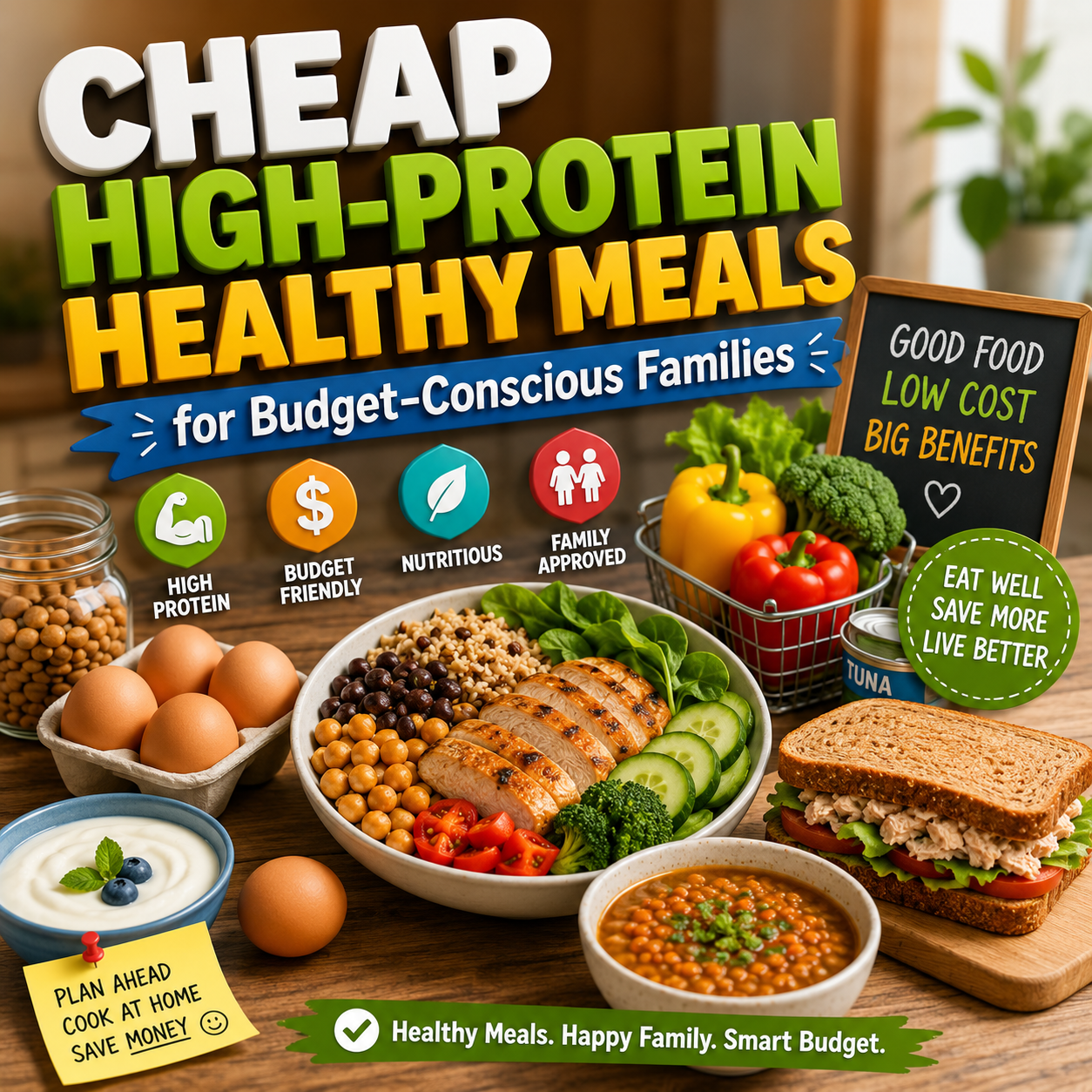
Eating nutritious, protein-rich meals doesn’t have to strain your grocery budget. Many families assume that high-protein diets require expensive ingredients like premium meats, specialty supplements, or costly meal plans. In reality, affordable staples such as eggs, beans, lentils, canned fish, Greek yogurt, cottage cheese, tofu, chicken thighs, and whole grains can provide excellent nutrition while keeping food costs under control.
This guide to Cheap High-Protein Healthy Meals designed specifically for budget-conscious families who want to eat healthier without sacrificing flavor or variety. Whether you’re planning weekly dinners, preparing school lunches, feeding growing children, or looking for satisfying meals after work, you’ll find practical ideas that fit both your nutritional goals and your budget.
Throughout this article, you’ll learn how to choose affordable protein sources, create balanced meals, reduce grocery expenses, prepare meals efficiently, and avoid common budgeting mistakes. You’ll also discover family-friendly recipes, meal-prep strategies, shopping tips, and expert advice that make healthy eating both achievable and enjoyable.
By the end of this guide, you’ll have everything you need to prepare delicious, protein-packed meals that nourish your family while helping you save money every week.
What Are Cheap High-Protein Healthy Meals?
Cheap high-protein healthy meals are balanced dishes that provide a substantial amount of protein using affordable, nutritious ingredients. These meals focus on maximizing nutritional value while minimizing grocery expenses, making them ideal for families, students, and anyone trying to eat well on a budget. Instead of relying on expensive cuts of meat or protein supplements, these meals use cost-effective foods like beans, lentils, eggs, canned tuna, chicken thighs, tofu, dairy products, and whole grains.
A balanced high-protein meal typically includes lean protein, fiber-rich vegetables, healthy fats, and complex carbohydrates. This combination helps keep you full longer, supports muscle maintenance, provides steady energy, and contributes to overall health. By planning meals around affordable protein sources, families can reduce food waste, stretch their grocery budget, and still enjoy delicious, satisfying meals throughout the week.
Why Protein Matters for Every Family
Protein plays a vital role in maintaining overall health for people of all ages. It supports muscle growth and repair, strengthens the immune system, helps produce enzymes and hormones, and contributes to healthy skin, hair, and nails. Children need adequate protein for growth and development, while adults benefit from protein for maintaining muscle mass, supporting metabolism, and promoting satiety.
Including enough protein in each meal can also reduce unnecessary snacking and help stabilize blood sugar levels, making it easier to maintain consistent energy throughout the day. Budget-conscious families often worry that eating enough protein will increase grocery costs, but choosing affordable protein sources and planning meals strategically makes it possible to meet nutritional needs without overspending.
Benefits of Cheap High-Protein Healthy Meals
Eating affordable high-protein meals offers far more than financial savings. Protein-rich diets can improve satiety, making it easier to control hunger and reduce overeating. Families who prepare nutritious meals at home often consume fewer processed foods, less added sugar, and fewer unhealthy fats compared to those relying on takeout or convenience foods.
Additional benefits include improved muscle recovery, better weight management, enhanced energy levels, stronger immune function, and greater dietary variety when different protein sources are rotated throughout the week. Preparing meals from inexpensive whole foods also encourages healthier eating habits in children while teaching valuable budgeting and cooking skills that last a lifetime.
Best Affordable Protein Sources
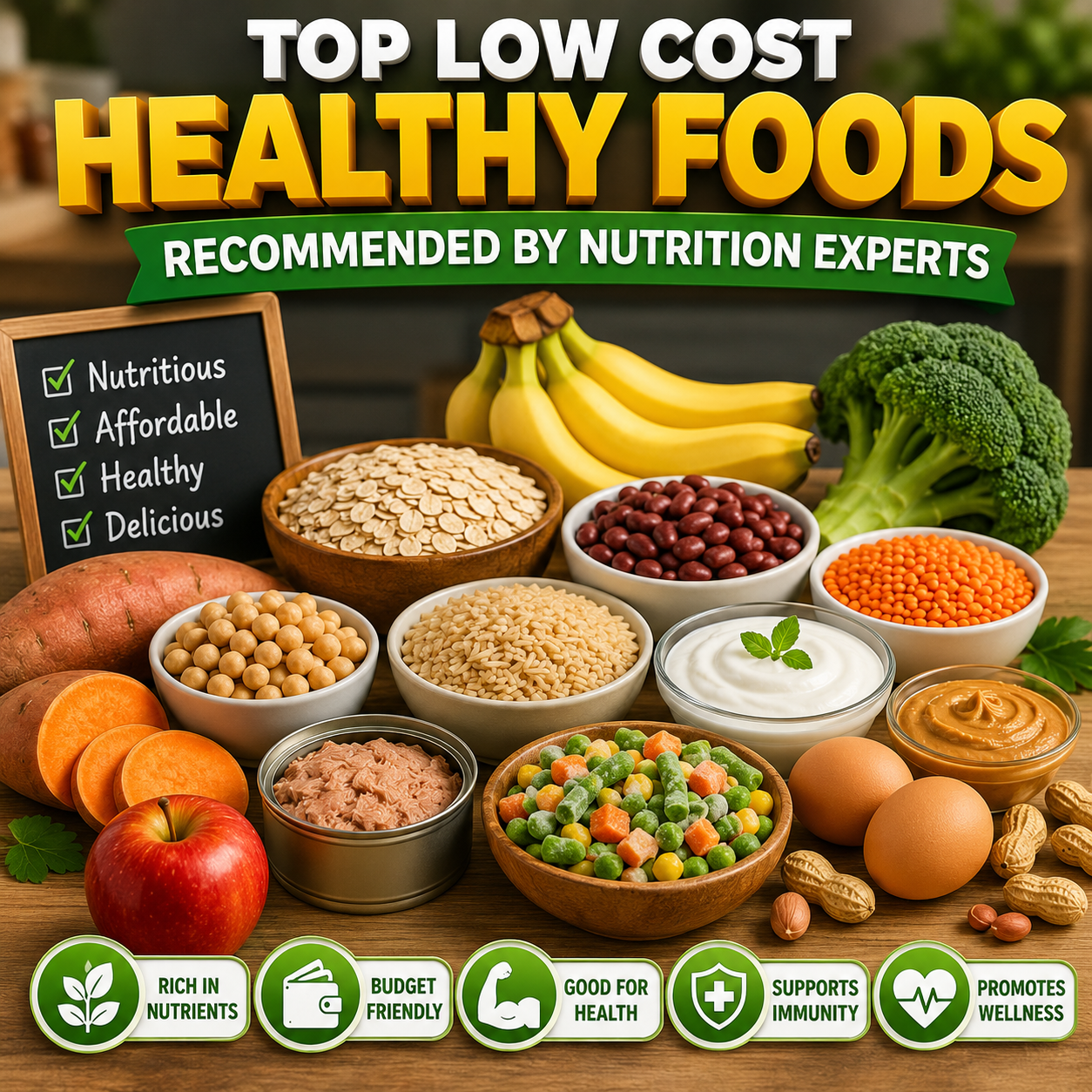
Choosing economical protein sources is the foundation of budget-friendly healthy eating. Many inexpensive foods provide exceptional nutritional value without sacrificing taste or versatility.
Animal-Based Protein Sources
These protein-rich foods are often available at affordable prices, especially when purchased in bulk or during sales.
| Food | Protein (Approx.) | Budget-Friendly Benefits |
| Eggs | 6 g each | Extremely versatile and inexpensive |
| Chicken thighs | 25 g per serving | Less expensive than chicken breast |
| Canned tuna | 22 g per serving | Long shelf life and convenient |
| Greek yogurt | 17 g per cup | Great for breakfast and snacks |
| Cottage cheese | 25 g per cup | High protein and affordable |
| Milk | 8 g per cup | Supports balanced meals |
These options can be incorporated into breakfasts, lunches, dinners, and snacks to ensure consistent protein intake while keeping grocery costs manageable.
Plant-Based Protein Sources
Plant-based proteins are among the most affordable and nutrient-dense foods available. They are rich in fiber, vitamins, minerals, and antioxidants while often costing significantly less than meat.
| Food | Protein |
| Lentils | 18 g per cup |
| Black beans | 15 g per cup |
| Chickpeas | 15 g per cup |
| Kidney beans | 15 g per cup |
| Tofu | 20 g per serving |
| Peanut butter | 8 g per 2 tbsp |
Combining legumes with whole grains such as brown rice or whole-wheat bread creates complete protein profiles, making them excellent options for families seeking nutritious, low-cost meals.
Smart Grocery Shopping Tips for High-Protein Meals
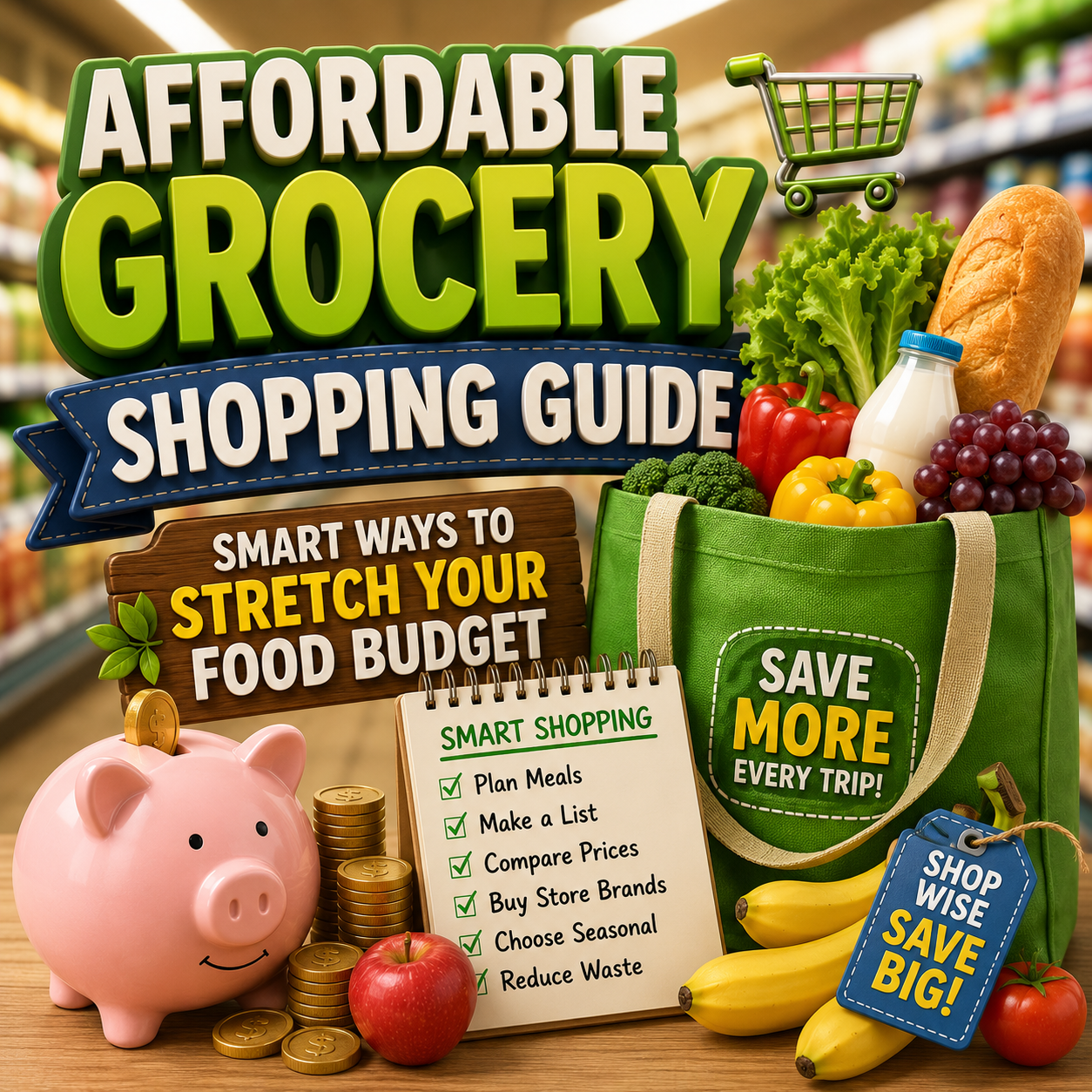
Effective grocery shopping begins with planning rather than impulse buying. Creating a weekly meal plan helps identify exactly which ingredients are needed, reducing unnecessary purchases and minimizing food waste. Checking store flyers, comparing unit prices, and shopping seasonal sales can significantly lower grocery bills over time.
Buying frozen vegetables instead of fresh when appropriate, choosing store brands, purchasing dried beans instead of canned, and selecting larger family packs of meat are additional strategies that reduce costs without compromising nutrition. Keeping a stocked pantry with affordable staples also makes it easier to prepare healthy meals quickly, avoiding expensive takeout during busy weekdays.
Essential Pantry Staples for Budget-Friendly Protein Meals
A well-stocked pantry simplifies meal preparation and reduces the need for frequent shopping trips. Affordable staples provide flexibility, allowing families to create numerous healthy meals using ingredients already on hand.
Recommended pantry essentials include:
- Brown rice
- Oats
- Whole-wheat pasta
- Dried lentils
- Dried beans
- Chickpeas
- Peanut butter
- Canned tuna
- Canned salmon
- Tomato sauce
- Frozen vegetables
- Olive oil
- Herbs and spices
- Garlic powder
- Onion powder
- Low-sodium broth
Having these ingredients available makes it easy to prepare nutritious meals even on busy evenings while keeping grocery costs predictable and manageable.
Easy Cheap High-Protein Breakfast Ideas
Breakfast sets the tone for the day, and including protein in the morning helps maintain energy levels, improve concentration, and reduce mid-morning hunger. Fortunately, many protein-rich breakfast options are inexpensive, quick to prepare, and suitable for the entire family.
Affordable ideas include scrambled eggs with whole-grain toast, overnight oats made with Greek yogurt, cottage cheese topped with fruit, peanut butter banana oatmeal, vegetable egg muffins, tofu breakfast scramble, and homemade breakfast burritos filled with eggs and black beans. Preparing breakfast in advance also saves time during hectic mornings while reducing the temptation to purchase costly convenience foods.
Affordable High-Protein Lunch Recipes
Preparing high-protein lunches at home is one of the easiest ways for budget-conscious families to save money while maintaining a nutritious diet. Homemade lunches are generally healthier than restaurant meals because you control the ingredients, portion sizes, and sodium levels. Using leftovers from dinner or preparing meals in bulk can significantly reduce both food waste and weekly grocery expenses.
The following lunch ideas combine affordable protein sources with whole grains and vegetables to create balanced, filling meals.
1. Chicken and Brown Rice Bowl
A simple chicken and brown rice bowl is rich in lean protein, fiber, and essential nutrients. Use roasted chicken thighs, cooked brown rice, and seasonal vegetables like broccoli, carrots, or green beans. Preparing several portions at once makes this an ideal meal-prep option for busy weekdays.
2. Black Bean Burrito Bowl
Black beans are one of the most affordable sources of plant protein. Combine cooked black beans with brown rice, corn, tomatoes, lettuce, salsa, and a sprinkle of cheese for a satisfying lunch. This meal is naturally high in fiber and keeps you full for hours.
3. Tuna Salad Sandwich
Canned tuna is inexpensive, shelf-stable, and packed with protein. Mix tuna with plain Greek yogurt instead of mayonnaise for a healthier twist, then serve on whole-grain bread with lettuce and sliced tomatoes.
4. Lentil Soup
Homemade lentil soup is one of the most economical meals you can prepare. Lentils cook quickly, require no soaking, and provide protein, fiber, iron, and potassium. Pair the soup with whole-grain bread for a complete and comforting lunch.
5. Egg Salad Wrap
Hard-boiled eggs are affordable and highly nutritious. Mix chopped eggs with Greek yogurt, mustard, celery, and herbs, then wrap the mixture in a whole-wheat tortilla with fresh vegetables for a protein-rich lunch.
Budget-Friendly High-Protein Dinner Ideas
Dinner is often the largest family meal of the day, making it an excellent opportunity to include affordable, protein-rich ingredients. Planning dinners around budget-friendly staples can help families reduce grocery costs while ensuring everyone receives balanced nutrition.
One-Pot Chicken and Vegetable Rice
This comforting meal combines chicken thighs, brown rice, frozen vegetables, onions, garlic, and simple seasonings in one pot. It minimizes cleanup while delivering protein, fiber, vitamins, and minerals in every serving.
Turkey and Bean Chili
Lean ground turkey paired with kidney beans and black beans creates a hearty chili that’s high in protein and inexpensive to prepare. Leftovers freeze well, making this an excellent option for future meals.
Lentil and Vegetable Curry
Lentils absorb spices beautifully and pair well with tomatoes, onions, spinach, and coconut milk. Serve over brown rice for a filling vegetarian dinner that’s both nutritious and affordable.
Baked Chicken with Roasted Vegetables
Chicken thighs remain one of the best value protein options. Roast them alongside potatoes, carrots, onions, and broccoli for a complete meal requiring minimal preparation.
Tofu Stir-Fry
Tofu is an economical source of plant protein that readily absorbs flavors. Stir-fry tofu with frozen mixed vegetables and a light soy-ginger sauce, then serve over rice or whole-grain noodles.
High-Protein Pasta
Whole-wheat pasta tossed with lean ground turkey, tomato sauce, spinach, and cottage cheese creates a delicious, protein-rich dinner that’s family-friendly and budget-conscious.
Healthy High-Protein Snacks That Cost Less
Healthy snacks help maintain energy levels between meals and prevent overeating later in the day. Choosing inexpensive, protein-rich snacks instead of processed convenience foods saves money while supporting better nutrition.
Affordable snack ideas include:
- Hard-boiled eggs
- Plain Greek yogurt with berries
- Cottage cheese and pineapple
- Apple slices with peanut butter
- Roasted chickpeas
- Homemade trail mix
- Edamame
- String cheese
- Hummus with carrots
- Homemade protein oatmeal bars
Preparing snacks at home reduces packaging waste and allows families to avoid added sugars, excess sodium, and artificial ingredients commonly found in packaged snack foods.
Weekly Meal Prep Strategies
Meal preparation is one of the most effective ways to maintain a healthy diet while staying within a grocery budget. Spending just a few hours each week preparing ingredients or complete meals reduces stress during busy weekdays and decreases reliance on expensive takeout.
Batch Cook Protein
Cook larger portions of chicken, turkey, beans, lentils, or tofu at the beginning of the week. Divide them into containers for easy use in lunches and dinners.
Cook Grains in Advance
Prepare brown rice, quinoa, or whole-wheat pasta in bulk. Refrigerate portions for quick meal assembly throughout the week.
Chop Vegetables Early
Wash and chop vegetables immediately after grocery shopping. Having ready-to-use produce encourages healthier meal choices and reduces preparation time.
Freeze Extra Portions
Many soups, stews, casseroles, and chili recipes freeze exceptionally well. Freezing leftovers prevents food waste and provides convenient future meals.
Use Portion-Controlled Containers
Storing meals in individual containers makes it easier to control portion sizes while simplifying school and work lunches.
7-Day Cheap High-Protein Meal Plan
| Day | Breakfast | Lunch | Dinner |
| Monday | Greek yogurt with oats | Chicken rice bowl | Turkey chili |
| Tuesday | Egg muffins | Lentil soup | Chicken stir-fry |
| Wednesday | Peanut butter oatmeal | Tuna sandwich | Bean curry |
| Thursday | Cottage cheese and fruit | Burrito bowl | Baked chicken |
| Friday | Vegetable omelet | Leftover chili | Whole-wheat pasta |
| Saturday | Overnight oats | Chickpea salad | Tofu stir-fry |
| Sunday | Protein pancakes | Chicken wraps | Lentil casserole |
This weekly meal plan demonstrates how affordable ingredients can be reused creatively throughout the week, reducing both grocery expenses and food waste.
Foods Worth Buying in Bulk
Buying certain foods in larger quantities often results in significant savings, especially when they have a long shelf life or freeze well. However, it’s important to purchase only what your family can realistically use before expiration.
Excellent bulk-buy options include:
- Brown rice
- Oats
- Dried beans
- Lentils
- Whole-wheat pasta
- Frozen vegetables
- Chicken thighs (freeze in portions)
- Peanut butter
- Eggs
- Canned tuna
- Plain yogurt
- Tomato sauce
Buying in bulk becomes even more cost-effective when combined with weekly meal planning and proper food storage practices.
Common Mistakes Budget-Conscious Families Should Avoid
Even families with the best intentions can unknowingly increase grocery costs through avoidable habits. Recognizing these common mistakes can help stretch your food budget further.
Shopping Without a List
Impulse purchases quickly add unnecessary expenses. A planned shopping list keeps spending focused on essential ingredients.
Ignoring Unit Prices
The lowest shelf price isn’t always the best value. Comparing price per ounce or kilogram helps identify the most economical option.
Buying Too Much Fresh Produce
Purchasing more fresh fruits and vegetables than you can consume often leads to spoilage. Supplementing with frozen produce reduces waste while maintaining nutritional quality.
Choosing Convenience Foods
Pre-cut vegetables, individually packaged snacks, and ready-made meals often cost significantly more than preparing similar foods at home.
Skipping Meal Planning
Without a weekly meal plan, families are more likely to order takeout or purchase expensive last-minute groceries.
Expert Tips to Save Even More Money
Experienced dietitians and budget-conscious cooks consistently recommend practical habits that reduce grocery expenses while supporting healthy eating.
Some of the best expert recommendations include:
- Plan meals around weekly grocery store sales.
- Choose seasonal fruits and vegetables whenever possible.
- Incorporate meatless meals two or three times each week.
- Use leftovers creatively in soups, wraps, casseroles, and salads.
- Freeze excess ingredients before they spoil.
- Compare prices across different grocery stores.
- Cook from scratch whenever practical.
- Drink water instead of sugary beverages.
- Limit highly processed convenience foods.
- Keep simple pantry staples available for quick meals.
These habits may seem small individually, but together they can reduce annual grocery expenses substantially while improving overall nutrition.
Frequently Asked Questions (FAQs)
1. What is the cheapest way to get enough protein?
The most affordable way to increase protein intake is to include eggs, lentils, beans, chickpeas, peanut butter, canned tuna, tofu, and chicken thighs in your weekly meal plan. Buying in bulk, choosing store brands, and preparing meals at home can further reduce costs while providing balanced nutrition.
2. Are beans healthier than meat?
Beans are rich in protein, fiber, vitamins, minerals, and antioxidants while being naturally low in saturated fat. Lean meats provide complete protein and nutrients like vitamin B12 and iron. A balanced diet can include both beans and lean meats to maximize nutritional benefits.
3. Can high-protein meals help with weight management?
Yes. Protein increases feelings of fullness, supports muscle maintenance, and may reduce overall calorie intake by helping control hunger. Pairing protein with fiber-rich foods like vegetables, legumes, and whole grains creates satisfying meals that support healthy weight management.
4. How can I make chicken more affordable?
Purchase chicken thighs instead of breasts, buy family-sized packages during sales, freeze extra portions, and use leftovers in soups, salads, wraps, and casseroles. These strategies help reduce waste while stretching your grocery budget.
5. Is meal prepping worth the effort?
Meal prepping saves time, reduces food waste, supports healthier eating habits, and lowers grocery bills by minimizing last-minute takeout purchases. Even preparing a few meals in advance each week can make a significant difference.
6. Are frozen proteins as nutritious as fresh?
Yes. Frozen chicken, fish, vegetables, and fruits retain most of their nutritional value when properly stored. They also reduce food waste because they have a much longer shelf life than fresh products.
7. What pantry items should every budget-conscious family keep?
Essential pantry staples include dried beans, lentils, brown rice, oats, whole-wheat pasta, canned tuna, peanut butter, canned tomatoes, herbs, spices, and olive oil. These versatile ingredients make it easy to prepare affordable, protein-rich meals.
8. Can children benefit from high-protein meals?
Yes. Protein supports children’s growth, muscle development, immune function, and overall health. Offering balanced meals that include lean proteins, dairy, legumes, fruits, vegetables, and whole grains helps meet their nutritional needs.
9. What are some affordable vegetarian protein options?
Affordable vegetarian proteins include lentils, chickpeas, black beans, kidney beans, tofu, tempeh, edamame, eggs, Greek yogurt, cottage cheese, and quinoa. These foods are nutritious, budget-friendly, and easy to incorporate into everyday meals.
10. How often should families include protein in meals?
Including a source of protein at each meal and snack helps maintain energy, supports muscle health, and promotes satiety. Combining protein with fiber-rich carbohydrates and healthy fats creates balanced meals suitable for all family members.
Key Takeaways
- High-protein meals can be affordable with proper planning.
- Eggs, beans, lentils, tofu, and chicken thighs are cost-effective protein sources.
- Weekly meal planning helps reduce grocery expenses.
- Meal prepping minimizes food waste and saves time.
- Buying in bulk lowers the cost of pantry staples.
- Frozen vegetables offer excellent nutrition and value.
- Homemade meals are generally healthier and cheaper than takeout.
- Balanced meals should include protein, whole grains, vegetables, and healthy fats.
- Smart grocery shopping habits maximize savings.
- Healthy eating is achievable on almost any budget.
Conclusion
Preparing cheap high-protein healthy meals for budget-conscious families is entirely achievable with thoughtful planning and smart grocery shopping. Affordable ingredients like eggs, beans, lentils, chicken thighs, canned fish, tofu, Greek yogurt, and whole grains provide excellent nutrition without increasing food expenses. By focusing on meal planning, buying in bulk when appropriate, cooking at home, and reducing food waste, families can enjoy satisfying, protein-rich meals while staying within their budget.
Healthy eating isn’t about purchasing expensive specialty foods—it’s about making informed choices and using simple, wholesome ingredients creatively. Small changes, such as preparing meals ahead of time, using leftovers effectively, and selecting seasonal produce, can have a significant impact on both your family’s health and your monthly grocery bill.
With the recipes, tips, and strategies shared in this guide, you can build a sustainable routine that supports long-term wellness and financial savings.
Read Our Latest Blog:Freezer Storage Tips: Safe Food Storage Methods Every Home Cook Should Know