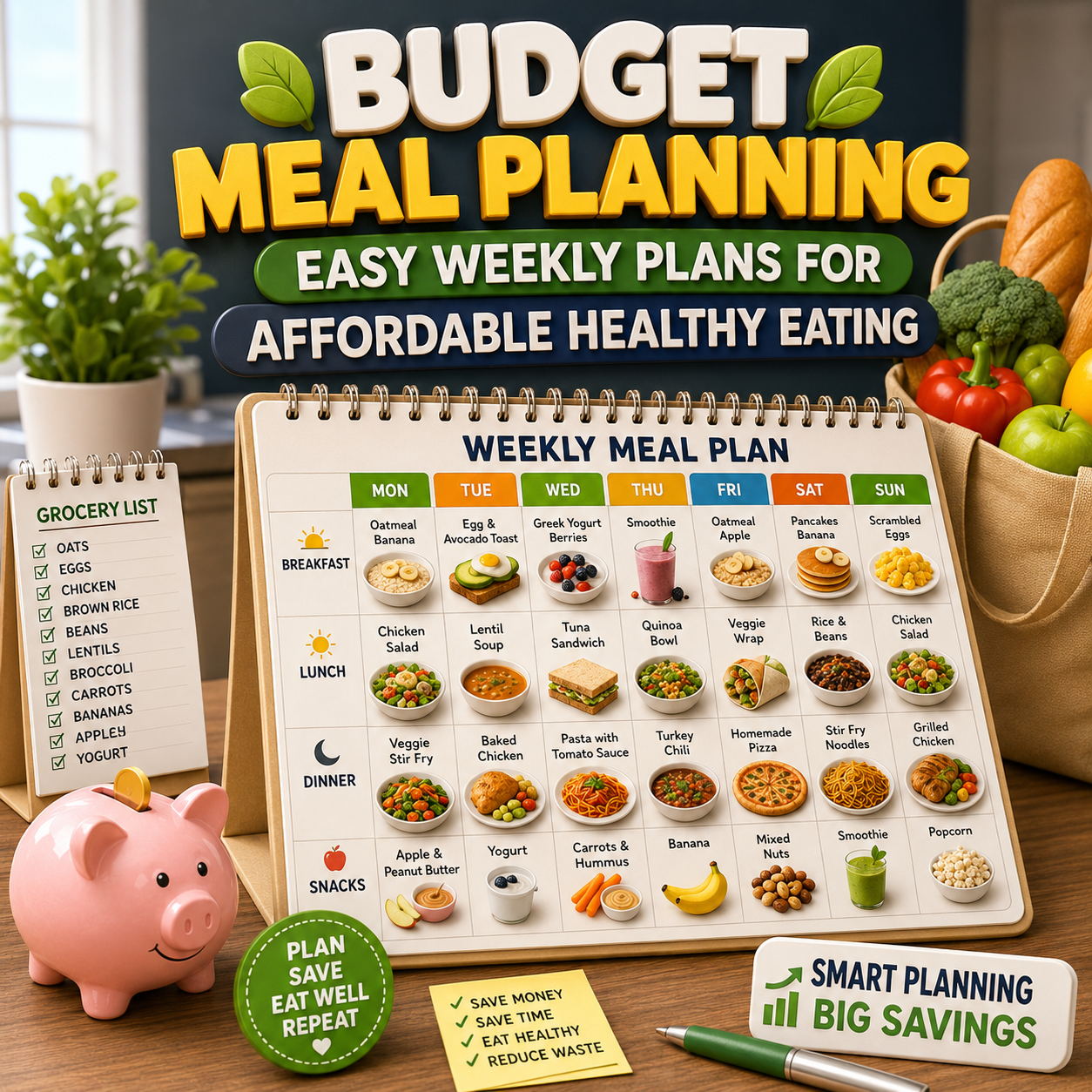
Eating healthy doesn’t have to drain your wallet. Many people believe nutritious meals are expensive, but with the right strategy, you can enjoy balanced, delicious food while staying within your grocery budget. Budget Meal Planning is one of the simplest and most effective ways to reduce food expenses, minimize waste, and make healthy eating part of your daily routine.
A well-planned weekly meal schedule helps you avoid impulse purchases, unnecessary takeout, and last-minute grocery trips. Instead of wondering what to cook each day, you’ll already have a practical plan based on affordable ingredients that provide excellent nutrition.
Whether you’re feeding a family, cooking for one, or managing a busy lifestyle, this guide will teach you how to create easy weekly meal plans that save both time and money. You’ll also learn grocery shopping strategies, meal prep techniques, budgeting tips, and practical examples that make healthy eating affordable for everyone.
By the end of this guide, you’ll have everything you need to confidently build weekly meal plans that fit your budget without sacrificing taste, nutrition, or variety.
What Is Budget Meal Planning?
Budget meal planning is the process of organizing your meals for the week while keeping grocery expenses under control. Instead of shopping without a plan or deciding meals at the last minute, you choose recipes, prepare a shopping list, and buy only the ingredients you need.
This approach helps you maximize every grocery purchase while ensuring your meals remain balanced and nutritious. Budget meal planning also encourages cooking at home, which is usually far less expensive than ordering takeout or dining out regularly.
A successful meal plan focuses on affordable whole foods such as vegetables, fruits, grains, legumes, eggs, dairy, and lean proteins. By planning ahead, you reduce food waste, improve nutrition, and gain better control over your spending habits.
Why Budget Meal Planning Matters
Meal planning is more than just organizing dinners. It creates healthier eating habits while helping families and individuals stay financially responsible.
Without a weekly plan, many people rely on convenience foods, impulse purchases, or restaurant meals that significantly increase monthly food expenses. Planning ahead removes the stress of deciding what to cook every day and helps ensure that nutritious ingredients are always available.
Budget meal planning also supports long-term health goals by encouraging portion control, balanced nutrition, and consistent home cooking. Even spending a small amount of time each week creating a meal schedule can result in substantial savings over the course of a year.
Benefits of Planning Meals Weekly
Weekly meal planning offers financial, nutritional, and lifestyle benefits that extend beyond simply saving money.
Some of the biggest advantages include:
- Lower grocery bills
- Reduced food waste
- Less impulse shopping
- Healthier eating habits
- Better portion control
- Easier grocery shopping
- Less cooking stress
- More family meals
- Faster weekday dinners
- Improved nutrition
Beyond these benefits, meal planning also helps reduce decision fatigue. Knowing exactly what you’re preparing each day makes cooking more enjoyable and less overwhelming, especially during busy workweeks.
How Much Money Can Meal Planning Save?
The amount you save depends on your current eating habits, household size, and grocery shopping behavior. However, many households find that consistent meal planning can reduce food expenses by 15% to 30% over time.
Consider the following comparison:
| Without Meal Planning | With Budget Meal Planning |
| Frequent takeout | Mostly home-cooked meals |
| Impulse purchases | Planned grocery shopping |
| Food waste | Efficient ingredient use |
| Multiple store visits | One planned shopping trip |
| Higher monthly grocery costs | Lower overall food spending |
Even small changes, such as planning five dinners each week or using leftovers creatively, can lead to meaningful savings over several months.
Essential Principles of Affordable Healthy Eating
Affordable healthy eating is built on smart choices rather than expensive ingredients. A nutritious diet can be achieved by focusing on whole foods, seasonal produce, and simple recipes.
The key principles include:
Buy Whole Foods
Whole grains, beans, oats, eggs, fresh vegetables, and fruits generally provide better nutrition for less money than highly processed foods.
Cook More Meals at Home
Preparing meals yourself gives you full control over ingredients, portion sizes, and costs while reducing reliance on expensive restaurant meals.
Reduce Food Waste
Use leftovers creatively, freeze extra portions, and rotate older pantry items before purchasing new ones.
Choose Seasonal Produce
Seasonal fruits and vegetables are often fresher, more nutritious, and less expensive than out-of-season options.
Build Meals Around Affordable Staples
Staple foods such as rice, lentils, potatoes, oats, pasta, beans, and frozen vegetables provide excellent nutrition while keeping grocery bills low.
How to Create a Weekly Budget Meal Plan
Creating a weekly meal plan doesn’t require complicated spreadsheets or expensive apps. A simple step-by-step approach is often the most effective.
Begin by reviewing your weekly schedule. Consider which days you’ll have more time to cook and which days require quick meals. Plan easy recipes for busy evenings and reserve more involved dishes for weekends if desired.
Next, select meals that share common ingredients. For example, a bag of spinach can be used in salads, omelets, soups, and pasta dishes throughout the week. This strategy reduces waste while making grocery shopping more efficient.
Finally, prepare a shopping list based on your meal plan and stick to it while shopping. Avoid impulse purchases unless they are genuinely useful and fit within your budget.
Set Your Grocery Budget
Before planning meals, determine how much you can comfortably spend on groceries each week. Having a fixed budget helps you prioritize essential foods and avoid unnecessary purchases.
A practical grocery budget should include:
- Fresh produce
- Protein sources
- Whole grains
- Dairy or alternatives
- Healthy snacks
- Pantry staples
- Basic cooking ingredients
Tracking your grocery spending over several weeks will help you identify opportunities to save even more while maintaining a healthy diet.
Check Your Pantry First
One of the easiest ways to save money is by using ingredients you already have before buying more. Many households overlook perfectly good pantry items, leading to duplicate purchases and unnecessary food waste.
Before making your grocery list, inspect your pantry, refrigerator, and freezer. Look for canned beans, rice, pasta, frozen vegetables, oats, spices, and leftover proteins that can be incorporated into your weekly meals.
Planning around existing ingredients not only stretches your budget but also encourages creativity in the kitchen, making meal planning more flexible and sustainable.
Plan Meals Around Grocery Sales
One of the smartest ways to lower your grocery bill is to let store discounts influence your weekly menu. Instead of deciding what to cook first and then buying everything at full price, check local supermarket flyers, grocery store apps, or online deals before creating your meal plan. This strategy allows you to enjoy nutritious meals while spending less on quality ingredients.
For example, if chicken breast is on sale this week, plan several meals that use chicken in different ways, such as grilled chicken salad, vegetable stir-fry, chicken soup, and whole-wheat wraps. Likewise, when seasonal fruits or vegetables are discounted, build your meals around them. Buying sale items in bulk and freezing extras can extend savings over several weeks.
Planning around promotions also helps reduce food waste because you’ll purchase ingredients with a clear purpose. Over time, this habit can significantly lower monthly grocery expenses without sacrificing variety or nutrition.
Build a Smart Grocery List
A carefully planned grocery list is one of the most effective tools for successful budget meal planning. Shopping with a list reduces impulse purchases, shortens shopping time, and ensures that every item supports your weekly meals.
Organize your list by grocery store sections to make shopping easier:
- Fresh Produce: Bananas, apples, spinach, carrots, onions, broccoli
- Proteins: Eggs, chicken, canned tuna, beans, lentils, tofu
- Whole Grains: Brown rice, oats, whole-wheat bread, pasta
- Dairy: Milk, yogurt, cheese
- Frozen Foods: Mixed vegetables, berries
- Pantry Staples: Olive oil, spices, canned tomatoes, peanut butter
Before heading to the store, compare your list with the items already in your pantry. Crossing off ingredients you already own prevents duplicate purchases and keeps your grocery spending under control.
Affordable Healthy Foods to Always Keep at Home
Stocking your kitchen with affordable, nutrient-dense staples makes weekly meal planning much easier. These versatile ingredients can be used in dozens of recipes, reducing the need for expensive specialty foods.
| Food | Benefits | Budget Tip |
| Oats | High in fiber and filling | Buy large bags instead of single servings |
| Brown Rice | Affordable whole grain | Purchase in bulk |
| Lentils | High protein and fiber | Excellent meat alternative |
| Beans | Versatile and inexpensive | Dried beans are often cheaper |
| Eggs | High-quality protein | Great for breakfast and dinner |
| Frozen Vegetables | Long shelf life | Reduce food waste |
| Potatoes | Rich in nutrients | Extremely budget-friendly |
| Greek Yogurt | Protein-rich snack | Buy plain varieties |
| Bananas | Affordable fruit | Perfect for snacks and smoothies |
| Peanut Butter | Healthy fats and protein | Choose natural options |
Keeping these essentials on hand allows you to prepare balanced meals quickly while staying within your grocery budget.
Sample 7-Day Budget Meal Plan
A practical weekly meal plan demonstrates how affordable healthy eating can be both simple and enjoyable. The following example uses common, low-cost ingredients that are widely available.
| Day | Breakfast | Lunch | Dinner |
| Monday | Oatmeal with banana | Chicken salad | Vegetable stir-fry with rice |
| Tuesday | Yogurt with berries | Lentil soup | Baked chicken and vegetables |
| Wednesday | Scrambled eggs | Tuna sandwich | Whole-wheat pasta with vegetables |
| Thursday | Overnight oats | Rice and beans | Turkey chili |
| Friday | Smoothie | Leftover chili | Homemade vegetable pizza |
| Saturday | Whole-grain toast with eggs | Chicken wraps | Stir-fried noodles |
| Sunday | Fruit and yogurt | Vegetable soup | Grilled chicken with potatoes |
This meal plan demonstrates how ingredients can be reused throughout the week, minimizing waste while maximizing value.
Budget Meal Prep Tips
Meal preparation saves both time and money by ensuring healthy meals are ready before busy days begin. Preparing food in advance also reduces the temptation to order takeout after a long day.
Consider these effective meal prep strategies:
Cook in Large Batches
Prepare soups, stews, rice, or roasted vegetables in larger quantities. Divide them into individual containers for lunches and dinners throughout the week.
Portion Meals Ahead of Time
Pre-portioned meals simplify busy weekdays and help control serving sizes. They also make it easier to stick to your grocery budget because every meal has a purpose.
Freeze Extra Servings
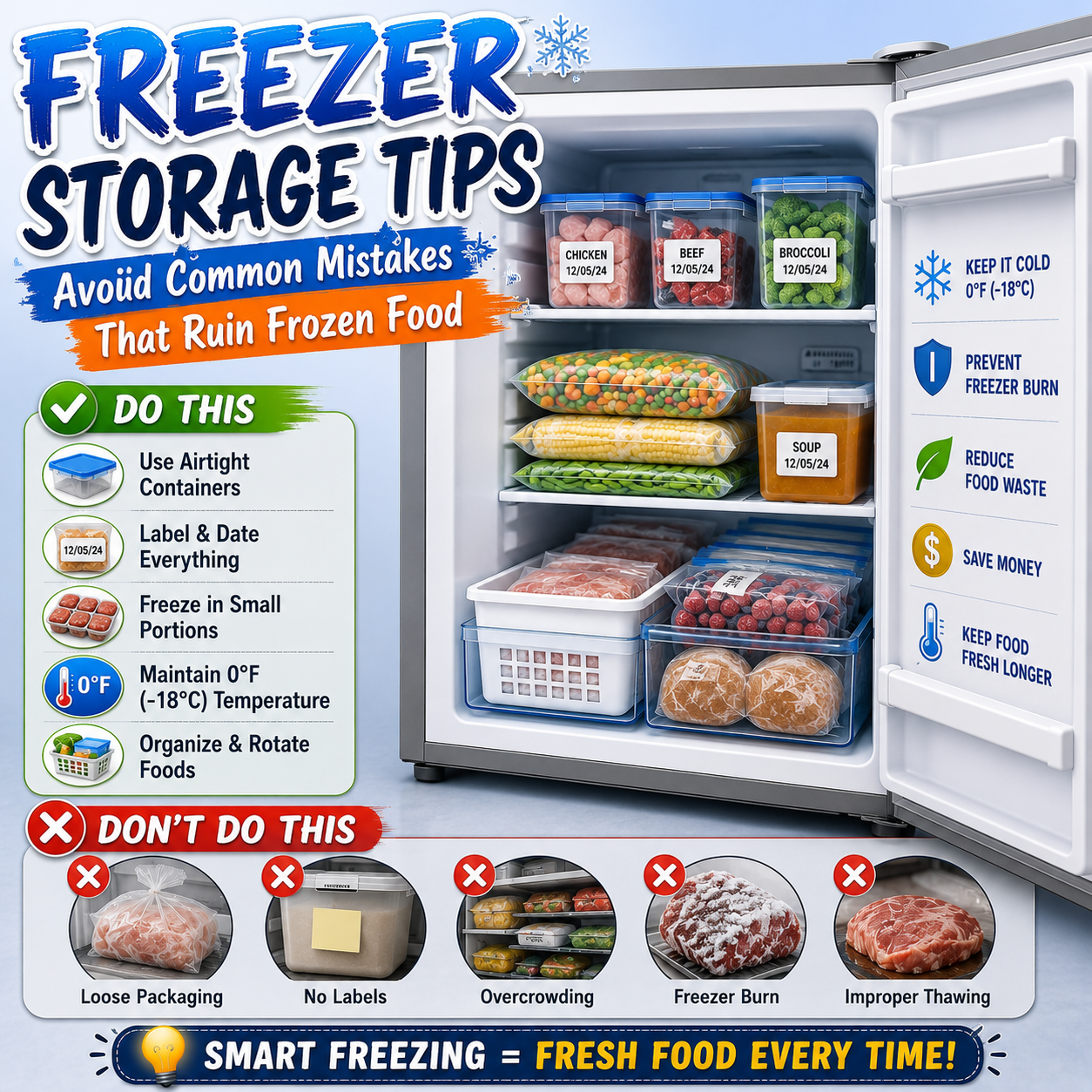
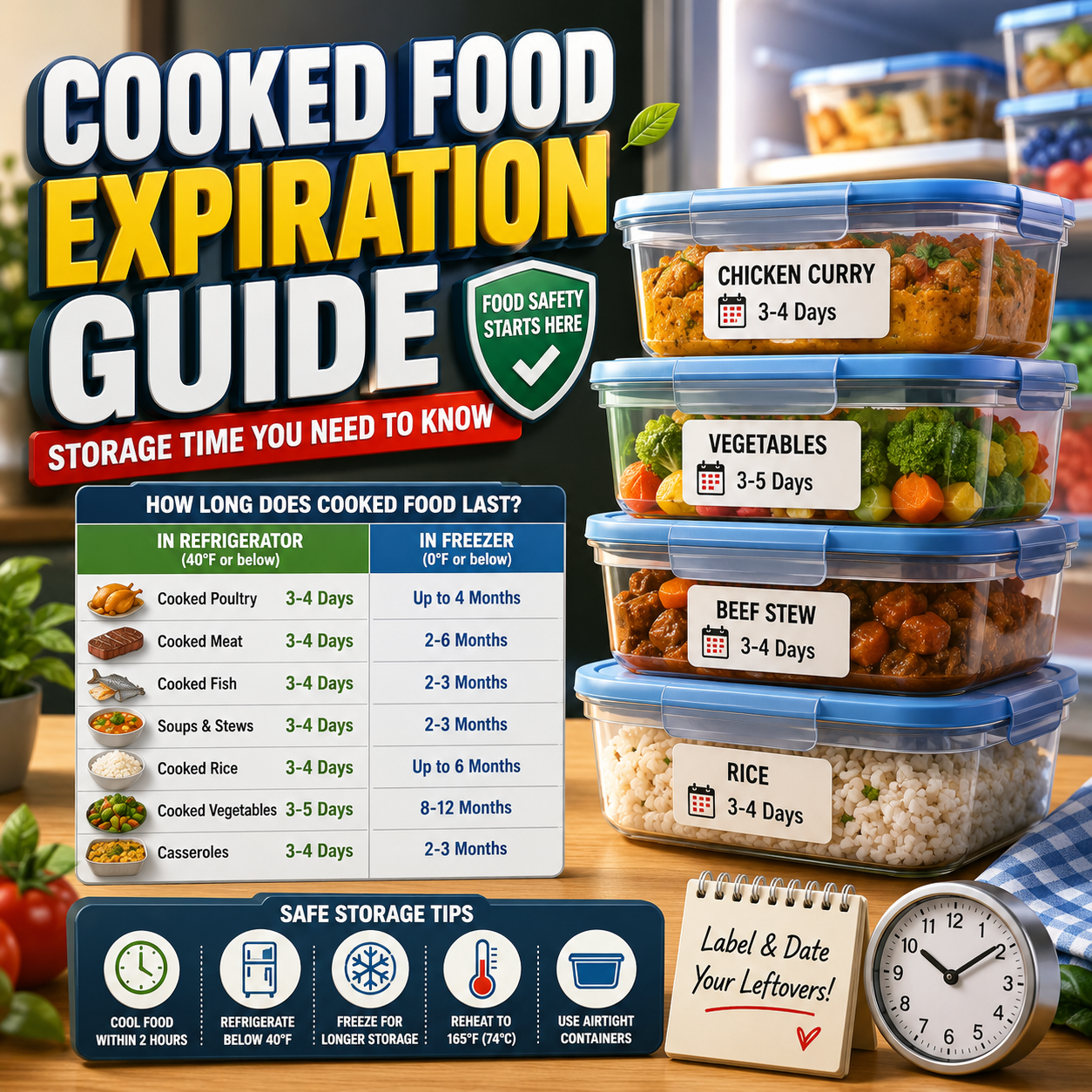
Many cooked foods freeze well for future meals. Label containers with preparation dates to maintain freshness and reduce waste.
Prep Ingredients Instead of Full Meals
If you prefer freshly cooked food, wash vegetables, chop ingredients, marinate proteins, and cook grains ahead of time. This reduces daily cooking time without sacrificing freshness.
Use Reusable Storage Containers
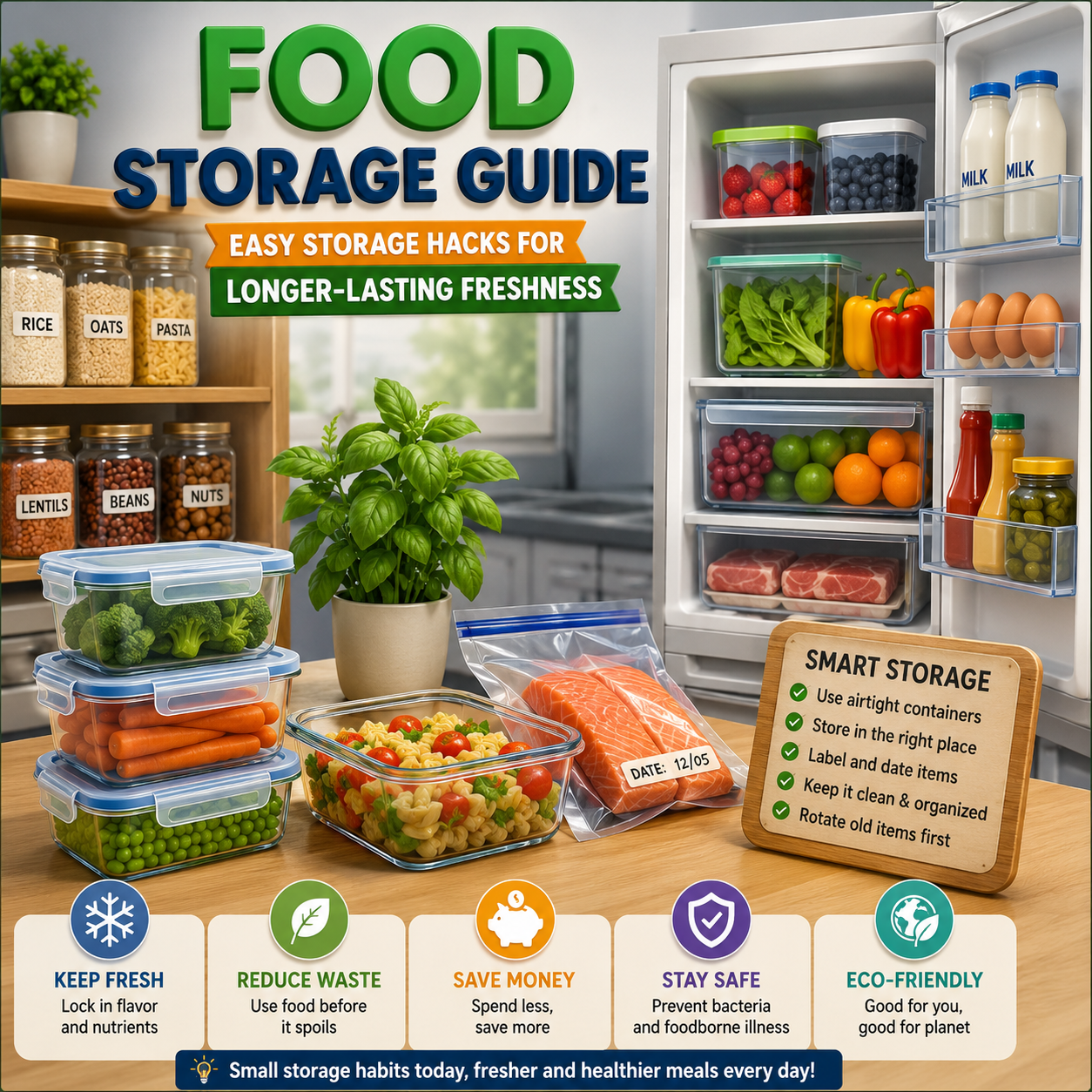
Good-quality airtight containers keep food fresh longer, making meal prep more effective and reducing spoilage.
Common Budget Meal Planning Mistakes
Even with the best intentions, certain habits can increase grocery costs. Recognizing these common mistakes can help you make smarter decisions.
Shopping While Hungry
Shopping on an empty stomach often leads to unnecessary purchases, especially processed snacks and convenience foods. Eat a light meal or snack before visiting the grocery store.
Buying Too Much Fresh Produce
Fresh fruits and vegetables are nutritious, but purchasing more than you can use often leads to waste. Balance fresh produce with frozen options for longer storage.
Ignoring Leftovers
Leftovers are valuable ingredients rather than waste. Transform roasted vegetables into soups, grilled chicken into wraps, or cooked rice into fried rice.
Choosing Convenience Foods
Pre-cut vegetables, individually packaged snacks, and ready-made meals often cost significantly more than preparing food yourself.
Not Comparing Unit Prices
The cheapest package isn’t always the best value. Compare the price per kilogram, litre, or ounce to determine which option offers better savings.
Expert Tips to Save Even More Money
Small adjustments to your shopping and cooking habits can produce significant long-term savings. Experts recommend focusing on consistency rather than perfection.
Helpful strategies include:
- Plan meals before shopping every week.
- Buy store-brand products when quality is comparable.
- Purchase seasonal fruits and vegetables.
- Include one or two meatless meals each week.
- Drink more water instead of sugary beverages.
- Limit processed snack foods.
- Cook extra portions for lunches.
- Use frozen produce to reduce spoilage.
- Track grocery spending each month.
- Learn simple recipes that use inexpensive ingredients.
These habits not only reduce food costs but also encourage healthier eating patterns and more efficient use of household resources.
Frequently Asked Questions (FAQs)
1. What is budget meal planning?
Budget meal planning is the process of organizing meals in advance while keeping grocery costs under control. It involves selecting affordable recipes, creating a shopping list, and purchasing only the ingredients you need. This approach reduces food waste, saves money, and encourages healthier eating habits by making home-cooked meals more consistent and convenient.
2. Why is meal planning important?
Meal planning helps reduce unnecessary spending, minimizes food waste, and ensures balanced nutrition. By deciding meals ahead of time, you avoid impulse purchases and last-minute takeout. It also saves time during busy weekdays because ingredients are already prepared and meals are easier to cook.
3. What foods should every budget kitchen have?
Every budget-friendly kitchen should include pantry staples such as rice, oats, pasta, beans, lentils, canned tomatoes, frozen vegetables, eggs, peanut butter, potatoes, onions, and basic spices. These affordable ingredients are nutritious, versatile, and can be used in a wide variety of healthy recipes.
4. Is healthy eating expensive?
Healthy eating does not have to be expensive. Choosing whole foods, seasonal produce, store brands, and bulk staples often costs less than buying processed convenience foods or eating at restaurants. Careful planning and home cooking make nutritious meals affordable for most households.
5. How do I stick to my grocery budget?
Start by setting a realistic spending limit, planning meals before shopping, checking your pantry first, and making a detailed grocery list. Compare prices, buy store-brand products when appropriate, and avoid shopping while hungry. Tracking your grocery expenses each week also helps you stay accountable.
6. Can meal prep save money?
Yes. Preparing meals in advance reduces reliance on takeout and convenience foods while making better use of purchased ingredients. Batch cooking, portioning meals, and freezing leftovers help minimize waste and ensure that every grocery purchase is fully utilized.
7. How can beginners start meal planning?
Beginners should begin with a simple one-week plan using familiar recipes. Select meals that share ingredients, prepare a grocery list, and focus on affordable staples. As confidence grows, you can introduce more variety and expand your meal planning routine without increasing your food budget.
8. Are frozen vegetables healthy?
Frozen vegetables are an excellent option for budget-conscious shoppers. They are typically frozen shortly after harvesting, preserving nutrients while extending shelf life. They also reduce food waste because you can use only the amount needed and store the rest for later meals.
9. What is the biggest mistake people make when meal planning?
One of the most common mistakes is purchasing too much food without considering how it will be used. This often leads to spoiled ingredients and wasted money. Planning realistic portions and reusing ingredients across multiple meals helps maximize both value and nutrition.
10. How long should a weekly meal plan take to prepare?
Most weekly meal plans can be created in 20–30 minutes. Spending a little time reviewing your schedule, checking available ingredients, planning recipes, and writing a grocery list can save several hours throughout the week while helping you stay on budget.
Key Takeaways
- Budget meal planning helps reduce grocery costs without sacrificing nutrition.
- Planning meals in advance minimizes food waste and impulse purchases.
- Building meals around affordable staples stretches your grocery budget.
- Shopping with a list keeps spending focused and efficient.
- Buying seasonal produce and sale items increases savings.
- Batch cooking and meal prep save both time and money.
- Reusing ingredients across multiple recipes reduces waste.
- Weekly meal planning supports healthier eating habits.
- Consistent planning makes home cooking easier and more enjoyable.
- Small budgeting habits lead to significant long-term financial savings.
Conclusion
Healthy eating and smart budgeting can go hand in hand when you have a practical meal planning strategy. By creating a weekly meal plan, shopping with purpose, choosing affordable whole foods, and preparing meals in advance, you can enjoy nutritious, satisfying meals without overspending. Budget meal planning is not about limiting your choices—it is about making intentional decisions that maximize nutrition, reduce waste, and stretch every grocery dollar.
Remember that successful meal planning doesn’t require perfection. Start with a simple weekly schedule, keep a well-stocked pantry of budget-friendly staples, and build your confidence one week at a time. As these habits become routine, you’ll likely notice lower grocery bills, less food waste, and a healthier lifestyle for yourself and your family.
Read Our Latest Blog:Healthy Eating on a Budget: Affordable Food Choices Guide