7-Day Immunity Boost Diet Plan
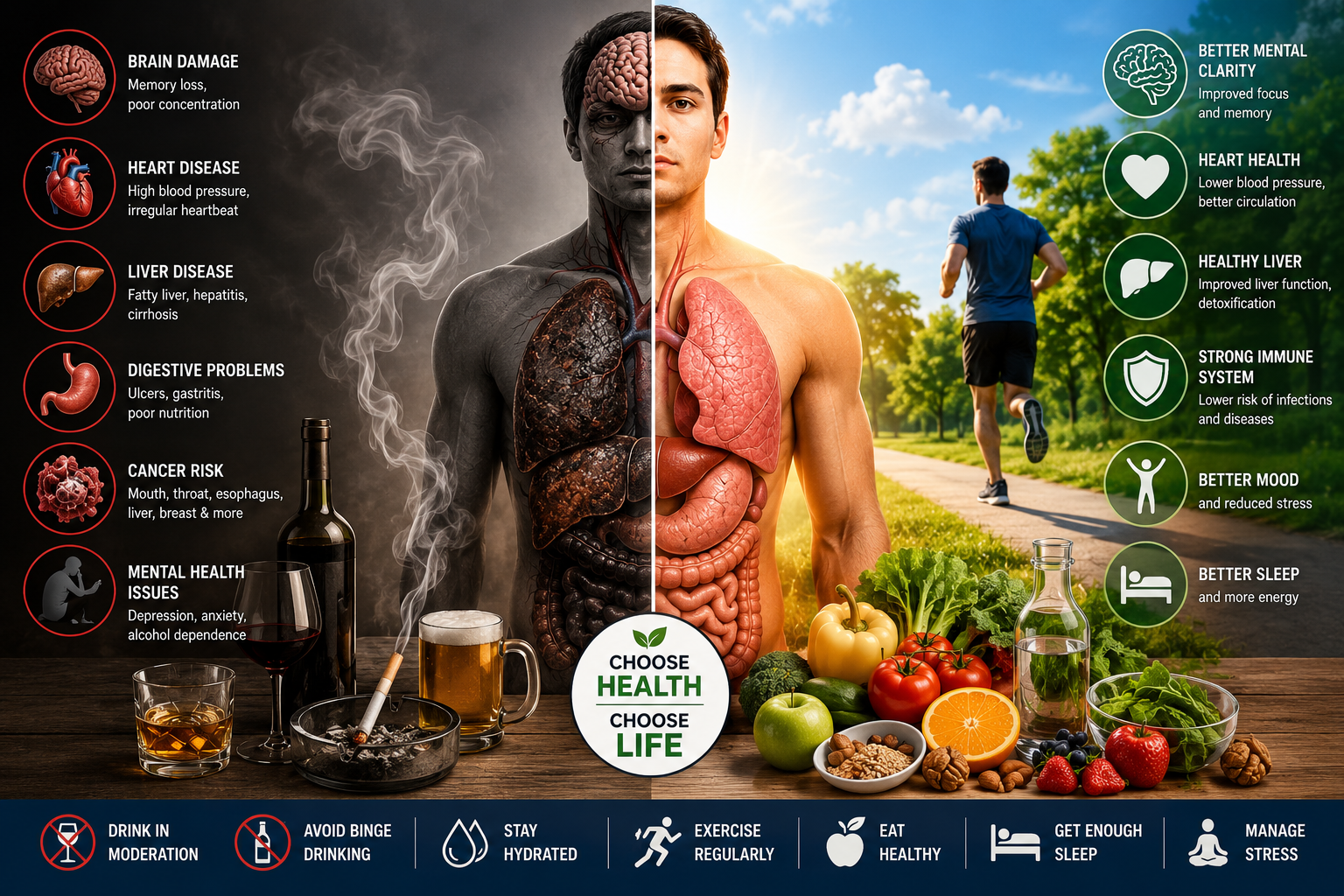
A strong immune system helps your body defend itself against infections and supports overall health. While no single food or diet can prevent illness, eating a balanced diet rich in vitamins, minerals, protein, healthy fats, and antioxidants can help support normal immune function. Combined with regular exercise, quality sleep, hydration, and good hygiene, healthy eating forms the foundation of a resilient immune system.
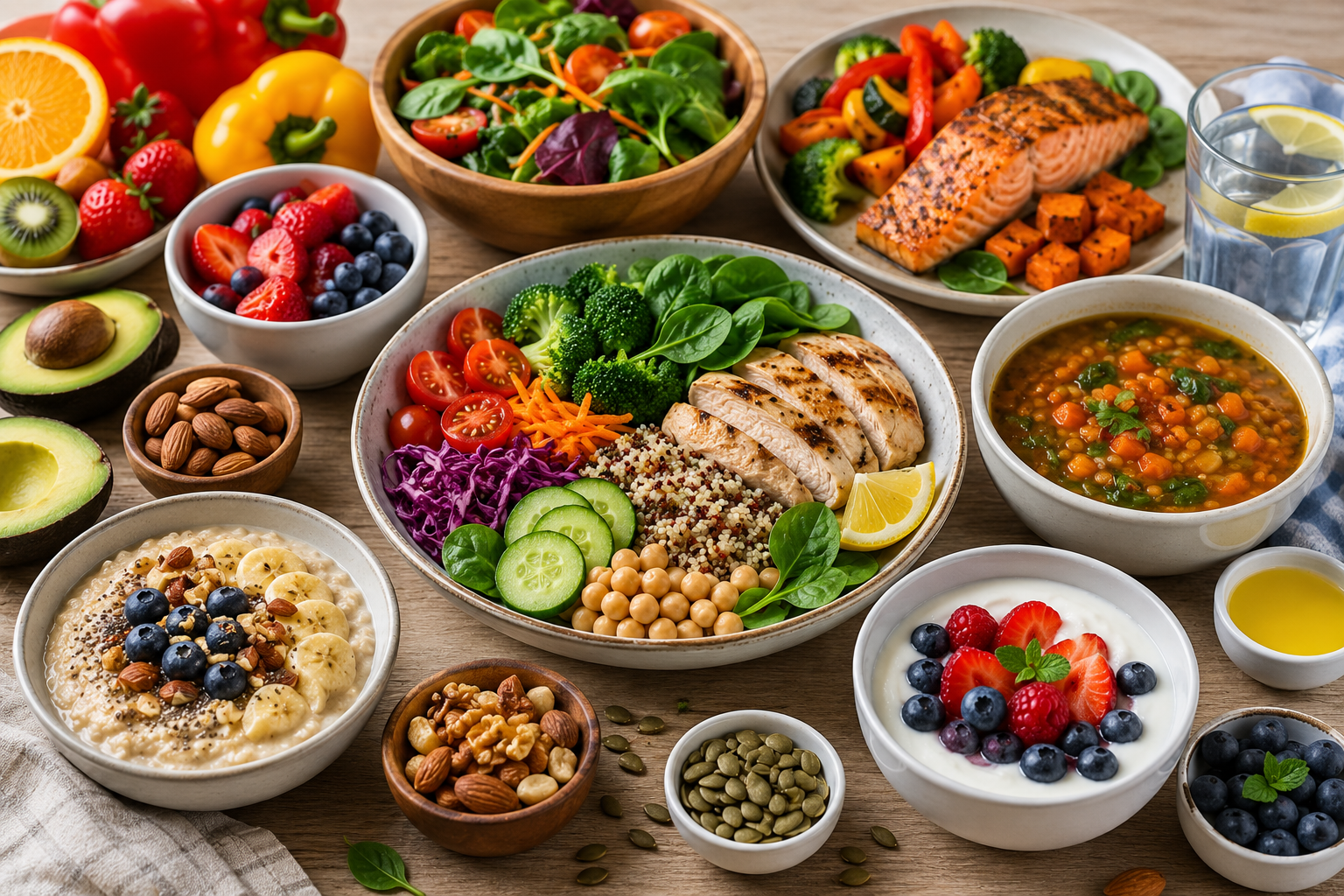
This 7-day immunity boost diet plan includes a variety of nutrient-rich foods that provide essential vitamins such as vitamin C, vitamin D, vitamin A, zinc, iron, and probiotics to support your body’s natural defense system.
Why Is a Healthy Diet Important for Immunity?
Your immune system depends on a steady supply of nutrients to function properly.
A balanced diet helps:
- Support normal immune function
- Reduce the risk of nutrient deficiencies
- Promote healthy digestion
- Maintain energy levels
- Support healthy skin and mucous membranes
- Help the body recover from illness
- Improve overall well-being
Healthy eating works best when combined with other healthy lifestyle habits.
Nutrients That Support the Immune System
Vitamin C
Vitamin C helps support immune cell function and acts as an antioxidant.
Good Food Sources
- Oranges
- Guava
- Kiwi
- Strawberries
- Bell peppers
- Broccoli
- Tomatoes
Vitamin D
Vitamin D supports normal immune function and bone health.
Food Sources
- Fatty fish
- Egg yolks
- Fortified milk
- Fortified cereals
Safe sunlight exposure also helps the body produce vitamin D.
Zinc
Zinc plays an important role in immune cell development.
Healthy Sources
- Pumpkin seeds
- Chickpeas
- Lentils
- Beans
- Lean meat
- Seafood
- Nuts
Protein
Protein supports tissue repair and the production of immune cells.
Healthy Choices
- Eggs
- Chicken
- Fish
- Lentils
- Paneer
- Tofu
- Yogurt
Probiotics
Probiotics help support a healthy gut, which plays an important role in immune health.
Natural Sources
- Yogurt
- Kefir
- Fermented vegetables
Day 1 – Colorful Immunity Boost
Breakfast
Oatmeal with Fresh Fruits
Prepare oatmeal topped with:
- Strawberries
- Blueberries
- Banana slices
- Chia seeds
Serve with a glass of low-fat milk.
Mid-Morning Snack
Orange and Almonds
- One fresh orange
- A small handful of almonds
Lunch
Grilled Chicken with Brown Rice
Include:
- Grilled chicken breast
- Brown rice
- Steamed broccoli
- Carrots
Evening Snack
Plain Yogurt
Top with fresh berries for added antioxidants.
Dinner
Lentil Soup with Whole Wheat Bread
Serve with:
- Mixed vegetable salad
- Cucumber
- Tomatoes
- Lettuce
Day 2 – Vitamin C Rich Meals
Breakfast
Vegetable Omelet
Prepare with:
- Eggs
- Spinach
- Tomatoes
- Bell peppers
Serve with whole wheat toast.
Mid-Morning Snack
Kiwi and Walnuts
A nutritious combination rich in vitamin C and healthy fats.
Lunch
Quinoa and Chickpea Salad
Add:
- Cucumber
- Tomatoes
- Bell peppers
- Olive oil
- Lemon juice
Evening Snack
Carrot and Cucumber Sticks
Serve with hummus.
Dinner
Grilled Fish with Sweet Potato
Add steamed green beans or broccoli for extra nutrients.
Day 3 – Gut Health and Immunity
Breakfast
Greek Yogurt Bowl
Top plain Greek yogurt with:
- Mixed berries
- Oats
- Pumpkin seeds
- Flaxseeds
Mid-Morning Snack
Apple with Peanut Butter
Choose natural peanut butter without added sugar.
Lunch
Vegetable Khichdi
Include:
- Rice
- Moong dal
- Carrots
- Peas
- Spinach
Serve with plain yogurt.
Evening Snack
Fresh Guava
A vitamin C-rich fruit that supports immune health.
Dinner
Grilled Paneer with Mixed Vegetables
Serve alongside whole wheat chapati and a fresh salad.
Breakfast
Avocado Whole Wheat Toast
Top whole wheat toast with:
- Mashed avocado
- Boiled egg slices
- Black pepper
- Cherry tomatoes
Serve with a glass of milk.
Mid-Morning Snack
Mixed Berries
Enjoy a bowl of:
- Strawberries
- Blueberries
- Blackberries
These fruits are rich in antioxidants.
Lunch
Grilled Chicken Salad
Include:
- Grilled chicken
- Lettuce
- Spinach
- Cucumber
- Bell peppers
- Olive oil and lemon dressing
Serve with whole wheat bread.
Evening Snack
Roasted Chickpeas
Roasted chickpeas provide protein, fiber, and zinc.
Dinner
Vegetable Stir-Fry with Brown Rice
Prepare with:
- Broccoli
- Carrots
- Mushrooms
- Bell peppers
- Tofu
Day 5 – Vitamin-Rich Meals
Breakfast
Smoothie Bowl
Blend:
- Banana
- Mango
- Plain yogurt
- Oats
Top with:
- Pumpkin seeds
- Chia seeds
- Fresh berries
Mid-Morning Snack
Papaya
Papaya is rich in vitamin C and antioxidants.
Lunch
Lentil Curry with Brown Rice
Serve with:
- Mixed vegetable salad
- Cucumber
- Tomatoes
Evening Snack
Cottage Cheese (Paneer)
Fresh paneer provides protein and calcium.
Dinner
Baked Salmon with Vegetables
Serve with:
- Sweet potatoes
- Steamed broccoli
- Green beans
Day 6 – Healthy Gut and Strong Immunity
Breakfast
Vegetable Oats Upma
Prepare with:
- Oats
- Carrots
- Green peas
- Beans
- Curry leaves
Mid-Morning Snack
Orange and Walnuts
A nutritious combination of vitamin C and healthy fats.
Lunch
Whole Wheat Chapati with Dal
Serve with:
- Spinach curry
- Cucumber salad
- Plain yogurt
Evening Snack
Apple Slices
Serve with a small amount of peanut butter.
Dinner
Grilled Fish with Quinoa
Add roasted vegetables such as zucchini, broccoli, and carrots.
Day 7 – Balanced Immunity Diet
Breakfast
Vegetable Omelet
Prepare with:
- Eggs
- Mushrooms
- Tomatoes
- Spinach
Serve with whole wheat toast.
Mid-Morning Snack
Fresh Fruit Bowl
Include:
- Kiwi
- Oranges
- Grapes
- Strawberries
Lunch
Brown Rice with Mixed Bean Curry
Serve with:
- Steamed vegetables
- Yogurt
Evening Snack
Mixed Nuts
Choose:
- Almonds
- Walnuts
- Pumpkin seeds
Consume in moderate portions.
Dinner
Chicken and Vegetable Soup
Include:
- Chicken
- Carrots
- Celery
- Spinach
- Whole wheat bread
Foods to Limit for Better Immune Health
Reduce Intake of
- Sugary soft drinks
- Candy
- Packaged snacks
- Deep-fried foods
- Highly processed meats
- Excess sweets
- Refined bakery products
- Excess alcohol
Limiting these foods supports overall health and helps maintain a balanced diet.
Healthy Lifestyle Habits That Support Immunity
Stay Hydrated
Drink enough water throughout the day to support normal body functions.
Get Enough Sleep
Recommended sleep duration:
- Adults: 7–9 hours
- Teenagers: 8–10 hours
- School-age children: 9–12 hours
Exercise Regularly
Aim for at least 150 minutes of moderate physical activity each week for adults, along with muscle-strengthening activities on two or more days.
Manage Stress
Practice healthy stress-management techniques such as:
- Deep breathing
- Meditation
- Walking
- Reading
- Spending time with family
Maintain Good Hygiene
- Wash hands regularly.
- Cover coughs and sneezes.
- Keep frequently touched surfaces clean.
- Stay home when feeling unwell.
Frequently Asked Questions
Can food completely prevent infections?
No. A healthy diet supports normal immune function, but no food or diet can completely prevent infections. Vaccinations, hygiene, adequate sleep, and regular exercise also play important roles in maintaining good health.
Which fruits are best for immunity?
Vitamin C-rich fruits such as oranges, guava, kiwi, strawberries, papaya, and berries provide antioxidants and other nutrients that support normal immune function.
Is yogurt good for the immune system?
Plain yogurt containing live cultures may help support a healthy gut microbiome, which contributes to normal immune function.
How much water should I drink to stay healthy?
Fluid needs vary depending on age, activity level, weather, and overall health. Drinking water regularly throughout the day and responding to thirst helps maintain proper hydration.
Can children follow this immunity diet plan?
The foods included are generally healthy for families, but portion sizes and nutritional needs vary by age. Parents should adjust meals based on a child’s age and consult a pediatrician for personalized dietary guidance.
Key Takeaways
- A balanced diet rich in fruits, vegetables, whole grains, lean proteins, and healthy fats supports normal immune function.
- Include foods rich in vitamin C, vitamin D, zinc, protein, and probiotics throughout the week.
- Stay hydrated and eat a variety of colorful, nutrient-dense foods.
- Limit highly processed foods and sugary beverages.
- Regular exercise, quality sleep, stress management, and good hygiene work together with healthy eating to support overall wellness.
Conclusion
A healthy immune system depends on consistent lifestyle habits rather than any single food or meal. Following a balanced 7-day immunity boost diet plan helps provide the vitamins, minerals, protein, healthy fats, and antioxidants your body needs to support normal immune function. Including a wide variety of fruits, vegetables, whole grains, lean proteins, and probiotic-rich foods creates a strong nutritional foundation for long-term health.
Remember that healthy eating is only one part of maintaining a resilient immune system. Staying physically active, getting enough sleep, managing stress, staying hydrated, keeping vaccinations up to date, and practicing good hygiene all contribute to better overall well-being. Making these habits part of your daily routine can help you stay healthier throughout the year.