Smoking and Disease Prevention
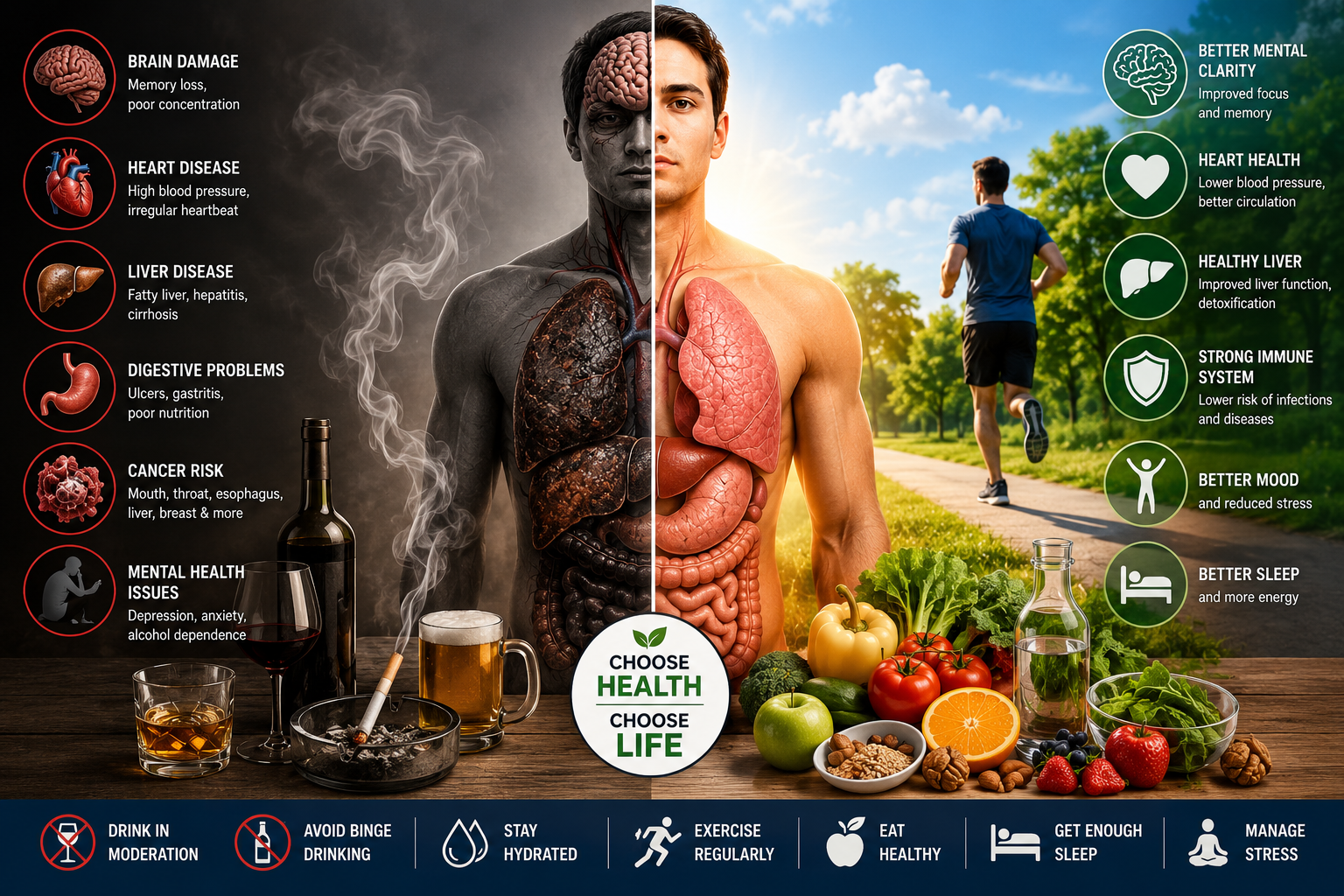
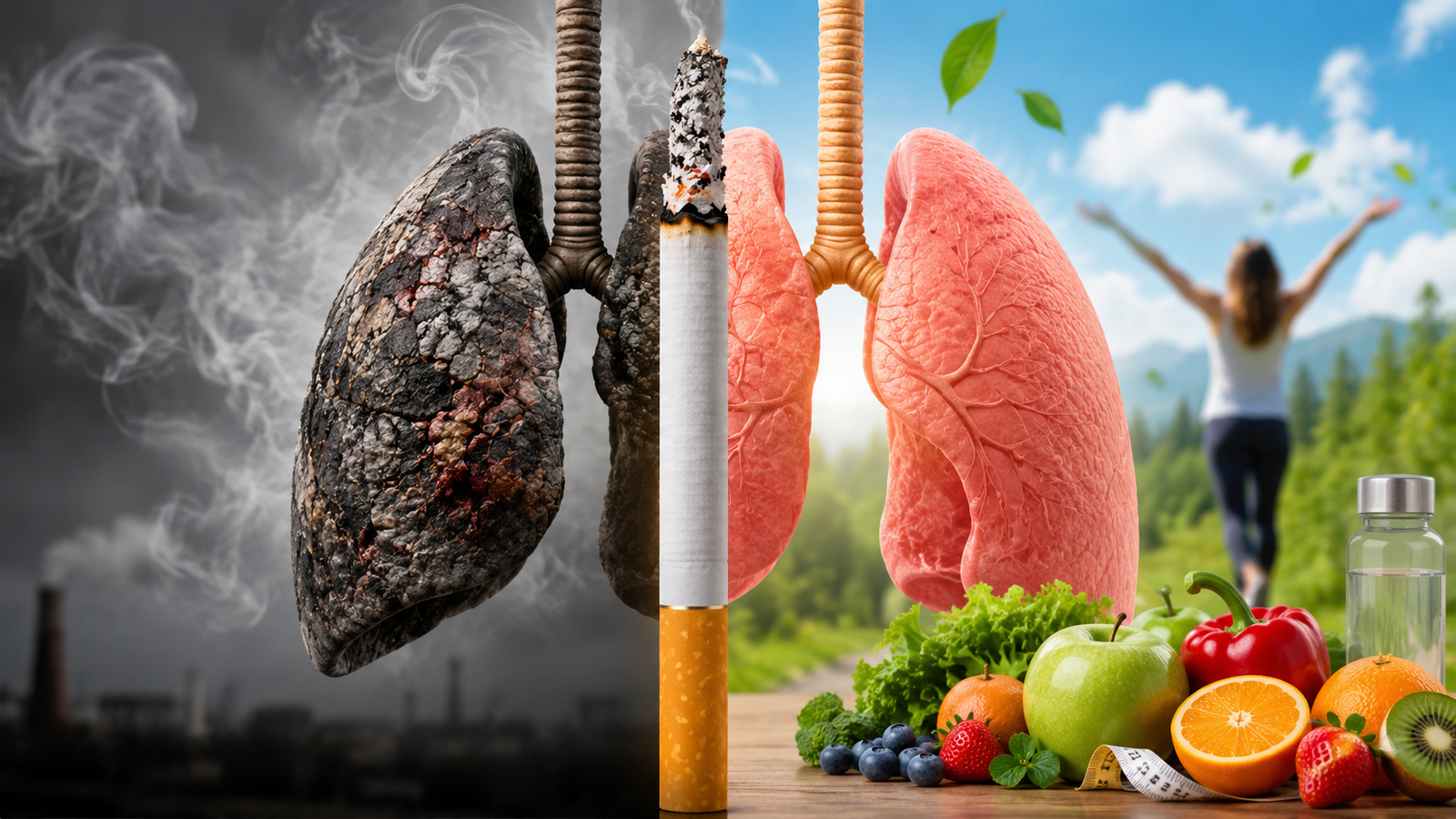
Smoking is one of the leading preventable causes of disease and premature death worldwide. Tobacco smoke contains thousands of chemicals, many of which are harmful to the body. Smoking affects nearly every organ and significantly increases the risk of several serious health conditions, including heart disease, stroke, chronic lung disease, and many types of cancer.
The good news is that quitting smoking provides health benefits at any age. Whether you have smoked for a few years or several decades, stopping smoking can improve your overall health and reduce your risk of developing smoking-related diseases.
How Smoking Affects the Body
When tobacco smoke enters the lungs, harmful chemicals travel through the bloodstream and affect multiple organs.
Smoking can damage:
- Lungs
- Heart
- Blood vessels
- Brain
- Mouth
- Teeth
- Bones
- Immune system
- Reproductive system
Even occasional smoking can have negative health effects.
Diseases Linked to Smoking
1. Heart Disease
Smoking damages blood vessels and increases the risk of cardiovascular disease.
It May Increase the Risk of
- Coronary artery disease
- Heart attack
- Peripheral artery disease
Quitting smoking supports better heart health over time.
2. Stroke
Smoking contributes to narrowing and damage of blood vessels that supply the brain.
Stopping smoking helps reduce the risk of stroke.
3. Chronic Lung Diseases
Smoking is a major cause of chronic obstructive pulmonary disease (COPD), which includes:
- Chronic bronchitis
- Emphysema
Smoking also worsens asthma symptoms and reduces lung function.
4. Cancer
Smoking is linked to many types of cancer, including cancers of the:
- Lung
- Mouth
- Throat
- Voice box (larynx)
- Esophagus
- Bladder
- Kidney
- Pancreas
- Stomach
The risk generally increases with the amount and duration of smoking.
5. Type 2 Diabetes
Smoking may increase the risk of developing type 2 diabetes and can make diabetes management more difficult.
6. Weakened Immune System
Smoking can impair the body’s normal immune function, making it harder to fight infections and recover from illness.
7. Oral Health Problems
Smoking contributes to:
- Gum disease
- Tooth loss
- Bad breath
- Oral cancers
- Delayed healing after dental procedures
8. Pregnancy Complications
Smoking during pregnancy increases the risk of complications for both the mother and baby.
Avoiding tobacco during pregnancy is important for fetal health.
Benefits of Quitting Smoking
The body begins to recover soon after smoking stops.
Short-Term Benefits
Within days to weeks, many people notice:
- Improved breathing
- Better sense of taste and smell
- Increased energy
- Lower heart rate
- Improved circulation
Long-Term Benefits
Over time, quitting smoking may:
- Reduce the risk of heart disease
- Lower the risk of stroke
- Improve lung function
- Reduce the risk of several cancers
- Improve overall quality of life
- Increase life expectancy
Quitting smoking is beneficial regardless of age or how long you have smoked.
Protect Others from Secondhand Smoke
Secondhand smoke can also harm people who do not smoke.
Children exposed to secondhand smoke have a higher risk of:
- Respiratory infections
- Asthma attacks
- Ear infections
Creating smoke-free homes and workplaces helps protect everyone.
Tips to Quit Smoking Successfully
Quitting smoking can be challenging because nicotine is addictive, but many people succeed with the right support and a well-planned approach. Every attempt to quit is a positive step toward better health.
Set a Quit Date
Choose a specific day to stop smoking and prepare in advance.
Before your quit date:
- Remove cigarettes, lighters, and ashtrays.
- Inform family and friends about your plan.
- Identify situations that trigger smoking.
- Plan healthy alternatives for cravings.
Identify Your Triggers
Many people smoke during certain situations, such as:
- Drinking coffee
- Feeling stressed
- Driving
- After meals
- Social gatherings
Recognizing your triggers helps you prepare healthier coping strategies.
Replace Smoking with Healthy Habits
When cravings occur, try:
- Drinking water
- Chewing sugar-free gum
- Eating healthy snacks
- Taking a short walk
- Practicing deep breathing
- Keeping your hands busy with a stress ball or pen
Most cravings usually pass within a few minutes.
Seek Professional Support
Healthcare professionals can provide guidance and discuss evidence-based smoking cessation options, including counseling and approved medications when appropriate.
Do not hesitate to ask for help—support can improve your chances of quitting successfully.
Healthy Lifestyle Habits After Quitting
Quitting smoking is only one part of improving your overall health. Healthy daily habits can help your body recover and reduce the risk of chronic diseases.
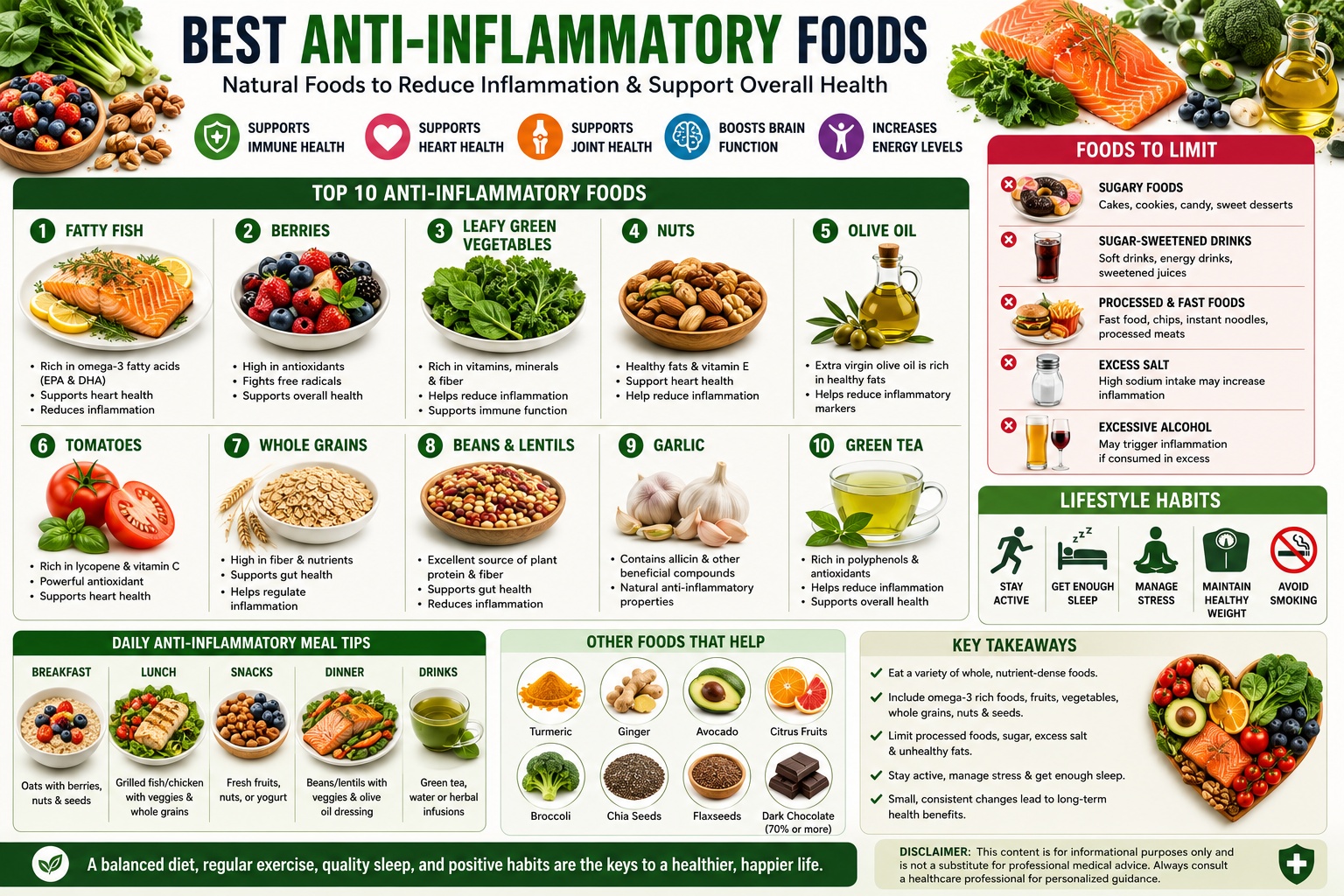
Eat a Balanced Diet
Choose foods rich in nutrients, including:
- Fruits
- Vegetables
- Whole grains
- Lean proteins
- Low-fat dairy
- Healthy fats such as nuts and seeds
Good nutrition supports overall well-being.
Stay Physically Active
Regular exercise can:
- Improve mood
- Increase energy
- Support heart health
- Help manage weight
- Reduce stress
Aim for at least 150 minutes of moderate-intensity physical activity each week for adults.
Stay Hydrated
Drink water regularly throughout the day.
Proper hydration supports normal body functions and may also help manage cravings.
Get Enough Sleep
Adults should aim for 7–9 hours of sleep each night.
Quality sleep supports physical recovery and mental well-being.
Manage Stress
Healthy stress-management techniques include:
- Meditation
- Yoga
- Deep breathing exercises
- Reading
- Listening to music
- Spending time outdoors
Finding healthy ways to relax can make it easier to remain smoke-free.
Attend Regular Health Checkups
Routine medical checkups help monitor your health and provide support as your body recovers after quitting smoking.
Frequently Asked Questions
Is it ever too late to quit smoking?
No. Quitting smoking provides health benefits at any age, even after many years of smoking. The sooner you quit, the greater the potential health benefits.
How quickly does the body begin to recover after quitting?
The body starts recovering soon after smoking stops. Improvements in circulation, lung function, and overall health continue over time.
Will quitting smoking improve breathing?
Many people notice easier breathing and reduced coughing after quitting, although recovery varies depending on individual health and previous smoking history.
Can occasional smoking still be harmful?
Yes. Even occasional smoking exposes the body to harmful chemicals and increases health risks. Completely stopping smoking provides the greatest health benefit.
What if I start smoking again?
Many people make several quit attempts before quitting permanently. If you relapse, do not give up. Learn from the experience, identify what triggered the relapse, and try again with additional support if needed.
Key Takeaways
- Smoking increases the risk of heart disease, stroke, lung disease, cancer, and many other health problems.
- Quitting smoking benefits your health regardless of your age or how long you have smoked.
- The body begins to recover soon after smoking stops.
- Healthy eating, regular exercise, adequate sleep, hydration, and stress management support recovery.
- Professional support can increase the likelihood of quitting successfully.
Conclusion
Smoking remains one of the most significant preventable causes of disease worldwide, but quitting is one of the most effective steps you can take to improve your health. Whether you have smoked for a short time or many years, stopping smoking reduces your risk of serious illnesses and supports better heart, lung, and overall health.
Quitting smoking is a journey that may require patience and persistence. Combining healthy lifestyle habits with support from healthcare professionals, family, and friends can improve your chances of long-term success. Every smoke-free day is an investment in a healthier future.