Alcohol and Long-Term Health Risks
Alcohol is commonly consumed in many cultures and social settings. While some people choose to drink occasionally, drinking alcohol—especially in large amounts or over a long period—can increase the risk of numerous health problems. Excessive alcohol consumption affects almost every organ in the body and is associated with several chronic diseases and injuries.
Understanding the long-term health risks of alcohol can help individuals make informed decisions about their health. Reducing or avoiding alcohol may lower the risk of many alcohol-related conditions and improve overall well-being.
How Alcohol Affects the Body
After alcohol is consumed, it is absorbed into the bloodstream and transported throughout the body. Most alcohol is processed by the liver, but its effects are felt in many organs, including the brain, heart, digestive system, and immune system.
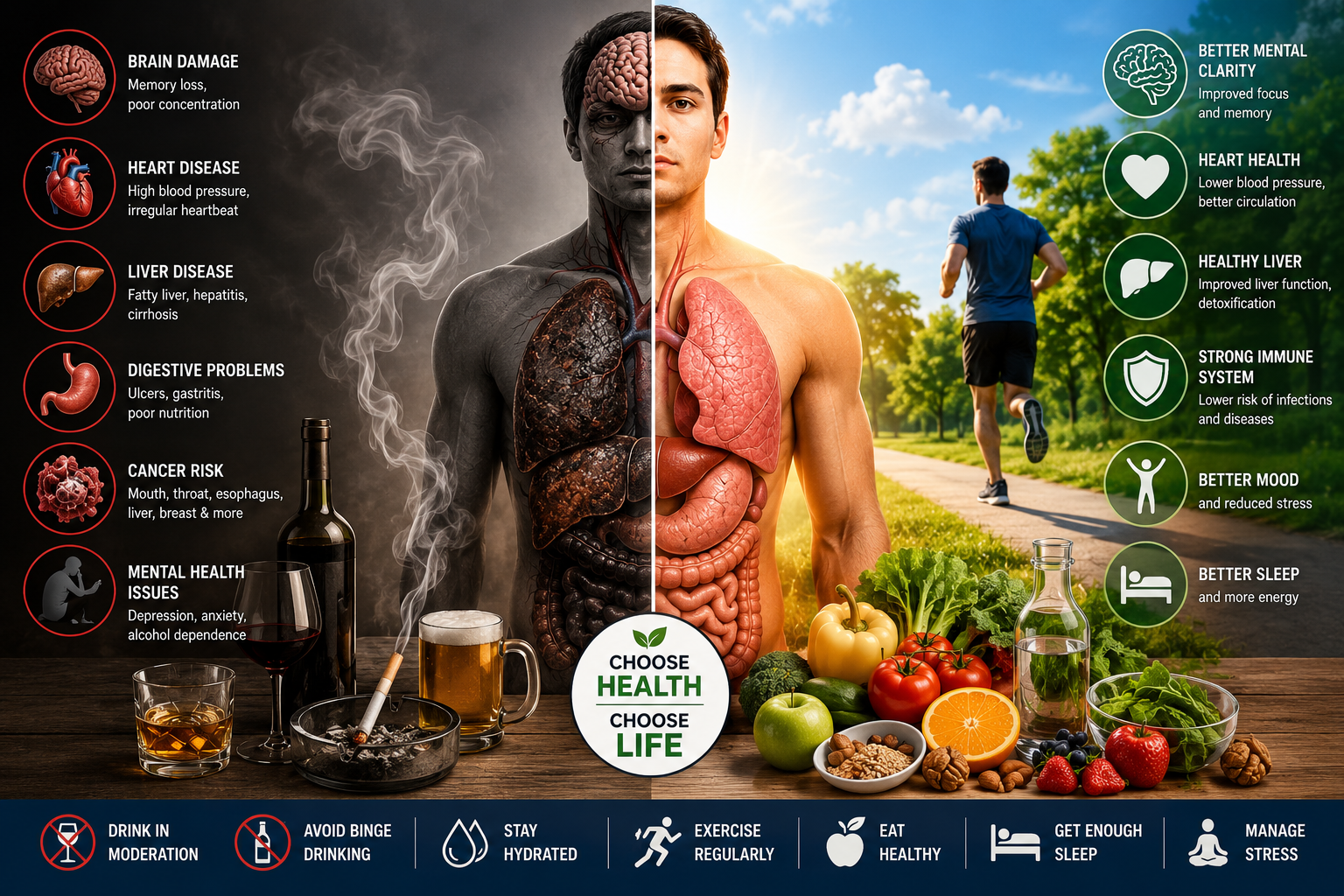
Alcohol can affect:
- Brain and nervous system
- Liver
- Heart and blood vessels
- Digestive system
- Pancreas
- Immune system
- Bones and muscles
- Mental health
The health effects depend on factors such as the amount consumed, frequency of drinking, age, overall health, medications, and individual differences.
Long-Term Health Risks of Alcohol
1. Liver Disease
The liver is responsible for breaking down alcohol, making it particularly vulnerable to long-term alcohol use.
Long-term heavy drinking may increase the risk of:
- Fatty liver disease
- Alcohol-related hepatitis
- Liver fibrosis
- Liver cirrhosis
Severe liver disease can impair normal liver function and may become life-threatening.
2. Heart and Blood Vessel Problems
Heavy alcohol consumption is associated with an increased risk of cardiovascular problems.
Potential risks include:
- High blood pressure
- Irregular heartbeat (arrhythmias)
- Heart muscle damage (cardiomyopathy)
- Stroke
Maintaining healthy lifestyle habits supports cardiovascular health.
3. Brain and Nervous System Effects
Alcohol affects communication between brain cells.
Long-term excessive alcohol use may contribute to:
- Memory problems
- Difficulty concentrating
- Poor coordination
- Reduced cognitive function
- Nerve damage (peripheral neuropathy)
4. Increased Cancer Risk
Alcohol consumption is associated with an increased risk of several types of cancer.
These include cancers of the:
- Mouth
- Throat
- Voice box (larynx)
- Esophagus
- Liver
- Colon and rectum
- Breast
The risk generally increases with higher levels of alcohol consumption.
5. Digestive System Problems
Alcohol can irritate the digestive tract and interfere with nutrient absorption.
Long-term excessive drinking may contribute to:
- Gastritis
- Stomach ulcers
- Acid reflux
- Poor nutrient absorption
6. Pancreatitis
Heavy alcohol use is a major cause of chronic pancreatitis.
This condition may lead to:
- Persistent abdominal pain
- Digestive problems
- Difficulty absorbing nutrients
7. Weakened Immune System
Excessive alcohol use may weaken the body’s normal immune defenses, making it more difficult to fight infections.
8. Mental Health Effects
Alcohol may affect emotional well-being and mental health.
Long-term heavy drinking has been associated with:
- Depression
- Anxiety
- Sleep disturbances
- Alcohol dependence
People experiencing mental health concerns should seek support from a qualified healthcare professional.
9. Bone and Muscle Health
Long-term alcohol misuse may contribute to:
- Reduced bone density
- Increased fracture risk
- Muscle weakness
- Poor physical performance
10. Increased Risk of Injuries
Alcohol can impair judgment, coordination, balance, and reaction time, increasing the risk of:
- Falls
- Motor vehicle crashes
- Burns
- Workplace injuries
- Sports injuries
Benefits of Reducing or Avoiding Alcohol
Choosing to reduce or avoid alcohol may provide several health benefits, including:
- Improved liver health
- Better sleep quality
- Improved concentration
- Lower blood pressure (for some individuals)
- Better weight management
- Reduced risk of several chronic diseases
- Improved mental well-being
- Better overall quality of life
Tips for Reducing Alcohol Consumption
If you choose to drink alcohol, doing so in moderation—or reducing or avoiding alcohol altogether—can support your long-term health. If you are concerned about your drinking, speak with a healthcare professional for personalized advice.
Set Personal Goals
Decide whether you want to:
- Reduce the amount you drink
- Drink less often
- Take alcohol-free days each week
- Stop drinking completely
Setting realistic goals can make healthy changes easier to maintain.
Know Your Triggers
People often drink alcohol during situations such as:
- Social gatherings
- Stress
- Celebrations
- Loneliness
- Boredom
Recognizing your triggers can help you plan healthier alternatives.
Choose Non-Alcoholic Drinks
Replace alcoholic beverages with healthier options, such as:
- Water
- Sparkling water with lemon
- Unsweetened iced tea
- Herbal tea
- Fresh fruit-infused water
These drinks can help you stay hydrated without alcohol.
Avoid Drinking on an Empty Stomach
If you choose to drink alcohol, eating a balanced meal beforehand may help slow alcohol absorption. However, eating food does not eliminate alcohol-related risks or prevent intoxication.
Seek Support
If reducing or stopping alcohol feels difficult, talk to:
- Your doctor
- A mental health professional
- A licensed addiction counselor
- Trusted family members or friends
Support from others can make positive changes easier.
Healthy Lifestyle Habits
Healthy daily habits can reduce the risk of many chronic diseases and improve overall well-being.
Eat a Balanced Diet
Choose foods such as:
- Fruits
- Vegetables
- Whole grains
- Lean proteins
- Beans and lentils
- Nuts and seeds
- Low-fat dairy
A balanced diet provides essential nutrients your body needs.
Exercise Regularly
Aim for at least 150 minutes of moderate-intensity physical activity per week for adults.
Examples include:
- Walking
- Cycling
- Swimming
- Strength training
- Yoga
Regular exercise supports heart, brain, and overall health.
Stay Hydrated
Drink water throughout the day to support normal body functions.
Get Enough Sleep
Adults should aim for 7–9 hours of quality sleep each night.
Good sleep supports physical and mental health.
Manage Stress
Healthy ways to reduce stress include:
- Meditation
- Deep breathing exercises
- Reading
- Spending time outdoors
- Listening to music
- Talking with supportive friends or family
Attend Regular Health Checkups
Routine medical checkups can help detect health problems early and provide guidance for maintaining long-term health.
Frequently Asked Questions
Is any amount of alcohol completely safe?
Current evidence suggests that the less alcohol you drink, the lower your health risk. No level of alcohol consumption has been proven to be completely risk-free for everyone.
Does drinking alcohol increase cancer risk?
Yes. Alcohol consumption is associated with an increased risk of several cancers, including cancers of the mouth, throat, esophagus, liver, colon, rectum, and breast.
Can the liver recover after stopping alcohol?
The liver has a remarkable ability to heal, especially in the early stages of alcohol-related liver disease. Recovery depends on the extent of liver damage and individual health. A healthcare professional can provide personalized advice.
Does coffee remove alcohol from the body?
No. Coffee may make you feel more awake, but it does not speed up alcohol metabolism or reduce blood alcohol concentration.
Should pregnant women drink alcohol?
No. Health authorities recommend avoiding alcohol during pregnancy because it can harm the developing baby.
Key Takeaways
- Long-term alcohol use can increase the risk of liver disease, heart disease, stroke, certain cancers, digestive problems, and mental health conditions.
- Reducing or avoiding alcohol may improve overall health and lower the risk of many chronic diseases.
- Healthy eating, regular exercise, quality sleep, stress management, and routine health checkups support long-term wellness.
- If you are concerned about your alcohol use, seek guidance from a qualified healthcare professional.
Conclusion
Alcohol can affect nearly every organ in the body, particularly when consumed in large amounts or over many years. While occasional drinking is a personal choice, understanding the potential long-term health risks can help you make informed decisions. Reducing alcohol intake—or avoiding alcohol altogether—can support healthier liver function, cardiovascular health, mental well-being, and overall quality of life.
Healthy habits such as eating a balanced diet, staying physically active, getting enough sleep, managing stress, and attending regular health checkups work together to promote long-term wellness. If alcohol use is becoming difficult to control, remember that professional help and support are available, and seeking assistance is a positive step toward better health.