Weight Gain Foods for Kids
Every child grows at their own pace, but some children may naturally have a lower body weight than others. In many cases, being underweight is not a medical concern, especially if the child is active and meeting developmental milestones. However, when a child is not gaining enough weight due to poor appetite, illness, or nutritional deficiencies, providing healthy, nutrient-dense foods can help support normal growth and development.
Healthy weight gain should focus on increasing muscle, bone, and overall body growth rather than simply adding calories. A balanced diet rich in proteins, healthy fats, complex carbohydrates, vitamins, and minerals is the safest and most effective approach.
Why Healthy Weight Gain Is Important
Children require adequate nutrition to support their rapidly growing bodies and developing brains.
Healthy weight gain helps:
- Support normal growth and development
- Build strong bones and muscles
- Improve energy levels
- Strengthen the immune system
- Support brain development
- Improve concentration and learning
- Promote healthy physical activity
The goal is to provide nutritious foods rather than processed or high-sugar snacks.
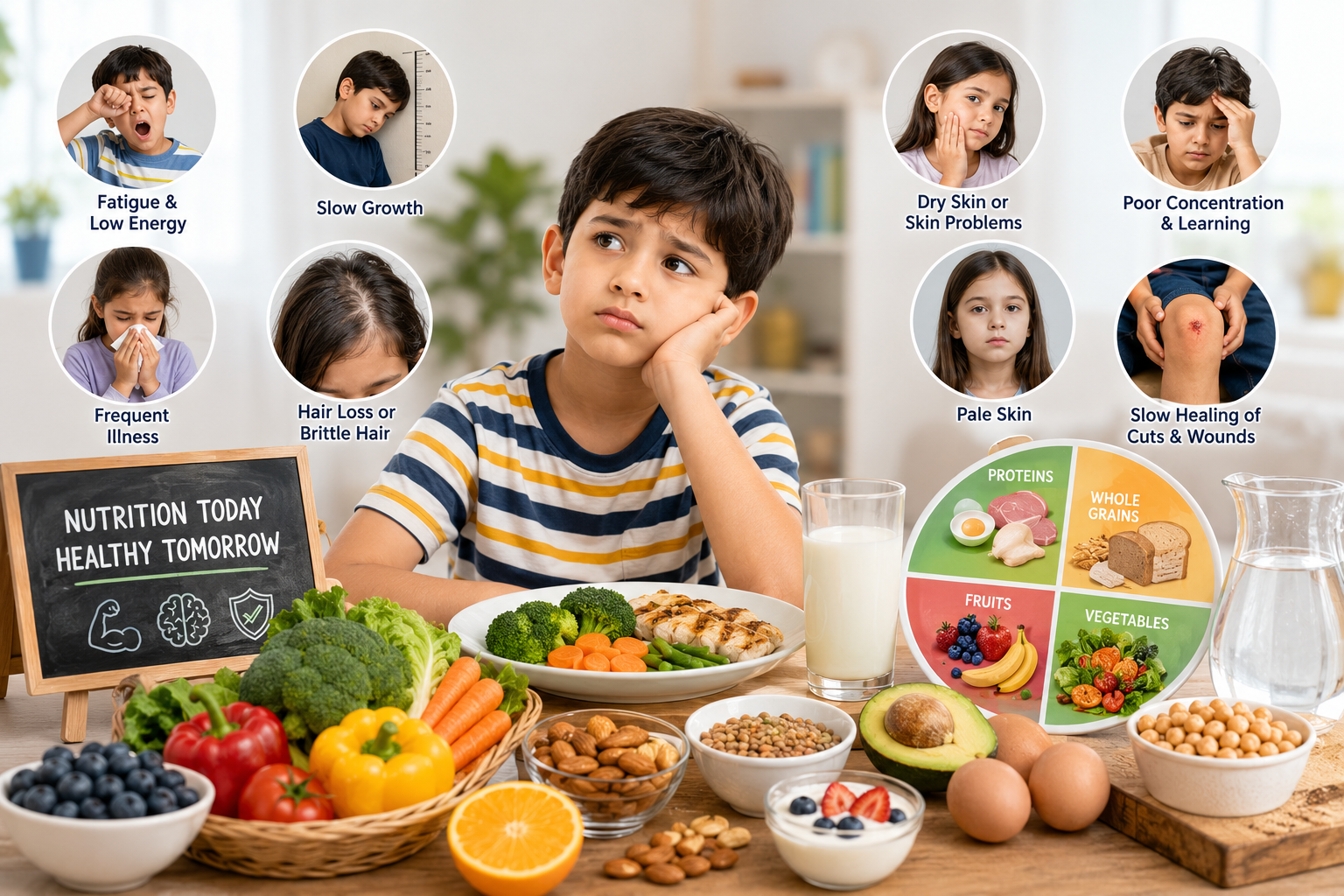
Common Reasons Why Kids May Be Underweight
Several factors can contribute to slow or inadequate weight gain.
Medical Reasons
- Premature birth
- Digestive disorders
- Food allergies
- Frequent infections
- Chronic medical conditions
- Nutrient absorption problems
Lifestyle Factors
- Poor appetite
- Picky eating habits
- High physical activity
- Skipping meals
- Inadequate calorie intake
If a child is losing weight or not growing as expected, consult a pediatrician for proper evaluation.
Nutrients That Support Healthy Weight Gain
Protein
Protein helps build muscles, repair tissues, and support healthy growth.
Good Sources
- Eggs
- Chicken
- Fish
- Paneer
- Tofu
- Lentils
- Beans
- Greek yogurt
Healthy Fats
Healthy fats provide concentrated energy and support brain development.
Healthy Choices
- Avocados
- Almonds
- Walnuts
- Peanut butter
- Chia seeds
- Flaxseeds
- Olive oil
Complex Carbohydrates
Complex carbohydrates provide long-lasting energy.
Examples
- Brown rice
- Whole wheat bread
- Oats
- Sweet potatoes
- Whole grain pasta
- Quinoa
Dairy Foods
Dairy products provide protein, calcium, and healthy calories.
Include
- Milk
- Yogurt
- Cheese
- Paneer
Best Weight Gain Foods for Kids
1. Eggs
Eggs are one of the most nutritious foods for growing children.
Benefits
- High-quality protein
- Healthy fats
- Vitamin D
- Choline for brain development
Serve boiled, scrambled, or as an omelet.
2. Peanut Butter
Peanut butter is rich in healthy fats and protein.
Ways to Serve
- Whole wheat toast
- Apple slices
- Banana sandwiches
- Smoothies
Choose natural peanut butter without added sugar whenever possible.
3. Full-Fat Yogurt
Full-fat yogurt provides protein, calcium, and beneficial probiotics.
Serve With
- Fresh fruits
- Oats
- Honey (for children over one year of age)
- Nuts or seeds (if age-appropriate)
4. Bananas
Bananas provide natural carbohydrates, potassium, and energy.
Easy Serving Ideas
- Banana milkshake
- Fruit salad
- Peanut butter and banana sandwich
- Oatmeal topping
5. Avocados
Avocados are packed with healthy fats, fiber, and vitamins.
Add To
- Sandwiches
- Smoothies
- Salads
- Homemade spreads
6. Cheese
Cheese is a nutritious source of protein, calcium, and healthy fats that can help increase calorie intake in a healthy way.
Easy Ways to Serve
- Cheese cubes
- Whole wheat sandwiches
- Homemade vegetable wraps
- Pasta
- Omelets
Choose moderate portions as part of a balanced diet.
7. Oats
Oats provide complex carbohydrates, fiber, and important vitamins and minerals.
Healthy Serving Ideas
- Oatmeal with milk
- Overnight oats
- Oat pancakes
- Smoothies
- Homemade energy balls
Adding fruits, nuts, or nut butter can increase both nutrition and calories.
8. Sweet Potatoes
Sweet potatoes are rich in complex carbohydrates, fiber, vitamin A, and antioxidants.
Serve As
- Mashed sweet potatoes
- Baked wedges
- Sweet potato pancakes
- Roasted cubes
They provide long-lasting energy and support healthy growth.
9. Homemade Smoothies
Smoothies are an excellent way to increase calorie and nutrient intake, especially for children with a poor appetite.
Nutritious Ingredients
- Milk
- Banana
- Yogurt
- Peanut butter
- Oats
- Mango
- Berries
- Chia seeds
Avoid adding excessive sugar. Natural fruits provide enough sweetness.
10. Nuts and Seeds
For children who can safely eat them, nuts and seeds provide healthy fats, protein, and essential nutrients.
Healthy Choices
- Almonds
- Walnuts
- Cashews
- Pumpkin seeds
- Sunflower seeds
- Chia seeds
- Flaxseeds
For younger children, use finely ground nuts or smooth nut butters to reduce the risk of choking.
Healthy Meal Ideas for Weight Gain
Nutritious Breakfast
A healthy breakfast provides energy for the day and supports healthy weight gain.
Ideas
- Oatmeal with milk and banana
- Whole wheat toast with peanut butter
- Vegetable omelet with whole grain bread
- Yogurt with fruit and nuts
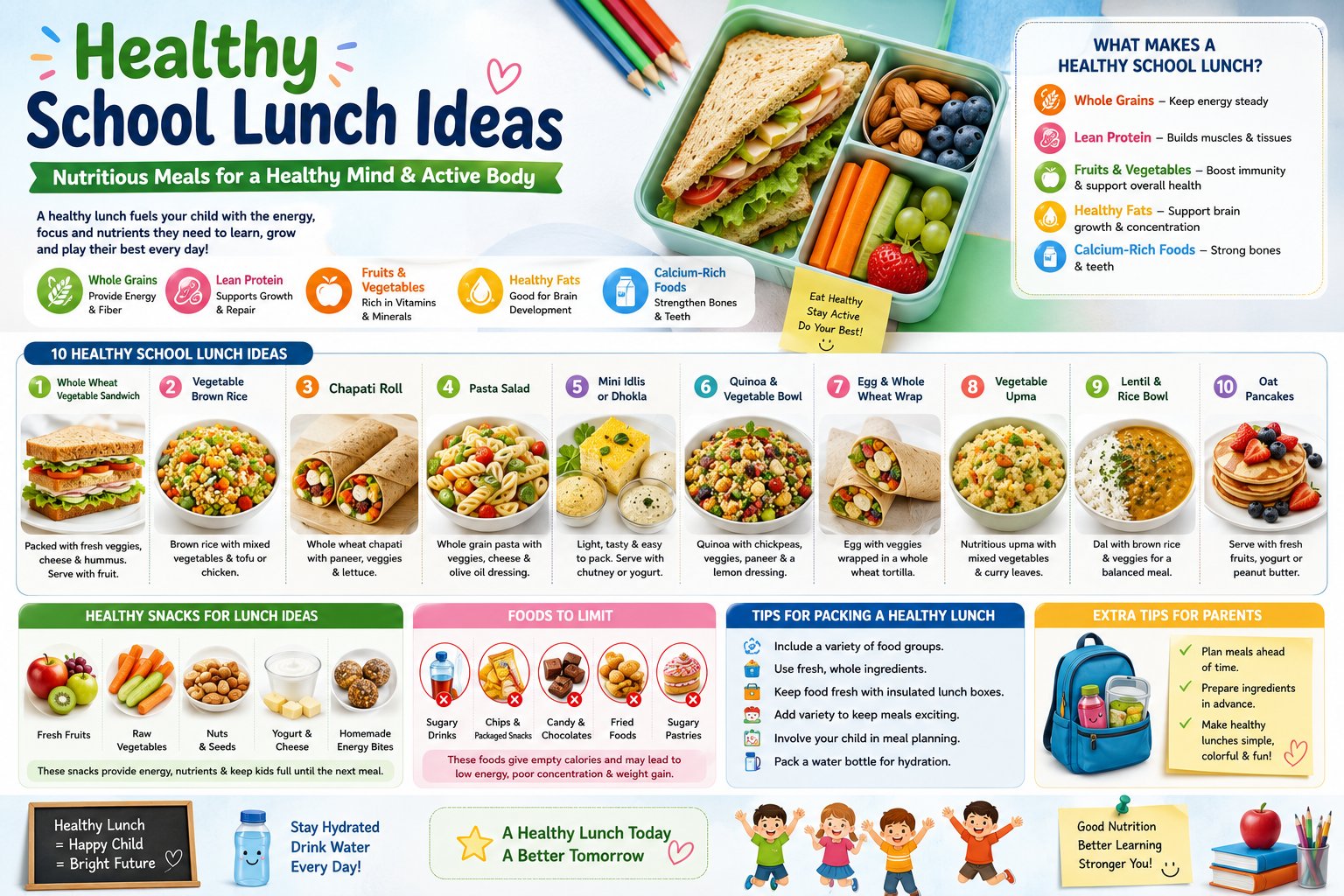
Healthy Lunch
Lunch should include a balance of carbohydrates, protein, and vegetables.
Ideas
- Brown rice with dal and paneer
- Whole wheat chapati with chicken and vegetables
- Vegetable pasta with cheese
- Quinoa with grilled tofu and mixed vegetables
Healthy Evening Snack
Nutritious snacks help increase daily calorie intake.
Healthy Options
- Fruit smoothie
- Cheese cubes
- Boiled eggs
- Homemade trail mix
- Yogurt with berries
Nutritious Dinner
Dinner should be filling without being overly heavy.
Ideas
- Grilled fish with brown rice
- Lentil soup with whole wheat bread
- Vegetable khichdi with yogurt
- Chicken and vegetable stir-fry
Foods to Limit
Healthy weight gain should come from nutrient-rich foods rather than highly processed products.
Limit These Foods
- Sugary soft drinks
- Candy
- Chocolates
- Deep-fried fast food
- Packaged chips
- Instant noodles
- Sugary pastries
- Highly processed snacks
These foods may add calories but provide little nutritional value.
Tips to Help Picky Eaters Gain Weight
Offer Small, Frequent Meals
Children with smaller appetites may eat better when offered 5–6 smaller meals instead of three large meals.
Avoid Filling Up on Sugary Drinks
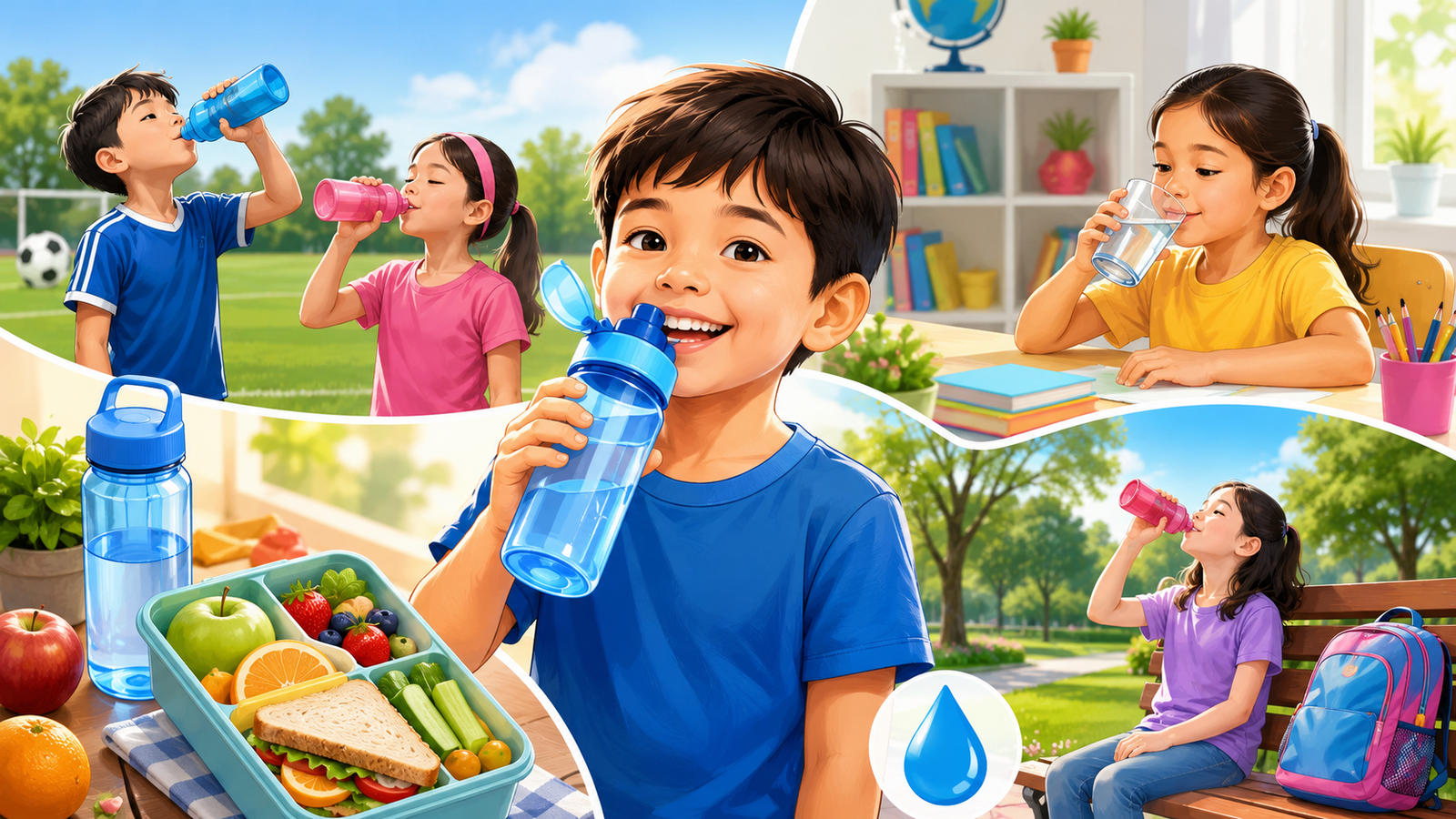
Encourage water and milk instead of sugary beverages that can reduce appetite for nutritious foods.
Make Meals Colorful
Use colorful fruits and vegetables to make meals more attractive and enjoyable.
Involve Children in Meal Preparation
Allow children to help choose healthy foods and assist with simple meal preparation. This often encourages them to try new foods.
Be Patient
Avoid forcing children to eat. Introduce new foods gradually and continue offering a variety of healthy options.
Frequently Asked Questions
What foods help children gain weight naturally?
Foods such as eggs, milk, yogurt, paneer, avocados, bananas, oats, peanut butter, sweet potatoes, lean meats, beans, and nuts provide healthy calories, protein, and essential nutrients that support healthy weight gain.
Is it safe to give kids high-calorie foods?
Yes, but calories should come from nutritious foods rather than sugary or highly processed snacks. Healthy weight gain focuses on balanced nutrition rather than simply increasing calorie intake.
How many meals should an underweight child eat?
Many children benefit from three balanced meals along with two or three healthy snacks each day. Meal plans should be tailored to the child’s age, appetite, and nutritional needs.
Should children drink protein supplements for weight gain?
Most healthy children can meet their protein needs through a balanced diet. Protein supplements should only be used if recommended by a pediatrician or registered dietitian.
When should parents consult a doctor about poor weight gain?
Seek medical advice if your child is losing weight, not growing as expected, has persistent poor appetite, chronic digestive symptoms, or shows signs of nutritional deficiencies.
Key Takeaways
- Healthy weight gain should focus on nutrient-dense foods rather than processed, high-sugar snacks.
- Include protein, healthy fats, whole grains, fruits, vegetables, and dairy products in daily meals.
- Offer small, frequent meals and healthy snacks throughout the day.
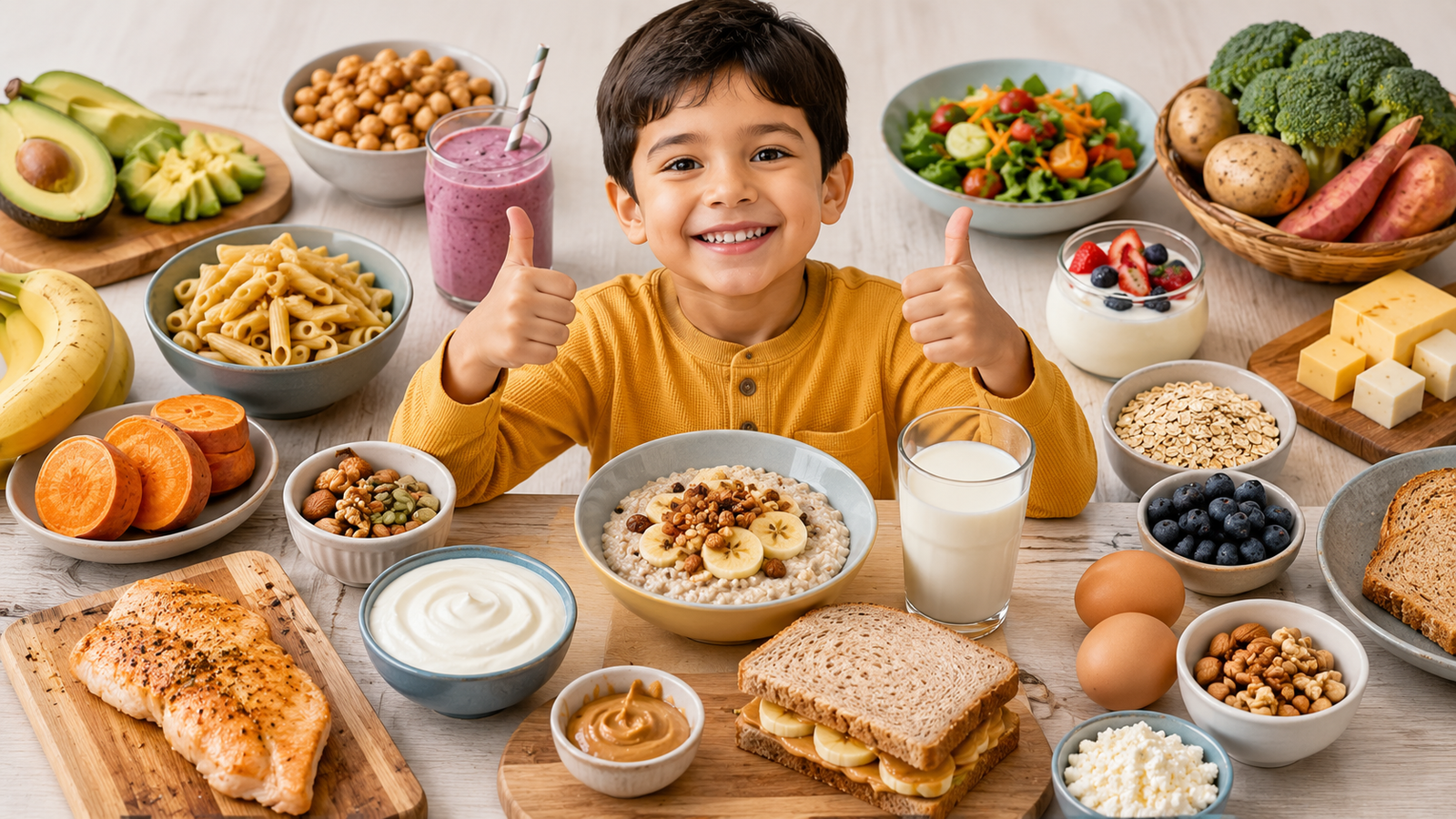
- Homemade smoothies, oats, eggs, bananas, avocados, yogurt, and nut butters are excellent choices for healthy weight gain.
- Encourage regular physical activity to support healthy muscle development.
- Consult a pediatrician if your child has ongoing difficulty gaining weight or shows signs of poor growth.
Conclusion
Healthy weight gain in children is achieved through a balanced diet, consistent meal routines, and nutritious food choices. Foods rich in protein, healthy fats, complex carbohydrates, vitamins, and minerals provide the energy and nutrients children need for proper growth, strong bones, muscle development, and brain function.
Rather than relying on processed or high-calorie junk foods, focus on wholesome meals prepared with fresh ingredients. With patience, variety, and healthy eating habits, parents can support their child’s growth while building a positive relationship with food that lasts a lifetime.