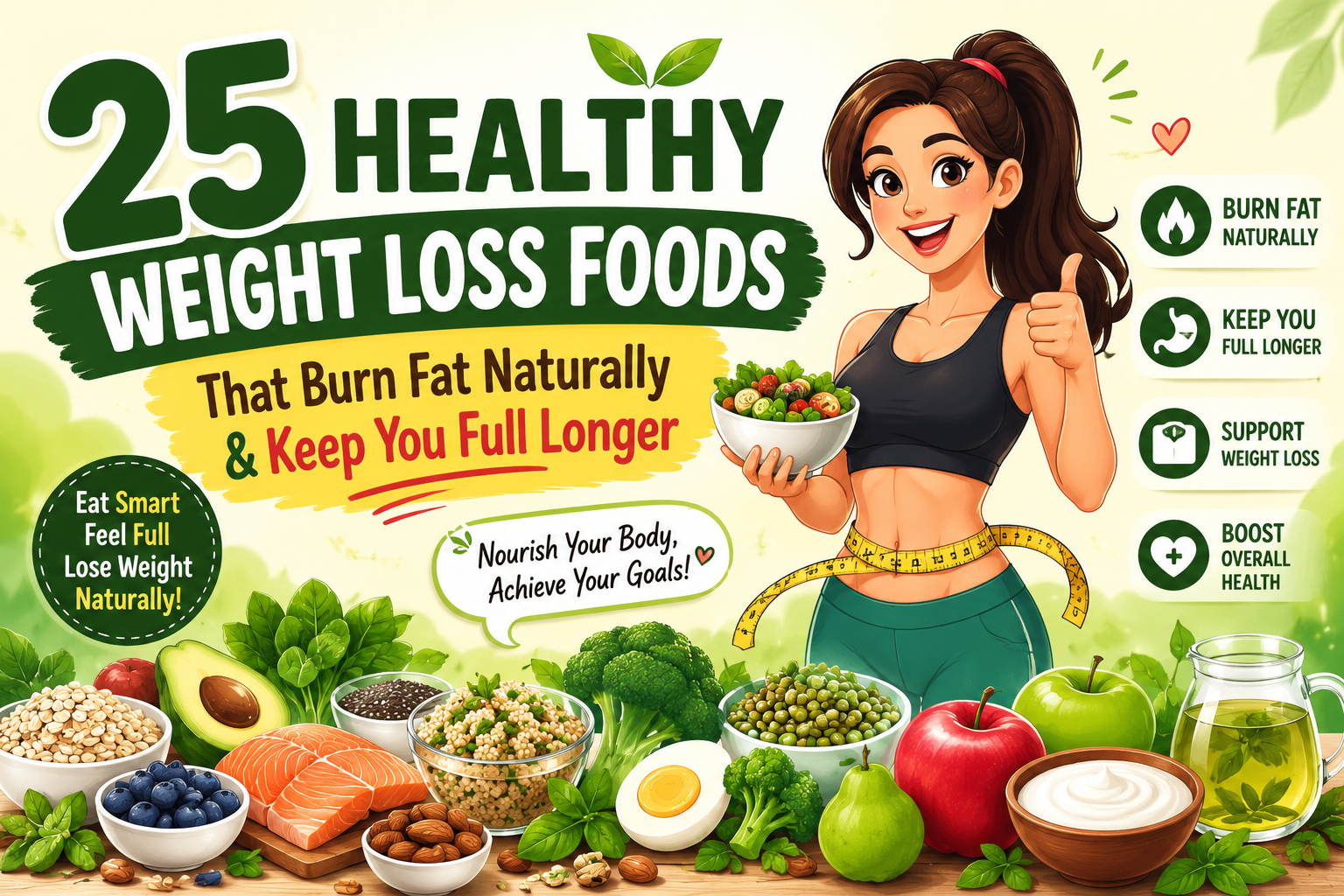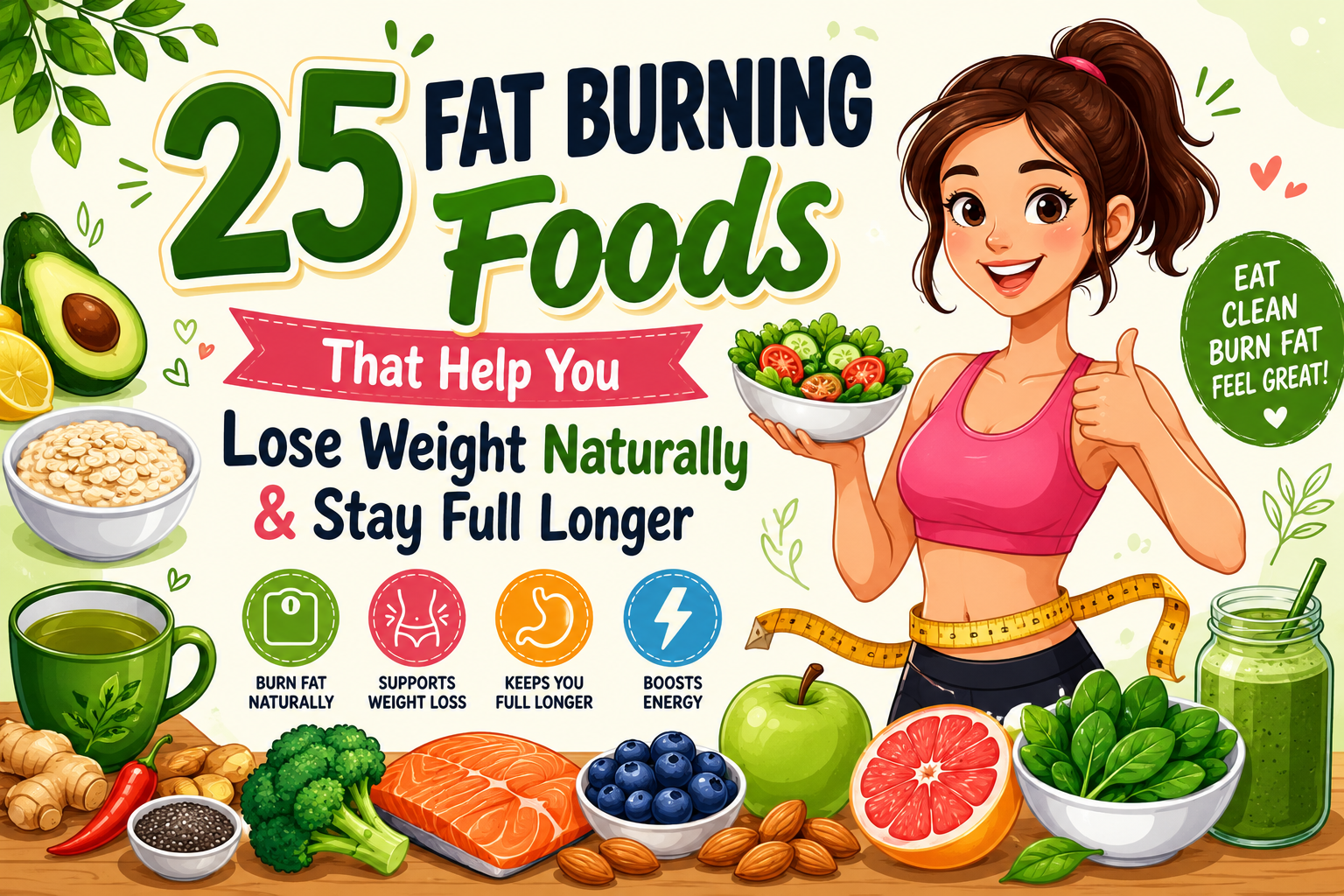

Losing body fat is a goal shared by millions of people, but there is no single food that magically melts away fat. Instead, nutrition experts agree that certain nutrient-rich foods can support a healthy metabolism, improve satiety, regulate blood sugar, and help maintain a calorie deficit naturally. When combined with regular exercise, quality sleep, and healthy lifestyle habits, these foods can make your weight-loss journey more sustainable and enjoyable.
Many fad diets promise quick results by eliminating entire food groups or promoting expensive supplements. However, scientific evidence consistently shows that a balanced diet rich in whole foods is far more effective for long-term fat loss. Foods high in protein, fiber, healthy fats, vitamins, and antioxidants not only nourish your body but also help control hunger and reduce unnecessary snacking.
This guide explores the top fat burning foods recommended by nutrition experts, explaining why they work, their nutritional benefits, and practical ways to include them in your daily meals. Whether you’re just beginning your fitness journey or looking to improve your current eating habits, these expert-backed foods can help support healthy and lasting weight management.
What Are Fat Burning Foods?
Despite the popular phrase “Fat Burning Foods” no food directly burns body fat on its own. Nutrition experts use this term to describe foods that naturally support fat loss by increasing fullness, preserving lean muscle, stabilizing blood sugar, improving digestion, and slightly increasing calorie expenditure during digestion. These foods are typically high in protein, fiber, healthy fats, or metabolism-supporting nutrients.
The most effective fat-loss diet focuses on whole, minimally processed foods instead of highly processed snacks and sugary beverages. By consistently choosing nutrient-dense options, you can reduce overall calorie intake without feeling deprived. This approach is far more sustainable than restrictive diets that often lead to weight regain.
How Do Fat Burning Foods Support Weight Loss?
Fat-burning foods work by supporting the body’s natural metabolic processes rather than directly eliminating stored fat. Protein-rich foods require more energy to digest, a phenomenon known as the thermic effect of food (TEF). Fiber-rich foods slow digestion, helping you feel full for longer and reducing the likelihood of overeating. Healthy fats also promote satiety and support hormone production, while foods rich in vitamins and minerals help optimize energy metabolism.
Nutrition experts recommend combining these foods with regular physical activity and proper hydration. Together, they create an environment where your body can efficiently use stored fat for energy while maintaining muscle mass and overall health.
Top Fat Burning Foods Recommended by Nutrition Experts
1. Eggs
Eggs are among the most nutrient-dense foods available and are frequently recommended by registered dietitians for healthy weight management. They provide high-quality protein, essential amino acids, vitamin B12, choline, selenium, and healthy fats that support muscle maintenance and overall metabolic health.
Starting your day with eggs can increase feelings of fullness, reduce cravings later in the day, and help control calorie intake. Protein also requires more energy to digest compared to carbohydrates and fats, making eggs an excellent breakfast choice for individuals focused on fat loss.
Benefits
- High-quality protein
- Keeps you full longer
- Supports lean muscle
- Rich in essential nutrients
- Low in carbohydrates
Best Ways to Eat
- Boiled eggs
- Vegetable omelet
- Scrambled eggs with spinach
- Egg salad with Greek yogurt
2. Greek Yogurt
Greek yogurt is significantly higher in protein than regular yogurt while containing beneficial probiotics that support digestive health. A healthy gut microbiome has been linked to better metabolic function and improved weight management. The combination of protein and calcium also supports muscle preservation during weight loss.
Choose plain, unsweetened Greek yogurt to avoid added sugars. You can naturally sweeten it with berries, cinnamon, or a small amount of honey if desired.
Benefits
- High protein
- Supports gut health
- Improves fullness
- Excellent source of calcium
- Helps maintain muscle during weight loss
3. Oats
Oats are one of the best complex carbohydrates for sustainable weight loss. They contain beta-glucan, a soluble fiber that slows digestion, stabilizes blood sugar, and promotes longer-lasting satiety. Unlike sugary breakfast cereals, oats provide steady energy throughout the morning.
Regular consumption of oats may also help lower cholesterol levels and improve heart health, making them an excellent addition to a balanced diet.
Benefits
- High in soluble fiber
- Controls appetite
- Supports heart health
- Stabilizes blood sugar
- Provides long-lasting energy
4. Salmon
Salmon is rich in complete protein and omega-3 fatty acids, both of which play important roles in healthy weight management. Omega-3 fats may help reduce inflammation associated with obesity while supporting heart and brain health.
Protein from salmon also helps preserve lean muscle mass during calorie restriction, which is essential because muscle tissue burns more calories than fat tissue.
Benefits
- Excellent protein source
- Rich in omega-3 fatty acids
- Supports muscle maintenance
- Promotes fullness
- Nutrient-dense
5. Chicken Breast
Skinless chicken breast remains one of the most popular lean protein sources recommended by nutrition experts. It provides a high amount of protein with relatively few calories and very little saturated fat. This makes it ideal for individuals trying to reduce body fat while maintaining muscle mass.
Including chicken breast in balanced meals alongside vegetables and whole grains can help improve satiety and reduce overall calorie intake throughout the day.
Benefits
- Lean protein
- Low in fat
- High satiety value
- Supports muscle growth
- Easy to prepare
6. Lentils
Lentils combine plant-based protein with dietary fiber, making them exceptionally filling. Their low glycemic index helps prevent rapid blood sugar spikes, which may reduce cravings and support appetite control.
Lentils are also packed with iron, folate, magnesium, and potassium, providing numerous health benefits beyond weight management.
Benefits
- High protein
- Rich in fiber
- Supports digestive health
- Budget-friendly
- Excellent plant-based option
7. Leafy Green Vegetables
Leafy greens such as spinach, kale, Swiss chard, and lettuce contain very few calories while providing substantial amounts of vitamins, minerals, antioxidants, and fiber. Because they are low in energy density, they allow you to eat larger portions without consuming excessive calories.
Adding leafy greens to meals increases volume, improves fullness, and helps meet daily nutrient requirements, making them a cornerstone of expert-recommended weight-loss diets.
Benefits
- Extremely low in calories
- High in nutrients
- Rich in fiber
- Supports digestion
- Helps increase meal volume
8. Broccoli
Broccoli is one of the most nutrient-dense vegetables recommended by nutrition experts for healthy fat loss. It is naturally low in calories while providing a generous amount of dietary fiber, vitamin C, vitamin K, folate, and antioxidants. The combination of fiber and water helps increase fullness after meals, making it easier to reduce overall calorie intake without feeling hungry. Broccoli also contains plant compounds that support overall health and may help reduce inflammation associated with obesity.
Adding broccoli to your meals is a simple way to increase nutrient intake while maintaining a calorie-controlled diet. It pairs well with lean proteins such as chicken, fish, tofu, or eggs and can be steamed, roasted, stir-fried, or added to soups and salads.
Benefits
- Low in calories
- High in dietary fiber
- Rich in vitamins and antioxidants
- Promotes fullness
- Supports digestive health
9. Avocados
Although avocados are higher in calories than many fruits, they are packed with heart-healthy monounsaturated fats that promote satiety. Nutrition experts recommend moderate portions because healthy fats help reduce hunger, making it easier to avoid overeating later in the day. Avocados are also an excellent source of fiber, potassium, vitamin E, and folate.
Including avocado in balanced meals may improve satisfaction and reduce cravings. Instead of eliminating healthy fats, experts encourage eating them in appropriate portions as part of a nutritious eating plan.
Benefits
- Rich in healthy fats
- High in fiber
- Supports heart health
- Helps control appetite
- Provides essential nutrients
Best Ways to Eat
- Spread on whole-grain toast
- Add to salads
- Blend into smoothies
- Mix into healthy sandwiches
- Prepare homemade guacamole
10. Apples
Apples are among the best fruits for healthy weight management because they are naturally rich in fiber and water. These two components increase fullness and help reduce overall calorie consumption. Apples also contain antioxidants such as quercetin and vitamin C, which contribute to overall wellness.
Nutrition experts often recommend eating whole apples rather than drinking apple juice because whole fruits retain their fiber, making them far more filling and beneficial for weight control.
Benefits
- High fiber content
- Naturally low in calories
- Supports digestion
- Helps reduce hunger
- Convenient healthy snack
Blueberries, strawberries, raspberries, and blackberries are loaded with antioxidants, vitamins, and dietary fiber while remaining relatively low in calories. Their natural sweetness can satisfy sugar cravings without the added sugars found in desserts and processed snacks.
Regularly consuming berries may support better blood sugar control and reduce inflammation, both of which are associated with healthier body weight and improved metabolic health.
Benefits
- Rich in antioxidants
- Low in calories
- High in fiber
- Supports blood sugar balance
- Excellent healthy dessert alternative
12. Green Tea
Green tea has been widely studied for its potential role in supporting healthy metabolism. It contains catechins and a moderate amount of caffeine, which may slightly increase calorie burning when combined with a healthy diet and regular exercise. While the effects are modest, drinking unsweetened green tea can be a healthier alternative to sugary beverages.
Nutrition experts emphasize that green tea should complement—not replace—a balanced diet and active lifestyle.
Benefits
- Contains antioxidants
- May support metabolism
- Hydrating beverage
- Low in calories
- Healthy replacement for sugary drinks
13. Chili Peppers
Chili peppers contain capsaicin, the natural compound responsible for their spicy flavor. Some studies suggest capsaicin may temporarily increase calorie burning and promote feelings of fullness. Although the effect is relatively small, incorporating spicy foods into meals can be part of an overall healthy eating strategy.
Individuals with digestive sensitivities should consume spicy foods in moderation and monitor their tolerance.
Benefits
- Contains capsaicin
- May increase satiety
- Adds flavor without extra calories
- Supports healthy eating habits
- Rich in vitamin C
14. Nuts
Almonds, walnuts, pistachios, and cashews provide healthy fats, protein, and fiber. Even though nuts are calorie-dense, research consistently shows that moderate consumption does not necessarily lead to weight gain. In fact, nuts may improve appetite control and reduce unhealthy snacking.
Portion control is essential, as eating large amounts can increase calorie intake.
Benefits
- Healthy fats
- Good source of protein
- Rich in fiber
- Convenient snack
- Supports heart health
Recommended Portion
- One small handful (about 28 grams) per serving.
15. Chia Seeds
Chia seeds absorb water and form a gel-like texture that slows digestion and promotes fullness. They are packed with fiber, plant-based protein, omega-3 fatty acids, calcium, and magnesium, making them a highly nutritious addition to a weight-loss diet.
Because they expand significantly when soaked, chia seeds can make meals more satisfying while contributing relatively few calories.
Benefits
- Extremely high in fiber
- Supports digestive health
- Helps control appetite
- Rich in omega-3 fats
- Easy to add to meals
16. Cottage Cheese
Cottage cheese is another protein-rich food frequently recommended by nutrition professionals. It contains casein protein, which digests slowly and helps maintain fullness for several hours. Cottage cheese is also an excellent source of calcium and phosphorus, supporting bone health while aiding muscle preservation during weight loss.
Choose low-fat or reduced-fat varieties if you’re following a calorie-controlled diet.
Benefits
- High-quality protein
- Low in calories
- Supports muscle maintenance
- Rich in calcium
- Keeps you satisfied longer
Foods That Naturally Support Metabolism
While no food dramatically increases metabolism, nutrition experts recommend including these foods regularly because they contribute to overall metabolic health when combined with an active lifestyle.
| Food | Main Benefit |
| Eggs | High-quality protein for muscle preservation |
| Greek Yogurt | Protein and probiotics |
| Green Tea | Antioxidants and mild metabolic support |
| Chili Peppers | Capsaicin may slightly increase calorie burning |
| Salmon | Protein and omega-3 fatty acids |
| Chicken Breast | Lean protein for satiety |
| Lentils | Protein and fiber combination |
| Oats | Slow-digesting carbohydrates |
| Apples | Fiber and hydration |
| Leafy Greens | Low-calorie, nutrient-rich vegetables |
Sample One-Day Fat-Burning Meal Plan
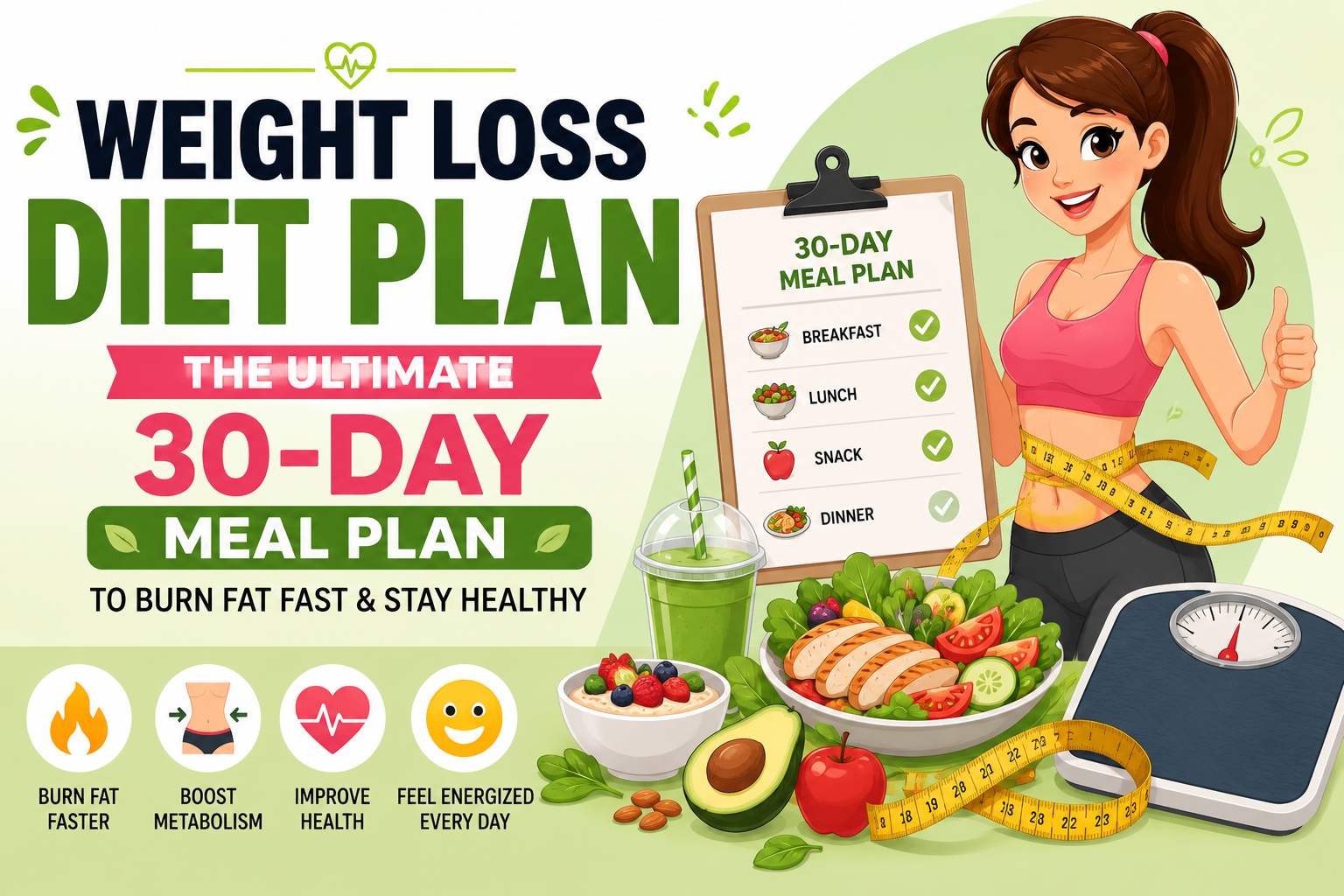
A balanced meal plan helps you include several fat-burning foods throughout the day without relying on restrictive diets. The goal is to combine lean protein, healthy fats, fiber-rich carbohydrates, and vegetables in every meal to support energy levels and appetite control.
Breakfast
- Oatmeal topped with blueberries and chia seeds
- One boiled egg
- Unsweetened green tea
Mid-Morning Snack
- Plain Greek yogurt with fresh strawberries
Lunch
- Grilled chicken breast
- Steamed broccoli
- Brown rice
- Mixed green salad with avocado
Afternoon Snack
- One apple
- Small handful of almonds
Dinner
- Baked salmon
- Roasted vegetables
- Spinach salad with olive oil and lemon dressing
Evening Option
- Cottage cheese with cinnamon or a few berries if hungry
This meal plan provides a balance of protein, fiber, healthy fats, and complex carbohydrates, helping you stay satisfied while supporting healthy fat loss.
Foods to Limit During Weight Loss
While adding nutritious foods to your diet is important, nutrition experts also recommend limiting foods that are high in added sugars, refined carbohydrates, unhealthy fats, and excess calories. These foods can make it more difficult to maintain a calorie deficit, increase hunger shortly after eating, and contribute to poor overall nutrition. The goal is not to completely eliminate your favorite treats but to enjoy them occasionally while building a diet centered on whole, minimally processed foods.
Reducing these foods can help improve energy levels, stabilize blood sugar, and support long-term weight management. Focus on making gradual, sustainable changes instead of following restrictive diets that are difficult to maintain.
| Food | Why Limit It |
| Sugary Soft Drinks | High in calories and added sugar with little nutritional value |
| Candy & Sweets | Can increase calorie intake and sugar cravings |
| White Bread | Low in fiber and may cause rapid blood sugar spikes |
| Pastries & Doughnuts | High in refined flour, sugar, and unhealthy fats |
| Potato Chips | Easy to overeat and calorie-dense |
| Fast Food | Often high in saturated fat, sodium, and calories |
| Sugary Breakfast Cereals | Low in protein and fiber, high in added sugars |
| Ice Cream | High in sugar and calories |
| Sweetened Coffee Drinks | Hidden sugars and excess calories |
| Processed Meats | Often high in sodium and saturated fat |
Healthy Lifestyle Habits That Maximize Fat Loss
Eating fat-burning foods is only one part of a successful weight-loss strategy. Nutrition experts consistently emphasize that long-term fat loss depends on creating healthy habits that support your metabolism and overall well-being. Consistency is more important than perfection, and small daily improvements often lead to lasting results.
Consider incorporating these habits into your routine:
- Eat enough protein with every meal.
- Fill half your plate with vegetables.
- Choose whole grains over refined grains.
- Stay hydrated by drinking plenty of water.
- Exercise regularly with both cardio and strength training.
- Aim for 7–9 hours of quality sleep each night.
- Manage stress through mindfulness, yoga, or relaxation techniques.
- Practice portion control instead of eliminating entire food groups.
- Plan meals ahead to avoid unhealthy food choices.
- Be patient and focus on steady, sustainable progress rather than rapid weight loss.
Frequently Asked Questions (FAQs)
1. Do fat-burning foods actually burn body fat?
No. There is no single food that directly burns body fat. Fat-burning foods support healthy weight loss by increasing satiety, preserving muscle, improving metabolism, and helping you maintain a calorie deficit.
2. Which food burns the most fat?
No individual food burns the most fat. However, protein-rich foods such as eggs, chicken breast, Greek yogurt, salmon, and fiber-rich foods like oats and lentils are among the most effective for supporting healthy fat loss.
3. Can I lose weight without exercising if I eat these foods?
Weight loss is possible through dietary changes alone if you maintain a calorie deficit. However, combining healthy eating with regular physical activity generally leads to better results, improved fitness, and greater muscle preservation.
4. How much protein should I eat for fat loss?
Protein needs vary based on age, body weight, and activity level. Many nutrition experts recommend consuming approximately 1.2–2.0 grams of protein per kilogram of body weight per day for individuals trying to lose fat while maintaining muscle.
5. Is green tea effective for weight loss?
Green tea may provide a small boost to metabolism due to its catechins and caffeine. However, its effects are modest, and it works best as part of a healthy diet and active lifestyle rather than as a standalone solution.
6. Are healthy fats good for weight loss?
Yes. Healthy fats from foods such as avocados, nuts, seeds, olive oil, and fatty fish can help increase fullness, support hormone production, and improve overall diet quality when eaten in moderation.
7. What is the best breakfast for fat loss?
A balanced breakfast that includes protein, fiber, and healthy fats is often recommended. Examples include eggs with vegetables, oatmeal topped with berries and chia seeds, or plain Greek yogurt with fresh fruit and nuts.
Key Takeaways
- No single food can magically burn body fat.
- Protein-rich foods help preserve muscle and keep you full.
- Fiber-rich foods reduce hunger and improve digestion.
- Healthy fats support satiety and overall health.
- Whole, minimally processed foods should form the foundation of your diet.
- Regular exercise, quality sleep, hydration, and stress management are essential for sustainable fat loss.
- Small, consistent lifestyle changes are more effective than restrictive fad diets.
Conclusion
The top fat burning foods recommended by nutrition experts are not miracle solutions, but they can play a significant role in supporting healthy and sustainable weight loss. Foods such as eggs, Greek yogurt, oats, salmon, chicken breast, lentils, leafy greens, broccoli, berries, apples, nuts, chia seeds, and avocados provide the protein, fiber, healthy fats, and essential nutrients your body needs to manage hunger, maintain muscle, and support a healthy metabolism.
Remember that successful fat loss comes from an overall healthy lifestyle rather than relying on individual foods or quick-fix diets. Pair these nutrient-dense foods with regular physical activity, adequate sleep, stress management, and consistent eating habits to achieve long-term results. By making informed food choices every day, you can improve your health, increase your energy, and build habits that support lifelong wellness.
Read Our Latest Blog: 15 Foods You Should Never Refrigerate | Storage Guide