Living a Healthy Daily Habits and meaningful life doesn’t always require dramatic transformations. In reality, the biggest improvements often begin with the smallest daily actions. The habits you repeat every day shape your physical health, mental clarity, emotional balance, and long-term happiness. Whether it’s drinking enough water, getting quality sleep, practicing gratitude, or eating nourishing foods, these seemingly simple choices create lasting positive changes over time.
If you’ve been searching for practical ways to improve your lifestyle without feeling overwhelmed, this guide is for you. Developing healthy routines doesn’t mean following strict diets or complicated fitness programs. Instead, it means making mindful decisions that support your body and mind every single day. Even small improvements can lead to significant results when practiced consistently.
In this article, you’ll discover 7 daily habits for a pure well life that are easy to adopt and backed by wellness principles. These habits can help boost your energy, improve your mood, strengthen your immune system, reduce stress, and promote overall well-being. Whether you’re just beginning your wellness journey or looking to refine your current routine, these simple lifestyle changes can help you build a healthier and happier future.
What Is a Pure Well Life?
A pure well life is a lifestyle focused on maintaining balance between physical health, mental wellness, emotional stability, and positive daily habits. It doesn’t require perfection or expensive wellness products. Instead, it emphasizes making thoughtful choices that support long-term health while reducing unnecessary stress and unhealthy behaviors.
Living well means nourishing your body with wholesome foods, staying physically active, caring for your mental health, building healthy relationships, and allowing yourself time to rest and recover. These daily practices work together to improve your quality of life and help prevent many lifestyle-related health issues.
A pure well life also involves reducing harmful habits such as excessive processed food consumption, chronic stress, poor sleep patterns, and a sedentary lifestyle. By replacing these behaviors with healthier alternatives, you create a sustainable routine that benefits both your body and mind.
Why Small Daily Habits Matter
Many people believe they need a complete lifestyle overhaul to become healthier, but lasting change usually comes from consistent small actions. Habits repeated daily have a compounding effect, meaning each positive choice builds upon the previous one. Over weeks, months, and years, these simple behaviors can significantly improve overall health.
Small habits are easier to maintain because they don’t feel overwhelming. Drinking one extra glass of water, taking a short walk, or practicing five minutes of mindfulness each day may seem insignificant initially. However, these routines gradually become automatic and contribute to improved physical fitness, stronger mental resilience, better sleep, and increased happiness.
Consistency is far more valuable than perfection. Missing one day isn’t a failure—the goal is to keep returning to healthy habits and allowing them to become part of your everyday lifestyle.
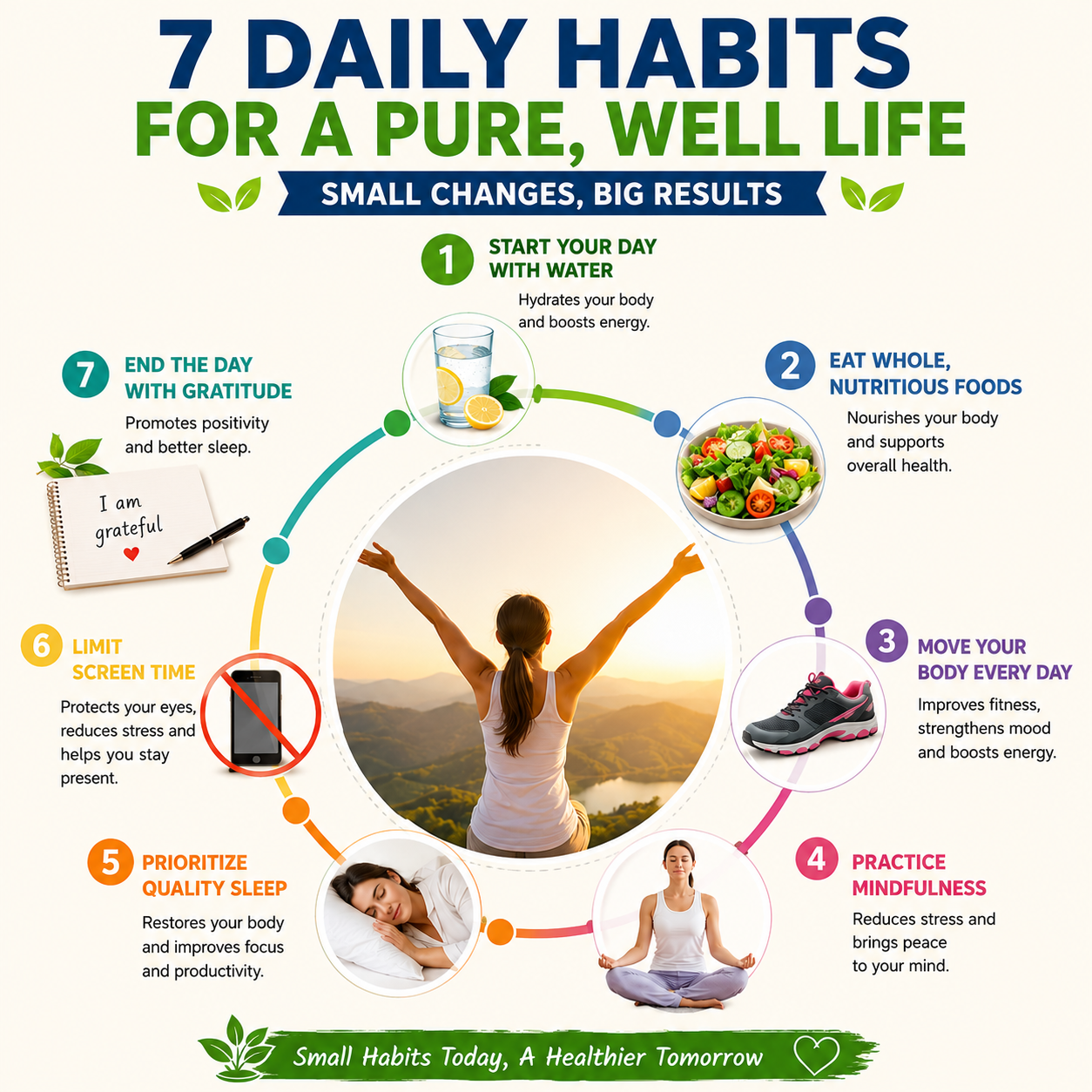
1. Start Your Day with Water
Hydration is one of the simplest yet most effective habits you can develop for a healthier life. After several hours of sleep, your body naturally becomes dehydrated. Drinking one or two glasses of water immediately after waking helps replenish lost fluids, supports digestion, kick-starts your metabolism, and prepares your body for the day ahead.
Proper hydration also improves concentration, supports healthy skin, regulates body temperature, and helps transport nutrients throughout the body. Many people mistake mild dehydration for hunger or fatigue, leading to unnecessary snacking and reduced energy levels.
Easy Ways to Build This Habit
- Keep a water bottle beside your bed.
- Drink water before checking your phone.
- Add lemon or cucumber for natural flavor.
- Aim for consistent hydration throughout the day.
Making hydration your first morning habit sets a healthy tone for everything that follows.
2. Eat Whole, Nutritious Foods
The food you eat directly affects your energy, mood, immunity, digestion, and long-term health. A diet centered around whole foods provides essential vitamins, minerals, fiber, healthy fats, and protein that your body needs to function optimally.
Choose fruits, vegetables, whole grains, lean proteins, legumes, nuts, and seeds whenever possible. These nutrient-rich foods help stabilize blood sugar levels, support heart health, improve digestion, and reduce inflammation. Limiting highly processed foods, sugary beverages, and excessive fast food can significantly lower the risk of obesity, diabetes, and cardiovascular disease.
Healthy eating doesn’t require strict dieting. Focus on balance rather than perfection by making nutritious choices most of the time while still allowing occasional treats in moderation.
Healthy Foods to Include Daily
| Food Group | Benefits |
| Fruits | Rich in vitamins and antioxidants |
| Vegetables | High in fiber and essential nutrients |
| Whole Grains | Provide lasting energy |
| Lean Protein | Supports muscle repair and growth |
| Nuts & Seeds | Healthy fats and minerals |
| Yogurt | Supports gut health |
3. Move Your Body Every Day
Regular physical activity is one of the most powerful habits for improving both physical and mental health. Exercise strengthens your heart, muscles, bones, and immune system while reducing stress, anxiety, and symptoms of depression. The good news is that you don’t need intense workouts to experience these benefits.
Simple activities such as walking, stretching, cycling, dancing, yoga, or gardening all contribute to better health. Even 30 minutes of moderate movement each day can improve cardiovascular fitness, enhance flexibility, boost energy levels, and help maintain a healthy weight.
Daily movement also increases the production of endorphins—natural chemicals that improve mood and promote feelings of happiness. Over time, staying active can improve sleep quality, sharpen memory, and reduce the risk of chronic diseases.
Easy Daily Activities
- Morning walk
- Home workouts
- Yoga
- Stretching
- Cycling
- Dancing
- Taking the stairs instead of the elevator
These activities fit easily into most schedules and help make movement a sustainable part of everyday life.
4. Practice Mindfulness and Manage Daily Stress
Modern life is full of distractions, deadlines, and constant notifications, making stress a common part of everyday living. While some stress is unavoidable, chronic stress can negatively affect your physical health, emotional well-being, sleep quality, and even your immune system. Practicing mindfulness every day helps you stay present, respond calmly to challenges, and improve your overall quality of life.
Mindfulness doesn’t require hours of meditation. It simply means paying attention to the present moment without judgment. Taking just 10–15 minutes each day to focus on your breathing, meditate, journal, or enjoy quiet reflection can lower stress hormones, improve concentration, and create a greater sense of peace. Over time, mindfulness helps you become more resilient and better equipped to handle life’s ups and downs.
Simple Ways to Practice Mindfulness
- Take five deep breaths before starting work.
- Meditate for 10–15 minutes each morning.
- Keep a gratitude or reflection journal.
- Spend time in nature without your phone.
- Practice slow, mindful eating.
- Listen to calming music.
- Focus on one task at a time instead of multitasking.
Even a few minutes of mindful practice every day can lead to noticeable improvements in mental clarity, emotional balance, and overall happiness.
5. Prioritize Quality Sleep Every Night
Sleep is often overlooked, yet it is one of the most important pillars of a healthy lifestyle. During sleep, your body repairs tissues, strengthens the immune system, regulates hormones, and processes memories. Poor sleep, on the other hand, can increase the risk of obesity, heart disease, diabetes, anxiety, and depression.
Most adults need between seven and nine hours of quality sleep each night. Creating a consistent bedtime routine helps your body recognize when it’s time to rest. Going to bed and waking up at the same time every day supports your body’s natural circadian rhythm, making it easier to fall asleep and wake up feeling refreshed.
Avoid caffeine late in the day, reduce screen exposure before bedtime, and create a cool, quiet, and dark sleeping environment to improve sleep quality.
Tips for Better Sleep
- Follow a consistent sleep schedule.
- Avoid heavy meals before bedtime.
- Limit caffeine in the evening.
- Turn off electronic devices at least one hour before sleeping.
- Read a book instead of scrolling on your phone.
- Keep your bedroom comfortable and quiet.
Quality sleep improves energy, mood, productivity, and overall health, making it one of the most valuable daily habits you can develop.
6. Limit Screen Time and Spend More Time Offline
Technology has become an essential part of modern life, but excessive screen time can negatively impact your physical and mental health. Spending long hours on smartphones, tablets, and computers may contribute to eye strain, poor posture, reduced physical activity, disrupted sleep, and increased stress or anxiety.
Setting healthy boundaries with technology allows you to reconnect with yourself, your family, and the world around you. Consider creating “screen-free” periods during the day, especially during meals, before bedtime, or while spending time with loved ones. Replacing screen time with activities like reading, exercising, gardening, or pursuing a hobby can improve your mood and help you feel more present.
Healthy Alternatives to Screen Time
| Instead of Scrolling | Try This Instead |
| Social Media | Read a book |
| Watching TV | Go for a walk |
| Endless Videos | Learn a new skill |
| Mobile Games | Solve puzzles |
| Late-Night Phone Use | Practice meditation |
| Browsing the Internet | Spend time with family |
Reducing screen time doesn’t mean giving up technology completely. It simply means using it intentionally rather than allowing it to control your daily routine.
7. End Your Day with Gratitude
One of the simplest yet most powerful habits for a pure well life is practicing gratitude before going to bed. Gratitude shifts your focus away from stress and negativity, helping you recognize the positive moments in your life. Research has shown that people who regularly practice gratitude often experience better mental health, improved relationships, greater life satisfaction, and even better sleep.
Taking just five minutes each evening to reflect on what went well during the day can make a meaningful difference. You might write down three things you’re grateful for, think about someone who helped you, or simply appreciate small moments like a delicious meal, a kind conversation, or a peaceful walk.
This habit trains your brain to notice positivity, making it easier to maintain an optimistic outlook even during difficult times.
Gratitude Ideas Before Bed
- Write down three good things that happened today.
- Thank someone who made your day better.
- Celebrate a small personal achievement.
- Reflect on a lesson you learned.
- Appreciate your health, family, or friendships.
- Spend a few quiet moments in prayer or reflection.
Ending your day with gratitude creates a sense of peace and prepares your mind for restful sleep while reinforcing a positive mindset.
Daily Habit Comparison Table
| Daily Habit | Main Benefit | Time Required | Difficulty Level |
| Drink Water After Waking | Better hydration and energy | 2 minutes | Easy |
| Eat Whole Foods | Improved nutrition | Throughout the day | Easy |
| Daily Exercise | Stronger body and heart | 30 minutes | Moderate |
| Mindfulness Practice | Reduced stress | 10–15 minutes | Easy |
| Quality Sleep | Better recovery and focus | 7–9 hours | Moderate |
| Limit Screen Time | Improved mental health | Ongoing | Moderate |
| Practice Gratitude | Positive mindset | 5 minutes | Easy |
These habits complement one another, creating a balanced lifestyle that supports long-term health and well-being.
Frequently Asked Questions (FAQs)
1. What are the best daily habits for a healthy and pure life?
The best daily habits include drinking enough water, eating whole and nutritious foods, exercising regularly, practicing mindfulness, getting quality sleep, limiting screen time, and expressing gratitude. These simple habits work together to improve physical health, mental well-being, and emotional balance over time.
2. How long does it take to build a healthy habit?
Research suggests that building a habit can take anywhere from 21 to 66 days, depending on the individual and the complexity of the habit. The key is consistency rather than perfection. Missing a day occasionally won’t ruin your progress if you return to your routine.
3. Can small daily habits really make a big difference?
Yes. Small, consistent actions create lasting results through gradual improvement. Drinking more water, walking every day, sleeping well, and eating healthier may seem minor individually, but together they can significantly improve your health, energy levels, and overall quality of life.
4. What is the easiest healthy habit to start today?
Drinking a glass of water immediately after waking up is one of the easiest habits to adopt. It requires little effort but offers several benefits, including improved hydration, digestion, metabolism, and energy.
5. Why is gratitude considered a healthy habit?
Practicing gratitude helps reduce stress, improves emotional resilience, strengthens relationships, and promotes a more positive outlook on life. It also encourages mindfulness and can improve sleep quality by reducing negative thoughts before bedtime.
6. How much exercise should I do every day?
Most health experts recommend at least 150 minutes of moderate-intensity physical activity each week, which is about 30 minutes a day for five days a week. Even short walks, stretching sessions, or light workouts contribute to better health.
7. Can I improve my life without making drastic changes?
Absolutely. Sustainable improvement comes from small, manageable habits that you can maintain consistently. Focusing on one healthy change at a time often leads to better long-term success than trying to change everything at once.
Key Takeaways
- Small daily habits create powerful long-term results.
- Staying hydrated supports energy, digestion, and overall health.
- Whole, nutrient-rich foods nourish the body and mind.
- Regular physical activity improves strength, mood, and heart health.
- Mindfulness reduces stress and enhances emotional well-being.
- Quality sleep is essential for recovery, focus, and immunity.
- Limiting unnecessary screen time promotes healthier relationships and better mental health.
- Practicing gratitude builds optimism and emotional resilience.
- Consistency matters more than perfection when building healthy habits.
- A balanced lifestyle is achieved through simple choices repeated every day.
Conclusion
Living a pure and well-balanced life doesn’t require expensive wellness products, complicated routines, or unrealistic goals. The foundation of lasting health is built on small, intentional habits that you practice consistently. Drinking enough water, choosing wholesome foods, moving your body, managing stress, sleeping well, reducing screen time, and ending each day with gratitude are simple actions that can transform your physical and mental well-being over time.
Remember, meaningful change happens gradually. You don’t need to adopt all seven habits at once. Start with one habit that feels achievable, practice it daily until it becomes part of your routine, and then add another. These small steps create momentum, leading to lasting improvements in your energy, happiness, and overall quality of life.
A healthier future begins with the choices you make today. Commit to these seven daily habits, stay patient with yourself, and enjoy the lifelong benefits of a pure, well-lived life.
Read Our Latest Blog 10 Unhealthy Foods for Kids Every Parent Should Avoid Today