
Signs Your Immune System Is Weak
The immune system is the body’s natural defence against bacteria, viruses, fungi, and other harmful microorganisms. It works continuously to protect you from infections and helps your body recover when you become ill. When the immune system is not functioning optimally, you may experience frequent infections, slow healing, or prolonged recovery from common illnesses.
Many factors—including poor nutrition, lack of sleep, chronic stress, certain medical conditions, and some medications—can affect immune function. Recognising the early signs of a weakened immune system can help you make healthy lifestyle changes and seek medical advice when necessary.
What Is the Immune System?
The immune system is a complex network of organs, cells, tissues, and proteins that work together to identify and fight harmful germs while protecting the body from disease.
Main Functions of the Immune System
- Protects against infections
- Helps the body heal after illness or injury
- Removes damaged cells
- Identifies harmful bacteria and viruses
- Supports overall health and well-being
A healthy immune system plays an important role in keeping the body functioning properly.
Common Signs Your Immune System May Be Weak
1. Frequent Infections
Getting infections more often than usual may indicate that your immune system needs medical evaluation.
Common Infections
- Frequent colds
- Sinus infections
- Ear infections
- Chest infections
- Skin infections
- Urinary tract infections (UTIs)
Repeated or severe infections should always be discussed with a healthcare professional.
2. Slow Healing of Wounds
Cuts, scrapes, and other minor injuries usually heal within a reasonable period.
Possible Signs
- Wounds taking much longer than expected to heal
- Frequent wound infections
- Persistent redness or swelling
Proper nutrition and medical care are important for healthy wound healing.
3. Constant Fatigue
Feeling tired occasionally is normal, but ongoing fatigue that does not improve with rest may have many possible causes, including nutritional deficiencies, poor sleep, or certain medical conditions.
Possible Causes
- Poor nutrition
- Chronic stress
- Lack of sleep
- Underlying medical conditions
Persistent fatigue should be evaluated by a healthcare provider.
4. Frequent Digestive Problems
A large portion of the body’s immune activity is associated with the digestive system.
Symptoms May Include
- Diarrhoea
- Constipation
- Bloating
- Stomach discomfort
Persistent digestive symptoms should be assessed by a healthcare professional.
5. Recurrent Cold Sores
Cold sores are caused by the herpes simplex virus, which can become active again during periods of illness, stress, or immune changes.
Triggers
- Illness
- Emotional stress
- Fatigue
- Excessive sun exposure
Frequent or severe outbreaks may require medical evaluation.
6. Persistent Skin Problems
The skin acts as an important protective barrier against infection.
Possible Signs
- Dry skin
- Frequent rashes
- Recurrent skin infections
- Slow-healing skin injuries
Skin conditions can have many causes, so a proper diagnosis is important.
7. Frequent Colds That Last Longer Than Usual
Most healthy people recover from common colds within a week or two.
Warning Signs
- Frequent colds
- Symptoms lasting longer than expected
- Slow recovery after illness
These symptoms should be evaluated if they occur repeatedly.
8. Swollen Lymph Nodes
Lymph nodes help the immune system fight infections.
Common Locations
- Neck
- Underarms
- Groin
Persistent or unexplained swollen lymph nodes should be assessed by a healthcare professional.
9. Recurrent Fever
Occasional fever is a normal response to infection, but repeated or unexplained fevers require medical evaluation.
Possible Causes
- Viral infections
- Bacterial infections
- Autoimmune conditions
- Other underlying illnesses
Do not ignore recurring fever, especially if it is accompanied by other concerning symptoms.
10. Frequent Allergic or Respiratory Symptoms
Although allergies are not the same as immune deficiency, ongoing respiratory symptoms should be evaluated to identify their cause.
Symptoms
- Persistent cough
- Wheezing
- Repeated sinus congestion
- Breathing difficulties
A healthcare provider can determine whether these symptoms are related to allergies, asthma, infections, or another condition.
Common Causes of a Weak Immune System
Several lifestyle, nutritional, and medical factors can affect how well the immune system functions.
Poor Nutrition
A diet lacking essential nutrients may reduce the body’s ability to function normally.
Nutrients That Support Immune Health
- Vitamin C
- Vitamin D
- Zinc
- Iron
- Protein
- Vitamin A
Eating a balanced diet helps provide the nutrients needed for normal immune function.
Lack of Sleep
Sleep allows the body to recover and supports many important immune processes.
Recommended Sleep Duration
- Children (6–12 years): 9–12 hours
- Teenagers (13–18 years): 8–10 hours
- Adults: 7–9 hours
Consistently getting enough quality sleep supports overall health.
Chronic Stress
Long-term stress can affect many body systems, including immune function.
Healthy Ways to Manage Stress
- Regular exercise
- Deep breathing
- Meditation
- Spending time with family and friends
- Hobbies and relaxation
Managing stress contributes to overall well-being.
Lack of Physical Activity
Regular exercise supports overall health and may help maintain normal immune function.
Healthy Activities
- Walking
- Cycling
- Swimming
- Yoga
- Strength training
- Outdoor sports
Aim for regular physical activity that matches your age and fitness level.
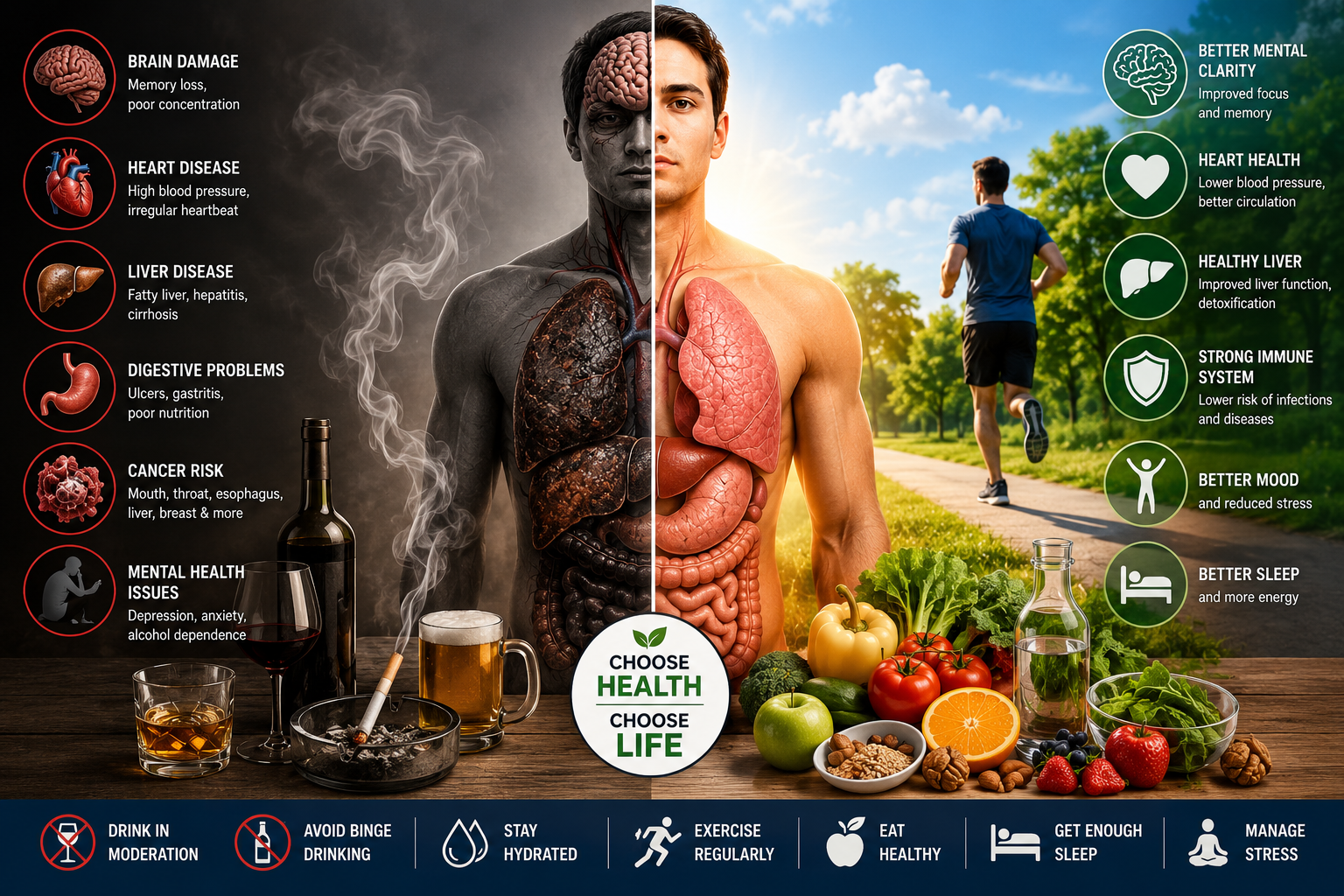
Smoking and Excessive Alcohol Consumption
Smoking damages the body’s natural defence mechanisms, while excessive alcohol intake may impair normal immune function.
Avoiding tobacco and limiting alcohol supports better overall health.
Foods That Support Immune Health
No single food can “boost” immunity overnight, but a balanced diet provides nutrients that help the immune system function normally.
Citrus Fruits
Rich in vitamin C.
Healthy Choices
- Oranges
- Lemons
- Grapefruit
- Sweet lime
Colourful Vegetables
Provide vitamins, minerals, and antioxidants.
Best Choices
- Spinach
- Broccoli
- Carrots
- Bell peppers
- Tomatoes
Protein-Rich Foods
Protein is essential for building and repairing body tissues.
Healthy Sources
- Eggs
- Fish
- Chicken
- Lentils
- Beans
- Tofu
Yogurt
Plain yogurt provides protein and beneficial bacteria that support gut health.
Choose unsweetened varieties whenever possible.
Nuts and Seeds
Healthy sources include:
- Almonds
- Walnuts
- Pumpkin seeds
- Chia seeds
- Flaxseeds
They provide healthy fats, zinc, and vitamin E.
Daily Habits to Support Your Immune System
Eat a Balanced Diet
Include:
- Fruits
- Vegetables
- Whole grains
- Lean proteins
- Healthy fats
- Dairy or fortified alternatives
Variety is key to meeting your nutritional needs.
Stay Hydrated
Drink enough water throughout the day to support normal body functions.
Limit sugary beverages and choose water as your primary drink.
Exercise Regularly
Regular physical activity supports heart health, muscle strength, and overall well-being.
Adults should aim for at least 150 minutes of moderate-intensity physical activity each week, while children should get at least 60 minutes of physical activity daily.
Maintain Good Hygiene
Reduce the risk of infections by:
- Washing hands regularly
- Covering coughs and sneezes
- Cleaning frequently touched surfaces
- Preparing food safely
Stay Up to Date with Recommended Vaccinations
Vaccinations help protect against certain infectious diseases. Follow the immunisation schedule recommended by your healthcare provider or local public health authority.
When to See a Doctor
Seek medical advice if you experience:
- Frequent or severe infections
- Persistent fever
- Wounds that heal very slowly
- Ongoing fatigue
- Unexplained weight loss
- Swollen lymph nodes that do not improve
- Recurrent infections requiring antibiotics
- Persistent digestive problems
A healthcare professional can evaluate your symptoms and determine whether further tests or treatment are needed.
Frequently Asked Questions
Can stress weaken the immune system?
Yes. Chronic stress may affect normal immune function. Managing stress through healthy lifestyle habits can support overall health.
Which vitamin is most important for immunity?
Several nutrients—including vitamins C, D, and A, as well as zinc, iron, and protein—play important roles in supporting normal immune function. No single vitamin works alone.
Can poor sleep affect immunity?
Yes. Regular, high-quality sleep helps support normal immune function and overall health.
Do supplements strengthen the immune system?
Most healthy people can meet their nutritional needs through a balanced diet. Supplements should only be taken if recommended by a qualified healthcare professional or if a deficiency has been identified.
When should I worry about frequent infections?
If infections are severe, unusually frequent, difficult to treat, or keep returning, consult a healthcare professional for an appropriate evaluation.
Key Takeaways
- Frequent infections, slow wound healing, persistent fatigue, and prolonged illness may be signs that your immune system needs medical evaluation.
- A balanced diet, regular exercise, adequate sleep, stress management, and good hygiene support normal immune function.
- Include fruits, vegetables, whole grains, lean proteins, dairy, nuts, and seeds as part of a healthy eating pattern.
- Avoid smoking and limit alcohol consumption to support overall health.
- Consult a healthcare professional if symptoms are persistent, severe, or affecting your daily life.
Conclusion
A healthy immune system plays a vital role in protecting your body from infections and supporting recovery from illness. While occasional colds or infections are normal, persistent symptoms such as frequent illnesses, slow wound healing, ongoing fatigue, or repeated infections should not be ignored. Identifying possible causes early and adopting healthy lifestyle habits can help support overall immune health.
Remember that there is no single food or supplement that can instantly strengthen the immune system. The best approach is to follow a balanced diet, stay physically active, get enough sleep, manage stress, practise good hygiene, and keep up with recommended vaccinations. If you have ongoing concerns about your immune health, seek personalised advice from a qualified healthcare professional.