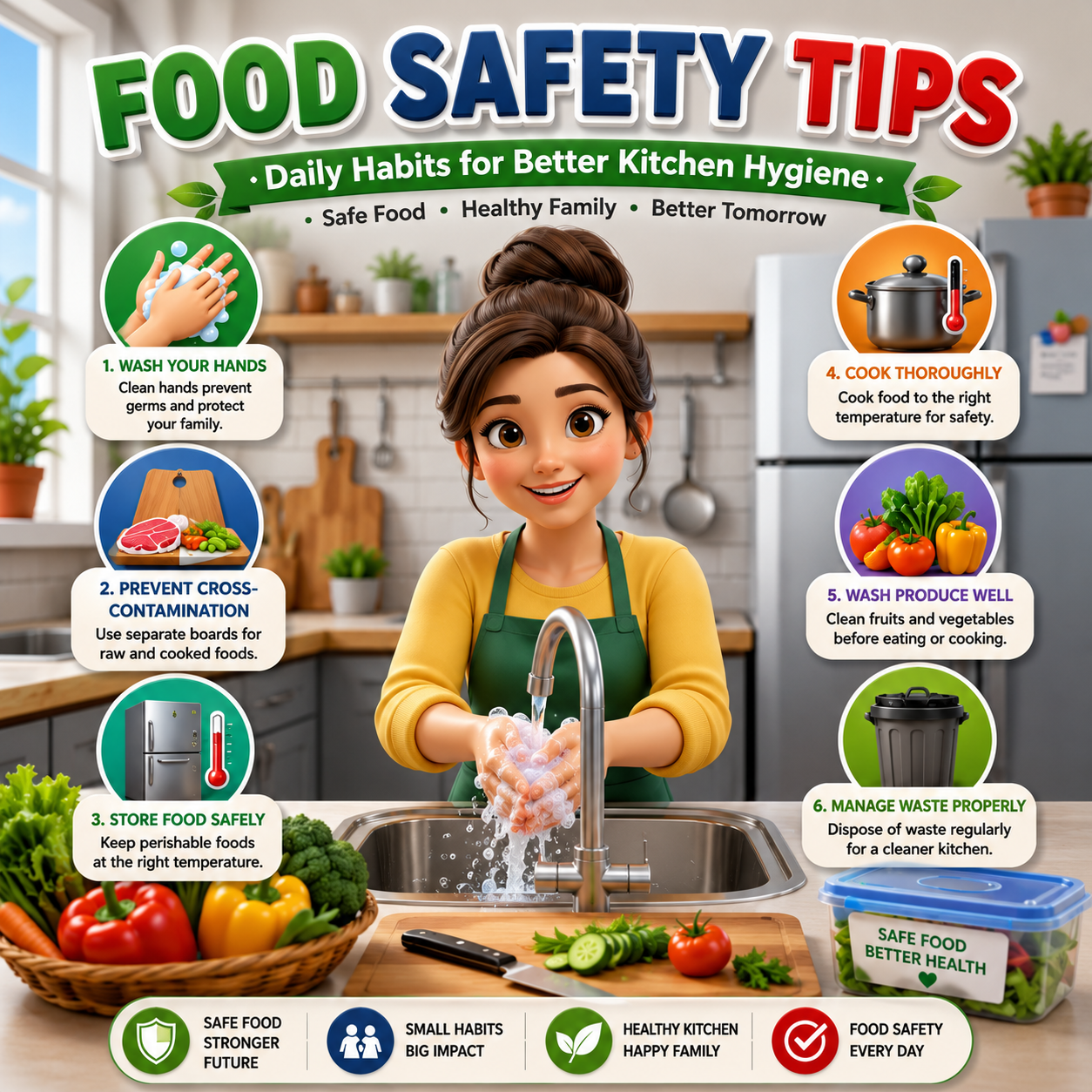
Every year, households throw away significant amounts of perfectly edible food because it spoils before it can be eaten. In many cases, the problem isn’t buying too much food—it’s storing it incorrectly. Poor refrigerator food storage can lead to faster spoilage, unpleasant odors, wasted money, and even foodborne illness.
Understanding how your refrigerator works and learning where different foods should be stored can dramatically extend freshness while keeping your family safe. Many people unknowingly place milk in the refrigerator door, stack hot leftovers immediately, or overload shelves, reducing airflow and causing uneven cooling. These common mistakes shorten food life and increase waste.
This comprehensive guide explains everything you need to know about Refrigerator food storage from ideal temperatures and shelf organization to food-specific storage techniques and practical habits that minimize waste. Whether you’re meal prepping for the week or trying to save money on groceries, these expert-backed strategies will help you keep food fresher for longer while maintaining excellent food safety standards.
What Is Refrigerator Food Storage?
Refrigerator food storage refers to the proper placement, organization, and temperature control of food inside a refrigerator to preserve freshness, maintain nutritional quality, reduce bacterial growth, and extend shelf life. Good storage practices involve much more than simply placing groceries on a shelf. They include choosing the correct storage location for different food categories, using airtight containers, labeling leftovers, and maintaining the correct refrigerator temperature.
When food is stored correctly, it remains safe to eat for longer periods, tastes better, and retains more nutrients. Proper storage also helps households reduce unnecessary grocery expenses by preventing premature spoilage. Understanding these principles forms the foundation of an efficient kitchen and healthier eating habits.
Why Proper Refrigerator Storage Matters
Proper refrigerator food storage is one of the easiest and most effective ways to protect your family’s health while reducing unnecessary food waste. Refrigeration slows the growth of harmful bacteria, but it cannot stop it completely. Foods that are stored incorrectly or kept at unsafe temperatures may spoil faster or become unsafe even before visible signs of deterioration appear.
Correct storage also helps preserve texture, flavor, and nutritional value. Fresh vegetables remain crisp, dairy products stay fresher, and cooked meals maintain better quality throughout the week. By organizing your refrigerator thoughtfully, you can easily see what you have available, reducing forgotten leftovers and expired products. These simple habits save both money and time while supporting sustainable food consumption.
How Your Refrigerator Keeps Food Safe
Your refrigerator works by maintaining a consistently cold environment that slows the growth of bacteria responsible for food spoilage and foodborne illnesses. While refrigeration significantly delays microbial growth, it does not eliminate bacteria entirely. This is why safe handling, timely consumption, and proper storage techniques remain essential.
Cold air circulates throughout the refrigerator, although temperatures vary slightly between shelves, drawers, and the door. Understanding these temperature differences allows you to place foods in their safest locations. Keeping the refrigerator at the correct temperature and avoiding overcrowding ensures consistent cooling, helping all stored items stay fresh and safe for longer.
Ideal Refrigerator Temperature
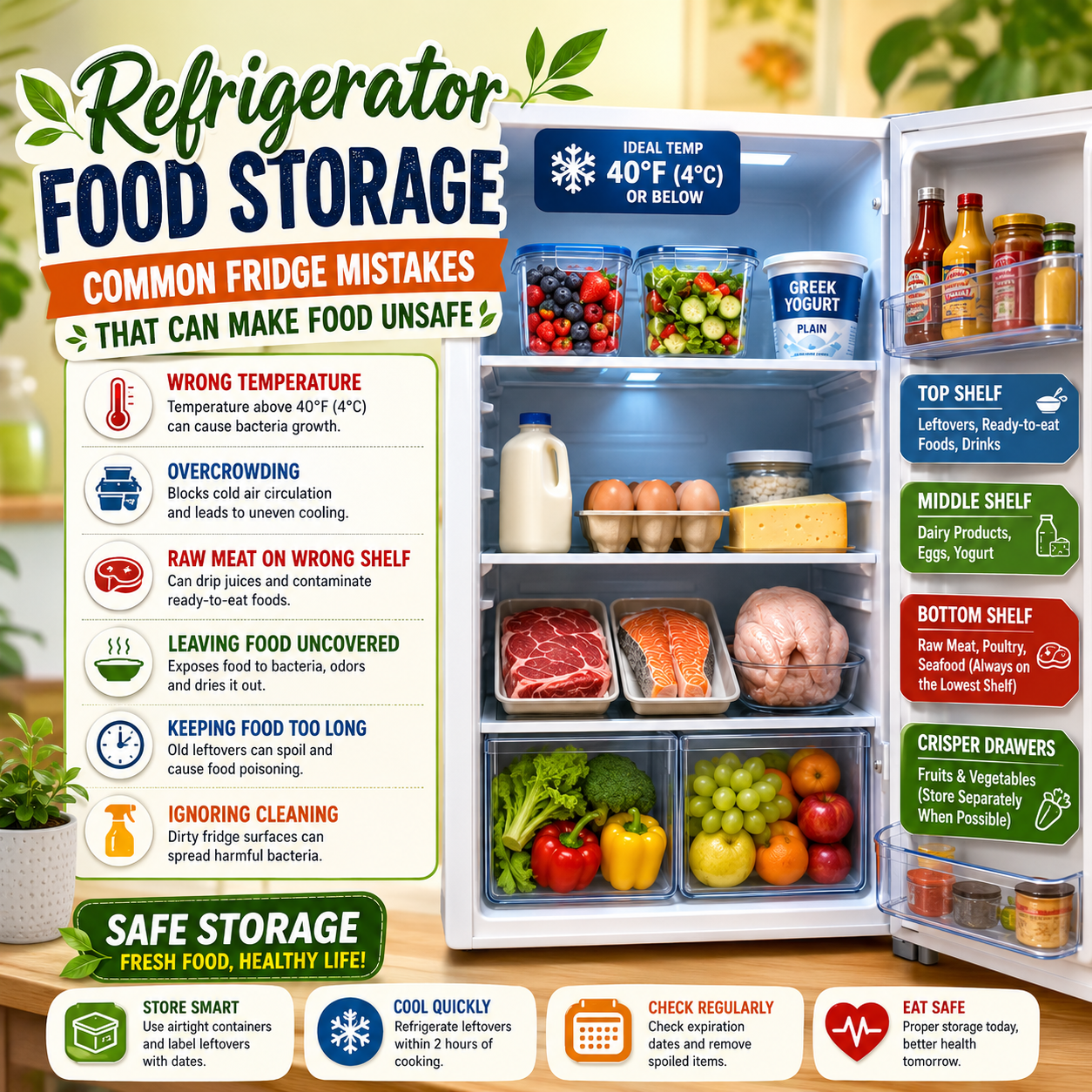
Maintaining the correct refrigerator temperature is one of the most important aspects of food safety. Food safety experts recommend keeping your refrigerator at or below 4°C (40°F). This temperature slows bacterial growth while preserving the freshness and quality of most foods.
Using a refrigerator thermometer provides a more accurate reading than relying solely on the appliance’s built-in settings. Temperature can fluctuate due to frequent door openings, overloading the refrigerator, or placing hot food directly inside. Checking the temperature regularly ensures your food remains within the safe storage range.
Temperature Guidelines
| Storage Area | Recommended Temperature | Purpose |
| Refrigerator | 0–4°C (32–40°F) | Safe food storage |
| Freezer | -18°C (0°F) or below | Long-term storage |
| Dairy | 1–3°C | Maximum freshness |
| Meat Storage | 0–2°C | Reduce bacterial growth |
| Produce Drawer | 3–5°C | Preserve fruits and vegetables |
Understanding Refrigerator Zones
Different sections of your refrigerator maintain slightly different temperatures. Knowing these zones helps you store each type of food where it stays freshest and safest.
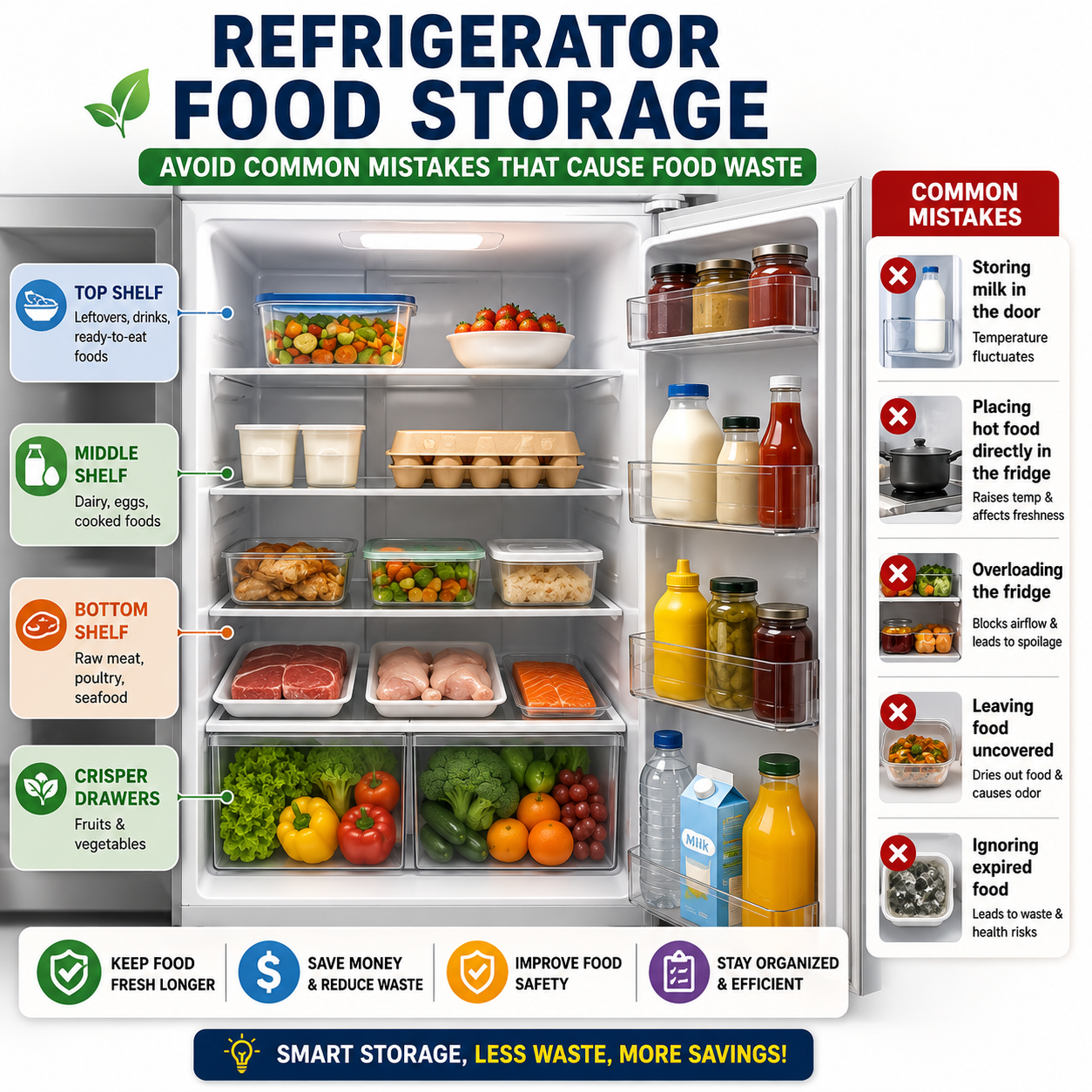
Top Shelf
The top shelf generally has the most consistent temperature, making it ideal for ready-to-eat foods, leftovers, beverages, yogurt, and packaged snacks. Since these items require minimal preparation before eating, storing them on higher shelves also reduces the risk of contamination from raw foods.
Middle Shelf
The middle shelf works well for dairy products, eggs (if recommended by your country’s food safety guidelines), prepared meals, and packaged foods. Stable temperatures in this section help maintain freshness while keeping frequently used items easily accessible.
Bottom Shelf
The bottom shelf is the coldest area and should be reserved for raw meat, poultry, and seafood. These items should always be stored in sealed containers or trays to prevent juices from dripping onto other foods. Keeping raw proteins on the lowest shelf minimizes the risk of cross-contamination and improves overall food safety.
Crisper Drawers
Humidity-controlled drawers are specifically designed for fruits and vegetables. Many refrigerators include separate drawers with adjustable humidity settings. High humidity helps leafy greens stay crisp, while lower humidity benefits many fruits by allowing gases to escape, slowing spoilage.
Refrigerator Door
Although convenient, the refrigerator door experiences the greatest temperature fluctuations because it is opened frequently. This makes it suitable only for condiments, sauces, juices, and beverages rather than highly perishable items such as milk, eggs, or raw meat.
Common Refrigerator Food Storage Mistakes
Many households unknowingly reduce the lifespan of their groceries through simple storage mistakes. Identifying and correcting these habits can dramatically improve food freshness and reduce waste.
Some of the most common mistakes include:
- Overloading the refrigerator and blocking air circulation
- Storing milk in the refrigerator door
- Keeping raw meat above ready-to-eat foods
- Leaving leftovers uncovered
- Ignoring expiration dates
- Placing hot food directly into the refrigerator
- Forgetting older food behind newer groceries
- Using damaged food containers
- Failing to clean spills promptly
- Setting the refrigerator temperature too high
Each of these habits contributes to faster spoilage, reduced food quality, and increased food waste. Fortunately, they are easy to correct with better organization and consistent maintenance.
Best Storage Practices for Different Foods
Proper refrigerator food storage isn’t a one-size-fits-all process. Every food category has unique temperature, humidity, and packaging requirements that affect how long it stays fresh and safe. Knowing where to place each item helps preserve quality, minimize bacterial growth, and reduce unnecessary food waste. The following food-specific recommendations will help you organize your refrigerator like a professional while making the most of every grocery purchase.
How to Store Dairy Products Correctly
Dairy products are highly perishable and should be stored in the coldest stable areas of the refrigerator rather than the door. Frequent door opening causes temperature fluctuations that shorten shelf life. Keep dairy in its original packaging whenever possible, and close containers tightly after each use to prevent odors and contamination.
Best practices
- Store milk on the middle or back shelf.
- Keep cheese wrapped properly to prevent drying out.
- Seal yogurt after every use.
- Store butter in a covered container.
- Keep cream refrigerated immediately after use.
| Dairy Product | Best Storage Location | Approximate Storage Time |
| Milk | Back of middle shelf | 5–7 days after opening |
| Yogurt | Middle shelf | 1–2 weeks |
| Hard Cheese | Middle shelf | 3–4 weeks after opening |
| Butter | Middle shelf | 1–3 months |
| Cream | Middle shelf | 7–10 days |
Safe Storage for Meat, Poultry, and Seafood
Raw meat, poultry, and seafood require careful handling because they can carry harmful bacteria. Store them on the lowest shelf in leak-proof containers to prevent juices from dripping onto other foods. Never place cooked foods beneath raw meat, and cook these products before their recommended use-by dates.
Storage recommendations
- Keep meat in sealed containers or trays.
- Store poultry separately from ready-to-eat foods.
- Refrigerate seafood immediately after purchase.
- Freeze items that won’t be used within a couple of days.
- Clean shelves immediately if leaks occur.
The Best Way to Store Fruits
Many fruits continue producing ethylene gas after harvest, which speeds up ripening. Separating ethylene-producing fruits from sensitive produce helps extend freshness. Some fruits should be refrigerated only after they are fully ripe.
Fruits that belong in the refrigerator
- Apples
- Grapes
- Berries
- Cherries
- Kiwi
- Pears (after ripening)
Fruits better stored outside until ripe
- Bananas
- Mangoes
- Avocados
- Peaches
- Pineapples
Wash fruits only before eating rather than before storing, as excess moisture encourages mold growth.
Proper Vegetable Storage
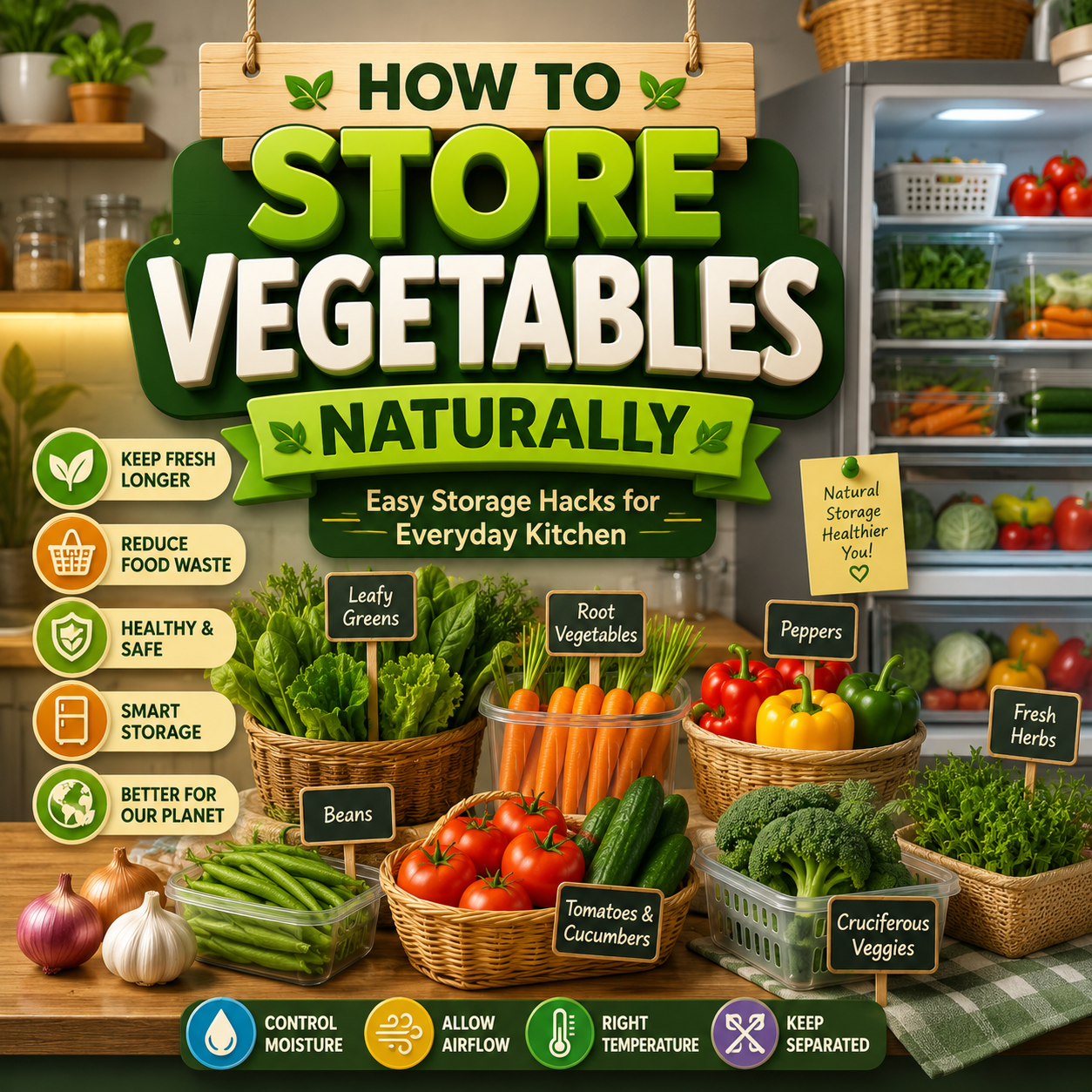
Vegetables stay fresh longer when stored according to their moisture needs. Most leafy greens benefit from higher humidity, while onions, garlic, and potatoes should never be refrigerated. Using produce drawers correctly helps maintain crispness and nutritional quality.
High-humidity drawer
Ideal for:
- Lettuce
- Spinach
- Kale
- Broccoli
- Cabbage
- Herbs
Low-humidity drawer
Ideal for:
- Bell peppers
- Cucumbers
- Zucchini
- Carrots
- Cauliflower
Store vegetables in breathable bags or containers to reduce moisture buildup while maintaining freshness.
Storing Eggs Properly
Egg storage recommendations vary slightly by country because of differences in commercial egg processing. In many regions, refrigerated storage is recommended to maintain consistent quality. Keep eggs in their original carton instead of transferring them to decorative trays. The carton protects them from absorbing odors and helps preserve freshness.
Avoid storing eggs in the refrigerator door because temperatures fluctuate every time the door is opened. Instead, place them on a middle shelf where cooling remains more consistent.
Safe Storage for Leftovers
Leftovers are one of the easiest ways to reduce food waste, but only if they are stored correctly. Divide large portions into shallow containers so they cool quickly before refrigeration. Label containers with the preparation date and consume them within several days for the best quality and safety.
Leftover storage checklist
- Cool food within two hours.
- Use airtight containers.
- Label every container.
- Store on upper shelves.
- Reheat thoroughly before eating.
- Discard leftovers showing signs of spoilage.
Refrigerator Organization Tips That Reduce Food Waste
A well-organized refrigerator helps you see what you already have, making meal planning easier and reducing forgotten food hidden behind newer purchases. Organizing groceries by category also improves efficiency and reduces the amount of time the refrigerator door stays open.
Smart organization habits
- Keep similar foods together.
- Place older foods in front.
- Store newer groceries behind older ones.
- Use clear containers.
- Label leftovers.
- Leave space for airflow.
- Avoid overcrowding shelves.
FIFO Method: First In, First Out
The FIFO (First In, First Out) method is widely used in restaurants and food service operations because it minimizes waste and ensures older products are used before newer purchases. It’s equally effective in home kitchens.
How to apply FIFO
- Check expiration dates before storing groceries.
- Move older items to the front.
- Place newly purchased foods behind existing ones.
- Plan meals around foods nearing expiration.
- Review refrigerator contents weekly.
Using FIFO consistently prevents forgotten food from expiring and helps households save money on groceries.
Foods You Should Never Store Together
Some foods release gases or moisture that accelerate spoilage in nearby produce. Separating incompatible foods can significantly extend freshness.
| Avoid Pairing | Why |
| Apples + Leafy Greens | Ethylene speeds spoilage |
| Bananas + Berries | Faster overripening |
| Onions + Potatoes | Increased moisture causes sprouting |
| Raw Meat + Ready-to-Eat Foods | Cross-contamination risk |
| Strong Cheese + Uncovered Foods | Odor transfer |
Understanding these interactions helps preserve flavor, texture, and food quality.
How Long Common Foods Last in the Refrigerator
Knowing recommended storage times helps prevent both premature disposal and unsafe consumption. While appearance and smell can provide clues, they are not always reliable indicators of food safety.
| Food | Refrigerator Life |
| Cooked Chicken | 3–4 days |
| Cooked Rice | 3–4 days |
| Ground Meat | 1–2 days |
| Fresh Fish | 1–2 days |
| Eggs | 3–5 weeks |
| Milk | About 1 week after opening |
| Cheese | 3–4 weeks |
| Yogurt | 1–2 weeks |
| Fresh Berries | 3–7 days |
| Leafy Greens | 5–7 days |
Always follow manufacturer instructions and use-by dates where applicable.
Practical Habits to Prevent Food Waste
Reducing food waste starts with small, consistent habits. Planning meals, checking refrigerator contents before shopping, and storing food correctly all contribute to less waste and lower grocery bills.
Everyday food-saving habits
- Create a weekly meal plan.
- Shop with a grocery list.
- Buy only what you need.
- Freeze excess food before it spoils.
- Rotate food regularly.
- Store produce correctly.
- Keep your refrigerator clean.
- Label leftovers with dates.
- Use transparent storage containers.
- Schedule a weekly refrigerator inspection.
Expert Refrigerator Food Storage Tips
Small improvements in your daily refrigerator habits can make a noticeable difference in food quality, safety, and grocery costs. Consistency is more important than perfection. By following these expert recommendations, you can keep food fresher for longer and reduce unnecessary waste.
Expert Tips
- Check your refrigerator temperature weekly with a thermometer.
- Avoid overfilling shelves so cold air can circulate freely.
- Store leftovers in shallow, airtight containers.
- Label containers with the preparation date.
- Clean spills immediately to prevent bacterial growth and odors.
- Freeze foods you won’t use before they spoil.
- Keep raw meat sealed and on the bottom shelf.
- Wash produce only before eating unless otherwise recommended.
- Use transparent storage containers so food is easy to identify.
- Review refrigerator contents before grocery shopping.
Refrigerator Cleaning and Maintenance Guide
A clean refrigerator is essential for food safety and efficient cooling. Dirt, spills, and expired food can encourage bacterial growth, create unpleasant odors, and reduce appliance performance. Regular maintenance also helps your refrigerator last longer and operate more efficiently.
Weekly Tasks
- Remove expired food.
- Wipe shelves and drawers.
- Check leftovers for freshness.
- Clean sticky spills.
- Inspect fruits and vegetables for spoilage.
Monthly Tasks
- Wash removable shelves and drawers.
- Vacuum condenser coils if accessible.
- Check door seals for damage.
- Clean the interior walls.
- Organize food using the FIFO (First In, First Out) method.
Every 6–12 Months
- Deep clean the refrigerator.
- Inspect temperature accuracy with a thermometer.
- Check for unusual noises or cooling issues.
- Replace water filters if your refrigerator has a dispenser.
- Defrost manually if your freezer requires it.
Pros and Cons of Proper Refrigerator Food Storage
| Pros | Cons |
| Keeps food fresh longer | Requires regular organization |
| Reduces food waste | Takes time to maintain |
| Saves money on groceries | Needs occasional deep cleaning |
| Improves food safety | Requires proper storage containers |
| Preserves nutritional quality | Temperature should be monitored |
| Prevents unpleasant odors | Poor habits reduce effectiveness |
Frequently Asked Questions (FAQs)
1. Why is refrigerator food storage important?
Proper refrigerator food storage slows bacterial growth, preserves freshness, extends shelf life, reduces food waste, and lowers the risk of foodborne illnesses. Organizing food correctly also makes meal preparation easier and helps households save money by preventing unnecessary spoilage.
2. What temperature should a refrigerator be set to?
Keep your refrigerator at or below 4°C (40°F) and your freezer at -18°C (0°F) or below. Maintaining these temperatures helps preserve food quality while minimizing bacterial growth and ensuring safe food storage.
3. Can I store cooked and raw food together?
Yes, but raw foods should always be kept on the bottom shelf in sealed containers. Cooked and ready-to-eat foods should be stored on upper shelves to prevent cross-contamination from raw meat juices.
4. How can I keep vegetables fresh longer?
Store leafy greens in high-humidity drawers, keep vegetables dry until use, remove damaged leaves promptly, and use breathable storage bags. Proper humidity and airflow help vegetables remain crisp and nutritious for longer.
5. How often should I check refrigerator contents?
Inspect your refrigerator at least once a week. Remove expired items, plan meals around foods nearing their use-by dates, and clean spills promptly. Weekly checks significantly reduce food waste and improve organization.
6. Are glass containers better than plastic?
Glass containers are durable, stain-resistant, easy to clean, and do not absorb odors. High-quality food-grade plastic containers are also effective if they are BPA-free and airtight. Choose containers that suit your storage needs and are easy to maintain.
7. Should leftovers be labeled?
Yes. Labeling leftovers with the preparation date makes it easier to use older food first and prevents accidental consumption of food stored beyond its safe storage period.
8. Why shouldn’t I overload my refrigerator?
Overcrowding blocks airflow, causing uneven cooling and warmer areas inside the refrigerator. Proper spacing allows cold air to circulate efficiently, keeping all foods at safe temperatures and extending freshness.
9. Can refrigeration stop bacteria completely?
No. Refrigeration slows bacterial growth but does not eliminate bacteria. Safe food handling, correct cooking temperatures, proper storage, and timely consumption remain essential for preventing foodborne illness.
10. What is the easiest way to reduce refrigerator food waste?
Plan meals, shop with a list, organize food using the FIFO method, store groceries correctly, freeze excess food before it spoils, and check refrigerator contents weekly. These simple habits can dramatically reduce waste and grocery expenses.
Key Takeaways
- Maintain your refrigerator at 4°C (40°F) or below.
- Store raw meat on the bottom shelf in leak-proof containers.
- Keep dairy products on interior shelves, not in the door.
- Use humidity-controlled drawers for fruits and vegetables.
- Label leftovers with preparation dates.
- Practice the First In, First Out (FIFO) method.
- Avoid overcrowding to maintain proper airflow.
- Clean your refrigerator regularly.
- Freeze food you cannot use before it spoils.
- Weekly organization helps reduce food waste and improve food safety.
Conclusion
Proper refrigerator food storage is one of the simplest yet most effective ways to protect your family’s health, reduce food waste, and save money. By maintaining the correct refrigerator temperature, organizing foods according to their storage needs, using airtight containers, and practicing regular cleaning and rotation, you can significantly extend the freshness of your groceries while minimizing the risk of foodborne illness.
Small daily habits—such as labeling leftovers, storing raw meat safely, and checking your refrigerator before shopping—can have a lasting impact on your household budget and overall kitchen efficiency. Whether you’re feeding a busy family, meal prepping for the week, or simply trying to make smarter use of your groceries, proper refrigerator organization is a valuable investment.
Start applying these refrigerator food storage tips today and enjoy fresher food, less waste, safer meals, and greater confidence in your kitchen.
Read Our Latest Blog:Liver Health Tips: Simple Daily Habits to Keep Your Liver Healthy Naturally