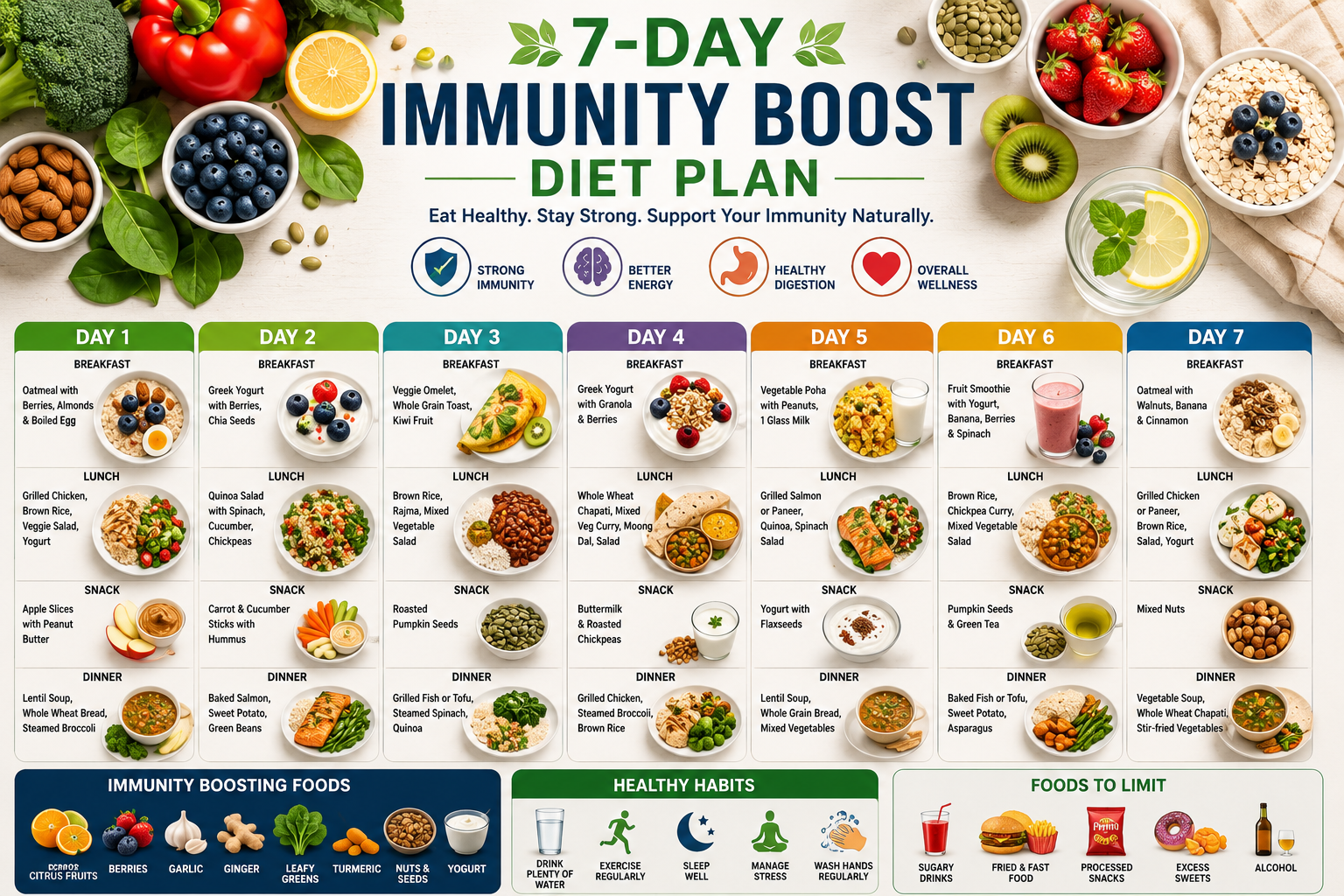
7-Day Immunity Boost Diet Plan
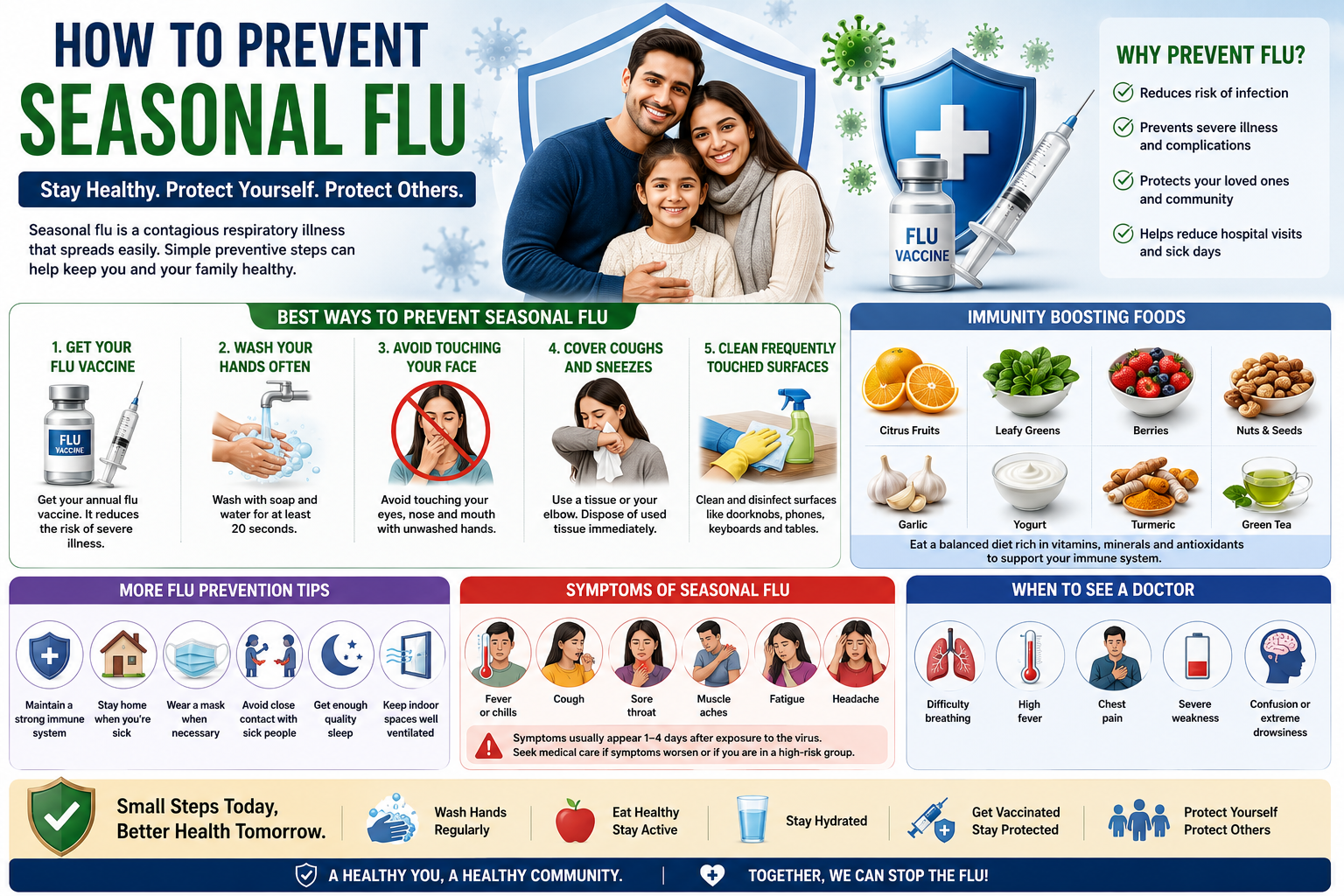
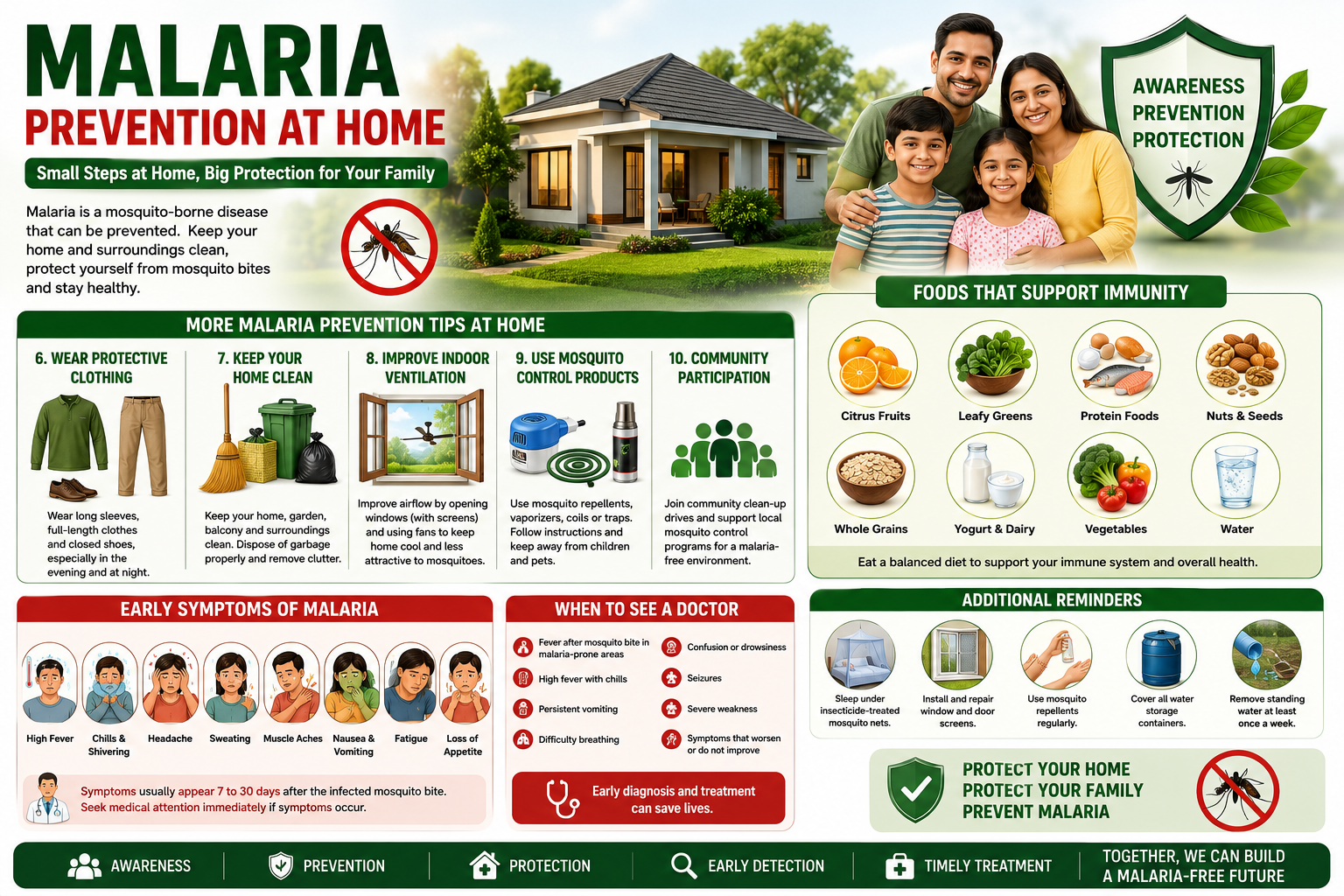
A strong immune system helps your body defend itself against infections, viruses, and illnesses. While no single food can prevent disease, a balanced diet rich in vitamins, minerals, antioxidants, and healthy fats can support normal immune function. Combined with adequate sleep, regular exercise, hydration, and stress management, healthy eating plays an important role in overall wellness.
This 7-Day Immunity Boost Diet Plan is designed to help you include a variety of nutrient-rich foods throughout the week. It focuses on whole grains, colorful fruits and vegetables, lean proteins, healthy fats, probiotics, and immune-supporting nutrients such as vitamins C, D, A, E, zinc, selenium, and omega-3 fatty acids.
How Nutrition Supports Your Immune System
Your immune system requires a wide range of nutrients to function properly. Eating a colorful, balanced diet helps your body produce immune cells, repair tissues, reduce inflammation, and maintain healthy gut bacteria.
Key Nutrients for Immune Health
Vitamin C
Supports immune cell function and helps protect cells from oxidative stress.
Food Sources:
- Oranges
- Kiwi
- Strawberries
- Bell peppers
- Broccoli
- Guava
Vitamin D
Supports immune regulation and bone health.
Food Sources:
- Fatty fish
- Egg yolks
- Fortified milk
- Mushrooms
- Safe sunlight exposure
Zinc
Helps immune cells develop and function normally.
Food Sources:
- Pumpkin seeds
- Beans
- Chickpeas
- Nuts
- Lean meat
- Seafood
Vitamin A
Supports healthy skin and mucous membranes, which act as the body’s first line of defense.
Food Sources:
- Carrots
- Sweet potatoes
- Spinach
- Kale
- Mangoes
Probiotics
Healthy gut bacteria play an important role in immune health.
Food Sources:
- Yogurt
- Kefir
- Fermented vegetables
- Buttermilk
Day 1 – Fresh Start
Breakfast
- Oatmeal topped with blueberries and almonds
- One boiled egg
- Green tea
Morning Snack
- One orange
- Handful of walnuts
Lunch
- Grilled chicken or tofu
- Brown rice
- Mixed vegetable salad
- Yogurt
Evening Snack
- Apple slices with peanut butter
Dinner
- Lentil soup
- Whole wheat bread
- Steamed broccoli
Day 2 – Colorful Nutrition
Breakfast
- Greek yogurt with berries
- Chia seeds
- Banana
Morning Snack
- Handful of mixed nuts
Lunch
- Quinoa salad with spinach, cucumber, tomatoes, and chickpeas
Evening Snack
- Fresh carrot and cucumber sticks with hummus
Dinner
- Baked salmon or grilled paneer
- Sweet potato
- Green beans
Day 3 – Antioxidant-Rich Foods
Breakfast
- Vegetable omelet
- Whole grain toast
- Kiwi fruit
Morning Snack
- Mixed berries
Lunch
- Brown rice
- Rajma (kidney beans)
- Mixed vegetable salad
Evening Snack
- Roasted pumpkin seeds
Dinner
- Grilled fish or tofu
- Steamed spinach
- Quinoa
Day 4 – Gut Health and Immunity
A healthy gut plays an important role in supporting the immune system. Include probiotic and fiber-rich foods to nourish beneficial gut bacteria.
Breakfast
- Greek yogurt with granola
- Mixed berries
- Chia seeds
Morning Snack
- One pear
- A handful of almonds
Lunch
- Whole wheat chapati
- Mixed vegetable curry
- Moong dal
- Fresh cucumber salad
Evening Snack
- Buttermilk or kefir
- Roasted chickpeas
Dinner
- Grilled chicken breast or tofu
- Steamed broccoli
- Brown rice
Day 5 – Protein-Packed Nutrition
Protein helps build and repair body tissues and supports the production of immune cells.
Breakfast
- Vegetable poha with peanuts
- One glass of milk
Morning Snack
- Apple
- Handful of walnuts
Lunch
- Grilled salmon or paneer
- Quinoa
- Spinach salad
Evening Snack
- Yogurt with flaxseeds
Dinner
- Lentil soup
- Whole grain bread
- Mixed vegetables
Day 6 – Vitamin-Rich Meals
Colorful fruits and vegetables provide essential vitamins, minerals, and antioxidants that support overall health.
Breakfast
- Fruit smoothie with yogurt, banana, berries, and spinach
- Whole grain toast
Morning Snack
- Guava or orange
Lunch
- Brown rice
- Chickpea curry
- Mixed vegetable salad
Evening Snack
- Pumpkin seeds
- Green tea
Dinner
- Baked fish or grilled tofu
- Sweet potato
- Steamed asparagus
Day 7 – Balanced Wellness
Finish the week with a balanced combination of whole grains, lean protein, fruits, vegetables, and healthy fats.
Breakfast
- Oatmeal topped with walnuts, banana, and cinnamon
Morning Snack
- Mixed seasonal fruits
Lunch
- Grilled chicken or paneer
- Brown rice
- Fresh salad
- Yogurt
Evening Snack
- Handful of mixed nuts
Dinner
- Vegetable soup
- Whole wheat chapati
- Stir-fried vegetables
Healthy Drinks to Support Immunity
Staying hydrated is just as important as eating nutritious foods.
Healthy beverage choices include:
- Water
- Coconut water
- Lemon water
- Green tea
- Herbal tea
- Fresh vegetable juice (without added sugar)
- Fresh fruit smoothies
- Buttermilk
Aim to drink 2–3 liters of water daily, unless advised otherwise by your healthcare provider.
Foods to Limit
While no food completely weakens immunity, limiting highly processed foods can support better overall health.
Try to reduce:
- Sugary drinks
- Processed snacks
- Deep-fried foods
- Excess sweets
- Processed meats
- Foods high in trans fats
- Excess alcohol
- Highly refined carbohydrates
Lifestyle Tips to Strengthen Immunity
Nutrition works best when combined with healthy daily habits.
Get Enough Sleep
Adults should aim for 7–9 hours of quality sleep each night.
Exercise Regularly
At least 150 minutes of moderate physical activity per week helps support overall health.
Manage Stress
Practice meditation, deep breathing, yoga, or spend time outdoors to reduce stress.
Stay Hydrated
Drink enough fluids throughout the day to support normal body functions.
Practice Good Hygiene
Regular handwashing and proper food hygiene help reduce exposure to harmful germs.
Frequently Asked Questions
Can a diet really improve immunity?
A balanced diet provides essential nutrients that support the normal functioning of the immune system. Healthy eating works best alongside adequate sleep, exercise, hydration, vaccinations, and good hygiene.
Which fruits are best for immunity?
Vitamin C-rich fruits such as oranges, kiwi, guava, strawberries, papaya, and berries are excellent choices.
Is yogurt good for immunity?
Yes. Yogurt containing live cultures provides probiotics that help maintain a healthy gut, which plays an important role in immune health.
Should I take immunity supplements?
Most healthy individuals can obtain the nutrients they need through a balanced diet. Supplements should only be taken if recommended by a healthcare professional.
How long does it take to improve immunity through diet?
Healthy eating is a long-term habit rather than a quick fix. Consistently following a balanced diet and maintaining a healthy lifestyle can support your immune system over time.
Key Takeaways
- A balanced diet supports normal immune system function.
- Eat a variety of colorful fruits and vegetables every day.
- Include lean protein, whole grains, healthy fats, and probiotic foods.
- Stay hydrated and maintain regular physical activity.
- Prioritize quality sleep and stress management for overall wellness.
- Healthy eating habits practiced consistently provide long-term benefits.
Conclusion
A 7-Day Immunity Boost Diet Plan is a practical way to introduce healthier eating habits that support your body’s natural defense system. By including nutrient-rich foods such as fruits, vegetables, whole grains, lean proteins, nuts, seeds, healthy fats, and probiotic foods, you provide your immune system with the essential nutrients it needs to function effectively.
Remember that there is no single “superfood” or short-term diet that can prevent illness. Strong immunity develops through consistent healthy eating, regular exercise, sufficient sleep, stress management, proper hydration, and routine medical care. Small daily improvements can lead to long-lasting health benefits and help you feel your best throughout the year.