
Importance of Regular Health Checkups
Regular health checkups are one of the most effective ways to maintain good health and detect potential medical problems before they become serious. Many conditions, such as high blood pressure, diabetes, high cholesterol, and certain cancers, may not cause noticeable symptoms in their early stages. Routine medical examinations help identify these conditions early, allowing timely treatment and better health outcomes.
Whether you feel healthy or have an existing medical condition, regular checkups are an important part of preventive healthcare. They help monitor your overall well-being, assess risk factors, and encourage healthy lifestyle choices.
What Is a Regular Health Checkup?
A regular health checkup is a routine medical examination performed by a healthcare professional to evaluate your overall health and identify possible health concerns.
A Health Checkup May Include
- Medical history review
- Physical examination
- Blood pressure measurement
- Weight and Body Mass Index (BMI)
- Blood tests
- Urine tests
- Vision and hearing assessments
- Age-appropriate screening tests
- Lifestyle and nutrition counselling
The exact tests recommended depend on your age, sex, medical history, family history, and individual risk factors.
Why Are Regular Health Checkups Important?
Routine checkups help detect health problems early and support better long-term health.
1. Early Detection of Diseases
Many chronic illnesses develop gradually without obvious symptoms.
Conditions That May Be Detected Early
- High blood pressure
- Type 2 diabetes
- High cholesterol
- Heart disease
- Kidney disease
- Liver disease
- Certain cancers
Early diagnosis often allows more treatment options and may improve outcomes.
2. Prevent Serious Health Problems
Preventive care helps identify risk factors before they lead to complications.
Benefits
- Lower risk of severe illness
- Earlier treatment
- Better disease management
- Reduced risk of complications
Preventive healthcare focuses on keeping people healthy rather than only treating illness.
3. Monitor Existing Medical Conditions
People with chronic conditions benefit from regular follow-up appointments.
Examples
- Diabetes
- Hypertension
- Asthma
- Thyroid disorders
- Heart disease
Routine monitoring helps healthcare providers adjust treatment plans when necessary.
4. Keep Vaccinations Up to Date
Routine health visits provide an opportunity to review recommended vaccinations.
Vaccinations help protect against many preventable infectious diseases throughout life.
5. Encourage Healthy Lifestyle Habits
Healthcare professionals can provide personalised advice about:
- Healthy eating
- Physical activity
- Weight management
- Sleep
- Stress management
- Smoking cessation
- Alcohol consumption
Small lifestyle improvements can have long-term health benefits.
6. Monitor Mental Health
Mental health is an important part of overall well-being.
Regular checkups provide an opportunity to discuss concerns such as:
- Anxiety
- Depression
- Chronic stress
- Sleep problems
Early support can improve quality of life.
7. Assess Family History and Risk Factors
A family history of certain conditions may increase your risk.
Examples
- Heart disease
- Diabetes
- High blood pressure
- Certain cancers
Your healthcare provider may recommend earlier or more frequent screening based on your individual risk.
8. Support Healthy Ageing
Health needs change throughout life.
Regular checkups help monitor:
- Bone health
- Vision
- Hearing
- Memory
- Mobility
- Nutritional status
This supports healthy ageing and independence.
9. Improve Quality of Life
Maintaining good health allows you to stay active, productive, and independent.
Routine medical care can help identify health concerns before they interfere with daily life.
10. Save Time and Healthcare Costs in the Long Term
Preventing or detecting illnesses early may reduce the need for more complex treatments later.
Although not every illness can be prevented, preventive healthcare often improves overall health outcomes.
Recommended Health Screenings by Age
The tests recommended during a health checkup vary depending on your age, sex, family history, lifestyle, and overall health. Your healthcare professional can advise which screenings are most appropriate for you.
Adults (18–39 Years)
Regular checkups may include:
- Blood pressure measurement
- Weight and Body Mass Index (BMI)
- Blood sugar screening (if risk factors are present)
- Cholesterol testing (based on risk)
- Vision and dental examinations
- Mental health assessment
- Routine vaccinations
Adults (40–64 Years)
As the risk of chronic diseases increases with age, additional screening may be recommended.
Common Health Screenings
- Blood pressure
- Blood glucose (diabetes screening)
- Cholesterol levels
- Kidney and liver function tests (when appropriate)
- Eye examination
- Cancer screenings based on age and sex
- Bone health assessment if indicated
Older Adults (65 Years and Above)
Regular monitoring becomes increasingly important.
Health Assessments May Include
- Bone density evaluation
- Hearing tests
- Vision screening
- Memory and cognitive assessment
- Fall risk assessment
- Medication review
- Heart health monitoring
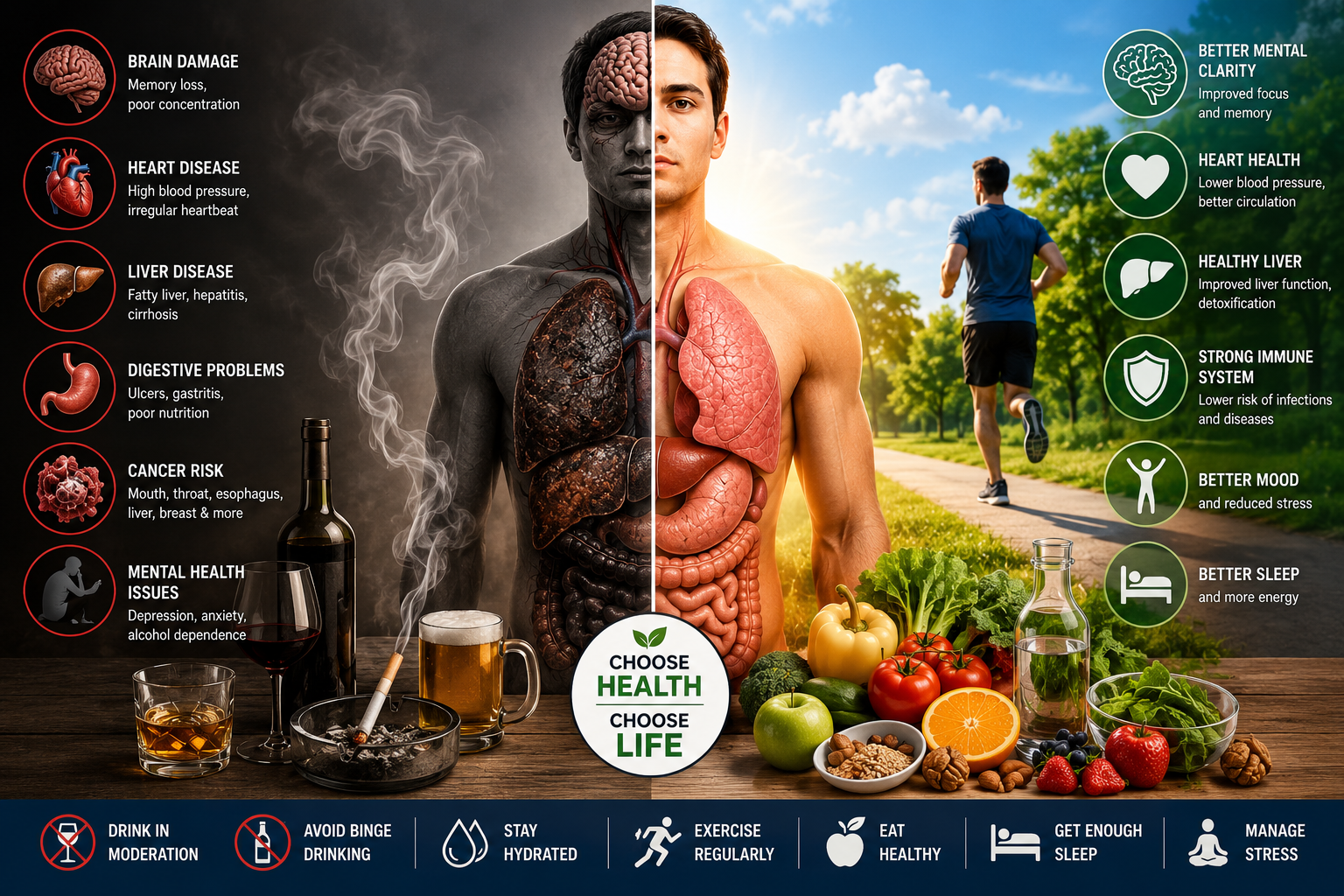
Healthy Habits Between Checkups
Regular medical visits work best when combined with a healthy lifestyle.
Eat a Balanced Diet
Choose foods from all major food groups.
Include
- Fruits
- Vegetables
- Whole grains
- Lean protein
- Healthy fats
- Low-fat dairy or fortified alternatives
Limit foods high in added sugar, salt, and unhealthy fats.
Stay Physically Active
Exercise supports heart health, muscle strength, and overall well-being.
Aim For
- At least 150 minutes of moderate-intensity physical activity per week for adults.
- Muscle-strengthening activities on two or more days each week.
Get Enough Sleep
Quality sleep is essential for physical and mental health.
Recommended Sleep
- Adults: 7–9 hours per night
- Teenagers: 8–10 hours
- School-age children: 9–12 hours
Manage Stress
Long-term stress can affect both physical and mental health.
Healthy Stress Management
- Meditation
- Deep breathing exercises
- Yoga
- Regular exercise
- Spending time with family and friends
- Enjoying hobbies
Avoid Smoking and Limit Alcohol
Smoking increases the risk of many serious diseases, including heart disease, stroke, chronic lung disease, and several cancers.
If you drink alcohol, follow your local health authority’s recommendations regarding moderate consumption.
When Should You Schedule a Health Checkup?
Consider scheduling a routine health checkup if you:
- Have not had a medical examination for several years.
- Have a family history of chronic diseases.
- Are over 40 years of age.
- Have high blood pressure, diabetes, or high cholesterol.
- Smoke or use tobacco products.
- Experience unexplained symptoms such as fatigue, weight loss, or persistent pain.
- Are planning a pregnancy or becoming pregnant.
- Want advice on improving your overall health.
Even if you feel healthy, routine preventive care remains important.
Frequently Asked Questions
How often should I have a health checkup?
The recommended frequency depends on your age, medical history, and individual risk factors. Many healthy adults benefit from periodic preventive checkups, while people with chronic conditions may require more frequent follow-up visits.
Can health checkups detect diseases before symptoms appear?
Yes. Many conditions, such as high blood pressure, diabetes, and high cholesterol, may be detected during routine screening before noticeable symptoms develop.
Do healthy people still need regular checkups?
Yes. Preventive checkups help monitor your health, update vaccinations, identify risk factors, and provide guidance for maintaining long-term wellness.
What should I bring to a health checkup?
Bring a list of current medications and supplements, previous medical records if available, vaccination information, and details about your family medical history. Be prepared to discuss any symptoms or health concerns.
Are regular health checkups expensive?
The cost varies depending on the healthcare provider, location, and tests performed. Many preventive screenings are less costly than treating advanced disease, making routine checkups a valuable investment in long-term health.
Key Takeaways
- Regular health checkups help detect diseases before symptoms appear.
- Preventive care supports better long-term health and may reduce the risk of complications.
- Routine screenings should be based on your age, health status, and personal risk factors.
- Healthy eating, regular exercise, quality sleep, stress management, and avoiding tobacco support overall well-being.
- Consult a healthcare professional about the screening schedule that is right for you.
Conclusion
Regular health checkups are an essential part of preventive healthcare. They help identify health concerns early, monitor existing medical conditions, and provide valuable guidance for maintaining a healthy lifestyle. Early detection of diseases such as high blood pressure, diabetes, and high cholesterol often leads to more effective treatment and better long-term outcomes.
Preventive healthcare is not only about treating illness—it is about staying healthy. By combining routine medical checkups with balanced nutrition, regular physical activity, adequate sleep, stress management, and healthy lifestyle choices, you can reduce your risk of chronic diseases and improve your overall quality of life. Making regular health checkups a priority today is an important step toward a healthier future.