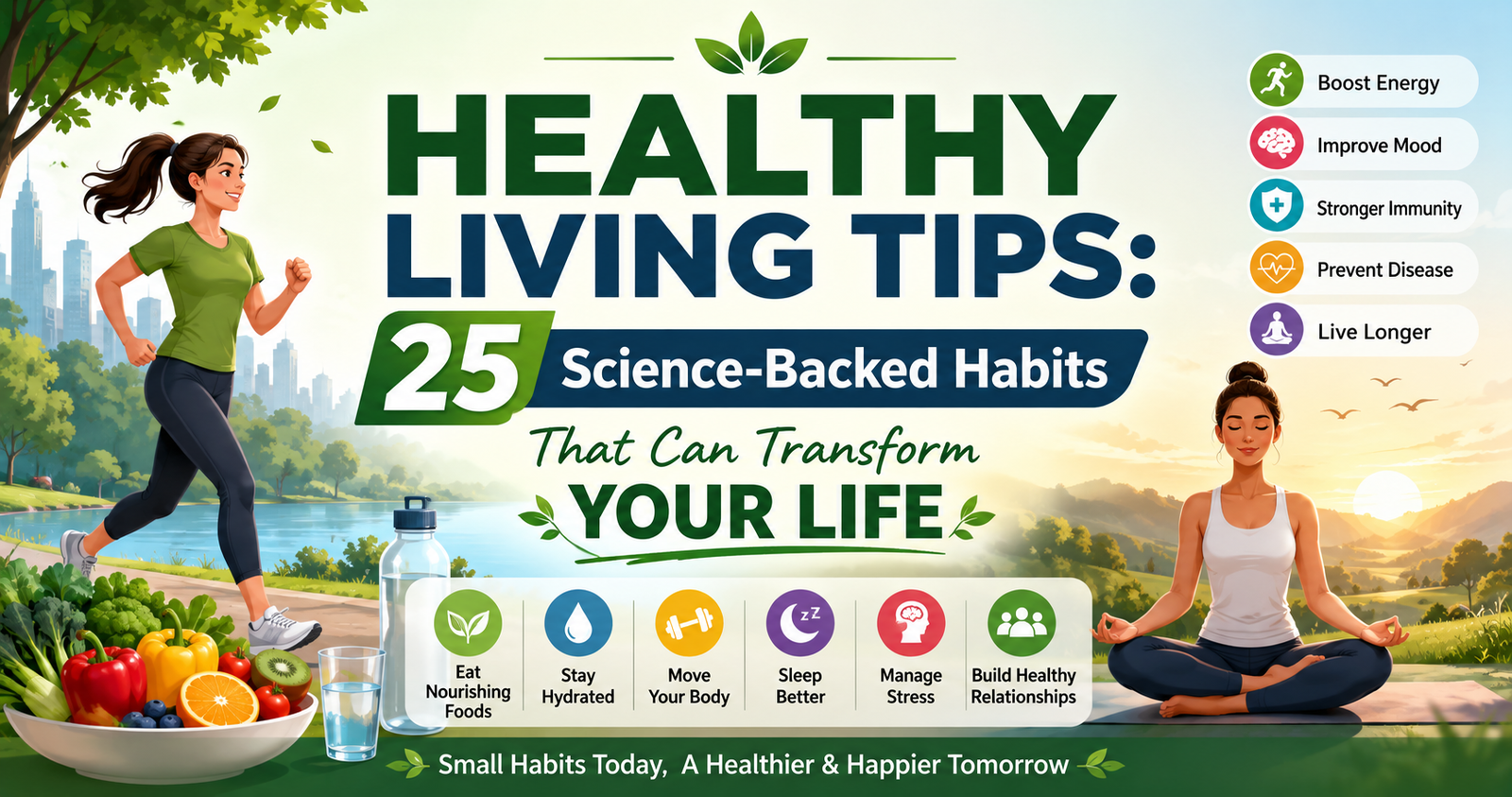
Healthy Living Tips: 25 Science-Backed Habits That Can Transform Your Life
Choose a Healthy Living
Living a healthier life doesn’t require extreme diets, expensive supplements, or complicated fitness routines. Instead, lasting health is built through small, consistent choices that become part of your everyday lifestyle. Research consistently shows that simple habits—such as eating nutritious foods, staying active, sleeping well, and managing stress—can significantly improve your physical health, mental well-being, and overall quality of life.
If you’ve ever wondered where to begin, you’re not alone. Many people struggle with information overload and conflicting health advice online. That’s why focusing on science-backed healthy habits is the smartest approach. Evidence-based recommendations remove the guesswork and help you build routines that are both practical and sustainable.
In this guide, you’ll discover 25 Healthy Living Tips supported by scientific research and public health recommendations. These healthy lifestyle habits are easy to incorporate into your daily routine regardless of your age or fitness level. You’ll also learn how a healthy morning routine, balanced nutrition, regular movement, stress management, hydration, and quality sleep work together to improve long-term health.
Whether your goal is to increase energy, reduce disease risk, maintain a healthy weight, or simply feel better every day, these daily healthy habits can help you create meaningful and lasting change. Start with one or two habits, stay consistent, and let small improvements compound into a healthier, happier life.
What Are Healthy Living Tips?
Healthy living tips are practical, evidence-based actions that improve your physical, mental, and emotional well-being over time. Rather than relying on short-term solutions, these habits encourage sustainable lifestyle changes that support long-term health. From eating balanced meals and exercising regularly to sleeping enough and managing stress effectively, each healthy choice contributes to reducing the risk of chronic diseases while improving everyday energy and productivity.
The beauty of healthy living lies in consistency rather than perfection. You don’t need to overhaul your life overnight. Repeating small, positive actions every day creates lasting improvements that become second nature. Scientific studies consistently show that lifestyle choices influence overall health more than any single supplement or quick-fix diet.
Why Healthy Daily Habits Matter
Your daily habits shape your future health more than occasional healthy choices. Every meal you eat, every hour of sleep you get, and every step you take contributes to your overall wellness. According to global public health research, lifestyle-related diseases such as obesity, heart disease, type 2 diabetes, and hypertension are strongly linked to everyday behaviors rather than genetics alone.
Developing healthy lifestyle habits offers numerous benefits, including:
- Increased energy levels
- Better concentration
- Improved immune function
- Lower stress levels
- Better sleep quality
- Reduced disease risk
- Healthy weight management
- Improved mental well-being
- Greater longevity
- Higher overall quality of life
The good news is that many of these benefits begin to appear within weeks of adopting healthier routines, making consistency one of the most powerful tools for lifelong wellness.
25 Science-Backed Healthy Living Tips
1. Start Your Day with Water
After several hours of sleep, your body naturally becomes mildly dehydrated. Drinking one or two glasses of water shortly after waking helps replenish lost fluids, supports healthy digestion, improves circulation, and prepares your body for the day ahead. Proper hydration also supports kidney function, regulates body temperature, and may improve mental alertness during the morning.
A simple habit like keeping a reusable water bottle beside your bed can make hydration effortless. While water isn’t a magic solution for every health concern, staying adequately hydrated is one of the easiest and most effective healthy lifestyle habits you can adopt.
Quick Tips
- Drink 300–500 ml of water after waking.
- Carry a reusable water bottle.
- Increase water intake during exercise or hot weather.
- Choose water instead of sugary drinks whenever possible.
2. Never Skip a Nutritious Breakfast
Breakfast provides your body with essential nutrients after an overnight fast and helps replenish energy stores. A balanced breakfast containing protein, fiber, and healthy fats supports stable blood sugar, improves concentration, and reduces the likelihood of overeating later in the day.
Instead of relying on sugary cereals or pastries, choose meals such as oatmeal with nuts, Greek yogurt with berries, eggs with whole-grain toast, or a smoothie made with fruit, spinach, and protein-rich ingredients. These choices provide lasting energy while supporting overall nutrition.
Healthy Breakfast Ideas
| Healthy Option | Key Benefits |
| Oatmeal with berries | High fiber and antioxidants |
| Greek yogurt with fruit | Protein and probiotics |
| Eggs with whole-grain toast | Protein and sustained energy |
| Smoothie with spinach and banana | Vitamins and minerals |
3. Eat More Fruits and Vegetables Every Day
One of the simplest yet most impactful Healthy Living Tips is increasing your intake of fruits and vegetables. These nutrient-dense foods provide vitamins, minerals, antioxidants, fiber, and plant compounds that support nearly every system in the body. Diets rich in colorful produce are associated with lower risks of heart disease, stroke, certain cancers, and digestive disorders.
Aim to fill at least half of your plate with fruits and vegetables at most meals. Eating a variety of colors ensures that you receive a broad spectrum of nutrients. Fresh, frozen, and minimally processed options can all contribute to a healthy diet.
Easy Ways to Eat More Produce
- Add vegetables to soups and omelets.
- Snack on fruit instead of candy.
- Include a side salad with lunch and dinner.
- Blend leafy greens into smoothies.
- Choose seasonal produce for better flavor and affordability.
4. Prioritize Protein at Every Meal
Protein is essential for building and repairing muscles, producing enzymes and hormones, and helping you stay full between meals. Including adequate protein throughout the day can also support healthy aging, improve recovery after exercise, and reduce unnecessary snacking.
Excellent protein sources include lean poultry, fish, eggs, beans, lentils, tofu, dairy products, nuts, and seeds. Combining protein with fiber-rich foods creates satisfying meals that promote stable energy and support long-term weight management.
Instead of focusing on high-protein trends, aim for balanced meals that include quality protein alongside vegetables, healthy fats, and whole grains for complete nutrition.
5. Choose Whole Grains Instead of Refined Grains
Whole grains retain their natural fiber, vitamins, minerals, and beneficial plant compounds because they contain all parts of the grain kernel. In contrast, refined grains lose much of their nutritional value during processing. Regularly choosing whole grains may help support heart health, digestive health, and healthy blood sugar control.
Examples include oats, brown rice, quinoa, barley, whole wheat bread, and whole grain pasta. Gradually replacing refined grains with whole grain alternatives is an easy and sustainable dietary improvement.
Better Grain Swaps
| Instead of | Choose |
| White bread | Whole wheat bread |
| White rice | Brown rice |
| Sugary cereal | Oatmeal |
| Regular pasta | Whole grain pasta |
6. Limit Added Sugar
Excessive added sugar intake has been linked to obesity, type 2 diabetes, fatty liver disease, tooth decay, and increased cardiovascular risk. Many processed foods and beverages contain surprising amounts of added sugar, making it important to read nutrition labels carefully.
Rather than eliminating all sweet foods, focus on reducing sugary drinks, packaged snacks, desserts, and flavored beverages. Choosing naturally sweet foods such as fruit can satisfy cravings while providing valuable nutrients and fiber.
Small reductions in daily sugar consumption can produce meaningful health benefits over time, especially when combined with other healthy lifestyle habits.
7. Stay Physically Active Every Day
Regular physical activity remains one of the most effective ways to improve overall health. Exercise strengthens the heart, supports healthy muscles and bones, improves mental health, enhances sleep quality, and lowers the risk of numerous chronic diseases.
You don’t need an intense workout routine to experience these benefits. Walking, cycling, swimming, dancing, gardening, yoga, and bodyweight exercises all contribute to better health. Aim for at least 150 minutes of moderate physical activity each week, along with muscle-strengthening activities on two or more days.
The best exercise is the one you enjoy and can consistently maintain as part of your daily routine.
8. Build a Healthy Morning Routine
A well-structured healthy morning routine sets the tone for the rest of your day. Rather than immediately checking your phone or rushing out the door, begin your morning with habits that support physical and mental well-being. Drinking water, stretching, eating a nutritious breakfast, spending a few minutes outdoors, or practicing mindfulness can help improve focus and energy.
Creating a consistent morning routine also reduces decision fatigue and encourages healthier choices throughout the day. Start with two or three manageable habits and gradually build a routine that fits your lifestyle rather than trying to change everything at once.
9. Prioritize 7–9 Hours of Quality Sleep
Quality sleep is one of the most overlooked yet essential Healthy Living Tips. During sleep, your body repairs tissues, strengthens the immune system, regulates hormones, and consolidates memories. Adults who consistently get between seven and nine hours of restful sleep tend to have better concentration, improved mood, healthier metabolism, and a lower risk of chronic conditions such as heart disease, obesity, and type 2 diabetes.
Improving sleep often starts with simple lifestyle changes. Go to bed and wake up at the same time each day, keep your bedroom cool and dark, avoid large meals and caffeine close to bedtime, and reduce screen exposure for at least an hour before sleeping. A consistent sleep schedule supports your body’s natural circadian rhythm, making it easier to fall asleep and wake up refreshed.
Better Sleep Checklist
- Sleep 7–9 hours each night.
- Maintain a consistent bedtime.
- Avoid screens before bed.
- Limit caffeine late in the day.
- Keep your bedroom quiet, cool, and dark.
10. Practice Mindfulness and Manage Stress
Stress is a normal part of life, but chronic stress can negatively affect both physical and mental health. Long-term stress may increase blood pressure, weaken immune function, disrupt sleep, and contribute to anxiety or depression. Learning healthy ways to manage stress is an important part of building sustainable healthy lifestyle habits.
Mindfulness practices such as meditation, deep breathing, journaling, or simply spending a few quiet minutes focusing on your breath can reduce stress and improve emotional resilience. Even short daily sessions of five to ten minutes can make a noticeable difference over time. Pairing mindfulness with regular exercise and adequate sleep creates a strong foundation for long-term well-being.
11. Reduce Screen Time
Digital devices are an unavoidable part of modern life, but excessive screen time can contribute to eye strain, poor posture, disrupted sleep, reduced physical activity, and increased stress. Taking regular breaks from screens helps protect your eyesight while encouraging movement and face-to-face interactions.
The 20-20-20 rule is a simple strategy: every 20 minutes, look at something about 20 feet away for at least 20 seconds. Setting app limits, scheduling device-free meals, and avoiding unnecessary scrolling before bed can also improve productivity and mental health. Healthy technology habits support a more balanced lifestyle.
12. Maintain Good Posture
Good posture is about more than appearance—it plays an important role in preventing neck pain, back pain, headaches, and muscle fatigue. Whether you’re working at a desk or standing for long periods, maintaining proper alignment helps reduce strain on your muscles and joints.
Adjust your workstation so your screen is at eye level, keep your shoulders relaxed, and take movement breaks every hour. Strengthening your core muscles through regular exercise can also improve posture naturally. Over time, these small adjustments reduce discomfort and improve overall mobility.
13. Spend More Time Outdoors
Nature provides benefits that extend beyond fresh air. Spending time outdoors has been associated with improved mood, reduced stress, increased physical activity, and better overall mental health. Sunlight also helps your body produce vitamin D, which supports bone health and immune function.
Whether it’s a morning walk, gardening, hiking, or simply relaxing in a park, regular outdoor activities encourage movement while helping you disconnect from daily stressors. Even 20–30 minutes outside each day can positively influence your overall wellness.
14. Include Strength Training Every Week
Strength training is an essential component of a balanced fitness routine. While many people focus only on cardio exercise, resistance training helps build muscle, strengthen bones, improve posture, and support a healthy metabolism. Maintaining muscle mass also becomes increasingly important with age.
You don’t need a gym membership to start. Bodyweight exercises such as squats, lunges, push-ups, and planks provide effective resistance. Resistance bands and dumbbells can add variety as your strength improves. Aim for at least two strength-training sessions each week targeting all major muscle groups.
15. Support Heart Health Every Day
Heart disease remains one of the leading causes of death worldwide, yet many risk factors are preventable through healthy daily habits. Eating a balanced diet, exercising regularly, avoiding tobacco, limiting alcohol, maintaining a healthy weight, and managing stress all contribute to cardiovascular health.
Regular blood pressure, cholesterol, and blood sugar screenings can also help identify potential concerns early. Rather than waiting until symptoms appear, proactive heart care should become part of your long-term wellness strategy.
16. Choose Healthy Fats Instead of Unhealthy Ones
Not all fats are harmful. In fact, healthy fats are essential for brain function, hormone production, nutrient absorption, and heart health. Unsaturated fats found in foods such as avocados, olive oil, nuts, seeds, and fatty fish provide important health benefits when consumed as part of a balanced diet.
At the same time, it’s wise to limit trans fats and reduce excessive intake of highly processed foods rich in saturated fats. Replacing unhealthy fats with healthier alternatives is a practical dietary improvement that supports long-term wellness.
17. Practice Portion Control
Even nutritious foods can contribute to excess calorie intake if portions become too large. Portion control encourages mindful eating without requiring restrictive dieting. Paying attention to hunger and fullness cues helps prevent overeating while supporting healthy weight management.
Simple strategies include using smaller plates, eating slowly, measuring servings occasionally, and avoiding distractions such as television during meals. These habits make it easier to enjoy food while maintaining balance.
18. Avoid Smoking and Tobacco Products
One of the most powerful Healthy Living Tips is avoiding tobacco in all forms. Smoking damages nearly every organ in the body and significantly increases the risk of heart disease, stroke, chronic lung disease, and several types of cancer.
If you currently smoke, quitting at any age provides immediate and long-term health benefits. Support from healthcare professionals, counseling, nicotine replacement therapies, and structured cessation programs can greatly improve the likelihood of success.
19. Limit Alcohol Consumption
While moderate alcohol intake may fit into some lifestyles, excessive drinking increases the risk of liver disease, certain cancers, high blood pressure, accidents, and mental health concerns. Limiting alcohol supports better sleep, improved hydration, healthier weight management, and overall well-being.
If you choose to drink, follow your country’s recommended guidelines and consider alcohol-free days each week. Replacing alcoholic beverages with sparkling water, herbal teas, or fruit-infused water can also help reduce overall consumption.
20. Take Care of Your Gut Health
A healthy digestive system plays an important role in nutrient absorption, immune function, and overall health. Supporting your gut microbiome starts with eating a varied diet rich in fiber, fruits, vegetables, legumes, and fermented foods such as yogurt or kefir.
Staying hydrated, exercising regularly, and limiting ultra-processed foods also contribute to better digestive health. Rather than relying solely on supplements, focus on building a diverse and balanced diet that naturally supports beneficial gut bacteria.
21. Build Strong Social Connections
Healthy relationships contribute significantly to emotional well-being and overall health. Spending quality time with family, friends, colleagues, and community members provides emotional support, reduces stress, and promotes resilience during challenging times.
Simple actions such as sharing meals, making regular phone calls, volunteering, or joining local groups can strengthen social connections. Meaningful relationships are associated with improved mental health and even increased longevity.
22. Keep Learning New Skills
Continuous learning keeps your brain active and adaptable throughout life. Whether you’re learning a new language, cooking healthy recipes, reading books, or developing professional skills, lifelong learning supports cognitive health while building confidence.
Intellectual stimulation may also help maintain memory and problem-solving abilities as you age. Small daily learning habits create long-term personal growth.
23. Schedule Regular Health Checkups
Preventive healthcare helps identify health concerns before they become serious. Routine medical checkups, dental visits, eye examinations, vaccinations, and recommended health screenings provide valuable opportunities to detect problems early.
Talk with your healthcare provider about age-appropriate screenings based on your personal and family health history. Prevention is often more effective and less costly than treating advanced illness.
24. Practice Good Hygiene
Good hygiene protects both personal health and community health. Regular handwashing, proper oral care, safe food handling, and maintaining clean living environments reduce the spread of infectious diseases while supporting overall wellness.
Daily hygiene routines are simple yet powerful healthy habits that contribute to long-term health and confidence.
25. Stay Consistent Rather Than Perfect
Perhaps the most important of all Healthy Living Tips is understanding that consistency matters far more than perfection. Everyone experiences setbacks, busy schedules, vacations, and occasional unhealthy choices. Long-term success comes from returning to healthy habits rather than giving up entirely.
Instead of trying to change everything at once, focus on gradual improvements. Building one habit at a time creates sustainable progress and reduces the likelihood of burnout. Healthy living is a lifelong journey—not a short-term challenge.
Healthy Habits Comparison Table
| Habit | Primary Benefit | Easy Way to Start |
| Drink more water | Better hydration | Keep a water bottle nearby |
| Eat more vegetables | Improved nutrition | Fill half your plate with vegetables |
| Exercise regularly | Heart and muscle health | Walk 30 minutes daily |
| Sleep 7–9 hours | Better recovery | Maintain a bedtime routine |
| Practice mindfulness | Lower stress | Meditate 5–10 minutes |
| Strength training | Stronger muscles and bones | Two weekly sessions |
| Healthy morning routine | Increased energy | Hydrate, stretch, and eat breakfast |
| Portion control | Healthy weight | Use smaller plates |
| Spend time outdoors | Better mood | Walk outside daily |
| Regular checkups | Early disease detection | Schedule annual exams |
Frequently Asked Questions (FAQs)
1. What are healthy living tips?
Healthy living tips are practical, science-backed habits that improve physical, mental, and emotional well-being. They include eating nutritious foods, staying physically active, getting enough sleep, drinking adequate water, managing stress, and attending preventive health checkups. When practiced consistently, these habits reduce disease risk and improve overall quality of life.
2. What are the easiest healthy habits to start today?
Simple habits include drinking a glass of water after waking, taking a 30-minute walk, eating one additional serving of vegetables, reducing sugary drinks, practicing five minutes of mindfulness, and maintaining a consistent bedtime. These small actions are easy to adopt and often lead to larger positive lifestyle changes over time.
3. How important is exercise for overall health?
Regular physical activity strengthens the heart, muscles, and bones while improving mental health, sleep quality, balance, and flexibility. It also lowers the risk of obesity, diabetes, cardiovascular disease, and several other chronic conditions. Even moderate daily activity such as brisk walking provides meaningful health benefits when performed consistently.
4. Why is hydration important?
Water supports nearly every function in the body, including temperature regulation, nutrient transport, digestion, joint lubrication, and waste removal. Proper hydration also helps maintain energy levels and cognitive function. Drinking water regularly throughout the day is one of the simplest ways to support good health.
5. Can healthy eating improve mental health?
A balanced diet provides nutrients that support normal brain function and emotional well-being. Diets rich in fruits, vegetables, whole grains, lean proteins, and healthy fats are associated with better mood and cognitive performance. While nutrition alone is not a treatment for mental health conditions, it is an important part of an overall healthy lifestyle.
Key Takeaways
- Healthy living is built through consistent daily habits, not quick fixes.
- Staying hydrated supports energy, digestion, and overall health.
- A balanced diet rich in fruits, vegetables, whole grains, and lean protein promotes long-term wellness.
- Regular physical activity strengthens the body and lowers chronic disease risk.
- Quality sleep is essential for physical recovery, brain health, and emotional well-being.
- Managing stress through mindfulness and relaxation supports both mental and physical health.
- Preventive healthcare and routine screenings help identify health concerns early.
- Healthy relationships and lifelong learning contribute to emotional resilience.
- Consistency is more important than perfection when building lasting habits.
- Small, science-backed changes can lead to meaningful health improvements over time.
Conclusion
Healthy living doesn’t require dramatic lifestyle changes or expensive wellness trends. Instead, it is the result of making thoughtful, consistent decisions every day. The 25 science-backed Healthy Living Tips covered in this guide demonstrate that lasting health is built through practical habits such as eating nutritious foods, staying physically active, prioritizing sleep, managing stress, maintaining healthy relationships, and scheduling regular health checkups.
Remember that every positive choice matters. You don’t have to implement all 25 habits immediately. Start with one or two changes that fit naturally into your lifestyle, then gradually build on your progress. Over time, these small improvements compound into significant health benefits that support greater energy, better mental well-being, improved resilience, and a reduced risk of chronic disease.
At PureWellLife, our mission is to provide trustworthy, evidence-based health information that empowers you to make informed decisions. If you found this guide helpful, explore our other wellness resources, share this article with family and friends, and continue building healthier habits—one day at a time. Your future self will thank you.