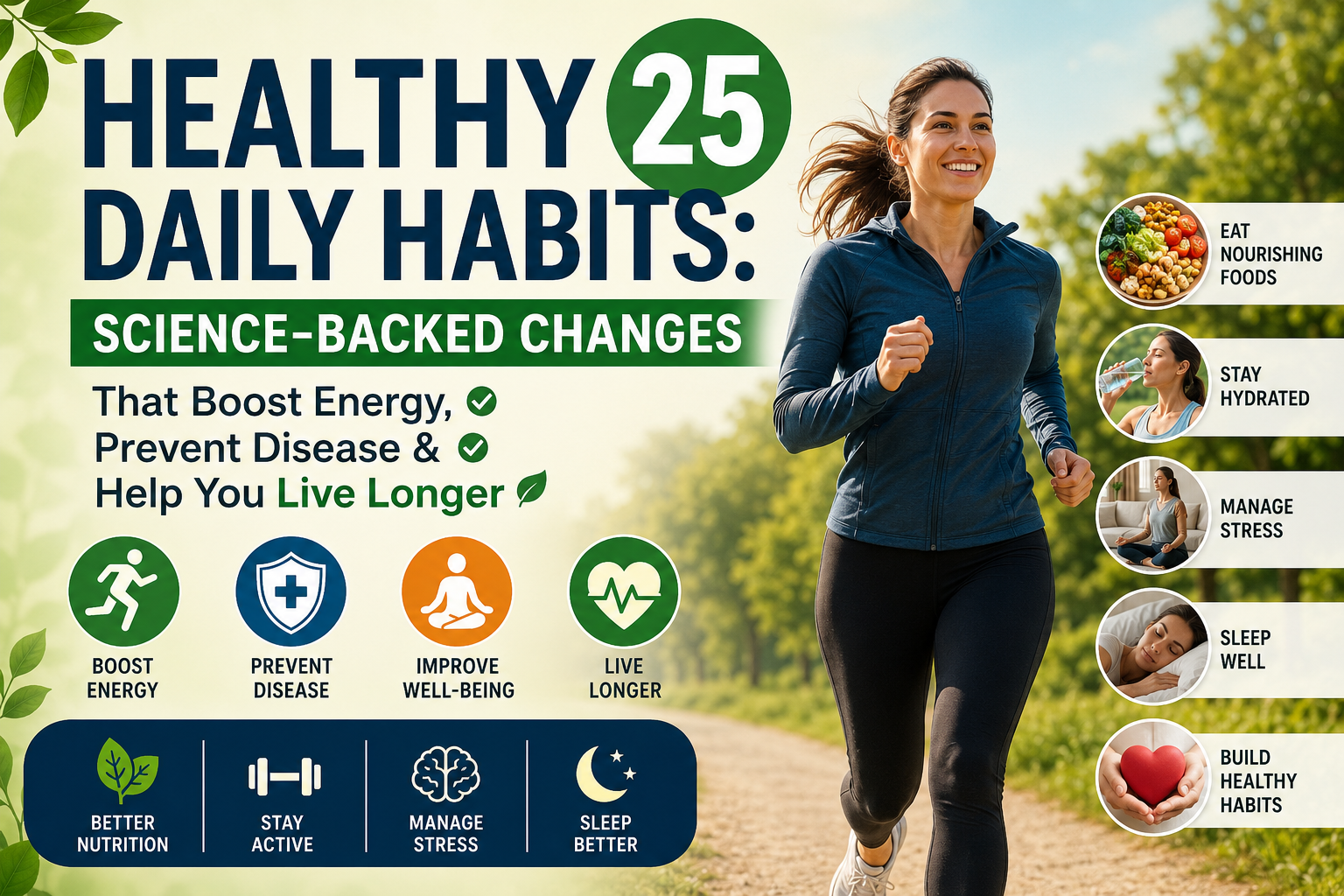
Healthy Daily Habits: 25 Science-Backed Changes That Boost Energy, Prevent Disease & Help You Live Longer
Daily Habits
Healthy Daily Habits are the foundation of a long, energetic, and fulfilling life. While many people search for quick fixes or miracle diets, research consistently shows that small, consistent actions practiced every day have the greatest impact on overall well-being. From improving heart health and brain function to reducing the risk of chronic diseases, simple habits can transform your health over time.
The good news is that you don’t need expensive supplements, complicated fitness programs, or extreme lifestyle changes to become healthier. Instead, focusing on evidence-based routines can help improve your physical, mental, and emotional well-being while making healthy living sustainable.
In this guide, you’ll discover 25 science-backed Healthy Daily Habits that support better health, boost natural energy, strengthen your immune system, improve sleep quality, and may even increase longevity. Each habit is practical, beginner-friendly, and supported by scientific research or established health recommendations. Whether your goal is preventing disease, maintaining a healthy weight, reducing stress, or simply feeling your best every day, these habits can help you build a healthier lifestyle one step at a time.
Why Healthy Daily Habits Matter
Healthy Daily Habits influence nearly every aspect of your health, including your heart, brain, digestive system, immune function, sleep quality, mood, and metabolism. Unlike temporary diets or short-term fitness challenges, daily habits become part of your lifestyle and continue delivering benefits for years. Scientific studies consistently show that healthy routines reduce the risk of chronic illnesses such as heart disease, type 2 diabetes, obesity, and certain cancers while improving overall quality of life.
Even small improvements can create a powerful “compound effect.” Drinking enough water, walking regularly, eating balanced meals, and managing stress may seem simple, but together they significantly improve long-term health outcomes.
The Science Behind Daily Habits
Habits are behaviors repeated consistently until they become automatic. Neuroscience shows that repeated actions strengthen neural pathways in the brain, making healthy behaviors easier over time. Researchers have found that consistency is more important than perfection when building a healthy lifestyle.
Science-backed healthy habits also influence hormone balance, reduce chronic inflammation, improve metabolic health, and enhance immune function. Rather than focusing on dramatic changes, experts recommend making small improvements that can be maintained for months and years.
25 Science-Backed Healthy Daily Habits
1. Drink Enough Water Every Day
Hydration supports nearly every system in your body. Water helps regulate temperature, transport nutrients, lubricate joints, aid digestion, and maintain healthy skin. Even mild dehydration can reduce concentration, physical performance, and energy levels.
Aim for regular water intake throughout the day rather than waiting until you feel thirsty. Carrying a reusable water bottle and drinking water before meals are simple strategies that make hydration a consistent habit.
2. Eat More Fruits and Vegetables
Fruits and vegetables provide vitamins, minerals, antioxidants, fiber, and plant compounds that protect against chronic diseases. Eating a colorful variety supports immune health, heart health, digestive function, and healthy aging.
Try filling at least half your plate with vegetables during lunch and dinner while adding fresh fruit to breakfast or snacks. Frozen vegetables and fruits are nutritious alternatives when fresh produce isn’t available.
3. Prioritize Quality Sleep
Sleep is when your body repairs tissues, strengthens immunity, regulates hormones, and consolidates memory. Adults generally benefit from seven to nine hours of quality sleep each night.
Improve sleep by maintaining a regular bedtime, limiting caffeine late in the day, reducing screen time before bed, and creating a cool, dark sleeping environment.
4. Move Your Body Every Day
Daily movement improves cardiovascular health, strengthens muscles, supports joint mobility, enhances mood, and reduces disease risk. Physical activity doesn’t always require a gym membership.
Simple activities like brisk walking, cycling, gardening, dancing, or climbing stairs can contribute to better health. Even short movement breaks during work hours help reduce prolonged sitting.
5. Eat Enough Protein
Protein helps maintain muscle mass, supports metabolism, strengthens the immune system, and keeps you feeling full longer. Include quality protein sources throughout the day such as beans, lentils, eggs, fish, poultry, dairy, tofu, or nuts.
Balancing protein intake across meals may improve energy levels and support healthy aging.
6. Limit Ultra-Processed Foods
Ultra-processed foods often contain excess sugar, unhealthy fats, sodium, and artificial additives while providing little nutritional value. Frequent consumption has been associated with obesity, cardiovascular disease, and metabolic disorders.
Instead, choose minimally processed whole foods whenever possible, including whole grains, legumes, vegetables, fruits, lean proteins, and healthy fats.
7. Practice Mindful Eating
Mindful eating encourages paying attention to hunger, fullness, taste, and eating pace. Many people overeat because they eat quickly or while distracted by phones or television.
Eating slowly improves digestion, increases meal satisfaction, and helps prevent unnecessary calorie intake.
8. Walk After Meals
Taking a short walk after eating helps regulate blood sugar levels, supports digestion, and increases daily physical activity. Even a 10 to 15-minute walk after lunch or dinner provides measurable health benefits.
This simple routine is particularly helpful for people aiming to improve metabolic health or maintain a healthy weight.
9. Reduce Added Sugar
Excess added sugar contributes to weight gain, insulin resistance, tooth decay, and increased risk of chronic diseases. Many sugary beverages, desserts, breakfast cereals, and packaged snacks contain more sugar than people realize.
Choose naturally sweet foods like fruit, read nutrition labels carefully, and gradually reduce sugar intake to make healthier choices sustainable.
10. Strength Train Regularly
Strength training improves bone density, muscle mass, metabolism, balance, and functional independence as you age. It also reduces the risk of falls and supports healthy body composition.
Bodyweight exercises such as squats, push-ups, and lunges are excellent starting points for beginners.
11. Manage Daily Stress
Chronic stress negatively affects the immune system, sleep quality, digestion, and heart health. Developing healthy coping strategies is essential for long-term well-being.
Deep breathing exercises, meditation, yoga, journaling, spending time in nature, or talking with supportive friends can significantly reduce stress levels when practiced consistently.
12. Protect Your Mental Health
Mental health is equally important as physical health. Daily habits such as practicing gratitude, staying socially connected, limiting negative news consumption, and seeking support when needed contribute to emotional resilience.
Taking regular breaks during work and making time for enjoyable hobbies also supports overall well-being.
13. Eat More Fiber
Fiber improves digestion, supports gut bacteria, lowers cholesterol, stabilizes blood sugar, and helps maintain a healthy weight. Good sources include vegetables, fruits, legumes, oats, seeds, nuts, and whole grains.
Increasing fiber gradually while drinking enough water helps avoid digestive discomfort.
14. Spend Time Outdoors
Exposure to natural sunlight supports vitamin D production, regulates circadian rhythm, improves mood, and encourages physical activity. Spending time in parks or green spaces has also been associated with lower stress levels.
Even 20 to 30 minutes outdoors each day can positively impact physical and mental health.
15. Practice Good Hand Hygiene
Regular handwashing remains one of the simplest and most effective methods for preventing infections. Washing hands before meals, after using the restroom, and after touching public surfaces reduces the spread of harmful germs.
Good hygiene protects both individual and community health.
16. Maintain Healthy Relationships
Strong social connections are one of the most overlooked Healthy Daily Habits for long-term well-being. Research consistently shows that people with supportive relationships tend to experience lower stress levels, better mental health, improved immune function, and even longer life expectancy. Positive interactions also encourage healthier behaviors, such as staying physically active and maintaining balanced eating habits.
Make time each day to connect with family members, friends, or colleagues. A short phone call, meaningful conversation, or shared meal can strengthen relationships and improve emotional resilience. Building a supportive social network is an important part of a healthy lifestyle and contributes to both physical and mental health.
17. Practice Good Oral Hygiene
Your oral health is closely connected to your overall health. Brushing twice daily, flossing regularly, and scheduling routine dental checkups help prevent cavities, gum disease, and bad breath. Studies also suggest that poor oral health may increase the risk of heart disease, diabetes complications, and other chronic conditions.
Choose a soft-bristled toothbrush, use fluoride toothpaste, and replace your toothbrush every three to four months. Limiting sugary foods and drinks further supports healthy teeth and gums. Consistent oral care is a simple habit with lifelong benefits.
18. Limit Screen Time
Technology is a valuable part of modern life, but excessive screen time can negatively affect sleep, posture, eye health, productivity, and mental well-being. Spending long hours on digital devices is also associated with reduced physical activity and increased sedentary behavior.
Set healthy boundaries by taking regular screen breaks, using the 20-20-20 rule for eye comfort, and avoiding screens at least one hour before bedtime. Replacing some screen time with reading, exercise, or outdoor activities supports healthier daily routines.
19. Stretch Every Day
Daily stretching improves flexibility, posture, circulation, joint mobility, and muscle recovery. It can also reduce stiffness caused by prolonged sitting and decrease the likelihood of minor injuries during physical activity.
Spend five to ten minutes stretching major muscle groups each morning or after exercise. Gentle stretching combined with controlled breathing can also promote relaxation and reduce stress, making it an excellent addition to your daily healthy habits.
20. Cook More Meals at Home
Preparing meals at home gives you greater control over ingredients, portion sizes, cooking methods, and nutritional quality. Home-cooked meals typically contain less added sugar, sodium, and unhealthy fats compared with many restaurant or fast-food options.
Planning weekly meals, preparing ingredients in advance, and trying simple recipes make home cooking easier and more enjoyable. Over time, this habit supports healthier eating patterns and can also reduce food expenses.
21. Eat Healthy Fats
Healthy fats are essential for brain function, hormone production, nutrient absorption, and heart health. Foods such as avocados, nuts, seeds, olive oil, and fatty fish provide beneficial unsaturated fats that support overall wellness.
Instead of eliminating fat entirely, focus on replacing saturated and trans fats with healthier alternatives. A balanced diet that includes healthy fats contributes to better energy levels and supports long-term cardiovascular health.
22. Keep Learning New Skills
Keeping your brain active is an important component of science-backed healthy habits. Learning new skills challenges the brain, strengthens memory, improves cognitive flexibility, and may help reduce age-related cognitive decline.
You can stimulate your mind by reading books, learning a language, solving puzzles, taking online courses, or practicing a musical instrument. Continuous learning promotes personal growth while supporting lifelong brain health.
23. Avoid Smoking and Limit Alcohol
Avoiding tobacco products is one of the most effective ways to reduce the risk of heart disease, stroke, chronic lung disease, and many forms of cancer. Similarly, limiting alcohol intake lowers the risk of liver disease, certain cancers, and other health complications.
If you smoke, consider seeking professional support to quit. If you drink alcohol, do so in moderation according to your healthcare provider’s recommendations. Replacing these habits with healthier coping strategies can significantly improve long-term health outcomes.
24. Schedule Preventive Health Checkups
Preventive healthcare helps identify potential health issues before they become serious. Regular checkups, vaccinations, blood pressure monitoring, cholesterol testing, diabetes screening, and recommended cancer screenings contribute to early detection and better treatment outcomes.
Discuss your personal risk factors with your healthcare provider and follow age-appropriate screening recommendations. Preventive care complements other healthy habits for better health by ensuring problems are addressed early.
25. Stay Consistent, Not Perfect
One of the most important lessons in healthy living is that consistency matters more than perfection. Missing a workout, eating an unhealthy meal, or skipping a habit occasionally does not erase your progress. Long-term success comes from returning to healthy routines rather than giving up after small setbacks.
Focus on building habits you can realistically maintain for years instead of pursuing unrealistic goals. Small, sustainable improvements create meaningful health benefits over time and make healthy living enjoyable rather than stressful.
Common Mistakes That Prevent Healthy Living
Many people struggle to maintain healthy routines because they expect immediate results or attempt to change everything at once. Sustainable lifestyle improvements require patience, realistic expectations, and gradual progress. Avoiding common mistakes increases your chances of building habits that last.
Some of the most common mistakes include:
| Mistake | Better Approach |
| Skipping breakfast regularly | Eat a balanced meal if it fits your hunger and schedule |
| Drinking too little water | Carry a reusable water bottle |
| Sitting for long periods | Stand and move every hour |
| Following restrictive diets | Choose balanced, sustainable eating patterns |
| Sleeping inconsistently | Maintain a regular bedtime |
| Depending on motivation | Build routines and habits instead |
| Ignoring stress | Practice relaxation techniques daily |
| Setting unrealistic goals | Start with one or two habits at a time |
How to Build Healthy Habits That Last
Creating lasting habits requires more than motivation. Behavioral science suggests that successful habits are built through repetition, environmental cues, and achievable goals. Rather than trying to transform your lifestyle overnight, focus on making one small improvement at a time.
A practical habit-building strategy includes:
- Start with one habit instead of several.
- Attach the new habit to an existing routine.
- Make the habit simple and achievable.
- Track your progress consistently.
- Celebrate small wins.
- Prepare for setbacks without giving up.
- Adjust your routine as your lifestyle changes.
- Stay patient and focus on long-term consistency.
Over time, these small actions become automatic, making healthy living feel natural rather than difficult.
Comparison Table: Healthy Habits and Their Benefits
| Healthy Daily Habit | Primary Benefit | Long-Term Impact |
| Drinking water | Better hydration | Improved energy and kidney health |
| Eating vegetables | Higher nutrient intake | Reduced chronic disease risk |
| Quality sleep | Physical recovery | Better immunity and brain health |
| Daily exercise | Improved fitness | Lower heart disease risk |
| Strength training | Muscle preservation | Healthy aging |
| Stress management | Reduced cortisol | Better mental health |
| Mindful eating | Portion control | Healthy weight management |
| Walking after meals | Blood sugar control | Improved metabolic health |
| Stretching | Better flexibility | Reduced injury risk |
| Preventive checkups | Early disease detection | Improved long-term health |
Healthy Daily Habit Checklist
Use this simple checklist to build consistency:
- ✅ Drink enough water.
- ✅ Eat vegetables with every main meal.
- ✅ Include a source of protein at each meal.
- ✅ Walk for at least 30 minutes.
- ✅ Stretch for 5–10 minutes.
- ✅ Sleep 7–9 hours.
- ✅ Practice gratitude or mindfulness.
- ✅ Limit added sugar.
- ✅ Spend time outdoors.
- ✅ Connect with someone you care about.
- ✅ Read or learn something new.
- ✅ Maintain good oral hygiene.
- ✅ Take movement breaks throughout the day.
- ✅ Prepare nutritious meals at home when possible.
- ✅ Stay consistent with your healthy routine.
Frequently Asked Questions (FAQs)
1. What are healthy daily habits?
Healthy daily habits are consistent behaviors that support physical, mental, and emotional well-being. Examples include eating nutritious foods, staying hydrated, exercising regularly, getting enough sleep, managing stress, and maintaining positive relationships. Practicing these habits consistently can improve quality of life and reduce the risk of chronic diseases over time.
2. Why are healthy habits important?
Healthy habits help maintain normal body function, improve immunity, increase energy, and support mental health. They also reduce the likelihood of developing lifestyle-related illnesses such as heart disease, obesity, and type 2 diabetes. Building healthy routines today can provide long-term health benefits throughout life.
3. How can I build healthy habits successfully?
Start with one small habit, make it easy to perform, and repeat it consistently. Linking new behaviors to existing routines, tracking progress, and celebrating small achievements improve success rates. Remember that lasting change comes from consistency rather than perfection.
4. Which healthy habit should beginners start with?
Hydration, daily walking, eating more vegetables, and maintaining a regular sleep schedule are excellent starting points. These habits are simple, inexpensive, and supported by strong scientific evidence. Once they become routine, additional healthy behaviors can be added gradually.
5. Do healthy habits improve mental health?
Yes. Regular exercise, quality sleep, healthy nutrition, stress management, social interaction, and mindfulness all contribute to improved mood and emotional well-being. These habits can also help reduce stress and support overall psychological resilience.
Key Takeaways
- Small daily actions produce significant long-term health benefits.
- Consistency is more important than perfection.
- Hydration, nutrition, exercise, and sleep form the foundation of good health.
- Strength training and walking support healthy aging.
- Stress management is essential for physical and mental well-being.
- Preventive healthcare helps detect problems early.
- Strong social relationships positively influence longevity.
- Home-cooked meals improve nutritional quality.
- Healthy habits are easier to maintain when introduced gradually.
- Sustainable lifestyle changes outperform quick fixes.
Conclusion
Building a healthier life does not require dramatic transformations or expensive wellness programs. Instead, the greatest improvements often come from practicing Healthy Daily Habits consistently over time. Simple actions such as drinking enough water, eating nutritious foods, moving your body, sleeping well, managing stress, maintaining strong relationships, and scheduling preventive health checkups create a solid foundation for lifelong wellness.
Remember that no one follows every healthy habit perfectly every day. Progress is built through small, repeated actions that become part of your daily routine. Focus on adding one new habit at a time, celebrate your achievements, and continue improving gradually.
At PureWellLife, we believe sustainable wellness begins with practical, evidence-based choices that fit into everyday life. Start with one healthy habit today, stay consistent, and you’ll be investing in more energy, better health, disease prevention, and a longer, more fulfilling life. Explore more science-backed health and wellness guides at purewelllife.com to continue your journey toward a healthier future.