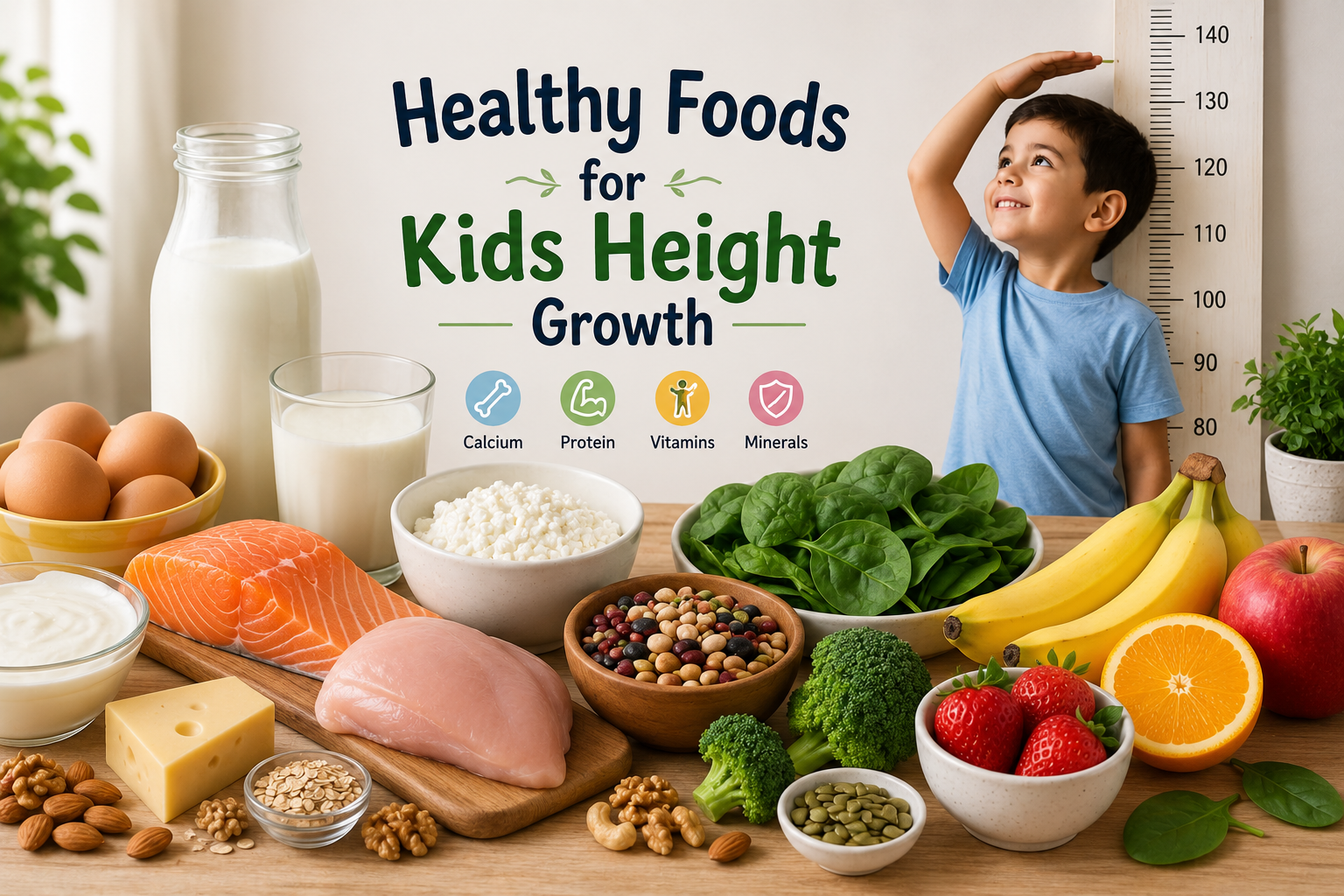
Supporting Your Child’s Natural Height Growth
Every parent wants to see their child grow healthy and strong. While genetics play the biggest role in determining a child’s height, proper nutrition, regular physical activity, quality sleep, and overall health help children reach their full growth potential. Many parents search for foods to increase child’s height naturally, hoping to find safe and effective ways to support healthy development.
The truth is that no single food can magically make a child taller. However, a balanced diet rich in essential nutrients like protein, calcium, vitamin D, zinc, and magnesium supports bone development, healthy muscles, and growing tissues. In this guide, you’ll discover the best foods for child height growth, the nutrients that matter most, and simple dietary habits that can help your child grow in a healthy way.
Why Nutrition Is Important for Child Height Growth
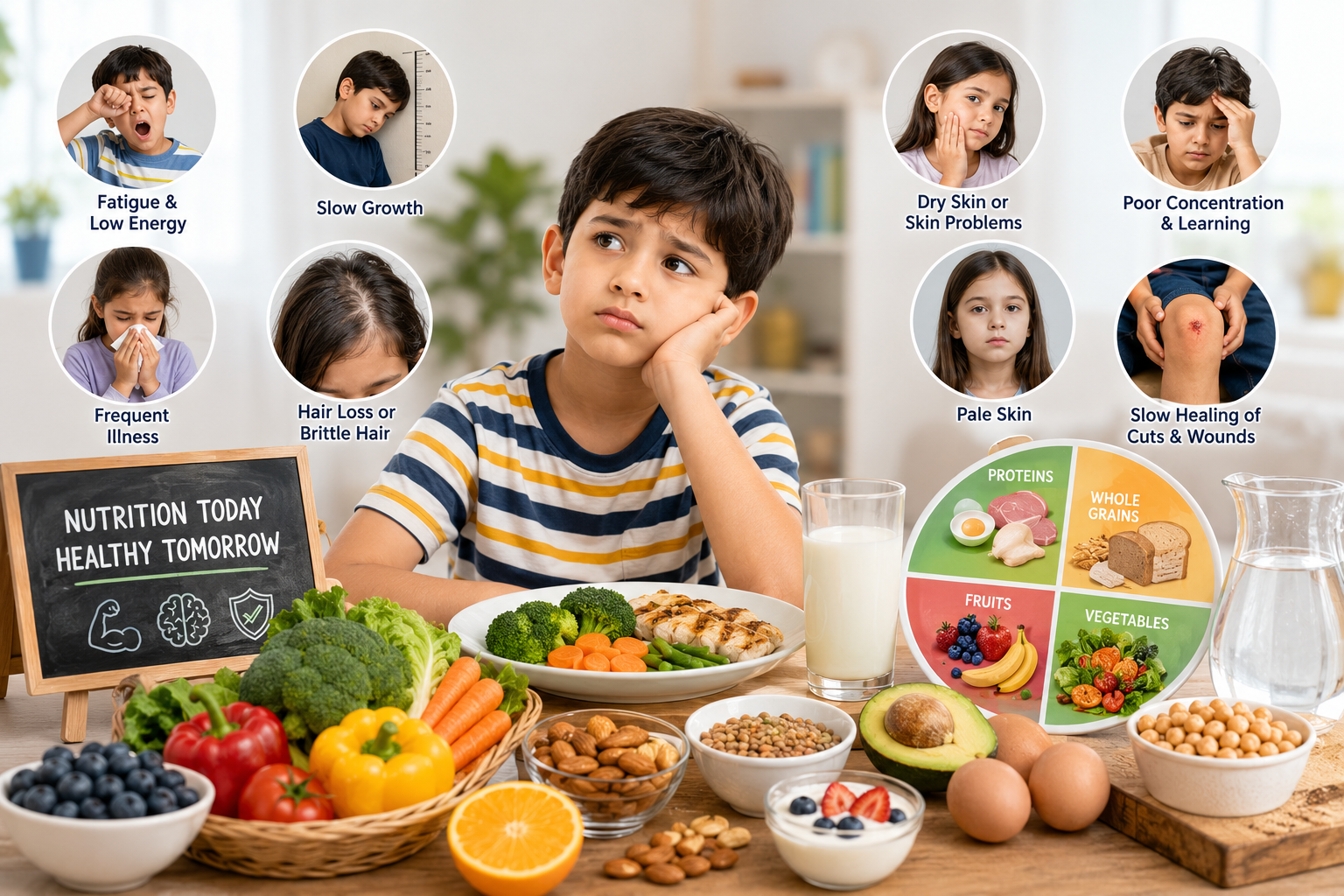
Good nutrition provides the building blocks needed for healthy growth during childhood and adolescence. Bones, muscles, and tissues require a steady supply of vitamins, minerals, and protein to develop properly. When children consume a balanced diet, their bodies are better equipped to support normal growth and overall health.
Although nutrition cannot change a child’s genetic height, it can help prevent nutrient deficiencies that may slow growth. Combining child growth nutrition with regular exercise and adequate sleep gives children the best opportunity to reach their natural height potential.
Essential Nutrients That Support Healthy Growth
Before looking at specific foods, it’s important to understand which nutrients contribute to nutrition for height growth. Each nutrient has a unique role in supporting strong bones, healthy muscles, and proper child development.
Protein
Protein is essential for building muscles, repairing tissues, and supporting overall growth. Children should consume protein-rich foods every day to meet their growing body’s needs.
Good sources include:
- Eggs
- Chicken
- Fish
- Lentils
- Beans
- Milk
- Yogurt
Calcium and Vitamin D
Calcium strengthens bones, while Vitamin D helps the body absorb calcium efficiently. These nutrients work together to support healthy bone growth throughout childhood.
Excellent sources include:
- Milk
- Cheese
- Yogurt
- Fortified dairy products
- Fatty fish
- Sunlight exposure (for Vitamin D)
Zinc, Magnesium, and Iron
These minerals support cell growth, bone development, and overall child health. A deficiency may affect normal growth and energy levels.
Healthy food sources include:
- Nuts and seeds
- Whole grains
- Green leafy vegetables
- Beans
- Lentils
- Lean meat
10 Best Foods to Increase Your Child’s Height Naturally
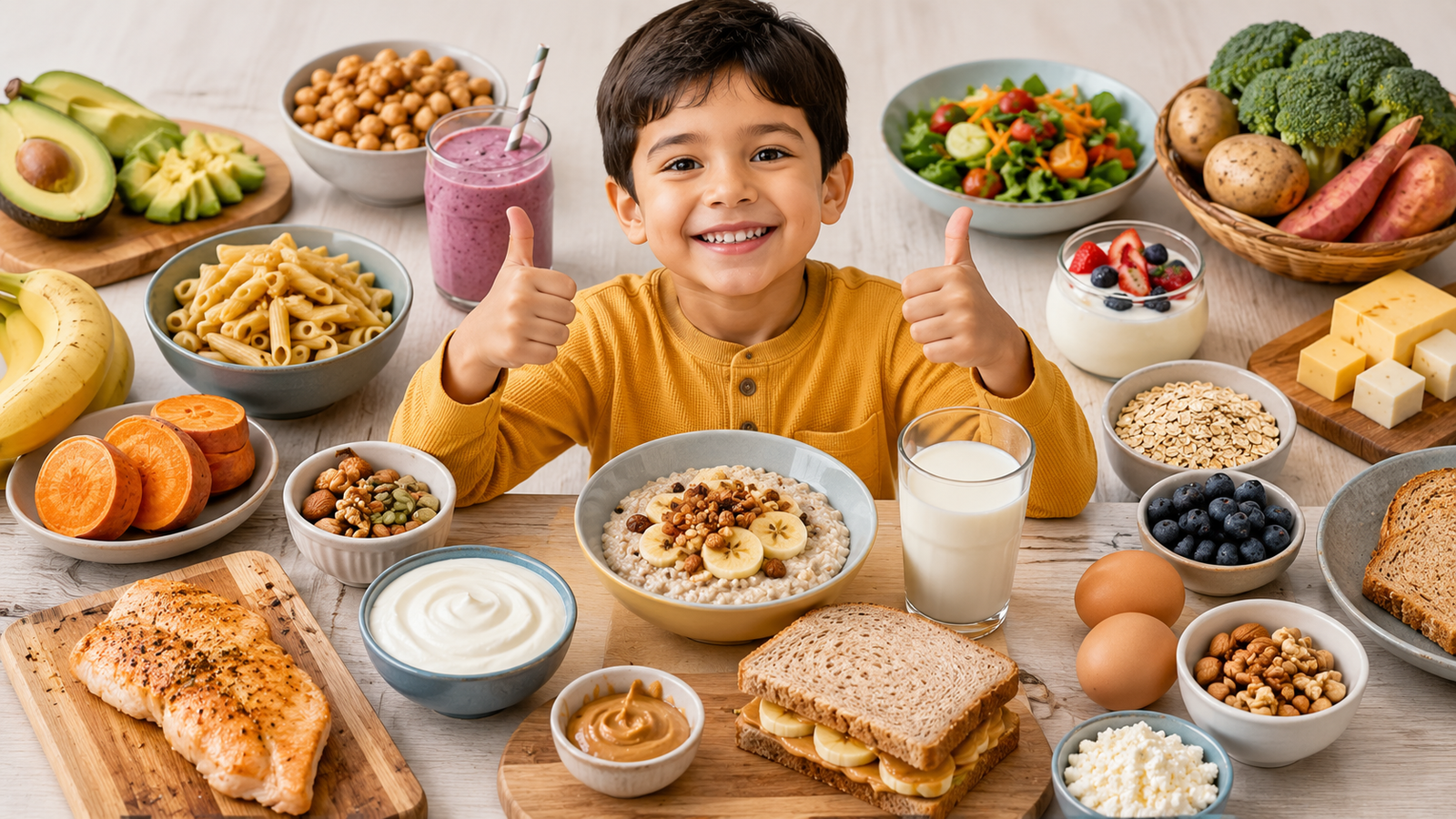
The following foods are rich in nutrients that support healthy growth and bone development. Including a variety of these foods in your child’s daily diet can help provide the vitamins and minerals needed for healthy development.
1. Eggs
Eggs are one of the best height growth foods for kids because they provide high-quality protein, Vitamin D, healthy fats, and essential amino acids. These nutrients support muscle development and healthy bone growth while helping children stay energetic throughout the day.
Serving eggs as breakfast or part of a balanced meal is an easy way to improve your child’s protein intake.
2. Milk
Milk is an excellent source of calcium, protein, phosphorus, and Vitamin B12. It helps build strong bones and supports overall growth during childhood.
Children who tolerate dairy products can benefit from drinking milk regularly as part of a balanced child growth diet plan.
3. Yogurt
Yogurt contains calcium, protein, probiotics, and several vitamins that support healthy digestion and nutrient absorption. Better digestion allows the body to utilize nutrients more efficiently for healthy growth.
Choose plain or low-sugar yogurt and pair it with fresh fruits for a nutritious snack.
4. Fish
Fatty fish such as salmon and sardines are rich in protein, Vitamin D, and Omega-3 fatty acids. These nutrients support bone strength, brain development, and overall health.
Including fish once or twice a week can be a healthy addition to your child’s balanced diet.
5. Green Leafy Vegetables
Spinach, kale, fenugreek leaves, and other green leafy vegetables are packed with calcium, iron, magnesium, and antioxidants. They support healthy bones while contributing to overall child development.
Parents can add finely chopped vegetables to soups, parathas, sandwiches, or smoothies to make them more appealing to children.
Healthy Habits That Support Height Growth
Healthy eating alone is not enough to support a child’s full growth potential. A combination of good nutrition and healthy lifestyle habits creates the best environment for normal growth and development.
Encourage your child to:
- Sleep for the recommended number of hours each night.
- Stay physically active through outdoor games or sports.
- Maintain a healthy body weight.
- Drink enough water throughout the day.
- Avoid excessive junk food and sugary drinks.
These habits complement a nutritious diet and contribute to better overall health.
10 Best Foods to Increase Your Child’s Height Naturally (Continued)
6. Chicken
Chicken is a rich source of high-quality protein, which is essential for muscle development, tissue repair, and healthy growth. It also contains important nutrients like vitamin B12, phosphorus, and selenium that support overall child development. Including lean chicken in your child’s meals a few times a week can help meet their daily protein needs as part of a balanced height increasing diet for children.
7. Lentils and Beans
Lentils, chickpeas, kidney beans, and other legumes are excellent plant-based sources of protein, iron, zinc, and fiber. These nutrients help support healthy growth, improve energy levels, and contribute to strong bones and muscles. They are also an affordable and nutritious option for vegetarian families looking to improve child growth nutrition.
8. Nuts and Seeds
Almonds, walnuts, pumpkin seeds, chia seeds, and flaxseeds provide healthy fats, protein, magnesium, zinc, and essential minerals that support bone development and overall health. Offer nuts in age-appropriate forms to younger children to reduce choking risks, or add crushed nuts and seeds to smoothies, yogurt, or oatmeal.
9. Whole Grains
Whole grains such as oats, brown rice, whole wheat, quinoa, and millets provide complex carbohydrates, B vitamins, fiber, and important minerals. They supply steady energy for active children while supporting overall growth and development. Replacing refined grains with whole grains is a simple way to improve your child’s daily nutrition.
10. Fresh Fruits
Fresh fruits like oranges, bananas, apples, berries, guava, and papaya are packed with vitamins, antioxidants, and natural fiber. Vitamin C-rich fruits also help the body absorb iron more effectively, supporting healthy tissues and immunity. Including a variety of colorful fruits every day ensures children receive a wide range of nutrients needed for healthy growth.
Foods to Limit for Healthy Growth
While nutritious foods support healthy development, certain eating habits may reduce the overall quality of your child’s diet. Highly processed foods are often high in sugar, unhealthy fats, and sodium but low in essential nutrients.
Try to limit:
- Sugary soft drinks
- Packaged snacks
- Fast food
- Deep-fried foods
- Excess sweets and candies
- Highly processed foods
These foods should be occasional treats rather than everyday choices. Replacing them with nutrient-rich meals helps support healthy foods for kids and overall well-being.
Healthy Growth Checklist for Parents
Supporting your child’s growth is about building healthy daily habits, not relying on a single “height-boosting” food.
✔ Serve balanced meals with protein, fruits, vegetables, and whole grains.
✔ Include calcium-rich foods every day.
✔ Encourage outdoor play and regular physical activity.
✔ Make sure your child gets enough sleep for their age.
✔ Schedule regular pediatric checkups to monitor growth and development.
Frequently Asked Questions
1. Can food really increase a child’s height naturally?
No single food can directly increase a child’s height. Genetics plays the biggest role, while proper nutrition helps children reach their natural growth potential. A balanced diet rich in protein, calcium, vitamin D, zinc, and other nutrients supports healthy bone and muscle development.
2. Which nutrient is most important for height growth?
Protein is one of the most important nutrients because it helps build muscles and body tissues. However, calcium, vitamin D, zinc, magnesium, and iron also play essential roles in bone health and overall child development. A balanced diet is more beneficial than focusing on one nutrient alone.
3. At what age do children grow the most?
Children experience rapid growth during infancy and again during puberty. Growth patterns vary from one child to another and depend on genetics, nutrition, overall health, and hormonal changes. Regular health checkups help ensure your child is growing appropriately.
4. Does drinking milk make children taller?
Milk supports healthy bone development because it contains calcium, protein, and several vitamins. While it cannot make a child taller by itself, it contributes to a balanced diet that supports normal growth and strong bones.
5. When should parents consult a pediatrician about height?
Parents should consult a pediatrician if their child shows significantly slower growth than expected, has poor weight gain, or falls well below the normal growth curve for their age. A healthcare professional can assess growth patterns and identify any underlying nutritional or medical concerns.
Also Read :Heart Disease Prevention: 10 Proven Ways to Stay Healthy
Key Takeaways
- Genetics largely determines a child’s height, but good nutrition supports healthy growth.
- Include protein-rich foods, dairy products, fruits, vegetables, and whole grains in daily meals.
- Calcium, vitamin D, zinc, magnesium, and iron are essential for bone development.
- Encourage regular physical activity and adequate sleep alongside a healthy diet.
- Limit processed foods, sugary drinks, and unhealthy snacks.
- Monitor your child’s growth through regular pediatric checkups.
- Focus on long-term healthy habits instead of quick fixes or height-boosting myths.
Helping Your Child Reach Their Full Growth Potential
Every child grows at their own pace, and height is influenced by many factors, especially genetics. While no food can guarantee a taller height, providing a balanced diet rich in essential nutrients gives your child the best opportunity to achieve their natural growth potential. Pair healthy eating with regular exercise, sufficient sleep, and routine medical checkups to support overall development. By focusing on consistent, healthy habits rather than miracle solutions, you can help your child build strong bones, maintain good health, and grow with confidence.