Early Signs of High Blood Pressure
High blood pressure, also known as hypertension, is often called the “silent killer” because it usually develops without noticeable symptoms. Many people live with high blood pressure for years without realizing it, while the condition quietly damages the heart, blood vessels, kidneys, brain, and eyes.
Although hypertension may not always cause obvious warning signs, recognizing potential early symptoms and understanding your risk factors can help you seek medical attention before serious complications occur. Early diagnosis and healthy lifestyle changes play a crucial role in protecting long-term health.
What Is High Blood Pressure?
Blood pressure is the force of blood pushing against the walls of your arteries as your heart pumps. When this pressure remains consistently higher than normal, it is known as high blood pressure or hypertension.
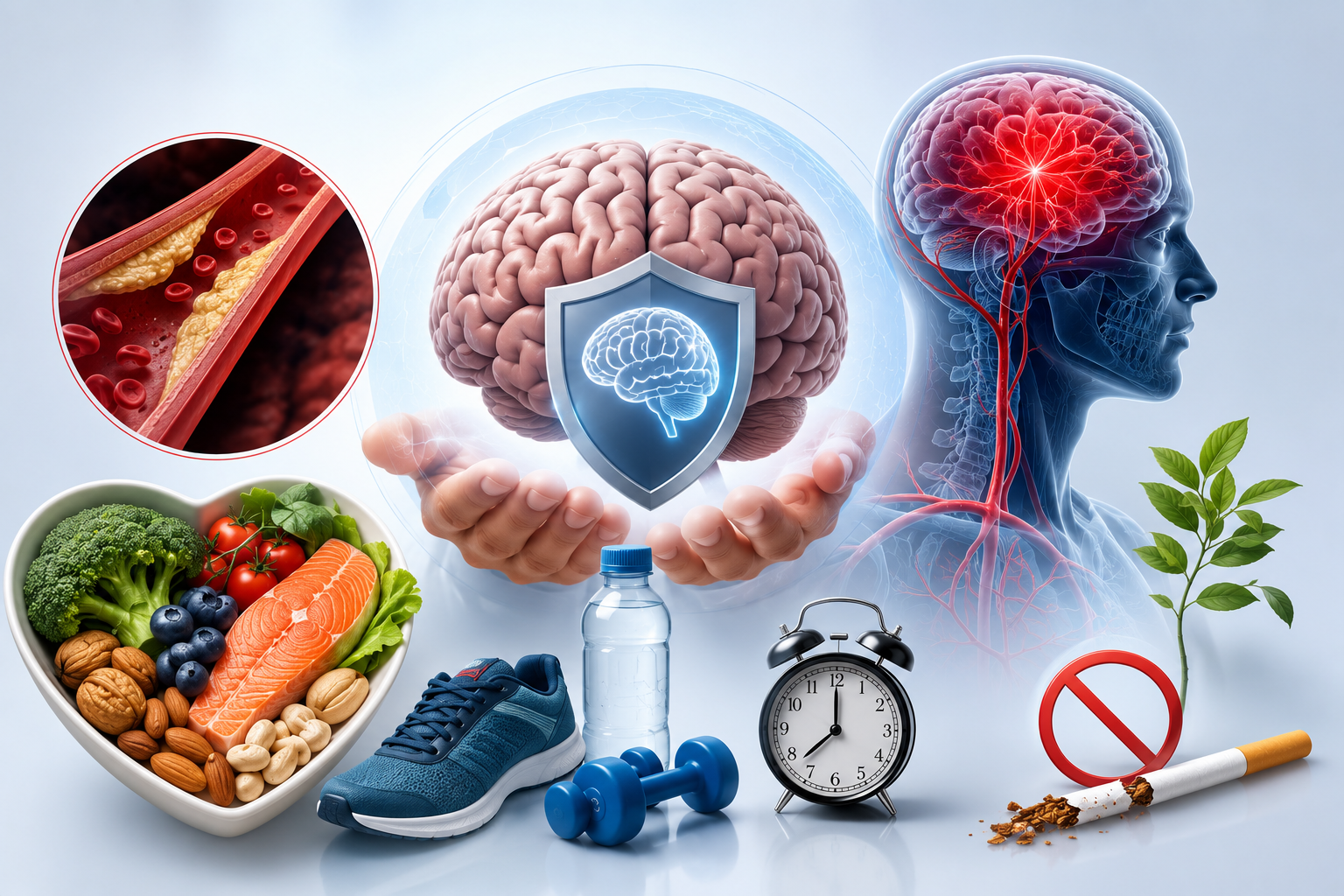
If left untreated, hypertension increases the risk of:
- Heart disease
- Stroke
- Kidney disease
- Vision loss
- Heart failure
- Cognitive decline
Regular blood pressure monitoring is the only reliable way to know whether your blood pressure is within a healthy range.
Why High Blood Pressure Is Called the Silent Killer
Unlike many other medical conditions, high blood pressure often causes no symptoms during its early stages. Damage to blood vessels and vital organs may continue for years without noticeable warning signs.
Many people only discover they have hypertension during a routine health checkup or after developing a serious complication.
For this reason, regular blood pressure screenings are recommended even if you feel completely healthy.
Possible Early Signs of High Blood Pressure
Although many individuals experience no symptoms, some people may notice warning signs when blood pressure becomes significantly elevated.
1. Frequent Headaches
Persistent headaches, particularly in the morning, may sometimes occur with very high blood pressure. However, headaches alone do not always indicate hypertension and should not be used as the only sign.
If headaches become severe or occur with other concerning symptoms, seek medical evaluation.
2. Dizziness or Lightheadedness
Some individuals may experience dizziness or a feeling of lightheadedness. While dizziness has many possible causes, it should never be ignored if accompanied by other symptoms such as chest pain or vision changes.
3. Blurred Vision
High blood pressure can damage the tiny blood vessels in the eyes, leading to blurred vision or changes in eyesight.
Regular eye examinations can help detect blood vessel damage related to hypertension.
4. Shortness of Breath
Difficulty breathing during routine activities or mild exertion may occur when hypertension begins affecting the heart or blood vessels.
Shortness of breath should always be evaluated by a healthcare professional, especially if it develops suddenly.
5. Nosebleeds
Although occasional nosebleeds are common and often harmless, frequent or severe nosebleeds may sometimes occur in people with significantly elevated blood pressure.
However, nosebleeds alone are not considered a reliable indicator of hypertension.
6. Chest Pain
Chest pain may occur when high blood pressure begins affecting the heart. It can be a sign of reduced blood flow to the heart muscle or another serious cardiovascular condition.
Chest pain should never be ignored. Seek immediate medical attention, especially if it is accompanied by shortness of breath, sweating, nausea, or pain spreading to the arm, shoulder, jaw, or back.
7. Fatigue or Weakness
Some people with uncontrolled high blood pressure may feel unusually tired or weak. This may happen because the heart has to work harder to pump blood throughout the body.
Although fatigue has many possible causes, persistent tiredness should be discussed with a healthcare professional.
8. Irregular Heartbeat
An unusually fast, slow, or irregular heartbeat may occur in some individuals with hypertension or related heart conditions.
If you notice frequent palpitations or an irregular pulse, seek medical evaluation to determine the underlying cause.
9. Confusion or Difficulty Concentrating
Very high blood pressure can reduce normal brain function, leading to confusion, difficulty concentrating, or problems with memory.
These symptoms require prompt medical attention, particularly if they appear suddenly.
10. Blood in Urine
Long-term uncontrolled high blood pressure may damage the kidneys, sometimes causing blood in the urine or other signs of reduced kidney function.
Blood in the urine should always be evaluated by a healthcare provider.
Who Is at Higher Risk?
Several factors increase the likelihood of developing high blood pressure.
Lifestyle Risk Factors
- Smoking or tobacco use
- Physical inactivity
- Excess body weight
- High-sodium diet
- Excessive alcohol consumption
- Chronic stress
- Poor sleep habits
Medical and Family Risk Factors
- Family history of hypertension
- Diabetes
- High cholesterol
- Kidney disease
- Increasing age
- Obstructive sleep apnea
Having one or more risk factors does not guarantee hypertension, but it does increase the importance of regular blood pressure monitoring.
How to Prevent High Blood Pressure
Eat a Heart-Healthy Diet
Choose meals rich in fruits, vegetables, whole grains, lean proteins, beans, nuts, seeds, and low-fat dairy products. Reduce foods high in salt, saturated fat, and added sugars.
Exercise Regularly
Aim for at least 150 minutes of moderate-intensity physical activity each week. Walking, cycling, swimming, jogging, and strength training all support healthy blood pressure.
Maintain a Healthy Weight
Losing even a small amount of excess weight can significantly lower blood pressure and improve heart health.
Reduce Salt Intake
Consuming too much sodium can increase blood pressure. Read food labels carefully and choose fresh foods whenever possible instead of highly processed meals.
Manage Stress
Practice relaxation techniques such as meditation, deep breathing, yoga, or spending time outdoors to help reduce stress and support heart health.
Monitor Your Blood Pressure
Regular blood pressure checks are one of the most effective ways to detect hypertension early. Home blood pressure monitors can also help track readings between medical visits when recommended by your healthcare provider.
Frequently Asked Questions
Can high blood pressure exist without symptoms?
Yes. Most people with high blood pressure experience no noticeable symptoms, which is why regular blood pressure screenings are essential.
What is considered normal blood pressure?
For most adults, a blood pressure reading below 120/80 mmHg is generally considered within the normal range. Your healthcare provider can interpret your readings based on your individual health.
Can stress temporarily raise blood pressure?
Yes. Stress can cause temporary increases in blood pressure. Chronic stress may also contribute to unhealthy habits that increase long-term hypertension risk.
Can diet help lower blood pressure?
Yes. A diet rich in fruits, vegetables, whole grains, lean proteins, and low-fat dairy while limiting sodium and processed foods can support healthy blood pressure.
When should I seek emergency medical care?
Seek emergency medical attention immediately if you experience extremely high blood pressure along with severe headache, chest pain, shortness of breath, vision changes, confusion, weakness, or difficulty speaking, as these may indicate a hypertensive emergency or stroke.
Key Takeaways
- High blood pressure is often called the “silent killer” because it frequently develops without symptoms.
- Regular blood pressure monitoring is the most reliable way to detect hypertension early.
- Possible warning signs include headaches, dizziness, blurred vision, chest pain, shortness of breath, and fatigue, although many people experience no symptoms.
- Healthy eating, regular exercise, weight management, stress reduction, and limiting sodium help reduce hypertension risk.
- Early diagnosis and proper medical care can prevent serious complications such as heart disease, stroke, and kidney damage.
Conclusion
High blood pressure is one of the most common yet preventable health conditions worldwide. Because it often develops silently, routine blood pressure checks are essential for early detection and treatment. Understanding the possible warning signs, recognizing your personal risk factors, and adopting healthy lifestyle habits can greatly reduce your risk of serious complications.
By eating a balanced diet, staying physically active, maintaining a healthy weight, managing stress, avoiding tobacco, and attending regular health checkups, you can protect your heart, brain, kidneys, and overall well-being. Prevention and early action remain the most effective strategies for lifelong cardiovascular health.