Have you ever opened your refrigerator and wondered whether last night’s leftovers are still safe to eat? You’re not alone. Millions of people throw away perfectly good food because they’re unsure about storage times, while others unknowingly eat spoiled leftovers that may cause foodborne illness. Understanding How long can you keep cooked food is one of the most important food safety skills every household should learn.
Proper refrigeration and freezing not only protect your health but also reduce food waste, save money, and help preserve the flavor and nutritional quality of meals. However, storage time depends on several factors, including the type of food, how quickly it was cooled, the refrigerator temperature, and whether it has been frozen correctly.
This comprehensive guide explains safe refrigerator and freezing guidelines for cooked foods, recommended storage times, common mistakes to avoid, proper thawing methods, and expert food safety tips. Whether you’re meal prepping, storing leftovers, or planning weekly family meals, these evidence-based recommendations will help you keep your food fresh and safe for longer.
Why Proper Cooked Food Storage Matters
Cooked food remains vulnerable to bacterial growth after preparation. Although cooking destroys many harmful microorganisms, bacteria can multiply rapidly if food is left at unsafe temperatures. The temperature range between 5°C and 60°C (41°F–140°F) is commonly known as the “danger zone,” where harmful bacteria grow quickly.
Proper storage significantly reduces this risk. Refrigeration slows bacterial growth, while freezing stops bacterial growth almost completely. However, neither method can make spoiled food safe again. Safe storage practices begin immediately after cooking by cooling food promptly, storing it in clean containers, and maintaining the correct refrigerator and freezer temperatures.
Good food storage habits also help preserve taste, texture, and nutritional value while reducing unnecessary food waste. By following recommended storage timelines, families can enjoy leftovers confidently without compromising safety.
How Long Can You Keep Cooked Food in the Refrigerator?
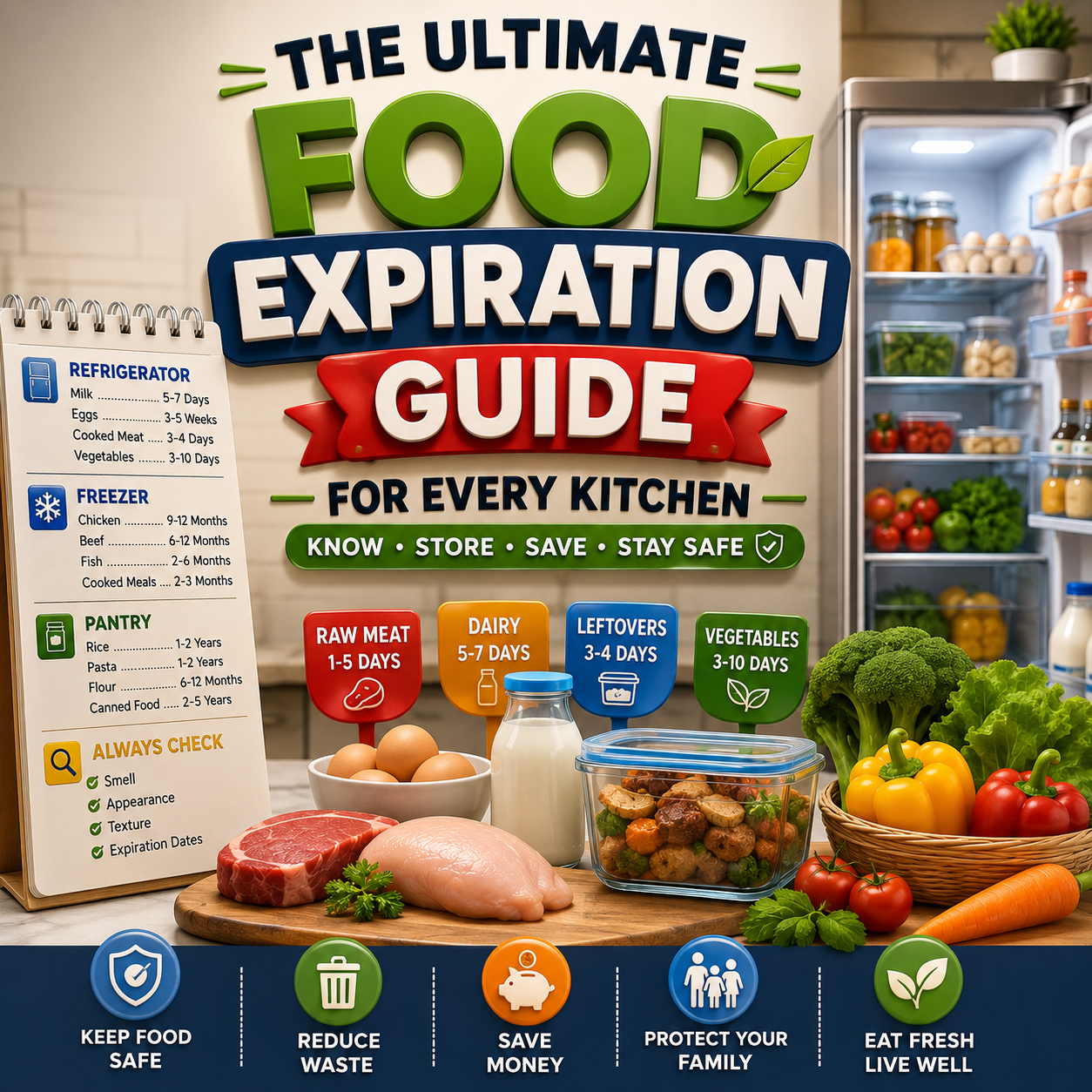
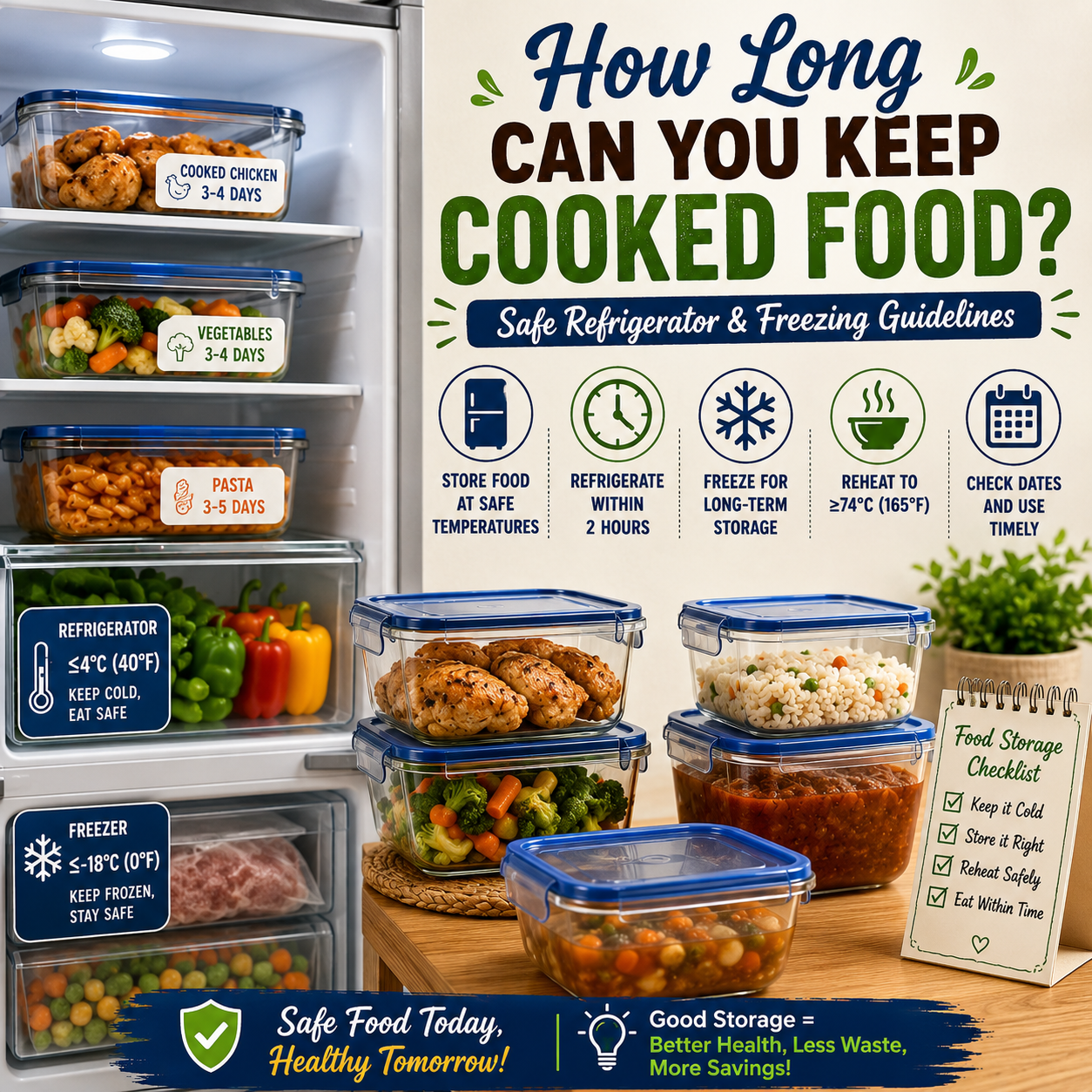
Most cooked foods remain safe in the refrigerator for 3 to 4 days when stored properly at or below 4°C (40°F). This general rule applies to cooked meats, poultry, seafood, vegetables, rice, pasta, casseroles, soups, and many homemade dishes. While some foods may still look or smell acceptable after four days, harmful bacteria may already have multiplied to unsafe levels.
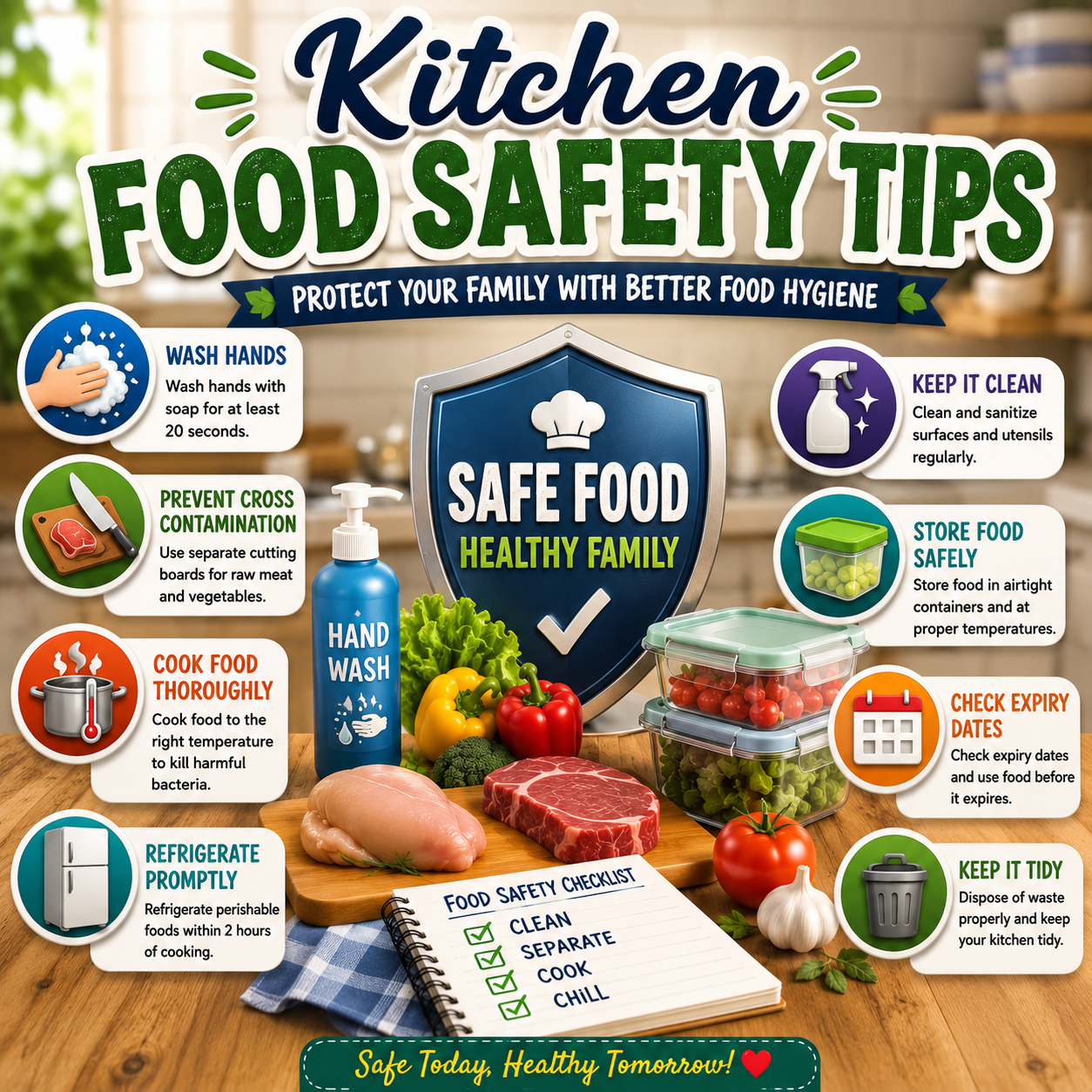
The storage countdown begins once the food has cooled and been placed in the refrigerator—not from the day it was cooked if it sat out for several hours. Leftovers should ideally be refrigerated within two hours of cooking, or within one hour if the surrounding temperature exceeds 32°C (90°F). Storing food promptly helps maintain quality and greatly reduces the risk of foodborne illness.
Safe Refrigerator Storage Times for Different Foods
Different foods have slightly different shelf lives because of their moisture content, ingredients, and susceptibility to bacterial growth. The following table provides practical guidance for commonly stored cooked foods. Always use clean, airtight containers and label leftovers with the storage date to avoid confusion.
| Cooked Food | Refrigerator | Freezer |
| Cooked chicken | 3–4 days | 2–6 months |
| Cooked turkey | 3–4 days | 2–6 months |
| Cooked beef | 3–4 days | 2–6 months |
| Cooked pork | 3–4 days | 2–3 months |
| Cooked fish | 3–4 days | 2–3 months |
| Shrimp | 3–4 days | 2–3 months |
| Cooked rice | 3–4 days | 1–2 months |
| Cooked pasta | 3–5 days | 1–2 months |
| Vegetable dishes | 3–4 days | 8–12 months |
| Soup | 3–4 days | 2–3 months |
| Stew | 3–4 days | 2–3 months |
| Casseroles | 3–4 days | 2–3 months |
| Pizza | 3–4 days | 1–2 months |
| Chili | 3–4 days | 4–6 months |
| Cooked beans | 3–5 days | 2–3 months |
How Temperature Affects Food Safety
Temperature is one of the most critical factors in food preservation. Refrigerators should consistently maintain a temperature of 4°C (40°F) or lower, while freezers should remain at −18°C (0°F) or below. Temperatures above these recommendations allow bacteria to multiply much faster, reducing the safe storage period of cooked foods.
Opening the refrigerator door frequently, overloading shelves, or placing hot food inside without allowing slight cooling can temporarily increase internal temperatures. Using a refrigerator thermometer provides a reliable way to ensure your appliance maintains food-safe conditions throughout the day. Even a few degrees above the recommended range can shorten the shelf life of leftovers and increase food safety risks.
Why Some Foods Spoil Faster Than Others
Not all cooked foods have the same storage life. Foods rich in moisture and protein—such as meat, seafood, poultry, dairy-based dishes, and cooked eggs—are particularly favorable environments for bacterial growth. On the other hand, foods with lower moisture levels or higher acidity generally keep slightly longer under refrigeration.
Mixed dishes like casseroles, creamy pasta, curries, and stews often contain multiple ingredients with different spoilage rates. Their storage time should always follow the ingredient that spoils the fastest. Paying attention to ingredient composition helps ensure leftovers remain both safe and enjoyable to eat.
Freezing Cooked Food Safely
Freezing is one of the best ways to extend the shelf life of cooked food while maintaining its safety and nutritional value. Unlike refrigeration, which only slows bacterial growth, freezing at −18°C (0°F) or below effectively stops bacterial growth. However, freezing does not kill all bacteria. Once frozen food is thawed, any surviving bacteria can become active again, making proper thawing and reheating just as important as proper freezing.
For the best quality, freeze cooked food as soon as it has cooled. Divide large portions into smaller meal-sized containers so they freeze quickly and thaw evenly. Use airtight freezer-safe containers or heavy-duty freezer bags to reduce freezer burn and preserve flavor. Always remove as much air as possible before sealing, and label every container with the name of the food and the freezing date. Organized freezer storage makes it easier to use older meals first and reduces unnecessary food waste.
Best Practices for Freezing Cooked Food
Freezing food correctly is about more than simply placing leftovers in the freezer. Proper preparation helps maintain texture, taste, and food safety over time. Cooling food quickly before freezing prevents excess moisture from forming ice crystals, which can damage the quality of the food.
Follow these best practices:
- Cool cooked food within two hours of cooking.
- Divide large meals into shallow containers.
- Use freezer-safe, airtight containers or freezer bags.
- Remove excess air before sealing bags.
- Label each package with the freezing date.
- Freeze foods in portions that can be used in one meal.
- Keep your freezer temperature at −18°C (0°F) or below.
- Avoid repeatedly thawing and refreezing food.
These simple habits help ensure frozen meals remain safe, flavorful, and easy to use.
Recommended Freezer Storage Times
Although frozen food remains safe indefinitely when continuously stored at the correct temperature, its quality gradually declines. Following recommended storage periods helps maintain the best flavor, texture, and nutritional value.
| Cooked Food | Best Freezer Storage Time |
| Cooked chicken | 2–6 months |
| Turkey | 2–6 months |
| Beef | 2–6 months |
| Pork | 2–3 months |
| Lamb | 2–3 months |
| Fish | 2–3 months |
| Shrimp | 2–3 months |
| Soups | 2–3 months |
| Stews | 2–3 months |
| Chili | 4–6 months |
| Cooked vegetables | 8–12 months |
| Rice | 1–2 months |
| Pasta | 1–2 months |
| Casseroles | 2–3 months |
| Pizza | 1–2 months |
| Cooked beans | 2–3 months |
These timeframes represent the period during which frozen foods typically retain their best quality. While food stored beyond these recommendations may still be safe if continuously frozen, changes in texture, flavor, and moisture may become noticeable.
Signs That Cooked Food Has Gone Bad
One of the biggest misconceptions about food safety is believing that spoiled food always has an obvious smell or appearance. In reality, many harmful bacteria do not change the look, taste, or odor of food. This is why following recommended storage times is more reliable than relying solely on your senses.
Still, some warning signs indicate that cooked food should be discarded immediately:
- Sour or unpleasant odor
- Mold growth
- Slimy or sticky surface
- Unusual discoloration
- Excess liquid or bubbling
- Swollen or leaking containers
- Dry, heavily freezer-burned appearance affecting quality
- Storage beyond recommended time limits
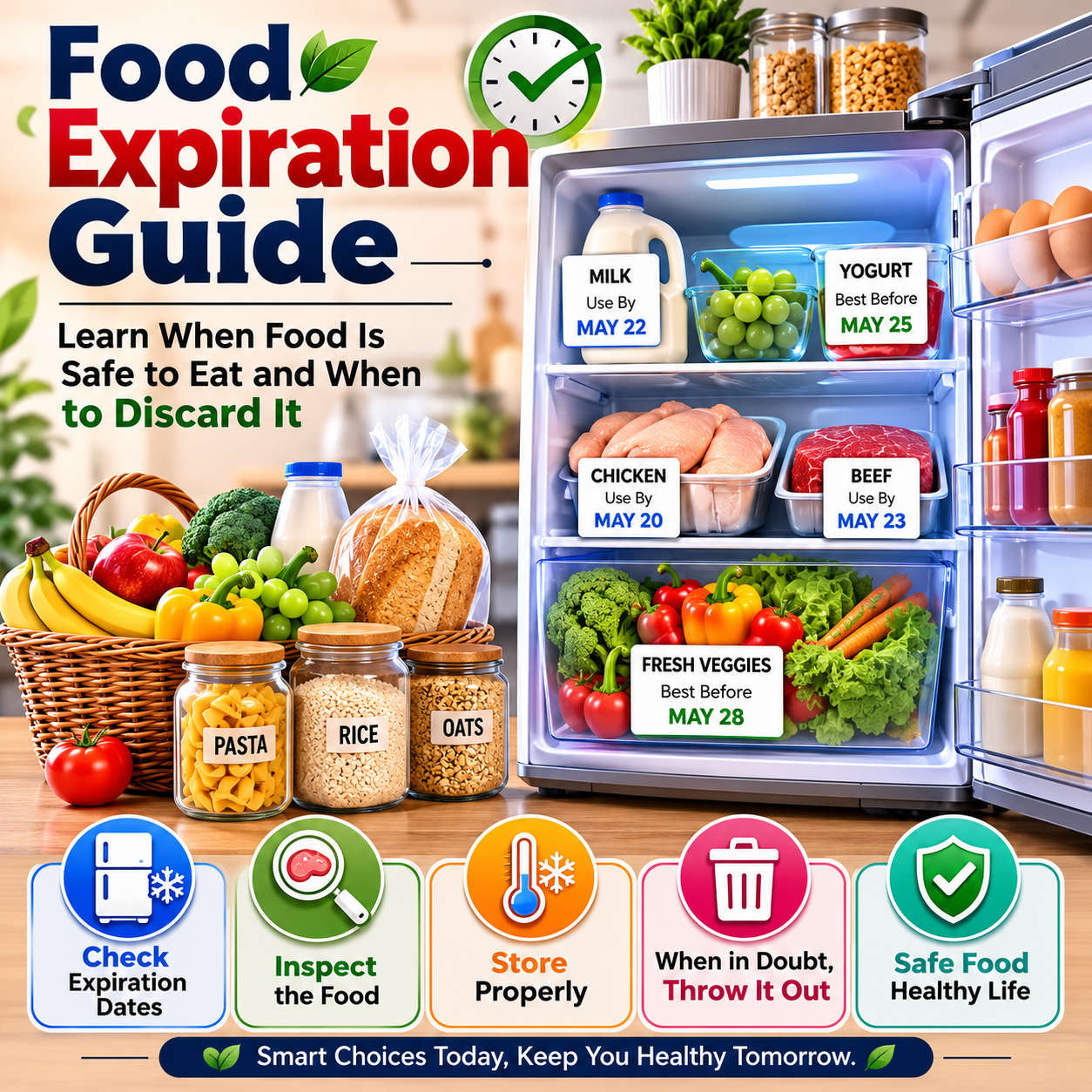
When in doubt, throw it out. Eating questionable leftovers is never worth the risk of food poisoning.
Foods That Require Extra Caution
Certain cooked foods are more likely to support rapid bacterial growth and require extra attention during storage. These foods should always be refrigerated promptly and consumed within the recommended timeframe.
Examples include:
- Cooked rice
- Seafood dishes
- Poultry
- Egg-based recipes
- Dairy-rich casseroles
- Cream soups
- Cooked minced meat
- Stuffed vegetables
- Cooked mushrooms
These foods contain moisture and nutrients that allow bacteria to multiply more easily if temperature control is poor. Always store them in shallow containers and avoid leaving them at room temperature for extended periods.
Best Practices for Cooling Cooked Food
Proper cooling is one of the most important steps in food safety. Placing large quantities of hot food directly into the refrigerator can raise the appliance’s internal temperature and slow the cooling process for both the new food and items already stored inside.
Instead, use these safe cooling methods:
Divide Large Portions
Separate soups, stews, curries, and casseroles into smaller containers. Smaller portions cool much faster and reduce the amount of time food spends in the danger zone.
Use Shallow Containers
Shallow containers expose more surface area, allowing heat to escape more quickly than deep pots or bowls.
Leave Space Between Containers
Do not stack hot containers tightly together. Good airflow helps food cool efficiently.
Refrigerate Within Two Hours
Never leave cooked food on the counter for longer than two hours. In hot weather above 32°C (90°F), refrigerate within one hour.
Following these practices significantly lowers the risk of bacterial growth.
Safe Reheating Guidelines
Reheating leftovers correctly is just as important as storing them properly. Food should be reheated until it reaches an internal temperature of 74°C (165°F) to destroy harmful bacteria that may have multiplied during storage.
To reheat safely:
- Reheat only the portion you plan to eat.
- Stir soups, sauces, and stews while heating.
- Ensure food is steaming hot throughout.
- Use a food thermometer whenever possible.
- Avoid reheating leftovers more than once.
- Consume reheated food immediately.
- Discard any leftovers that have been reheated but not eaten.
Proper reheating preserves both food safety and eating quality.
Safe Ways to Thaw Frozen Food
Thawing food safely prevents the outer layers from reaching temperatures where bacteria can grow while the center remains frozen.
The safest thawing methods include:
- In the refrigerator: The safest method, allowing food to thaw gradually while staying at a safe temperature.
- In cold water: Place food in a leak-proof bag and change the water every 30 minutes.
- In the microwave: Use the defrost setting and cook immediately afterward.
- Directly from frozen: Some soups, sauces, vegetables, and casseroles can be reheated without thawing first.
Never thaw cooked food on the kitchen counter, as this can quickly place the outer portions in the bacterial danger zone.
Refrigerator vs. Freezer Storage Comparison
Choosing between refrigeration and freezing depends on when you plan to eat the food. Refrigeration is best for meals you’ll consume within a few days, while freezing is ideal for long-term storage.
| Feature | Refrigerator | Freezer |
| Temperature | 4°C (40°F) or below | −18°C (0°F) or below |
| Bacterial Growth | Slows growth | Stops growth |
| Typical Storage | 3–4 days | Several months |
| Best For | Daily leftovers | Meal prep and long-term storage |
| Quality Over Time | Declines within days | Declines gradually over months |
| Convenience | Ready to eat | Requires thawing or reheating |
Understanding the strengths of each storage method helps you plan meals more efficiently while minimizing waste.
Common Food Storage Mistakes to Avoid
Many cases of foodborne illness occur because of simple storage mistakes rather than poor cooking. Avoiding these common errors can greatly improve food safety at home.
- Leaving cooked food at room temperature too long.
- Storing leftovers in large, deep containers.
- Overfilling the refrigerator and blocking airflow.
- Forgetting to label storage dates.
- Relying only on smell to judge food safety.
- Refreezing thawed food without proper handling.
- Keeping leftovers beyond recommended storage times.
- Using damaged or poorly sealed containers.
- Frequently opening the freezer door, causing temperature fluctuations.
- Reheating the same leftovers multiple times.
Developing good storage habits protects both your family’s health and your grocery budget.
Expert Tips for Keeping Cooked Food Safe
Safe food storage becomes easier when you build consistent habits into your daily routine. Professional food safety experts recommend planning ahead rather than guessing whether leftovers are still safe.
Here are some practical expert tips:
- Label every container with the cooking date.
- Store older leftovers at the front of the refrigerator.
- Check refrigerator and freezer temperatures regularly.
- Clean storage containers thoroughly before reuse.
- Keep raw and cooked foods separate.
- Freeze leftovers you won’t eat within three to four days.
- Use transparent containers to easily identify stored meals.
- Rotate frozen foods using the “first in, first out” method.
- Plan weekly leftover meals to reduce waste.
- When uncertain about a food’s safety, discard it.
Following these recommendations helps maintain food quality, reduce waste, and lower the risk of foodborne illness.
Frequently Asked Questions (FAQs)
1. How long is cooked chicken safe in the refrigerator?
Cooked chicken should be stored in the refrigerator at 4°C (40°F) or below and eaten within 3–4 days. Store it in airtight containers and refrigerate within two hours after cooking. If you need to keep it longer, freeze it within the first few days for the best quality.
2. Can I eat leftovers after one week?
No. Most leftovers are only recommended for 3–4 days in the refrigerator. Even if they appear normal, bacteria may have multiplied to unsafe levels. Freezing leftovers before the four-day limit is the safest option if they will not be eaten soon.
3. Does freezing kill bacteria?
Freezing stops bacterial growth but does not kill all bacteria. Once food is thawed, bacteria can become active again. This is why frozen food should always be thawed safely and reheated thoroughly before consumption.
4. Is freezer burn dangerous?
Freezer burn is not a food safety issue, but it does affect quality. It occurs when food loses moisture due to exposure to air, resulting in dry patches and changes in texture. Proper packaging helps prevent freezer burn.
5. What foods should never be left out overnight?
Cooked meat, poultry, seafood, rice, dairy products, egg dishes, soups, casseroles, and cooked vegetables should never be left at room temperature overnight. These foods can quickly enter the temperature danger zone where bacteria multiply rapidly.
6. Can I freeze soup and stew?
Yes. Soups and stews freeze exceptionally well. Cool them quickly, transfer them to freezer-safe containers, leave room for expansion, label with the freezing date, and use them within 2–3 months for the best flavor and texture.
7. How many times can leftovers be reheated?
Ideally, leftovers should only be reheated once. Repeated cooling and reheating increase the risk of bacterial growth and reduce food quality. Reheat only the amount you plan to eat to minimize waste.
8. What is the two-hour rule?
The two-hour rule states that cooked food should be refrigerated or frozen within two hours of cooking. If the surrounding temperature is above 32°C (90°F), refrigerate food within one hour to reduce the risk of bacterial growth.
9. Why should leftovers be stored in shallow containers?
Shallow containers allow food to cool more quickly and evenly. Faster cooling reduces the amount of time food spends in the bacterial danger zone, improving safety and preserving quality.
10. Should I label frozen food?
Yes. Labeling containers with the food name and storage date helps you monitor freshness, rotate older meals first, and avoid keeping frozen food beyond its recommended quality period.
Key Takeaways
- Store most cooked foods in the refrigerator for 3–4 days.
- Freeze leftovers you will not eat within four days.
- Keep refrigerators at 4°C (40°F) or below.
- Keep freezers at −18°C (0°F) or below.
- Refrigerate cooked food within two hours of cooking.
- Use airtight, shallow containers for faster cooling.
- Reheat leftovers to 74°C (165°F) before serving.
- Never rely solely on smell or appearance to judge food safety.
- Label and date refrigerated and frozen foods.
- Safe food storage reduces waste, saves money, and prevents foodborne illness.
Conclusion
Knowing how long you can keep cooked food is essential for protecting your health, preserving food quality, and reducing household food waste. While the general guideline of 3–4 days in the refrigerator works for most cooked meals, proper cooling, storage, freezing, thawing, and reheating practices are equally important. Following these recommendations helps prevent harmful bacterial growth and ensures that your leftovers remain safe to enjoy.
Developing simple habits—such as labeling containers, monitoring refrigerator and freezer temperatures, and freezing meals you won’t eat within a few days—can make a significant difference in both food safety and grocery savings. Remember that when there is any uncertainty about a food’s freshness, it is always safer to discard it than risk foodborne illness.
By applying the safe refrigerator and freezing guidelines outlined in this guide, you can confidently store leftovers, enjoy meal prep more effectively, and create a safer kitchen for your family.
Read Our Ltest Blog:The Ultimate Affordable Healthy Diet Guide for Individuals and Families