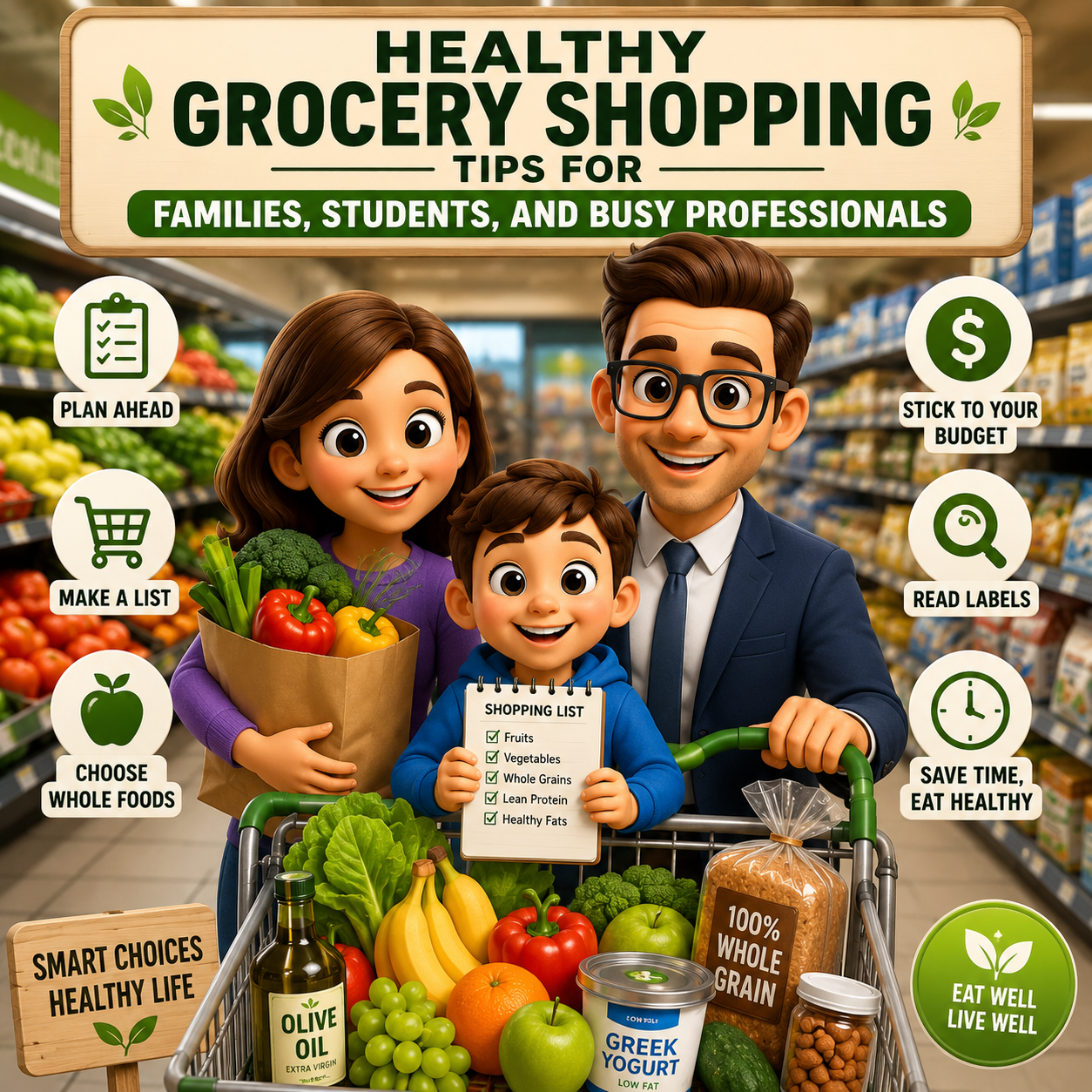
Healthy grocery shopping is one of the most important habits you can develop for improving your overall health, managing your budget, and making nutritious eating easier. Whether you’re shopping for a large family, living as a student on a tight budget, or balancing work and home as a busy professional, the choices you make in the grocery store directly affect your daily nutrition and long-term well-being.
Many people enter a grocery store without a clear plan, making impulse purchases that increase food costs and often result in unhealthy eating habits. Marketing tactics, colorful packaging, and special promotions can make processed foods seem more appealing than fresh, wholesome ingredients. Without preparation, it’s easy to overspend while bringing home foods that offer little nutritional value.
Fortunately, Healthy Grocery Shopping Tips for Smarter Eating difficult or expensive. With the right strategies, you can fill your cart with nutrient-rich foods, reduce food waste, save money, and simplify meal preparation throughout the week. Smart shopping habits also help you avoid unnecessary purchases and ensure your kitchen is stocked with ingredients for balanced meals.
This comprehensive guide shares practical Healthy Grocery Shopping Tips specifically designed for families, students, and busy professionals. You’ll learn how to create effective shopping lists, understand food labels, shop seasonally, choose healthier alternatives, and develop sustainable grocery habits that benefit both your health and your wallet.
What Is Healthy Grocery Shopping?
Healthy grocery shopping is the practice of selecting foods that support a balanced diet while staying within your budget and meeting your household’s nutritional needs. It involves choosing fresh fruits and vegetables, whole grains, lean proteins, healthy fats, and minimally processed foods instead of relying heavily on packaged snacks, sugary drinks, and highly processed convenience meals.
A successful shopping trip begins before entering the store. Planning meals, checking pantry supplies, and creating a detailed shopping list help you buy only what you need. This reduces food waste, prevents impulse purchases, and ensures you always have ingredients available for healthy meals throughout the week.
Healthy grocery shopping is not about buying the most expensive organic products or following restrictive diets. Instead, it focuses on making informed decisions based on nutrition, affordability, and practicality. Whether your goal is weight management, improved energy, better heart health, or simply feeding your family nutritious meals, adopting smarter grocery shopping habits lays the foundation for long-term success.
Why Healthy Grocery Shopping Matters
Your grocery cart largely determines the foods available at home, making grocery shopping one of the most influential steps in maintaining a healthy lifestyle. By consistently purchasing nutritious ingredients, you naturally create an environment that encourages healthier eating habits while reducing dependence on fast food and processed snacks.
Healthy grocery shopping also offers significant financial benefits. Planning purchases carefully helps avoid unnecessary spending, reduces food waste, and allows you to take advantage of discounts, seasonal produce, and bulk buying opportunities. Over time, these small savings can have a meaningful impact on your household budget.
Beyond cost savings, a well-planned grocery routine improves meal variety, increases fruit and vegetable intake, supports better digestion, boosts energy levels, and helps reduce the risk of chronic conditions such as obesity, type 2 diabetes, and cardiovascular disease. For families, students, and professionals alike, healthy grocery shopping creates a strong foundation for lifelong wellness.
Benefits of Planning Before You Shop
Planning your grocery trip before leaving home is one of the simplest yet most effective ways to shop smarter. A clear plan helps you avoid wandering through every aisle, minimizes impulse buying, and ensures you purchase ingredients that align with your weekly meal plan. It also reduces the stress of deciding what to cook each day because your kitchen is already stocked with the essentials.
Additional benefits of planning include:
- Saves both time and money.
- Reduces unnecessary purchases.
- Prevents food waste.
- Encourages healthier food choices.
- Simplifies weekly meal preparation.
- Helps maintain a balanced diet.
- Supports long-term budgeting goals.
- Makes shopping quicker and more efficient.
Taking just 15–20 minutes to organize your meals and shopping list before visiting the grocery store can significantly improve both your nutrition and your finances.
Create a Smart Grocery Shopping List
A grocery shopping list serves as a roadmap for making intentional purchases. Instead of buying items based on cravings or attractive promotions, a well-organized list keeps your attention focused on foods you actually need. This simple habit not only saves money but also increases the likelihood of preparing healthy meals at home.
An effective grocery list should be organized by store sections to make shopping faster and more efficient.
Example Healthy Grocery Shopping List
| Category | Recommended Foods |
| Fruits | Apples, bananas, berries, oranges, grapes |
| Vegetables | Spinach, broccoli, carrots, tomatoes, cucumbers |
| Whole Grains | Brown rice, oats, quinoa, whole wheat bread |
| Lean Protein | Chicken breast, eggs, beans, lentils, tofu |
| Dairy | Greek yogurt, low-fat milk, cottage cheese |
| Healthy Fats | Avocados, almonds, walnuts, olive oil |
| Frozen Foods | Frozen vegetables, frozen berries |
| Pantry Staples | Herbs, spices, canned beans, peanut butter |
Using this structure helps you stay organized while ensuring your meals remain balanced and nutritious throughout the week.
Budget-Friendly Healthy Grocery Shopping Tips
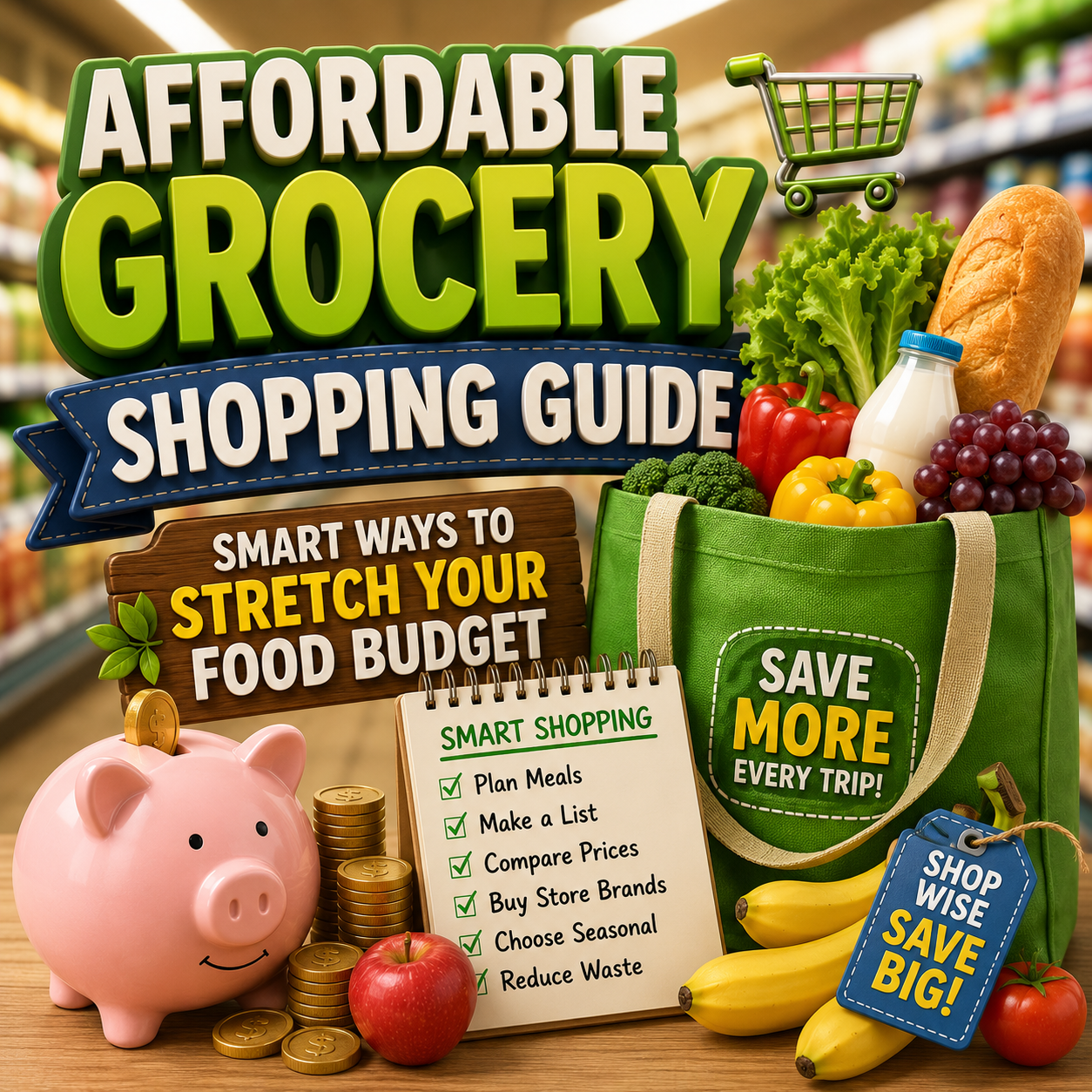
Many people assume that healthy eating requires spending more money, but thoughtful grocery shopping proves otherwise. Affordable nutrition begins with choosing whole foods, buying seasonal produce, comparing unit prices, and avoiding unnecessary processed products. Simple changes in shopping habits can reduce grocery expenses while improving the quality of your diet.
Here are several practical ways to keep your grocery bill under control:
- Plan meals around weekly store discounts.
- Buy fruits and vegetables that are in season.
- Compare prices using unit cost instead of package price.
- Choose store brands when quality is comparable.
- Purchase dried beans, rice, and oats in bulk.
- Freeze extra produce before it spoils.
- Avoid shopping when hungry.
- Limit sugary beverages and processed snacks.
- Stick closely to your shopping list.
- Prepare meals at home instead of relying on takeout.
These budget-conscious habits make healthy grocery shopping accessible for households of every size
Best Healthy Foods to Buy Every Week
Keeping your kitchen stocked with nutritious staples makes healthy eating easier and reduces the temptation to order takeout or rely on processed convenience foods. While your exact grocery list may vary based on dietary preferences and family size, certain foods consistently provide excellent nutritional value and versatility. Prioritizing these items each week helps ensure balanced meals and snacks are always within reach.
Weekly Healthy Grocery Staples
| Food Category | Healthy Choices | Benefits |
| Fruits | Apples, bananas, berries, oranges | Rich in vitamins, fiber, and antioxidants |
| Vegetables | Spinach, broccoli, carrots, bell peppers | High in vitamins, minerals, and fiber |
| Whole Grains | Brown rice, oats, quinoa, whole wheat pasta | Long-lasting energy and digestive health |
| Protein | Chicken breast, eggs, fish, tofu, beans | Supports muscle growth and repair |
| Dairy | Greek yogurt, low-fat milk, cottage cheese | Calcium and protein for bone health |
| Healthy Fats | Olive oil, avocado, nuts, seeds | Heart-healthy fats and essential nutrients |
| Frozen Foods | Mixed vegetables, berries | Convenient, nutritious, and long-lasting |
Including a variety of colorful fruits and vegetables ensures you receive a wide range of vitamins, minerals, and antioxidants. Combining these with lean proteins and whole grains creates satisfying meals that support energy, immunity, and overall wellness.
Reading Nutrition Labels Like an Expert
Nutrition labels provide valuable information that helps you compare products and make healthier purchasing decisions. Learning to read labels carefully can prevent you from buying foods that appear healthy but contain excessive amounts of sugar, sodium, unhealthy fats, or artificial ingredients.
When reviewing a nutrition label, pay attention to:
- Serving size
- Calories per serving
- Protein content
- Dietary fiber
- Added sugars
- Saturated fat
- Sodium
- Ingredient list
Healthy Label Checklist
✔ Choose foods with higher fiber.
✔ Look for shorter ingredient lists.
✔ Select products with little or no added sugar.
✔ Limit saturated fat and trans fat.
✔ Compare sodium content between brands.
✔ Prioritize whole-food ingredients.
Remember that marketing phrases like “natural,” “multigrain,” or “low-fat” do not always indicate a healthier product. Always rely on the nutrition facts panel and ingredient list rather than front-of-package claims.
Shopping the Grocery Store by Sections
The layout of most grocery stores is designed to encourage impulse purchases. Knowing how to navigate each section strategically helps you stay focused on nutritious foods while avoiding unnecessary spending on highly processed products.
Fresh Produce Section
Fresh fruits and vegetables should make up a significant portion of your shopping cart. Buying seasonal produce often provides better quality and lower prices. Choose a mix of leafy greens, colorful vegetables, and fresh fruits to maximize nutrient variety throughout the week.
Whole Grain Aisle
Whole grains such as oats, brown rice, quinoa, barley, and whole wheat pasta provide fiber and sustained energy. Compared with refined grains, whole grains help regulate blood sugar levels and keep you feeling full for longer.
Protein Section
Look for lean protein sources including chicken breast, fish, eggs, beans, lentils, tofu, and low-fat dairy products. These foods support muscle maintenance, immune function, and overall health while fitting into a balanced eating plan.
Frozen Food Section
Frozen fruits and vegetables are excellent alternatives to fresh produce, especially when certain items are out of season. Because they are typically frozen shortly after harvest, they retain most of their nutritional value while offering longer shelf life and reducing food waste.
Pantry Staples
Healthy pantry essentials include canned beans, low-sodium broth, herbs, spices, olive oil, peanut butter, whole grain cereals, and dried legumes. Keeping these ingredients available makes preparing quick, nutritious meals much easier.
Healthy Grocery Shopping Tips for Families
Families often face the challenge of balancing nutrition, taste preferences, and grocery budgets. Planning meals together and involving children in grocery shopping can encourage healthier eating habits while reducing food waste. Buying versatile ingredients that work across multiple meals also helps maximize your grocery budget.
Helpful family grocery shopping tips include:
- Plan meals for the entire week.
- Create a shared grocery list.
- Buy seasonal produce.
- Purchase larger packages of frequently used items.
- Prepare healthy snacks in advance.
- Choose whole grains over refined grains.
- Limit sugary cereals and snacks.
- Encourage children to select fruits and vegetables.
- Freeze leftovers for future meals.
- Compare prices before purchasing.
Making grocery shopping a family activity also teaches children valuable nutrition and budgeting skills that benefit them throughout life.
Healthy Grocery Shopping Tips for Students
Students often manage limited budgets, small kitchens, and busy schedules. Healthy grocery shopping can still be simple and affordable by focusing on nutrient-dense foods that are easy to prepare and store.
Affordable student grocery essentials include:
- Oats
- Eggs
- Brown rice
- Frozen vegetables
- Beans
- Lentils
- Greek yogurt
- Bananas
- Peanut butter
- Whole wheat bread
Meal prepping once or twice a week saves time during busy school days while reducing reliance on expensive fast food. Purchasing store-brand products, comparing prices, and taking advantage of student discounts can further stretch a limited grocery budget.
Healthy Grocery Shopping Tips for Busy Professionals
Busy professionals often struggle to find time for grocery shopping and meal preparation. Without a plan, convenience foods and takeout can quickly become expensive habits. Developing a simple grocery routine helps ensure healthy meals remain convenient even during hectic workweeks.
Effective strategies include:
- Shop once each week.
- Use a digital grocery list.
- Buy pre-washed vegetables.
- Choose frozen fruits and vegetables.
- Prepare lunches in advance.
- Cook multiple servings at once.
- Keep healthy snacks at work.
- Purchase ready-to-eat healthy proteins when needed.
- Store meals in portion-sized containers.
- Schedule grocery shopping like any important appointment.
These habits reduce daily decision-making and make healthy eating more practical despite demanding schedules.
Common Grocery Shopping Mistakes to Avoid
Even shoppers with good intentions can make mistakes that increase food costs and reduce nutritional quality. Recognizing these common pitfalls helps improve shopping efficiency and supports healthier eating habits over time.
Mistake 1: Shopping Without a List
Without a shopping list, it’s easy to forget essential ingredients while purchasing unnecessary items. A list keeps you focused and helps control spending.
Mistake 2: Shopping While Hungry
Hunger increases the likelihood of impulse purchases, particularly high-calorie snacks and processed foods. Eat a balanced meal or healthy snack before shopping.
Mistake 3: Ignoring Unit Prices
Larger packages are not always the best value. Compare unit prices to determine the most economical option.
Mistake 4: Buying Too Much Fresh Produce
Purchasing more fruits and vegetables than you can realistically consume often leads to food waste. Buy quantities that match your weekly meal plan.
Mistake 5: Falling for Marketing Claims
Terms like “organic,” “natural,” or “low-fat” don’t automatically mean healthier. Always review nutrition labels and ingredient lists before making purchasing decisions.
Weekly Healthy Grocery Shopping Checklist
Use this checklist before every shopping trip to stay organized and avoid unnecessary purchases.
Before Leaving Home
☐ Check refrigerator and pantry.
☐ Plan meals for the week.
☐ Make a grocery list.
☐ Set a spending budget.
☐ Eat before shopping.
At the Store
☐ Buy seasonal produce.
☐ Compare prices.
☐ Read nutrition labels.
☐ Choose whole foods.
☐ Stick to your list.
After Shopping
☐ Store food properly.
☐ Wash produce if appropriate.
☐ Prepare healthy snacks.
☐ Freeze extras before they spoil.
☐ Organize foods for easy meal preparation.
Following this checklist consistently can save time, reduce waste, improve nutrition, and help maintain a healthy grocery budget.
Frequently Asked Questions (FAQs)
1. What is the first step to healthy grocery shopping?
The first step is planning your meals for the week and creating a detailed shopping list. This prevents impulse purchases, helps control your budget, and ensures you buy foods that support healthy eating goals. Checking your pantry before shopping also avoids buying duplicate items and reduces food waste.
2. Are organic foods always healthier?
Not necessarily. Organic foods are produced using specific farming practices, but their nutritional value is often similar to conventionally grown foods. Eating a variety of fruits and vegetables is more important than whether they are organic. Choose the option that fits your budget and availability.
3. How can families reduce grocery costs?
Families can reduce grocery costs by planning meals, buying seasonal produce, purchasing store brands, cooking at home, freezing leftovers, comparing prices, and avoiding unnecessary processed snacks. Shopping with a list also minimizes impulse purchases and helps stay within budget.
4. Should I buy fresh or frozen vegetables?
Both are excellent choices. Fresh vegetables are ideal when consumed quickly, while frozen vegetables last longer, reduce waste, and retain most nutrients. Choosing a combination of fresh and frozen produce offers convenience and nutritional variety throughout the week.
5. How do I avoid impulse buying?
Prepare a shopping list, eat before shopping, set a spending limit, avoid browsing unnecessary aisles, and stick to your planned purchases. Ignoring promotional displays unless the items are on your list can also help reduce impulse spending.
6. What foods provide the best nutrition for the lowest cost?
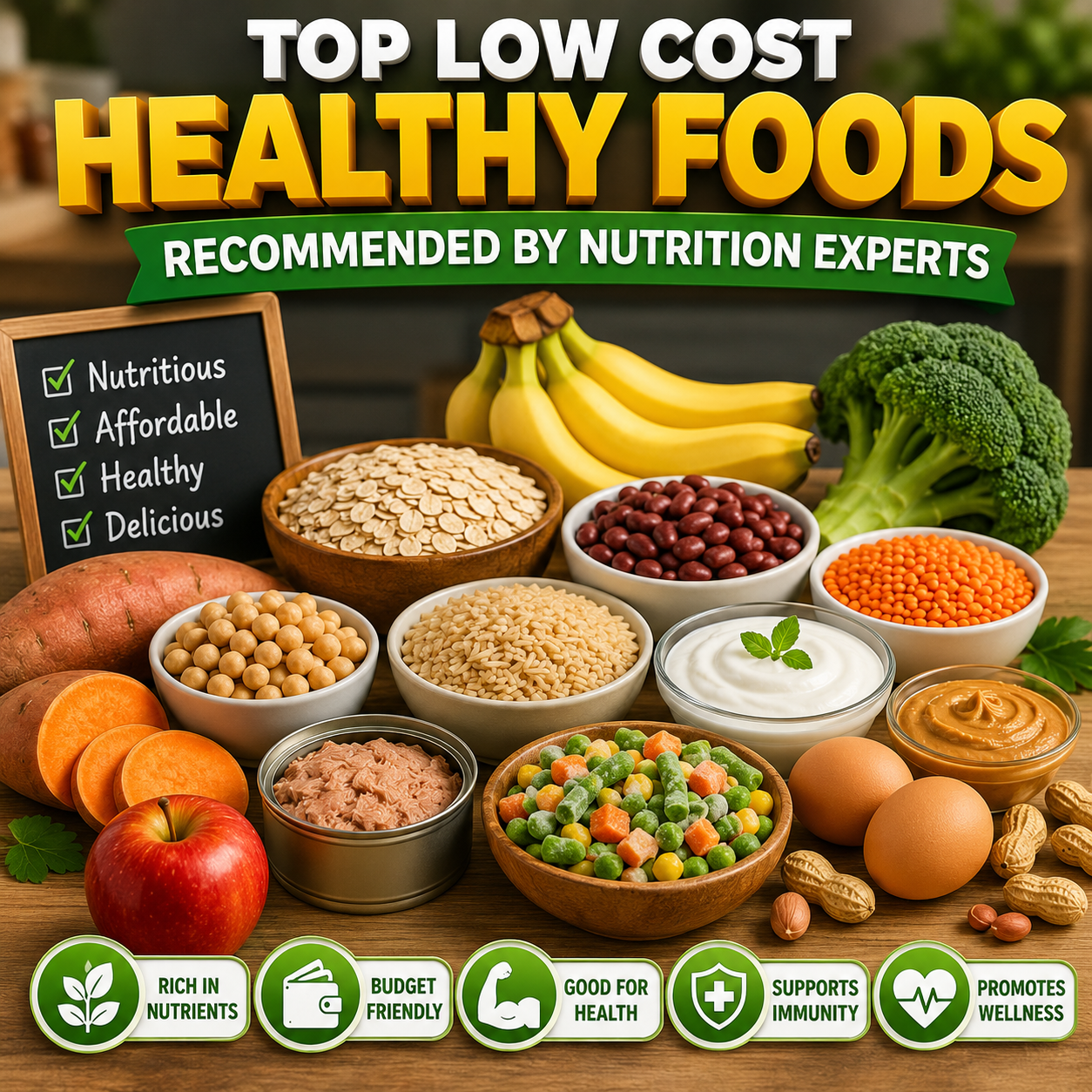
Affordable nutrient-dense foods include oats, beans, lentils, eggs, brown rice, seasonal vegetables, bananas, frozen fruits, canned tuna, yogurt, and peanut butter. These foods provide protein, fiber, vitamins, and minerals while remaining budget-friendly.
7. How can meal planning improve grocery shopping?
Meal planning ensures you purchase only the ingredients needed for the week, reducing food waste and saving money. It also makes cooking easier, improves dietary variety, and decreases reliance on takeout or processed convenience foods.
8. Is buying in bulk always a good idea?
Buying in bulk is beneficial for foods with long shelf lives, such as rice, oats, beans, pasta, and frozen foods. However, avoid buying perishable items in large quantities unless you know they will be used before spoiling.
9. Why are whole foods better than processed foods?
Whole foods generally contain more fiber, vitamins, minerals, and fewer added sugars, unhealthy fats, and preservatives. Eating more whole foods supports better digestion, heart health, weight management, and overall wellness while reducing the risk of chronic diseases.
10. How can I make grocery shopping a healthy habit?
Consistency is key. Plan meals weekly, shop with a list, read nutrition labels, choose mostly whole foods, compare prices, and prepare meals at home. Over time, these habits become routine, making healthy eating easier and more sustainable.
Key Takeaways
- Plan meals before every grocery trip.
- Always shop with a detailed grocery list.
- Choose whole, minimally processed foods.
- Read nutrition labels carefully.
- Buy seasonal fruits and vegetables.
- Compare unit prices to save money.
- Use frozen produce to reduce food waste.
- Meal prep simplifies healthy eating.
- Avoid shopping when hungry.
- Healthy grocery shopping supports long-term wellness and budgeting.
Conclusion
Healthy grocery shopping is more than simply filling a cart—it is an investment in your long-term health, financial well-being, and overall quality of life. By planning meals, creating organized shopping lists, choosing nutrient-rich whole foods, and learning to read nutrition labels, you can make smarter purchasing decisions that benefit both your body and your budget.
Whether you’re feeding a growing family, managing student expenses, or balancing a demanding work schedule, adopting healthier grocery shopping habits makes nutritious eating more achievable and sustainable. Small changes, such as buying seasonal produce, preparing meals ahead of time, and avoiding impulse purchases, can lead to significant improvements over time.
Remember that healthy eating doesn’t require expensive specialty foods. Consistency, preparation, and informed choices are the keys to building lasting habits. Start by implementing just a few of the strategies shared in this guide, and you’ll soon notice improvements in your grocery spending, meal quality, and overall health.
Read Our Latest Blog:Freezer Storage Tips: Safe Food Storage Methods Every Home Cook Should Know