Meal prepping has become one of the most effective ways to save time, reduce food waste, eat healthier, and stay within a budget. Preparing meals ahead of time makes it easier to maintain balanced eating habits even during busy weeks. However, meal preparation is only beneficial when food is stored safely. Improper storage can allow harmful bacteria to multiply, reduce food quality, and increase the risk of foodborne illness.
Understanding Meal prep safety storage tips involves much more than placing food in containers. Safe food storage includes cooling cooked food quickly, choosing the right containers, refrigerating meals at proper temperatures, freezing foods correctly, labeling containers, and reheating meals safely. Small mistakes such as leaving cooked food at room temperature for too long or using damaged containers can significantly affect food safety.
This comprehensive guide explains everything you need to know about storing meal prep safely. You’ll learn practical storage methods, recommended refrigerator and freezer times, food safety best practices, common mistakes to avoid, expert tips, and answers to frequently asked questions. Whether you’re preparing meals for yourself or your family, these essential storage techniques will help keep your food fresh, nutritious, and safe to eat.
What Is Meal Prep Safety?
Meal prep safety refers to the proper handling, cooling, storing, freezing, thawing, and reheating of prepared foods to prevent contamination and foodborne illnesses. It combines food hygiene practices with proper temperature control to ensure meals remain safe throughout their storage period.
Safe meal preparation starts before cooking by washing hands, cleaning surfaces, and separating raw and cooked foods. After cooking, food should be cooled promptly, stored in clean airtight containers, refrigerated within two hours, and reheated to a safe internal temperature before eating. Following these practices not only protects your health but also preserves the flavor, texture, and nutritional quality of your meals.
Why Proper Meal Prep Storage Matters
Proper meal prep storage is essential because harmful bacteria such as Salmonella, E. coli, and Listeria can grow rapidly when food is handled or stored incorrectly. Even meals that look and smell normal may contain dangerous levels of bacteria if left at unsafe temperatures for too long.
Correct storage also helps preserve food quality by reducing moisture loss, preventing freezer burn, maintaining texture, and slowing spoilage. Organized storage allows you to rotate meals efficiently, minimize waste, and save money by ensuring prepared food stays fresh for as long as safely possible. Good storage habits are a simple yet powerful way to protect your health and maximize the benefits of meal prepping.
Food Safety Basics Everyone Should Know
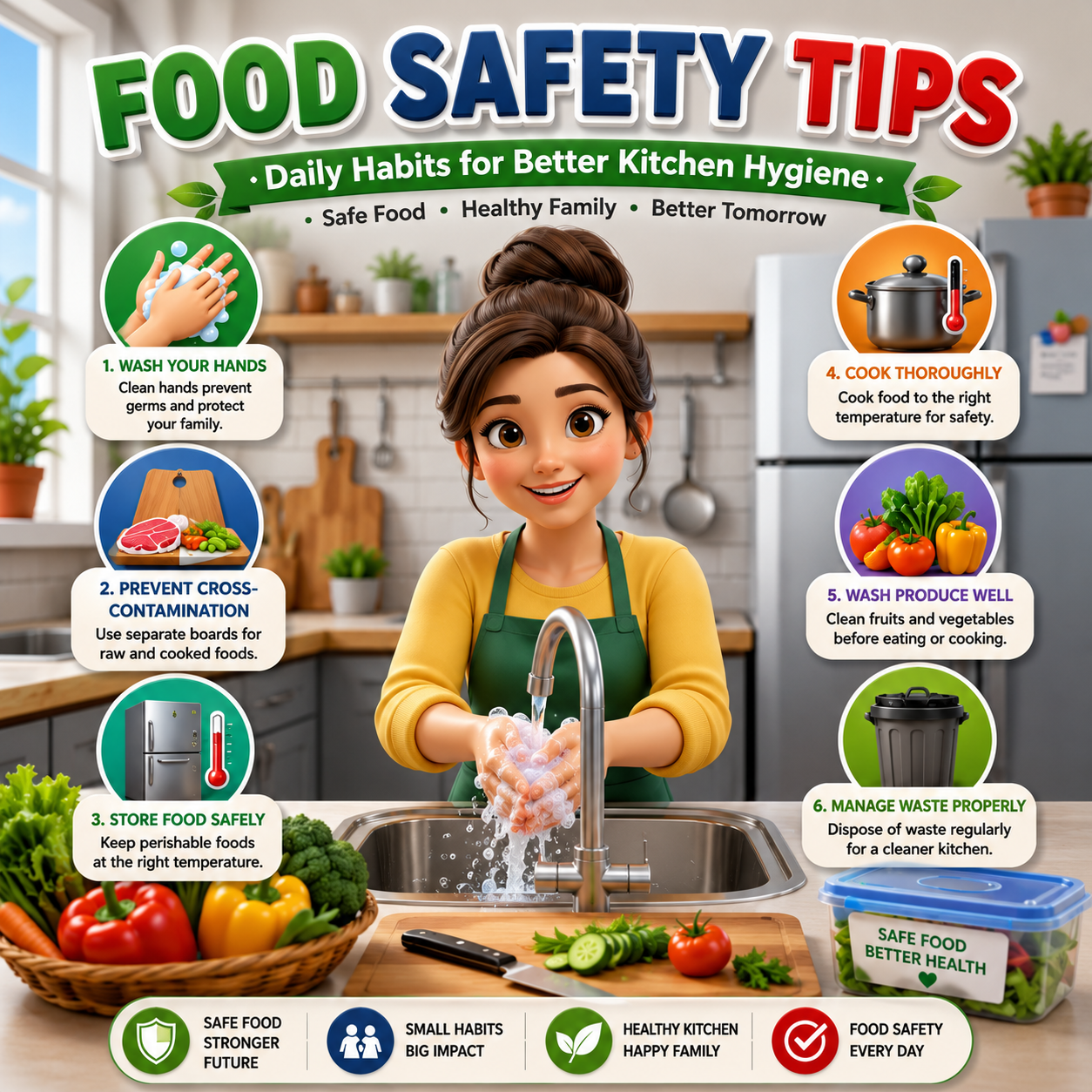
Understanding the fundamentals of food safety makes meal prepping much safer and more effective. Four key principles form the foundation of safe food handling: clean, separate, cook, and chill.
Clean
Wash your hands with soap for at least 20 seconds before handling food. Clean cutting boards, utensils, countertops, and containers thoroughly to prevent cross-contamination. Fresh produce should also be rinsed under running water before preparation.
Separate
Always keep raw meat, poultry, seafood, and eggs separate from ready-to-eat foods such as vegetables, fruits, and cooked meals. Using separate cutting boards and utensils minimizes the spread of harmful bacteria.
Cook
Cook foods to their recommended internal temperatures using a food thermometer. Proper cooking destroys harmful microorganisms that may be present in raw ingredients.
Chill
Refrigerate cooked meals within two hours after cooking, or within one hour if the surrounding temperature exceeds 90°F (32°C). Prompt refrigeration significantly slows bacterial growth and extends food freshness.
Understanding the Temperature Danger Zone
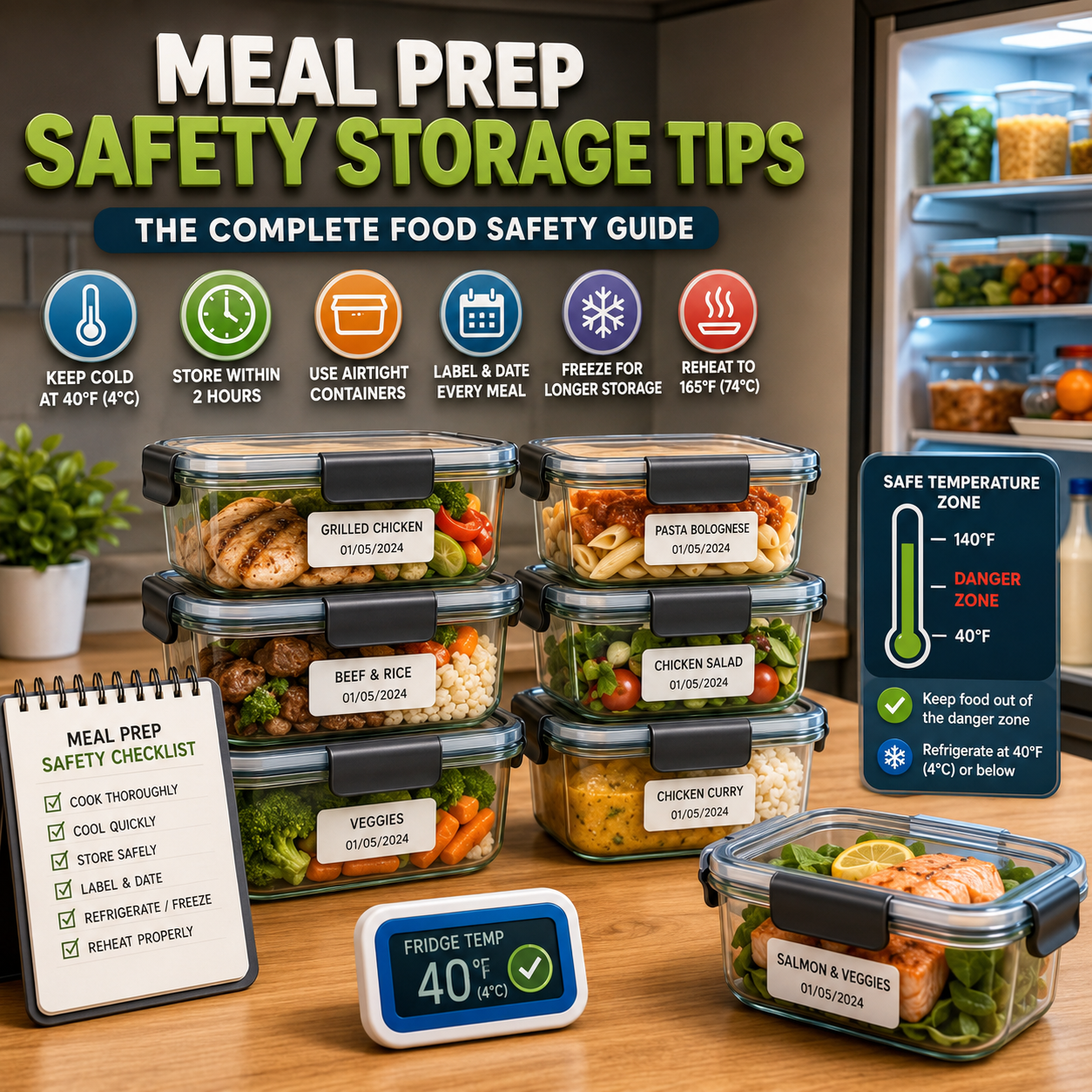
One of the most important concepts in meal prep safety is the Temperature Danger Zone, which ranges from 40°F to 140°F (4°C to 60°C). Within this range, bacteria can multiply rapidly, doubling in number in as little as 20 minutes under ideal conditions.
Leaving cooked meals on the kitchen counter for several hours increases the risk of bacterial contamination, even if the food appears normal. To reduce this risk, divide large portions into smaller containers before refrigerating them. Smaller portions cool faster, allowing the food to move through the danger zone more quickly and safely.
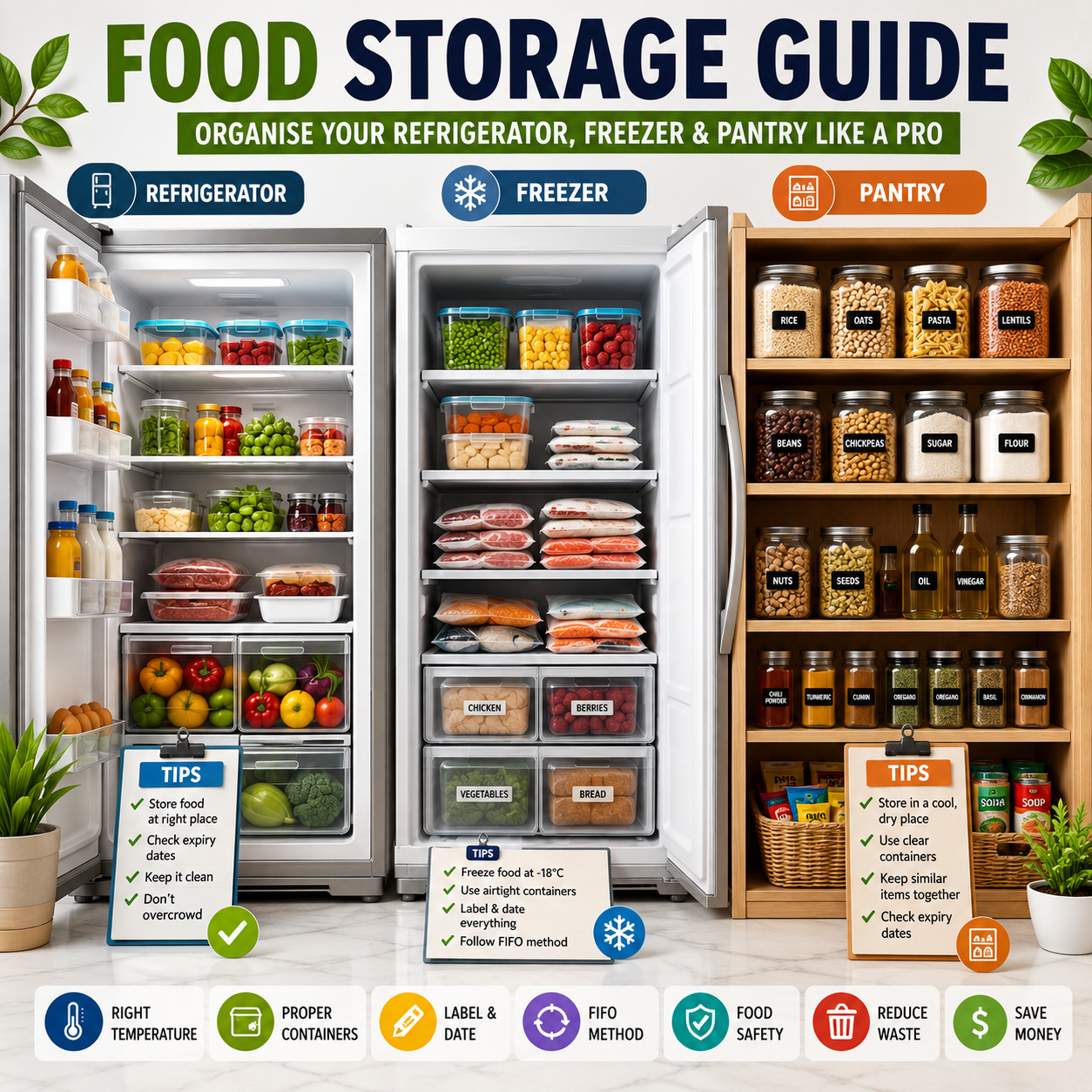
Maintaining refrigerator temperatures at or below 40°F (4°C) and freezer temperatures at 0°F (-18°C) helps keep bacteria from multiplying and preserves food quality for longer periods.
Choosing the Right Meal Prep Containers
Selecting the appropriate storage containers plays an important role in maintaining food safety and freshness. High-quality containers help prevent leaks, reduce exposure to air, and make reheating more convenient.
Ideal meal prep containers should be:
- BPA-free
- Airtight with secure lids
- Leak-resistant
- Refrigerator-safe
- Freezer-safe
- Microwave-safe (when appropriate)
- Dishwasher-safe for easy cleaning
Glass containers are excellent for durability, stain resistance, and reheating, while high-quality BPA-free plastic containers are lightweight and portable. Silicone storage bags and stainless-steel containers can also be useful depending on your storage needs.
Glass vs Plastic Containers
| Feature | Glass | Plastic |
| Durability | Excellent | Good |
| Microwave Use | Excellent | Depends on type |
| Freezer Safe | Yes | Most are |
| Stain Resistance | Excellent | Moderate |
| Weight | Heavy | Lightweight |
| Odor Retention | Very Low | Higher |
| Long-Term Value | Excellent | Moderate |
Glass containers are often preferred for long-term use because they resist stains and odors, while BPA-free plastic containers remain a practical choice for transporting meals.
How to Cool Food Before Storage
Cooling food correctly is one of the most overlooked aspects of meal prep safety. Placing very hot food directly into the refrigerator can raise the internal temperature of the appliance, affecting nearby foods. Conversely, leaving food out too long allows bacteria to multiply.
The safest approach is to let cooked food cool slightly—about 20 to 30 minutes—before transferring it into shallow, airtight containers. Large batches such as soups, stews, or casseroles should be divided into smaller portions to cool more quickly. Once packaged, refrigerate the food promptly so it reaches a safe temperature as soon as possible.
Avoid stacking warm containers tightly together in the refrigerator, as this can slow cooling. Leaving a little space between containers improves air circulation and helps maintain consistent temperatures.
Refrigerator Storage Guidelines
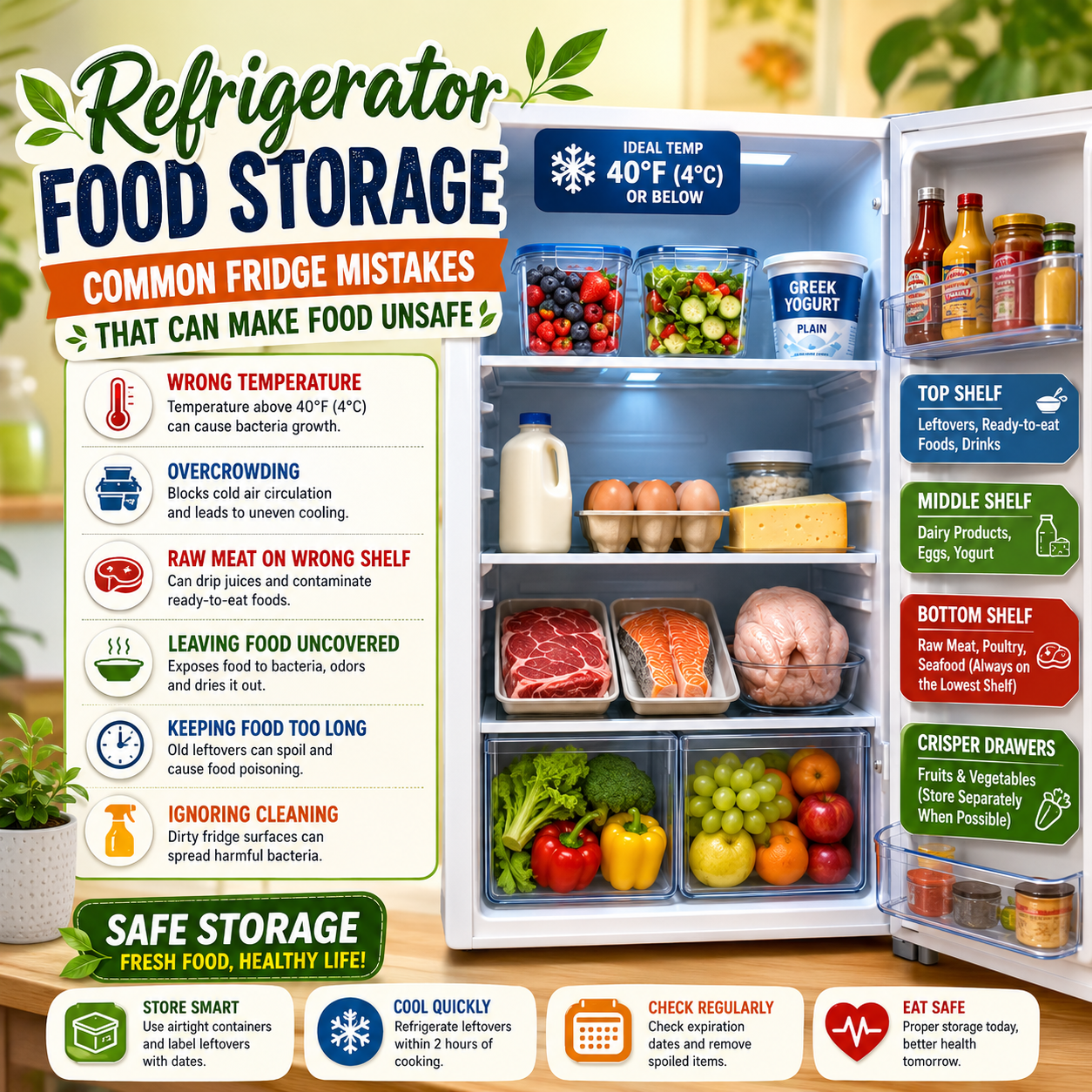
Proper refrigeration is one of the most effective ways to keep meal-prepped food safe and fresh. Your refrigerator should consistently maintain a temperature of 40°F (4°C) or below. Using a refrigerator thermometer can help verify that your appliance stays within the safe range, especially during warmer months or when the refrigerator is heavily loaded.
Store prepared meals on the middle shelves where temperatures are most consistent. Avoid overcrowding the refrigerator because cold air needs to circulate freely around containers. Keep raw meat, poultry, and seafood on the bottom shelf in sealed containers to prevent juices from dripping onto cooked meals. Label every meal with the preparation date so you can easily use older meals first and reduce food waste.
Best Practices for Refrigerator Storage
- Refrigerate meals within two hours of cooking.
- Store food in airtight containers.
- Divide meals into single-serving portions.
- Keep the refrigerator clean and organized.
- Rotate older meals to the front.
- Avoid repeatedly opening containers unless necessary.
- Discard food that has been left at room temperature for more than two hours.
Following these simple habits helps maintain food quality while reducing the risk of bacterial growth.
Freezer Storage Best Practices
Freezing is an excellent way to extend the shelf life of meal-prepped foods while preserving their nutritional value. Although freezing stops bacterial growth, it does not kill all bacteria. Safe handling before freezing remains essential.
Freeze meals only after they have cooled completely. Use freezer-safe, airtight containers or heavy-duty freezer bags, removing as much air as possible to prevent freezer burn. Leave a small amount of space at the top of containers because liquids expand during freezing.
For best quality, freeze meals in portion sizes that match what you’ll eat in one sitting. This prevents unnecessary thawing and refreezing, which can negatively affect texture and safety.
Foods That Freeze Well
- Soups
- Stews
- Chili
- Cooked rice
- Cooked pasta with sauce
- Grilled chicken
- Turkey
- Ground beef
- Beans
- Lentils
- Cooked vegetables
- Breakfast burritos
- Smoothie packs
Foods That Don’t Freeze Well
- Lettuce
- Cucumbers
- Raw tomatoes
- Yogurt-based salads
- Mayonnaise-heavy dishes
- Fried foods
- Cream sauces
- Soft cheeses
Understanding which foods freeze successfully helps preserve taste and texture after thawing.
How Long Different Foods Last
Different foods have varying storage times depending on their ingredients and moisture content. Consuming meals within recommended timeframes minimizes the risk of foodborne illness while ensuring the best flavor and texture.
Refrigerator Storage Times
| Food | Safe Storage Time |
| Cooked chicken | 3–4 days |
| Cooked beef | 3–4 days |
| Cooked pork | 3–4 days |
| Cooked fish | 2–3 days |
| Rice | 3–4 days |
| Pasta | 3–5 days |
| Cooked vegetables | 3–5 days |
| Soups | 3–4 days |
| Stews | 3–4 days |
| Egg dishes | 3–4 days |
| Salads without dressing | 3–5 days |
| Fresh-cut fruit | 3–5 days |
Freezer Storage Times
| Food | Best Quality |
| Chicken | 4 months |
| Beef | 3–4 months |
| Pork | 2–3 months |
| Fish | 2–3 months |
| Soup | 2–3 months |
| Chili | 4–6 months |
| Rice | 1 month |
| Pasta | 2 months |
| Vegetables | 8–12 months |
Although frozen foods often remain safe beyond these periods if continuously frozen, quality gradually declines over time.
Safe Thawing Methods
Thawing food safely is just as important as storing it correctly. Never thaw frozen meals on the kitchen counter because the outer layers can quickly enter the temperature danger zone while the center remains frozen.
Safe Thawing Options
Refrigerator Thawing
Place frozen meals in the refrigerator overnight. This is the safest method because the food stays below 40°F (4°C) throughout the thawing process. Plan ahead, as larger meals may require 24 hours or longer.
Microwave Thawing
Use the defrost setting when you’re short on time. Since some areas of the food may begin cooking during microwave thawing, reheat and eat the meal immediately afterward.
Cold Water Thawing
Seal food in a leak-proof bag and submerge it in cold water, changing the water every 30 minutes. Once thawed, cook or reheat the food immediately.
Avoid thawing food with hot water, which encourages bacterial growth.
Safe Reheating Methods
Reheating properly stored meals is essential to destroy bacteria that may have multiplied during storage. Food should be reheated until it reaches an internal temperature of 165°F (74°C), which can be checked using a food thermometer.
Microwave Reheating
Microwaves can heat food unevenly, leaving cold spots where bacteria survive. Stir food halfway through heating and allow it to rest for one to two minutes after cooking so the heat distributes evenly.
Oven Reheating
The oven provides even heating and works well for casseroles, roasted meats, and baked dishes. Cover food with foil to prevent drying out while ensuring it reaches a safe internal temperature.
Stovetop Reheating
Soups, stews, sauces, and curries should be brought to a rolling boil before serving. Stir frequently to ensure uniform heating throughout.
Avoid reheating the same meal multiple times. Instead, reheat only the portion you intend to eat.
Common Meal Prep Storage Mistakes
Many cases of food spoilage occur because of simple storage mistakes rather than poor cooking. Recognizing and avoiding these errors significantly improves meal safety.
1. Leaving Food Out Too Long
Cooked food should never remain at room temperature for more than two hours. Warm environments accelerate bacterial growth, increasing the risk of foodborne illness.
2. Using Damaged Containers
Cracked or worn containers may not seal properly, allowing air and bacteria to enter. Replace damaged containers promptly.
3. Forgetting Labels
Without labels, it’s difficult to remember when meals were prepared. Dating containers helps ensure food is eaten within safe time limits.
4. Overfilling the Refrigerator
An overcrowded refrigerator blocks airflow, preventing food from cooling evenly. Leave enough space between containers for cold air to circulate.
5. Ignoring Refrigerator Temperature
Many people assume their refrigerator is cold enough without checking. A simple appliance thermometer can verify that it consistently stays at or below 40°F (4°C).
6. Refreezing Thawed Food
Repeated freezing and thawing reduce food quality and may increase safety risks if food has been exposed to unsafe temperatures. Freeze meals only once whenever possible.
7. Reheating Multiple Times
Each reheating cycle provides another opportunity for bacteria to grow if the food is cooled and stored again. Reheat only what you plan to eat.
Meal Prep Safety Checklist
Use this checklist every time you prepare meals:
- ✔ Wash hands before cooking.
- ✔ Clean all utensils and work surfaces.
- ✔ Separate raw and cooked foods.
- ✔ Cook food thoroughly.
- ✔ Cool meals within two hours.
- ✔ Use airtight containers.
- ✔ Label meals with preparation dates.
- ✔ Refrigerate at 40°F (4°C) or below.
- ✔ Freeze meals if not eating within four days.
- ✔ Thaw safely in the refrigerator, microwave, or cold water.
- ✔ Reheat to 165°F (74°C).
- ✔ Discard spoiled or questionable food.
Following this checklist consistently creates a reliable routine that protects your health while making meal prep more organized and efficient.
Frequently Asked Questions (FAQs)
1. What temperature should my refrigerator be for meal prep?
Your refrigerator should remain at or below 40°F (4°C). This temperature slows bacterial growth and helps keep prepared meals safe for several days. Check the temperature regularly using an appliance thermometer, especially if the refrigerator is frequently opened or heavily loaded.
2. Can cooked rice be meal prepped safely?
Yes. Cool cooked rice quickly, refrigerate it within two hours, and store it in airtight containers. Eat refrigerated rice within 3–4 days or freeze it for longer storage. Reheat thoroughly before eating to reduce the risk of foodborne illness.
3. How often should meal prep containers be replaced?
Replace containers that are cracked, warped, chipped, or no longer seal tightly. Damaged containers may harbor bacteria and reduce food freshness. Glass containers generally last longer than plastic when properly cared for.
4. Is it safe to prepare meals every Sunday?
Yes. Many people successfully prepare meals once a week. Refrigerate meals for the first few days and freeze the remaining portions. This method keeps food safe while reducing daily cooking time.
5. Can I microwave meal prep containers?
Only use containers labeled as microwave-safe. Avoid heating food in containers not designed for microwave use, as they may release harmful chemicals or become damaged. Vent lids slightly when reheating to allow steam to escape.
6. Should salads be stored with dressing?
It’s best to store dressing separately. Keeping leafy greens dry helps maintain freshness and prevents sogginess. Add dressing just before serving for the best texture and flavor.
7. Why shouldn’t hot food go directly into the refrigerator?
Large amounts of very hot food can temporarily raise the refrigerator’s internal temperature, affecting nearby foods. Instead, allow food to cool slightly, divide it into shallow containers, and refrigerate promptly to ensure safe cooling.
8. What is freezer burn?
Freezer burn occurs when food is exposed to air inside the freezer, causing dehydration and oxidation. Although freezer-burned food is generally safe to eat, its texture and flavor may be affected. Using airtight packaging minimizes freezer burn.
9. Can meal-prepped food be eaten cold?
Some meals, such as salads, overnight oats, or cooked grain bowls, can be eaten cold if they have been stored safely. Foods intended to be served hot should be reheated to 165°F (74°C) before consumption.
10. What is the biggest mistake people make with meal prep safety?
One of the most common mistakes is leaving cooked food at room temperature for too long. Prompt cooling, proper refrigeration, and correct reheating are essential for preventing bacterial growth and maintaining food safety.
Conclusion
Meal prepping is one of the most practical ways to maintain a healthy lifestyle, save time, and reduce food expenses, but its success depends on proper food safety practices. Storing meals correctly protects you from foodborne illnesses while preserving flavor, texture, and nutritional value. By cooling foods promptly, using airtight containers, maintaining proper refrigerator and freezer temperatures, labeling meals, and reheating food thoroughly, you can confidently enjoy your prepared meals throughout the week.
Remember that food safety is a daily habit rather than a one-time task. Small actions—such as checking refrigerator temperatures, organizing storage, and following recommended storage times—make a significant difference in keeping your meals fresh and safe. Whether you’re meal prepping for work, school, fitness goals, or family convenience, applying these essential storage tips will help you maximize every meal you prepare.
Read our Latest Blog:How to Store Vegetables Properly to Reduce Food Waste and Save Money