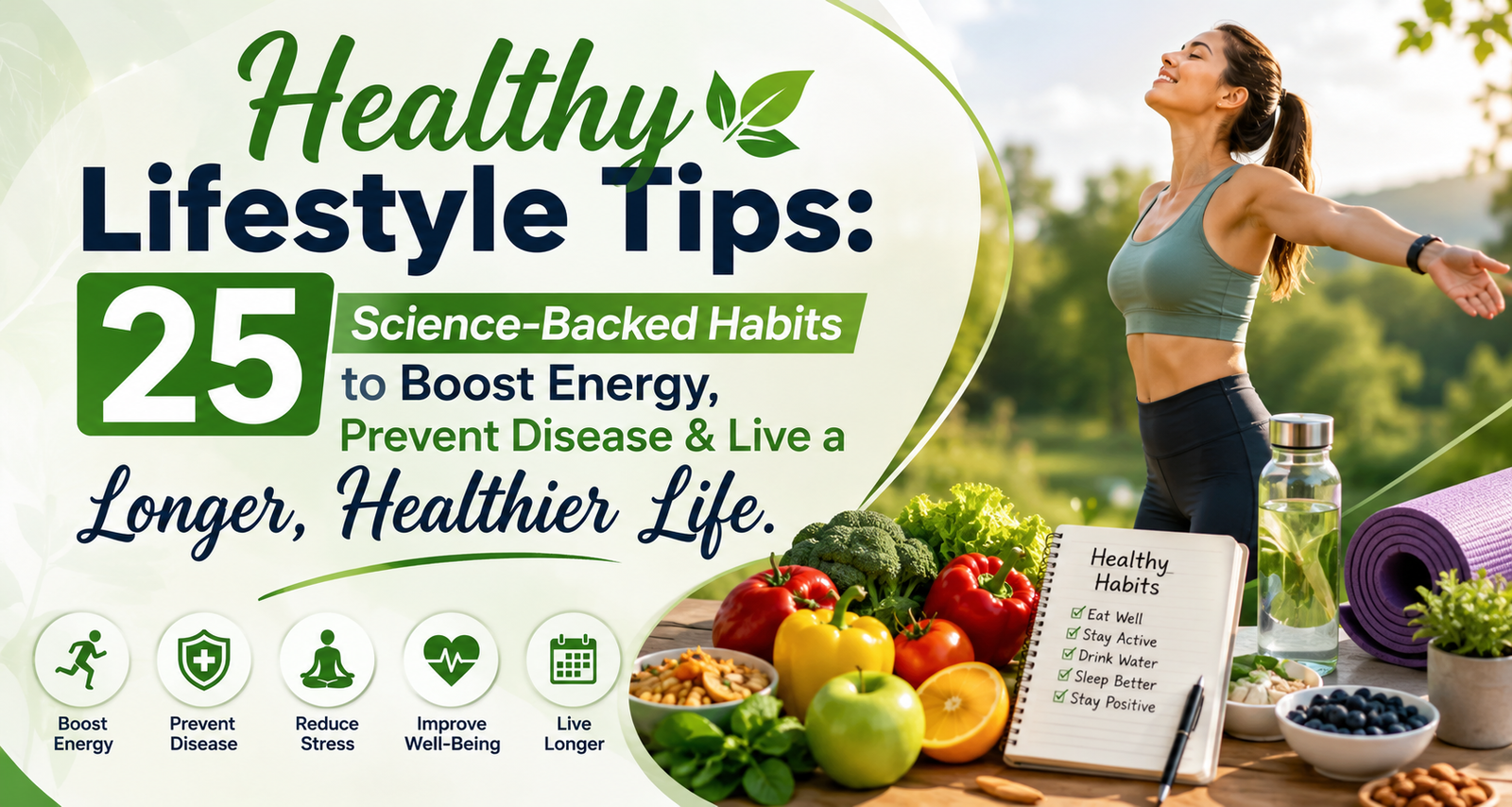
Healthy Lifestyle Tips: 25 Science-Backed Habits to Boost Energy, Prevent Disease & Live a Longer, Healthier Life
Lifestyle
Living a healthier life doesn’t require extreme diets, expensive supplements, or impossible fitness routines. Scientific research consistently shows that long-term health is built through small, consistent daily actions rather than dramatic short-term changes. Whether your goal is increasing energy, reducing your risk of chronic disease, improving mental well-being, or simply enjoying a higher quality of life, developing the right habits can make a meaningful difference over time.
These science-backed healthy habits are supported by research from nutrition, exercise science, sleep medicine, psychology, and preventive healthcare. While no single habit guarantees perfect health, combining multiple healthy behaviors creates a powerful foundation for long-term wellness.
In this guide, you’ll discover 25 practical healthy lifestyle tips that are simple enough for beginners yet valuable for anyone looking to improve overall well-being. You’ll also learn why these habits work, how they affect your body, and realistic ways to make them part of your everyday routine.
Why Science-Backed Healthy Habits Matter
Healthy habits are behaviors that consistently support physical, mental, and emotional well-being over time. While many wellness trends promise quick results, research repeatedly shows that sustainable improvements come from everyday choices. Regular physical activity, balanced nutrition, adequate sleep, effective stress management, and preventive healthcare work together to lower the risk of chronic diseases such as heart disease, type 2 diabetes, obesity, and hypertension.
The greatest advantage of healthy habits is that they create lasting benefits through consistency rather than perfection. Small improvements repeated daily often produce greater long-term health outcomes than occasional bursts of extreme effort. This approach makes healthy living realistic for people of all ages and lifestyles.
The Science Behind Lasting Lifestyle Changes
Behavioral science suggests that lasting habits are formed through repetition, environmental cues, and realistic goals rather than motivation alone. Studies indicate that people are more likely to maintain healthy behaviors when they start with manageable changes instead of attempting complete lifestyle overhauls.
Instead of trying to change everything at once, focus on improving one habit at a time. Once that behavior becomes automatic, introduce another healthy practice. This gradual approach reduces stress, improves consistency, and increases the likelihood of maintaining positive changes for years rather than weeks.
25 Science-Backed Healthy Habits
1. Prioritize Quality Sleep
Sleep is one of the most important yet frequently overlooked aspects of a healthy lifestyle. Adults generally benefit from seven to nine hours of quality sleep each night. During sleep, the body repairs tissues, regulates hormones, strengthens immunity, consolidates memory, and restores energy levels.
Poor sleep has been linked to reduced concentration, weakened immune function, weight gain, elevated stress hormones, and increased risk of chronic diseases. Establishing a consistent bedtime, limiting caffeine late in the day, and reducing screen exposure before sleep can significantly improve sleep quality.
Quick Tips
- Sleep 7–9 hours
- Maintain a consistent schedule
- Keep your bedroom cool and dark
- Avoid heavy meals before bed
2. Drink Enough Water Every Day
Hydration supports nearly every biological function, including circulation, digestion, temperature regulation, and nutrient transport. Even mild dehydration may contribute to fatigue, headaches, poor concentration, and reduced physical performance.
Rather than waiting until you feel thirsty, develop the habit of drinking water throughout the day. Individual hydration needs vary depending on climate, physical activity, age, and overall health, but making water your primary beverage is a simple habit with significant benefits.
Benefits
- Boosts energy naturally
- Supports healthy digestion
- Improves skin hydration
- Helps regulate body temperature
3. Eat More Whole Foods
Whole foods are minimally processed foods that retain most of their natural nutrients. Vegetables, fruits, whole grains, legumes, nuts, seeds, lean proteins, and healthy fats provide vitamins, minerals, antioxidants, and fiber that support long-term health.
Replacing highly processed foods with whole-food alternatives can improve nutrient intake, stabilize blood sugar levels, increase satiety, and reduce the risk of chronic disease. Aim to fill most of your plate with colorful, nutrient-dense foods at each meal.
4. Stay Physically Active
Regular physical activity benefits nearly every organ system. Exercise improves cardiovascular health, strengthens muscles and bones, supports brain function, reduces stress, and helps maintain a healthy body weight.
Current public health guidelines generally recommend at least 150 minutes of moderate-intensity physical activity each week along with muscle-strengthening activities on two or more days. The best exercise is one you enjoy enough to continue consistently.
5. Include Strength Training Weekly
Strength training isn’t just for athletes or bodybuilders. Resistance exercises help preserve muscle mass, increase metabolism, improve bone density, enhance balance, and support healthy aging.
Simple exercises such as bodyweight squats, push-ups, resistance band workouts, or weightlifting performed two to three times weekly can provide substantial health benefits. As muscle naturally declines with age, maintaining strength becomes increasingly important for independence and mobility.
6. Walk Every Day
Walking remains one of the easiest and most accessible forms of exercise. It requires no gym membership, special equipment, or advanced fitness level. Daily walking supports heart health, circulation, weight management, mental well-being, and joint mobility.
Rather than focusing exclusively on step counts, aim to reduce prolonged sitting by incorporating short walks throughout the day. Even brief walking breaks can improve energy and concentration.
7. Manage Stress Effectively
Chronic stress affects nearly every system in the body. Persistent stress may contribute to high blood pressure, poor sleep, weakened immunity, digestive issues, anxiety, and burnout.
Healthy stress management techniques include deep breathing, meditation, physical activity, journaling, spending time with loved ones, and taking regular breaks. Managing stress is not about eliminating challenges but developing healthier ways to respond to them.
8. Practice Mindfulness Daily
Mindfulness involves paying attention to the present moment without judgment. Research suggests regular mindfulness practice may reduce stress, improve emotional regulation, enhance focus, and support mental health.
Simple mindfulness exercises include breathing techniques, guided meditation, mindful walking, or spending a few minutes observing your surroundings. Even five to ten minutes daily can become a valuable habit for long-term well-being.
9. Build Strong and Meaningful Relationships
Humans are naturally social, and maintaining healthy relationships is an important part of overall well-being. Research consistently shows that people with strong social connections tend to experience better mental health, lower stress levels, improved immune function, and even longer life expectancy. Positive relationships provide emotional support during difficult times while also encouraging healthier lifestyle choices.
Building meaningful relationships doesn’t require having a large social circle. Prioritizing quality over quantity is often more beneficial. Spend time with family and friends, communicate openly, practice active listening, and make an effort to strengthen supportive connections. Even small acts of kindness and regular conversations can improve both emotional resilience and overall happiness.
Ways to strengthen relationships:
- Schedule regular family meals.
- Stay connected with close friends.
- Listen more than you speak.
- Express gratitude frequently.
- Offer support during challenging times.
10. Spend More Time Outdoors
Nature offers numerous physical and psychological benefits. Spending time outdoors has been linked to reduced stress, improved mood, increased vitamin D production through safe sunlight exposure, and better overall mental health. Green spaces also encourage physical activity, whether through walking, hiking, gardening, or recreational sports.
You don’t need to spend hours outside to experience these benefits. Taking a short walk in a local park, sitting in a garden, or simply enjoying fresh air during breaks can positively influence your daily energy levels. Combining outdoor time with exercise creates even greater health benefits.
11. Eat More Fruits and Vegetables
Fruits and vegetables are among the most nutrient-dense foods available. They provide essential vitamins, minerals, antioxidants, fiber, and phytochemicals that support immune function, heart health, digestive health, and disease prevention. Regular consumption is associated with a lower risk of cardiovascular disease, certain cancers, and other chronic conditions.
Aim to include a variety of colorful produce throughout the day. Different colors often represent different nutrients, so eating a diverse selection helps ensure broad nutritional coverage. Fresh, frozen, and minimally processed options can all contribute to a healthy diet.
Simple ways to increase intake:
- Add fruit to breakfast.
- Include vegetables with every meal.
- Choose fruit instead of sugary desserts.
- Snack on carrots, cucumbers, or bell peppers.
- Blend vegetables into soups and smoothies.
12. Reduce Added Sugar
Excessive added sugar consumption has been linked to obesity, type 2 diabetes, heart disease, fatty liver disease, and dental problems. While naturally occurring sugars in fruits and dairy products are generally part of a balanced diet, added sugars found in many processed foods and beverages can contribute to excessive calorie intake without providing significant nutritional value.
Reading nutrition labels and choosing foods with little or no added sugar can help improve dietary quality. Replacing sugary drinks with water or unsweetened beverages is one of the simplest changes that can significantly reduce daily sugar intake.
| Instead of | Try |
| Soft drinks | Water with lemon |
| Sugary cereals | Oatmeal with fruit |
| Candy | Fresh fruit |
| Sweet desserts | Greek yogurt with berries |
| Sweetened coffee | Unsweetened coffee with cinnamon |
13. Choose Healthy Fats
Not all fats are harmful. Healthy fats play essential roles in brain function, hormone production, nutrient absorption, and heart health. Foods rich in unsaturated fats, such as olive oil, avocados, nuts, seeds, and fatty fish, are associated with numerous health benefits when consumed as part of a balanced diet.
Rather than eliminating fat entirely, focus on replacing saturated and trans fats with healthier alternatives whenever possible. Moderation remains important because fats are calorie-dense, but choosing higher-quality sources can improve overall nutritional intake.
14. Eat Enough Protein
Protein supports muscle maintenance, tissue repair, hormone production, immune function, and healthy aging. It also helps increase feelings of fullness, making it easier to maintain balanced eating habits throughout the day.
Good protein sources include lean poultry, fish, eggs, dairy products, legumes, tofu, beans, lentils, nuts, and seeds. Distributing protein intake evenly across meals may provide additional benefits for muscle maintenance and overall health.
Healthy protein options include:
- Eggs
- Greek yogurt
- Chicken breast
- Fish
- Lentils
- Chickpeas
- Tofu
- Cottage cheese
- Beans
- Nuts and seeds
15. Support Your Gut Health
The gut microbiome consists of trillions of microorganisms that influence digestion, immune function, metabolism, and even aspects of mental health. A healthy gut microbiome is supported through a diverse, fiber-rich diet that includes fruits, vegetables, legumes, whole grains, fermented foods, and adequate hydration.
Fermented foods such as yogurt, kefir, kimchi, sauerkraut, and miso provide beneficial bacteria that may support digestive health. Eating a variety of plant-based foods also encourages microbial diversity, which is associated with better long-term health outcomes.
16. Maintain Good Posture
Good posture helps reduce unnecessary strain on muscles, joints, and the spine. Poor posture, particularly during prolonged sitting or computer work, can contribute to neck pain, back pain, headaches, and decreased mobility over time.
Simple adjustments such as sitting with proper lumbar support, keeping screens at eye level, standing regularly during work, and strengthening core muscles can significantly improve posture. Consistent attention to posture becomes increasingly important for people who spend long hours at desks.
17. Limit Excessive Screen Time
Digital devices have become an essential part of daily life, but excessive screen time may negatively affect sleep, physical activity, eye health, and mental well-being. Long periods of uninterrupted screen use can also contribute to poor posture and increased sedentary behavior.
Setting reasonable boundaries around technology use helps create healthier routines. Consider taking regular movement breaks, avoiding screens before bedtime, and engaging in offline hobbies such as reading, walking, or spending time with family.
Healthy digital habits:
- Follow the 20-20-20 rule for eye comfort.
- Take movement breaks every hour.
- Avoid screens one hour before sleep.
- Turn off unnecessary notifications.
- Schedule screen-free family time.
18. Protect Your Skin Every Day
Skin is the body’s largest organ and serves as an important protective barrier. Daily skin care includes cleansing, moisturizing when appropriate, and protecting skin from excessive ultraviolet (UV) exposure. Regular sun protection can reduce the risk of premature skin aging and skin cancer.
Using sunscreen with an appropriate SPF, wearing protective clothing, seeking shade during peak sunlight hours, and avoiding indoor tanning are practical habits that contribute to long-term skin health.
19. Avoid Smoking and Tobacco Products
Smoking remains one of the leading preventable causes of illness and premature death worldwide. Tobacco use significantly increases the risk of heart disease, stroke, chronic lung disease, multiple cancers, and many other serious health conditions.
If you currently smoke, seeking professional support can greatly improve your chances of quitting successfully. Every smoke-free day provides meaningful health benefits, and improvements begin shortly after stopping tobacco use.
20. Limit Alcohol Consumption
While alcohol is commonly included in social situations, excessive drinking increases the risk of liver disease, certain cancers, cardiovascular problems, injuries, and mental health concerns. It can also interfere with sleep quality and healthy weight management.
If you choose to drink alcohol, doing so in moderation and following your country’s public health guidelines helps reduce potential health risks. Many people also benefit from incorporating alcohol-free days into their weekly routine.
Comparison Table: Healthy Habits and Their Primary Benefits
| Healthy Habit | Primary Benefit | Long-Term Impact |
| Quality Sleep | Recovery and energy | Better overall health |
| Regular Exercise | Heart and muscle health | Reduced disease risk |
| Healthy Diet | Proper nutrition | Improved longevity |
| Hydration | Better body function | Increased energy |
| Stress Management | Emotional balance | Better mental health |
| Fruits & Vegetables | Vitamins and antioxidants | Lower chronic disease risk |
| Strength Training | Muscle and bone health | Healthy aging |
| Walking Daily | Improved circulation | Better cardiovascular health |
| Social Connections | Emotional support | Longer lifespan |
| Sun Protection | Skin health | Reduced skin damage |
21. Schedule Regular Preventive Health Checkups
Preventive healthcare plays a vital role in maintaining long-term health. Regular medical, dental, vision, and age-appropriate health screenings can help detect potential health issues early, when they are often easier to manage or treat. Preventive care also provides an opportunity to discuss lifestyle habits, vaccinations, family medical history, and personalized risk factors with a qualified healthcare professional.
Rather than waiting until symptoms appear, make preventive appointments part of your annual routine. Depending on your age, sex, medical history, and location, recommended screenings may include blood pressure checks, cholesterol testing, blood glucose monitoring, cancer screenings, and immunizations. Early detection combined with healthy lifestyle choices can significantly improve long-term health outcomes.
22. Practice Good Hygiene Every Day
Good hygiene is one of the simplest yet most effective ways to reduce the spread of infectious diseases and protect both personal and public health. Proper handwashing, oral hygiene, food safety practices, and keeping commonly touched surfaces clean all contribute to a healthier environment.
Healthy hygiene habits also support confidence and overall well-being. Brushing and flossing regularly helps prevent tooth decay and gum disease, while proper hand hygiene reduces the risk of many common infections. These small daily routines may seem simple, but their cumulative impact on health is substantial.
Daily hygiene checklist:
- Wash hands with soap before eating and after using the restroom.
- Brush your teeth twice daily and floss once a day.
- Bathe regularly and wear clean clothing.
- Follow safe food preparation and storage practices.
- Cover coughs and sneezes to reduce the spread of germs.
23. Keep Learning Throughout Life
Lifelong learning benefits both the brain and emotional well-being. Challenging your mind with new skills, hobbies, or educational opportunities helps maintain cognitive function, encourages creativity, and promotes a sense of purpose. Continuous learning can also improve confidence and adaptability in an ever-changing world.
Learning doesn’t have to involve formal education. Reading books, listening to educational podcasts, learning a language, taking online courses, or developing a new hobby all stimulate the brain. Combining mental stimulation with physical activity, healthy nutrition, and quality sleep creates a strong foundation for healthy aging.
24. Build Consistent Daily Routines
Healthy routines reduce decision fatigue and make positive behaviors easier to maintain. Instead of relying solely on motivation, routines create structure that encourages consistency. Simple actions repeated daily—such as exercising at the same time, preparing healthy meals, drinking water first thing in the morning, or maintaining a regular bedtime—gradually become automatic habits.
The key to sustainable routines is starting small. Focus on one or two realistic changes before adding more. Over time, these routines become part of your lifestyle, making it easier to maintain good health even during busy or stressful periods.
Steps to build lasting routines:
- Choose one habit to improve.
- Attach it to an existing daily activity.
- Make it simple and realistic.
- Track your progress consistently.
- Adjust as needed instead of giving up.
- Celebrate small milestones to stay motivated.
25. Celebrate Small Wins and Stay Consistent
Improving your health is a lifelong journey rather than a short-term project. Recognizing and celebrating small achievements helps maintain motivation and reinforces positive behaviors. Whether it’s walking three times a week, drinking more water, preparing healthy meals, or sleeping better, every improvement contributes to long-term wellness.
Avoid striving for perfection. Missing a workout or eating an occasional treat doesn’t erase your progress. The goal is consistency over time. Focusing on gradual improvement instead of unrealistic expectations increases the likelihood of maintaining healthy habits for years to come.
Healthy Habits Comparison Table
| Habit | Immediate Benefit | Long-Term Benefit |
| Quality Sleep | Better focus | Lower disease risk |
| Daily Exercise | Increased energy | Stronger heart and muscles |
| Whole Foods | Better nutrition | Improved longevity |
| Hydration | Reduced fatigue | Healthier body functions |
| Stress Management | Calmer mind | Better mental health |
| Fruits & Vegetables | Higher nutrient intake | Chronic disease prevention |
| Strength Training | Improved strength | Healthy aging |
| Preventive Checkups | Early detection | Better long-term health |
| Healthy Relationships | Emotional support | Greater life satisfaction |
| Consistent Routines | Better discipline | Sustainable healthy lifestyle |
Frequently Asked Questions
1. What is the healthiest lifestyle to follow?
A healthy lifestyle includes eating a balanced diet, exercising regularly, sleeping adequately, managing stress, staying hydrated, avoiding tobacco, limiting alcohol, and maintaining meaningful relationships. Consistency is more important than perfection, and small sustainable habits generally produce the best long-term results.
2. Can healthy habits increase life expectancy?
Research suggests that multiple healthy behaviors are associated with a lower risk of premature death and many chronic diseases. While genetics also influence longevity, adopting healthy habits can improve both lifespan and quality of life.
3. What is the easiest healthy habit to build?
Many people find drinking more water or walking daily to be simple starting points. These habits require minimal equipment or preparation and can easily fit into most daily routines while providing noticeable health benefits.
4. Why are whole foods better than processed foods?
Whole foods typically contain more fiber, vitamins, minerals, and beneficial plant compounds while being lower in added sugars, sodium, and unhealthy fats. They support better nutrition and may reduce the risk of chronic diseases when included regularly in the diet.
5. How important is stress management?
Managing stress is essential because chronic stress can affect physical and mental health. Healthy coping strategies such as exercise, mindfulness, adequate sleep, and social support help reduce stress and improve overall well-being.
Key Takeaways
- Small daily habits create lasting health improvements.
- Quality sleep is essential for physical and mental well-being.
- Regular physical activity supports heart, muscle, and brain health.
- Whole foods provide nutrients that help prevent chronic disease.
- Managing stress is as important as eating well and exercising.
- Preventive healthcare supports early detection and better outcomes.
- Healthy relationships contribute to emotional resilience and longevity.
- Consistency is more effective than perfection.
- Lifelong learning and positive routines support healthy aging.
- Sustainable lifestyle changes produce the greatest long-term benefits.
Conclusion
Living a healthier life doesn’t require dramatic transformations or expensive wellness programs. The most meaningful improvements often come from consistently practicing simple, evidence-based habits that support your body and mind over time. By prioritizing quality sleep, eating nutritious whole foods, staying physically active, managing stress, maintaining healthy relationships, and scheduling preventive healthcare, you can build a strong foundation for lifelong wellness.
Remember that meaningful change happens gradually. Rather than trying to adopt all 25 habits at once, choose one or two that fit your current lifestyle and focus on making them part of your daily routine. As those habits become automatic, continue adding new ones until healthy living becomes second nature.
Every positive choice you make today is an investment in your future health. Start small, remain consistent, and celebrate every step forward. Your journey toward a longer, healthier, and more energetic life begins with the habits you practice every day.