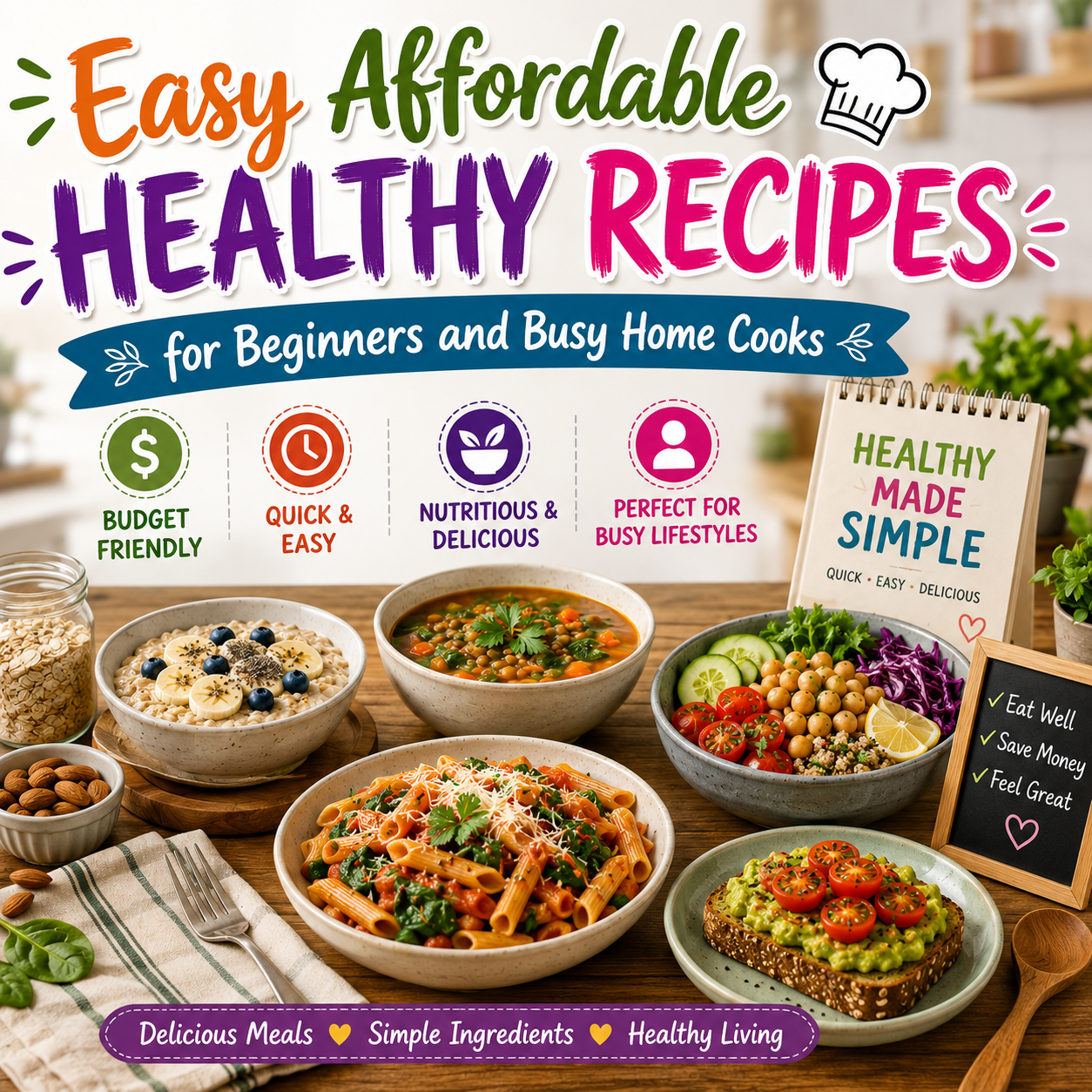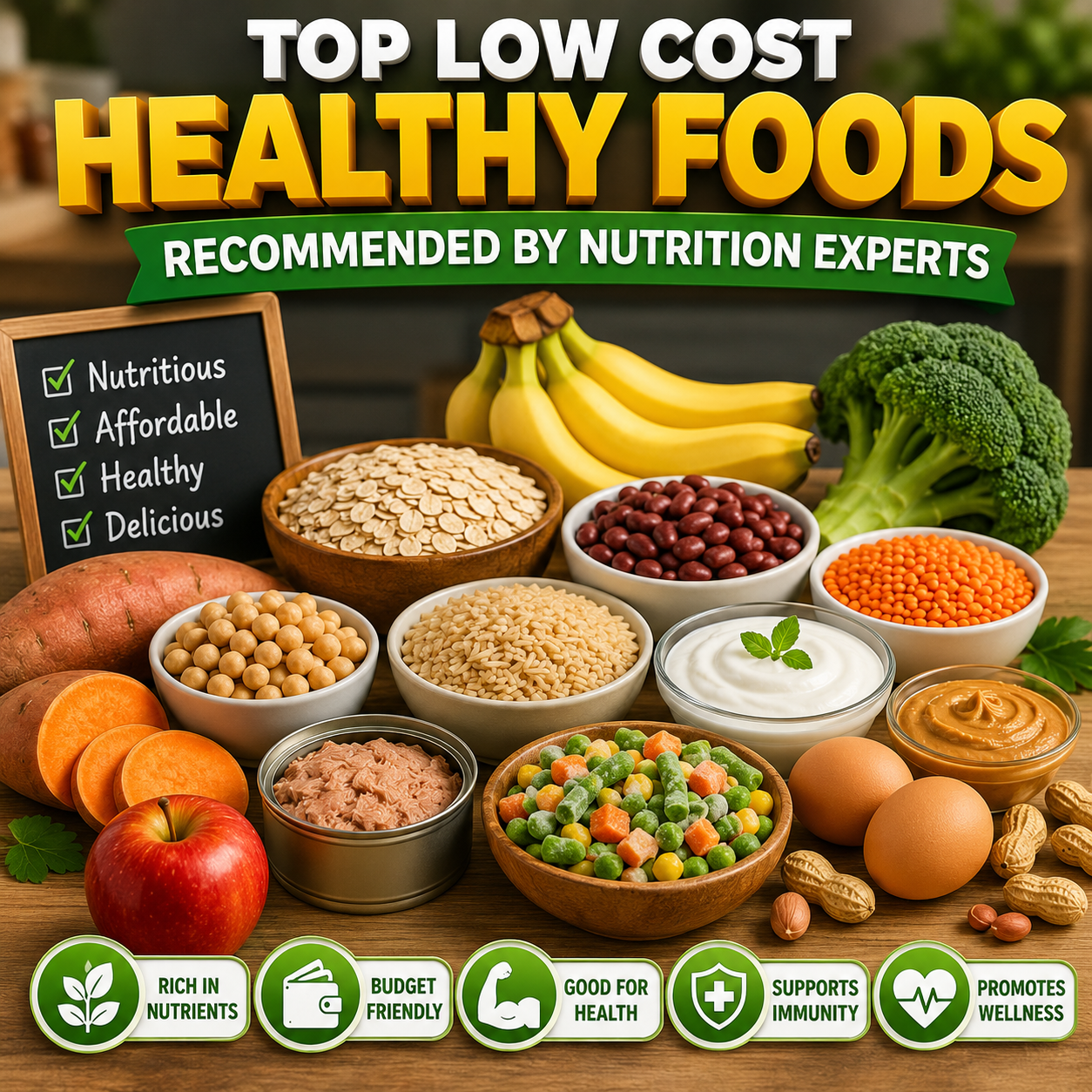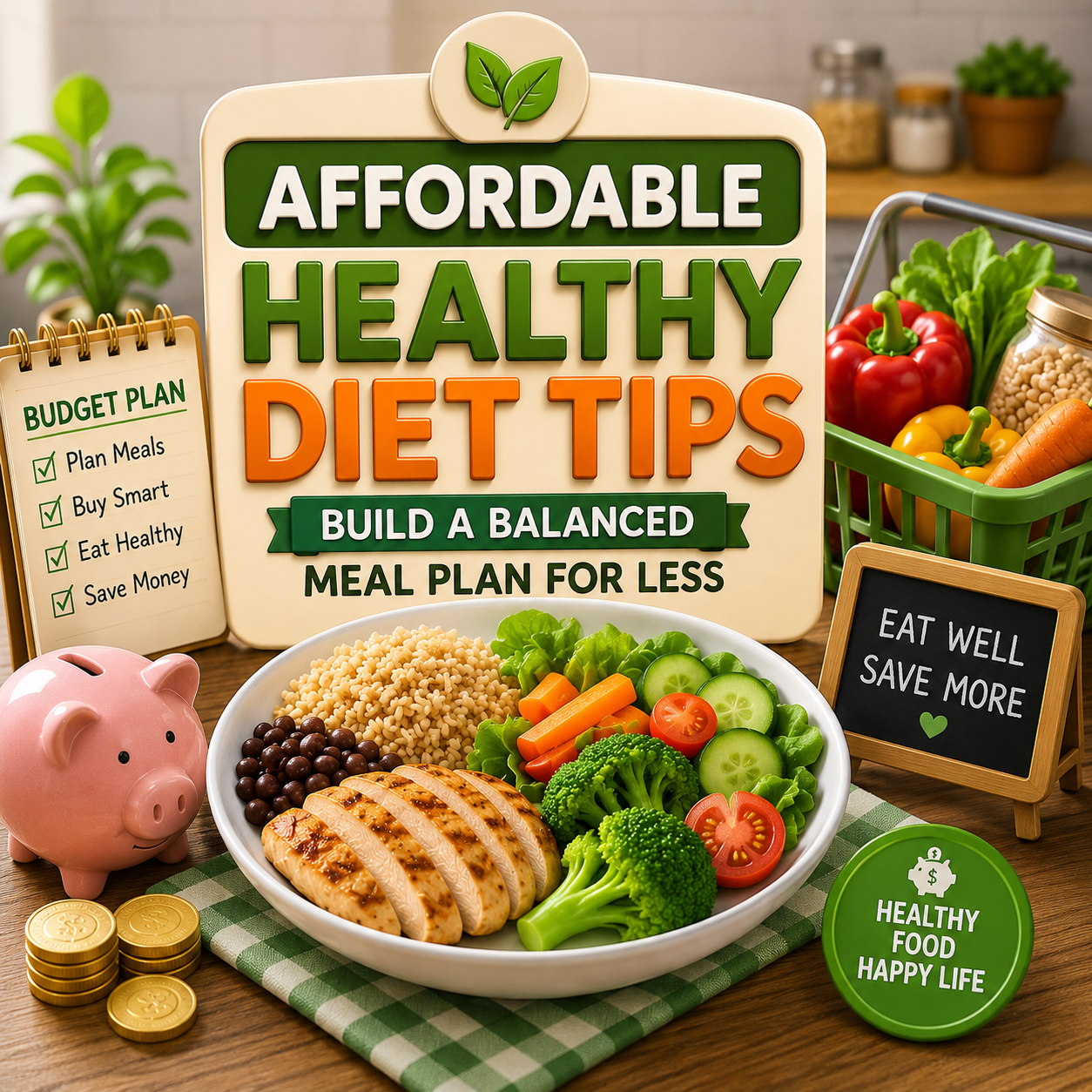
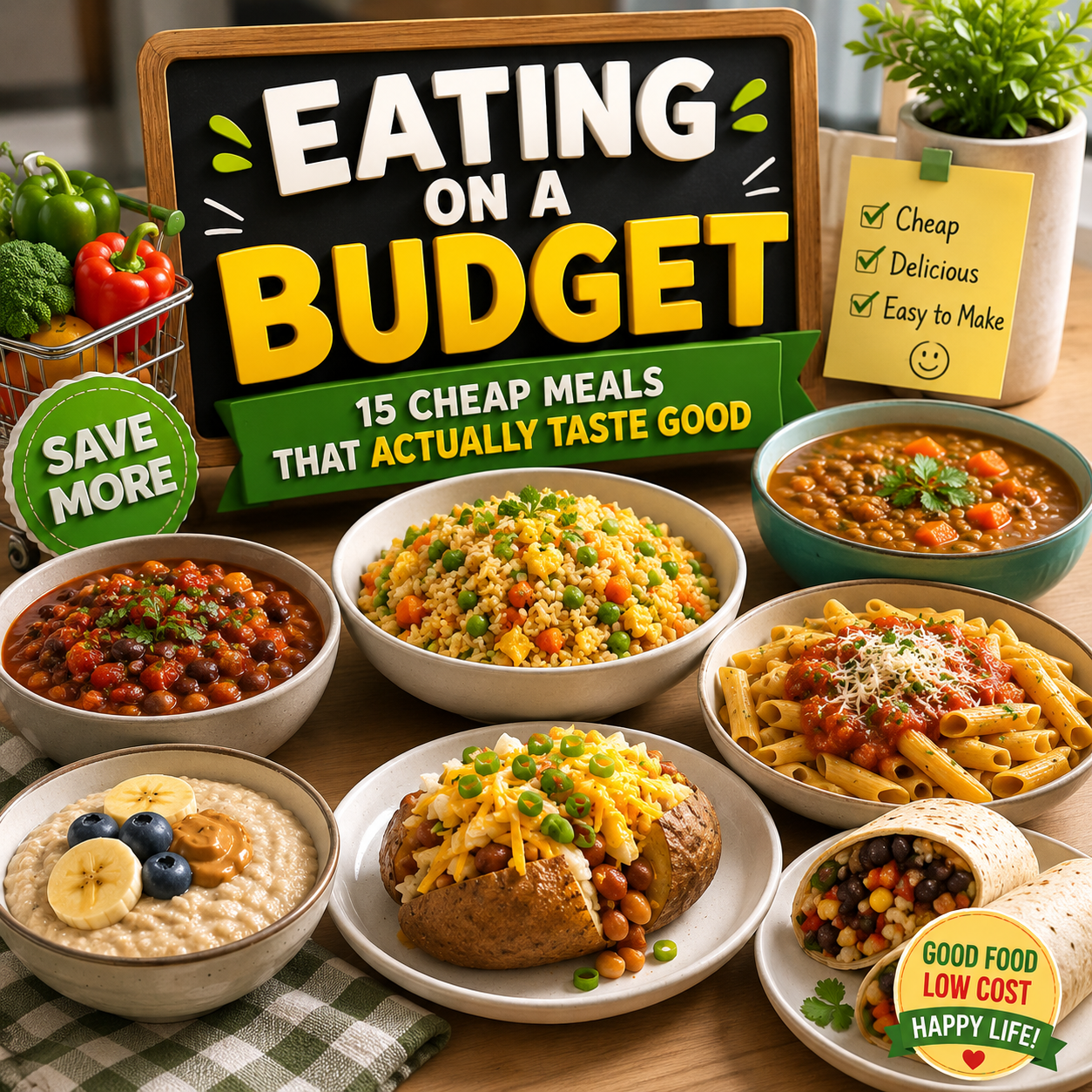
Eating healthy doesn’t have to drain your wallet. Many people assume delicious and nutritious meals require expensive ingredients, but the truth is that some of the most satisfying dishes are made from affordable pantry staples. With smart shopping, simple cooking techniques, and a little creativity, you can prepare meals that are both budget-friendly and packed with flavor.
Whether you’re a college student, a busy parent, a working professional, or simply trying to reduce grocery expenses, choosing Cheap Meals on a Budget can help you save money while enjoying balanced nutrition. Staples like rice, beans, eggs, potatoes, pasta, seasonal vegetables, and affordable proteins can be transformed into hearty meals that everyone will enjoy.
Planning meals in advance, buying ingredients in bulk, and minimizing food waste are practical strategies that stretch your grocery budget even further. Instead of relying on expensive takeout or processed convenience foods, home-cooked meals often provide better nutrition and significantly lower costs per serving.
In this guide, you’ll discover 15 cheap meals that actually taste good, along with practical cooking tips, ingredient substitutions, and money-saving ideas to help you eat well without overspending. These recipes are simple enough for beginners, customizable to your preferences, and suitable for families, singles, and meal preppers alike.
Why Budget Meals Can Be Delicious
Many people mistakenly believe that inexpensive meals lack flavor or variety. In reality, delicious food depends more on fresh ingredients, proper seasoning, and simple cooking techniques than on high-priced items. Around the world, countless traditional dishes are built on affordable staples such as rice, beans, lentils, potatoes, pasta, eggs, and seasonal vegetables. These ingredients are naturally filling, versatile, and capable of creating satisfying meals when paired with herbs, spices, and healthy fats.
Cooking at home also gives you complete control over ingredients, allowing you to balance nutrition, flavor, and cost. Instead of spending money on processed convenience foods, investing in pantry essentials lets you prepare dozens of flavorful meals for a fraction of the price. Budget cooking is not about sacrificing quality—it’s about making smart choices that maximize both taste and value.
Benefits of Cooking on a Budget
Preparing meals at home using affordable ingredients offers benefits beyond saving money. It encourages healthier eating habits, reduces food waste, and improves cooking skills. Budget-friendly cooking also makes it easier to plan weekly meals, avoid impulse purchases, and maintain a balanced diet without relying on expensive restaurant meals or takeout.
Some of the biggest advantages include:
- Lower grocery bills
- Better portion control
- Healthier ingredients
- Less food waste
- More homemade meals
- Flexible recipes
- Easier meal planning
- Better family nutrition
- Reduced dependence on processed foods
- Long-term financial savings
15 Cheap Meals That Actually Taste Good
1. Rice and Bean Burrito Bowls
Rice and bean burrito bowls are among the most affordable and nutritious meals you can prepare. White or brown rice paired with black beans or kidney beans provides a satisfying combination of carbohydrates, protein, and fiber. Fresh toppings like diced tomatoes, lettuce, corn, onions, avocado, and salsa add texture and vibrant flavors without significantly increasing the cost.
This meal is also highly customizable. You can include leftover chicken, roasted vegetables, shredded cheese, or a dollop of yogurt instead of sour cream. Preparing rice and beans in large batches makes this recipe ideal for weekly meal prep, allowing you to enjoy multiple inexpensive lunches or dinners throughout the week.
2. Vegetable Fried Rice
Vegetable fried rice is an excellent way to transform leftover rice into a delicious and filling meal. Using day-old rice helps create the perfect texture, while frozen mixed vegetables, onions, garlic, and eggs provide color, nutrition, and flavor. A splash of soy sauce, sesame oil, and black pepper ties everything together in just minutes.
Because nearly any vegetables can be used, this dish is perfect for reducing food waste. Carrots, peas, cabbage, broccoli, spinach, and bell peppers all work well. Adding tofu or leftover chicken can increase the protein content while keeping the overall cost low.
3. One-Pot Pasta Primavera
One-pot pasta primavera combines pasta, seasonal vegetables, garlic, onions, and a light tomato or cream-based sauce into a comforting meal that’s easy to prepare and clean up. Cooking everything in one pot allows the pasta to absorb the flavors of the vegetables and seasonings while minimizing kitchen cleanup.
Using seasonal produce keeps this recipe affordable and fresh. Zucchini, spinach, carrots, mushrooms, broccoli, and peas are all excellent choices. A sprinkle of grated Parmesan or nutritional yeast adds extra flavor without requiring expensive ingredients.
4. Chickpea Curry with Rice
Chickpea curry is a flavorful, protein-rich meal that relies on inexpensive pantry staples. Chickpeas simmered with onions, tomatoes, garlic, ginger, and spices such as turmeric, cumin, coriander, and garam masala create a hearty dish that pairs perfectly with steamed rice.
This recipe is naturally vegetarian, rich in fiber, and ideal for meal prepping because the flavors improve after refrigeration. Coconut milk can be added for extra richness, but it’s optional if you’re keeping costs low. Serve with rice or homemade flatbread for a complete and satisfying dinner.
5. Baked Potatoes with Healthy Toppings
Baked potatoes are one of the most economical foods available and provide an excellent source of carbohydrates, potassium, and vitamin C. Baking them until crispy on the outside and fluffy on the inside creates a versatile base for countless affordable toppings.
Try topping baked potatoes with black beans, steamed broccoli, shredded cheese, plain yogurt, cottage cheese, sautéed mushrooms, leftover chili, or mixed vegetables. These combinations transform a simple potato into a filling meal that’s both nutritious and budget-friendly while allowing you to use ingredients you already have at home.
6. Lentil Soup
Lentil soup is one of the most affordable, nutritious, and comforting meals you can prepare. Lentils are naturally rich in plant-based protein, fiber, iron, and essential minerals while costing far less than most meat products. Simmering lentils with onions, carrots, celery, garlic, tomatoes, and vegetable broth creates a hearty soup that’s satisfying enough for lunch or dinner.
This recipe is perfect for batch cooking because it freezes well and tastes even better the next day. Serve it with whole-grain bread or crackers for a complete meal. Adding spinach or kale during the final few minutes of cooking increases the vitamin content without adding much to the grocery bill.
7. Egg Fried Rice
Egg fried rice is a classic budget meal that delivers protein, carbohydrates, and vegetables in one quick dish. Using leftover rice helps reduce food waste while improving the texture of the finished meal. Eggs provide inexpensive, high-quality protein, and frozen vegetables make preparation even easier.
Flavor the rice with garlic, ginger, soy sauce, and a small amount of sesame oil. You can also include leftover vegetables, chicken, or tofu if available. This recipe takes less than 20 minutes to prepare, making it an excellent option for busy weeknights.
8. Tuna Pasta Salad
Tuna pasta salad is a refreshing, protein-rich meal that’s ideal for lunch, meal prep, or light dinners. Canned tuna is an economical source of lean protein and pairs well with cooked pasta, chopped cucumbers, tomatoes, peas, sweet corn, and a simple yogurt or light mayonnaise dressing.
Because the ingredients are inexpensive and readily available, this recipe offers excellent value. Preparing a large batch at the beginning of the week ensures you have several ready-to-eat meals without additional cooking.
9. Homemade Vegetable Pizza
Making pizza at home is far less expensive than ordering takeout and allows you to control the ingredients. Use homemade dough or affordable store-bought dough, spread tomato sauce evenly, and top it with vegetables such as onions, bell peppers, mushrooms, spinach, olives, and a moderate amount of cheese.
This meal is highly customizable and works well for using leftover vegetables before they spoil. Pair it with a simple green salad for a balanced family dinner that costs significantly less than restaurant pizza.
10. Black Bean Tacos
Black bean tacos are an inexpensive, filling, and flavorful alternative to meat-based tacos. Season cooked black beans with chili powder, cumin, paprika, garlic, and onions before serving them in tortillas with lettuce, tomatoes, salsa, cheese, or avocado.
These tacos are naturally high in fiber and plant-based protein. They are also easy to customize for different tastes and dietary preferences, making them a family-friendly meal that’s affordable enough for regular weekly dinners.
11. Peanut Noodles
Peanut noodles are quick, satisfying, and surprisingly inexpensive. Cook your favorite noodles and toss them with a homemade sauce made from peanut butter, soy sauce, garlic, ginger, a little honey, and warm water until smooth. Add shredded carrots, cabbage, cucumbers, or green onions for freshness and crunch.
This meal delivers a balance of carbohydrates, healthy fats, and protein while requiring only a handful of pantry ingredients. It can be served warm or chilled and works well for packed lunches.
12. Oatmeal with Fruit and Nuts
Oatmeal isn’t just for breakfast—it also makes an affordable and nutritious meal any time of day. Rolled oats are rich in fiber and provide slow-releasing energy that helps keep you full longer. Top cooked oats with sliced bananas, apples, berries, cinnamon, peanut butter, or a small handful of nuts and seeds.
Buying oats in bulk reduces costs further, making oatmeal one of the least expensive healthy meals available. Seasonal fruit helps maximize flavor while keeping grocery expenses under control.
13. Chicken and Vegetable Stir-Fry
Chicken and vegetable stir-fry is an excellent way to stretch a small amount of chicken into several servings. Thinly sliced chicken cooks quickly and combines well with broccoli, carrots, peppers, cabbage, onions, and other seasonal vegetables.
Serve the stir-fry over steamed rice or noodles to create a balanced meal that provides lean protein, fiber, and essential vitamins. Buying chicken in family packs and freezing individual portions helps reduce overall food costs.
14. Tomato and White Bean Soup
Tomato and white bean soup is a hearty meal made from affordable pantry staples. White beans add protein and creaminess while tomatoes, onions, garlic, and herbs create a rich, comforting flavor. Blending part of the soup gives it a thick texture without needing heavy cream.
Serve it with toasted whole-grain bread for an inexpensive dinner that’s filling, nutritious, and perfect during colder months.
15. Grilled Cheese and Tomato Soup
Grilled cheese with tomato soup is a timeless comfort food that remains surprisingly affordable. Whole-grain bread and moderate amounts of cheese provide satisfying flavor, while homemade tomato soup made from canned tomatoes, onions, garlic, and herbs costs far less than restaurant versions.
Preparing both components from scratch reduces sodium and allows you to adjust flavors to your preference. This meal is quick, family-friendly, and ideal for busy evenings.
Expert Budget Grocery Shopping Tips
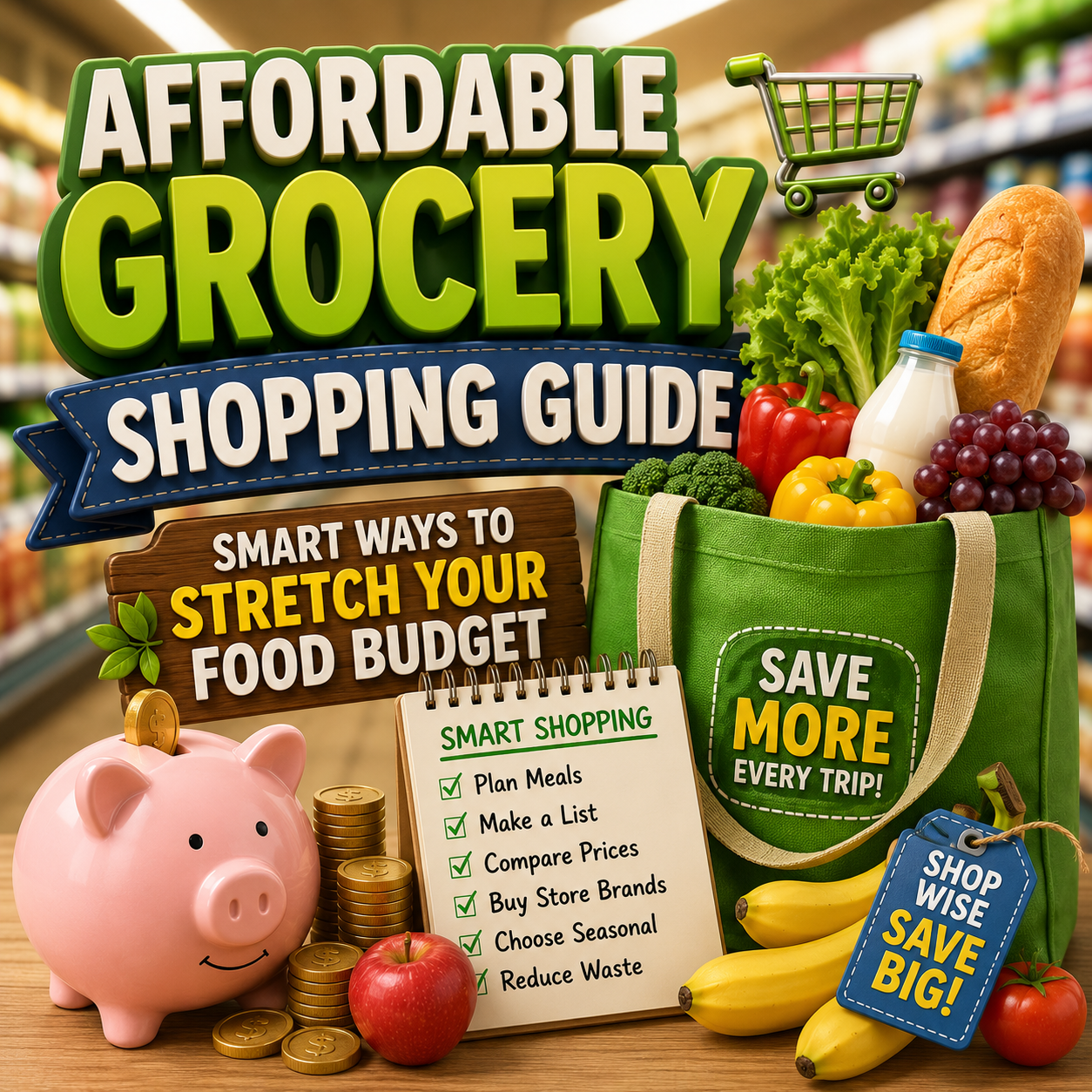
Saving money begins before you start cooking. Smart grocery shopping helps reduce unnecessary spending while ensuring your kitchen is stocked with versatile ingredients that can be used in multiple meals throughout the week.
Practical Tips
- Plan meals before shopping.
- Make a grocery list and stick to it.
- Buy seasonal fruits and vegetables.
- Compare unit prices instead of package prices.
- Purchase pantry staples in bulk.
- Choose store brands when quality is similar.
- Freeze leftovers to reduce food waste.
- Cook larger batches for meal prep.
- Use frozen vegetables when fresh produce is expensive.
- Avoid shopping while hungry to reduce impulse purchases.
Weekly Budget Meal Planning Checklist
A thoughtful meal plan helps you save money, reduce stress, and waste less food. Following a consistent routine makes grocery shopping more efficient while ensuring you always have ingredients available for quick, nutritious meals.
✔ Before Shopping
- Plan breakfasts, lunches, and dinners.
- Check your pantry before buying more ingredients.
- Review supermarket sales and discounts.
- Include at least one leftover meal.
- Estimate your weekly grocery budget.
✔ During Shopping
- Buy seasonal produce.
- Choose affordable protein sources.
- Purchase whole grains and dried legumes.
- Avoid unnecessary processed snacks.
- Compare prices carefully.
✔ After Shopping
- Wash and prepare vegetables.
- Portion ingredients for meal prep.
- Freeze excess food.
- Store leftovers safely.
- Label frozen meals with dates.
Frequently Asked Questions (FAQs)
1. What are the best cheap meals for families?
Meals like pasta primavera, lentil soup, baked potatoes, black bean tacos, chicken stir-fry, vegetable fried rice, and homemade pizza are affordable, easy to prepare, and can feed several people without exceeding a modest grocery budget.
2. How much should I spend on groceries each week?
The ideal grocery budget depends on household size, location, and dietary preferences. Creating a weekly meal plan and tracking your spending can help you identify realistic targets while ensuring you purchase nutritious foods.
3. Which ingredients should I always buy in bulk?
Rice, oats, pasta, dried beans, lentils, flour, frozen vegetables, and certain spices often provide better value when purchased in bulk. Store them properly to maintain freshness and reduce overall food costs.
4. Can budget meals still be nutritious?
Absolutely. Nutrient-rich foods such as beans, eggs, whole grains, vegetables, fruits, and legumes are often among the most affordable grocery items. Combining these ingredients creates balanced meals that support overall health.
5. How can I avoid food waste?
Plan meals, store food correctly, freeze leftovers, rotate pantry items, and repurpose ingredients into soups, casseroles, salads, or stir-fries. Reducing waste saves money and helps maximize every grocery purchase.
6. Are canned foods healthy?
Many canned foods, including beans, tomatoes, tuna, and vegetables, are healthy choices. Select low-sodium or no-added-salt varieties when possible and rinse canned beans to reduce excess sodium.
7. What’s the easiest budget meal for beginners?
Vegetable fried rice, pasta with tomato sauce, baked potatoes, scrambled eggs with toast, and oatmeal are simple recipes requiring minimal cooking experience while delivering satisfying results.
8. How can students save money on food?
Students can save by meal prepping, cooking in batches, shopping with a list, buying store brands, using frozen vegetables, and relying on inexpensive staples like rice, pasta, eggs, beans, and oats.
9. Are vegetarian meals cheaper?
Many vegetarian meals cost less because they rely on affordable ingredients such as beans, lentils, vegetables, grains, and legumes instead of expensive meat products. They can also provide plenty of protein and fiber.
10. How often should I meal plan?
Planning meals once each week is generally sufficient. Weekly planning simplifies shopping, reduces food waste, improves organization, and helps maintain a consistent grocery budget.
Key Takeaways
- Budget-friendly meals can be both delicious and nutritious.
- Pantry staples help reduce grocery costs.
- Meal planning minimizes food waste.
- Buying seasonal produce saves money.
- Batch cooking reduces time and expenses.
- Affordable proteins provide excellent nutrition.
- Homemade meals are generally healthier than takeout.
- Smart shopping habits improve long-term savings.
- Simple recipes make budget cooking easier.
- Consistency is the key to eating well for less.
Conclusion
Eating on a budget doesn’t mean settling for bland or unhealthy food. With thoughtful planning, smart grocery shopping, and a collection of reliable recipes, you can enjoy satisfying meals while keeping your food expenses under control. Staples such as rice, beans, lentils, eggs, pasta, potatoes, seasonal vegetables, and affordable proteins provide endless opportunities to create flavorful dishes that support both your health and your wallet.
The 15 cheap meals that actually taste good featured in this guide prove that delicious food doesn’t have to come with a high price tag. By preparing meals at home, buying ingredients wisely, and reducing food waste, you can build sustainable eating habits that benefit your finances and your overall well-being.