Many people begin their mornings with a cup of coffee or tea, but an increasing number of health-conscious individuals are choosing a drinking hot water in the morning instead. This easy habit has been practiced for centuries in traditional wellness systems and is often praised for supporting digestion, hydration, and overall well-being. But what actually happens to your body when you drink hot water first thing in the morning? Is it backed by science, or is it simply another health trend?
After several hours of sleep, your body naturally becomes mildly dehydrated. Replenishing lost fluids is one of the healthiest ways to start your day. Drinking warm or hot water can help you rehydrate, stimulate your digestive system, and encourage healthy bowel movements. Some people also believe it boosts metabolism, improves circulation, and helps the body eliminate waste more efficiently.
However, it’s important to separate evidence-based benefits from popular myths. While hot water offers several health advantages, it is not a miracle cure for detoxification or rapid weight loss. Understanding how your body responds to warm water can help you make informed decisions and create a healthier morning routine.
In this comprehensive guide, you’ll learn the science behind drinking hot water in the morning, its proven benefits, common misconceptions, potential risks, and practical tips for making this habit part of a balanced lifestyle.
Why Morning Hydration Matters
Your body continues to lose water throughout the night through breathing, sweating, and other natural processes. Even though the amount of fluid loss varies from person to person, waking up slightly dehydrated is completely normal. Drinking water shortly after waking helps restore hydration levels, which is essential for maintaining healthy body functions such as temperature regulation, nutrient transport, and proper brain performance.
Starting the day with hot or warm water may also feel more comfortable for many people than drinking cold water immediately after waking. While both hot and cold water provide hydration, warm water is often easier on the digestive system and may gently stimulate gastrointestinal activity. Making hydration your first morning habit can also encourage healthier choices throughout the day by reducing reliance on sugary beverages.
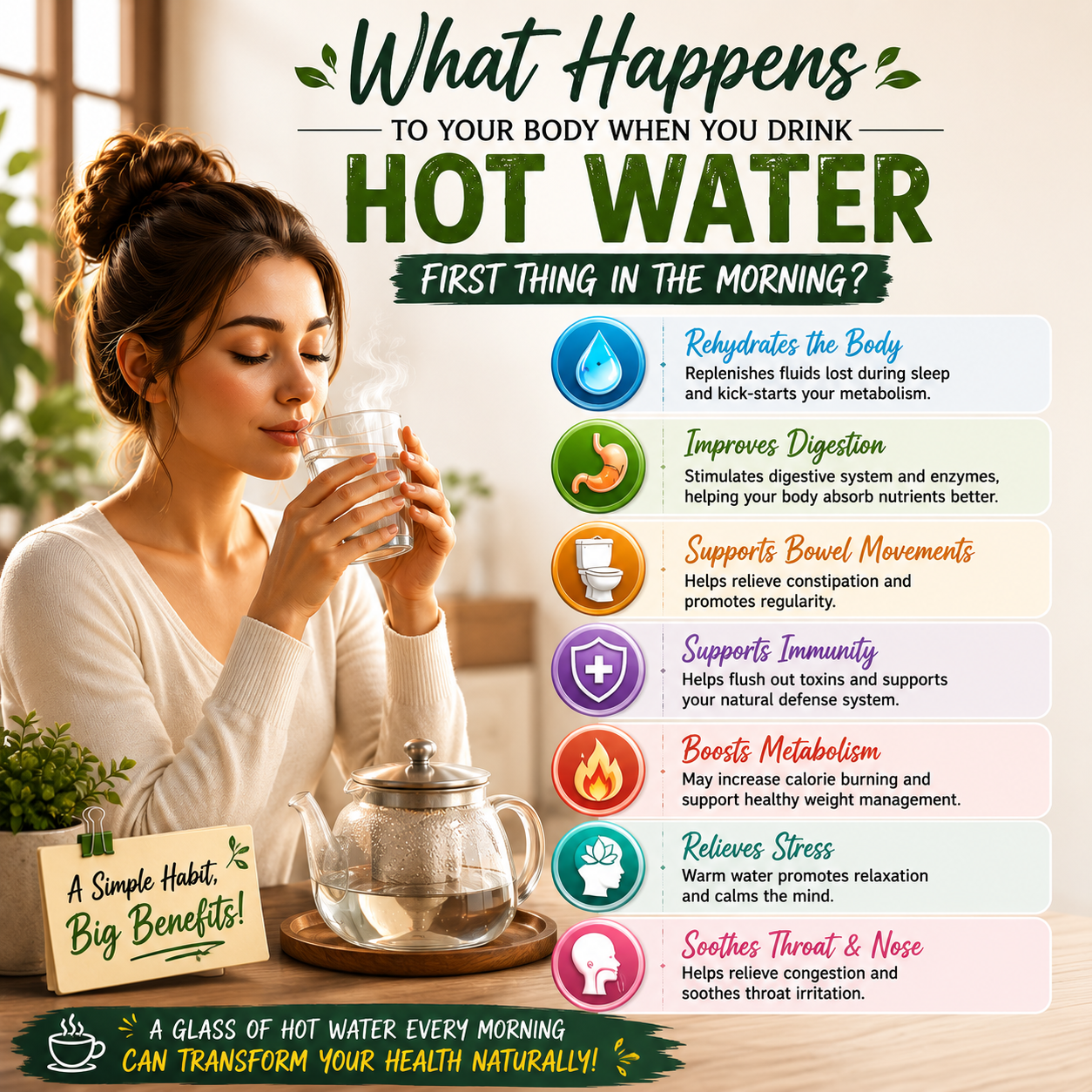
What Happens to Your Body When You Drink Hot Water First Thing in the Morning?
When you drink hot water first thing in the morning, several natural physiological processes begin almost immediately. The warm liquid enters your digestive tract, helping activate digestive muscles while restoring fluids lost overnight. Although the effects are generally subtle rather than dramatic, they can contribute to better overall wellness when practiced consistently.
Here are some of the primary changes that may occur:
- Rehydrates the body after several hours without fluids.
- Stimulates the digestive system.
- May promote easier bowel movements.
- Helps soothe the throat and stomach.
- Encourages relaxation through warmth.
- Supports normal circulation.
- May temporarily increase feelings of fullness.
These benefits are most effective when combined with a balanced diet, regular exercise, sufficient sleep, and other healthy lifestyle habits.
Improves Hydration After Sleep
One of the most immediate benefits of drinking hot water in the morning is restoring hydration. Your body depends on adequate water intake to perform nearly every biological function, including transporting nutrients, lubricating joints, regulating body temperature, and supporting brain activity. Since you typically go seven to nine hours without drinking during sleep, replacing lost fluids soon after waking is important.
Warm water hydrates the body just as effectively as cold water. Some people find it easier to drink larger amounts when it is warm, making it more likely that they meet their daily hydration needs. Proper hydration may improve concentration, support energy levels, reduce headaches caused by dehydration, and contribute to healthier skin over time.
Supports Healthy Digestion
Many people notice that drinking warm water before breakfast helps prepare their digestive system for the day. Warm liquids can gently stimulate the digestive tract and encourage normal movement of food through the stomach and intestines. While the effect varies among individuals, staying hydrated is known to support healthy digestion and reduce the likelihood of constipation.
Warm water may also help dissolve certain foods more efficiently during digestion, although digestive enzymes and stomach acid play the primary roles in breaking down meals. Drinking water before eating can support overall digestive comfort without interfering with normal digestive processes when consumed in moderate amounts.
May Encourage Regular Bowel Movements
One of the most commonly reported benefits of drinking hot water first thing in the morning is improved bowel regularity. Overnight dehydration can contribute to harder stools in some individuals. Rehydrating after waking provides the intestines with the water needed to soften stool and support healthy elimination.
Warm water may also stimulate intestinal contractions, a process known as peristalsis, which helps move waste through the digestive tract. People who experience occasional constipation often find that drinking water shortly after waking, combined with a fiber-rich diet and regular physical activity, supports more consistent bowel habits.
Can Drinking Hot Water Help Relieve Stress and Promote Relaxation?
The warmth of hot water does more than hydrate your body—it can also have a calming effect on your nervous system. Many people find that sipping warm water in the morning creates a sense of comfort and relaxation, helping them ease into the day. Although hot water is not a treatment for anxiety or stress-related disorders, its soothing temperature may help reduce muscle tension and encourage mindfulness.
Starting your morning with a few quiet moments while drinking warm water can become part of a healthy self-care routine. Combined with deep breathing, stretching, or meditation, this simple habit may help reduce feelings of stress and improve your overall sense of well-being.
Does Drinking Hot Water Boost Your Metabolism?
One of the most popular claims surrounding hot water is that it significantly boosts metabolism. While drinking any type of water requires your body to expend a small amount of energy to process it, the effect is relatively minor. Research suggests that water consumption can temporarily increase energy expenditure, but the difference between drinking warm water and cold water is not substantial enough to produce noticeable weight loss.
Instead of expecting dramatic metabolic changes, view hot water as a healthy hydration habit. Staying adequately hydrated supports many metabolic processes, including nutrient transport, energy production, and temperature regulation. These benefits contribute to overall health but should not be mistaken for a shortcut to losing weight.
Hot Water and Weight Loss: Fact vs. Myth
Many online articles claim that drinking hot water melts fat or accelerates weight loss. Unfortunately, there is no scientific evidence supporting these claims. Fat loss occurs when you consistently burn more calories than you consume, not because of the temperature of the water you drink.
However, warm water may indirectly support weight management in several ways:
- It can increase feelings of fullness before meals.
- It may reduce the desire for sugary drinks.
- Proper hydration helps maintain energy levels during exercise.
- Drinking water before meals may help reduce calorie intake in some individuals.
Although these factors can support a healthy lifestyle, hot water alone will not replace the benefits of nutritious eating and regular physical activity.
Can Hot Water Detox Your Body?
The idea that hot water “flushes toxins” from the body is one of the most common wellness myths. In reality, your liver, kidneys, digestive system, lungs, and skin are responsible for removing waste and toxins from your body. These organs function continuously and do not require special detox drinks to perform their job.
That said, staying hydrated is essential for these organs to work efficiently. Drinking warm water supports hydration, which helps the kidneys filter waste and maintain normal bodily functions. Rather than detoxifying your body directly, hot water contributes to the conditions your body needs to carry out its own natural detoxification processes.
Supports Healthy Blood Circulation
Proper hydration plays an important role in maintaining healthy blood circulation. Drinking water helps preserve blood volume, allowing oxygen and nutrients to be transported efficiently throughout the body. Warm water may also cause temporary widening of blood vessels, a process known as vasodilation, which can promote healthy circulation.
Improved circulation benefits many aspects of health, including heart function, muscle performance, and overall energy levels. While the effect of warm water on circulation is temporary, maintaining adequate hydration throughout the day supports long-term cardiovascular health.
May Help Relieve Nasal Congestion and Sore Throat
Warm liquids have long been recommended as a home remedy for colds and respiratory discomfort. Drinking hot water can help soothe an irritated throat, loosen mucus, and make it easier to clear nasal passages. The steam rising from a warm beverage may also provide temporary relief from nasal congestion.
Although hot water will not cure a viral infection, it can improve comfort while your body recovers. Many healthcare professionals recommend warm fluids as part of supportive care for common colds, along with rest and proper hydration.
Could Hot Water Improve Skin Health?
Healthy skin depends on many factors, including genetics, nutrition, sleep, sun protection, and hydration. Drinking hot water alone will not transform your skin, but maintaining good hydration supports skin elasticity and helps it function properly.
When your body is well hydrated, your skin is better able to retain moisture and maintain its protective barrier. While some people notice healthier-looking skin after improving their water intake, these changes are generally due to overall hydration rather than the temperature of the water itself.
Does Hot Water Improve Digestion Better Than Cold Water?
Both warm and cold water help the digestive system function properly because hydration is the key factor. However, some people find warm water more comfortable, especially first thing in the morning. Warm water may encourage relaxation of digestive muscles and gently stimulate movement within the gastrointestinal tract.
Cold water, on the other hand, is equally effective for hydration and does not harm digestion in healthy individuals. The best choice is the one that helps you drink enough water consistently and comfortably.
Potential Risks of Drinking Water That Is Too Hot
Although warm water offers several health benefits, excessively hot water can be harmful. Drinking water that is too hot increases the risk of burns to the lips, tongue, mouth, throat, and esophagus. Repeated exposure to very hot beverages has also been associated with an increased risk of esophageal injury.
To stay safe:
- Allow freshly boiled water to cool before drinking.
- Aim for a comfortably warm temperature rather than scalding hot.
- Test the water with a small sip before drinking a full glass.
- Avoid drinking boiling water directly from a kettle or cup.
Comfortable warmth is beneficial, while excessive heat can be dangerous.
Hot Water vs. Cold Water: Which Is Better?
Many people wonder whether warm water is healthier than cold water. In reality, both provide the same essential benefit—hydration. The choice often depends on personal preference, climate, activity level, and individual comfort.
| Feature | Hot Water | Cold Water |
| Hydration | Excellent | Excellent |
| Morning Comfort | Often preferred | Personal preference |
| Digestion | May feel soothing | Equally effective |
| Exercise Recovery | Less common | Often preferred |
| Cooling the Body | Moderate | Better during hot weather |
| Sore Throat Relief | Helpful | Less soothing |
Neither option is universally better. The most important factor is drinking enough water throughout the day.
What Is the Best Temperature for Drinking Water?
Health experts generally recommend drinking water that is warm rather than extremely hot. A temperature between 120°F and 140°F (49°C–60°C) is considered comfortable for most people and reduces the risk of burns.
If you are unsure whether your water is too hot, let it cool for a few minutes after boiling. The ideal temperature should feel pleasantly warm and easy to sip without causing discomfort.
How to Build a Healthy Morning Hot Water Routine
Adding hot water to your morning routine is simple and sustainable. The habit becomes even more effective when paired with other evidence-based wellness practices.
Here are some practical steps:
- Drink one glass (250–500 ml) of warm water within 15 minutes of waking.
- Use comfortably warm water—not boiling.
- Wait 20–30 minutes before eating breakfast if possible.
- Pair the habit with light stretching or deep breathing.
- Eat a balanced breakfast rich in protein, fiber, and healthy fats.
- Continue drinking water consistently throughout the day.
- Maintain regular exercise and quality sleep to maximize overall health.
These small, consistent habits can contribute to long-term wellness and help you start each daI already provided Part 3 earlier in this conversation. For convenience, here it is again.
Frequently Asked Questions (FAQs)
1. Is drinking hot water first thing in the morning actually good for you?
Yes, drinking hot or warm water first thing in the morning can be a healthy habit for most people. It helps replace fluids lost during sleep, supports healthy digestion, and contributes to your daily hydration needs. While hot water itself does not cure diseases or dramatically improve health overnight, consistent hydration is essential for proper brain function, circulation, kidney health, and digestion. The key is to drink water that is comfortably warm rather than extremely hot to avoid burns.
2. Can drinking hot water in the morning help with weight loss?
Hot water alone does not cause significant weight loss. However, it may support a weight-management plan by increasing feelings of fullness before meals, encouraging better hydration, and replacing sugary beverages. Some studies suggest drinking water before eating can slightly reduce calorie intake, but sustainable weight loss depends on maintaining a balanced diet, regular exercise, quality sleep, and healthy lifestyle habits.
3. Does hot water detox the body?
Not exactly. The body already has highly efficient detoxification systems, including the liver, kidneys, lungs, skin, and digestive tract. Drinking hot water supports hydration, which helps these organs function effectively, but it does not “flush toxins” in the way many detox claims suggest. Healthy eating, adequate sleep, exercise, and proper hydration remain the most effective ways to support your body’s natural detoxification processes.
4. What is the ideal temperature for drinking hot water?
Health experts generally recommend drinking warm water between 120°F and 140°F (49°C–60°C). Water hotter than 140°F (60°C) may increase the risk of burning the mouth, throat, and esophagus. If the water feels uncomfortably hot, allow it to cool before drinking.
5. Should I drink hot water before or after breakfast?
For most people, drinking warm water 20–30 minutes before breakfast is a good option. This allows your body to rehydrate after sleep and may gently stimulate digestion before your first meal. If you have specific digestive conditions, consult your healthcare provider for personalized advice.
6. Can I add lemon to hot water?
Yes. Adding fresh lemon provides vitamin C and enhances flavor, making it easier for some people to stay hydrated. However, lemon water is not a miracle detox drink. Because lemon is acidic, rinsing your mouth with plain water afterward can help protect tooth enamel.
7. Is warm water better than cold water?
Both warm and cold water hydrate the body effectively. Warm water may feel more soothing in the morning and can be comforting for digestion or sore throats, while cold water may be preferred after exercise or in hot weather. The best choice is the one that encourages you to drink enough water consistently.
Common Myths About Drinking Hot Water
Many claims about hot water have spread across social media and wellness blogs. While some benefits are supported by science, others are exaggerated or lack sufficient evidence.
| Myth | Reality |
| Hot water melts body fat | ❌ No scientific evidence supports this claim. |
| Hot water detoxifies the body | ❌ The liver and kidneys naturally detoxify the body. |
| Hot water cures digestive diseases | ❌ It may support digestion but is not a treatment. |
| Hot water boosts metabolism dramatically | ❌ Any increase is small and temporary. |
| Everyone should drink very hot water | ❌ Extremely hot water can cause burns and should be avoided. |
| Hot water prevents all illnesses | ❌ Hydration supports health but cannot prevent every disease. |
Best Practices for Drinking Hot Water in the Morning
Making hot water part of your morning routine is simple and sustainable when done correctly.
Follow these practical tips:
- Drink one glass (250–500 ml) shortly after waking.
- Use warm—not boiling—water.
- Wait 20–30 minutes before breakfast if possible.
- Continue drinking water throughout the day.
- Pair the habit with a balanced breakfast.
- Avoid relying on hot water as a substitute for healthy eating or medical treatment.
- Listen to your body and adjust the temperature to your comfort level.
Consistency matters more than perfection. A simple habit practiced daily can contribute to long-term wellness.
Key Takeaways
- Drinking hot water first thing in the morning helps rehydrate the body after sleep.
- Warm water may gently stimulate digestion and support regular bowel movements.
- Proper hydration contributes to healthy brain function, circulation, and kidney health.
- Hot water does not detoxify the body or burn fat directly.
- Drinking warm water before meals may help some people feel fuller.
- Water that is too hot can damage the mouth and esophagus.
- Warm water is one healthy habit that works best alongside a nutritious diet, regular exercise, and sufficient sleep.
Conclusion
Drinking hot water first thing in the morning is a simple, low-cost habit that can support overall health by improving hydration, promoting healthy digestion, and encouraging regular bowel movements. While many traditional wellness practices praise hot water for numerous benefits, modern scientific evidence suggests that its greatest advantage comes from helping you stay properly hydrated rather than producing miraculous health effects.
The key is to maintain realistic expectations. Warm water will not detoxify your body, melt fat, or cure chronic diseases. However, when combined with a balanced diet, regular physical activity, quality sleep, and healthy lifestyle choices, it can become a valuable part of your daily wellness routine.
If you enjoy drinking warm water and it helps you feel refreshed and energized, there’s little downside—provided the water isn’t hot enough to cause burns. Small, consistent habits often lead to the biggest long-term improvements in health.
Raed Our Latest Blog:5 Essential Dietary Shifts to Prep Your Immune System Before Winter