Living a healthier life doesn’t require expensive diets, complicated workout plans, or dramatic lifestyle changes. In reality, the biggest improvements often come from the smallest daily habits repeated consistently over time. Whether your goal is to have more energy, strengthen your immune system, maintain a healthy weight, improve your mental well-being, or reduce your risk of chronic disease, adopting a simple healthy lifestyle is one of the most effective long-term strategies.
Modern research consistently shows that healthy daily routines can positively influence physical health, brain function, sleep quality, heart health, digestion, and emotional resilience. Instead of chasing quick fixes, health experts recommend building sustainable habits that become part of everyday life.
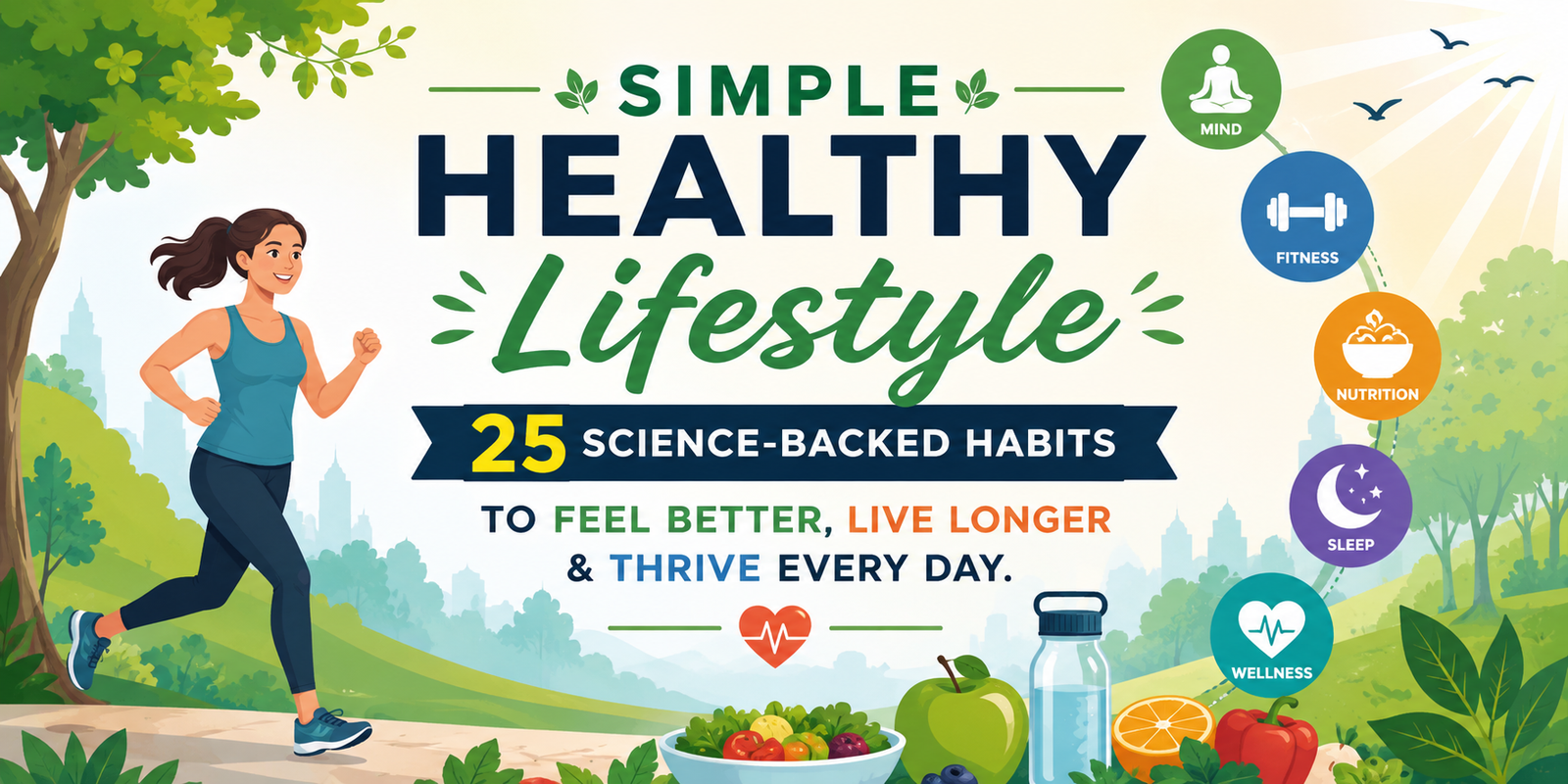
In this guide, you’ll discover 25 science-backed healthy lifestyle habits that are easy to follow regardless of your age or fitness level. These practical tips are designed to fit into busy schedules while delivering lasting benefits. By making gradual improvements, you’ll build a healthier future one step at a time.
What Is a Simple Healthy Lifestyle?
A simple healthy lifestyle means following everyday habits that support your physical, mental, and emotional well-being without making life unnecessarily complicated. It focuses on consistency instead of perfection. Rather than relying on restrictive diets, extreme exercise routines, or expensive supplements, this approach encourages sustainable behaviors such as eating nutritious foods, staying active, sleeping well, managing stress, and maintaining positive relationships.
Research has repeatedly shown that these basic habits can significantly lower the risk of heart disease, type 2 diabetes, obesity, certain cancers, and other chronic illnesses. They also improve mood, productivity, cognitive performance, and overall quality of life. The goal is not to become perfect overnight but to make healthier choices that are realistic enough to maintain for years.
Why Small Daily Habits Matter
Many people underestimate the power of small improvements because they expect immediate results. However, scientific research on habit formation shows that tiny daily actions compound over time. Drinking one extra glass of water, taking a short walk after dinner, or replacing sugary snacks with fruit may seem insignificant today, but these actions gradually improve your overall health.
Healthy daily habits are easier to maintain because they don’t overwhelm your schedule or require major lifestyle changes. Over weeks and months, these consistent behaviors can improve cardiovascular health, metabolism, digestion, immune function, mental clarity, and emotional resilience. Instead of pursuing perfection, focus on making progress through small, achievable steps that fit naturally into your daily routine.
25 Science-Backed Healthy Lifestyle Habits
1. Drink More Water Throughout the Day
Water is essential for nearly every function in your body. It helps regulate body temperature, transport nutrients, support digestion, lubricate joints, and remove waste products. Even mild dehydration can reduce concentration, increase fatigue, and affect physical performance.
One of the easiest simple healthy habits you can adopt is drinking enough water every day. Keep a reusable water bottle nearby, drink a glass of water after waking up, and choose water over sugary beverages whenever possible. Your hydration needs vary depending on age, climate, and activity level, but making water your primary beverage is a simple step toward better health.
Why It Matters
Proper hydration supports:
- Better brain function
- Healthier skin
- Improved digestion
- Kidney health
- Increased energy
- Better physical performance
2. Prioritize Quality Sleep Every Night
Sleep is one of the most overlooked pillars of good health. During sleep, your body repairs tissues, strengthens the immune system, regulates hormones, and consolidates memories. Adults generally benefit from seven to nine hours of quality sleep each night, although individual needs can vary.
Creating a consistent bedtime routine, limiting screen time before bed, and keeping your bedroom cool and dark can significantly improve sleep quality. A well-rested body is better equipped to manage stress, maintain a healthy weight, and perform effectively throughout the day. Making sleep a priority is one of the most valuable healthy lifestyle habits you can develop.
Healthy Sleep Tips
- Go to bed at the same time daily.
- Avoid caffeine late in the day.
- Reduce blue light exposure before bedtime.
- Keep your bedroom quiet and comfortable.
- Avoid heavy meals close to bedtime.
3. Eat More Whole Foods
Whole foods provide your body with vitamins, minerals, fiber, antioxidants, and other nutrients that processed foods often lack. A diet centered around vegetables, fruits, whole grains, legumes, nuts, seeds, lean proteins, and healthy fats supports long-term health and reduces the risk of chronic disease.
Highly processed foods often contain excess sodium, unhealthy fats, refined sugars, and artificial additives. Gradually replacing packaged snacks with nutrient-dense alternatives is a practical way to improve your diet without feeling deprived. Over time, these dietary improvements contribute to better digestion, stable energy levels, and improved overall wellness.
Examples of Whole Foods
- Fresh vegetables
- Seasonal fruits
- Brown rice
- Oats
- Lentils
- Beans
- Eggs
- Fish
- Plain yogurt
- Nuts and seeds
4. Move Your Body Every Day
Daily movement is essential for maintaining physical health, improving cardiovascular fitness, supporting joint mobility, and boosting mental well-being. You don’t need to spend hours in a gym to experience these benefits. Walking, cycling, gardening, swimming, dancing, or stretching all contribute to a healthier lifestyle.
Health organizations recommend at least 150 minutes of moderate-intensity physical activity each week. Breaking this into shorter sessions makes it easier to stay consistent. Regular movement also helps regulate blood sugar, improve sleep quality, strengthen bones, and enhance mood through the release of endorphins.
Easy Ways to Stay Active
- Walk after meals.
- Take the stairs instead of the elevator.
- Stretch every morning.
- Use a standing desk when possible.
- Schedule short movement breaks during work.
5. Eat More Fruits and Vegetables
Fruits and vegetables are among the most nutrient-rich foods available. They supply vitamins, minerals, antioxidants, and dietary fiber that support immune function, digestive health, heart health, and disease prevention. Eating a colorful variety ensures you receive a broad range of beneficial nutrients.
Aim to include fruits or vegetables with every meal and snack. Fresh, frozen, and minimally processed options can all contribute to your daily intake. Building meals around plant-based foods is a simple strategy that supports a balanced diet while naturally increasing fiber and reducing calorie density.
Colorful Choices Include
- Spinach
- Broccoli
- Carrots
- Tomatoes
- Bell peppers
- Berries
- Apples
- Citrus fruits
- Bananas
- Sweet potatoes
6. Learn to Manage Stress Effectively
Stress is a normal part of life, but chronic stress can negatively affect your immune system, cardiovascular health, digestion, sleep, and emotional well-being. Managing stress effectively doesn’t mean eliminating it completely; instead, it involves developing healthy coping strategies that help your body recover and adapt.
Simple practices such as deep breathing, mindfulness meditation, journaling, spending time outdoors, and engaging in enjoyable hobbies can reduce stress levels. Building these habits into your daily routine supports both mental and physical resilience. A calmer mind often leads to healthier decisions in other areas of life as well.
Healthy Stress Management Techniques
- Meditation
- Yoga
- Deep breathing
- Reading
- Spending time in nature
- Listening to music
- Practicing gratitude
7. Reduce Added Sugar Intake
Consuming too much added sugar has been linked to obesity, type 2 diabetes, heart disease, fatty liver disease, and dental problems. Many packaged foods and beverages contain hidden sugars, making it easy to exceed recommended limits without realizing it.
A practical approach is to gradually reduce sugary drinks, desserts, and processed snacks while choosing naturally sweet alternatives such as fresh fruit. Reading food labels can also help you identify hidden sources of added sugar. Small changes in your daily choices can significantly improve your long-term health.
Better Alternatives
- Fresh fruit
- Plain yogurt with berries
- Nuts
- Homemade smoothies
- Dark chocolate in moderation
8. Practice Mindful Eating
Mindful eating involves paying full attention to your food, eating slowly, and recognizing your body’s hunger and fullness signals. This habit helps prevent overeating and encourages a healthier relationship with food. Many people eat while distracted by phones, televisions, or work, which can lead to consuming more calories than intended.
Taking time to enjoy each bite, chewing thoroughly, and focusing on the flavors and textures of your meals can improve digestion and satisfaction. Mindful eating also makes it easier to choose nutritious foods and avoid emotional eating triggered by stress or boredom.
Benefits of Mindful Eating
- Better digestion
- Improved portion control
- Reduced emotional eating
- Greater meal satisfaction
- Healthier food choices
9. Build Strong Social Connections
Human relationships play a powerful role in overall health. Research suggests that maintaining supportive friendships and family connections is associated with lower stress levels, improved mental health, and even longer life expectancy. Social interaction can provide emotional support, encourage healthy behaviors, and help people cope with life’s challenges.
Make time to connect with loved ones regularly, whether through shared meals, phone calls, community activities, or hobbies. Building meaningful relationships contributes to happiness and resilience, making it an essential part of a simple healthy lifestyle. Investing in your social well-being is just as important as eating well or staying physically active.
10. Maintain a Healthy Body Weight
Maintaining a healthy body weight is not about achieving a perfect number on the scale. Instead, it focuses on supporting your overall well-being through balanced nutrition, regular physical activity, quality sleep, and stress management. Weight naturally fluctuates over time, so the goal should be long-term health rather than short-term dieting.
A sustainable approach to weight management includes eating nutrient-dense foods, staying active, avoiding highly processed snacks, and practicing portion control. Crash diets often produce temporary results, whereas consistent healthy daily habits are far more effective for maintaining a healthy weight and reducing the risk of chronic diseases.
Healthy Weight Tips
- Eat balanced meals.
- Avoid skipping breakfast.
- Stay physically active.
- Drink plenty of water.
- Monitor portions instead of counting every calorie.
11. Choose Healthy Fats Instead of Unhealthy Fats
Not all fats are harmful. Healthy fats are essential for brain function, hormone production, heart health, and the absorption of fat-soluble vitamins. Replacing saturated and trans fats with healthier options is a simple but impactful lifestyle change.
Foods such as avocados, olive oil, nuts, seeds, and fatty fish provide beneficial unsaturated fats that support cardiovascular health. Limiting fried foods and heavily processed snacks can further reduce unhealthy fat intake. Making smarter fat choices contributes to a simple healthy lifestyle without sacrificing flavor or satisfaction.
Healthy Fat Sources
- Olive oil
- Avocados
- Walnuts
- Almonds
- Chia seeds
- Flaxseeds
- Salmon
- Sardines
12. Include Strength Training Every Week
Strength training is an important component of overall fitness. It helps preserve muscle mass, strengthens bones, improves balance, supports joint health, and boosts metabolism. These benefits become increasingly important with age, as muscle mass naturally declines over time.
You don’t need expensive gym equipment to get started. Bodyweight exercises, resistance bands, or light dumbbells can be highly effective. Aim to perform strength-training exercises at least two days each week, targeting all major muscle groups. This habit complements cardiovascular exercise and supports long-term physical health.
Beginner Exercises
- Squats
- Push-ups
- Lunges
- Planks
- Glute bridges
- Resistance band rows
13. Limit Sitting for Long Periods
Modern lifestyles often involve extended periods of sitting at desks, in cars, or while watching television. Prolonged sedentary behavior has been associated with an increased risk of obesity, cardiovascular disease, type 2 diabetes, and poor posture.
Even if you exercise regularly, it’s important to break up long sitting sessions. Standing up, stretching, or taking a brief walk every 30 to 60 minutes improves circulation and reduces muscle stiffness. Small movement breaks can increase productivity while supporting better long-term health.
Easy Movement Breaks
- Walk while taking phone calls.
- Stretch every hour.
- Stand during meetings.
- Use a standing desk.
- Walk after lunch.
14. Eat Enough Protein
Protein is essential for repairing tissues, maintaining muscle, supporting immune function, and producing enzymes and hormones. Adequate protein intake also helps you feel fuller for longer, making it easier to maintain healthy eating habits.
Choose a variety of protein sources, including lean poultry, fish, eggs, beans, lentils, tofu, dairy products, and nuts. Spreading protein evenly across meals supports muscle maintenance and steady energy throughout the day.
Good Protein Choices
- Eggs
- Chicken breast
- Fish
- Greek yogurt
- Cottage cheese
- Lentils
- Chickpeas
- Tofu
15. Avoid Smoking and Limit Alcohol
Smoking is one of the leading preventable causes of disease worldwide. It significantly increases the risk of heart disease, stroke, lung disease, and several types of cancer. Avoiding tobacco products is one of the most important decisions you can make for your health.
Alcohol should also be consumed responsibly. Excessive drinking can negatively affect the liver, heart, brain, sleep quality, and mental health. If you choose to drink, doing so in moderation helps reduce these risks and supports a healthier lifestyle.
Health Benefits
- Improved lung function
- Better heart health
- Lower cancer risk
- Improved sleep quality
- Increased life expectancy
16. Practice Good Hygiene
Personal hygiene protects both you and those around you from infectious diseases. Simple habits such as washing your hands regularly, maintaining oral hygiene, and preparing food safely reduce the spread of harmful bacteria and viruses.
Good hygiene also supports confidence and overall well-being. Brushing and flossing daily, bathing regularly, and keeping frequently touched surfaces clean are practical habits that contribute to better long-term health.
Hygiene Checklist
- Wash hands with soap.
- Brush teeth twice daily.
- Floss regularly.
- Keep your nails clean.
- Sanitize frequently touched objects.
17. Spend More Time Outdoors
Nature has a remarkable ability to improve mental and physical health. Spending time outdoors can reduce stress, improve mood, encourage physical activity, and support vitamin D production through sunlight exposure.
Whether you enjoy walking in a park, gardening, hiking, or simply sitting outside, regular time in natural environments helps restore mental focus and emotional balance. Outdoor activities are an easy way to combine exercise with relaxation.
18. Protect Your Mental Health
Mental health is just as important as physical health. Emotional well-being influences relationships, decision-making, productivity, and overall quality of life. Ignoring chronic stress, anxiety, or depression can eventually affect physical health as well.
Protect your mental health by maintaining supportive relationships, setting realistic boundaries, practicing self-care, and seeking professional help when needed. Developing emotional resilience is a key part of a simple healthy lifestyle.
Mental Wellness Habits
- Practice gratitude.
- Stay socially connected.
- Get adequate sleep.
- Exercise regularly.
- Talk openly about emotions.
19. Learn Something New
Keeping your brain active supports lifelong cognitive health. Learning new skills creates fresh neural connections that improve memory, concentration, and mental flexibility.
Read books, take online courses, learn a language, play a musical instrument, or develop a creative hobby. Lifelong learning promotes confidence while reducing mental stagnation and supporting healthy aging.
20. Schedule Regular Health Checkups
Preventive healthcare helps identify potential health problems before they become serious. Regular medical checkups, screenings, dental visits, eye exams, and recommended vaccinations contribute to better long-term outcomes.
Your healthcare provider can also offer personalized advice based on your age, family history, and lifestyle. Prevention is often more effective and less costly than treating advanced disease.
21. Practice Gratitude Daily
Gratitude shifts your attention toward positive experiences and strengthens emotional well-being. Research suggests that regularly practicing gratitude can improve mood, reduce stress, and enhance life satisfaction.
Simple habits such as writing down three things you’re thankful for each day or expressing appreciation to others can make a meaningful difference over time.
22. Reduce Screen Time
Technology has many benefits, but excessive screen time can contribute to eye strain, poor posture, reduced physical activity, and disrupted sleep patterns. Social media overuse may also negatively affect mental well-being for some individuals.
Set healthy boundaries by taking regular breaks, avoiding screens before bedtime, and replacing some screen time with physical activity or hobbies.
23. Create a Consistent Daily Routine
Healthy routines reduce decision fatigue and make beneficial habits easier to maintain. Consistency helps regulate sleep, eating patterns, exercise, and stress management.
Start with a few realistic habits rather than trying to change everything at once. Small routines performed consistently often produce greater long-term success than occasional bursts of motivation.
24. Keep Learning About Nutrition
Nutrition science continues to evolve. Staying informed through trustworthy, evidence-based sources helps you make smarter food choices and avoid misinformation.
Focus on practical knowledge rather than fad diets. Understanding food labels, portion sizes, and balanced meal planning empowers you to make healthier decisions every day.
25. Stay Consistent Instead of Seeking Perfection
Perhaps the most important habit of all is consistency. Many people abandon healthy routines after missing a workout or eating an unhealthy meal. Long-term health is determined by what you do most of the time—not by occasional setbacks.
Accept that perfection is unrealistic. Returning to your healthy habits after interruptions is what builds lasting success. Consistency creates momentum, and momentum leads to lifelong wellness.
Comparison Table: Healthy Habits vs. Unhealthy Habits
| Healthy Habit | Common Unhealthy Habit | Long-Term Benefit |
| Drink water regularly | Sugary beverages | Better hydration and kidney health |
| Eat whole foods | Processed foods | Improved nutrition |
| Exercise daily | Sedentary lifestyle | Better cardiovascular fitness |
| Sleep 7–9 hours | Chronic sleep deprivation | Improved immunity and concentration |
| Eat fruits and vegetables | Low-fiber diet | Better digestion and disease prevention |
| Practice stress management | Chronic unmanaged stress | Improved mental health |
| Strength train weekly | No resistance exercise | Stronger muscles and bones |
| Build relationships | Social isolation | Better emotional well-being |
Simple Healthy Lifestyle Checklist
Use this checklist to build sustainable simple healthy habits:
- ✅ Drink enough water daily.
- ✅ Eat vegetables with every meal.
- ✅ Include fruit every day.
- ✅ Exercise for at least 30 minutes.
- ✅ Sleep 7–9 hours nightly.
- ✅ Practice mindfulness or deep breathing.
- ✅ Reduce added sugar intake.
- ✅ Limit processed foods.
- ✅ Spend time outdoors.
- ✅ Stay connected with family and friends.
- ✅ Read or learn something new weekly.
- ✅ Schedule preventive health checkups.
- ✅ Maintain good hygiene.
- ✅ Practice gratitude.
- ✅ Stay consistent with your healthy routine.
Frequently Asked Questions (FAQs)
1. What is the easiest way to start a simple healthy lifestyle?
Start with one or two manageable habits rather than changing everything at once. Drinking more water, taking a daily walk, eating one additional serving of vegetables, and maintaining a consistent bedtime are excellent first steps. Once these behaviors become routine, gradually add new habits. Small improvements practiced consistently are far more sustainable than drastic lifestyle changes.
2. How long does it take to notice health improvements?
Some benefits, such as increased energy, better hydration, and improved sleep, may be noticeable within days or weeks. Other improvements, including better cardiovascular fitness, healthier cholesterol levels, and weight management, often take several months of consistent effort. Individual results vary based on age, health status, and lifestyle, but persistence is the key to lasting progress.
3. Can a simple healthy lifestyle help prevent chronic diseases?
Following healthy lifestyle habits can lower the risk of many chronic conditions, including heart disease, type 2 diabetes, obesity, and high blood pressure. While no lifestyle guarantees complete disease prevention, maintaining balanced nutrition, regular physical activity, quality sleep, stress management, and avoiding tobacco significantly contributes to better long-term health outcomes.
4. Is it okay to have occasional unhealthy meals?
Yes. A healthy lifestyle is based on overall eating patterns rather than perfection. Enjoying occasional treats or restaurant meals is unlikely to harm your health when your usual diet is balanced and nutritious. Focusing on consistency instead of guilt helps create a positive and sustainable relationship with food.
5. Why is hydration so important?
Water supports digestion, regulates body temperature, transports nutrients, lubricates joints, and helps remove waste from the body. Even mild dehydration may affect energy levels, concentration, and physical performance. Drinking enough water throughout the day is one of the simplest and most effective habits for supporting overall health.
Key Takeaways
- A simple healthy lifestyle is built on small, sustainable daily habits.
- Consistency is more effective than perfection.
- Eat mostly whole, nutrient-dense foods.
- Stay hydrated throughout the day.
- Exercise regularly and include strength training.
- Prioritize 7–9 hours of quality sleep each night.
- Manage stress with healthy coping strategies.
- Build meaningful social connections.
- Schedule regular preventive health checkups.
- Healthy habits compound over time, leading to better energy, longevity, and overall well-being.
Conclusion
Living a healthier life doesn’t require complicated rules or expensive solutions. The most effective changes are often the simplest ones—drinking enough water, eating nourishing foods, moving your body regularly, getting quality sleep, managing stress, and nurturing meaningful relationships. These habits may seem small on their own, but together they create a powerful foundation for lifelong health.
Remember that lasting change happens gradually. Instead of trying to transform your entire routine overnight, focus on improving one habit at a time. Celebrate small victories, learn from setbacks, and keep moving forward. Every healthy decision you make today is an investment in your future self.
At PureWellLife, our mission is to provide evidence-based, practical wellness information that helps you make informed decisions for a healthier life. If you found this guide helpful, explore our other articles on healthy eating, sleep, exercise, disease prevention, and lifestyle tips to continue building healthier habits every day.