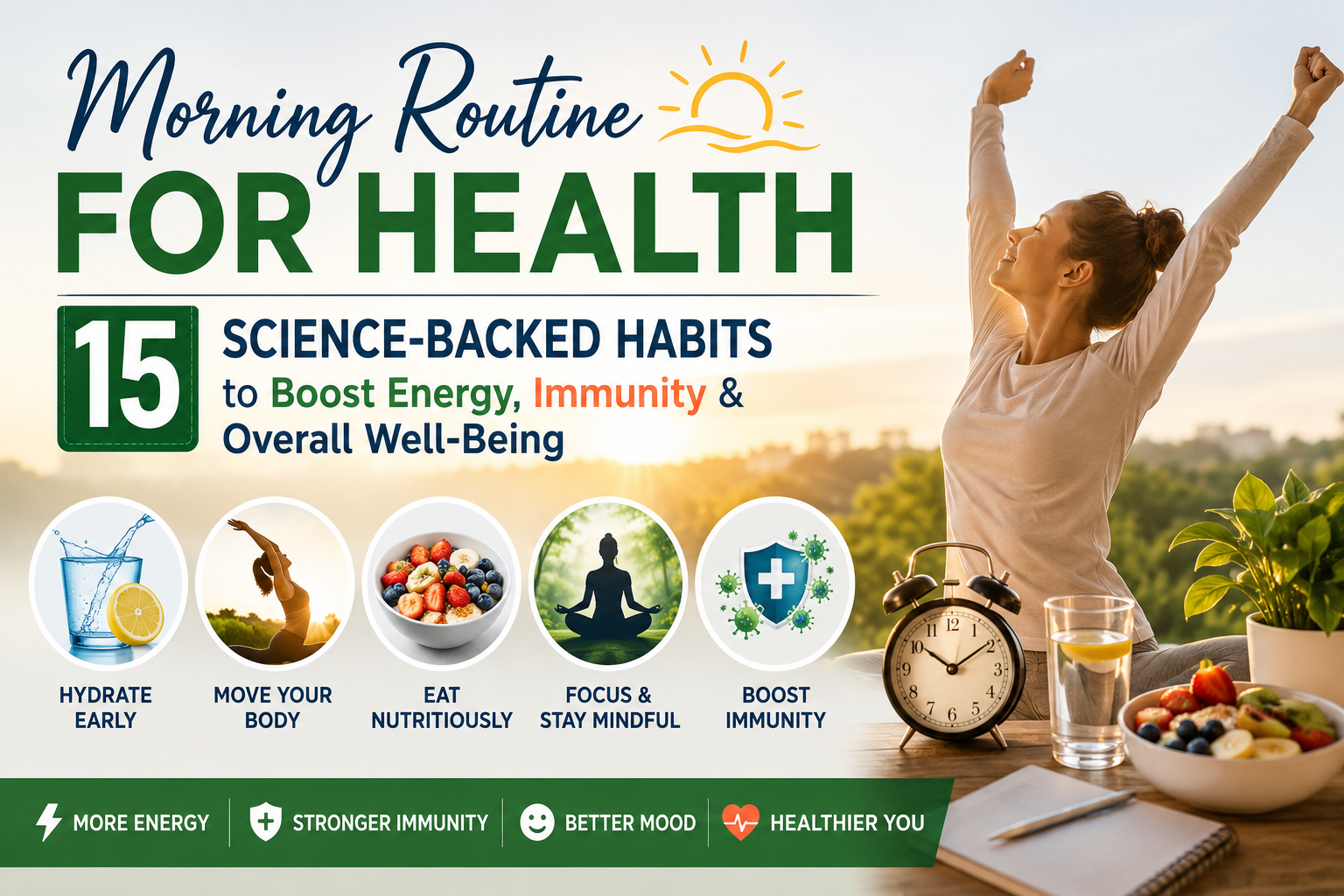
Morning Routine for Health: 15 Science-Backed Habits to Boost Energy, Immunity & Overall Well-Being
Your morning sets the tone for everything that follows. The habits you practice within the first hour after waking can influence your energy levels, focus, mood, metabolism, immune system, and long-term health. While there is no single “perfect” routine that fits everyone, research consistently shows that healthy morning behaviors can improve both physical and mental well-being over time.
A well-designed Morning Routine for Health doesn’t require waking up at 5 a.m. or following an overly complicated schedule. Instead, it focuses on small, sustainable habits that support your body’s natural rhythms. Drinking water, moving your body, eating a balanced breakfast, getting natural sunlight, and practicing mindfulness are examples of evidence-based actions that help you feel your best.
In this guide, you’ll discover 15 science-backed habits that form a healthy morning routine, learn why they matter, and find practical ways to incorporate them into your daily life. Whether your goal is to improve energy, strengthen immunity, manage stress, or simply feel healthier, these habits can help you build a routine that supports lasting wellness.
Why Your Morning Routine Matters
A consistent morning routine does much more than help you stay organized. It prepares your body and mind for the day by supporting healthy biological processes. Your body’s circadian rhythm regulates sleep, hormone production, metabolism, and alertness. When your mornings follow a consistent pattern, your internal clock functions more efficiently, making it easier to wake up feeling refreshed and maintain steady energy throughout the day.
Research has linked consistent healthy habits with better cardiovascular health, improved mental well-being, stronger immune function, and healthier weight management. While no single habit is a magic solution, combining several evidence-based behaviors creates a powerful foundation for long-term wellness. Developing the best morning habits for health can also reduce decision fatigue because positive choices become automatic over time.
What Makes a Healthy Morning Routine?
A healthy morning routine is one that supports both your physical and mental health without adding unnecessary stress. It should be realistic, flexible, and sustainable rather than overly ambitious. The goal is not perfection but consistency. Even spending 30 to 60 minutes on intentional habits can make a meaningful difference in your overall health.
An effective routine typically includes hydration, movement, nutritious food, sunlight exposure, mindfulness, and planning for the day. These practices work together to improve energy production, stabilize blood sugar, support healthy digestion, regulate stress hormones, and enhance mental clarity. The benefits of a healthy morning routine become more noticeable when these habits are practiced consistently over weeks and months.
15 Science-Backed Habits for a Healthier Morning
1. Wake Up at a Consistent Time
Maintaining a consistent wake-up time is one of the simplest yet most effective health habits. Waking at roughly the same time every day—even on weekends—helps regulate your circadian rhythm. A stable sleep schedule improves sleep quality, supports hormone balance, and makes mornings feel less exhausting. Consistency also helps reduce “social jet lag,” which can negatively affect mood and metabolism.
Quick Tip: Aim to wake within the same 30-minute window every day.
2. Drink Water Before Anything Else
Your body naturally loses fluids during sleep through breathing and perspiration. Drinking a glass of water soon after waking helps replace lost fluids and supports normal bodily functions. Proper hydration contributes to healthy circulation, digestion, temperature regulation, and cognitive performance. While water isn’t a cure-all, beginning the day hydrated is a simple habit that complements an overall healthy lifestyle.
Quick Tip: Drink one to two glasses of plain water before your morning coffee or tea.
3. Get Natural Sunlight Within the First Hour
Morning sunlight is a powerful cue for your body’s internal clock. Exposure to natural light shortly after waking helps regulate melatonin production and supports alertness during the day. It may also contribute to better sleep quality at night by reinforcing your circadian rhythm. Spending just 10 to 20 minutes outdoors or near a bright window can provide meaningful benefits, depending on weather and location.
Benefits include:
- Better sleep quality
- Improved mood
- Increased alertness
- Support for healthy circadian rhythms
- Enhanced daytime energy
4. Move Your Body
You don’t need an intense workout first thing in the morning to experience health benefits. Gentle stretching, yoga, walking, or light strength exercises can improve circulation, increase flexibility, and reduce stiffness after sleep. Morning movement also helps many people feel more energized and mentally prepared for the day. The key is choosing an activity you enjoy and can perform consistently.
Simple options include:
- Five-minute stretching routine
- Brisk walk
- Yoga flow
- Bodyweight exercises
- Light cycling
5. Eat a Balanced Breakfast
A nutritious breakfast can help replenish energy stores after an overnight fast and provide essential nutrients to start the day. A balanced meal that includes protein, fiber, healthy fats, and complex carbohydrates may support satiety and stable energy levels. However, breakfast needs vary from person to person, so choose an approach that fits your health goals and preferences.
| Include More | Limit | |
| Eggs | Sugary cereals | |
| Greek yogurt | Pastries | |
| Oatmeal | Sugary drinks | |
| Fruit | Candy | |
| Nuts | Processed snacks |
6. Practice Deep Breathing or Meditation
Stress often begins before the workday even starts. Taking five to ten minutes for deep breathing, meditation, or mindfulness can help you begin the day with greater calm and focus. These practices encourage awareness of the present moment and may reduce feelings of stress. Regular mindfulness can also improve emotional resilience and concentration over time.
A simple breathing exercise involves inhaling slowly through the nose for four seconds, holding the breath briefly, and exhaling gently through the mouth for six seconds. Repeating this cycle for several minutes can help you transition into the day with a more relaxed mindset.
7. Avoid Checking Your Phone Immediately After Waking
Many people reach for their phone within minutes of waking up, but this habit can increase stress and reduce focus before the day even begins. Notifications, emails, social media updates, and news alerts can trigger your brain into a reactive state, making it harder to prioritize your own well-being. Instead, give yourself at least 20–30 minutes before engaging with digital devices.
Creating a screen-free morning allows your mind to wake up naturally and helps you stay intentional about your routine. You can use this time for hydration, stretching, journaling, or simply enjoying a quiet breakfast. Reducing early screen exposure may also improve mental clarity and lower unnecessary stress, making this one of the best morning habits for health.
Healthy Alternatives to Phone Scrolling:
- Read a few pages of a book
- Practice gratitude
- Stretch your muscles
- Listen to calming music
- Spend a few minutes outdoors
8. Eat Protein Early in the Day
Protein is an essential nutrient that supports muscle maintenance, hormone production, immune function, and satiety. Including a good source of protein in your breakfast can help you stay full longer and reduce mid-morning hunger. It also supports stable energy levels when combined with fiber-rich carbohydrates and healthy fats.
Examples of protein-rich breakfast foods include eggs, Greek yogurt, cottage cheese, tofu, beans, nuts, seeds, and protein-rich smoothies. While individual protein needs vary based on age, activity level, and health conditions, making protein part of your healthy morning routine is a smart strategy for overall wellness.
| High-Protein Breakfast | Approximate Protein |
| 2 Eggs | 12 g |
| Greek Yogurt (200 g) | 20 g |
| Cottage Cheese | 24 g |
| Tofu Scramble | 18 g |
| Protein Smoothie | 20–30 g |
9. Fuel Your Body with Whole Foods
Whole foods provide vitamins, minerals, fiber, and antioxidants that highly processed foods often lack. Building your breakfast around minimally processed ingredients supports digestive health, steady energy, and overall nutrition. Fresh fruits, vegetables, whole grains, nuts, seeds, and lean proteins work together to nourish your body and prepare it for the day ahead.
Rather than focusing on restrictive diets, aim for balance and variety. A breakfast of oatmeal topped with berries and nuts, whole-grain toast with avocado and eggs, or a fruit-and-yogurt bowl offers nutrients that support metabolism and immune function. Making whole foods the foundation of your morning routine to boost energy can contribute to better long-term health.
10. Spend Time in Nature Whenever Possible
Nature has a calming effect on both the mind and body. Even a short walk in a nearby park, sitting in a garden, or enjoying fresh air on a balcony can improve your mood and help reduce stress. Exposure to green spaces has been associated with better mental well-being, improved concentration, and lower perceived stress levels.
If spending time outdoors isn’t possible every morning, opening a window, caring for indoor plants, or taking a short walk during your commute can still help you connect with your surroundings. Making nature part of your morning routine encourages mindfulness and supports emotional health.
Simple Ways to Connect with Nature:
- Walk around your neighborhood
- Drink your morning beverage outside
- Water your garden
- Sit near a sunny window
- Care for indoor plants
11. Plan Your Day with Clear Priorities
A few minutes of planning each morning can reduce stress and improve productivity. Instead of trying to remember every task throughout the day, write down your top priorities. This helps organize your thoughts and allows you to focus on what matters most.
A practical method is the “Top Three Priorities” approach, where you identify the three most important tasks you want to accomplish. Completing these first creates momentum and reduces feelings of being overwhelmed. Combining planning with your Morning Routine for Health supports both mental well-being and work-life balance.
Daily Planning Checklist:
- Review today’s schedule
- List your three main priorities
- Prepare healthy meals or snacks
- Schedule movement breaks
- Set one personal wellness goal
12. Practice Gratitude
Gratitude is more than simply saying “thank you.” It involves intentionally recognizing positive aspects of your life, which can improve your outlook and emotional resilience. Research suggests that gratitude practices are associated with greater happiness, better relationships, and lower levels of stress.
A simple gratitude journal works well. Each morning, write down three things you appreciate. They don’t need to be extraordinary—good health, supportive family, or even a beautiful sunrise can all be meaningful. Over time, this habit trains your mind to notice positive experiences more naturally.
Examples of Gratitude Prompts:
- What made me smile yesterday?
- Who helped me recently?
- What opportunity am I thankful for today?
- What strength do I appreciate about myself?
- What simple comfort brings me joy?
13. Limit Added Sugar in the Morning
Many popular breakfast foods contain surprising amounts of added sugar. Sweet pastries, flavored cereals, sugary coffee drinks, and packaged breakfast bars may provide quick energy, but they are often followed by a noticeable energy slump. Choosing lower-sugar options helps maintain steadier blood sugar levels and supports long-term health.
Instead of eliminating all sweet foods, focus on naturally sweet alternatives such as fresh fruit, unsweetened yogurt with berries, or oatmeal topped with cinnamon. Reading nutrition labels can also help you identify products with excessive added sugars.
| Better Choice | Instead of |
| Plain Oatmeal | Sugary Instant Oatmeal |
| Fresh Fruit | Sweet Pastries |
| Plain Yogurt | Flavored Sugary Yogurt |
| Whole Grain Toast | Frosted Breakfast Treats |
| Homemade Smoothie | Sugar-Sweetened Drinks |
14. Practice Good Personal Hygiene
Morning hygiene is an important part of overall health. Brushing your teeth, washing your face, showering when appropriate, and maintaining good hand hygiene help reduce bacteria, improve oral health, and promote personal confidence. Oral hygiene, in particular, plays a significant role in preventing cavities and gum disease.
Adding skincare or self-care rituals can also help establish consistency and create a positive start to your day. These habits don’t need to be complicated—they simply reinforce a mindset of caring for your overall well-being.
Morning Hygiene Checklist:
- Brush and floss teeth
- Wash your face
- Shower if needed
- Apply sunscreen before going outdoors
- Wash hands regularly
15. Stay Consistent Rather Than Perfect
One of the biggest mistakes people make is trying to change everything overnight. A healthy lifestyle is built through consistency, not perfection. Missing one morning or adjusting your schedule occasionally won’t undo your progress. What matters most is returning to your routine and maintaining healthy habits over time.
Start with two or three habits that feel manageable, then gradually build your routine as those behaviors become automatic. Sustainable change happens through repetition, patience, and realistic expectations. This mindset makes your Morning Routine for Health easier to maintain for years rather than weeks.
Sample Morning Routine for Health
The ideal morning routine depends on your lifestyle, work schedule, and personal preferences. The following example demonstrates how several science-backed habits can fit into a balanced one-hour routine.
| Time | Activity |
| 6:30 AM | Wake up at a consistent time |
| 6:35 AM | Drink one or two glasses of water |
| 6:40 AM | Get natural sunlight |
| 6:50 AM | Stretch or exercise |
| 7:10 AM | Practice meditation or deep breathing |
| 7:20 AM | Eat a balanced, protein-rich breakfast |
| 7:40 AM | Review daily priorities |
| 7:50 AM | Begin work or daily activities |
This schedule is only an example. The best routine is one that fits comfortably into your life and can be maintained consistently. Even if you only have 20–30 minutes available, combining hydration, movement, sunlight, and a nutritious breakfast can make a meaningful difference in your energy and overall well-being.
Common Morning Mistakes to Avoid
Even with good intentions, certain habits can reduce the effectiveness of your morning routine. Recognizing these common mistakes allows you to make small adjustments that lead to better long-term results.
Avoid these common pitfalls:
- Hitting the snooze button repeatedly
- Skipping hydration
- Eating a high-sugar breakfast every day
- Spending excessive time on social media after waking
- Ignoring physical activity
- Staying indoors without natural light
- Starting work immediately without planning
- Expecting perfection instead of consistency
Replacing these habits with healthier alternatives creates a stronger foundation for lasting physical and mental health.
Frequently Asked Questions
1. What is a good morning routine for overall health?
A good morning routine includes waking at a consistent time, drinking water, getting sunlight, moving your body, eating a balanced breakfast, and taking a few minutes to plan your day. These habits support physical and mental health while creating a positive foundation for the rest of the day. Consistency is more important than having a lengthy or complicated routine.
2. Can a morning routine increase energy naturally?
Yes. Healthy morning habits such as proper hydration, physical activity, sunlight exposure, and a nutritious breakfast can improve alertness and reduce feelings of sluggishness. While adequate sleep remains essential, combining these habits can help you feel more energized throughout the day without relying heavily on caffeine.
3. Does a morning routine improve immunity?
A morning routine alone does not guarantee a stronger immune system, but healthy behaviors like regular exercise, balanced nutrition, stress management, and quality sleep all contribute to normal immune function. Practicing these habits consistently supports your body’s natural defenses as part of an overall healthy lifestyle.
4. Should I drink coffee immediately after waking?
Many people enjoy coffee in the morning, but drinking water first helps replace fluids lost overnight. If coffee is part of your routine, consider having it after hydrating and, if possible, after eating breakfast. Moderation is key, as excessive caffeine intake may cause unwanted side effects in some individuals.
5. What are the biggest morning mistakes?
Common mistakes include skipping breakfast, neglecting hydration, spending too much time on your phone, sleeping inconsistently, and rushing through the morning without a plan. Replacing these habits with healthier alternatives can improve focus, productivity, and overall well-being.
Key Takeaways
- A consistent Morning Routine for Health supports long-term wellness.
- Hydration should be one of the first habits after waking.
- Morning sunlight helps regulate your circadian rhythm.
- Daily movement improves circulation, flexibility, and energy.
- A balanced, protein-rich breakfast supports sustained energy.
- Mindfulness and gratitude reduce stress and improve focus.
- Limiting phone use creates a calmer, more intentional morning.
- Whole foods provide essential nutrients for overall health.
- Consistency is more important than perfection.
- Small daily habits lead to meaningful long-term improvements.
Conclusion
Your morning is an opportunity to invest in your health before the demands of the day begin. While there is no universal routine that works for everyone, the science is clear that consistent healthy habits can positively influence your energy, mood, productivity, and overall well-being. From drinking water and getting morning sunlight to exercising, eating nutritious foods, and practicing mindfulness, each habit contributes to a healthier lifestyle.
The key is to focus on progress rather than perfection. Begin with two or three habits that feel achievable and gradually expand your routine as they become second nature. Sustainable changes are built through repetition and consistency, not overnight transformation.
Remember, your Morning Routine for Health is a personal journey. Adapt these science-backed habits to fit your lifestyle, schedule, and goals. By making intentional choices every morning, you create a strong foundation for better physical health, mental resilience, and lasting wellness.
Start tomorrow with one healthy habit—and let it become the first step toward a healthier, happier future.