
Food poisoning affects millions of people every year, yet many cases are entirely preventable with the right food safety practices. Harmful bacteria, viruses, parasites, and toxins can contaminate food at any stage—from production and transportation to preparation and storage in your own kitchen. Even healthy-looking food can contain dangerous microorganisms if it has been handled improperly.
Understanding food poisoning prevention is essential for protecting yourself, your family, and anyone you prepare meals for. Whether you’re cooking at home, meal prepping for the week, shopping for groceries, or dining outdoors, following proper food safety guidelines significantly reduces the risk of foodborne illness.
This comprehensive guide explains everything you need to know about preventing food poisoning, including safe food handling, proper cooking temperatures, correct storage methods, kitchen hygiene, common food safety mistakes, and practical prevention strategies. You’ll also learn how harmful pathogens spread, which foods require extra care, and what steps to take if food poisoning is suspected.
By following these evidence-based food safety practices, you can confidently prepare meals while minimizing health risks and reducing food waste.
What Is Food Poisoning?
Food poisoning, also called foodborne illness, occurs when a person consumes contaminated food or beverages containing harmful bacteria, viruses, parasites, toxins, or chemicals. Symptoms may range from mild stomach discomfort to severe dehydration and life-threatening complications depending on the type of contamination and the individual’s health.
Most food poisoning cases develop within a few hours to several days after eating contaminated food. Common symptoms include nausea, vomiting, diarrhea, stomach cramps, fever, fatigue, and dehydration. While healthy adults often recover within a few days, infants, pregnant women, older adults, and people with weakened immune systems face a much higher risk of severe illness.
Food poisoning prevention contamination before food reaches your plate is the most effective way to reduce foodborne diseases.
Why Food Poisoning Prevention Matters
Preventing food poisoning goes far beyond avoiding an upset stomach. Foodborne illnesses can result in hospitalization, long-term digestive complications, kidney damage, pregnancy complications, and even death in severe cases. According to global public health organizations, hundreds of millions of people become ill from contaminated food every year.
Practicing food safety also helps:
- Protect vulnerable family members
- Reduce healthcare costs
- Prevent food waste
- Maintain nutritional quality
- Improve kitchen hygiene
- Increase confidence while cooking
- Reduce bacterial contamination
- Promote healthier eating habits
Food safety should be viewed as a daily habit rather than a one-time precaution. Small actions, such as washing hands, cooking food thoroughly, and storing leftovers properly, collectively make a significant difference.
Common Causes of Food Poisoning
Food poisoning usually results from mistakes that occur during food handling, preparation, transportation, cooking, or storage. Understanding these causes helps prevent contamination before it happens.
The most common causes include:
- Undercooked meat and poultry
- Raw seafood
- Contaminated fruits and vegetables
- Improper refrigeration
- Cross-contamination
- Poor personal hygiene
- Unsafe drinking water
- Expired foods
- Improper reheating
- Contaminated kitchen equipment
Many foodborne illnesses occur in home kitchens because people unknowingly leave food in the temperature danger zone for too long or use the same cutting board for raw meat and ready-to-eat foods.
Types of Foodborne Pathogens
Different microorganisms cause different forms of food poisoning. Each behaves differently, making proper prevention techniques essential.
Bacteria
Bacteria are among the most common causes of food poisoning. They multiply rapidly when food is stored between 5°C and 60°C (41°F–140°F), often referred to as the “danger zone.” Common bacterial pathogens include Salmonella, Escherichia coli (E. coli), Listeria monocytogenes, Campylobacter, and Staphylococcus aureus.
Proper refrigeration, thorough cooking, and avoiding cross-contamination significantly reduce bacterial growth.
Viruses
Viruses cannot multiply in food but spread through contaminated food handlers, dirty water, or infected surfaces. Norovirus and Hepatitis A are among the leading viral causes of foodborne illness.
Good hand hygiene and proper sanitation remain the best preventive measures.
Parasites
Parasites may contaminate undercooked seafood, meat, and contaminated water. Although less common than bacteria or viruses, parasitic infections can become serious if untreated.
Cooking foods to recommended internal temperatures effectively destroys most parasites.
Natural Toxins
Some foods naturally contain toxins or may develop toxins when improperly stored. Certain mushrooms, improperly canned foods, spoiled seafood, and moldy foods may become hazardous even if cooked.
Recognizing unsafe foods and avoiding questionable products is essential for prevention.
Foods Most Likely to Cause Food Poisoning
Although any food can become contaminated, some foods present higher risks because they support bacterial growth more easily.
These include:
| High-Risk Food | Main Risk |
| Raw chicken | Salmonella, Campylobacter |
| Ground beef | E. coli |
| Eggs | Salmonella |
| Raw milk | Listeria, E. coli |
| Seafood | Vibrio, parasites |
| Leafy greens | E. coli |
| Sprouts | Salmonella |
| Soft cheeses | Listeria |
| Cooked rice | Bacillus cereus |
| Deli meats | Listeria |
Extra care should be taken when purchasing, storing, preparing, and cooking these foods.
The Four Core Principles of Food Safety
Food safety experts worldwide emphasize four fundamental principles that prevent the majority of foodborne illnesses.
1. Clean
Keeping hands, utensils, cutting boards, countertops, and kitchen towels clean minimizes the spread of harmful microorganisms. Wash hands with soap and warm water for at least 20 seconds before and after handling food, especially raw meat, seafood, eggs, or poultry.
Fresh fruits and vegetables should also be rinsed thoroughly under running water before preparation.
2. Separate
Cross-contamination occurs when harmful bacteria spread from raw foods to cooked or ready-to-eat foods. Always use separate cutting boards, knives, and plates for raw meat and fresh produce.
Store raw meat on the bottom shelf of the refrigerator in leak-proof containers to prevent juices from dripping onto other foods.
3. Cook
Cooking food to the correct internal temperature destroys harmful pathogens that cause food poisoning. Different foods require different temperatures, making a food thermometer one of the most valuable kitchen tools.
Never rely solely on color or texture to determine doneness.
4. Chill
Refrigerating food promptly slows bacterial growth. Refrigerate perishable foods within two hours of cooking—or within one hour if outdoor temperatures exceed 32°C (90°F).
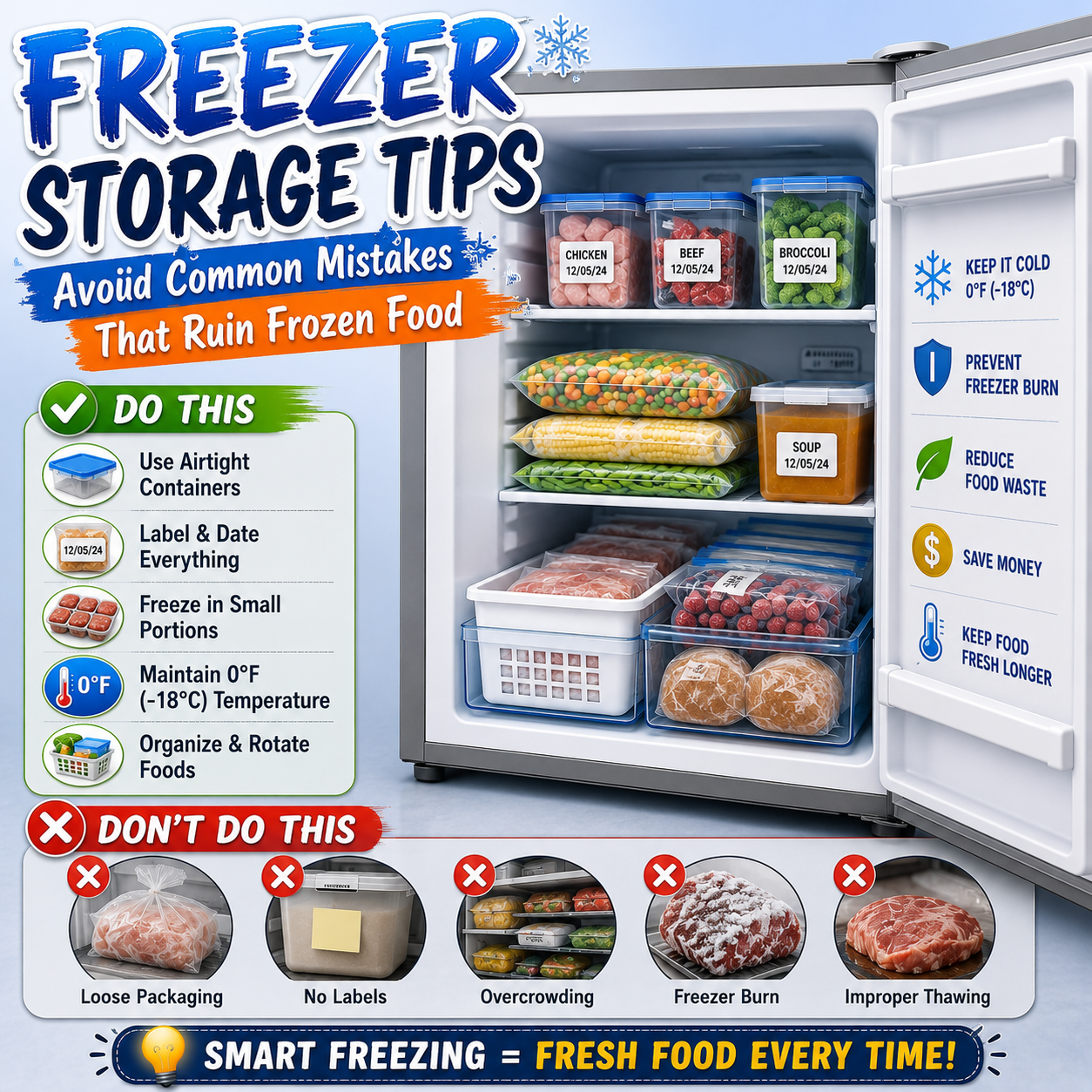
Keep refrigerators at or below 4°C (40°F) and freezers at -18°C (0°F).
Safe Grocery Shopping Practices
Food safety begins before food enters your kitchen. Smart grocery shopping habits reduce contamination risks from the start.
Choose stores with clean environments and properly refrigerated products. Check expiration dates carefully, avoid damaged packaging, and never purchase cans with dents, bulges, or leaks. Frozen foods should be selected last to maintain safe temperatures during shopping.
Separate raw meat, poultry, and seafood from fresh produce using individual plastic bags. Refrigerate groceries immediately after returning home, particularly dairy products, eggs, seafood, and frozen foods.
Planning your shopping trip also minimizes the time perishable items remain outside refrigeration, reducing bacterial growth and maintaining food quality.
Proper Food Storage Guidelines
Proper food storage is one of the most effective ways to prevent food poisoning. Even perfectly cooked food can become unsafe if it is stored incorrectly. Harmful bacteria multiply quickly when perishable foods remain in the “temperature danger zone” between 5°C and 60°C (41°F–140°F). Storing foods at the correct temperature preserves freshness, extends shelf life, and protects your family’s health.
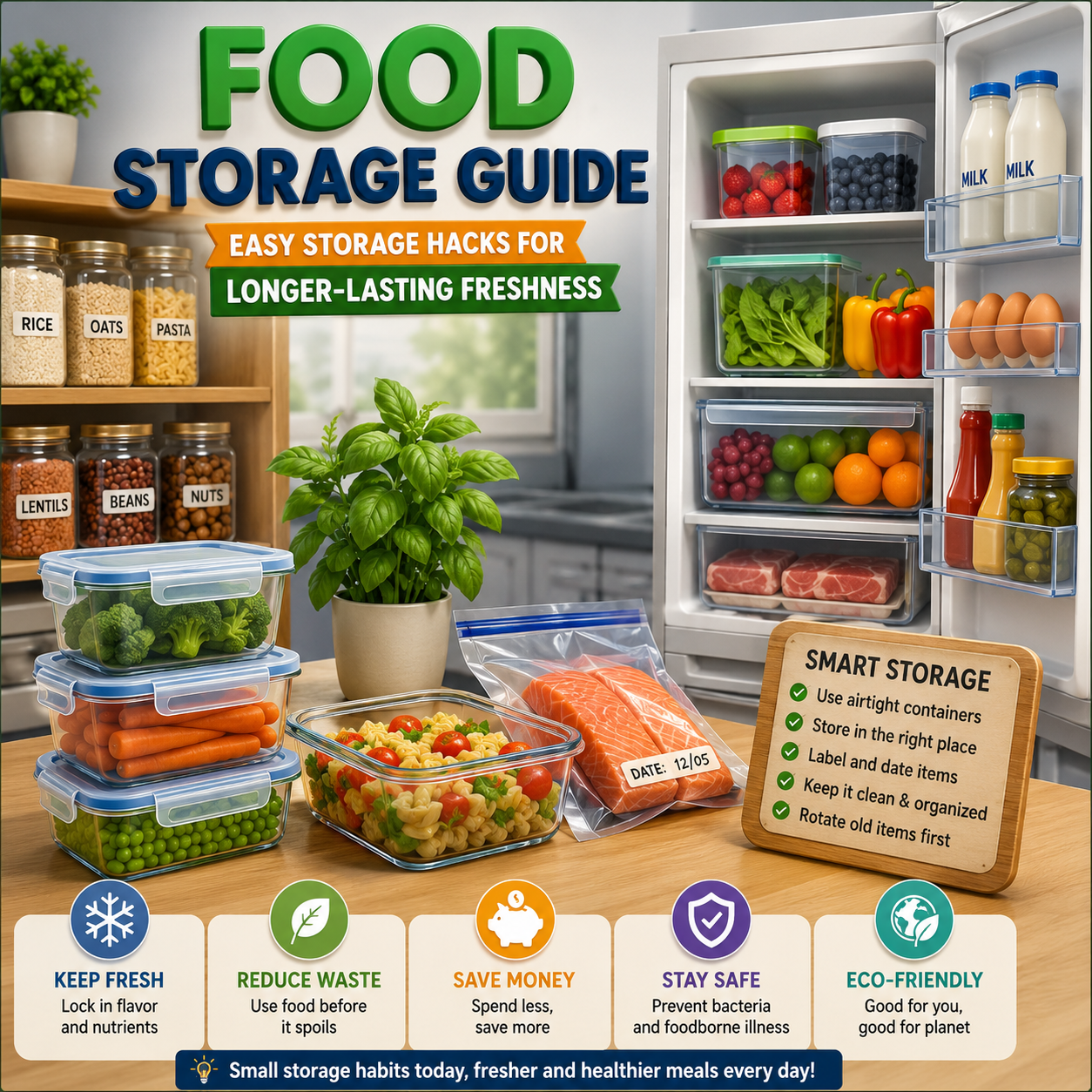
Always refrigerate perishable foods promptly, keep raw foods separate from ready-to-eat items, and label leftovers with the date they were prepared. Following the “First In, First Out (FIFO)” method also helps reduce food waste while ensuring older foods are used before newer ones.
Recommended Food Storage Temperatures
Maintaining proper appliance temperatures is essential for food safety.
| Storage Area | Recommended Temperature | Purpose |
| Refrigerator | 4°C (40°F) or below | Slows bacterial growth |
| Freezer | -18°C (0°F) or below | Stops bacterial growth |
| Hot Holding | Above 60°C (140°F) | Keeps cooked food safe |
| Cold Holding | Below 5°C (41°F) | Prevents rapid bacterial multiplication |
Use an appliance thermometer if your refrigerator or freezer does not display the internal temperature accurately.
Safe Cooking Temperatures
Cooking food thoroughly destroys harmful bacteria, viruses, and parasites that may be present. Using a digital food thermometer is the safest way to confirm that food has reached the correct internal temperature. Color alone is not a reliable indicator of doneness.
Below are recommended minimum internal temperatures for common foods.
| Food | Minimum Internal Temperature |
| Chicken and Turkey | 74°C (165°F) |
| Ground Meat | 71°C (160°F) |
| Beef, Lamb, Pork (Whole Cuts) | 63°C (145°F) + Rest Time |
| Fish | 63°C (145°F) |
| Egg Dishes | 71°C (160°F) |
| Leftovers | 74°C (165°F) |
Allow larger cuts of meat to rest after cooking, as recommended, to help maintain both food safety and quality.
Preventing Cross-Contamination
Cross-contamination occurs when harmful microorganisms transfer from one food, surface, or utensil to another. It is one of the leading causes of foodborne illness in home kitchens and is often entirely preventable with careful food handling.
Raw meat, poultry, seafood, and eggs should never come into contact with foods that are ready to eat. Always wash hands after handling raw animal products, sanitize cutting boards, and use separate utensils whenever possible.
Best Practices to Prevent Cross-Contamination
- Use separate cutting boards for raw meat and vegetables.
- Wash knives immediately after cutting raw meat.
- Never reuse marinades unless they have been boiled.
- Store raw meat in sealed containers.
- Keep cooked foods covered.
- Avoid placing cooked food back on plates that previously held raw meat.
- Wash reusable grocery bags regularly.
- Clean countertops before and after food preparation.
Developing these habits significantly lowers the risk of harmful bacteria spreading throughout your kitchen.
Kitchen Cleaning and Sanitization
A clean kitchen is one of the strongest defenses against food poisoning. While visible dirt is easy to notice, harmful bacteria are invisible and can survive on kitchen surfaces, cloths, sponges, and utensils for extended periods if not cleaned properly.
Daily cleaning should include countertops, sinks, cutting boards, refrigerator handles, appliance controls, and frequently touched surfaces. Sanitizing after cleaning provides an additional level of protection by reducing microorganisms to safer levels.
Kitchen Hygiene Checklist
- Wash hands frequently with soap and water.
- Replace dishcloths and sponges regularly.
- Sanitize cutting boards after raw meat preparation.
- Empty kitchen trash daily.
- Clean refrigerator shelves immediately after spills.
- Wash reusable water bottles often.
- Keep pets away from food preparation areas.
- Dry dishes completely before storing them.
Maintaining a routine cleaning schedule reduces bacterial buildup and creates a safer cooking environment.
Meal Prep Food Safety
Meal preparation saves time and supports healthy eating, but improper storage can increase the risk of food poisoning. Preparing large batches of food requires extra attention to cooling, refrigeration, and reheating practices.
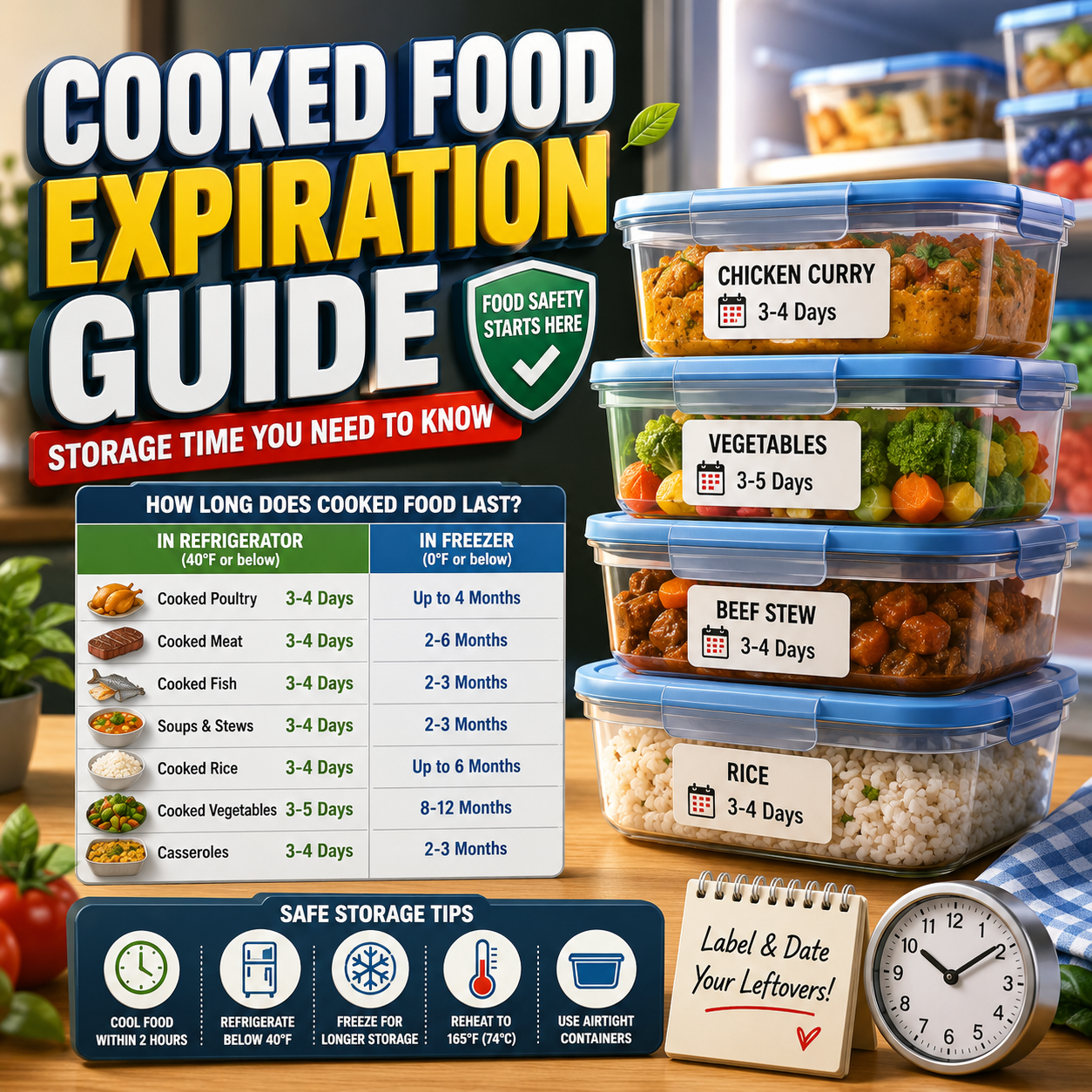
Divide large portions into smaller containers before refrigerating so they cool more quickly. Label containers with preparation dates and consume refrigerated meals within a few days unless frozen. Reheat leftovers thoroughly until they are steaming hot throughout.
Safe Meal Prep Tips
- Cool food quickly before refrigeration.
- Use airtight containers.
- Label meals with dates.
- Refrigerate within two hours.
- Freeze meals that will not be eaten soon.
- Reheat only the portion you plan to eat.
- Avoid repeatedly reheating the same food.
- Discard food with unusual odors, textures, or visible mold.
Proper meal prep practices help maintain food quality while reducing waste and preventing bacterial growth.
Food Safety for High-Risk Individuals
Certain groups are more vulnerable to severe foodborne illnesses because their immune systems are less able to fight infections. These individuals should take additional precautions when selecting, preparing, and consuming food.
High-Risk Groups Include
- Pregnant women
- Older adults
- Infants and young children
- People with weakened immune systems
- Individuals receiving chemotherapy
- Organ transplant recipients
- People with chronic illnesses such as diabetes or kidney disease
These individuals should avoid high-risk foods such as raw seafood, unpasteurized dairy products, undercooked meat, raw sprouts, and refrigerated smoked seafood unless it has been thoroughly cooked.
Extra care with food handling can significantly reduce the likelihood of serious illness in these populations.
Common Food Safety Mistakes
Many cases of food poisoning occur because of simple mistakes that people do not realize are unsafe. Recognizing and correcting these habits can greatly improve kitchen safety.
Mistakes to Avoid
- Leaving cooked food out overnight.
- Thawing food on the kitchen counter.
- Not washing hands before cooking.
- Using the same knife for raw meat and vegetables.
- Ignoring expiration or use-by dates.
- Overfilling the refrigerator, restricting airflow.
- Tasting food to check if it is still safe.
- Washing raw chicken, which can spread bacteria through water splashes.
- Refreezing thawed foods without proper handling.
- Forgetting to refrigerate leftovers promptly.
Replacing these habits with safer practices helps prevent contamination and protects everyone who eats your meals.
How to Safely Thaw Frozen Food
Thawing frozen food correctly is just as important as cooking it thoroughly. Improper thawing allows bacteria to multiply on the outer layers of food while the center remains frozen.
Safe Thawing Methods
- Refrigerator: The safest method; thaw food slowly at 4°C (40°F) or below.
- Cold Water: Submerge sealed food in cold water, changing the water every 30 minutes.
- Microwave: Use the defrost setting and cook the food immediately afterward.
- Cooking from Frozen: Some foods can be cooked directly from frozen by increasing cooking time appropriately.
Never thaw food on the countertop at room temperature, as this encourages rapid bacterial growth.
Recognizing the Symptoms of Food Poisoning
Despite taking precautions, food poisoning can still occur. Recognizing symptoms early allows for prompt treatment and helps prevent complications.
Common symptoms include:
- Nausea
- Vomiting
- Diarrhea
- Stomach cramps
- Fever
- Chills
- Headache
- Weakness
- Loss of appetite
- Dehydration
Symptoms may appear within a few hours or several days after eating contaminated food, depending on the type of pathogen involved.
When to Seek Medical Attention
Most mild cases improve with rest and hydration, but some situations require immediate medical care. Delaying treatment can lead to serious complications, especially for high-risk individuals.
Seek medical attention if you experience:
- Bloody diarrhea
- Persistent vomiting that prevents fluid intake
- High fever
- Severe dehydration (dizziness, confusion, very little urine)
- Symptoms lasting more than three days
- Difficulty breathing or swallowing
- Symptoms in infants, older adults, pregnant women, or people with weakened immune systems
Early medical evaluation helps identify the cause and ensures appropriate treatment when necessary.
Frequently Asked Questions (FAQs)
1. What causes food poisoning?
Food poisoning is caused by consuming food contaminated with bacteria, viruses, parasites, toxins, or harmful chemicals. Improper cooking, poor hygiene, cross-contamination, and incorrect storage are among the most common causes. Following food safety guidelines significantly reduces these risks.
2. How can I avoid cross-contamination?
Use separate cutting boards for raw meat and vegetables, wash hands thoroughly, sanitize kitchen surfaces, keep raw meat in sealed containers, and avoid reusing utensils without washing them. These simple precautions prevent harmful bacteria from spreading.
3. Is it safe to eat leftovers every day?
Yes, provided leftovers are refrigerated promptly, stored in airtight containers, consumed within 3–4 days, and reheated thoroughly before eating. If there are any signs of spoilage, discard the food instead of tasting it.
4. Why is refrigeration important?
Refrigeration slows bacterial growth by keeping food below the temperature danger zone. Prompt refrigeration extends shelf life, preserves quality, and significantly lowers the chance of foodborne illness.
5. Can fruits and vegetables cause food poisoning?
Yes. Fresh produce can become contaminated during growing, harvesting, transportation, or handling. Wash fruits and vegetables thoroughly under running water before eating or preparing them, even if you plan to peel them.
6. Should frozen food be thawed on the counter?
No. Thawing food at room temperature allows bacteria to multiply rapidly. Safe thawing methods include the refrigerator, cold water, microwave, or cooking directly from frozen when appropriate.
7. How often should I clean my refrigerator?
Clean your refrigerator regularly and immediately wipe up spills to prevent bacterial growth. A thorough cleaning every few weeks helps maintain hygiene and prevents cross-contamination between stored foods.
8. Are expired foods always unsafe?
Not always. “Best before” dates often relate to quality, while “use by” dates relate to safety. Always inspect food for spoilage, store it correctly, and follow manufacturer recommendations before consumption.
9. What is the food temperature danger zone?
The danger zone is between 5°C and 60°C (41°F–140°F). Within this range, bacteria multiply rapidly, making food unsafe if left unrefrigerated for extended periods.
10. Why should I use a food thermometer?
A food thermometer accurately measures internal cooking temperatures, ensuring harmful pathogens are destroyed. It provides a more reliable indication of doneness than judging by color or texture alone.
Key Takeaways
- Food poisoning is largely preventable through proper food safety practices.
- Follow the four principles: Clean, Separate, Cook, and Chill.
- Cook foods to their recommended internal temperatures.
- Refrigerate perishable foods within two hours.
- Prevent cross-contamination by using separate utensils and cutting boards.
- Wash hands thoroughly before and after handling food.
- Store leftovers safely and consume them within recommended timeframes.
- High-risk individuals should avoid raw or undercooked foods.
- Use a food thermometer for accurate cooking temperatures.
- Maintain a clean kitchen to reduce the spread of harmful microorganisms.
Conclusion
Food poisoning prevention starts with everyday habits. From purchasing groceries to storing leftovers, every step in the food preparation process plays a role in protecting your health. Practicing good hygiene, cooking foods thoroughly, storing them at safe temperatures, and preventing cross-contamination are simple yet highly effective measures that significantly reduce the risk of foodborne illness.
Remember that food safety is not only about avoiding illness—it also helps reduce food waste, preserve food quality, and create a healthier home environment. By making safe food handling part of your daily routine, you can confidently prepare meals while protecting your family and guests.
Whether you are an experienced home cook or just beginning your cooking journey, following the guidance in this article will help you build lifelong food safety habits.
Read Our Latest Blog:Food Expiration Guide: Keep Food Fresh Longer with Proper Storage