Best Vegetables for Kids
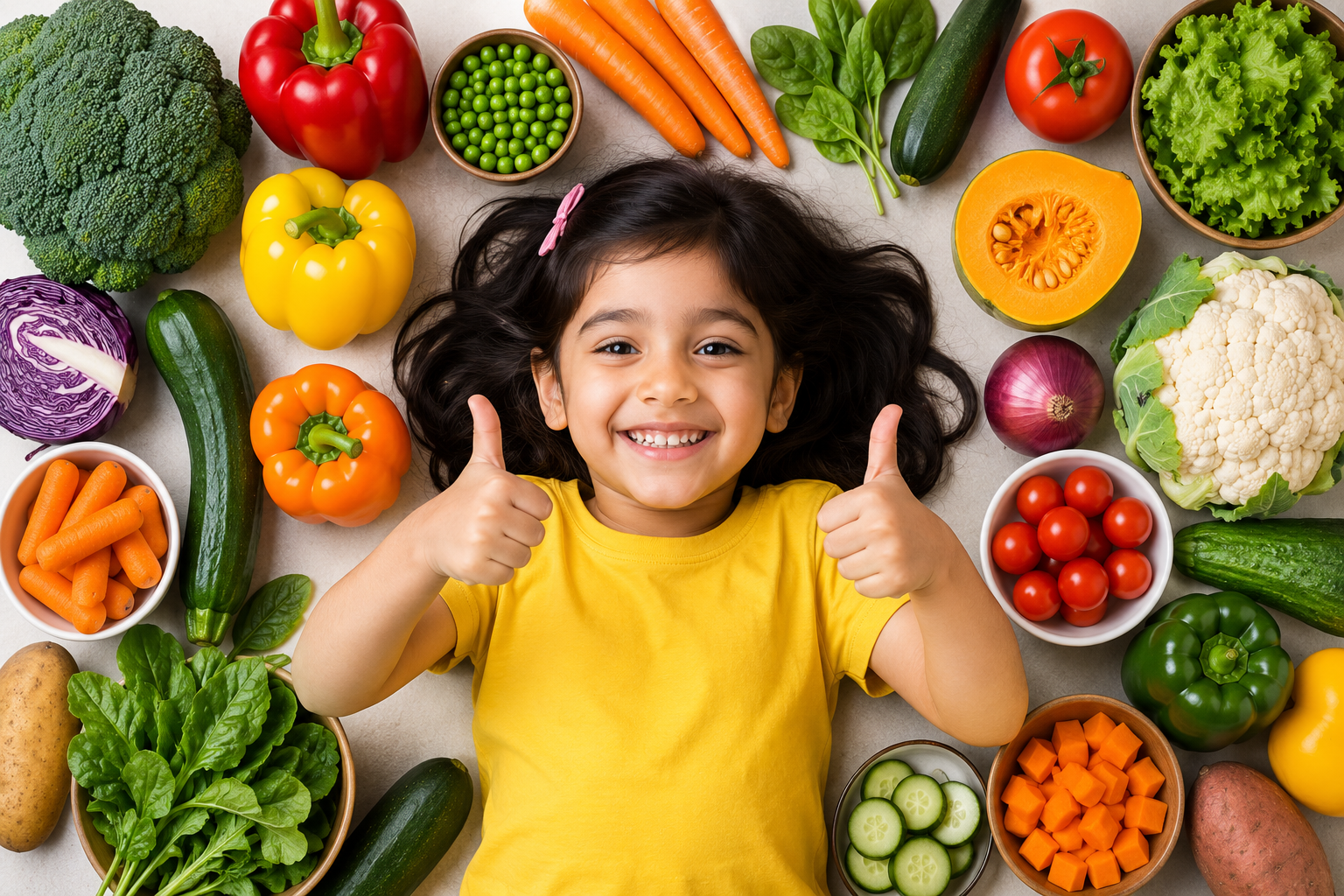
Vegetables are one of the most important parts of a healthy diet for growing children. They provide essential vitamins, minerals, fibre, and antioxidants that support healthy growth, brain development, strong bones, a healthy immune system, and proper digestion. While many children can be picky eaters, introducing a variety of colourful vegetables from an early age helps build lifelong healthy eating habits.
No single vegetable contains every nutrient a child needs, so offering different colours and types of vegetables throughout the week is the best approach for balanced nutrition.
Why Are Vegetables Important for Kids?
Vegetables provide nutrients that help children grow, learn, and stay active.
Health Benefits of Vegetables
- Support healthy growth and development
- Strengthen the immune system
- Promote healthy digestion
- Support brain development
- Help maintain healthy eyesight
- Strengthen bones and teeth
- Provide long-lasting energy
- Reduce the risk of nutrient deficiencies
A colourful plate often provides a wider variety of nutrients.
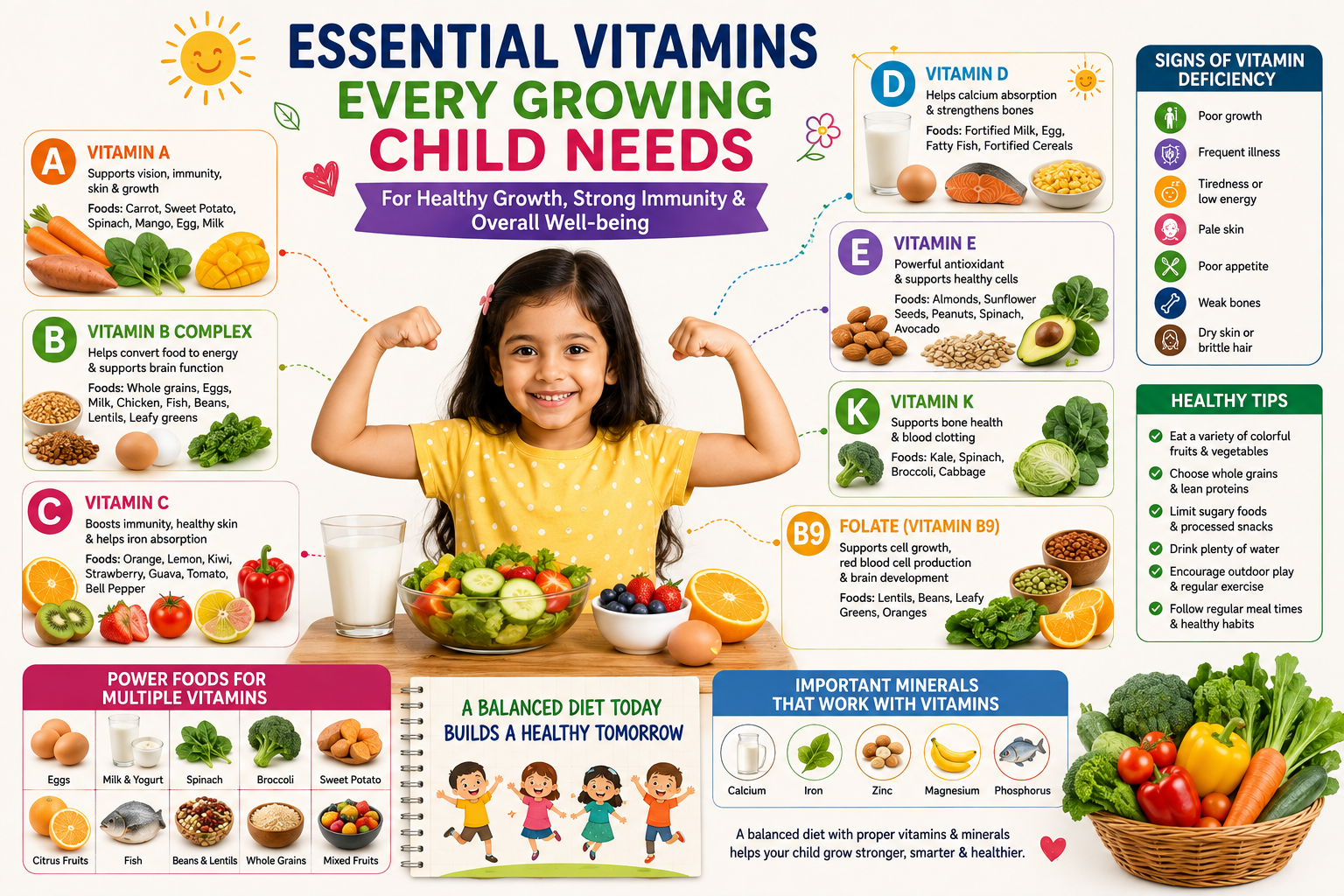
Essential Nutrients Found in Vegetables
Vitamin A
Supports healthy vision, skin, and immune function.
Good Sources
- Carrots
- Sweet potatoes
- Spinach
- Pumpkin
Vitamin C
Helps support the immune system and aids iron absorption.
Good Sources
- Bell peppers
- Broccoli
- Tomatoes
- Cabbage
Iron
Supports healthy blood production and brain development.
Good Sources
- Spinach
- Kale
- Peas
- Broccoli
Fibre
Supports healthy digestion and helps prevent constipation.
High-Fibre Vegetables
- Green peas
- Broccoli
- Carrots
- Sweet corn
- Cauliflower
Best Vegetables for Kids
1. Carrots
Carrots are naturally sweet and rich in beta-carotene, which the body converts into vitamin A.
Benefits
- Supports healthy eyesight
- Strengthens immunity
- Promotes healthy skin
- Easy to eat raw or cooked
2. Broccoli
Broccoli is packed with vitamins, fibre, and antioxidants.
Benefits
- Supports immune health
- Helps build strong bones
- Aids healthy digestion
- Provides vitamin C and vitamin K
Steam broccoli lightly to preserve its nutrients and improve texture.
3. Spinach
Spinach is one of the most nutrient-dense leafy vegetables.
Benefits
- Provides iron and folate
- Supports brain development
- Helps maintain healthy blood cells
- Rich in vitamins A and C
Add spinach to omelettes, soups, smoothies, or pasta sauces.
4. Sweet Potatoes
Sweet potatoes are naturally sweet and rich in vitamins and fibre.
Benefits
- Supports eye health
- Provides steady energy
- Promotes healthy digestion
- Rich in vitamin A
Bake or steam sweet potatoes for a nutritious side dish.
5. Green Peas
Green peas are an excellent source of plant protein, fibre, and vitamins.
Benefits
- Support healthy growth
- Help digestion
- Provide protein and iron
- Keep children feeling full for longer
Green peas can be added to rice, pasta, soups, and salads.
6. Bell Peppers
Bell peppers are rich in vitamin C, vitamin A, and antioxidants that support healthy growth.
Benefits
- Strengthen the immune system
- Support healthy skin
- Help wound healing
- Promote eye health
Serve bell peppers raw with healthy dips or add them to sandwiches, pasta, and stir-fries.
7. Cauliflower
Cauliflower is a versatile vegetable that provides fibre, vitamin C, and important plant compounds.
Benefits
- Supports digestion
- Strengthens immunity
- Helps healthy growth
- Easy to include in different meals
Try roasted cauliflower, cauliflower rice, or mashed cauliflower.
8. Tomatoes
Tomatoes provide vitamin C, potassium, and the antioxidant lycopene.
Benefits
- Support immune health
- Promote healthy skin
- Help protect body cells
- Add flavour to meals
Fresh tomatoes can be added to salads, sandwiches, pasta, and homemade sauces.
9. Pumpkin
Pumpkin is naturally sweet and packed with beta-carotene, fibre, and vitamin A.
Benefits
- Supports healthy eyesight
- Strengthens immunity
- Promotes healthy skin
- Helps digestion
Pumpkin can be used in soups, curries, muffins, or mashed as a side dish.
10. Cucumber
Cucumber is refreshing, hydrating, and low in calories.
Benefits
- Helps keep children hydrated
- Supports digestion
- Provides vitamin K
- Makes a healthy snack
Serve cucumber slices with yogurt dip or include them in sandwiches and salads.
Easy Ways to Encourage Kids to Eat More Vegetables
Make Meals Colourful
Children are often attracted to colourful plates. Mix vegetables of different colours to make meals more appealing.
Involve Kids in Cooking
Allow children to:
- Wash vegetables
- Mix salads
- Arrange vegetables on plates
- Choose vegetables while shopping
Children are more likely to eat foods they help prepare.
Hide Vegetables in Favourite Foods
Add finely chopped or blended vegetables to:
- Pasta sauce
- Omelettes
- Soups
- Smoothies
- Homemade burgers
- Sandwiches
- Muffins
This is a simple way to increase vegetable intake for picky eaters.
Offer Vegetables as Healthy Snacks
Serve raw vegetables with healthy dips such as hummus or plain yogurt.
Healthy snack ideas include:
- Carrot sticks
- Cucumber slices
- Bell pepper strips
- Cherry tomatoes
Be Patient
Children may need to try a new vegetable several times before accepting it. Continue offering a variety of vegetables without pressure.
Vegetables to Include Every Week
Aim to include a variety of these vegetables each week:
- Carrots
- Broccoli
- Spinach
- Sweet potatoes
- Green peas
- Bell peppers
- Cauliflower
- Tomatoes
- Pumpkin
- Cucumbers
Eating different vegetables provides a wide range of vitamins, minerals, and fibre.
Foods to Limit
To support healthy growth, reduce the intake of:
- Sugary soft drinks
- Candy and chocolates
- Chips
- Instant noodles
- Fast food
- Deep-fried foods
- Highly processed snacks
- Sugary breakfast cereals
Replacing processed foods with fresh vegetables and whole foods helps improve overall nutrition.
Healthy Daily Habits for Kids
Eat Vegetables at Every Meal
Include at least one vegetable with lunch and dinner whenever possible.
Drink Enough Water
Proper hydration supports digestion and overall health.
Stay Physically Active
Children should aim for at least 60 minutes of physical activity every day through activities such as:
- Running
- Cycling
- Swimming
- Football
- Dancing
- Outdoor play
Get Enough Sleep
Adequate sleep supports healthy growth, learning, and immune function.
Set a Good Example
Parents and caregivers who regularly eat vegetables encourage children to do the same.
Frequently Asked Questions
Which vegetable is healthiest for kids?
There is no single “best” vegetable. A variety of colourful vegetables such as carrots, broccoli, spinach, sweet potatoes, bell peppers, and peas provides the widest range of nutrients.
How many vegetables should children eat daily?
The amount depends on a child’s age and energy needs. Offering vegetables at most meals and snacks helps children meet their nutritional requirements.
What if my child refuses vegetables?
Keep offering different vegetables in various forms without forcing them. Involving children in meal preparation and serving vegetables with favourite foods can help increase acceptance over time.
Are frozen vegetables healthy?
Yes. Plain frozen vegetables retain many nutrients and can be a convenient, healthy option when fresh vegetables are not available.
Can vegetables replace fruits?
No. Both fruits and vegetables provide unique nutrients, so children should eat a variety of both as part of a balanced diet.
Key Takeaways
- Vegetables provide essential vitamins, minerals, fibre, and antioxidants for healthy growth.
- Offer a colourful variety of vegetables throughout the week.
- Include vegetables in meals, snacks, soups, salads, and smoothies.
- Encourage children to help prepare meals to increase interest in healthy foods.
- Limit highly processed snacks and sugary drinks.
- Combine healthy eating with regular physical activity and adequate sleep for overall well-being.
Conclusion
Vegetables play a vital role in supporting a child’s growth, brain development, immunity, digestion, and overall health. Rather than focusing on one “super vegetable,” aim to provide a wide variety of colourful vegetables throughout the week. This helps ensure children receive a balanced mix of vitamins, minerals, fibre, and antioxidants needed for healthy development.
If your child is a picky eater, be patient and continue introducing vegetables in fun and creative ways. Small, consistent changes—such as adding vegetables to favourite meals, offering colourful snacks, and involving children in cooking—can help build healthy eating habits that last a lifetime. Combined with regular physical activity, enough sleep, and a balanced diet, vegetables form an essential part of a healthy lifestyle for growing children.