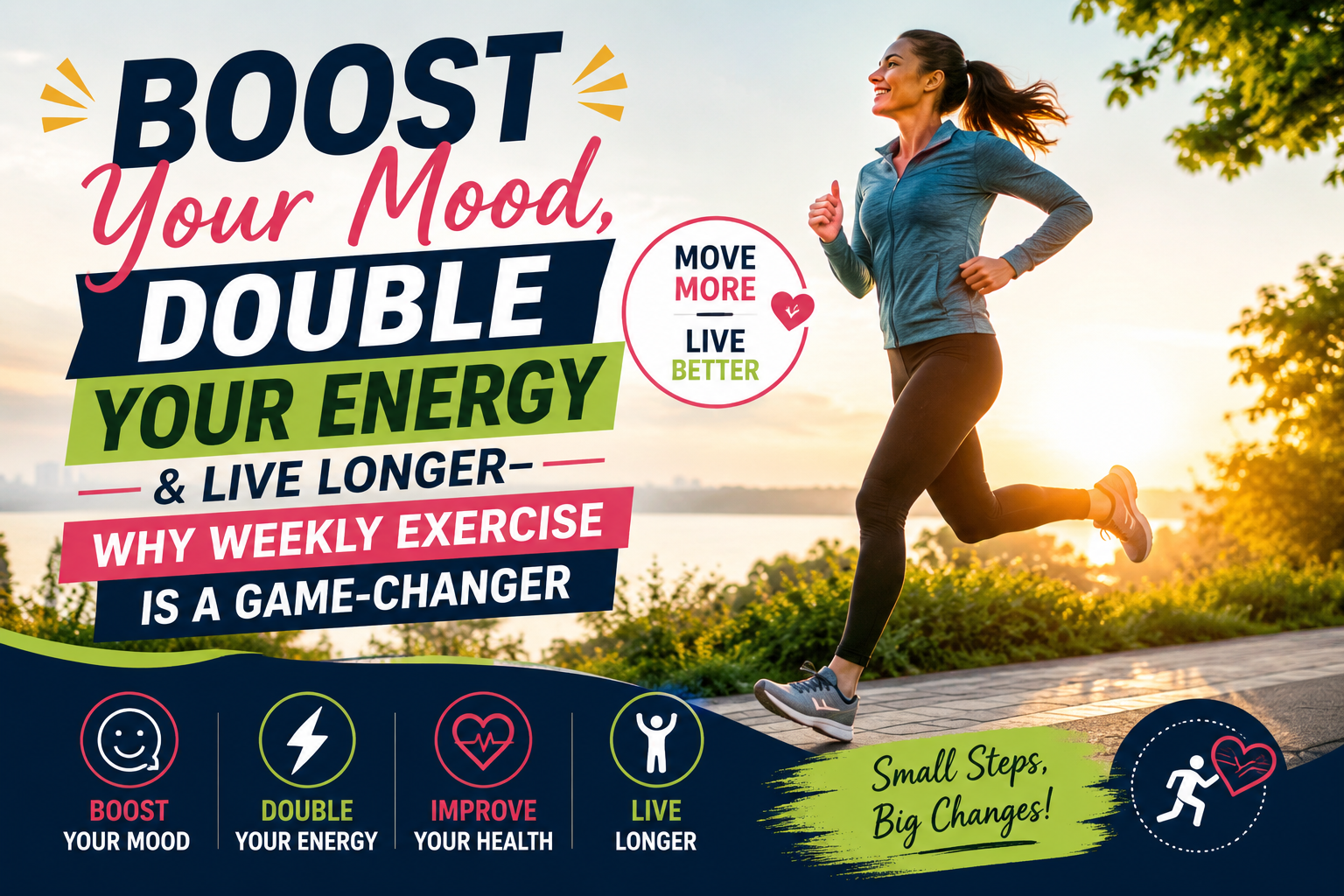
Benefits of Weekly Exercise -Boost Your Mood, Double Your Energy & Live Longer—Why Weekly Exercise Is a Game-Changer – Benefits of Weekly Exercise
Have you ever noticed how you feel happier, more energetic, and mentally refreshed after a good workout? That’s not just your imagination. Exercise is one of the most effective ways to improve both your physical and mental well-being. Even if you have a busy schedule, making time for weekly exercise can significantly improve your quality of life.
The Benefits of Weekly Exercise extend far beyond weight management. Regular physical activity helps strengthen your heart, improve brain function, reduce stress, increase energy levels, support healthy aging, and lower the risk of many chronic diseases. Scientific research consistently shows that adults who stay physically active enjoy better overall health and often live longer than those who lead sedentary lifestyles.
Whether your goal is to lose weight, feel happier, improve your fitness, or simply enjoy life with more energy, exercising consistently each week is one of the smartest investments you can make in yourself. The good news is that you don’t need to spend hours at the gym. Walking, cycling, swimming, dancing, strength training, yoga, or even gardening can all contribute to your weekly activity goals.
In this comprehensive guide from PureWellLife, you’ll learn why exercise is important, explore the many health benefits of regular exercise, discover how movement affects your brain and body, understand how much exercise you actually need each week, and find practical strategies to make physical activity a lifelong habit.
What Are the Benefits of Weekly Exercise?
Weekly exercise refers to engaging in regular physical activity throughout the week in amounts that meet or exceed public health recommendations. The benefits go well beyond improving appearance or helping with weight loss. Consistent movement supports nearly every major system in the body, including the cardiovascular, muscular, skeletal, metabolic, and nervous systems.
Some of the most significant Benefits of Weekly Exercise include:
- Improved heart health
- Better blood circulation
- Increased stamina
- Stronger muscles and bones
- Better sleep quality
- Improved immune function
- Reduced stress and anxiety
- Improved memory and concentration
- Healthier body weight
- Reduced risk of chronic diseases
- Increased lifespan
- Better overall quality of life
These benefits become even greater when exercise is combined with healthy eating, quality sleep, stress management, and regular medical checkups.
Why Exercise Is Important for Overall Health
Many people associate exercise only with losing weight, but that represents only a small portion of its value. Understanding why exercise is important means recognizing its role as one of the most powerful lifestyle habits for preventing disease and maintaining long-term wellness.
Physical activity helps regulate blood pressure, improves cholesterol balance, enhances insulin sensitivity, supports healthy joints, strengthens the immune system, and improves lung capacity. It also stimulates the release of endorphins and other brain chemicals that improve mood while reducing stress hormones like cortisol.
Exercise also improves cognitive performance. Better blood flow to the brain supports learning, memory, attention, and decision-making. For children, regular activity supports healthy development, while for older adults, it helps maintain mobility, independence, and cognitive function.
Beyond physical improvements, exercise encourages healthier daily habits. People who exercise consistently often make better food choices, sleep more soundly, and experience greater motivation in other aspects of life.
Physical Health Benefits of Weekly Exercise
Improves Heart Health
Your heart is a muscle that becomes stronger with regular activity. Weekly exercise improves circulation, lowers resting heart rate, helps regulate blood pressure, and reduces harmful cholesterol levels while increasing protective HDL cholesterol.
Over time, these improvements reduce the risk of cardiovascular disease, heart attack, and stroke. Even moderate activities like brisk walking for 30 minutes several times a week can provide measurable cardiovascular benefits.
Helps Maintain a Healthy Weight
Exercise increases calorie expenditure while preserving lean muscle mass. Muscle tissue burns more calories than fat tissue, meaning your metabolism becomes more efficient over time.
When combined with balanced nutrition, weekly exercise supports healthy body composition without relying on extreme diets. It also helps prevent weight regain after successful weight loss.
Strengthens Muscles and Bones
Resistance training, bodyweight exercises, hiking, and weight-bearing activities stimulate muscle growth while improving bone density. This becomes increasingly important as people age because muscle mass naturally declines over time.
Regular strength-focused workouts also reduce the risk of osteoporosis, fractures, falls, and mobility limitations later in life.
Supports Better Immune Function
Moderate exercise helps immune cells circulate more efficiently throughout the body. This improved circulation allows your immune system to identify and respond to potential infections more effectively.
People who exercise consistently often experience fewer illnesses and recover more quickly compared with those who live sedentary lifestyles. However, balance is important, as excessive intense exercise without adequate recovery may temporarily weaken immune function.
Reduces Risk of Chronic Diseases
One of the greatest health benefits of regular exercise is disease prevention. Regular movement lowers the risk of several chronic conditions, including:
| Condition | How Exercise Helps |
| Type 2 Diabetes | Improves insulin sensitivity |
| Heart Disease | Strengthens cardiovascular health |
| High Blood Pressure | Lowers resting blood pressure |
| Stroke | Improves circulation |
| Obesity | Supports calorie balance |
| Osteoporosis | Increases bone strength |
| Arthritis | Improves joint flexibility |
| Certain Cancers | Associated with reduced risk through healthier body weight and improved metabolic health |
By reducing these risks, weekly exercise contributes to a healthier and potentially longer life.
Mental Health Benefits of Weekly Exercise
Physical activity benefits your brain just as much as your body. During exercise, your brain releases endorphins, dopamine, serotonin, and other neurotransmitters associated with happiness, relaxation, and emotional balance.
Regular movement has been linked with reduced symptoms of stress, anxiety, and mild to moderate depression. It also improves self-confidence, emotional resilience, and overall life satisfaction.
Many people describe exercise as a natural stress reliever because it helps interrupt cycles of negative thinking while promoting mindfulness and relaxation. Activities like walking in nature, yoga, swimming, and cycling can be especially effective mood-boosting workouts because they combine physical movement with calming environments.
Research also shows that physically active individuals often experience better memory, faster information processing, improved concentration, and a lower risk of cognitive decline with age.
How Weekly Exercise Increases Energy Levels – Benefits of Weekly Exercise
Although exercise requires energy, it actually helps you feel more energized throughout the day. This happens because regular activity improves cardiovascular efficiency, allowing oxygen and nutrients to reach muscles and organs more effectively.
Exercise also enhances mitochondrial function—the tiny structures inside your cells responsible for producing energy. As these systems become more efficient, everyday tasks feel easier and less tiring.
People who exercise consistently often report:
- Less afternoon fatigue
- Better productivity
- Greater endurance
- Higher motivation
- Better sleep quality
- Improved recovery from daily stress
These energy improvements often become noticeable after only a few weeks of maintaining a consistent exercise routine.
Can Weekly Exercise Help You Live Longer? ( Benefits of Weekly Exercise)
One of the most compelling Benefits of Weekly Exercise is its potential to increase both lifespan and healthspan—the number of years you live in good health. Numerous long-term studies have found that people who engage in regular physical activity have a lower risk of premature death compared to those who are inactive. While exercise cannot guarantee a longer life, it significantly reduces the risk of many conditions that commonly shorten lifespan, including heart disease, type 2 diabetes, certain cancers, and stroke.
Regular movement also helps preserve muscle strength, balance, flexibility, and cardiovascular fitness as you age. These factors reduce the likelihood of falls, disability, and loss of independence in later years. Beyond disease prevention, exercise supports better mental health, stronger social connections through group activities, and a more active lifestyle, all of which contribute to healthy aging.
In addition, consistent exercise reduces chronic inflammation, improves blood sugar regulation, and supports healthy blood pressure and cholesterol levels. These cumulative effects protect your body’s vital organs over time, making weekly exercise one of the most effective lifestyle habits for long-term wellness.
How Much Exercise Do You Need Each Week?
A common question is how much exercise is enough to experience meaningful health improvements. The encouraging answer is that you do not need to become an athlete. Most adults can gain substantial health benefits by meeting internationally recognized physical activity recommendations.
Recommended Weekly Exercise Guidelines
Experts generally recommend the following for healthy adults:
| Activity Type | Recommended Amount |
| Moderate-intensity aerobic activity | 150–300 minutes per week |
| Vigorous-intensity aerobic activity | 75–150 minutes per week |
| Strength training | At least 2 days per week |
| Flexibility and mobility exercises | 2–3 days per week |
| Balance exercises (especially older adults) | 2–3 sessions per week |
Moderate activities include brisk walking, cycling on level ground, dancing, water aerobics, or recreational swimming. Vigorous activities include running, hiking uphill, competitive sports, or high-intensity interval training (HIIT).
Remember that consistency matters more than perfection. Even short exercise sessions of 20–30 minutes can add up throughout the week and contribute to better health.
Best Mood-Boosting Workouts
Not every workout needs to be intense to improve your mood. Some of the most effective mood-boosting workouts combine enjoyable movement with stress relief, making them easier to stick with over time. Choosing activities you genuinely enjoy increases the likelihood of building a sustainable fitness habit.
Walking
Walking remains one of the simplest and most accessible forms of exercise. It requires no special equipment, can be done almost anywhere, and is suitable for nearly all fitness levels. Walking outdoors also provides additional mental health benefits by exposing you to fresh air and natural surroundings.
Benefits include:
- Reduces stress
- Improves cardiovascular health
- Boosts mood
- Supports weight management
- Enhances creativity
Cycling
Cycling is a low-impact exercise that strengthens the legs, improves heart health, and increases endurance without placing excessive stress on the joints. Whether outdoors or on a stationary bike, cycling is an excellent option for people of various ages.
Benefits include:
- Improves cardiovascular fitness
- Builds lower-body strength
- Increases stamina
- Supports mental well-being
- Burns calories efficiently
Swimming
Swimming provides a full-body workout while remaining gentle on the joints. It is especially beneficial for older adults, people recovering from injuries, or individuals with arthritis.
Benefits include:
- Strengthens muscles
- Improves lung capacity
- Enhances flexibility
- Supports heart health
- Reduces stress
Strength Training
Strength training is essential for maintaining muscle mass, supporting bone health, and improving metabolism. Contrary to popular belief, it is beneficial for both men and women of all ages.
Benefits include:
- Increases muscle strength
- Improves bone density
- Supports healthy aging
- Enhances posture
- Boosts metabolic rate
Yoga
Yoga combines movement, breathing, and mindfulness, making it one of the most effective exercises for reducing stress while improving flexibility and balance.
Benefits include:
- Reduces anxiety
- Improves flexibility
- Enhances balance
- Supports better sleep
- Promotes relaxation
Dancing
Dancing is a fun, social, and effective cardiovascular workout that improves coordination while naturally lifting your mood.
Benefits include:
- Burns calories
- Improves coordination
- Enhances memory
- Increases happiness
- Reduces stress
Weekly Exercise Plan for Beginners – Benefits of Weekly Exercise
Starting an exercise routine can feel overwhelming, but a gradual approach is more sustainable and reduces the risk of injury. Beginners should focus on consistency rather than intensity. The following sample schedule provides a balanced combination of cardiovascular exercise, strength training, flexibility, and recovery.
| Day | Activity |
| Monday | 30-minute brisk walk |
| Tuesday | Full-body strength training (30 minutes) |
| Wednesday | Yoga or stretching (20–30 minutes) |
| Thursday | Cycling or swimming (30–40 minutes) |
| Friday | Bodyweight strength exercises |
| Saturday | Hiking, dancing, or recreational sports |
| Sunday | Light walking and active recovery |
As your fitness improves, gradually increase the duration or intensity of your workouts. Listening to your body and allowing time for recovery are essential parts of long-term success.
Tips to Stay Consistent With Weekly Exercise
Building a regular exercise habit requires planning and realistic expectations. Many people lose motivation because they set goals that are too ambitious. Instead, focus on creating a routine that fits your lifestyle and is enjoyable enough to maintain.
Here are practical strategies to help you stay active:
- Schedule workouts like important appointments.
- Choose activities you genuinely enjoy.
- Start with achievable goals.
- Exercise with a friend or family member.
- Track your progress using a journal or fitness app.
- Celebrate small milestones.
- Prepare your workout clothes in advance.
- Mix different activities to avoid boredom.
- Remember your long-term health goals.
- Focus on consistency rather than perfection.
Over time, exercise becomes less of a chore and more of a rewarding part of your daily routine.
Common Mistakes to Avoid – Benefits of Weekly Excersise
Many people begin exercising with enthusiasm but unknowingly make mistakes that reduce results or increase the risk of injury. Avoiding these common pitfalls can help you enjoy the health benefits of regular exercise while staying motivated.
Doing Too Much Too Soon
Starting with intense daily workouts may lead to muscle soreness, burnout, or injury. Gradually increasing your activity level allows your body to adapt safely and improves long-term adherence.
Skipping Warm-Ups and Cool-Downs
Warm-ups prepare your muscles and joints for movement, while cool-downs help your body recover more efficiently. Spending just five to ten minutes before and after exercise can reduce stiffness and lower injury risk.
Ignoring Strength Training
Many people focus only on cardio. However, resistance training is essential for building muscle, improving bone density, and supporting a healthy metabolism. Combining strength and aerobic exercise provides the greatest overall health benefits.
Poor Nutrition and Hydration
Exercise performance and recovery depend on proper nutrition and adequate hydration. Eating balanced meals and drinking enough water helps maintain energy levels and supports muscle repair.
Inconsistent Exercise Habits
Occasional workouts provide some benefit, but long-term consistency is what delivers lasting improvements in health, energy, and fitness. Establishing a realistic weekly schedule makes it easier to stay active over time.
The Benefits of Weekly Exercise include improved heart health, increased energy, better mood, stronger muscles and bones, enhanced mental well-being, improved sleep, healthier weight management, and a lower risk of chronic diseases. Regular physical activity also supports healthy aging, boosts immune function, and may help you live a longer, healthier life by improving both physical and mental fitness.
Frequently Asked Questions (FAQs)
1. What are the overall benefits of weekly exercise?
Weekly exercise improves heart health, strengthens muscles and bones, boosts energy, supports healthy weight management, enhances mood, and lowers the risk of chronic diseases. It also improves sleep quality, cognitive function, and immune health. Consistent physical activity is one of the most effective lifestyle habits for improving both lifespan and overall quality of life.
2. Is exercising once a week enough?
Exercising once a week is better than remaining inactive, but greater benefits are achieved by spreading activity throughout the week. Aim for at least 150 minutes of moderate exercise weekly. Regular consistency helps improve cardiovascular fitness, muscle strength, and long-term health outcomes more effectively than occasional workouts.
3. Why is regular exercise important?
Regular exercise supports nearly every system in the body. It strengthens the heart, improves circulation, enhances metabolism, reduces stress, supports mental health, and lowers the risk of chronic diseases. It also contributes to healthy aging by maintaining mobility, strength, and independence.
4. Which exercise burns the most calories?
Activities such as running, swimming, rowing, jump rope, and high-intensity interval training (HIIT) generally burn the most calories. However, the best exercise is the one you can perform consistently and safely while enjoying the process, as long-term adherence is more important than short-term intensity.
5. Does exercise improve brain function?
Yes. Exercise increases blood flow to the brain and stimulates the release of chemicals that support learning, memory, focus, and emotional health. Regular physical activity has also been associated with a lower risk of age-related cognitive decline and dementia.
Key Takeaways
- Weekly exercise supports both physical and mental health.
- It strengthens the heart and improves circulation.
- Regular movement increases energy and reduces fatigue.
- Exercise naturally improves mood and lowers stress.
- Strength training supports healthy muscles and bones.
- Consistency is more important than workout intensity.
- Combining cardio, strength, and flexibility exercises offers the greatest benefits.
- Even beginners can achieve meaningful health improvements with gradual progress.
- Regular activity helps reduce the risk of many chronic diseases.
- Exercise is one of the most effective habits for healthy aging and longevity.
Conclusion
The Benefits of Weekly Exercise extend far beyond improving physical fitness. A consistent exercise routine can transform your overall health by strengthening your heart, increasing energy levels, improving mental well-being, supporting healthy weight management, and reducing the risk of numerous chronic diseases. Whether you enjoy walking, cycling, swimming, strength training, yoga, or dancing, every step you take contributes to a healthier future.
The most important lesson is that consistency matters more than perfection. You don’t need expensive gym memberships or lengthy daily workouts to experience meaningful improvements. Small, sustainable changes practiced week after week can lead to remarkable long-term results.
Remember that exercise works best when combined with nutritious eating, quality sleep, stress management, and regular health checkups. By making physical activity a permanent part of your lifestyle, you’re investing not only in a longer life but also in a happier, more energetic one.
At PureWellLife, we’re committed to helping you build healthy habits that last. Explore our wellness resources for more evidence-based fitness, nutrition, and healthy living tips, and take the first step toward a stronger, healthier, and more fulfilling life today.