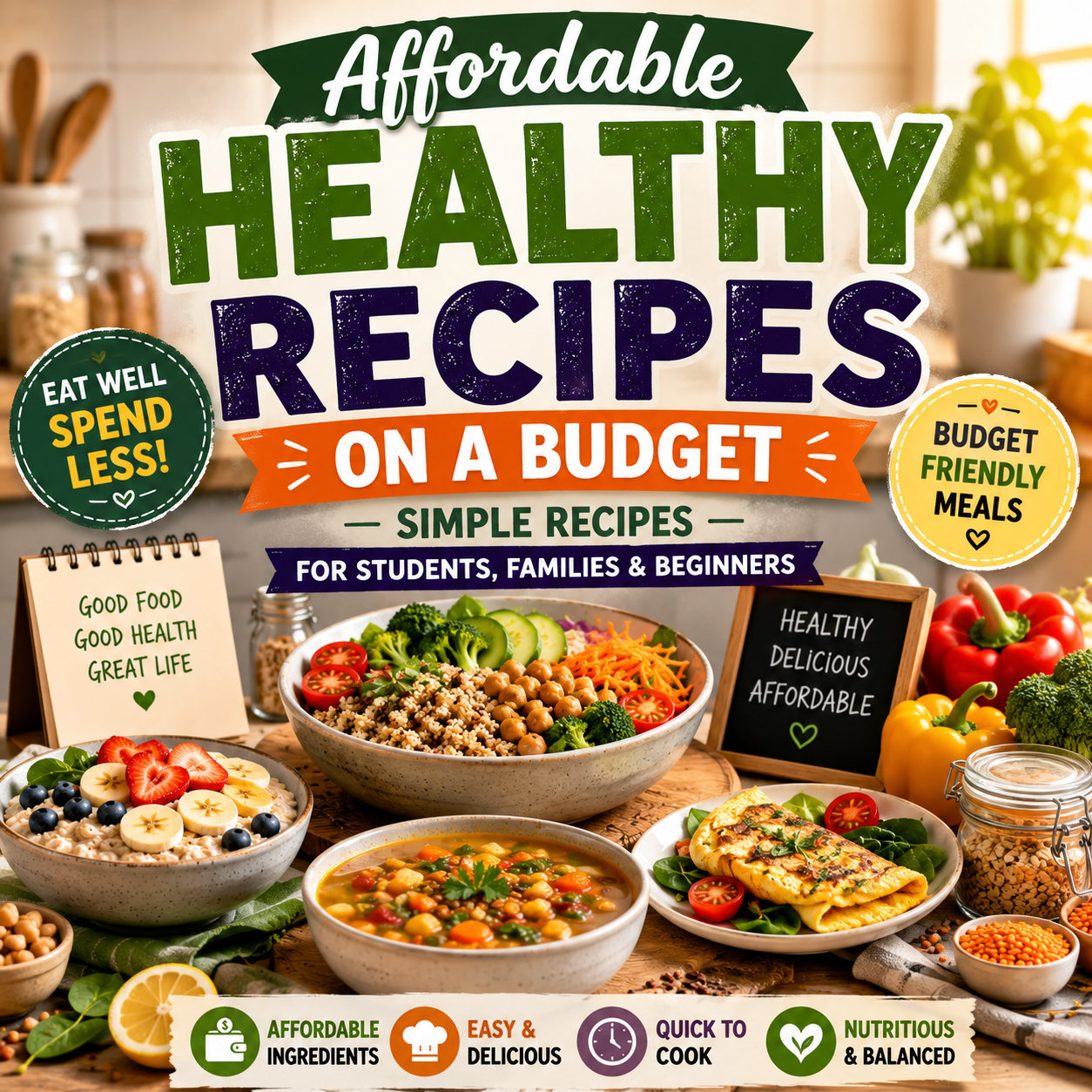
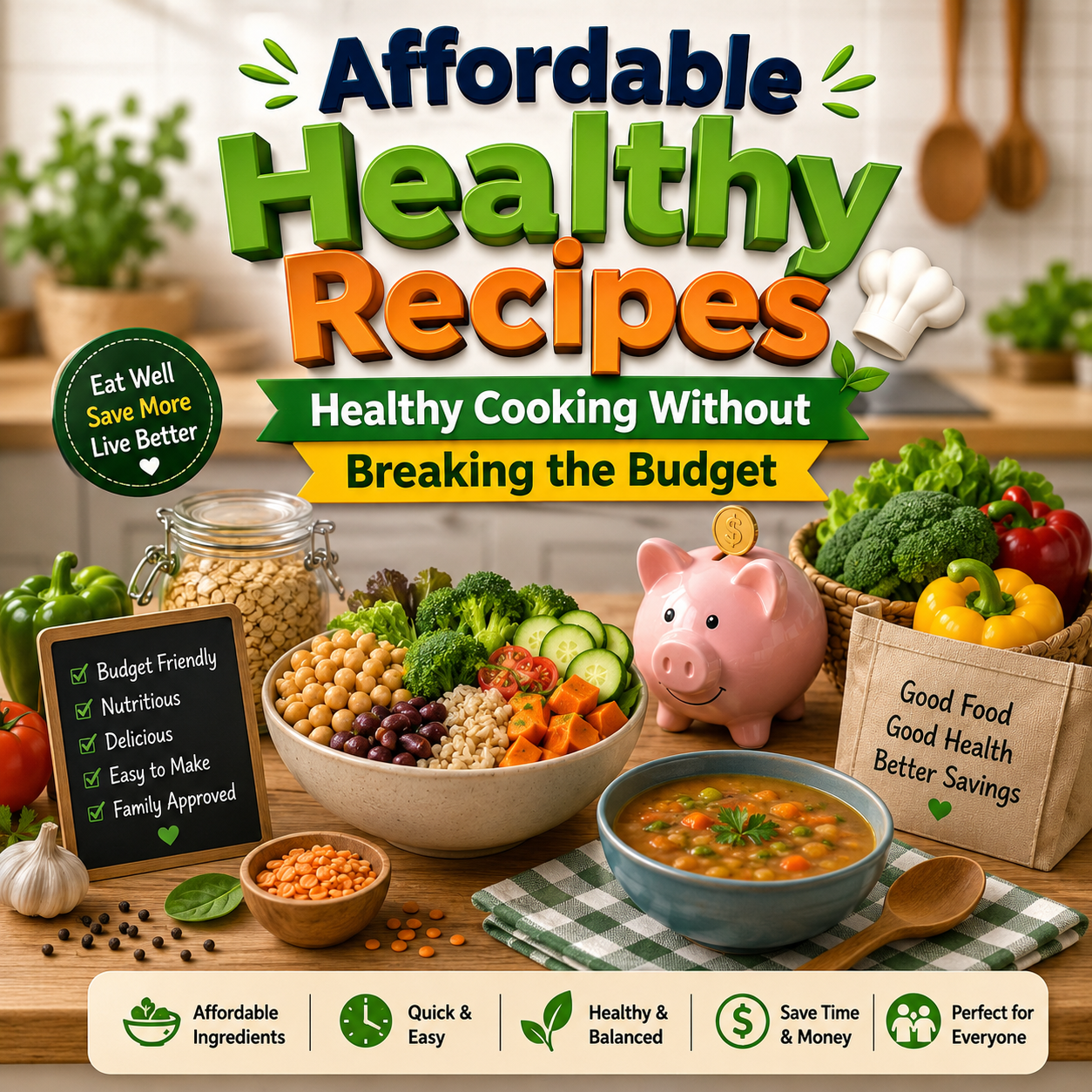
Eating healthy does not have to mean spending more money. Many people believe nutritious meals require expensive ingredients, specialty products, or gourmet recipes. In reality, Affordable Healthy Recipes can be created using simple pantry staples, seasonal produce, whole grains, legumes, eggs, and budget-friendly protein sources. With proper meal planning and smart shopping habits, families, students, professionals, and anyone trying to save money can enjoy delicious, balanced meals every day.
Healthy cooking on a budget is about making informed choices rather than sacrificing nutrition. Learning how to prepare meals at home, reduce food waste, buy ingredients strategically, and cook in batches can dramatically lower grocery bills while improving overall health. Affordable meals are often richer in nutrients than heavily processed convenience foods and provide better long-term value.
This comprehensive guide explores practical strategies, inexpensive ingredients, meal-planning techniques, and easy recipes that make healthy eating accessible to everyone. Whether your goal is improving your diet, saving money, or simplifying meal preparation, you’ll discover actionable ideas that fit almost any budget.
What Are Affordable Healthy Recipes?
Affordable healthy recipes are meals prepared with nutritious, low-cost ingredients that provide balanced nutrition without exceeding a reasonable food budget. These recipes typically emphasize whole foods such as vegetables, fruits, whole grains, beans, lentils, eggs, canned fish, chicken, oats, yogurt, and seasonal produce while minimizing highly processed foods that often cost more per serving and offer fewer nutrients.
Rather than relying on expensive “superfoods,” affordable healthy recipes focus on everyday ingredients that are widely available and versatile. A simple vegetable soup, bean chili, oatmeal breakfast bowl, or stir-fried vegetables with brown rice can deliver excellent nutrition at a fraction of the cost of restaurant meals or packaged convenience foods. The goal is to maximize nutrition while minimizing unnecessary expenses.
Why Healthy Cooking on a Budget Matters
Many households struggle with rising grocery prices while trying to maintain healthy eating habits. Budget-friendly cooking helps bridge this gap by making nutritious meals more accessible. Preparing meals at home allows you to control ingredient quality, portion sizes, sodium, sugar, and unhealthy fats while significantly reducing food costs.
Cooking at home also supports better long-term health. Diets rich in vegetables, fruits, whole grains, lean proteins, and legumes have been associated with improved heart health, healthier body weight, better digestion, and lower risk of chronic diseases. By combining smart shopping with practical cooking skills, healthy eating becomes sustainable rather than expensive.
Additionally, budget-conscious cooking reduces food waste, encourages mindful eating, and promotes better financial management. Families often discover they can save hundreds of dollars annually simply by planning meals and avoiding unnecessary purchases.
Benefits of Affordable Healthy Recipes
Affordable healthy recipes offer much more than financial savings. They improve nutritional quality, simplify meal preparation, and encourage healthier lifestyle habits that benefit the entire household. Because these recipes often use minimally processed ingredients, they naturally contain more vitamins, minerals, fiber, and beneficial nutrients.
Some major benefits include:
- Lower grocery expenses
- Better overall nutrition
- Reduced consumption of processed foods
- Easier portion control
- Less food waste
- Improved cooking confidence
- Healthier eating habits
- Greater meal variety
- Better family nutrition
- Long-term financial savings
These benefits accumulate over time, making affordable healthy cooking one of the most effective lifestyle changes for improving both physical health and household budgets.
Budget-Friendly Healthy Ingredients Every Kitchen Should Have
Building affordable meals starts with stocking inexpensive ingredients that can be used in multiple recipes throughout the week. Buying versatile foods reduces waste and makes meal planning easier because the same ingredients can be transformed into different dishes.
Whole Grains
Whole grains provide fiber, energy, and essential nutrients while remaining among the most economical foods available. Brown rice, oats, whole wheat pasta, barley, and quinoa (when purchased in bulk) are excellent choices. These grains serve as the foundation for soups, salads, breakfast bowls, casseroles, and side dishes, making them valuable staples for budget-conscious households.
Beans and Lentils
Beans and lentils are among the best sources of affordable plant-based protein. Dried varieties cost even less than canned options and can be prepared in large batches. Black beans, kidney beans, chickpeas, split peas, and red lentils provide protein, fiber, iron, and numerous vitamins while costing only a few cents per serving.
Frozen Vegetables
Frozen vegetables are often just as nutritious as fresh produce because they are frozen shortly after harvesting. They last much longer, reduce food waste, and are usually available year-round at affordable prices. Frozen broccoli, spinach, peas, carrots, and mixed vegetables are excellent additions to healthy recipes.
Eggs
Eggs remain one of the most cost-effective complete protein sources. They can be used for breakfast, lunch, dinner, snacks, baking, and meal preparation. Their versatility makes them an essential ingredient for affordable healthy cooking.
Seasonal Fruits
Buying fruits that are in season helps reduce costs while improving freshness and flavor. Apples, bananas, oranges, berries, pears, and melons vary in price throughout the year, so choosing seasonal options provides the best value.
Smart Grocery Shopping Tips for Healthy Eating
Saving money begins before entering the kitchen. Careful grocery shopping can reduce food expenses significantly while ensuring you purchase nutritious ingredients that support healthy meal preparation.
Some effective strategies include:
- Make a shopping list before leaving home.
- Plan meals for the entire week.
- Compare unit prices instead of package prices.
- Buy store brands when quality is similar.
- Purchase dry goods in bulk.
- Choose seasonal fruits and vegetables.
- Avoid shopping when hungry.
- Check weekly grocery promotions.
- Freeze leftovers before they spoil.
- Prioritize whole foods over processed products.
Following these habits consistently helps households stretch their grocery budgets without sacrificing nutritional quality.
How to Plan Healthy Meals on a Budget
Meal planning is one of the most powerful ways to reduce grocery spending while maintaining a healthy diet. Planning meals in advance prevents impulse purchases, minimizes food waste, and ensures ingredients are used efficiently throughout the week.
Begin by selecting several versatile ingredients that work across multiple recipes. For example, roasted chicken can become sandwiches, salads, soups, and wraps over several days. Similarly, cooked brown rice can be transformed into stir-fries, grain bowls, or stuffed vegetables.
A practical weekly meal plan also includes leftovers. Cooking larger portions saves both time and energy costs while providing ready-made lunches for busy weekdays. This approach makes healthy eating convenient and reduces the temptation to purchase expensive takeout meals.
Affordable Healthy Breakfast Recipes
Breakfast is often called the most important meal of the day, but it doesn’t have to be expensive. Nutritious breakfasts built around inexpensive ingredients provide sustained energy, improve concentration, and help reduce unnecessary snacking later in the day.
Overnight Oats with Fruit
Overnight oats combine rolled oats, milk or yogurt, chia seeds, and seasonal fruit into a nutritious breakfast prepared the night before. This recipe is inexpensive, highly customizable, and rich in fiber, protein, and complex carbohydrates that support long-lasting energy.
Vegetable Egg Scramble
A vegetable egg scramble uses eggs with spinach, onions, tomatoes, peppers, or leftover vegetables already available in the refrigerator. It provides high-quality protein, vitamins, and minerals while reducing food waste and requiring only a few affordable ingredients.
Peanut Butter Banana Toast
Whole grain toast topped with natural peanut butter and sliced bananas creates a balanced breakfast containing healthy fats, protein, fiber, and potassium. This quick meal is ideal for students, professionals, and busy families looking for nutritious options on a tight budget.
Affordable Healthy Lunch Recipes
Lunch is an excellent opportunity to use leftovers creatively while keeping food costs low. Preparing lunches at home instead of buying meals every day can save hundreds of dollars annually. Budget-friendly lunches should include lean protein, whole grains, healthy fats, and vegetables to provide balanced nutrition and sustained energy throughout the afternoon.
With a little planning, one batch of cooked ingredients can become several different lunches. For example, grilled chicken, cooked rice, roasted vegetables, and beans can be mixed into grain bowls, wraps, salads, soups, or stir-fries. This approach reduces food waste, saves time, and keeps meals interesting.
1. Chickpea Salad Wrap
Mash canned or cooked chickpeas with Greek yogurt, lemon juice, diced celery, onions, herbs, and black pepper. Wrap the mixture in a whole-wheat tortilla with lettuce and tomatoes for a protein-rich lunch that costs very little per serving.
Why it’s affordable:
- Uses pantry staples
- High in protein and fiber
- Great for meal prep
- Keeps well in the refrigerator
2. Brown Rice Vegetable Bowl
Combine cooked brown rice with roasted vegetables, black beans, and a homemade yogurt dressing. Add boiled eggs or grilled chicken if desired. This colorful bowl delivers balanced nutrition while making excellent use of leftovers.
Nutritional highlights:
- Complex carbohydrates
- Lean protein
- Healthy fats
- Vitamins and minerals
- High fiber
3. Lentil Soup
Lentil soup remains one of the healthiest and most economical meals available. Lentils cook quickly and absorb flavors beautifully when combined with onions, carrots, celery, tomatoes, garlic, and herbs.
One large pot provides multiple lunches throughout the week while costing only a fraction of restaurant meals.
Affordable Healthy Dinner Recipes
Dinner doesn’t have to involve expensive cuts of meat or elaborate ingredients. Some of the healthiest meals are also among the least expensive when built around vegetables, legumes, whole grains, and affordable proteins.
Cooking dinner at home also allows families to control portion sizes, sodium levels, and cooking methods while creating meals everyone can enjoy.
One-Pot Vegetable Pasta
Whole wheat pasta cooked with tomatoes, spinach, mushrooms, onions, garlic, and herbs creates a nutritious dinner requiring minimal cleanup.
Benefits:
- Budget-friendly
- Rich in vegetables
- High fiber
- Family-friendly
- Ready in about 30 minutes
Black Bean Chili
Black bean chili is filling, nutritious, and inexpensive. Combine beans, tomatoes, onions, bell peppers, garlic, corn, and spices in a single pot for a hearty meal that’s perfect for freezing.
Serve with:
- Brown rice
- Whole-grain bread
- Baked potatoes
- Fresh salad
Vegetable Fried Rice
Transform leftover rice into a delicious dinner using frozen vegetables, eggs, garlic, onions, soy sauce, and sesame oil. This recipe prevents food waste while creating an entirely new meal.
Adding extra vegetables increases nutrition without adding much cost.
Baked Chicken and Roasted Vegetables
Chicken thighs are generally less expensive than chicken breasts while remaining flavorful and nutritious. Roast them alongside carrots, potatoes, onions, broccoli, or seasonal vegetables for a complete one-pan dinner.
This meal is ideal for meal prep because leftovers can be used in sandwiches, salads, wraps, and soups.
Affordable Healthy Snacks
Healthy snacks help maintain energy between meals while preventing overeating later in the day. Choosing inexpensive whole foods instead of packaged snack products can significantly reduce grocery expenses.
Some excellent options include:
- Apple slices with peanut butter
- Homemade popcorn
- Plain yogurt with fruit
- Roasted chickpeas
- Boiled eggs
- Cottage cheese
- Banana with oats
- Carrot sticks and hummus
- Homemade trail mix
- Seasonal fruit
These snacks provide protein, fiber, vitamins, and healthy fats while remaining affordable.
Meal Prep Strategies That Save Time and Money
Meal preparation is one of the easiest ways to maintain healthy eating habits while staying within budget. Preparing ingredients or complete meals ahead of time reduces stress during busy weekdays and decreases reliance on expensive takeout food.
Instead of cooking every day, dedicate a few hours each week to preparing grains, proteins, vegetables, and snacks. Store them in portion-sized containers for quick assembly throughout the week.
Batch Cooking
Prepare large quantities of foods such as:
- Brown rice
- Lentils
- Beans
- Soups
- Chili
- Chicken
- Roasted vegetables
These staples can be mixed and matched into different meals, providing variety without additional cooking.
Freeze Extra Portions
Many healthy recipes freeze exceptionally well, including soups, casseroles, curries, sauces, and cooked beans. Freezing leftovers prevents waste and provides convenient meals for busy days.
Always label containers with the preparation date and use older meals first.
Prep Ingredients Instead of Full Meals
If you prefer freshly cooked food, prepare ingredients in advance rather than complete meals.
Examples include:
- Wash leafy greens
- Chop vegetables
- Cook grains
- Boil eggs
- Marinate chicken
- Portion snacks
This method reduces daily cooking time while preserving freshness.
Healthy Cooking Techniques That Save Money
Cooking methods affect both nutrition and food costs. Healthy preparation techniques require fewer expensive ingredients while preserving flavor and nutrients.
Recommended cooking methods include:
- Steaming
- Baking
- Roasting
- Grilling
- Stir-frying
- Pressure cooking
- Slow cooking
These methods use minimal oil and enhance the natural flavors of ingredients.
Comparison Table: Healthy Budget Proteins
| Protein Source | Approximate Cost | Protein | Best Uses |
| Eggs | Low | High | Breakfast, salads, sandwiches |
| Lentils | Very Low | High | Soups, curries, salads |
| Black Beans | Very Low | High | Chili, tacos, bowls |
| Chickpeas | Low | Moderate | Salads, hummus, wraps |
| Chicken Thighs | Moderate | High | Roasting, grilling |
| Canned Tuna | Moderate | High | Sandwiches, salads |
| Greek Yogurt | Moderate | High | Breakfast, snacks |
| Peanut Butter | Low | Moderate | Toast, smoothies |
Comparison Table: Fresh vs Frozen Vegetables
| Feature | Fresh Vegetables | Frozen Vegetables |
| Cost | Seasonal variation | Usually consistent |
| Shelf Life | Short | Long |
| Waste | Higher | Lower |
| Convenience | Requires preparation | Ready to cook |
| Nutrition | Excellent | Excellent |
| Budget Friendly | Seasonal | Year-round |
Both options can support a healthy diet, and combining them often provides the best balance between cost, convenience, and nutrition.
Common Mistakes That Increase Grocery Costs
Many people unintentionally spend more on groceries because of avoidable shopping and cooking habits. Recognizing these mistakes can lead to substantial savings over time.
Shopping Without a List
Entering the grocery store without a plan often results in impulse purchases and forgotten essentials. A well-organized shopping list keeps spending focused on nutritious ingredients needed for planned meals.
Buying Too Many Convenience Foods
Pre-cut fruits, packaged meals, and individually wrapped snacks save time but usually cost significantly more than preparing foods at home. Whenever possible, purchase whole ingredients and do the preparation yourself.
Ignoring Seasonal Produce
Seasonal fruits and vegetables are often fresher, tastier, and less expensive than out-of-season options. Building meals around seasonal produce is one of the easiest ways to lower grocery bills.
Throwing Away Leftovers
Food waste is one of the biggest contributors to unnecessary grocery spending. Transform leftovers into soups, stir-fries, salads, wraps, casseroles, or grain bowls instead of discarding them.
Overbuying Perishable Foods
Buying more fresh produce than can be used before it spoils often leads to waste. Purchase realistic quantities or choose frozen alternatives for foods you may not use immediately.
Expert Tips for Healthy Cooking Without Breaking the Budget
Small changes in shopping and cooking habits can produce impressive long-term savings while improving the nutritional quality of your meals.
Here are several expert recommendations:
- Plan meals before shopping.
- Stick to your grocery list.
- Compare unit prices instead of package sizes.
- Buy store brands when quality is similar.
- Cook larger batches and freeze leftovers.
- Use beans to replace part of the meat in recipes.
- Drink water instead of sugary beverages.
- Limit highly processed snack foods.
- Grow simple herbs at home.
- Learn several versatile recipes using the same ingredients.
These habits help maximize nutrition while minimizing grocery expenses, making healthy eating sustainable for virtually any budget.
Frequently Asked Questions (FAQs)
1. What is the easiest affordable healthy recipe for beginners?
A vegetable stir-fry with brown rice and eggs is one of the easiest recipes for beginners. It requires minimal ingredients, cooks quickly, and provides a balanced combination of protein, carbohydrates, and vegetables. It is also highly customizable based on seasonal produce and pantry staples.
2. How can families save money while eating healthy?
Families can save money by planning weekly meals, buying in bulk, choosing seasonal produce, preparing meals at home, reducing food waste, and using leftovers creatively. Cooking together also encourages healthier eating habits while reducing reliance on takeout and convenience foods.
3. Are canned foods healthy?
Many canned foods, such as beans, tomatoes, tuna, and salmon, are nutritious and budget-friendly. Choose low-sodium or no-salt-added options whenever possible, and rinse canned beans before use to reduce excess sodium.
4. Can healthy recipes be prepared quickly?
Yes. Many affordable healthy recipes take less than 30 minutes to prepare. Examples include vegetable omelets, overnight oats, bean salads, stir-fries, wraps, and pasta with roasted vegetables. Meal prepping ingredients further reduces daily cooking time.
5. What vegetables offer the best value?
Carrots, cabbage, onions, potatoes, spinach, broccoli, frozen mixed vegetables, and seasonal produce generally provide excellent nutritional value at affordable prices. Buying vegetables in season or frozen often delivers the best balance of quality and cost.
6. Is frozen fruit a good option?
Frozen fruit is an excellent alternative to fresh fruit, especially when certain fruits are out of season. It retains most nutrients, lasts much longer, reduces food waste, and works well in smoothies, oatmeal, yogurt, and desserts.
7. How often should I meal prep?
Most people benefit from meal prepping once or twice a week. Preparing ingredients or complete meals ahead of time saves time, reduces food waste, and helps maintain healthy eating habits during busy schedules.
8. Should I buy organic foods on a budget?
Organic foods can be beneficial, but they are not essential for a healthy diet. If your budget is limited, prioritize eating plenty of fruits, vegetables, whole grains, and lean proteins regardless of whether they are organic.
9. What’s the biggest mistake people make when trying to eat cheaply?
The biggest mistake is relying heavily on processed convenience foods because they appear inexpensive. Whole ingredients generally provide better nutrition, greater versatility, and lower cost per serving over time.
10. How do affordable healthy recipes support long-term wellness?
Affordable healthy recipes encourage consistent consumption of nutrient-rich foods while reducing excess sodium, added sugars, and unhealthy fats. Combined with regular physical activity, they support weight management, heart health, digestive health, and overall well-being.
Key Takeaways
- Healthy eating does not require expensive ingredients.
- Meal planning significantly reduces grocery costs.
- Whole foods provide better nutrition than many processed products.
- Beans, lentils, eggs, and oats are excellent budget-friendly staples.
- Frozen vegetables offer convenience with minimal nutrient loss.
- Cooking at home saves money and improves dietary quality.
- Batch cooking reduces food waste and saves time.
- Buying seasonal produce maximizes freshness and value.
- Smart grocery shopping habits lower long-term food expenses.
- Affordable healthy recipes make nutritious eating sustainable for everyone.
Conclusion
Healthy cooking without breaking the budget is entirely achievable with thoughtful planning, smart grocery shopping, and simple home cooking techniques. Affordable healthy recipes prove that nutritious meals do not require premium ingredients or expensive specialty products. By focusing on whole grains, legumes, seasonal vegetables, affordable proteins, and pantry staples, you can prepare delicious meals that nourish your body while protecting your wallet.
The key to long-term success is consistency. Small habits—such as meal planning, cooking in batches, comparing prices, buying seasonal produce, and reducing food waste—can produce significant savings over time. These strategies not only lower grocery expenses but also encourage healthier eating patterns and greater confidence in the kitchen.
Whether you are cooking for yourself, your family, or a busy household, affordable healthy recipes make balanced nutrition accessible to everyone. Start with a few simple recipes, build your pantry with versatile ingredients, and gradually expand your meal options. Over time, you’ll discover that eating well on a budget is both practical and rewarding.
Read Our Latest Blog:Budget-Friendly Nutrition: Affordable Superfoods for Everyday Health