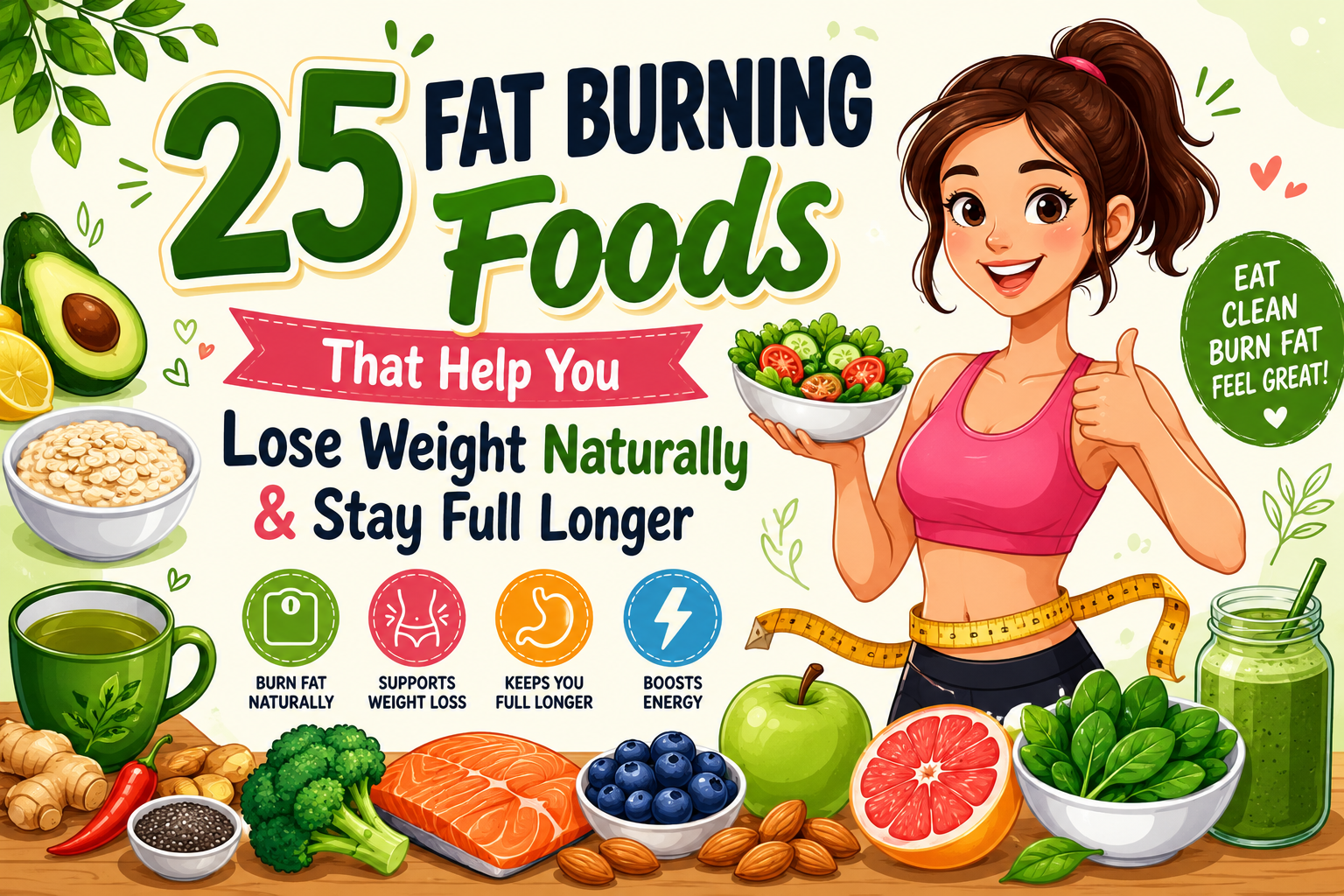
25 Fat Burning Foods That Help You Lose Weight Naturally & Stay Full Longer
Trying to lose weight can feel overwhelming with countless diets, supplements, and fitness trends promising quick results. However, the truth is much simpler—lasting weight loss begins with consistently choosing nutritious foods that support your body’s natural ability to burn calories efficiently and control hunger. While no food can magically melt away body fat, many fat burning foods are scientifically recognized for helping increase fullness, preserve lean muscle, improve metabolism, and reduce unnecessary snacking.
The best approach to healthy weight loss isn’t eliminating entire food groups or following restrictive eating plans. Instead, it’s about building meals around nutrient-dense ingredients that keep you satisfied while naturally lowering your calorie intake. Protein-rich foods help preserve muscle mass during weight loss, fiber-rich foods improve digestion and prolong fullness, and healthy fats support hormone balance while reducing cravings.
If you’ve been searching for the best fat burning foods, wondering which foods that burn fat naturally deserve a place on your plate, or looking for practical foods for weight loss that fit into everyday life, you’ve come to the right place.
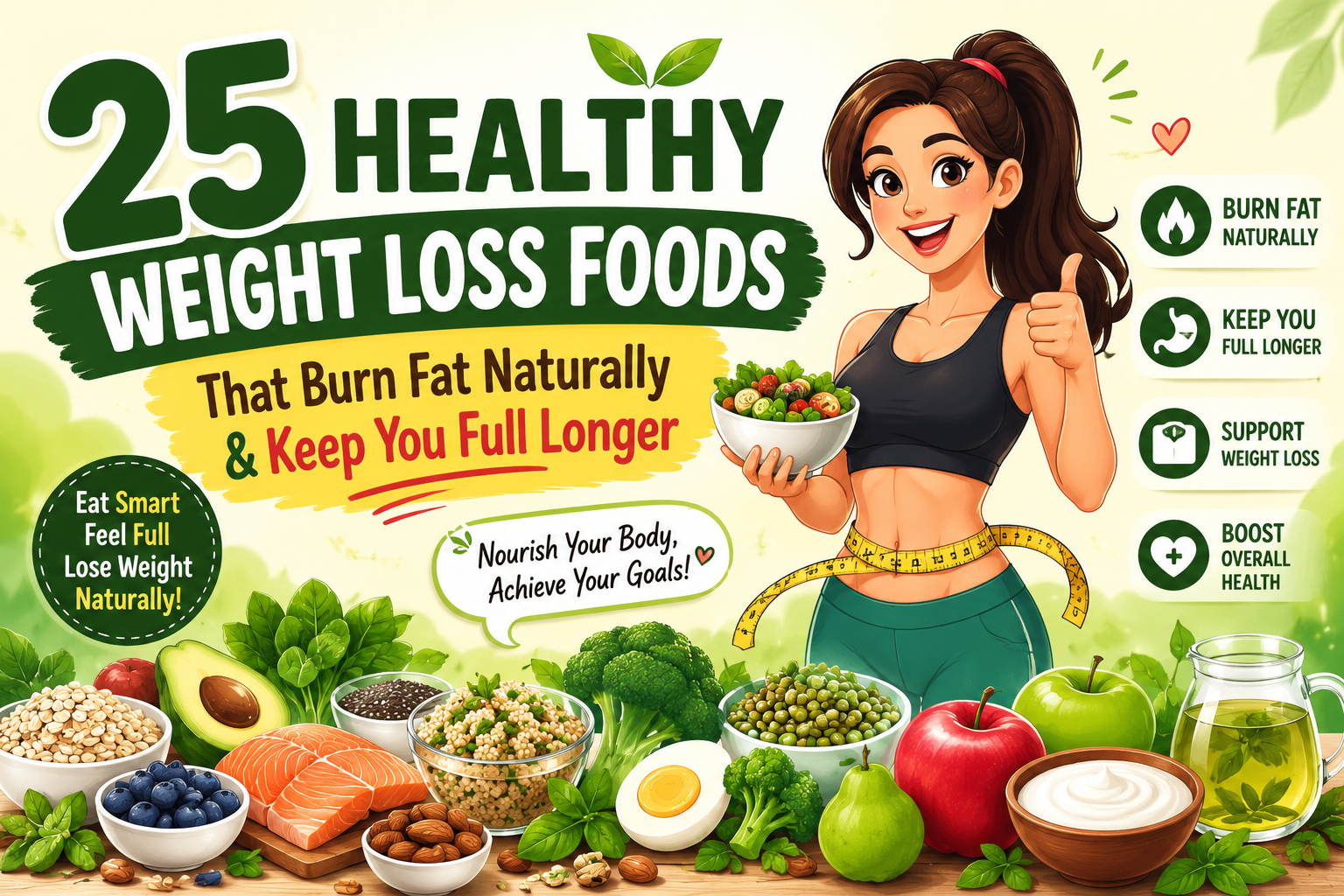
In this comprehensive guide, you’ll discover 25 evidence-based foods that support a metabolism boosting diet, learn why they work, and find easy ways to include them in your daily meals. Whether your goal is losing your first 10 pounds, maintaining a healthy weight, or simply improving your nutrition, these foods can help you make sustainable progress without feeling deprived.
What Are Fat Burning Foods?
The phrase fat burning foods often creates the impression that certain foods can instantly melt away body fat. In reality, there is no single ingredient capable of directly burning stored fat on its own. Instead, fat burning foods are nutrient-rich foods that support the body’s natural weight management processes. They help regulate appetite, improve satiety, preserve lean muscle, and contribute to a healthy metabolism when included as part of a balanced eating pattern.
Most of these foods are naturally high in protein, dietary fiber, healthy fats, or water content. These nutrients work together to slow digestion, stabilize blood sugar levels, and reduce hunger between meals. Compared with ultra-processed foods, they make it easier to maintain a calorie deficit without constantly feeling hungry. That’s why nutrition experts recommend focusing on whole foods rather than relying on fad diets or so-called miracle weight-loss products.
Can Foods Really Burn Fat?
This is one of the most common questions people ask when starting a weight-loss journey. The simple answer is not directly. No food has the power to dissolve body fat overnight. However, many foods support fat loss indirectly by improving metabolic health, reducing calorie intake, increasing fullness, and providing nutrients that help your body function efficiently.
For example, protein-rich foods require more energy to digest than carbohydrates or fats, a process known as the thermic effect of food (TEF). High-fiber foods also slow digestion and help control appetite for longer periods. Together, these effects make it easier to eat fewer calories naturally, which is the key driver of sustainable fat loss. When paired with regular exercise, adequate sleep, and stress management, these foods become powerful tools for long-term weight management.
How Fat Burning Foods Help You Lose Weight
Understanding why certain foods support weight loss can help you make smarter choices every day. Rather than focusing only on calorie counts, it’s important to consider how different foods affect hunger, metabolism, and overall health. The best fat burning foods work because they nourish your body while making it easier to maintain healthy eating habits over time.
Here are some of the primary ways these foods support healthy weight loss:
- Increase satiety: Protein and fiber help you feel full longer, reducing unnecessary snacking.
- Support metabolism: Some foods require slightly more energy to digest, contributing to daily calorie expenditure.
- Maintain lean muscle: Adequate protein helps preserve muscle during weight loss, which supports metabolic health.
- Reduce cravings: Stable blood sugar levels can decrease sudden hunger and sugar cravings.
- Provide essential nutrients: Vitamins, minerals, and antioxidants support overall wellness while dieting.
- Improve digestive health: Fiber-rich foods promote a healthy gut microbiome, which plays a role in metabolic function.
- Encourage healthier eating patterns: Whole foods naturally replace highly processed, calorie-dense alternatives.
The goal isn’t to rely on one “superfood” but to build meals around a variety of nutrient-dense ingredients that work together to support your weight-loss journey.
Why Feeling Full Matters During Weight Loss
One of the biggest reasons people struggle to lose weight is constant hunger. Restrictive diets often leave you feeling deprived, making them difficult to maintain over the long term. This is where foods that promote satiety become incredibly valuable. Feeling full after meals helps reduce the urge to snack excessively and makes it easier to stay within your daily calorie goals.
Foods high in protein, fiber, and healthy fats digest more slowly than refined carbohydrates and sugary snacks. They help regulate hunger hormones such as ghrelin while supporting the release of hormones that signal fullness. Choosing meals built around these nutrients can improve adherence to a healthy eating plan without relying on willpower alone.
Additionally, staying satisfied throughout the day helps maintain steady energy levels, improves concentration, and reduces emotional eating triggered by frequent hunger. Over time, this creates sustainable habits that contribute to lasting weight management rather than temporary results.
25 Fat Burning Foods That Help You Lose Weight Naturally
1. Eggs
Eggs consistently rank among the best fat burning foods because they provide an excellent combination of high-quality protein, healthy fats, vitamins, and minerals in a relatively low-calorie package. A protein-rich breakfast containing eggs has been shown to increase feelings of fullness, reduce hunger later in the day, and help lower overall calorie intake.
Eggs are also rich in choline, vitamin D, selenium, and B vitamins that support energy metabolism and overall health. Contrary to outdated myths, moderate egg consumption can fit into a heart-healthy diet for most people.
Why Eggs Support Weight Loss
- High in complete protein
- Increase satiety for several hours
- Help preserve lean muscle during weight loss
- Naturally low in calories
- Easy to include in breakfast, lunch, or dinner
Healthy Tip: Pair boiled or scrambled eggs with vegetables and whole-grain toast for a balanced, satisfying meal.
2. Oats
Oats are an excellent source of soluble fiber, particularly beta-glucan, which slows digestion and helps you stay full much longer after eating. This makes oats one of the most practical foods for weight loss because they reduce mid-morning hunger and support healthy blood sugar control.
In addition to fiber, oats provide complex carbohydrates that deliver steady energy instead of causing rapid spikes and crashes in blood sugar. They’re also packed with magnesium, iron, manganese, and antioxidants that contribute to overall health. Including oats in your breakfast is a simple way to support a metabolism boosting diet while reducing cravings throughout the day.
Why Oats Support Weight Loss
- Rich in soluble fiber
- Keep you satisfied for hours
- Support healthy digestion
- Help stabilize blood sugar
- Versatile and affordable
Healthy Tip: Prepare oatmeal with Greek yogurt, berries, cinnamon, and chia seeds for an even more filling breakfast.
3. Greek Yogurt
Greek yogurt is one of the highest-protein dairy foods available and is an excellent choice for anyone trying to lose weight naturally. Compared with regular yogurt, it contains significantly more protein, which helps reduce appetite and supports muscle maintenance during calorie restriction.
It also provides calcium, probiotics, and other nutrients that promote digestive health. Choose plain, unsweetened Greek yogurt to avoid unnecessary added sugars, and enhance its flavor naturally with fresh fruit, nuts, or seeds. Its creamy texture and impressive nutritional profile make it one of the easiest fat burning foods to include in a healthy diet.
Why Greek Yogurt Supports Weight Loss
- High in protein
- Supports gut health with probiotics
- Helps reduce cravings
- Excellent snack or breakfast option
- Naturally rich in calcium
Healthy Tip: Mix plain Greek yogurt with fresh berries and a sprinkle of flaxseeds for a protein-packed snack.
4. Salmon
Salmon is one of the most nutrient-dense fat burning foods because it delivers high-quality protein alongside heart-healthy omega-3 fatty acids. Protein helps maintain lean muscle mass during weight loss, while omega-3 fats may support healthy inflammation levels and improve overall metabolic health. Since muscle tissue burns more calories than fat tissue, preserving muscle is an important part of sustainable weight management.
Salmon is also rich in vitamin D, selenium, potassium, and B vitamins that help convert food into energy. Eating fatty fish once or twice a week can be part of a balanced eating pattern that supports both weight loss and long-term heart health. Baking, grilling, or air-frying salmon instead of deep-frying keeps it nutritious and lower in unnecessary calories.
Why Salmon Supports Weight Loss
- High-quality complete protein
- Rich in omega-3 fatty acids
- Promotes long-lasting fullness
- Helps preserve lean muscle
- Supports heart and brain health
Healthy Tip: Pair grilled salmon with roasted vegetables and quinoa for a balanced, satisfying dinner.
5. Chicken Breast
Skinless chicken breast is a lean source of protein that can help you stay full while keeping calorie intake under control. Because protein takes longer to digest than refined carbohydrates, meals centered around chicken breast can reduce hunger between meals and make it easier to stick to a healthy eating plan.
Chicken is also versatile and works well in salads, wraps, soups, stir-fries, and grain bowls. Preparing it with herbs, spices, lemon, and olive oil instead of heavy cream sauces or breading helps maximize its nutritional benefits. As one of the best fat burning foods, chicken breast supports muscle maintenance, which is essential for keeping your metabolism active during weight loss.
Why Chicken Breast Supports Weight Loss
- High in lean protein
- Low in saturated fat
- Helps reduce hunger
- Supports muscle growth and maintenance
- Easy to prepare in many healthy recipes
Healthy Tip: Grill or bake chicken breast and combine it with steamed vegetables and brown rice for a balanced meal.
6. Lentils
Lentils are among the best plant-based foods for weight loss because they provide an excellent combination of protein and fiber. This powerful nutrient pairing helps slow digestion, stabilize blood sugar levels, and keep you feeling satisfied for hours after eating.
They are also packed with iron, folate, potassium, and magnesium, making them an excellent addition to vegetarian and vegan diets. Lentils are affordable, easy to cook, and incredibly versatile, working well in soups, salads, curries, and grain bowls. Their slow-digesting carbohydrates provide steady energy while supporting a healthy digestive system.
Why Lentils Support Weight Loss
- Rich in plant protein
- High in dietary fiber
- Improve fullness
- Support digestive health
- Budget-friendly superfood
Healthy Tip: Add cooked lentils to salads or vegetable soups to boost protein and fiber naturally.
7. Apples
Apples are naturally low in calories and high in fiber, making them one of the easiest foods that burn fat naturally by helping control appetite. Their high water content also contributes to fullness, allowing you to feel satisfied with fewer calories.
Eating a whole apple instead of drinking fruit juice provides significantly more fiber, which slows digestion and reduces rapid blood sugar spikes. Apples also contain beneficial antioxidants and vitamin C that support overall health. They make a convenient snack for busy lifestyles and pair well with protein-rich foods for even greater satiety.
Why Apples Support Weight Loss
- High water content
- Excellent source of fiber
- Naturally sweet
- Easy portable snack
- Helps reduce cravings
Healthy Tip: Pair sliced apples with natural peanut butter or Greek yogurt for a balanced snack.
8. Avocados
Although avocados contain more calories than many fruits, they are rich in heart-healthy monounsaturated fats and fiber that promote lasting fullness. Their healthy fat content helps slow digestion and may reduce the urge to snack throughout the day.
Avocados also provide potassium, folate, vitamin E, and antioxidants that support overall wellness. Including moderate portions of avocado in meals can improve satisfaction without compromising weight-loss goals when consumed within your daily calorie needs.
Why Avocados Support Weight Loss
- Rich in healthy fats
- High in fiber
- Supports satiety
- Nutrient-dense
- Helps balance blood sugar
Healthy Tip: Spread mashed avocado on whole-grain toast or add slices to salads instead of creamy dressings.
9. Broccoli
Broccoli is a low-calorie vegetable packed with fiber, vitamins, and antioxidants. Because it is high in volume but low in calories, it allows you to eat generous portions while keeping overall calorie intake relatively low.
Its fiber supports digestion and helps keep you feeling full after meals. Broccoli also contains vitamin C, vitamin K, folate, and plant compounds associated with overall health. Including more non-starchy vegetables like broccoli is one of the simplest ways to improve the quality of a metabolism boosting diet.
Why Broccoli Supports Weight Loss
- Very low in calories
- Rich in fiber
- High nutrient density
- Supports digestive health
- Adds volume to meals
Healthy Tip: Steam broccoli lightly to preserve nutrients and season with garlic, pepper, and lemon juice.
10. Spinach
Spinach is one of the most nutrient-rich leafy greens available. It provides vitamins A, C, K, folate, iron, magnesium, and antioxidants while contributing very few calories to your meals.
Because spinach contains both fiber and water, it increases meal volume without significantly increasing calories. This makes it easier to feel satisfied while maintaining a calorie deficit. It can be enjoyed fresh in salads, blended into smoothies, or cooked into soups and omelets.
Why Spinach Supports Weight Loss
- Extremely low in calories
- Rich in vitamins and minerals
- Supports fullness
- Versatile ingredient
- Promotes overall health
Healthy Tip: Add a handful of spinach to smoothies, omelets, soups, and pasta dishes.
11. Chia Seeds
Chia seeds are tiny nutritional powerhouses loaded with fiber, protein, omega-3 fatty acids, and antioxidants. When soaked, they absorb water and expand into a gel-like consistency that slows digestion and helps increase feelings of fullness.
These seeds are easy to add to yogurt, oatmeal, smoothies, or homemade puddings. Even a small serving provides a significant amount of fiber, making chia seeds one of the best fat burning foods for appetite control.
Why Chia Seeds Support Weight Loss
- High in soluble fiber
- Expand with water
- Promote fullness
- Rich in omega-3 fats
- Easy to include in meals
Healthy Tip: Make overnight chia pudding with unsweetened milk and berries.
12. Flaxseeds
Flaxseeds provide fiber, healthy fats, and plant-based protein that support weight management. They are particularly rich in lignans, plant compounds with antioxidant properties, along with omega-3 fatty acids that support heart health.
Ground flaxseeds are easier to digest than whole seeds and can be added to oatmeal, smoothies, yogurt, or baked goods. Their fiber content promotes digestive health while helping control hunger throughout the day.
Why Flaxseeds Support Weight Loss
- Rich in dietary fiber
- Contains omega-3 fats
- Supports healthy digestion
- Adds nutrition to many recipes
- Helps increase satiety
Healthy Tip: Sprinkle one tablespoon of ground flaxseed into your morning oatmeal.
13. Almonds
Almonds are packed with healthy fats, protein, fiber, magnesium, and vitamin E. Although calorie-dense, moderate portions can actually support weight management because they increase fullness and reduce cravings between meals.
Research suggests that people who regularly consume nuts as part of a balanced diet often maintain healthier body weights than those who avoid them. Portion control remains important due to their calorie content.
Why Almonds Support Weight Loss
- Rich in protein
- High in healthy fats
- Excellent snack option
- Helps reduce hunger
- Nutrient-dense
Healthy Tip: Stick to a small handful (about 23 almonds) as a snack.
14. Walnuts
Walnuts provide plant-based omega-3 fatty acids, healthy fats, protein, and antioxidants. Their unique nutrient profile supports heart health while promoting satiety, making them an excellent addition to balanced meals.
Including walnuts in moderation may help reduce cravings for processed foods and improve overall diet quality. They pair well with salads, oatmeal, yogurt, and fruit.
Why Walnuts Support Weight Loss
- Healthy fats
- Plant omega-3s
- Good source of protein
- Helps satisfy hunger
- Supports heart health
Healthy Tip: Add chopped walnuts to oatmeal or salads instead of sugary toppings.
15. Green Tea
Green tea is widely recognized for its natural antioxidants called catechins, particularly EGCG, which may provide a modest boost to metabolism when combined with healthy eating and regular exercise. It also contains a small amount of caffeine that may enhance calorie expenditure in some individuals.
Although green tea alone won’t produce significant fat loss, replacing sugary drinks with unsweetened green tea is a simple lifestyle change that supports healthier eating habits.
Why Green Tea Supports Weight Loss
- Zero calories
- Rich in antioxidants
- May slightly boost metabolism
- Healthy alternative to sugary beverages
- Supports hydration
Healthy Tip: Drink unsweetened green tea between meals instead of sugar-sweetened beverages.
16. Chili Peppers
Chili peppers contain capsaicin, a natural compound responsible for their spicy flavor. Capsaicin may temporarily increase calorie burning and reduce appetite in some people, although the overall effect is modest.
Adding chili peppers to meals also enhances flavor without adding extra calories. If you enjoy spicy foods, they can be a healthy way to make nutritious meals more satisfying.
Why Chili Peppers Support Weight Loss
- Contains capsaicin
- May support metabolism
- Adds flavor without calories
- Can reduce appetite
- Rich in vitamin C
Healthy Tip: Add fresh chili peppers or chili flakes to soups, stir-fries, and roasted vegetables.
17. Sweet Potatoes
Sweet potatoes are an excellent addition to a healthy weight-loss diet because they provide complex carbohydrates, dietary fiber, and a wide range of vitamins and minerals. Unlike refined carbohydrates that digest quickly and often lead to hunger soon after eating, sweet potatoes release energy gradually. This steady digestion helps maintain stable blood sugar levels and reduces cravings throughout the day.
They are also rich in vitamin A, vitamin C, potassium, and antioxidants that support overall health. Their naturally sweet flavor makes them a healthier alternative to processed snacks or sugary side dishes. When baked, roasted, or steamed instead of fried, sweet potatoes become one of the best fat burning foods for creating filling, nutritious meals that support long-term weight management.
Why Sweet Potatoes Support Weight Loss
- High in dietary fiber
- Promote long-lasting fullness
- Rich in vitamins and antioxidants
- Help stabilize blood sugar
- Naturally satisfying
Healthy Tip: Bake sweet potatoes with herbs and spices instead of adding butter and sugar.
18. Cottage Cheese
Cottage cheese is a protein-rich dairy product that helps reduce hunger while supporting muscle maintenance during weight loss. Because protein takes longer to digest than refined carbohydrates, meals containing cottage cheese can help you stay satisfied for several hours.
It also provides calcium, phosphorus, selenium, and vitamin B12, nutrients that contribute to bone health and energy production. Choosing low-fat or reduced-fat varieties can help manage calorie intake while still delivering plenty of protein. Cottage cheese works well as both a breakfast option and a healthy snack.
Why Cottage Cheese Supports Weight Loss
- Excellent source of protein
- Low in calories
- Supports lean muscle
- Helps reduce cravings
- Easy to prepare
Healthy Tip: Top cottage cheese with fresh berries, cucumber slices, or tomatoes for a nutrient-rich snack.
19. Beans
Beans are among the most affordable and nutritious foods for weight loss. They combine plant protein with high amounts of dietary fiber, making them incredibly filling despite being relatively low in calories.
Black beans, kidney beans, chickpeas, navy beans, and pinto beans all provide essential nutrients such as iron, magnesium, potassium, and folate. Regular bean consumption has been associated with better appetite control and improved digestive health due to their fiber content.
Why Beans Support Weight Loss
- High in fiber
- Rich in plant protein
- Improve fullness
- Support gut health
- Budget-friendly
Healthy Tip: Add beans to salads, soups, tacos, or grain bowls for extra protein and fiber.
20. Berries
Blueberries, strawberries, raspberries, and blackberries are naturally low in calories while providing impressive amounts of fiber, antioxidants, and vitamin C. Their natural sweetness makes them an excellent substitute for high-sugar desserts.
Because berries contain fiber and water, they help increase fullness while satisfying sweet cravings in a healthier way. Their antioxidants also support overall health by protecting cells from oxidative stress.
Why Berries Support Weight Loss
- Naturally low in calories
- Rich in fiber
- High in antioxidants
- Help satisfy sweet cravings
- Easy to include in meals
Healthy Tip: Add fresh berries to oatmeal, yogurt, smoothies, or enjoy them as a refreshing snack.
21. Quinoa
Quinoa is a nutritious whole grain that stands out because it contains all nine essential amino acids, making it a complete plant protein. It is also rich in fiber, magnesium, iron, and phosphorus, helping support steady energy levels and prolonged satiety.
Unlike refined grains, quinoa digests more slowly and contributes to better blood sugar control. It works well as a substitute for white rice or pasta and can be used in salads, soups, and grain bowls.
Why Quinoa Supports Weight Loss
- Complete plant protein
- High in fiber
- Supports digestion
- Keeps you full longer
- Nutrient-rich whole grain
Healthy Tip: Replace white rice with quinoa several times each week to increase protein and fiber intake.
22. Mushrooms
Mushrooms are naturally low in calories but rich in flavor, making them an excellent ingredient for reducing the calorie density of meals. Their meaty texture makes them a satisfying substitute for higher-calorie ingredients in many recipes.
They also provide selenium, potassium, B vitamins, and antioxidants while adding volume to meals without significantly increasing calories. This combination makes mushrooms valuable for healthy weight management.
Why Mushrooms Support Weight Loss
- Very low in calories
- Add volume to meals
- Rich in antioxidants
- Versatile ingredient
- Naturally satisfying
Healthy Tip: Grill or sauté mushrooms with garlic and herbs instead of frying them in excess oil.
23. Cucumbers
Cucumbers consist of about 95% water, making them one of the most hydrating and lowest-calorie vegetables available. Their high water content increases meal volume, helping you feel full without consuming many calories.
Although cucumbers are not high in protein, they pair well with protein-rich foods to create filling snacks and meals. They are also a refreshing addition to salads and sandwiches.
Why Cucumbers Support Weight Loss
- Extremely low in calories
- High water content
- Supports hydration
- Adds bulk to meals
- Easy healthy snack
Healthy Tip: Enjoy cucumber slices with hummus or Greek yogurt dip instead of processed chips.
24. Grapefruit
Grapefruit has long been associated with healthy eating because it is low in calories, high in water, and rich in vitamin C. Eating grapefruit before meals may help some people reduce overall calorie intake by increasing feelings of fullness.
However, grapefruit can interact with certain medications, so anyone taking prescription medicines should consult their healthcare provider before increasing grapefruit consumption.
Why Grapefruit Supports Weight Loss
- Low in calories
- High water content
- Rich in vitamin C
- Helps increase fullness
- Refreshing snack option
Healthy Tip: Eat half a grapefruit before breakfast or lunch if it is safe with your medications.
25. Dark Chocolate
Surprisingly, dark chocolate can fit into a healthy weight-loss plan when consumed in moderation. Chocolate containing at least 70% cocoa provides antioxidants and has a rich flavor that can satisfy sweet cravings with a relatively small portion.
The key is portion control. Enjoying one or two small squares occasionally is very different from consuming an entire chocolate bar. Choosing dark chocolate over milk chocolate also reduces added sugar intake.
Why Dark Chocolate Supports Weight Loss
- Helps satisfy dessert cravings
- Rich in antioxidants
- More filling than sugary candy
- Can reduce overeating when eaten mindfully
- Supports healthier indulgence
Healthy Tip: Choose dark chocolate with at least 70% cocoa and limit portions to one or two squares.
Healthy Tips to Maximize Fat Loss
Adding fat burning foods to your diet is only one piece of the weight-loss puzzle. Long-term success depends on creating healthy habits that you can maintain consistently. Instead of looking for quick fixes, focus on building a balanced lifestyle that supports your metabolism, energy levels, and overall well-being.
Here are several practical strategies to maximize healthy fat loss:
| Healthy Habit | Why It Matters |
| Eat more protein | Helps preserve muscle and keeps you full longer. |
| Fill half your plate with vegetables | Adds fiber and volume while keeping calories low. |
| Drink enough water | Supports hydration and may reduce unnecessary snacking. |
| Choose whole foods | Minimizes added sugars and highly processed ingredients. |
| Exercise regularly | Combines strength training and cardio for better results. |
| Get 7–9 hours of sleep | Poor sleep can increase hunger hormones and cravings. |
| Practice mindful eating | Eat slowly and pay attention to fullness cues. |
| Limit sugary beverages | Reduces empty calorie intake without sacrificing nutrition. |
| Control portion sizes | Even healthy foods should be eaten in appropriate amounts. |
| Stay consistent | Sustainable habits produce lasting results over time. |
Remember that no single food can replace a healthy lifestyle. Combining nutritious eating with regular physical activity, quality sleep, and stress management creates the strongest foundation for achieving and maintaining a healthy weight.
Frequently Asked Questions (FAQs)
1. What are fat burning foods?
Fat burning foods are nutrient-dense foods that support healthy weight loss by helping you feel full, preserving lean muscle, and providing essential nutrients. While they don’t directly burn body fat, foods rich in protein, fiber, and healthy fats make it easier to maintain a calorie deficit, which is the primary driver of fat loss. Including a variety of whole foods in your daily diet is a sustainable approach to weight management.
2. Which fat burning food is best for beginners?
There isn’t a single “best” food, but eggs, oats, Greek yogurt, apples, broccoli, and chicken breast are excellent choices for beginners. These foods are affordable, easy to prepare, and rich in nutrients that support fullness and overall health. Starting with simple, balanced meals built around these ingredients can make healthy eating more manageable and sustainable.
3. Can I lose weight by eating fat burning foods alone?
No. Although fat burning foods can support weight loss, they are only one part of a healthy lifestyle. Sustainable weight loss requires maintaining a calorie deficit through balanced eating, regular physical activity, adequate sleep, and stress management. Relying on a single food or “superfood” is unlikely to produce lasting results.
4. How much protein should I eat for weight loss?
Protein needs vary depending on age, body size, activity level, and health goals. Many adults benefit from including a quality protein source at each meal to help maintain muscle and improve satiety. For personalized recommendations, consult a registered dietitian or healthcare provider, especially if you have kidney disease or other medical conditions.
5. Are snacks allowed during weight loss?
Yes. Healthy snacks can help control hunger between meals and prevent overeating later in the day. Choose nutrient-rich options such as Greek yogurt, fruit, nuts, cottage cheese, vegetables with hummus, or boiled eggs. The key is selecting appropriate portion sizes and avoiding highly processed snacks high in added sugars and unhealthy fats.
Key Takeaways
- Fat burning foods support weight loss by promoting fullness, not by directly melting body fat.
- Protein-rich foods like eggs, salmon, chicken, Greek yogurt, and cottage cheese help preserve lean muscle.
- Fiber-rich foods such as oats, beans, lentils, berries, broccoli, and apples reduce hunger and improve digestion.
- Healthy fats from avocados, nuts, seeds, and fatty fish increase meal satisfaction.
- Replacing highly processed foods with whole foods improves overall diet quality.
- Drinking enough water, exercising regularly, and getting adequate sleep complement healthy eating habits.
- Consistency matters more than following short-term fad diets.
- A balanced, calorie-appropriate eating pattern is the foundation of sustainable weight loss.
- Building meals around nutrient-dense foods helps you stay full longer and supports long-term health.
Conclusion
Losing weight naturally doesn’t require extreme diets, expensive supplements, or cutting out your favorite foods forever. The most effective strategy is to build your meals around nutrient-dense, whole foods that nourish your body, support your metabolism, and help you stay satisfied throughout the day.
The 25 fat burning foods featured in this guide—including eggs, oats, Greek yogurt, salmon, beans, berries, leafy greens, and healthy fats—can make healthy eating more enjoyable and sustainable. While no single food can magically burn body fat, consistently choosing these nutrient-rich options can make it easier to maintain a healthy calorie deficit and support your long-term weight-management goals.
Remember that nutrition is only one part of a healthy lifestyle. Regular physical activity, quality sleep, stress management, and mindful eating all contribute to lasting success. Focus on gradual progress rather than quick fixes, and celebrate small improvements along the way.
At PureWellLife, our goal is to provide evidence-informed, practical wellness guidance that helps you make healthier choices every day. If you found this article helpful, explore our other nutrition, fitness, and healthy living resources to continue your journey toward better health.