Liver Health Tips
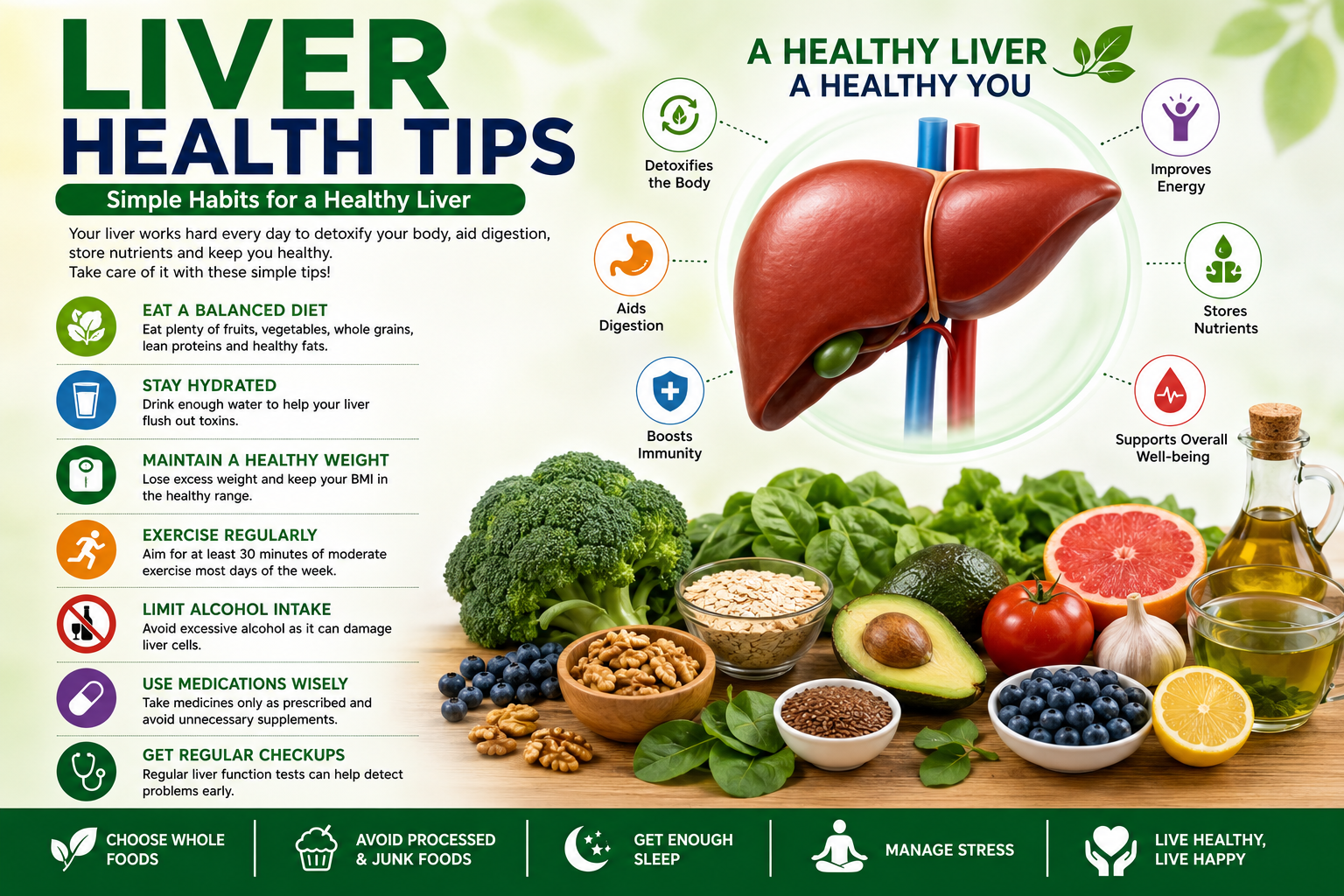
The liver is one of the hardest-working organs in the human body. It performs more than 500 essential functions, including filtering toxins from the blood, producing bile for digestion, storing nutrients, regulating blood sugar, and helping metabolize fats, proteins, and carbohydrates. Because the liver plays such a vital role in overall health, taking care of it should be a priority.
Fortunately, many everyday habits can help support liver health naturally. Eating a balanced diet, maintaining a healthy weight, staying physically active, and avoiding excessive alcohol are just a few ways to keep your liver functioning properly.
Why Is Liver Health Important?
A healthy liver helps your body:
- Remove harmful toxins
- Digest fats efficiently
- Store vitamins and minerals
- Produce proteins needed for blood clotting
- Regulate cholesterol levels
- Maintain healthy blood sugar
- Support metabolism
- Strengthen overall health
When liver function becomes impaired, it can affect many other organs and body systems.
Common Causes of Liver Problems
Several lifestyle and medical factors can contribute to liver damage over time.
Poor Diet
A diet high in processed foods, sugary drinks, refined carbohydrates, and unhealthy fats can increase the risk of fatty liver disease.
Excess Alcohol Consumption
Drinking excessive amounts of alcohol may damage liver cells and increase the risk of liver inflammation, fatty liver, and cirrhosis.
Obesity
Being overweight increases the likelihood of developing non-alcoholic fatty liver disease (NAFLD).
Viral Hepatitis
Hepatitis A, B, and C infections can cause liver inflammation and long-term complications if left untreated.
Certain Medications
Taking medications incorrectly or using some supplements without medical supervision may affect liver health.
Best Liver Health Tips
1. Eat a Balanced Diet
A nutritious diet provides antioxidants, vitamins, minerals, and fiber that help support normal liver function.
Include foods such as:
- Leafy green vegetables
- Broccoli
- Carrots
- Tomatoes
- Whole grains
- Fruits
- Beans
- Lentils
- Nuts
- Seeds
Limit processed foods, added sugars, and foods high in saturated fats.
2. Stay Hydrated
Water helps your body eliminate waste products and supports many important metabolic processes.
Aim to drink enough water throughout the day based on your activity level, climate, and individual health needs.
3. Maintain a Healthy Weight
Excess body weight is closely linked with fatty liver disease. Gradual weight loss through healthy eating and regular physical activity can help reduce excess fat stored in the liver.
4. Exercise Regularly
Regular physical activity improves metabolism, supports healthy body weight, and helps reduce liver fat.
Aim for at least:
- 150 minutes of moderate exercise per week
Examples include:
- Brisk walking
- Cycling
- Swimming
- Jogging
- Strength training
5. Limit Alcohol Intake
Excessive alcohol places significant stress on the liver.
If you choose to drink alcohol, do so in moderation according to your healthcare provider’s advice. People with liver disease should avoid alcohol unless otherwise directed by a medical professional.
6. Eat Foods Rich in Antioxidants
Antioxidants help protect liver cells from damage caused by free radicals and support overall liver function.
Foods rich in antioxidants include:
- Blueberries
- Strawberries
- Grapes
- Oranges
- Spinach
- Kale
- Bell peppers
- Green tea
A colorful diet rich in fruits and vegetables provides a wide range of protective nutrients.
7. Include Healthy Fats
Healthy fats support overall health and can be part of a liver-friendly diet when consumed in moderation.
Good sources include:
- Avocados
- Olive oil
- Walnuts
- Almonds
- Chia seeds
- Flaxseeds
- Fatty fish like salmon and sardines
Replace trans fats and excessive saturated fats with healthier alternatives whenever possible.
8. Avoid Smoking
Smoking exposes the body to harmful chemicals that increase oxidative stress and may negatively affect liver health.
Quitting smoking benefits not only the liver but also the heart, lungs, and overall well-being.
9. Use Medicines Responsibly
Some medications and herbal supplements can affect liver function if taken incorrectly.
Always:
- Follow dosage instructions.
- Avoid unnecessary medications.
- Inform your doctor about supplements you use.
- Never combine medicines without medical advice.
10. Get Regular Health Checkups
Routine health screenings help detect liver problems early, especially if you have risk factors such as obesity, diabetes, high cholesterol, or a family history of liver disease.
Your healthcare provider may recommend:
- Liver function tests
- Blood sugar testing
- Cholesterol screening
- Ultrasound (when appropriate)
Best Foods for Liver Health
A balanced diet with whole, nutrient-rich foods supports normal liver function.
Fruits
- Apples
- Grapefruit
- Blueberries
- Berries
- Oranges
- Papaya
Vegetables
- Spinach
- Kale
- Broccoli
- Cauliflower
- Brussels sprouts
- Carrots
- Beetroot
Whole Grains
- Brown rice
- Oats
- Quinoa
- Whole wheat
- Barley
Lean Protein
- Fish
- Skinless chicken
- Eggs
- Lentils
- Chickpeas
- Beans
- Tofu
Healthy Drinks
- Water
- Green tea
- Lemon water (without added sugar)
- Unsweetened herbal tea
Foods to Limit
Reducing highly processed foods may support overall liver health.
Limit:
- Sugary beverages
- Fried foods
- Fast food
- Processed meats
- Excess sweets
- Highly refined carbohydrates
- Excess alcohol
- Foods high in trans fats
Warning Signs of Liver Problems
Seek medical evaluation if you experience persistent symptoms such as:
- Yellowing of the skin or eyes (jaundice)
- Dark-colored urine
- Pale stools
- Persistent fatigue
- Swelling in the legs or abdomen
- Ongoing nausea or vomiting
- Loss of appetite
- Unexplained weight loss
- Pain or discomfort in the upper right side of the abdomen
These symptoms can have many possible causes and should always be assessed by a healthcare professional.
Frequently Asked Questions
Which foods are best for liver health?
Leafy green vegetables, berries, whole grains, nuts, seeds, fish, beans, lentils, and healthy fats are excellent choices for supporting normal liver function.
Can drinking more water improve liver health?
Adequate hydration supports many important body processes, including waste removal and metabolism, making water an essential part of a healthy lifestyle.
Is coffee good for the liver?
Some research suggests that moderate coffee consumption may be associated with better liver health in many adults. However, individual recommendations vary, and excessive sugar or cream should be avoided.
Can exercise reduce fatty liver?
Regular physical activity, combined with healthy eating and gradual weight management, may help reduce liver fat in people with non-alcoholic fatty liver disease (NAFLD).
How often should liver function be checked?
Routine testing depends on your age, medical history, medications, and risk factors. Your healthcare provider can recommend an appropriate screening schedule.
Key Takeaways
- The liver performs hundreds of essential functions that support overall health.
- Eat a balanced diet rich in fruits, vegetables, whole grains, lean protein, and healthy fats.
- Stay hydrated and exercise regularly.
- Maintain a healthy weight to reduce the risk of fatty liver disease.
- Limit alcohol and avoid smoking.
- Use medications responsibly and attend regular medical checkups.
- Seek medical attention if you notice persistent symptoms of liver disease.
Conclusion
Your liver works tirelessly every day to keep your body healthy, making it one of the most important organs to protect. Simple lifestyle habits—such as eating a nutrient-rich diet, staying physically active, maintaining a healthy weight, drinking enough water, limiting alcohol, and avoiding smoking—can go a long way in supporting normal liver function.
Remember that liver health is built through consistent daily choices rather than quick fixes. By adopting healthy habits and scheduling regular medical checkups, you can help protect your liver and promote long-term overall wellness.