Healthy Lifestyle Benefits: 25 Science-Backed Reasons to Live Healthier, Boost Energy & Live Longer
Living a healthy lifestyle is one of the most effective ways to improve your quality of life. While many people focus on treating illnesses after they occur, adopting healthier daily habits can help prevent many chronic diseases before they start. The Healthy Lifestyle Benefits extend far beyond physical fitness—they also include better mental health, increased energy, stronger immunity, improved sleep, and greater emotional well-being.
Modern research consistently shows that small, sustainable habits such as eating nutritious foods, exercising regularly, getting enough sleep, managing stress, and avoiding harmful substances can significantly reduce the risk of heart disease, diabetes, obesity, and many other health conditions. Even modest improvements in your daily routine can produce meaningful long-term health benefits.
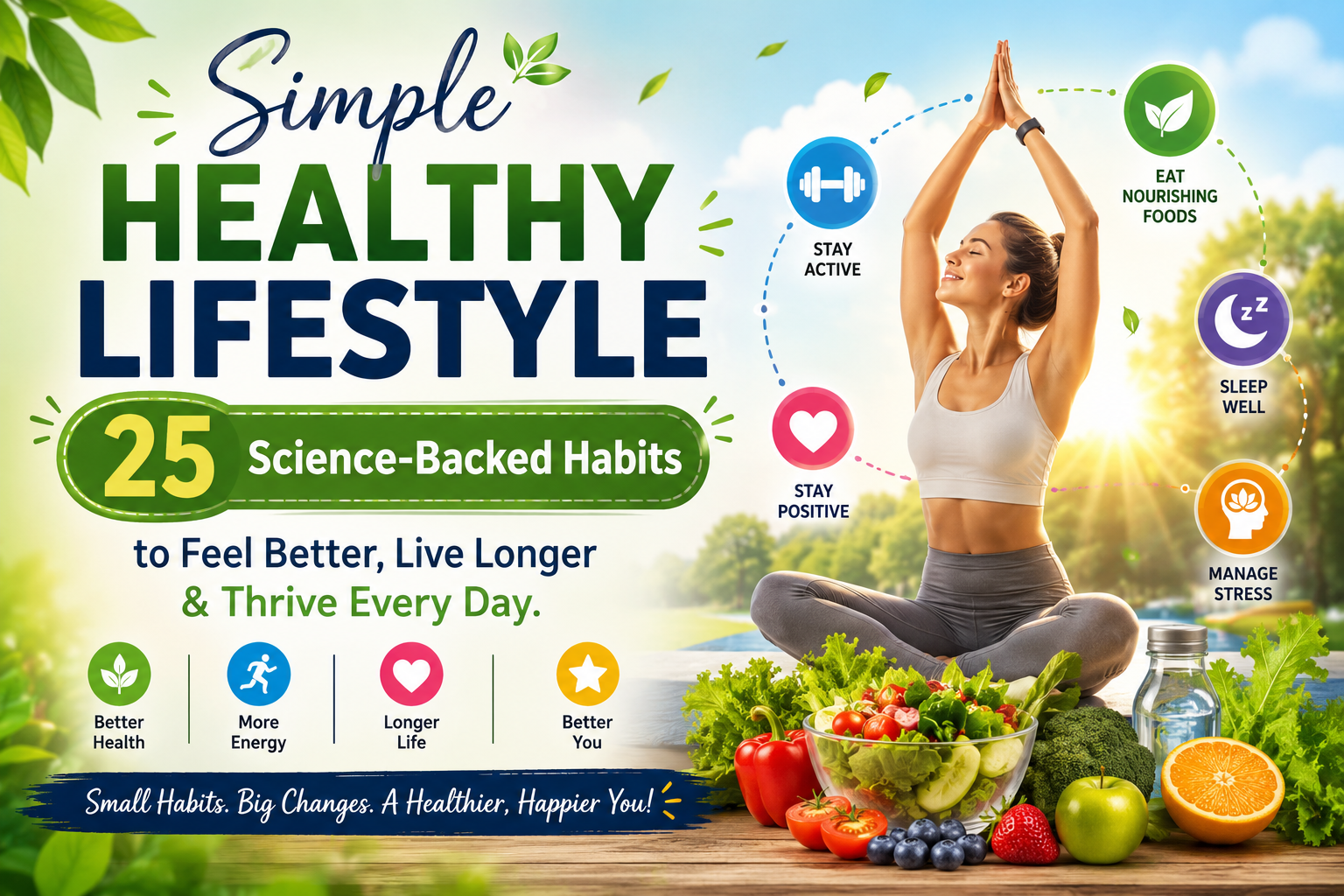
In this comprehensive guide by PureWellLife, you’ll discover 25 science-backed reasons to live healthier, boost your energy, and enjoy a longer, happier life. You’ll also learn practical strategies to build healthy habits that fit into your everyday routine, regardless of your age or fitness level. Whether you’re just beginning your wellness journey or looking to improve your current lifestyle, this guide provides evidence-based advice to help you succeed.
What Is a Healthy Lifestyle?
A healthy lifestyle refers to a combination of daily habits that support physical, mental, and emotional health over the long term. Rather than relying on quick fixes or restrictive diets, it focuses on sustainable choices that improve overall well-being. A healthy lifestyle includes balanced nutrition, regular physical activity, quality sleep, stress management, proper hydration, maintaining a healthy weight, avoiding tobacco, limiting alcohol, and nurturing positive relationships.
The goal isn’t perfection. Instead, it’s about making consistent improvements that become lifelong habits. These habits work together to lower disease risk, improve daily functioning, and enhance overall quality of life.
Why Is a Healthy Lifestyle Important?
Understanding why a healthy lifestyle is important helps people make better long-term decisions. Healthy habits strengthen your body’s natural defenses, improve brain function, increase productivity, and reduce healthcare costs over time. They also improve emotional well-being by lowering stress, anxiety, and depression while increasing confidence and resilience.
Perhaps most importantly, a healthy lifestyle supports healthy aging. Research shows that people who consistently practice healthy behaviors often enjoy more active years with fewer chronic illnesses and greater independence later in life.
25 Science-Backed Healthy Lifestyle Benefits
1. Increases Daily Energy Levels
One of the most noticeable benefits of a healthy lifestyle is increased energy. Nutritious foods provide your body with vitamins, minerals, healthy fats, protein, and complex carbohydrates that fuel every cell. Regular exercise improves cardiovascular efficiency, allowing oxygen and nutrients to circulate more effectively.
Good sleep and proper hydration further enhance energy production, reducing fatigue throughout the day. Instead of relying on caffeine or sugary snacks, healthy habits provide natural, sustainable energy.
2. Improves Heart Health
Heart disease remains one of the leading causes of death worldwide. Fortunately, many cardiovascular risks can be reduced through healthy living. Eating fruits, vegetables, whole grains, nuts, and healthy fats while limiting processed foods helps maintain healthy cholesterol and blood pressure levels.
Regular aerobic exercise strengthens the heart muscle, improves circulation, and reduces inflammation. Together, these habits significantly lower the risk of heart attacks, strokes, and other cardiovascular conditions.
3. Supports Healthy Weight Management
Healthy eating combined with regular physical activity helps maintain a healthy body weight without relying on extreme diets. Rather than focusing solely on calorie restriction, healthy living encourages balanced meals, portion awareness, and long-term consistency.
Maintaining a healthy weight lowers the risk of obesity-related conditions such as type 2 diabetes, hypertension, sleep apnea, and joint problems while improving mobility and confidence.
4. Strengthens the Immune System
Your immune system depends on adequate nutrition, sufficient sleep, regular exercise, and effective stress management. Vitamins A, C, D, E, zinc, selenium, and antioxidants all play essential roles in immune function.
Healthy lifestyle habits also reduce chronic inflammation, allowing your immune system to respond more efficiently to infections while supporting faster recovery from illness.
5. Enhances Brain Function
Healthy living benefits extend to the brain. Physical activity increases blood flow and stimulates the production of brain-derived neurotrophic factor (BDNF), a protein that supports learning and memory.
Omega-3 fatty acids, colorful fruits and vegetables, whole grains, and sufficient sleep improve concentration, cognitive performance, and long-term brain health. These habits may also reduce the risk of age-related cognitive decline.
6. Improves Emotional Well-Being
One of the often-overlooked healthy living benefits is improved emotional well-being. Exercise stimulates endorphin production, while nutritious foods support neurotransmitters that regulate mood.
Practicing mindfulness, maintaining social connections, and getting quality sleep also contribute to lower stress levels, greater resilience, and improved emotional balance during life’s challenges.
7. Reduces the Risk of Type 2 Diabetes
Healthy eating patterns and regular exercise help regulate blood sugar levels and improve insulin sensitivity. Whole grains, legumes, vegetables, lean proteins, and healthy fats support stable glucose control.
Maintaining a healthy weight further reduces the likelihood of developing type 2 diabetes, making preventive lifestyle habits one of the most effective long-term strategies.
8. Promotes Better Sleep Quality
Quality sleep is essential for physical recovery, hormone regulation, immune function, and brain health. Daily exercise, reduced caffeine intake, balanced nutrition, and consistent bedtime routines all contribute to better sleep.
People who prioritize healthy living often fall asleep faster, stay asleep longer, and wake up feeling more refreshed and energized.
9. Strengthens Bones and Muscles
Weight-bearing exercise, resistance training, calcium-rich foods, adequate protein, and vitamin D all contribute to stronger bones and muscles. These habits help prevent osteoporosis, reduce injury risk, and maintain mobility throughout life.
Building muscle mass also supports healthy metabolism and improves balance as people age.
10. Supports Healthy Digestion
A diet rich in fiber from fruits, vegetables, legumes, and whole grains promotes regular bowel movements and supports beneficial gut bacteria.
Good hydration and regular physical activity also improve digestive function, reducing constipation and supporting overall gut health, which influences immunity, metabolism, and mental health.
11. Lowers Blood Pressure Naturally
High blood pressure often develops silently but significantly increases the risk of heart disease and stroke. Eating potassium-rich foods, limiting sodium, maintaining a healthy weight, exercising regularly, and managing stress naturally support healthy blood pressure.
These lifestyle strategies often complement medical treatment and improve long-term cardiovascular health.
12. Reduces Chronic Inflammation
Chronic inflammation contributes to numerous diseases, including diabetes, heart disease, arthritis, and certain cancers. Anti-inflammatory foods such as berries, leafy greens, fatty fish, olive oil, and nuts help reduce inflammatory markers.
Regular exercise, quality sleep, and stress reduction further lower chronic inflammation, improving overall health and longevity.
13. Improves Skin Health
Healthy nutrition provides antioxidants, vitamins, and healthy fats that nourish the skin from within. Drinking enough water supports skin hydration, while quality sleep allows skin repair and regeneration.
Regular exercise also improves circulation, giving the skin a healthier appearance and natural glow.
14. Boosts Mental Health
Exercise has consistently been shown to reduce symptoms of anxiety and depression. Healthy eating patterns also influence gut bacteria that communicate with the brain through the gut-brain axis.
Combined with mindfulness practices and supportive relationships, healthy habits contribute to greater emotional resilience and improved psychological well-being.
15. Increases Life Expectancy
Perhaps the greatest Healthy Lifestyle Benefits involve living not only longer but also healthier. Research consistently demonstrates that maintaining healthy habits lowers the risk of premature death while increasing years lived free from chronic disease.
People who adopt multiple healthy lifestyle behaviors often experience improved physical function, better independence, and higher overall life satisfaction.
16. Improves Productivity and Daily Performance
One of the lesser-discussed healthy lifestyle benefits is increased productivity. A balanced diet, regular physical activity, quality sleep, and proper hydration work together to improve concentration, memory, and decision-making. When your body receives the nutrients and rest it needs, you can maintain consistent energy throughout the day instead of experiencing frequent energy crashes.
Healthy habits also improve workplace performance and academic success by reducing fatigue and enhancing mental clarity. Many successful professionals prioritize exercise, healthy meals, and sleep because these habits support sustained focus, creativity, and problem-solving. Whether you’re working, studying, or managing a household, a healthy lifestyle can help you accomplish more with less stress.
17. Supports Healthy Aging
Healthy aging is about maintaining physical, mental, and emotional well-being as you grow older. While aging is inevitable, lifestyle choices significantly influence how well your body functions over time. Regular physical activity preserves muscle strength, bone density, flexibility, and balance, reducing the risk of falls and injuries.
Nutritious foods rich in antioxidants, vitamins, minerals, and healthy fats help protect cells from oxidative stress and inflammation. Combined with good sleep, social engagement, and stress management, these habits allow many people to remain active, independent, and mentally sharp well into later life.
18. Reduces Healthcare Costs
Preventing disease is generally more affordable than treating it. Adopting healthier habits lowers the likelihood of developing chronic conditions such as heart disease, hypertension, obesity, and type 2 diabetes, which often require ongoing medical care and medication.
Regular preventive care, healthy eating, exercise, and maintaining a healthy weight can reduce hospital visits and healthcare expenses over time. Investing in your health today may save significant financial resources in the future while improving your overall quality of life.
19. Improves Respiratory Health
Healthy living positively affects lung function and respiratory efficiency. Avoiding smoking and exposure to harmful pollutants protects lung tissue, while regular aerobic exercise strengthens the respiratory muscles and improves oxygen delivery throughout the body.
Maintaining a healthy weight also reduces strain on the lungs, making breathing easier during physical activity. Better respiratory health supports endurance, energy, and overall physical performance in daily life.
20. Builds Stronger Relationships
Healthy living isn’t limited to nutrition and exercise—it also includes emotional and social well-being. People who manage stress effectively and prioritize mental health often communicate better, show greater empathy, and build stronger relationships with family, friends, and colleagues.
Healthy lifestyle habits such as adequate sleep and regular exercise can also improve mood and patience, making social interactions more positive. Strong relationships, in turn, provide emotional support that contributes to better long-term health.
21. Increases Self-Confidence
Taking care of your body and mind often leads to greater self-confidence. Achieving small health goals—such as walking regularly, eating balanced meals, or improving sleep—creates a sense of accomplishment and reinforces positive habits.
As physical fitness improves and energy levels increase, many people feel more comfortable in social settings and more confident in tackling new challenges. Confidence grows not from perfection but from consistent progress and self-care.
22. Improves Hormonal Balance
Hormones regulate nearly every function in the body, including metabolism, appetite, sleep, mood, and reproduction. Poor lifestyle habits, chronic stress, and insufficient sleep can disrupt hormonal balance, leading to fatigue, weight gain, mood changes, and reduced energy.
Regular exercise, balanced nutrition, stress management, and quality sleep help maintain healthy hormone production. These habits support better metabolic health, reproductive health, and overall emotional stability.
23. Enhances Quality of Life
One of the most valuable benefits of a healthy lifestyle is an improved quality of life. Good health allows you to participate more fully in daily activities, hobbies, travel, and meaningful experiences with loved ones.
Rather than simply extending lifespan, healthy habits increase “healthspan”—the years spent living actively and independently. Better mobility, emotional well-being, and physical fitness contribute to greater life satisfaction and happiness.
24. Encourages Healthy Habits Across Generations
Healthy behaviors often influence those around you. Children frequently learn eating habits, physical activity patterns, and attitudes toward health by observing parents and caregivers.
By adopting a healthy lifestyle, you create a positive example that encourages family members to make healthier choices. These habits can extend across generations, improving community health and reducing disease risk over time.
25. Helps You Live Longer
Numerous long-term studies have shown that people who consistently practice healthy habits tend to live longer than those who do not. Regular exercise, nutritious eating, maintaining a healthy weight, avoiding tobacco, moderating alcohol intake, managing stress, and getting adequate sleep all contribute to increased longevity.
Living longer is most meaningful when accompanied by good health. Healthy lifestyle choices increase the likelihood of enjoying more years with independence, vitality, and the ability to participate in the activities you love.
How to Build a Healthy Lifestyle
Building a healthier lifestyle doesn’t require drastic changes overnight. Small, consistent improvements are often more sustainable than extreme diets or intense fitness programs. Focus on creating habits that you can realistically maintain for years rather than weeks.
Step 1: Eat a Balanced Diet
Fill your plate with:
- Fruits and vegetables
- Whole grains
- Lean protein
- Healthy fats
- High-fiber foods
Limit:
- Sugary drinks
- Ultra-processed foods
- Excess sodium
- Trans fats
- Added sugars
Step 2: Stay Physically Active
Aim for:
- At least 150 minutes of moderate-intensity exercise each week.
- Strength training at least twice weekly.
- Regular stretching and mobility exercises.
- More walking throughout the day.
- Less prolonged sitting.
Consistency matters more than intensity when building lifelong fitness habits.
Step 3: Prioritize Sleep
Adults generally benefit from 7–9 hours of quality sleep each night. Maintain a regular sleep schedule, reduce screen exposure before bedtime, and create a quiet, comfortable sleeping environment to improve sleep quality.
Good sleep supports immune health, memory, metabolism, emotional well-being, and physical recovery.
Step 4: Manage Stress
Chronic stress affects nearly every system in the body. Healthy stress management strategies include:
- Meditation
- Deep breathing exercises
- Yoga
- Spending time in nature
- Journaling
- Talking with supportive friends and family
- Taking regular breaks from work
Managing stress supports both mental and physical health.
Step 5: Stay Hydrated
Water is essential for digestion, circulation, temperature regulation, and nutrient transport. Drink water consistently throughout the day and increase intake during exercise or hot weather.
Choosing water over sugary beverages also supports healthy weight management and better overall health.
Step 6: Avoid Harmful Habits
Reduce or eliminate behaviors that negatively impact long-term health, including:
- Smoking
- Excessive alcohol consumption
- Recreational drug use
- Excessive consumption of highly processed foods
- Sedentary behavior
Replacing unhealthy habits with positive alternatives creates lasting improvements.
Common Mistakes That Prevent Healthy Living
Many people begin their wellness journey with enthusiasm but unknowingly adopt habits that are difficult to maintain. Recognizing these common mistakes can help you build a healthier routine that lasts.
Mistake 1: Trying to Change Everything at Once
Making too many changes simultaneously often leads to frustration and burnout. Focus on one or two habits at a time, allowing them to become part of your routine before adding new goals.
Mistake 2: Following Extreme Diets
Highly restrictive diets may produce quick results, but they are often difficult to sustain. Balanced nutrition that includes a variety of whole foods is generally more effective for long-term success.
Mistake 3: Ignoring Sleep
Many people prioritize exercise and nutrition while overlooking sleep. Poor sleep negatively affects metabolism, appetite regulation, mood, immune function, and recovery.
Mistake 4: Depending on Motivation Alone
Motivation naturally fluctuates. Successful healthy living depends more on creating routines and systems than relying on temporary motivation.
Mistake 5: Comparing Yourself to Others
Everyone has different genetics, health conditions, schedules, and goals. Measure progress against your own starting point rather than comparing yourself to someone else’s journey.
Healthy Lifestyle Comparison Table
| Healthy Habit | Short-Term Benefits | Long-Term Benefits |
| Balanced Nutrition | Stable energy | Lower chronic disease risk |
| Regular Exercise | Better mood | Stronger heart and muscles |
| Quality Sleep | Improved focus | Better immune function |
| Hydration | Increased alertness | Improved organ health |
| Stress Management | Emotional balance | Lower inflammation |
| Healthy Weight | Better mobility | Reduced disease risk |
| Social Connections | Reduced loneliness | Improved mental health |
| Avoiding Smoking | Better lung function | Longer life expectancy |
Pros and Cons of Adopting a Healthy Lifestyle
| Pros | Cons |
| More energy | Requires consistency |
| Better mental health | Lifestyle changes take time |
| Reduced disease risk | Initial adjustment period |
| Improved longevity | Healthy food may require planning |
| Better sleep | Exercise requires commitment |
| Higher productivity | Breaking old habits can be challenging |
Healthy Lifestyle Checklist
Use this simple checklist to stay on track:
- Eat at least five servings of fruits and vegetables daily.
- Drink enough water throughout the day.
- Exercise most days of the week.
- Sleep 7–9 hours each night.
- Manage stress with healthy coping techniques.
- Limit processed foods and sugary drinks.
- Avoid tobacco and limit alcohol.
- Schedule regular health checkups.
- Spend time outdoors when possible.
- Stay connected with family and friends.
Frequently Asked Questions (FAQs)
1. What are the biggest healthy lifestyle benefits?
Healthy lifestyle benefits include lower disease risk, increased energy, improved heart health, stronger immunity, healthier weight management, better sleep, improved mental health, and longer life expectancy. Together, these benefits contribute to a higher quality of life and greater independence as you age.
2. How can I start living a healthier lifestyle?
Start by making one manageable change at a time. Focus on eating more whole foods, becoming more physically active, staying hydrated, improving sleep, and managing stress. Small, consistent improvements are more sustainable than drastic lifestyle overhauls.
3. How much water should I drink daily?
Water needs vary depending on age, climate, activity level, and health status. A practical approach is to drink regularly throughout the day and increase intake during exercise or hot weather. Pale yellow urine is often a simple indicator of adequate hydration.
4. Is healthy eating expensive?
Not necessarily. Affordable foods such as beans, lentils, oats, seasonal fruits, frozen vegetables, brown rice, eggs, and yogurt can form the basis of a nutritious diet. Meal planning and cooking at home can also help reduce food costs while supporting healthy eating.
5. Can healthy habits improve mental health?
Yes. Regular exercise, nutritious eating, sufficient sleep, stress management, and social connections all support mental health. These habits may reduce symptoms of stress and anxiety while improving mood, emotional resilience, and overall well-being.
Key Takeaways
- Healthy lifestyle benefits extend to physical, mental, and emotional health.
- Small, consistent habits create significant long-term improvements.
- Balanced nutrition supports energy, immunity, and disease prevention.
- Regular exercise strengthens the heart, muscles, bones, and brain.
- Quality sleep is essential for recovery, hormone balance, and mental health.
- Managing stress improves emotional well-being and overall resilience.
- Healthy habits reduce the risk of chronic diseases and premature death.
- Preventive lifestyle choices can lower healthcare costs over time.
- Building sustainable routines is more effective than following extreme diets.
- Healthy living improves both lifespan and healthspan, allowing you to enjoy more active years.
Conclusion
Living a healthier life doesn’t require perfection—it requires consistency. The Healthy Lifestyle Benefits discussed throughout this guide demonstrate that small daily choices can have a profound impact on your long-term health, happiness, and longevity. Eating nutritious foods, staying physically active, sleeping well, managing stress, and maintaining positive relationships all work together to strengthen your body and mind.
Remember that lasting change happens gradually. Instead of trying to transform your life overnight, focus on building one healthy habit at a time. Over weeks, months, and years, these small improvements accumulate into meaningful results that support better physical fitness, emotional well-being, and disease prevention.
At PureWellLife, our mission is to provide practical, science-backed wellness information that empowers you to make informed decisions about your health. If you found this guide helpful, explore our other evidence-based articles on nutrition, fitness, hydration, sleep, stress management, and preventive health. Every positive choice you make today is an investment in a healthier, happier future.