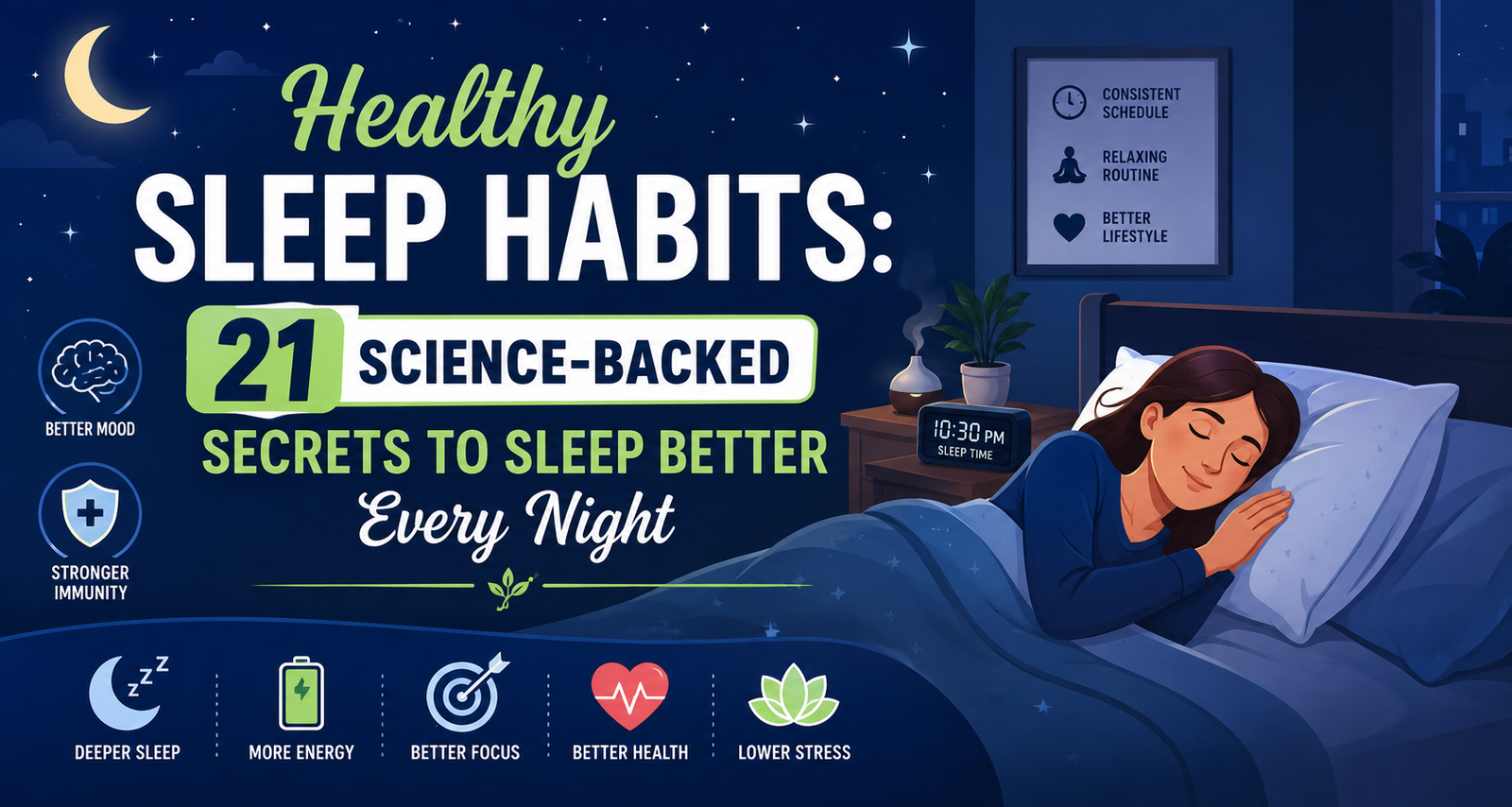
Healthy Sleep Habits: 21 Science-Backed Secrets to Sleep Better Every Night
Sleep is one of the most powerful tools for maintaining good health, yet millions of people struggle to get enough quality rest. Whether it’s stress, screen time, irregular schedules, or poor bedtime routines, unhealthy sleep patterns can affect your energy, mood, focus, productivity, and long-term well-being. If you often wake up feeling tired despite spending enough time in bed, your daily habits may be preventing truly restorative sleep.
Developing healthy sleep habits doesn’t require expensive gadgets or complicated routines. In many cases, small, consistent lifestyle changes can dramatically improve how quickly you fall asleep, how deeply you sleep, and how refreshed you feel in the morning. Scientific research continues to show that good sleep hygiene plays an essential role in brain function, heart health, immunity, metabolism, emotional well-being, and healthy aging.
In this comprehensive guide, you’ll discover 21 science-backed secrets to sleep better every night. You’ll also learn why sleep matters, which habits have the biggest impact, common mistakes to avoid, and practical strategies you can start using tonight. Whether you’re looking to improve your bedtime routine or establish better sleep habits for long-term health, this guide from PureWellLife will help you build a sustainable foundation for healthier sleep.
Why Healthy Sleep Habits Matter
Sleep is far more than simply resting your body after a busy day. During sleep, your brain processes memories, your immune system strengthens its defenses, your muscles recover, hormones are regulated, and vital organs perform essential maintenance. Poor sleep affects nearly every system in the body, increasing the risk of chronic conditions such as obesity, type 2 diabetes, cardiovascular disease, depression, and weakened immunity.
Research consistently shows that adults who maintain healthy sleeping habits enjoy better concentration, improved emotional resilience, enhanced productivity, and greater overall quality of life. Good sleep also supports healthier metabolism, balanced appetite hormones, and improved physical performance. Rather than viewing sleep as optional, think of it as one of the pillars of health alongside nutrition and exercise.
What Is Sleep Hygiene?
Sleep hygiene refers to the collection of daily behaviors, environmental factors, and bedtime routines that promote consistent, high-quality sleep. It includes everything from maintaining a regular sleep schedule to optimizing your bedroom environment and managing stress before bedtime.
Many people assume that sleeping well depends only on how tired they feel. In reality, sleep quality is strongly influenced by daily choices. Good sleep hygiene creates the ideal conditions for your body to naturally follow its internal clock, known as the circadian rhythm. When your habits align with this biological rhythm, falling asleep becomes easier, nighttime awakenings decrease, and you wake feeling more refreshed. Establishing healthy sleep hygiene is one of the most effective long-term strategies for achieving better sleep without relying on medications.
21 Science-Backed Healthy Sleep Habits
1. Keep a Consistent Sleep Schedule
One of the most effective healthy sleep habits is going to bed and waking up at the same time every day—even on weekends. Your body operates on a natural internal clock, and consistency helps reinforce this rhythm. Irregular schedules confuse your circadian rhythm, making it harder to fall asleep and wake naturally.
Aim for seven to nine hours of sleep each night and avoid large variations in your bedtime. Even a one-hour difference between weekdays and weekends can affect sleep quality. Setting consistent sleep and wake times trains your brain to recognize when it’s time to rest, leading to deeper, more restorative sleep over time.
Why it works
- Strengthens your circadian rhythm
- Improves sleep quality
- Reduces sleep latency
- Helps you wake up naturally
- Supports hormone regulation
2. Get Morning Sunlight Every Day
Exposure to natural sunlight shortly after waking is one of the simplest ways to improve your sleep cycle. Morning light tells your brain that it’s daytime, helping regulate melatonin production later in the evening. This natural signal strengthens your biological clock and makes it easier to feel sleepy at night.
Try spending at least 15 to 30 minutes outdoors within the first hour after waking. Even on cloudy days, outdoor light is much brighter than indoor lighting. Pairing a morning walk with sunlight exposure provides additional benefits by combining light, movement, and fresh air—all of which contribute to better sleep habits and improved daytime energy.
Benefits of morning sunlight
- Improves circadian rhythm
- Increases daytime alertness
- Supports nighttime melatonin production
- Enhances mood
- Helps reduce insomnia symptoms
3. Limit Blue Light Before Bed
Electronic devices such as smartphones, tablets, televisions, and laptops emit blue light, which can suppress melatonin—the hormone responsible for signaling sleep. Using these devices close to bedtime can delay sleep onset and reduce sleep quality, even if you feel tired.
Ideally, avoid screens for at least one hour before bed. If that’s not possible, enable blue-light filtering features or wear blue-light-blocking glasses. Replacing screen time with reading, gentle stretching, meditation, or listening to calming music can help your brain transition into sleep mode naturally while reinforcing healthy sleeping habits.
Better alternatives before bedtime
- Read a physical book
- Practice mindfulness meditation
- Journal your thoughts
- Listen to relaxing music
- Do light stretching
- Practice deep breathing
4. Create a Relaxing Bedtime Routine
Your brain benefits from predictable signals that indicate it’s time to sleep. A calming bedtime routine helps reduce mental stimulation and prepares your body for restful sleep. Consistently following the same routine each evening can make falling asleep easier and improve overall sleep quality.
Your bedtime routine doesn’t need to be elaborate. Activities such as taking a warm shower, dimming the lights, reading a book, practicing gratitude, or performing gentle yoga can all help lower stress levels. Over time, these repeated actions become cues that trigger your brain to prepare for sleep naturally.
Example bedtime routine
| Time | Activity | |
| 9:00 PM | Turn off work and stressful tasks | |
| 9:15 PM | Reduce room lighting | |
| 9:30 PM | Warm shower | |
| 9:45 PM | Read a book | |
| 10:00 PM | Deep breathing and lights out |
5. Keep Your Bedroom Cool
Temperature has a surprisingly large impact on sleep quality. As bedtime approaches, your body’s core temperature naturally decreases. A cool bedroom supports this biological process and helps you fall asleep more quickly.
Most sleep experts recommend maintaining a bedroom temperature between 16–19°C (60–67°F), although personal comfort varies. Lightweight bedding, breathable pajamas, and proper ventilation can further improve comfort. If your room is too warm, you may experience more nighttime awakenings and less deep sleep, making it harder to wake feeling refreshed.
Tips for an ideal sleep environment
- Use breathable cotton bedding.
- Improve airflow with a fan if needed.
- Keep blackout curtains closed during hot days.
- Avoid overheating with heavy blankets.
- Wear lightweight sleepwear.
6. Invest in a Comfortable Mattress and Pillow
Your mattress and pillow directly influence spinal alignment, pressure relief, and overall comfort throughout the night. An unsupportive sleep surface can contribute to neck pain, back pain, frequent awakenings, and poor sleep quality, even if you spend enough hours in bed.
Choose a mattress that suits your preferred sleeping position and body type rather than simply selecting the most expensive option. Pillows should support the natural curve of your neck without forcing awkward angles. Replacing worn-out bedding when it no longer provides adequate support is a worthwhile investment in your long-term health and sleep quality.
7. Reduce Noise and Light for Deeper Sleep
Your brain continues to respond to sounds and light even after you fall asleep. Sudden noises, street traffic, electronic notifications, or light entering through windows can interrupt deep sleep without fully waking you. Over time, these repeated disruptions reduce sleep quality and leave you feeling tired the next morning. Creating a calm, dark environment is one of the easiest healthy sleep habits to implement and can significantly improve your nightly rest.
If your bedroom is noisy, consider using earplugs, a white noise machine, or a fan to mask disruptive sounds. Blackout curtains or a comfortable sleep mask can help block unwanted light. Even small electronic indicator lights from chargers or devices can affect sensitive sleepers, so minimizing unnecessary light sources supports healthier sleep hygiene and promotes uninterrupted sleep.
Quick Checklist for a Sleep-Friendly Bedroom
- Use blackout curtains or blinds.
- Turn off unnecessary electronic lights.
- Silence phone notifications.
- Keep pets from interrupting sleep if possible.
- Consider white noise for consistent background sound.
8. Avoid Caffeine Late in the Day
Caffeine is a natural stimulant found in coffee, tea, energy drinks, chocolate, and many soft drinks. While it can improve alertness during the day, consuming caffeine too late may interfere with your ability to fall asleep. Depending on the individual, caffeine can remain active in the body for six hours or longer, delaying melatonin production and reducing deep sleep.
If you struggle to sleep better every night, try limiting caffeine after early afternoon. Instead of reaching for another cup of coffee, choose herbal tea, water, or caffeine-free alternatives. Gradually reducing afternoon caffeine intake often leads to noticeable improvements in sleep quality within just a few days.
Better Evening Beverage Choices
| Avoid Late Evening | Better Alternative |
| Coffee | Chamomile tea |
| Energy drinks | Warm milk |
| Cola | Herbal tea |
| Strong black tea | Decaffeinated tea |
| Pre-workout drinks | Water with lemon |
9. Avoid Heavy Meals Right Before Bed
Eating a large or spicy meal immediately before bedtime can make it difficult to fall asleep. Digestion requires energy, and lying down too soon after eating may increase the risk of acid reflux, bloating, and discomfort. These issues can interrupt sleep cycles and reduce overall sleep quality.
Aim to finish your main evening meal at least two to three hours before bedtime. If you become hungry later, choose a light snack such as yogurt, a banana, or a handful of nuts. These options are easier to digest and are less likely to disturb your sleep.
Foods That Make Better Late-Night Snacks
- Greek yogurt
- Banana
- Kiwi
- Almonds
- Oatmeal
- Cottage cheese
- Whole-grain crackers with peanut butter
10. Limit Alcohol Before Sleeping
Many people believe alcohol helps them sleep because it causes drowsiness. While it may help you fall asleep faster, alcohol disrupts normal sleep architecture by reducing REM sleep and increasing nighttime awakenings. As a result, sleep becomes less restorative, and you may wake feeling tired despite spending enough hours in bed.
If you choose to drink alcohol, avoid consuming it close to bedtime. Giving your body several hours to metabolize alcohol before sleeping can reduce its negative impact on sleep quality. Replacing late-night alcoholic drinks with calming herbal beverages can support healthier sleeping habits over the long term.
11. Exercise Regularly
Regular physical activity is strongly associated with better sleep quality. Exercise helps reduce stress, regulate hormones, improve mood, and increase the body’s natural drive for restorative sleep. People who exercise consistently often fall asleep faster and spend more time in deep sleep compared to those who are inactive.
Moderate activities such as walking, cycling, swimming, strength training, or yoga all contribute to healthier sleep. Although exercise is beneficial, intense workouts immediately before bedtime may temporarily increase alertness in some individuals. For many people, morning or afternoon exercise provides the greatest sleep benefits.
Benefits of Regular Exercise for Sleep
- Falls asleep faster
- More deep sleep
- Less stress
- Better mood
- Improved energy
- Supports heart health
- Helps regulate body weight
12. Manage Daily Stress Effectively
Stress is one of the leading causes of poor sleep. When your mind remains active with worries, work responsibilities, or personal concerns, your body stays in a heightened state of alertness that makes relaxation difficult. Developing healthy stress-management techniques can dramatically improve your ability to sleep.
Simple practices such as journaling, mindfulness meditation, breathing exercises, prayer, or gratitude journaling help calm the nervous system before bedtime. Even spending ten minutes each evening reflecting on positive experiences can reduce anxiety and promote more restful sleep.
Simple Stress-Relief Habits
- Deep breathing
- Meditation
- Gratitude journaling
- Progressive muscle relaxation
- Gentle stretching
- Reading
- Listening to calming music
13. Avoid Long Daytime Naps
Short naps can improve alertness and productivity, but long or late-afternoon naps may interfere with nighttime sleep. Sleeping too much during the day reduces your body’s natural sleep pressure, making it harder to fall asleep at your usual bedtime.
If you enjoy napping, limit naps to approximately 20–30 minutes and schedule them earlier in the afternoon. This provides the benefits of improved alertness without significantly affecting nighttime sleep quality.
14. Reserve Your Bed for Sleep Only
Your brain forms associations based on repeated experiences. If you regularly work, watch television, scroll social media, or eat meals in bed, your brain may stop associating the bed exclusively with sleep. This weakens one of the strongest behavioral cues for healthy sleep.
Use your bed only for sleeping and intimacy whenever possible. If you cannot fall asleep within about twenty minutes, get out of bed and engage in a quiet, relaxing activity until you feel sleepy again. Returning to bed only when tired helps reinforce positive sleep associations.
15. Reduce Evening Screen Time
Modern technology keeps people connected around the clock, but it also contributes to poor sleep. Beyond blue light exposure, engaging content on social media, streaming services, and online games stimulates the brain, making relaxation more difficult.
Creating a “digital sunset” one hour before bedtime is one of the most effective better sleep habits. Instead of scrolling through your phone, spend that time reading, stretching, preparing for the next day, or practicing relaxation techniques that encourage restful sleep.
Evening Activities That Promote Better Sleep
| Screen Activity | Better Alternative |
| Social media | Reading |
| Watching TV | Meditation |
| Gaming | Gentle yoga |
| Emails | Journaling |
| Online shopping | Relaxing music |
16. Watch Your Evening Fluid Intake
Staying hydrated throughout the day is important, but drinking excessive amounts of liquid shortly before bed may cause frequent trips to the bathroom during the night. Interrupted sleep prevents the body from completing normal sleep cycles and may leave you feeling less refreshed.
Continue drinking enough water during the day, but gradually reduce large fluid intake during the final one to two hours before bedtime. If you take medications that increase urination, discuss timing with your healthcare provider.
17. Practice Relaxation Techniques Before Bed
Relaxation techniques help activate the parasympathetic nervous system—the body’s natural “rest and digest” mode. When practiced consistently, they reduce heart rate, lower muscle tension, and prepare the mind for sleep.
Popular techniques include guided meditation, progressive muscle relaxation, visualization, mindfulness breathing, and gentle yoga. Even five to ten minutes each night can significantly improve sleep quality, particularly for people experiencing stress-related insomnia.
Five-Minute Relaxation Routine
- Sit comfortably.
- Close your eyes.
- Inhale slowly through your nose.
- Exhale gently through your mouth.
- Repeat for five minutes while focusing on your breathing.
18. Keep Your Bedroom Clean and Comfortable
A clean, organized bedroom promotes relaxation and reduces unnecessary distractions. Clutter may contribute to stress and mental overstimulation, making it harder to unwind after a busy day. Fresh bedding, clean air, and comfortable surroundings all contribute to better sleep.
Wash bedding regularly, vacuum your bedroom, maintain comfortable humidity levels, and remove unnecessary clutter. A peaceful sleep environment supports consistent healthy sleeping habits and encourages deeper, more restorative sleep.
19. Include Natural Sleep-Promoting Foods
While no single food can instantly cure insomnia, certain nutrient-rich foods may support healthy sleep as part of an overall balanced diet. Foods containing magnesium, tryptophan, and melatonin-supporting nutrients may help the body prepare for restful sleep.
Examples include cherries, kiwi, almonds, walnuts, oats, bananas, and dairy products. Rather than relying on supplements without medical advice, focus on maintaining a nutritious eating pattern that supports overall health and sleep quality.
Foods That May Support Healthy Sleep
- Tart cherries
- Kiwi
- Bananas
- Almonds
- Walnuts
- Oats
- Milk
- Yogurt
- Pumpkin seeds
20. Track Your Sleep Patterns
Keeping a sleep journal or using a reputable sleep-tracking device can help identify habits affecting your sleep. Recording bedtime, wake time, caffeine intake, exercise, stress levels, and nighttime awakenings allows you to recognize patterns over time.
Tracking should be used as a guide rather than an obsession. The goal is to identify areas for improvement and reinforce positive routines that contribute to healthier sleep.
21. Know When to Seek Professional Help
Occasional poor sleep is common, but persistent sleep problems should not be ignored. If you regularly struggle to fall asleep, frequently wake during the night, experience excessive daytime fatigue, snore loudly, or suspect a sleep disorder, it is important to consult a healthcare professional.
Conditions such as insomnia, sleep apnea, restless legs syndrome, and circadian rhythm disorders often require proper evaluation and treatment. Seeking help early can improve sleep quality, protect long-term health, and enhance your overall quality of life. Remember that healthy sleep is a fundamental part of preventive healthcare—not a luxury.
Healthy Sleep Habits at a Glance
| Habit | Benefit |
| Consistent sleep schedule | Supports circadian rhythm |
| Morning sunlight | Regulates melatonin |
| Reduce blue light | Helps you fall asleep faster |
| Relaxing bedtime routine | Lowers stress |
| Cool bedroom | Promotes deep sleep |
| Comfortable mattress | Reduces discomfort |
| Less caffeine | Improves sleep quality |
| Regular exercise | Increases deep sleep |
| Stress management | Calms the mind |
| Healthy sleep hygiene | Supports long-term sleep health |
Frequently Asked Questions (FAQs)
1. What is the most important healthy sleep habit?
Maintaining a consistent sleep schedule is considered one of the most effective healthy sleep habits. Going to bed and waking up at the same time each day strengthens your body’s circadian rhythm, making it easier to fall asleep naturally and wake up refreshed. Consistency also improves sleep quality, supports hormone balance, and promotes better overall health.
2. How can I sleep better naturally without medication?
You can improve sleep naturally by following good sleep hygiene. This includes reducing evening screen time, avoiding caffeine late in the day, exercising regularly, managing stress, creating a relaxing bedtime routine, and keeping your bedroom cool, dark, and quiet. These habits often provide long-lasting improvements without the need for sleep medications.
3. Why do I wake up feeling tired after eight hours of sleep?
Sleeping for eight hours does not always guarantee quality sleep. Frequent awakenings, stress, poor sleep hygiene, sleep apnea, or an uncomfortable sleep environment may prevent restorative deep sleep. Evaluating your daily habits and discussing persistent fatigue with a healthcare provider can help identify underlying causes.
4. Is napping during the day unhealthy?
Short naps lasting about 20–30 minutes can improve alertness and productivity. However, long or late-afternoon naps
5. Does age affect sleep quality?
may interfere with nighttime sleep by reducing your natural sleep drive. Limiting nap duration and timing helps maintain healthy sleep habits without affecting your regular bedtime.
Yes. Sleep patterns naturally change with age. Older adults may experience lighter sleep, earlier wake times, and more nighttime awakenings. Despite these changes, adults still benefit from maintaining healthy sleep habits to maximize sleep quality and support physical and cognitive health.
Key Takeaways
- Prioritize 7–9 hours of quality sleep every night.
- Maintain a consistent sleep and wake schedule.
- Practice good sleep hygiene every day.
- Reduce blue light exposure before bedtime.
- Limit caffeine, alcohol, and heavy meals in the evening.
- Exercise regularly to improve sleep quality.
- Manage stress through relaxation techniques.
- Create a cool, dark, and quiet sleep environment.
- Track your sleep patterns to identify areas for improvement.
- Seek professional help if sleep problems persist.
Conclusion
Quality sleep is not a luxury—it’s one of the most important foundations of lifelong health. By adopting these 21 science-backed healthy sleep habits, you can improve your sleep quality, boost your energy, enhance your mental clarity, strengthen your immune system, and support long-term physical and emotional well-being. The key is consistency. Even small improvements in your daily routine can produce meaningful changes over time.
Remember that good sleep hygiene begins with simple choices, such as maintaining a regular sleep schedule, limiting evening screen time, exercising regularly, and creating a peaceful sleep environment. These habits work together to help you sleep better every night without relying solely on medication.
At PureWellLife, we believe that better health starts with better daily habits. If you found this guide helpful, explore our other evidence-based wellness articles on healthy living, nutrition, fitness, and disease prevention. Share this article with your family and friends, and start building healthier sleep habits today—because every great day begins with a great night’s sleep.